History

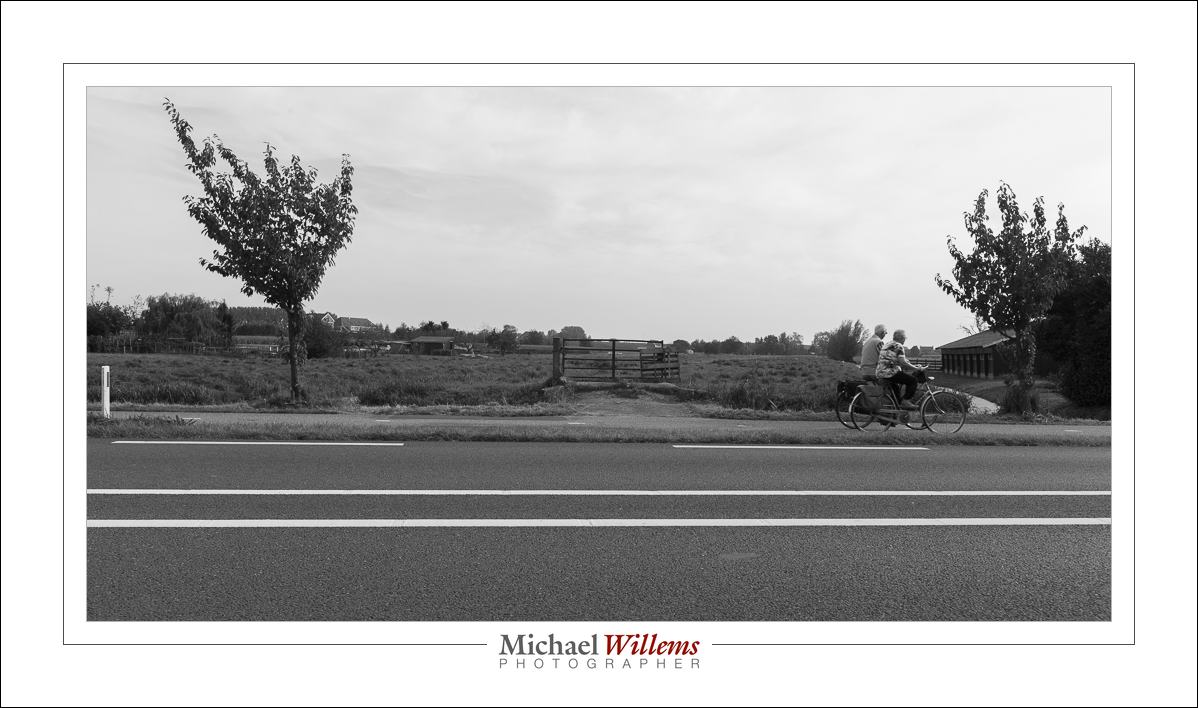
Here’s my mom, who is 85, at the Lek river, a part of the Rhine that flows in Holland from Germany to the estuary in Rotterdam.

(f/4.5, 1/250 sec, ISO 400)

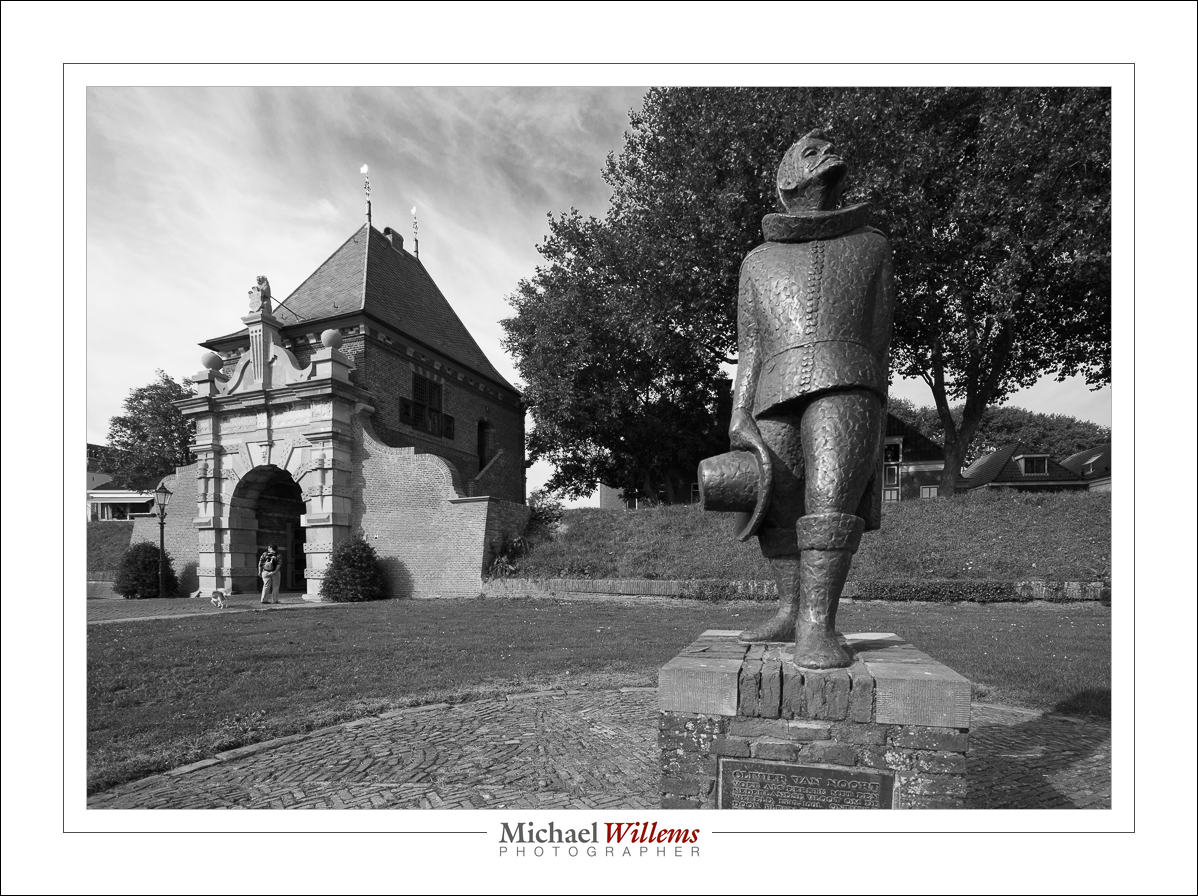
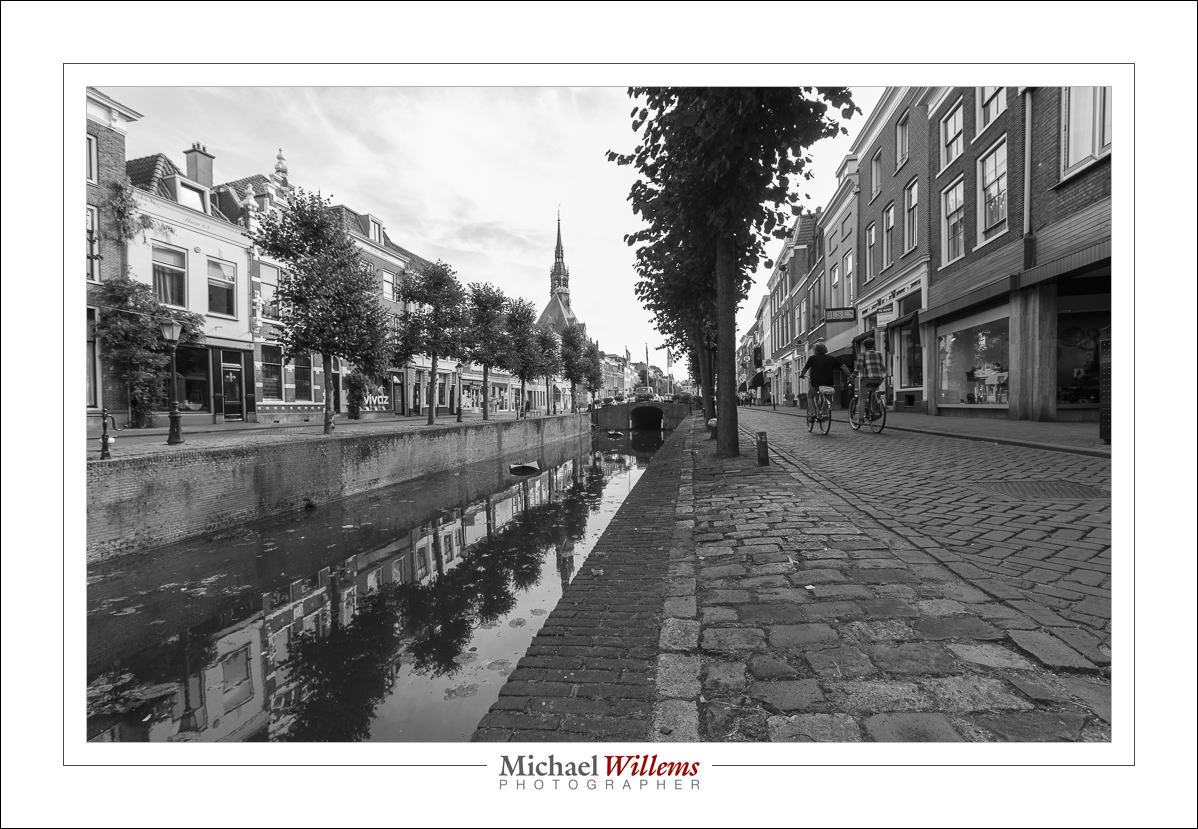
The history part: the small town of Schoonhoven, miles from the nearest highway, is still, in my mind, completely a “Golden Age” 17th century town. Drenched in the history of The Netherlands.

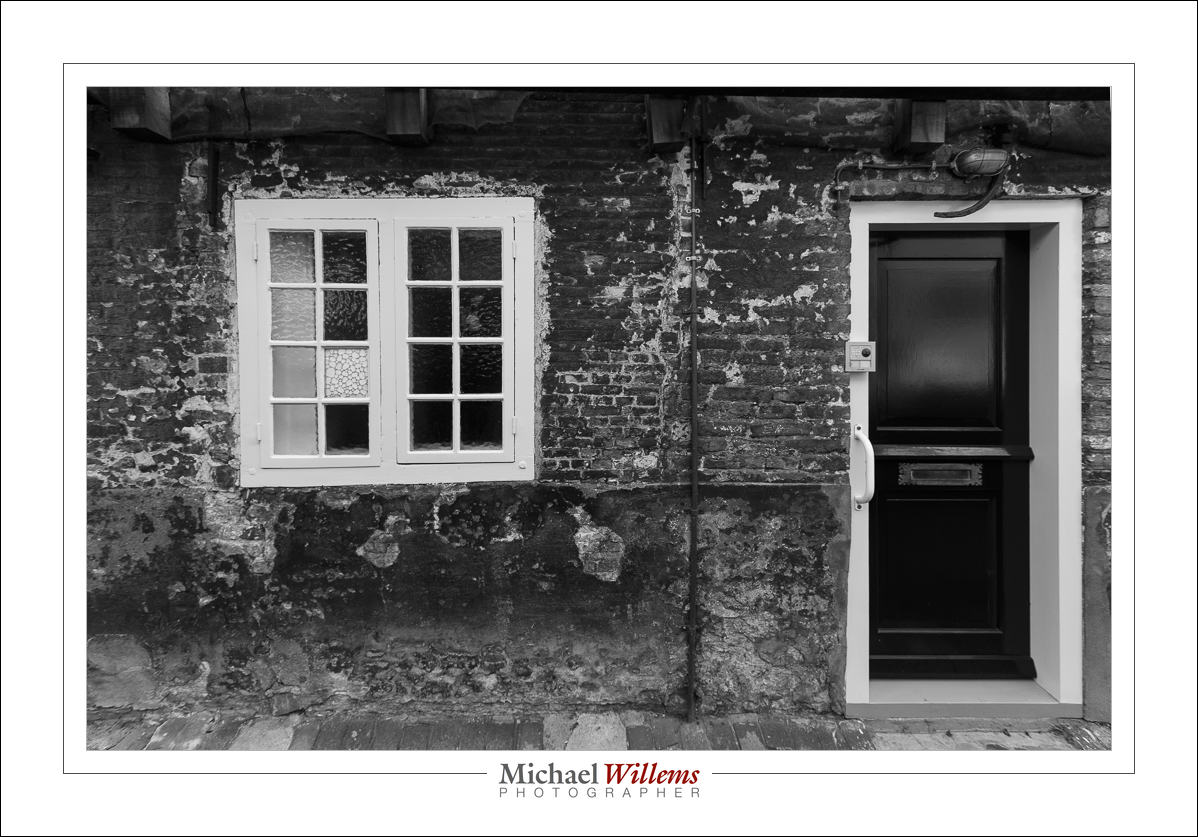
As for mom, I lit her with a bounced flash: you can see the flash light on the wall reflecting in the window. So I started with te background; set it to –2 stops, and then added flash. That’s how flash works: you start with the background.

And the shutter is at 1/250 to get the most flash in (I.e I do not want to reduce aperture or ISO to get the background darker, because that makes the flash have to work harder too).

Are you in Holland? Wednesday I teach all three courses Flash 1, Flash 2, and Video/DSLR in one day, 9am-6pm, in Hendrik-Ido-Ambacht near Rotterdam. There are spots, so benefit now.  No longer three evenings, now it is one day. Sign up!


Iceland, 2

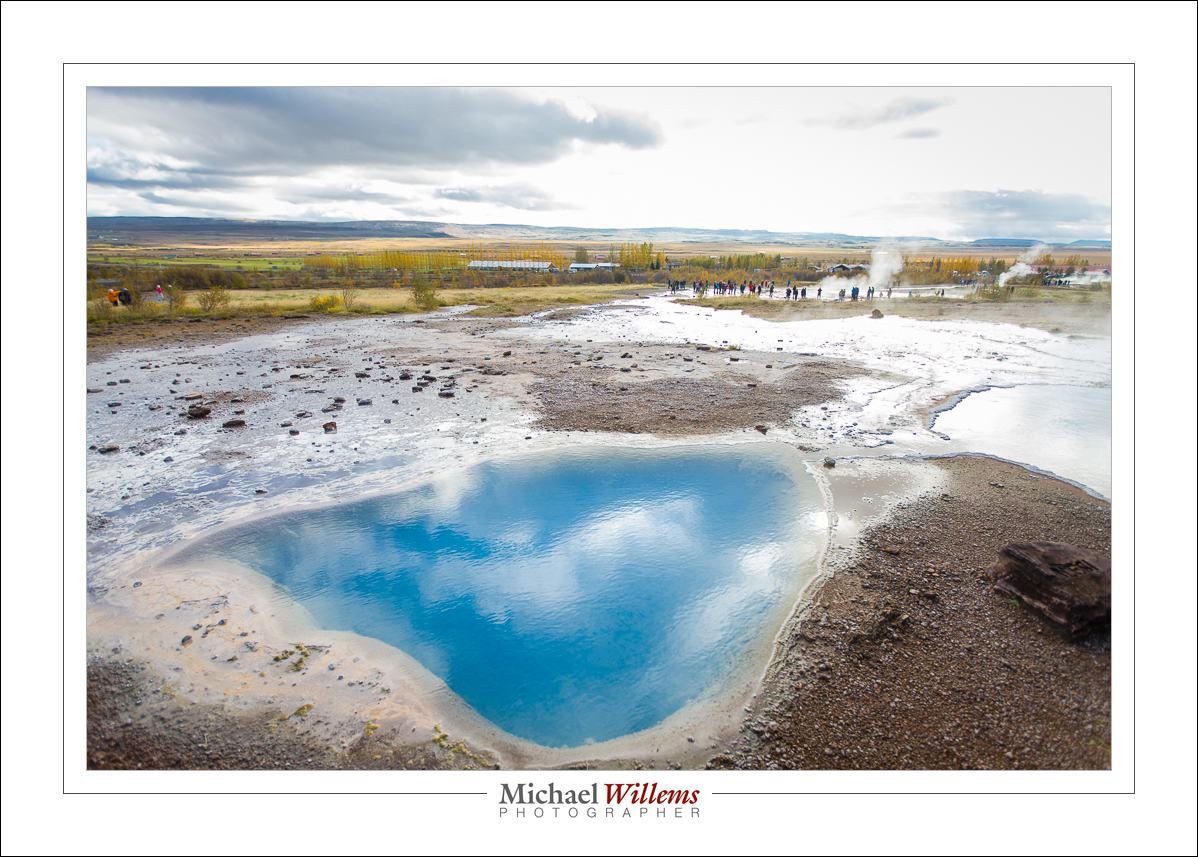
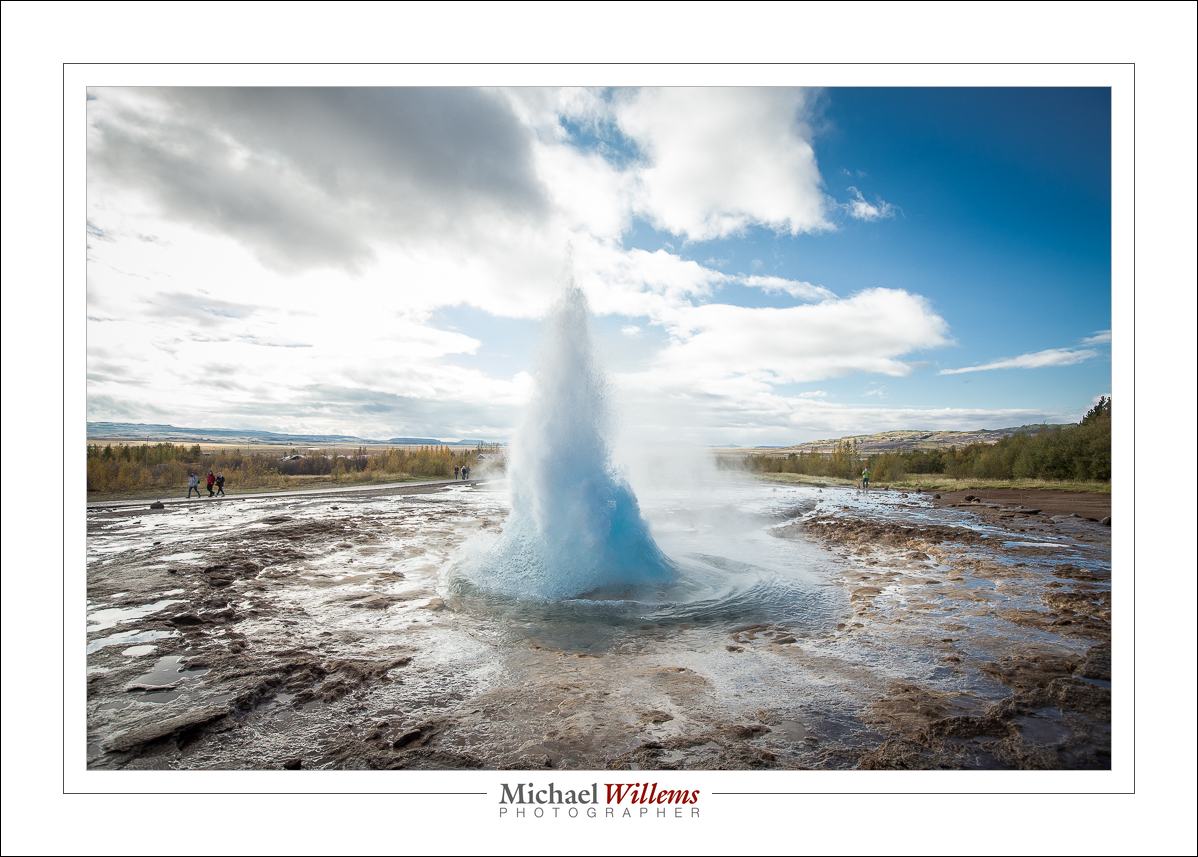
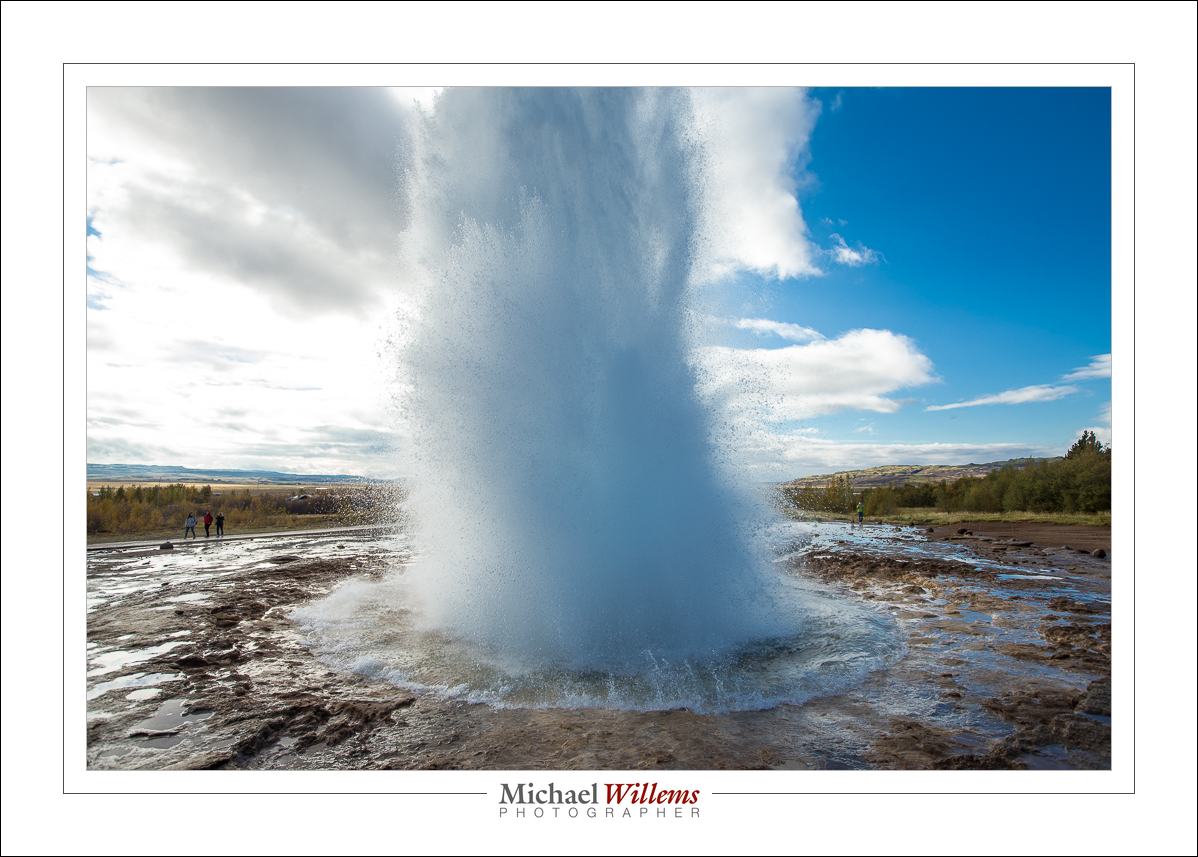
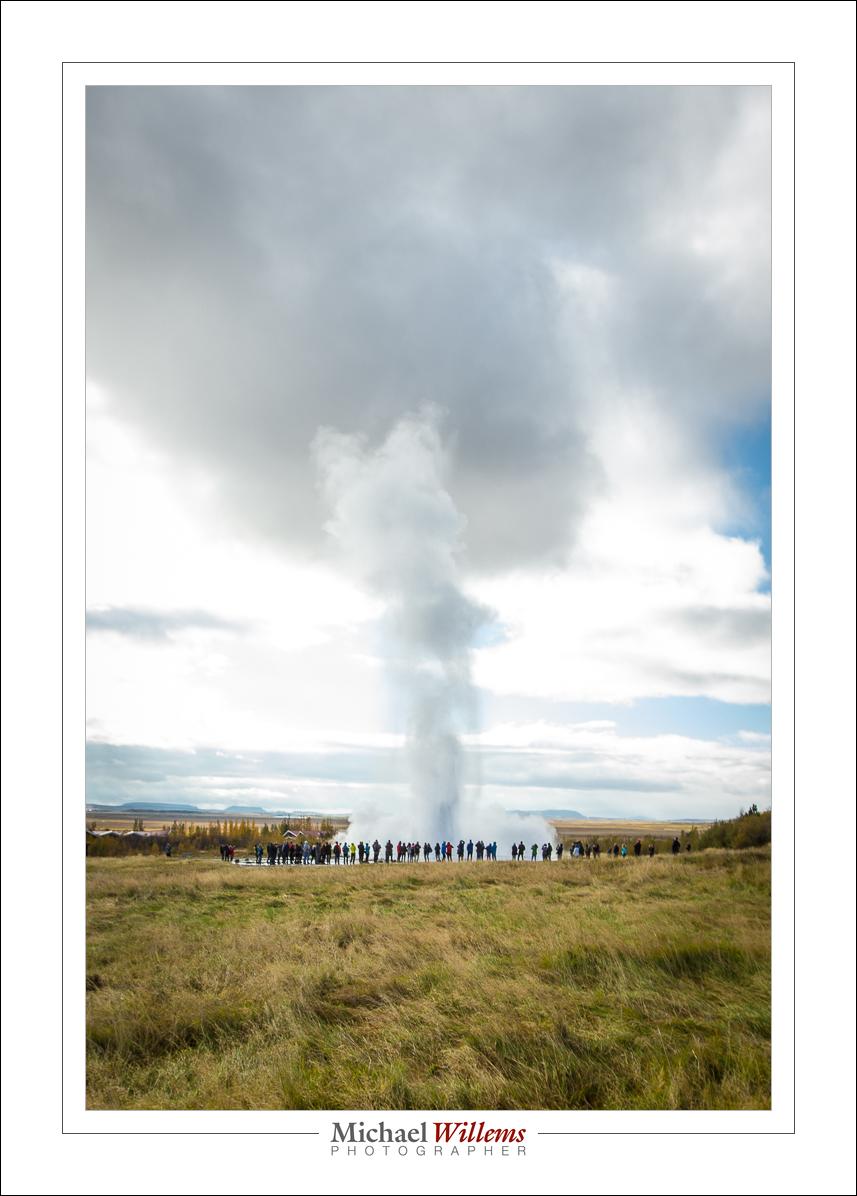
Iceland was a land, for me, of colours. The ones you saw yesterday, and blues, like here at Geysir.

Strokkur is the geyser that erupts every seven or so minutes; the big one no longer does.

All taken at 1/320 sec, f/5.6, 100 ISO, manual.

For photos like this, you set the camera on manual and work out the exposure and leave it; and you set the shutter to continuous exposures. Then, click-click-click.

In an ideal world, I would have had no clouds. But we do not live in an ideal world. I had to be upwind of the geyser, of course.


Photos Graphein

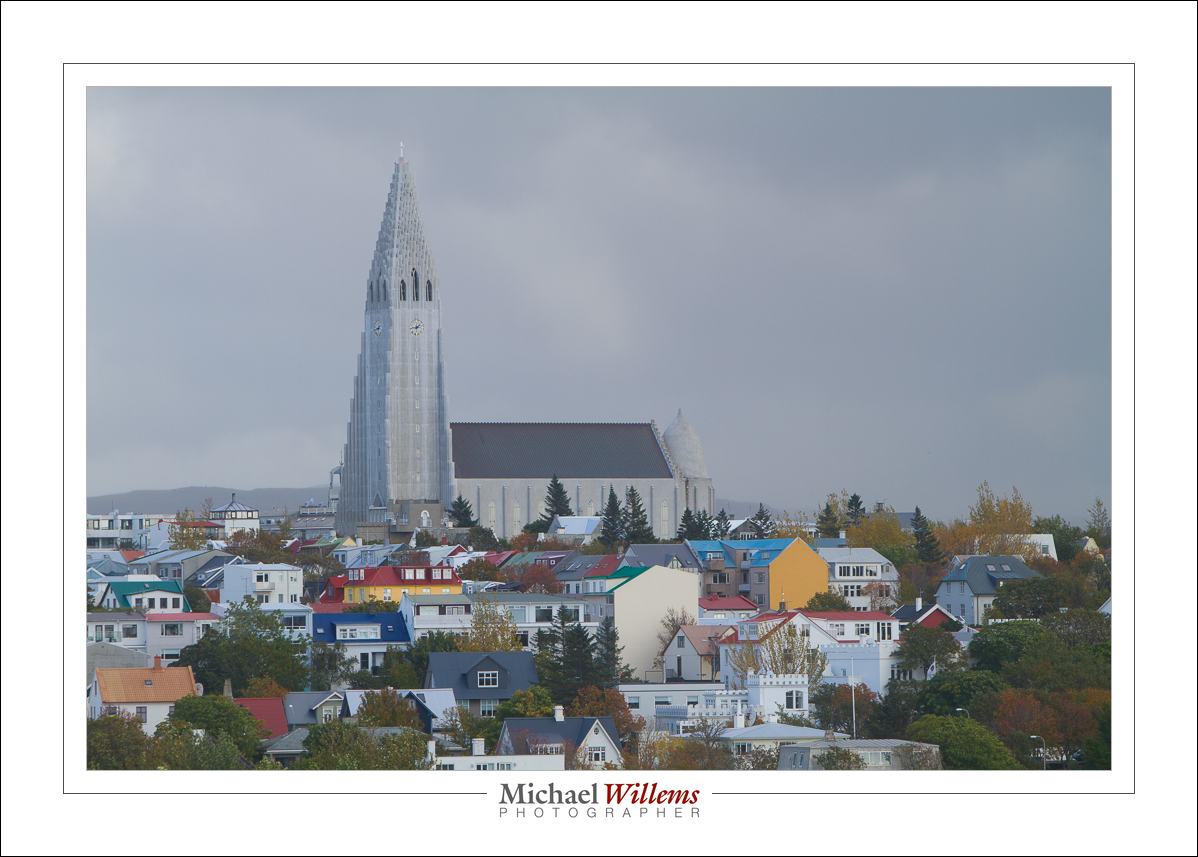
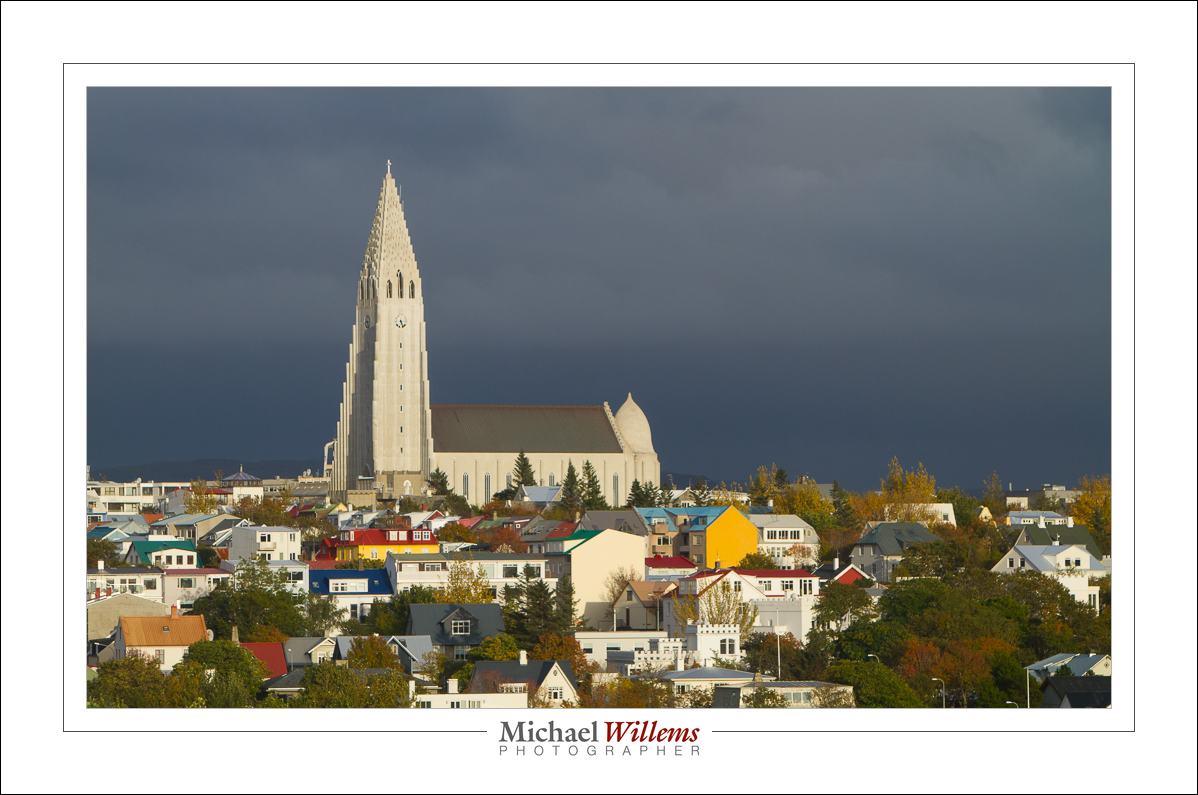
Writing/drawing with light. That’s what photography means. And sometimes that means just waiting. Look at Reykjavik, the Hallgrímskirkja, two photos I took today. One in the morning, one just now, late afternoon:

Need I say more?

I don’t think so, for once. Except perhaps “look for that golden hour light, especially on dark, dramatic cloudy days”.

Yeah and Reykjavik is the capital city of Iceland.


ill

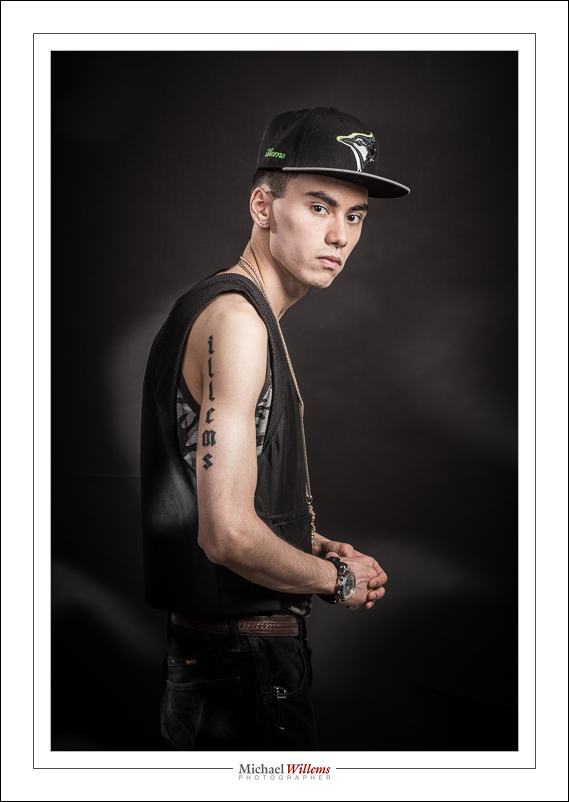
My son, Toronto-area rapper illems, who turned 20 today, and his rap-partner Merkury released their second mixtape, “Tumbling Towers II“. (Please read the disclaimer, and it is mature content). And here he is in my studio at 11pm last night:

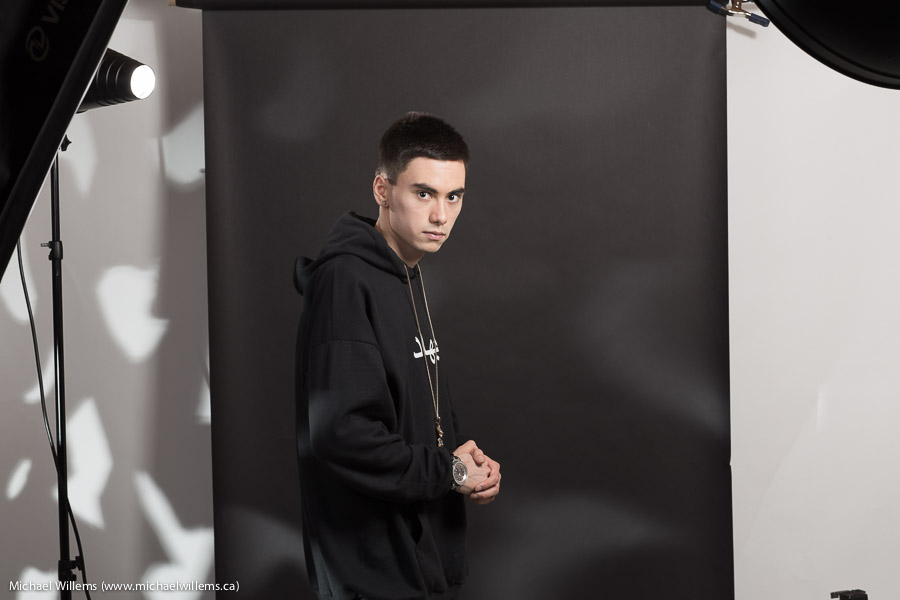
Slight desat and vignette in post, otherwise as shot. One beauty dish right; softbox -2 stops left; snooted hairlight behind left. Mottled light template from front left. Like so:

Why black background? Because he is wearing black and we want a black mood.

Now I used strobes, but speedlights would have worked just as well. Better, perhaps, because they are smaller and more easy to manipulate.

This calls for manual settings of course. Make sure black is black. Black background and enough distance between model and background. Lights close to model.


Myth-busters!

(To the tune of “Ghostbusters”).

Often, my posts point out common myths and misconceptions. Of which there are many… many. On the Internet, no-one knows that you’re a dog, and no-one knows that you are wrong.

So, two oft-heard “truths”:

  1. You cannot shoot with TTL if you are a pro.
  2. You cannot use just one light for a serious portrait.

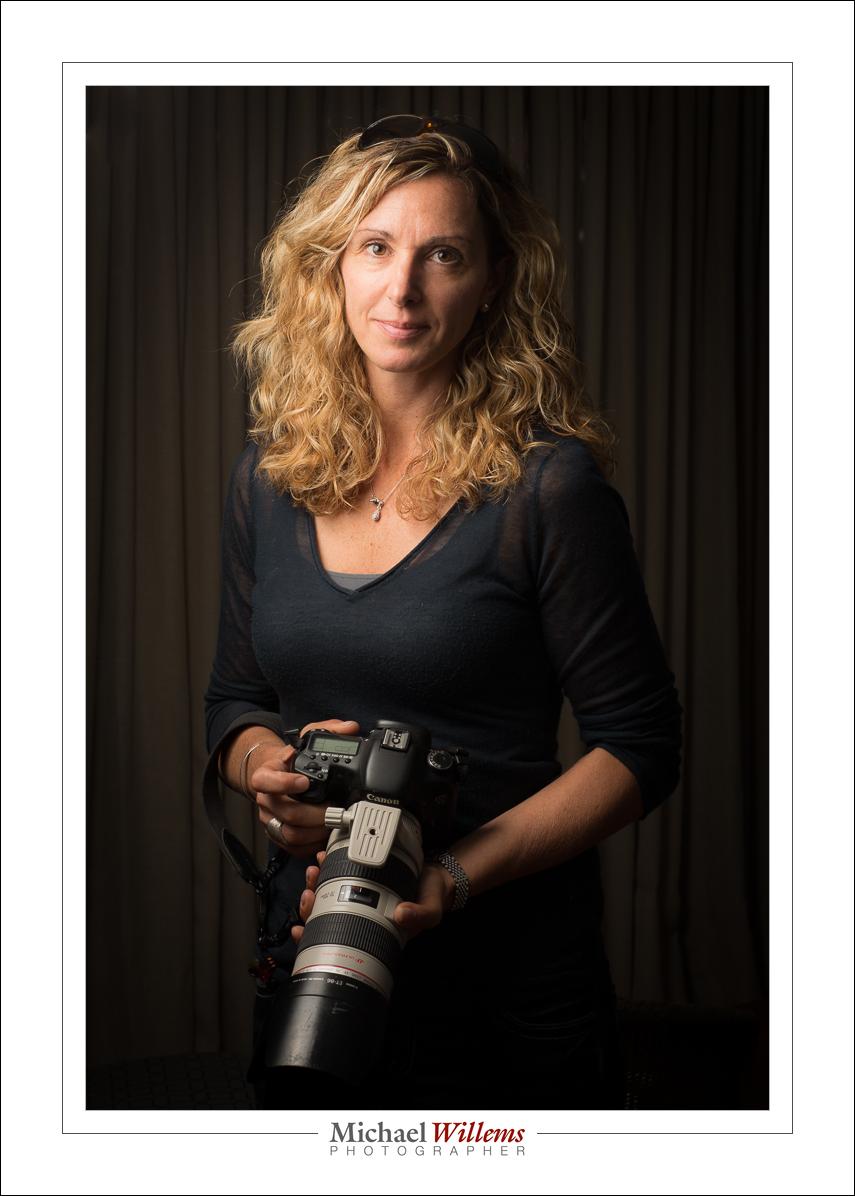
So. TTL was used in this portrait of students and friend Diana; remote TTL in fact (light flashes from on camera flash drives off camera flash); and the light was one flash through an umbrella. The on camera flash was disabled, except for those light flashes.

1/125 sec, f/8, ISO100.

The curtain was chosen as a classy background, but the umbrella was close to the subject so the curtain would get little light. TTL handles this fine; if the subject had been too light or too dark, a touch of flash compensation would have sorted that out.

The one light-with-umbrella gives us enough light for a portrait with Rembrandt lighting. Fairly dramatic chiaroscuro-type lighting, but not so dramatic that it becomes unflattering. On the contrary, this is nice light.

The blonde hair stands out nicely against the dark background; dark hair would have needed more light.

So there, a real portrait with “studio settings”, i.e. just one light, and using TTL. I could do that all night.


Post

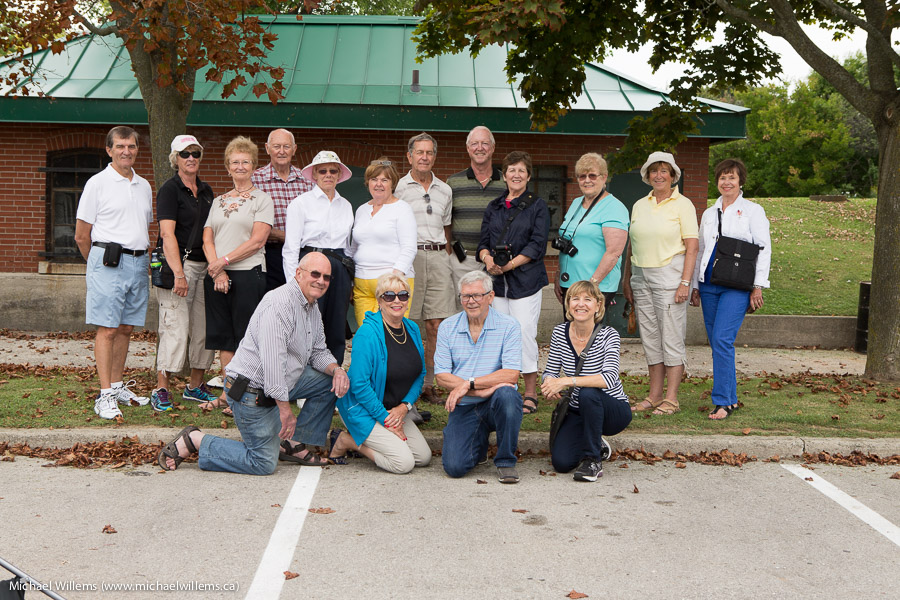
I did a photo walk yesterday, in Mississauga. And after that, a group shot of the people I did the walk for. Arrange the group nicely and I get:

Not bad, and it’s what a competent photographer might well do.

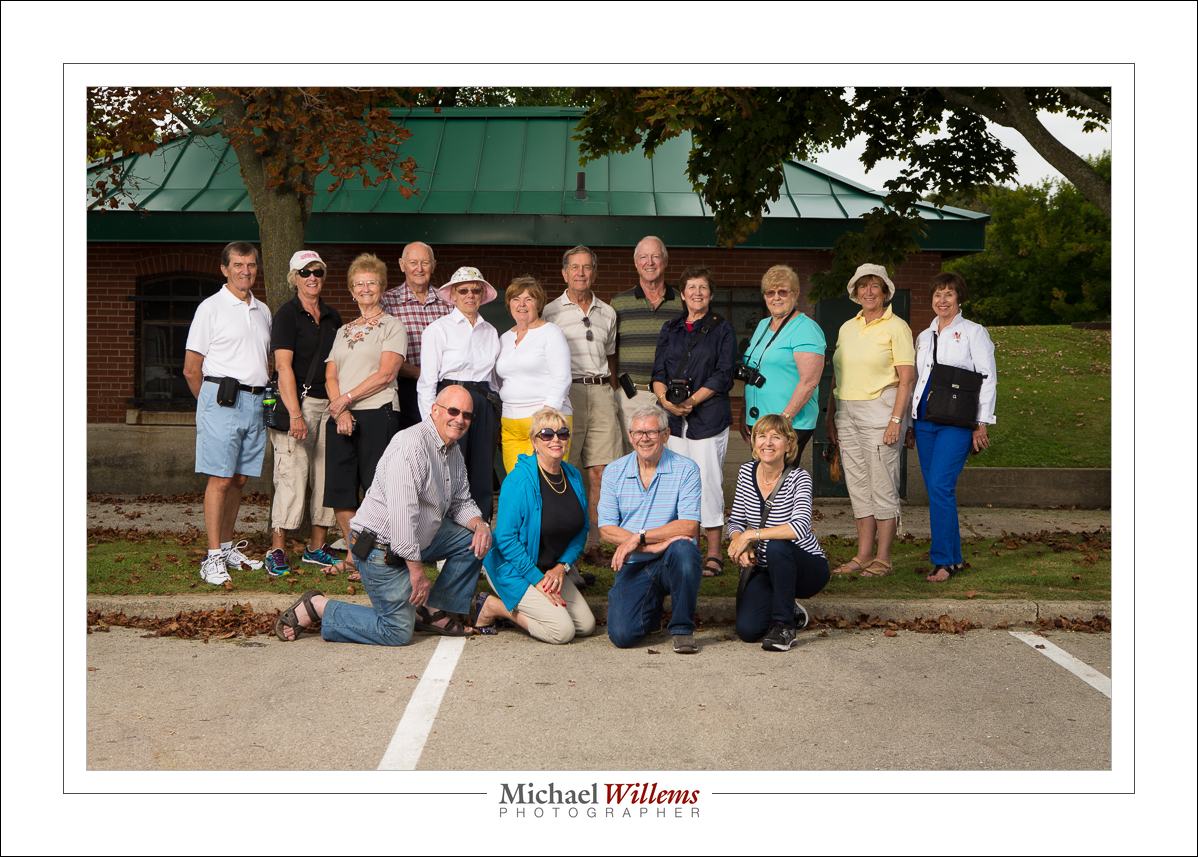
But wait. There’s more. I want modelling; less flatness. Saturated background light. And I want my subjects to be the bright pixels. So that they stand out.

Meaning I need light and control over that light. Meaning:

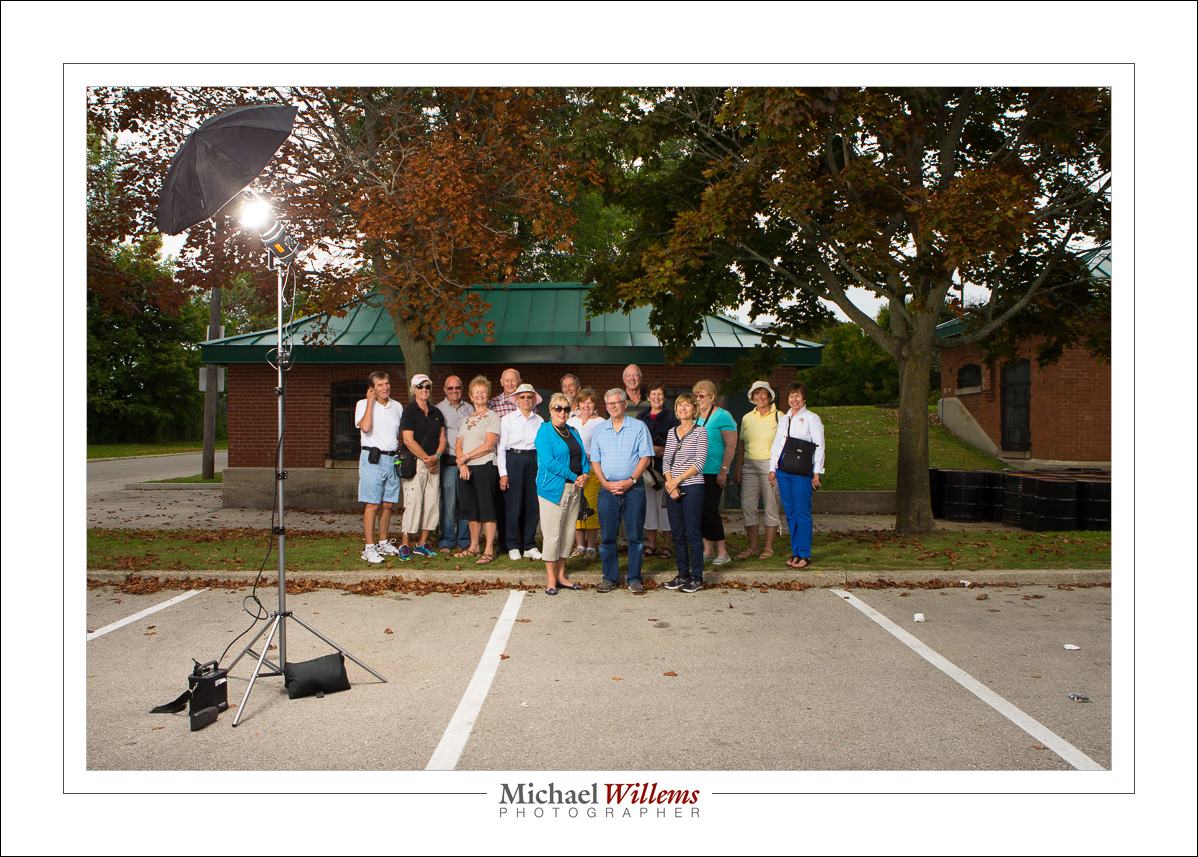
  • A flash for key light. I used one studio flash (a Bowens 400 Ws flash)
  • For power, a Bowens battery pack).
  • A modifier (umbrella, here).
  • A sand bag to stop the light from falling.
  • Camera settings that make my background go darker (ideally, –1 to –2 stops below ambient).
  • And do not forget,  shutter speed less than my camera’s fastest flash sync speed (1/250 sec for me).

All that looks like this:

So the resulting picture is:

(Canon 1Dx, 24-70 lens, 1/125 sec at f/6,3, 100 ISO)

Compare that final shot with the one at the very top and see if you can see, and appreciate, the differences. Then, you are on your way to lighting professionally.


How you think: an example

Often. it’s not the “what”, but “how”. How do you decide what settings to you in your cameras? What to shoot?

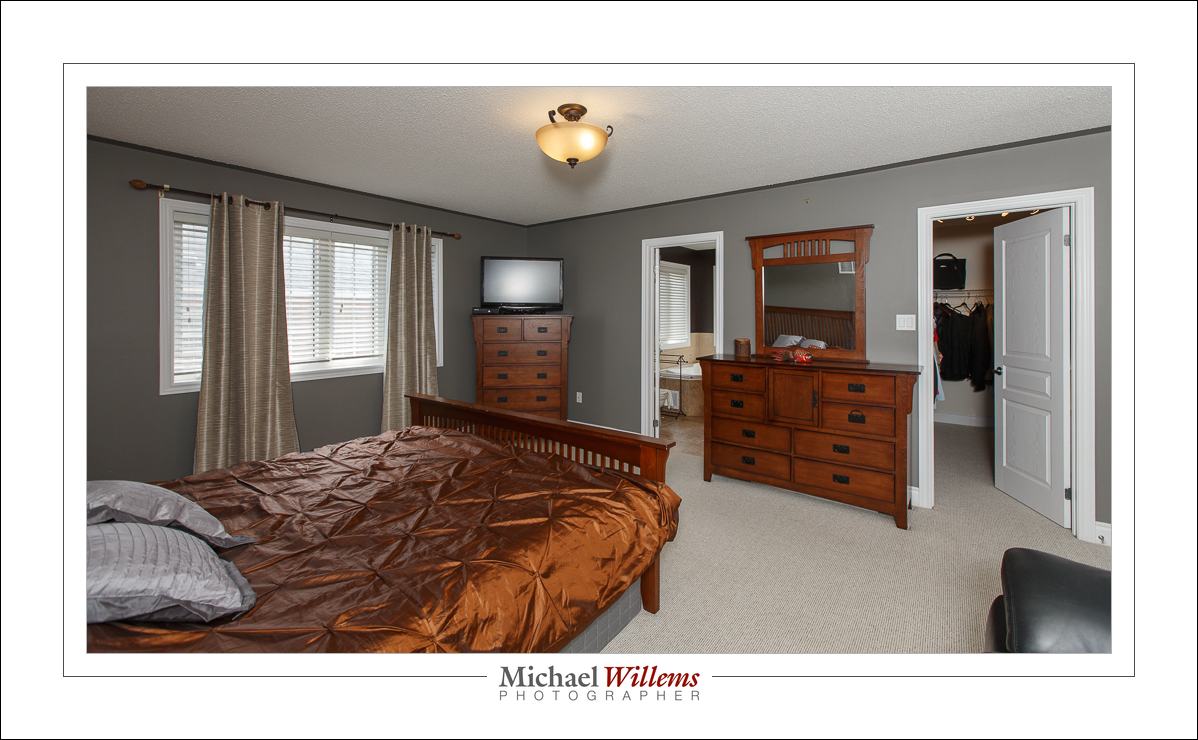
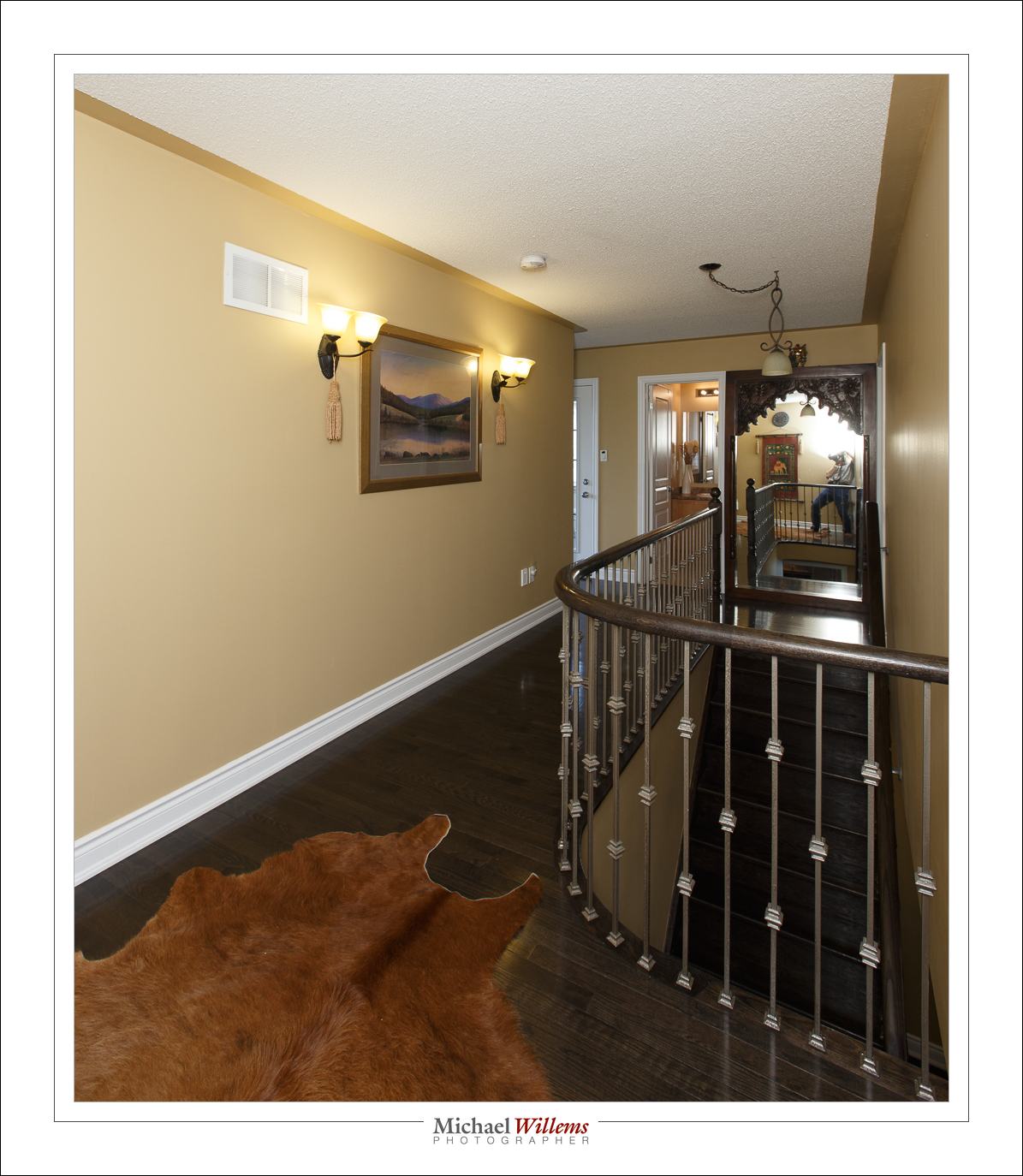
I shall use myself, and today’s shoot, as an example. I shot a house, for a real estate agent:
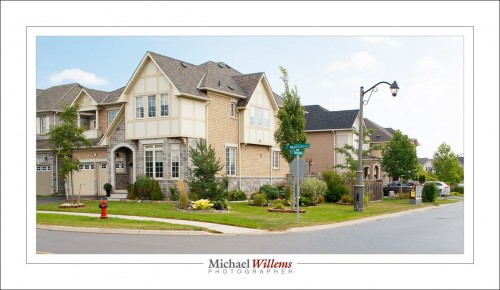
When shooting something like this, my camera is in manual model. So I need to make many decisions. And I need to be quick: cannot afford to hang around, for the home-owner’s sake, the realtor’s sake, and my own sake.

So before the shoot I decide :”outside, tilt-shift”. Arriving, I had my tilt-shift lens on the camera already. Using the sunny sixteen rule, before even starting I set my camera to 1/100 sec, ISO100, and started at f/11. I looked; that was a little dark, the meter told me, so I went to f/8. Perfect. Then came the fine tuning: I wanted a faster shutter for hand held, so I used 1/200 sec, which necessitated f/5.6. (shutter gave me one stop less light, which I fixed by aperture giving me one stop more light).

Then I focused manually, held the camera straight, and shifted the lens up. Click. Done. Time taken: Seconds.

Now inside. I already knew I would want the wide angle lens, so I put it on, the 16-35mm f/2.8 lens. Inside, I saw mainly simple white ceilings, so I decided simple flash bouncing with one flash, and combining that with ambient, would be fine. Then the sequence was:

  1. I set my camera to 400 ISO: that is my starting standard for bright indoors.
  2. I selected f/5.6: with a wide lens, that will give me sharpness from “near me” to “infinity”.
  3. Then I selected 1/50 second, which, I was sure, would give me visibility of inside light fixtures.
  4. I selected flash exposure compensation of +1 stop, and turned the flash upward behind me at roughly 45 degrees.

I got:
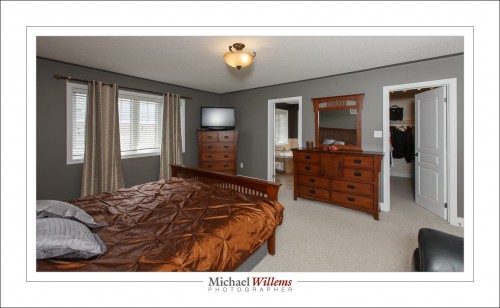
And that confirmed what I wanted: outside not too crazy bright; light fixture visible, room well lit. Done. Now for the rest of the shoot all I changed was the shutter speed:

  • I first tried 1/50 second.
  • Where “outside” was important, I went up to as much as 1/250 second. This gave a colder inside but better outside.
  • Where “inside” was important and outside could be a little blown out, I went down to as little as 1/20 second.

Once the basics were taken care of, now I started to think about what to shoot:

  • Diagonal into each room; straight-on in the kitchen.
  • I shot from slightly below eye-level (but not below cupboard level if that meant seeing the bottom of cupboards).
  • Of course I went wide, very wide… but I resisted going TOO wide: over-promising and under-delivering is not a very good strategy.
  • I ensured that all the lights were turned on in the rooms I shot.

And of course I avoided this error:
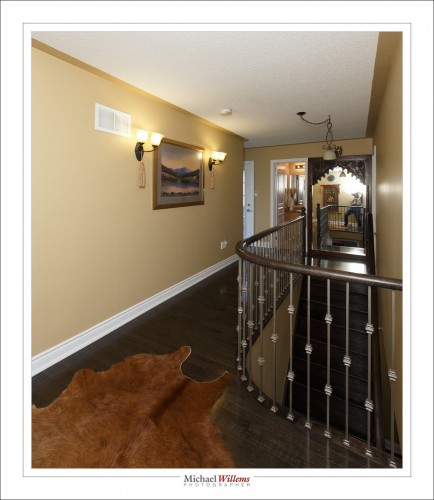
Can you see the error?

Yes, you need to be extremely cautious in a house with many mirrors.

I estimated an hour for this shoot. Time taken: Exactly 56 minutes. A good job, if I am allowed to say so myself, and it feels good to do a good job. This is a beautiful home, and I trust my photos (103 of them) will help secure a very quick sale for list price; perhaps even list price “plus”.
 

Fun

I shoot fun photos too. As you should. The other day, I went to a concert, and before the concert, I took a few photos at the Ripley’s Aquarium in Toronto. I used my little Fuji X100 camera, which has a fixed 24mm (35mm equivalent: 35mm) lens.

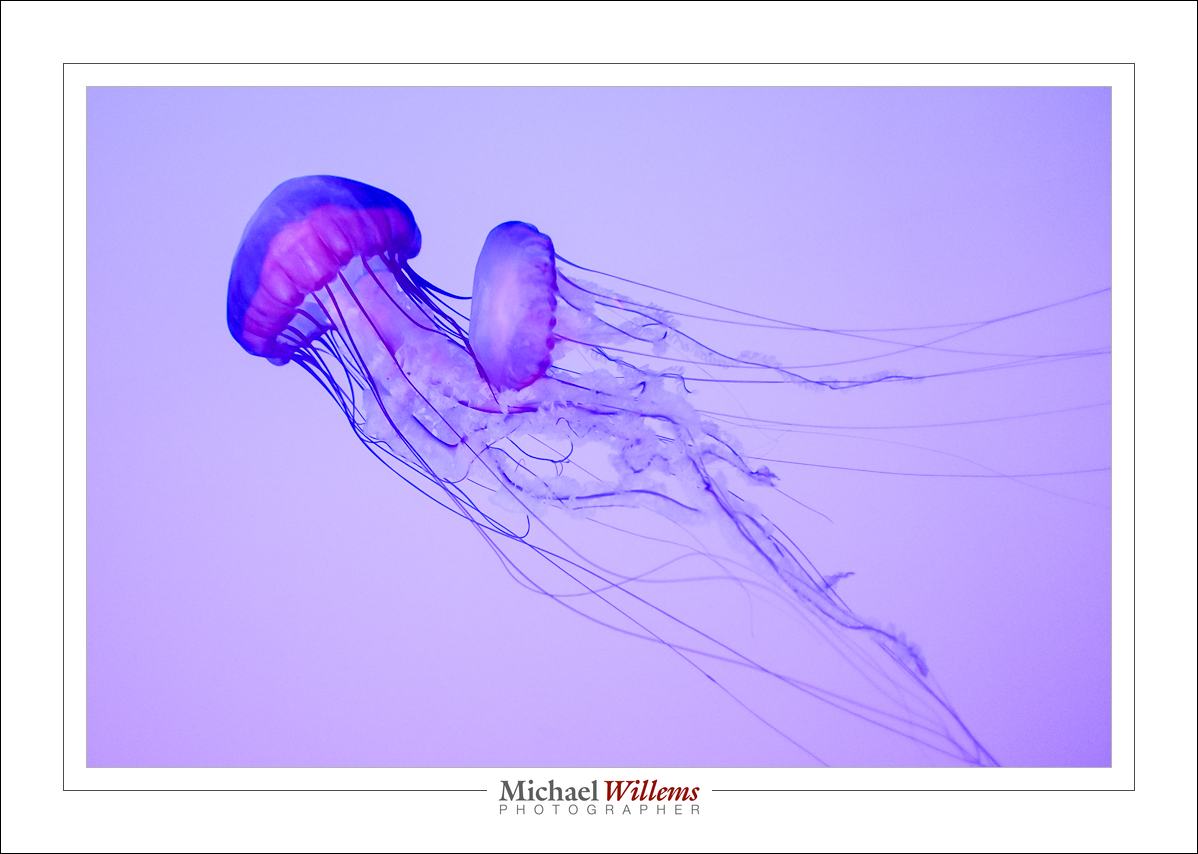
Jellyfish love?

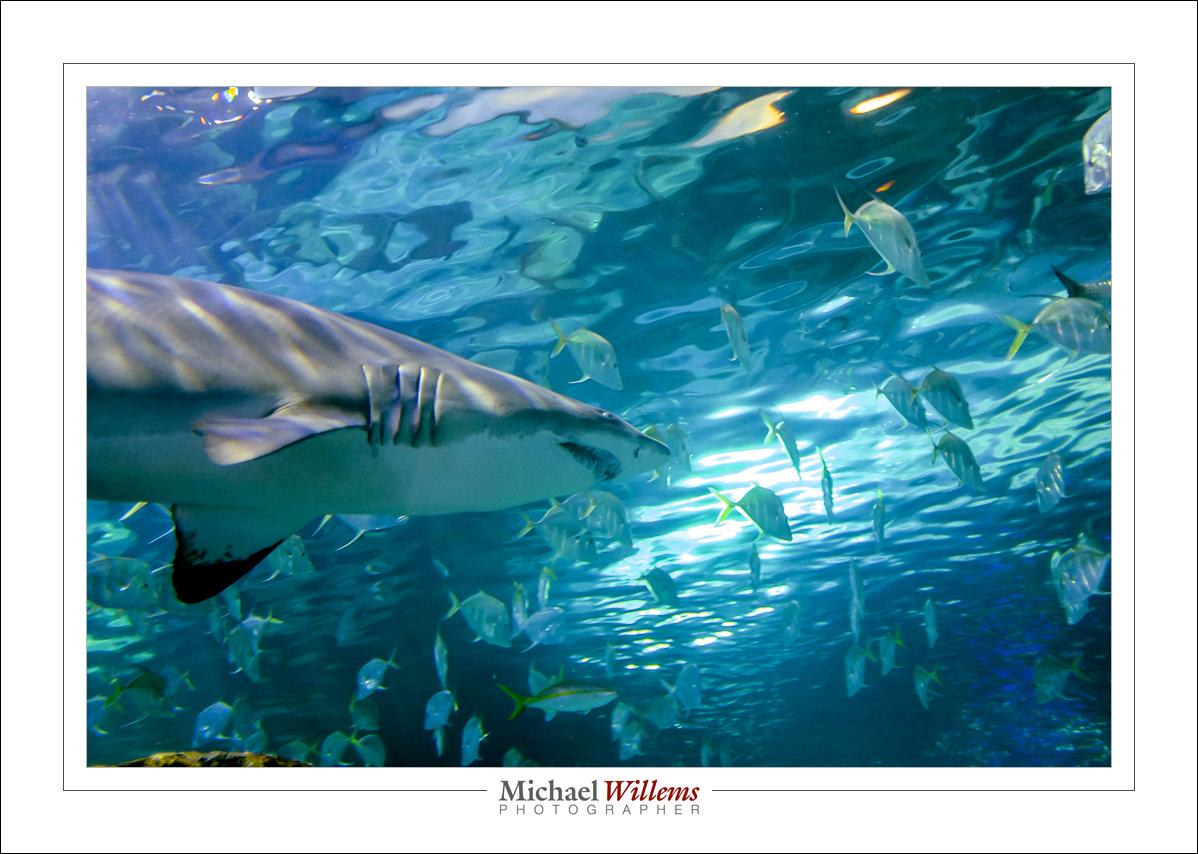
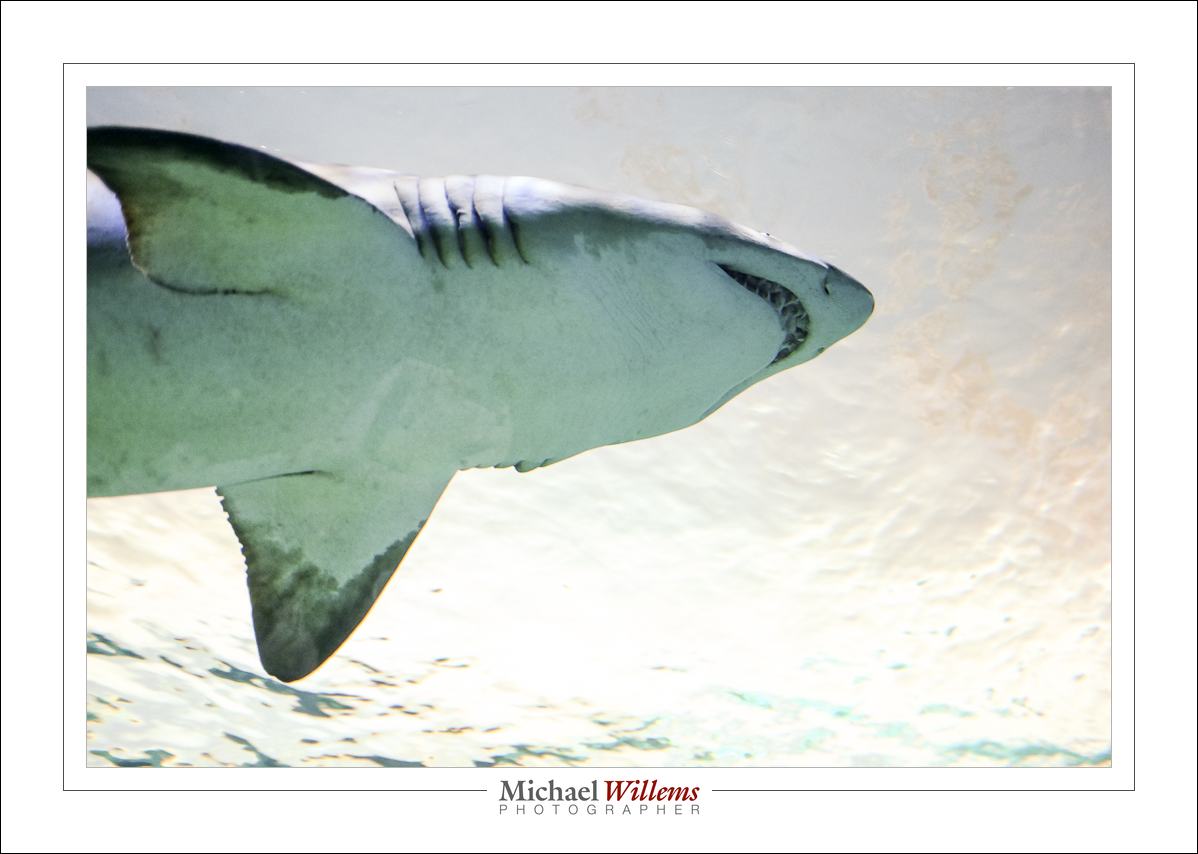
I shot these at 1600 ISO, f/2. 1/125 second. close to glass. No flash, of course.

The biggest problem was focus. These darn fish move.

I would not want to be one of these little fish.

I suppose the moral of today’s post is: bring a camera everywhere. Try stuff you have not shot before. Use high ISO values if you need. Quality is paramount.

For a shark, food is paramount.