Learning Options

More and more, I think of how to best convey my knowledge. Everyone can learn photography, and preserving moments in one’s life is so important that everyone should. My mission is to help you learn. And if you are a working pro, my mission is to fill gaps and to teach you modern techniques like flash, video on your DSLR, studio lighting, and so on.

I do this blog, and its daily posts, for you for free, so perhaps you will forgive me for once for going all commercial on you. After all, it is to help you by facilitating learning.

So—how?

First, there are the e-books, of course (http://learning.photography/collections/books). I am proud of them: they condense 10 years of teaching into five books (book 6 is on its way, and it is the largest one yet).
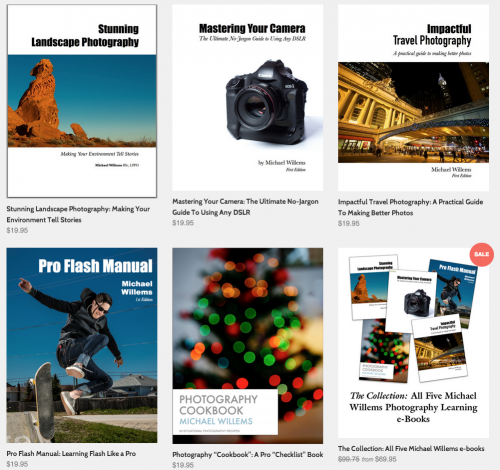
These are, if I say so, very well thought out, well written and well illustrated, long (all over 100 pages, some much more), and easy to use (simple PDFs which you can put on all your devices without hindrance, or even print: a license for that is included).

But learning is best done by adding personal training. You can do that at Vistek, where I am due to teach some more courses next month, and at Sheridan College, where I teach regular evening courses. But best of all, you can do it as private or semi-private courses. See http://learning.photography/collections/training — and those are starting points; in fact if you come to me we will fine-tune the course to your exact needs. From one two-hour session to a full multi-0week course with assignments and review.

So here’s a few suggestions:

  • Before the festive season, learn to do it properly. Reserve your photography courses now: there is limited space and prices will increase before November. If you book now, you will get the old price, regardless of when you take the course.
  • Better still: reserve your course before November, and receive an e-book of your choice free of charge.

Also, think of others around you who want to learn photography:

  • Buy a Gift Certificate for one or more courses. These are NOW available! They look good, and again, if you buy the certificate now you can take the course any time in the future. Click here to see/order your certificate.
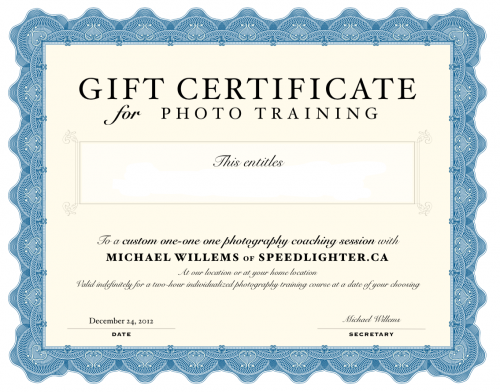
  • Gift the e-books. Nothing better to go with camera gifts than e-books that explain how they work and how best to use them. Books are available as a download link on a certificate, or on a DVD for immediate reading.


So as you see, there’s plenty of options for you and your loves ones to learn.

Have needs that are not met by the above? Then call me (+1 416-875-8770), email me (michael@michaelwillems.ca) or contact me any other way you like, and let’s discuss.
 

Manual or TTL?

When making flash pictures, your camera will be on manual mode—I hope so, anyway. It’s the way to go. This means you set ISO, aperture and shutter yourself.

But your flash does not need to be on manual. That is to say, flash power can still be metered and be adjusted by the camera, automatically. We call this “TTL” (Through The Lens metering). And TTL can work even when the camera itself is on manual.

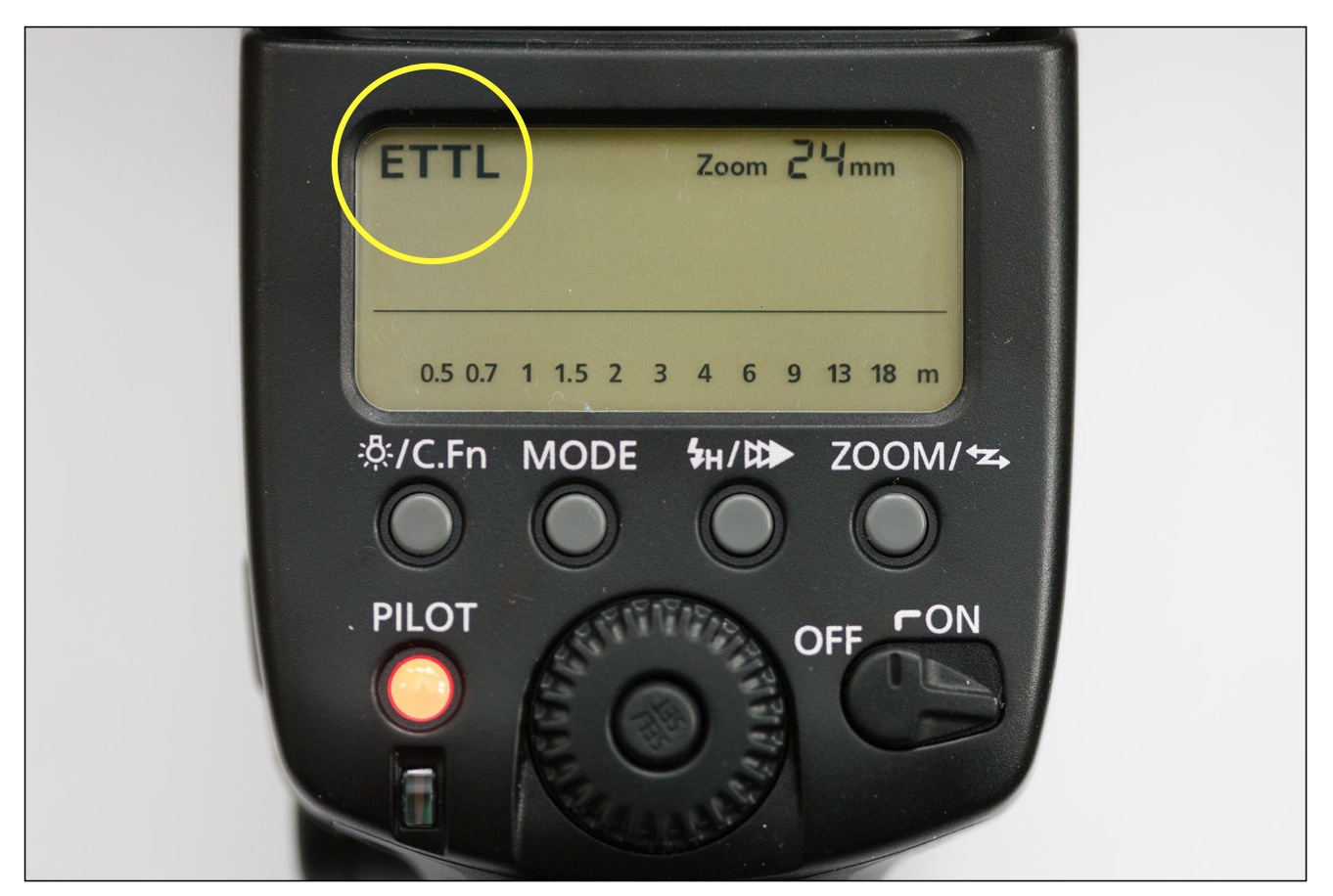
When your flash is in TTL mode, the back looks something like this:

You see TTL, ETTL, TTL-BL, i.e. something containing the letters TTL. This means the flash power is adjusted automatically by the camera. If you are close to something, the flash will fire at low power; if you are far away, a high power flash will be emitted. Magic!

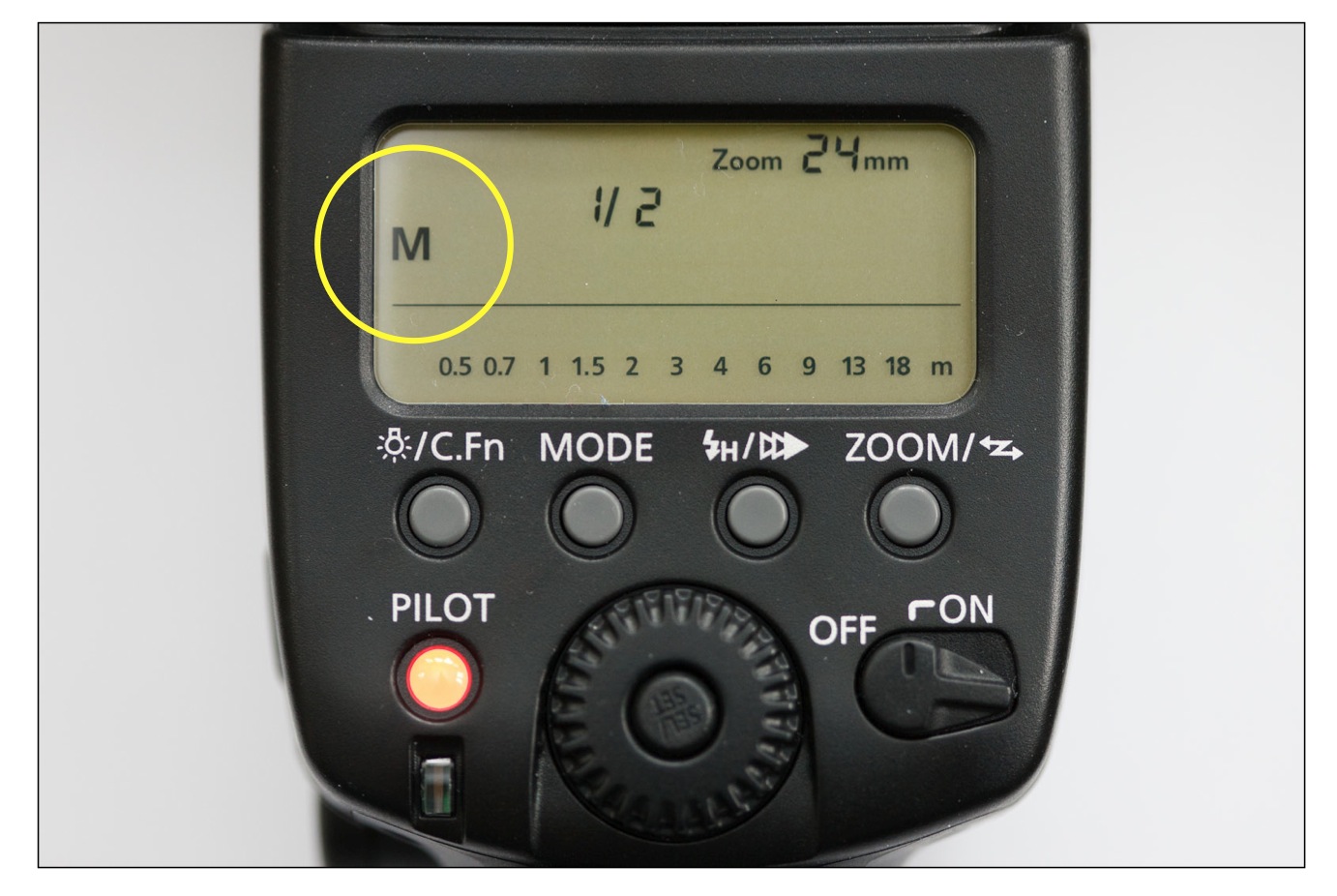
The alternative is that you set the flash power. Manual flash, in other words. Press the MODE button on the back of the flash and set it to Manual:

In the photo above, the flash is set to half power (1/2). It could also be set to full power (100%, or 1/1), or to quarter power (1/4), or one eight power (1/8), one sixteenth (1/16), and so on; or to some level in between.

Try this now. Set your camera to manual mode, 1/40 second, 400 ISO, f/4. Now turn on your flash and set it to manual, and set it to 1/64 power. Using the viewfinder, take a photo. Check the photo: You will probably be hard pressed to see the flash, especially if your subject is far away.

Now set it to full power (1/1, or 100%). Do the same again. Whew, probably a grossly overexposed picture!

But you probably noticed something else. You did not see the flash through the viewfinder. “Did it work?”, you may well have asked. That is because when the flash is on manual, it fires just once, at the power level you set. You do not get the metering pre-flash that it uses when set to TTL mode (a flash at 1/32 power that is used to determine the needed power level). And that preflash is the one you can see through the viewfinder. The actual flash you cannot see!

Now, an exercise.

  1. Find an object to photograph. With the camera set as before, and the flash on MANUAL, find the correct power level for a good picture. Aim the flash straight ahead for this exercise.
  2. Now move 40% farther from the object. E.g. if your original distance was one metre, make it 1.4 metres. Or if you were 4 feet away, make it 5 feet 7 inches (that is 40% farther than 4 feet).
  3. Now find the correct power level for this picture. How much more power did you need? And (an advanced question for mathematicians): why? (Hint: it’s actually 41.4% farther).

Have fun.


Easy way out?

The Easy Way Out Is Not The Right Way.

I just read a post on a Facebook group from a photographer who is about to shoot portraits at a wedding, in a photo booth. She has two softboxes, two flashes, and a camera and a few triggers, and her question was basically “I have no idea what to set the camera and all these other things to, and it is so confusing”.

This is a good example of trying to take the easy way out, and it is seldom a good way. Things do not come that easy. Her question sounds to me like “I bought an airplane and I need to fly it to Sydney but I have no idea what all these meters and levers and dials do, but I don’t want to read a book”. This sounds almost insulting to those of us who did take the trouble to actually learn stuff.

Guess what: you will have to read a book, and take some lessons.  Trying to shoot professionally while not knowing even the basic facts gives photographers a bad name.

I see this in students sometimes: the “but but but syndrome”, I like to call it. “I can’t learn this”. “Yes you can”. “But but but…”, and every further argument or fact or attempt to help is answered by a “but but but”. This is someone who “just wants it to be easy”.

Well, guess what. Yes, you can learn this. Everyone can. But yes, you will need to learn things, like the workings of aperture, shutter, and ISO; the inverse square law; flash power settings; shutter limitations when using flash; balancing ambient and flash; how modifiers work; and a whole lot more. Just like to fly an airplane, you do need to know how all the levers and handles and switches work.

B737 flight deck

The good news: flash is simpler than a B737 flight deck.

The bad news: you do have to learn it, and some of the theory behind it. Here are the easy ways:

  • Go to http://learning.photography/collections/books and buy the Pro Flash Manual, and if necessary, the “Mastering Your Camera” manual. These are non-DRM PDF files, i.e. you can read them on any computer, pad, phone or similar, and you can carry them with you for convenience. They will teach you everything, There is no excuse for “not knowing things”.
  • Then take a course (email me on michael@mvwphoto.com to arrange a date/subject).
  • Read this daily blog, here on www.speedlighter.ca
  • Then do all the exercises mentioned in the above resources.

“But I don’t learn that way; I don’t learn from reading. I need to be hands on.”

Yeah, sure, and the books are full of practice. But just like Pythagoras’s Theorem, Shakespeare, Brain Surgery, or Quantum Electrodynamics, it does start with reading. Sorry. The cold, hard, realities of life. trust me on this: I know how people learn. You will learn this.

“But I don’t do math.”

Some minimal math is needed, just like when you go to your local supermarket. When you hand the cashier a $100 note for a quart of milk and she hands you back 23 cents, you do not say “that’s OK, because I don’t do math”, do you? No—you smile at her, hold out your hand insistently, and say “and the rest?”

“But my friend just presses buttons.”

Sure, I can come set up your camera and flashes and you can just press buttons, Sears “minimum wage” style. But what will you do when something goes wrong? Or the batteries run out? Or you need to change cameras? Or you need to shoot in a different room? You need to know what you are doing.

And by the way, it is not confusing. Here, then, since you asked:

  • Camera on manual exposure mode (“M”).
  • Set it to 200 ISO, 1/125 sec, f/8. (no auto ISO!)
  • Flashes on manual mode, 1/4 power.
  • Picture too dark? increase flash power or bring flashes closer to subject. Picture too bright? decrease flash power or move flashes away from subject.
  • If you have these settings, then trigger on camera is on TRANSMIT/REMOTE; triggers on flashes are on RECEIVE/LOCAL.

That’s all. Not complicated at all. But to see that it is not complicated, and to see why I recommend those particular settings, you do need to know the background. Otherwise flashes will always seem like that B737 flight deck.

PS: the photographer who asked the question did, I am sure, do lots of re4search. I am arguing not against her, but against other who do not do the research. All too common.

Basics.

I notice that sometimes, students do not want to ask basic questions. Well, my message is clear: do not worry. Ask.

A student recently had half completed a course and still did not know how to change the “f-number”. (Hint: on small cameras you may need to press and hold the diaphragm button while you turn the wheel).

So today, a basic basic point: aperture.

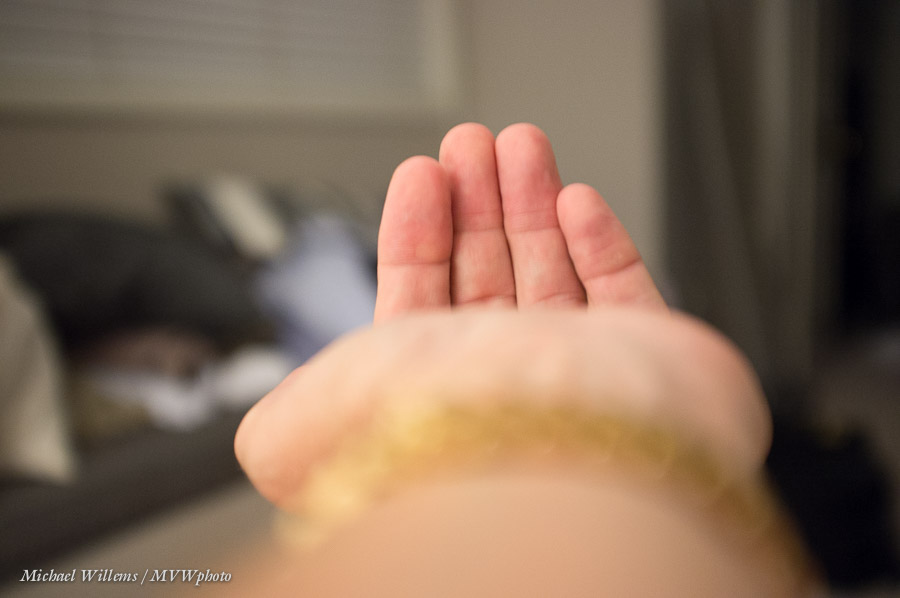
Here’s a photo taken at f/2. I focused on the hand:

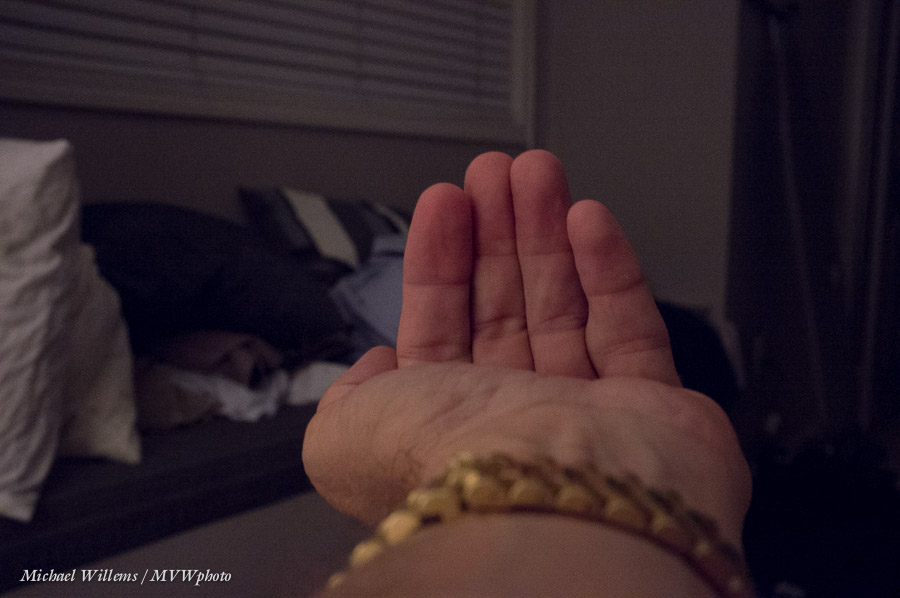
And now I do it again, this time at f/8 (all other settings are the same). Again, I focused on the hand. The image now looks like this:

We see the following:

  1. I focused on the hand, so the hand is sharp in both cases.
  2. In photo 2. f/8 is a higher f–number, but the photo is darker; hence a higher f-number means a smaller opening (“aperture”) in the lens.
  3. In photo 2, the background and foreground are sharper. In photo 1, it is blurry. So, all other things being equal, a lower f–number means a blurrier background.

You need to understand these basics and be fully familiar with them.

So, a low number like f/2.2 at close distance gives you this: a great blurred background.

To make things easy, the camera was in manual mode for all these shots.

Q: The second shot has a sharper background, which conceivably is what I wanted; but it is darker, which is not what I wanted. How could I have fixed this latter problem?

History

Here’s my mom, who is 85, at the Lek river, a part of the Rhine that flows in Holland from Germany to the estuary in Rotterdam.

(f/4.5, 1/250 sec, ISO 400)

The history part: the small town of Schoonhoven, miles from the nearest highway, is still, in my mind, completely a “Golden Age” 17th century town. Drenched in the history of The Netherlands.

As for mom, I lit her with a bounced flash: you can see the flash light on the wall reflecting in the window. So I started with te background; set it to –2 stops, and then added flash. That’s how flash works: you start with the background.

And the shutter is at 1/250 to get the most flash in (I.e I do not want to reduce aperture or ISO to get the background darker, because that makes the flash have to work harder too).

Are you in Holland? Wednesday I teach all three courses Flash 1, Flash 2, and Video/DSLR in one day, 9am-6pm, in Hendrik-Ido-Ambacht near Rotterdam. There are spots, so benefit now.  No longer three evenings, now it is one day. Sign up!


Boko Not Haram

The Nigerian terrorists known as “Boko Haram” are well known. Loosely translated, this means “Books are bad”.

I would say “Boko Halal”. Books are good. And not just for Muslims.  Books are good for everyone. You all know about my e-books I hope: head on over to http://www.michaelwillems.ca/e-Books.html to read all about them and to order them. They are not DRM-addled (i.e. you can put them on all your iPads, tablets, phones, computers, anything that can read PDFs) and there is a README that gives you permission to print a copy for personal use—this README is not a formality, because without it, you cannot have Staples or any other office supply store make a printout for you.

So, books are good I am very proud of my books; they reflect years of teaching experience, combined with my photographic skills.

But while books are good, I think you need more than just books. Books are invaluable combined with practice and interaction. Practice: we learn by doing. The books are useful because they tell you what to do (“before the practice”) and they explain the background (“after the practice”). They thus put it all into context and shorten your learning time. Third advantage of books is that they are your permanent memory.

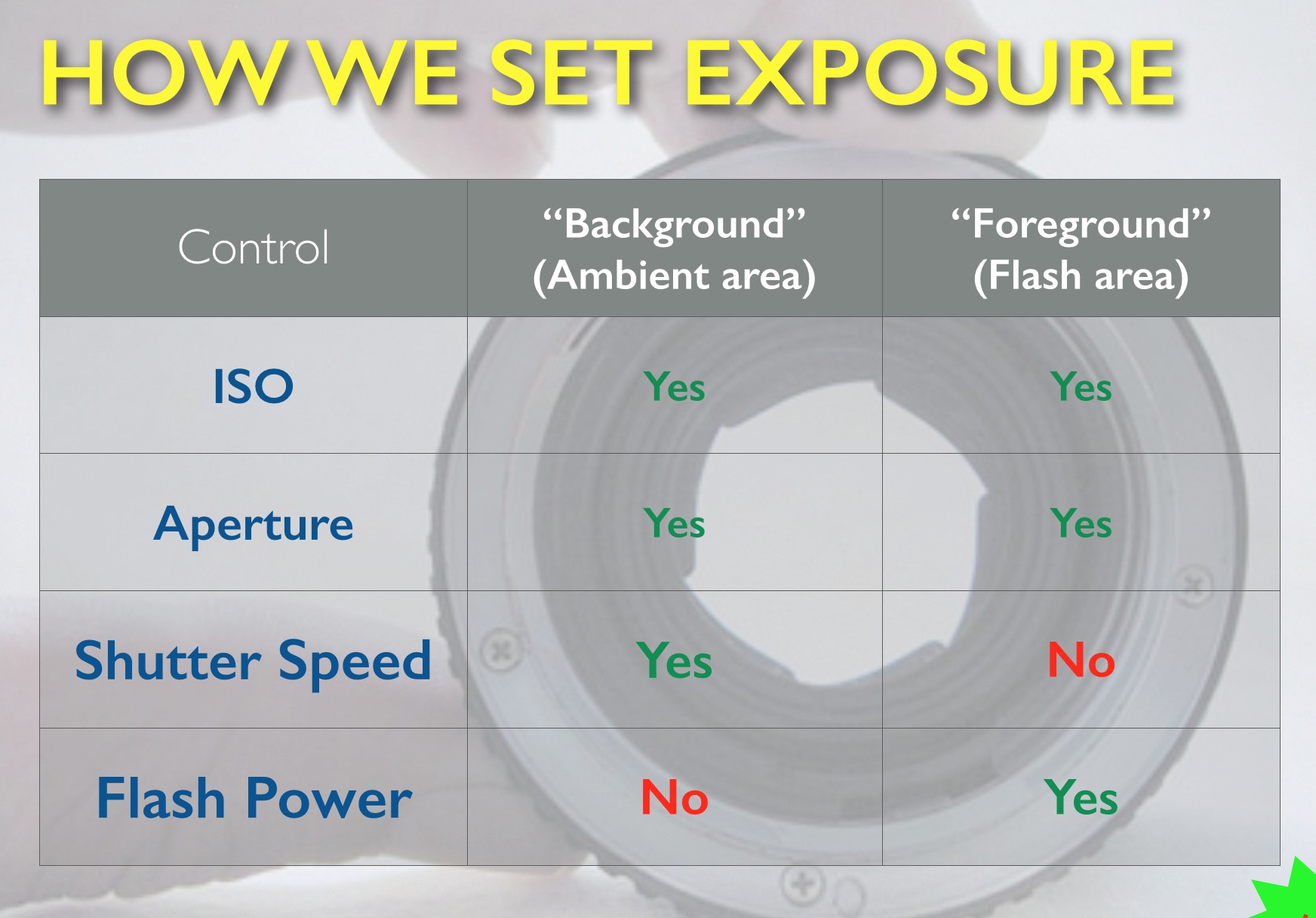
To give you a taste, let me share a couple of images from my books: here’s how a flash exposure works:

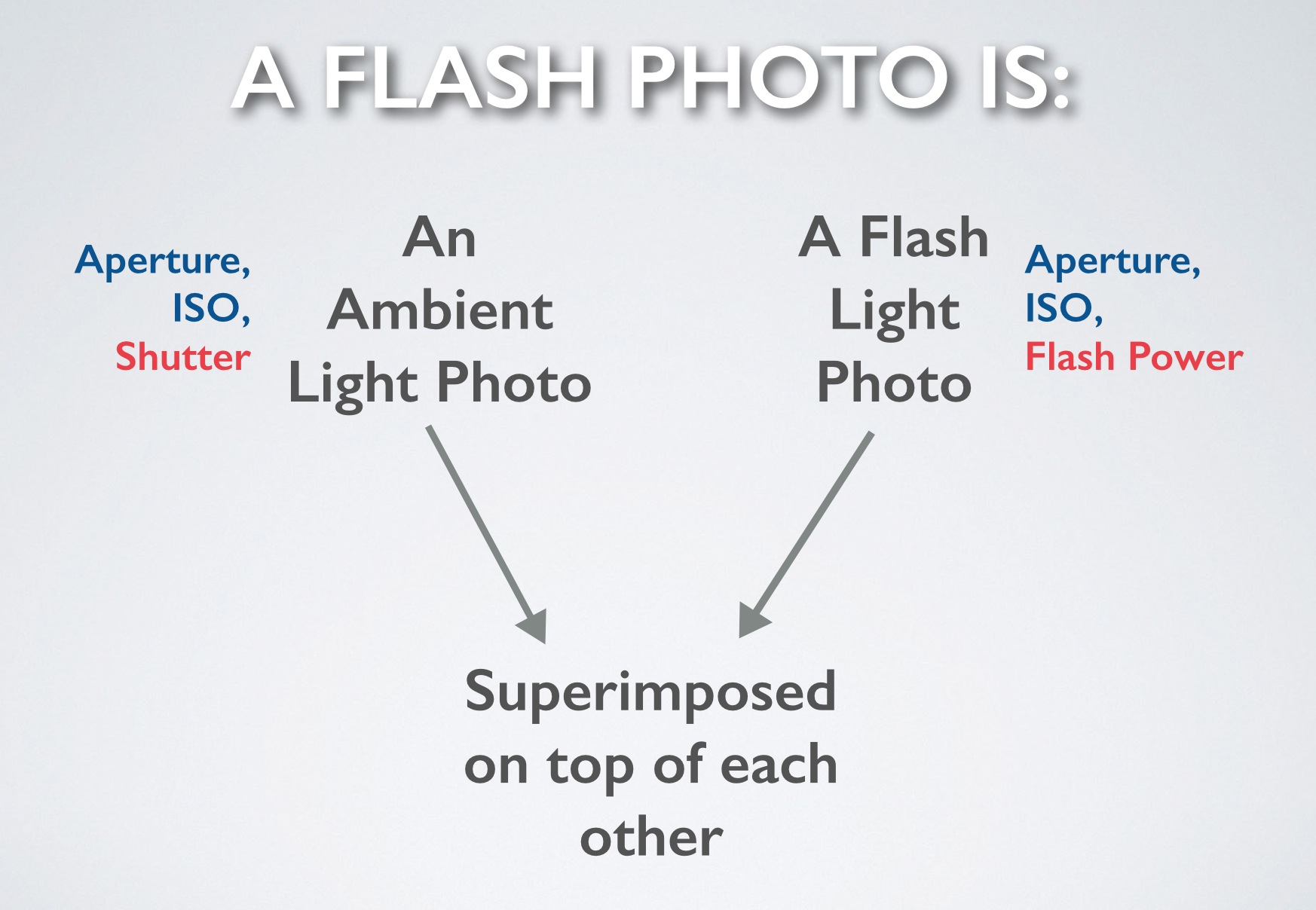
In other words, a flash exposure has ambient light as well as flash light. And these are affected differently by the camera settings. Which is a good thing, because it enables you to balance the two.

Here’s a clearer look at how:

…and this is what I teach you in my books, my courses, and my various forms of online training. That is why books are good: when you do one of my courses, you do not need to spend the bulk of the time making notes.


Tip!

Tip for flash users.

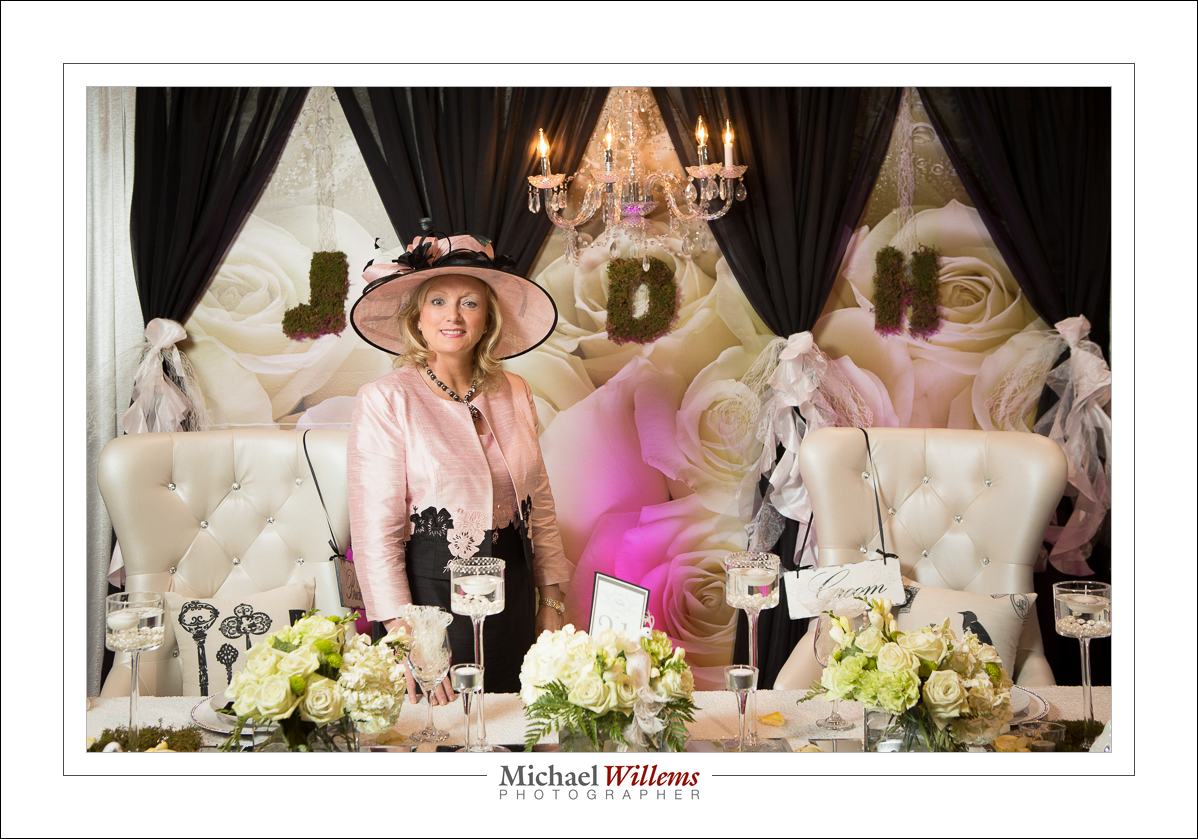
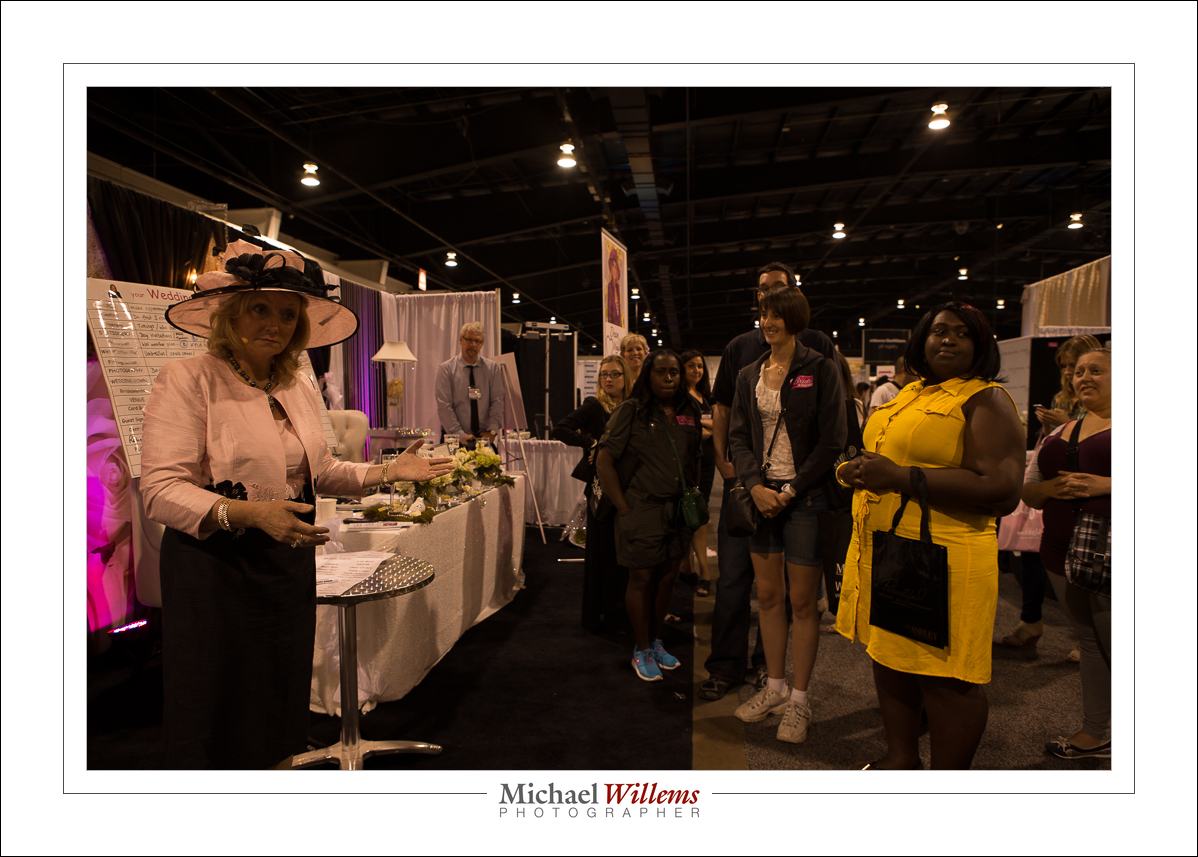
When you use a flash off camera, like here, you often use Pocketwizards. Which means the flashes are on MANUAL mode. Like here, wedding organizer Jane Dayus-Hinch, whom I photographed at the Wedding Show today:

Off Camera Flash 1/8 power. Canon 1Dx, 1/80 sec at f/4.5, 1000 ISO

Those camera settings let in enough ambient to act as fill light.

So anyway… if you use an off camera flash, there is one problem. Every 60 seconds or so, the flash goes to sleep and turns off. Meaning you get a shot like this… fill light only:

The solution: You have to set a custom function on the flash to disable the timeout. C.Fn 01 on Canon (set to “1”); menu driven on the Nikon flashes.

Done!


High Noon

Just let me dispel that persistent myth that you cannot shoot at high noon. In bright sunlight. Well, you can shoot, but you will get awful pictures.

Nonsense.

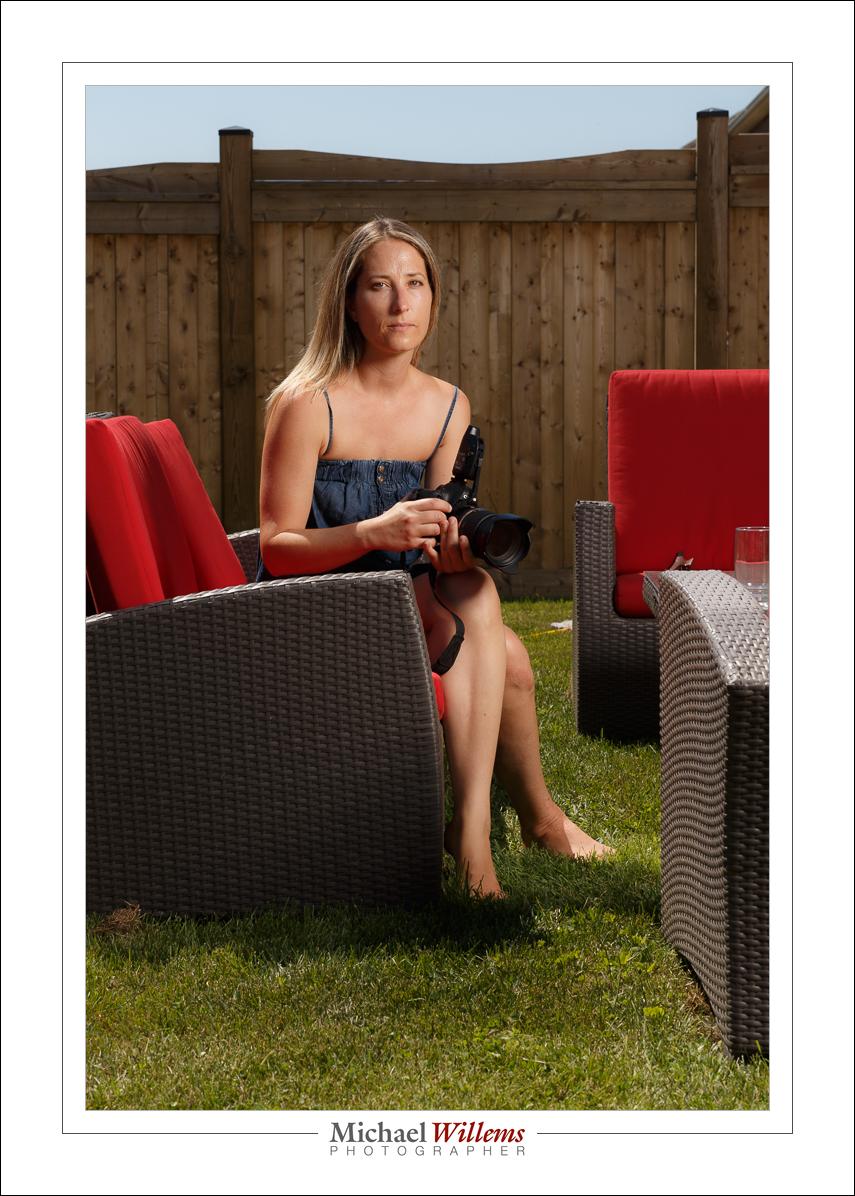
Here. Look at this. Talented photographer Tanya Cimera Brown, yesterday, at noon, on what must be the brightest day this year so far. So this is in bright, harsh, horrible, colour-saturation-destroying, full-on sunshine. Straight out of the camera:

The sky is nice, the red-blue-green theme woks, the model is great, the sun provides a nice “shampooey goodness” hair light: what more can we ask for? And that is with a camera that can only sync at 1/160 second. With my 1/250 sec 1Dx I could do even better. With the old 1D I used to have, even better, at 1/300 second.

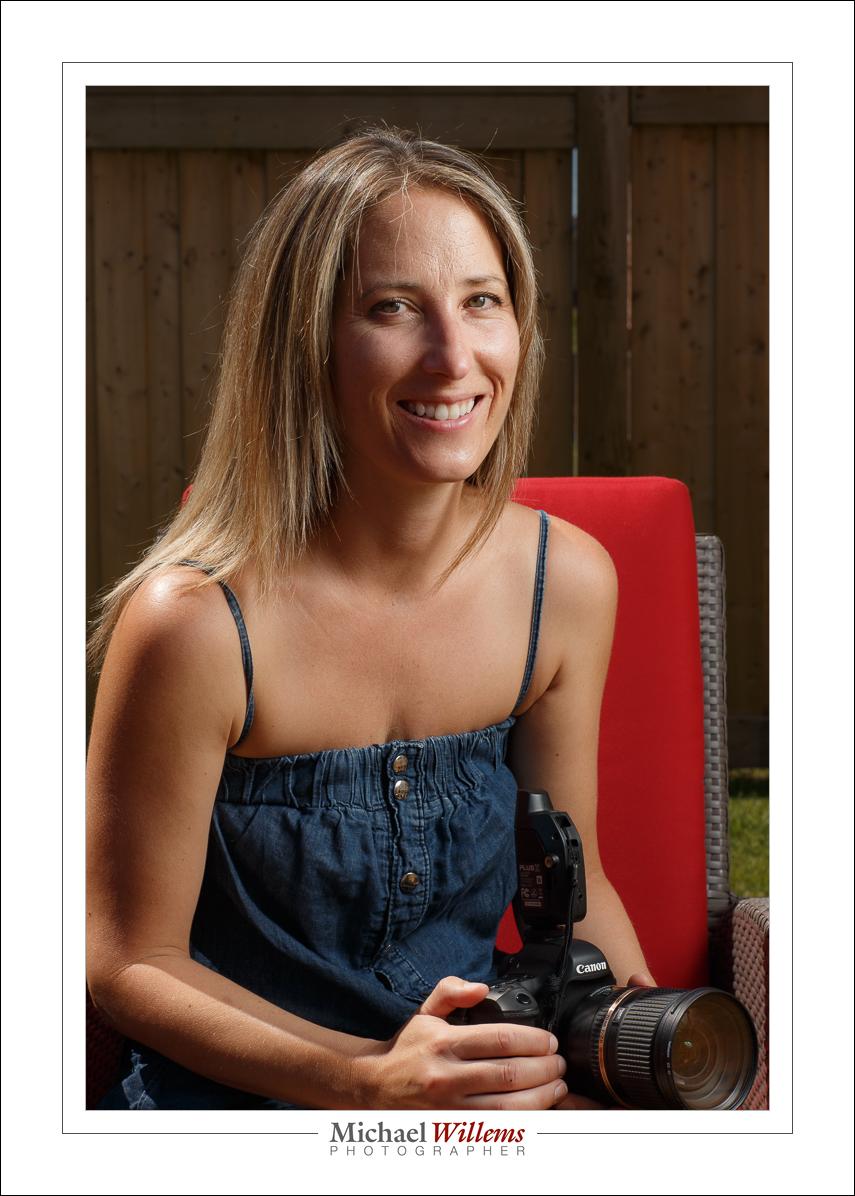
OK. That’s using a strobe. Can you do it with speedlights? Sure. You may need to go unmodified, to have enough light; and that means off camera. Here: two speedlights, aimed direct at the subject from off camera positions, do this:

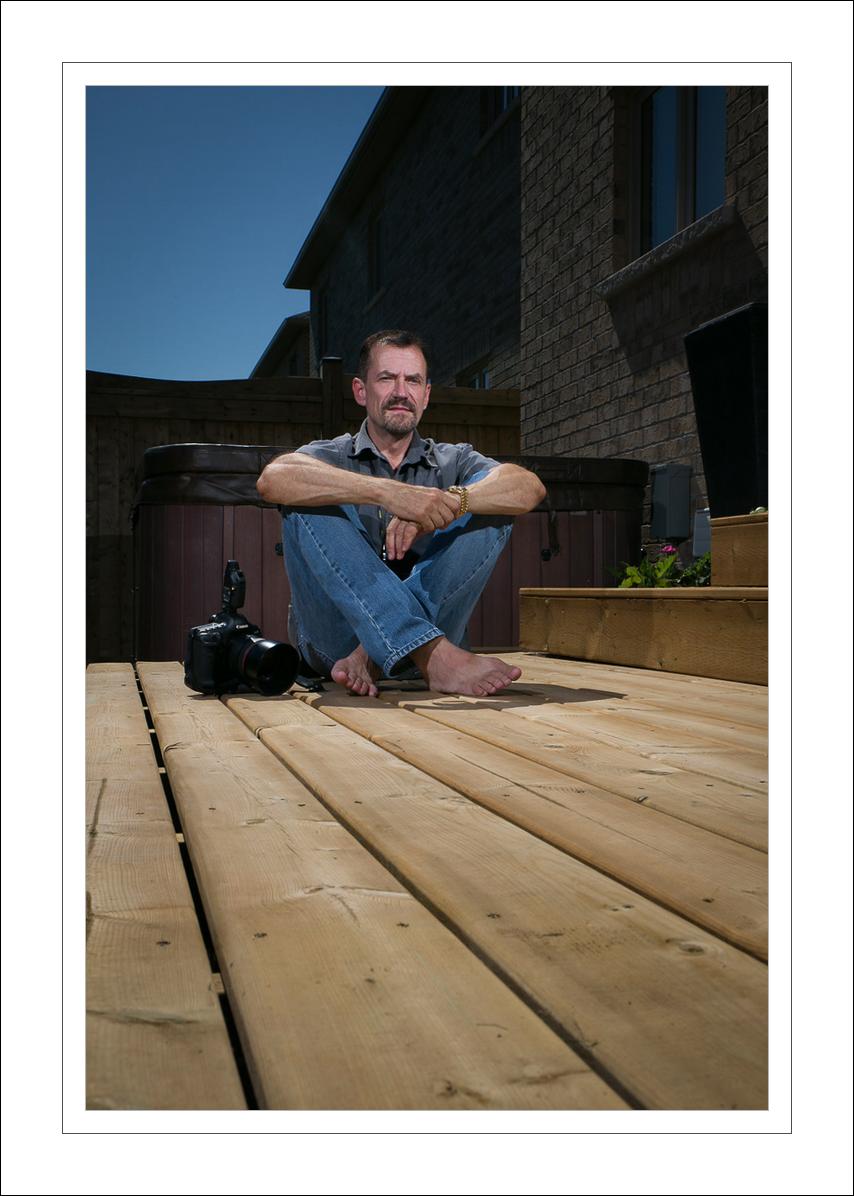
And this: two of me, by Tanya, using the same techniques:

All those were also SOOC (Straight out of Camera).

So learn flash already!

For best results, do my Flash in the Plan program: take my course and get the book (for both, go to http://learning.photography); then follow with a hands-on session, and you will know how to do this. It’s not rocket science, but you need to learn the background, understand the constraints, and learn the artistic tips. Then, you can do this too (provided you have a model as beautiful as Tanya, of course):

Because yes, you CAN do great work at high noon. All you need is flashes and skills. And a camera, of course. Show the world what you can do!


Develop yourself

Today’s post is about style in photography.

There are many, many styles. And they are all very different.

For example, photojournalism (as I plan to be doing in Israel, see here) is very simple: no edits. Colour or, often. black and white. Flash is allowed, but other than that, it should look as it looked to the eye.

IV - Intravenous, by Michael Willems

Photojournalism: from "IV - Intravenous", by Michael Willems, on 180mag.ca

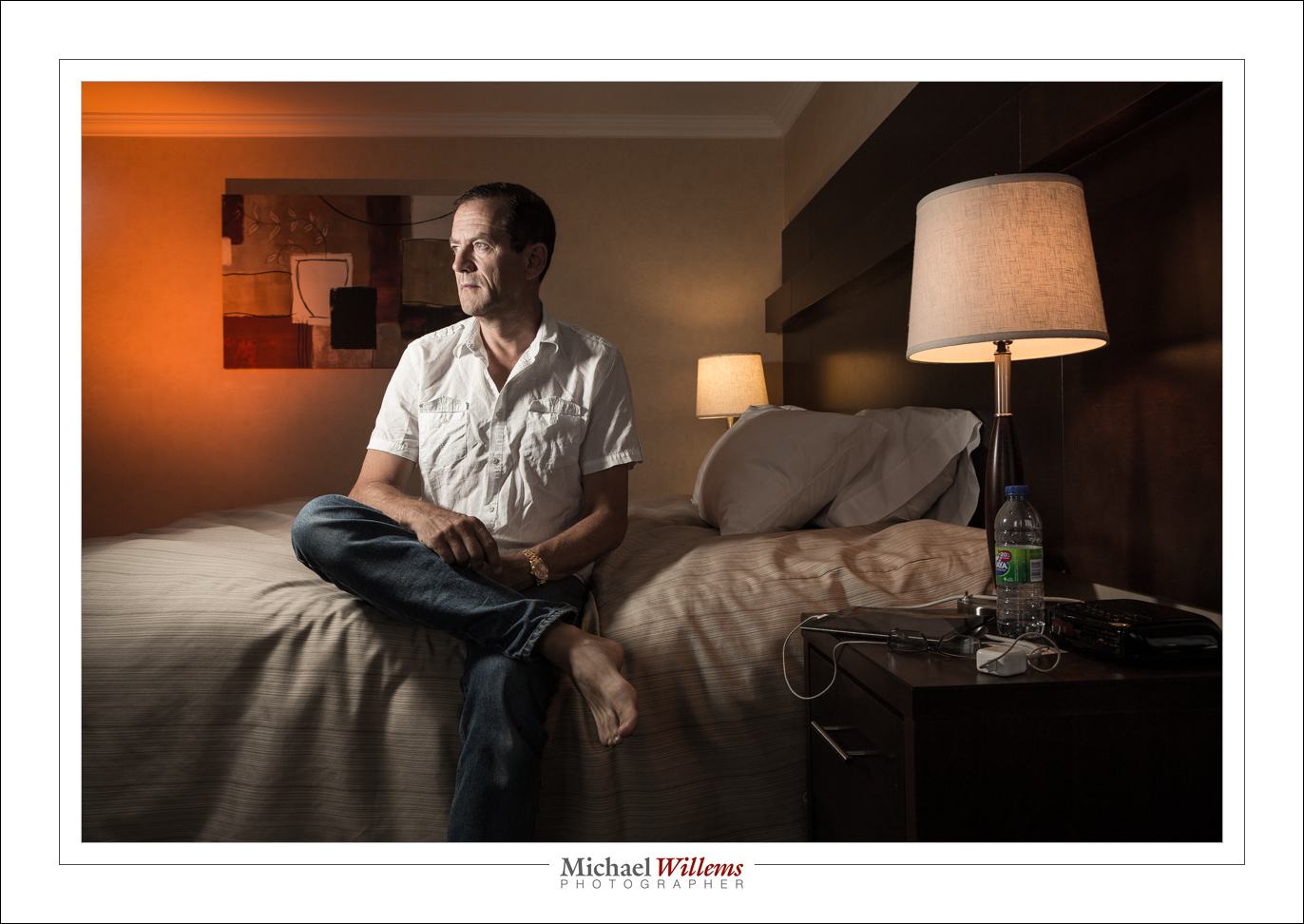
Or there’s this; I would call this “Annie Leibowitz’s style”:

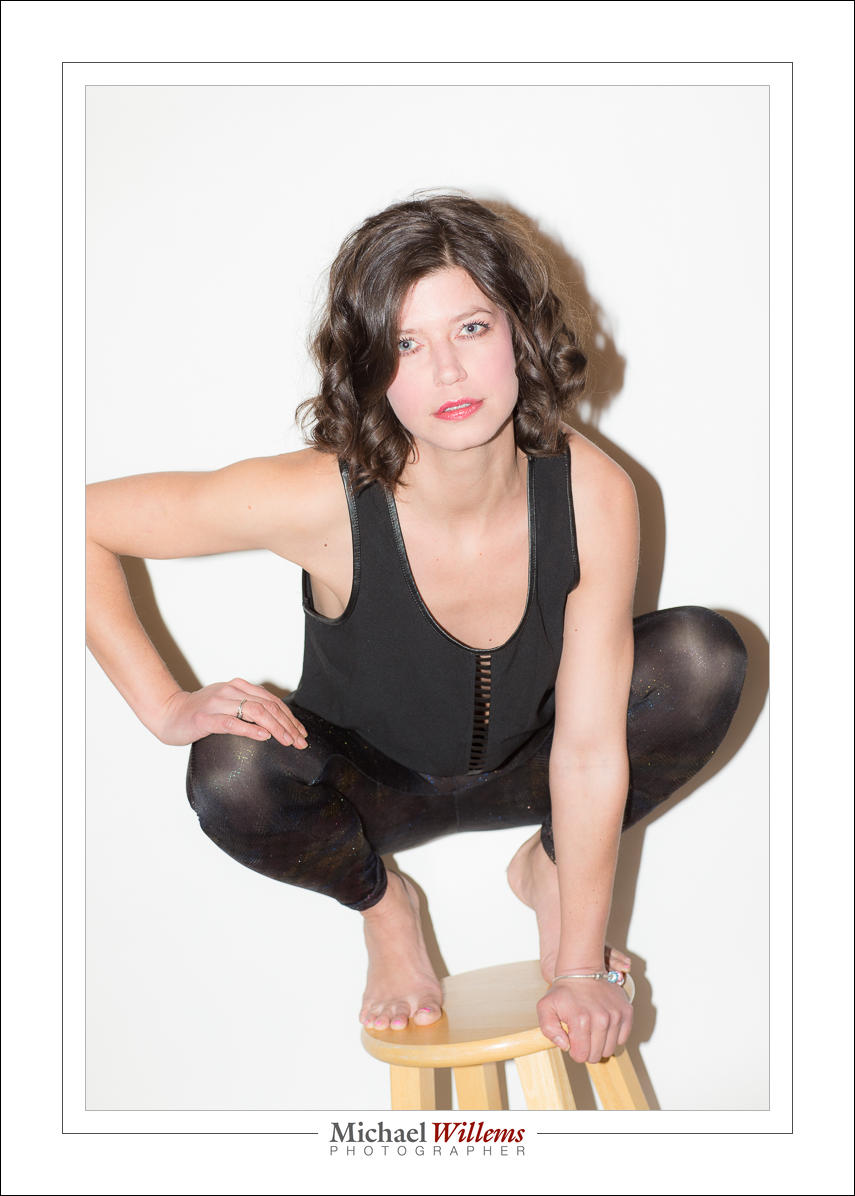
Then there’s the “amateur aesthetic”, made popular by Terry Richardson. Harsh light with a direct flash, overexposed a little:

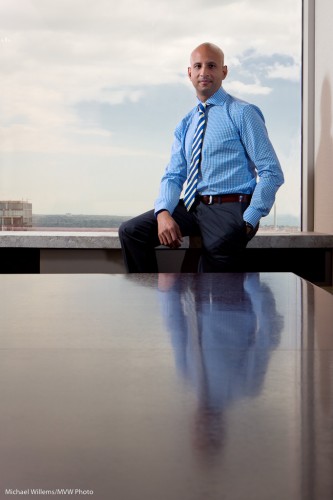
Or business “annual report style”:

Reflection, photo by Michael Willems

Reflection

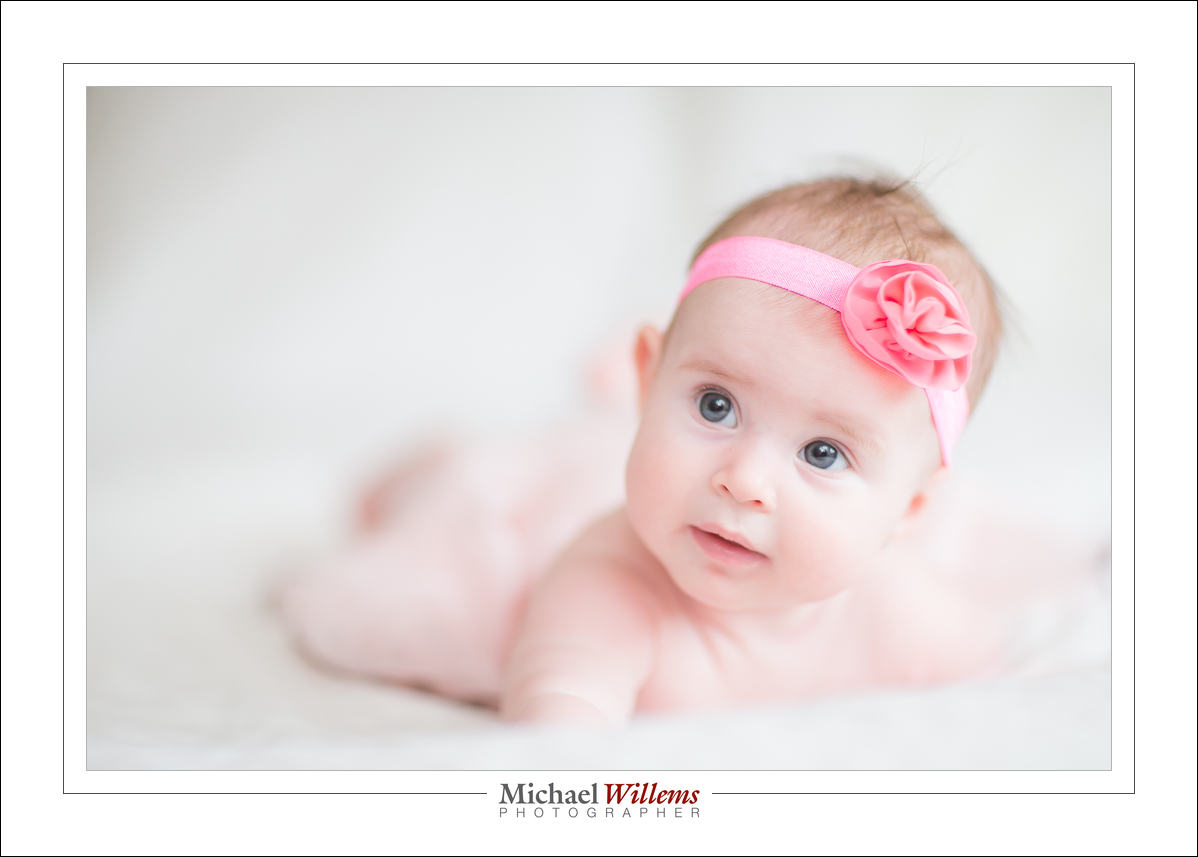
Or the natural soft light style we use with babies:

Or “desat”, very popular today:

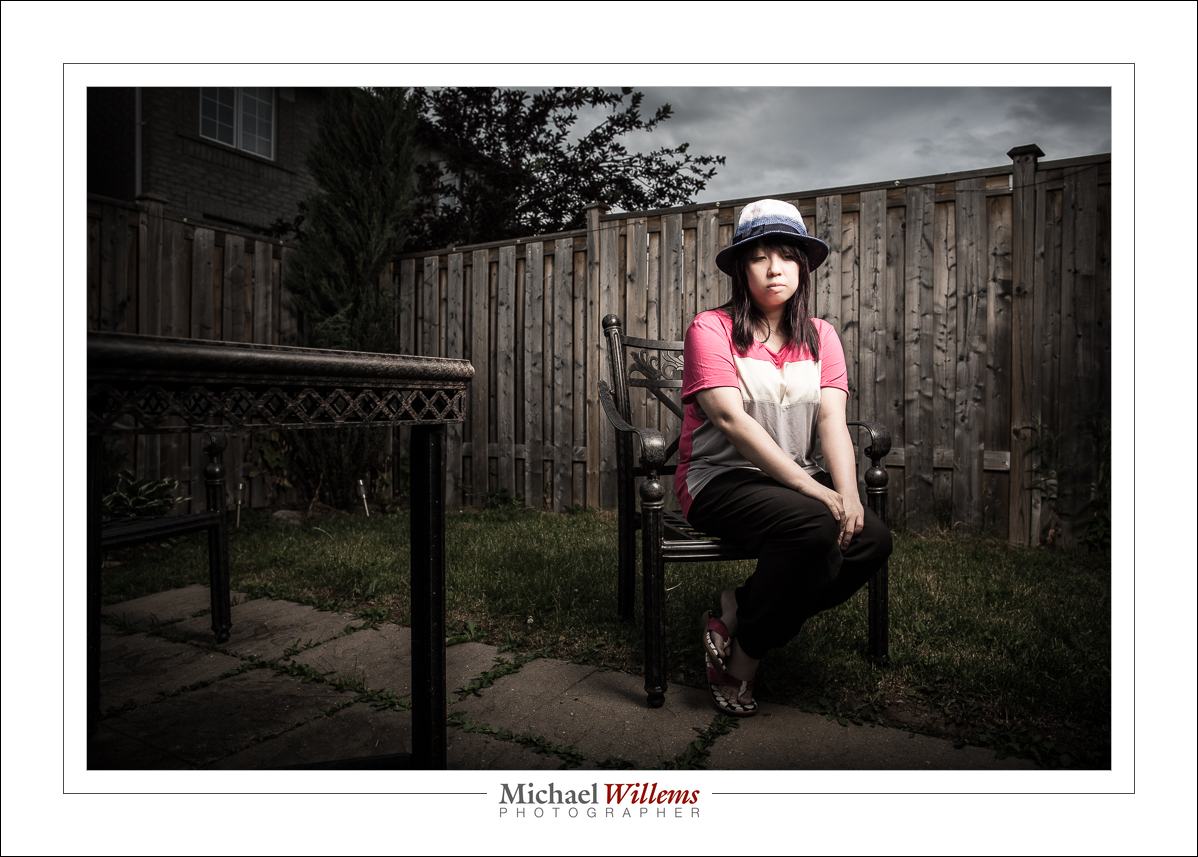
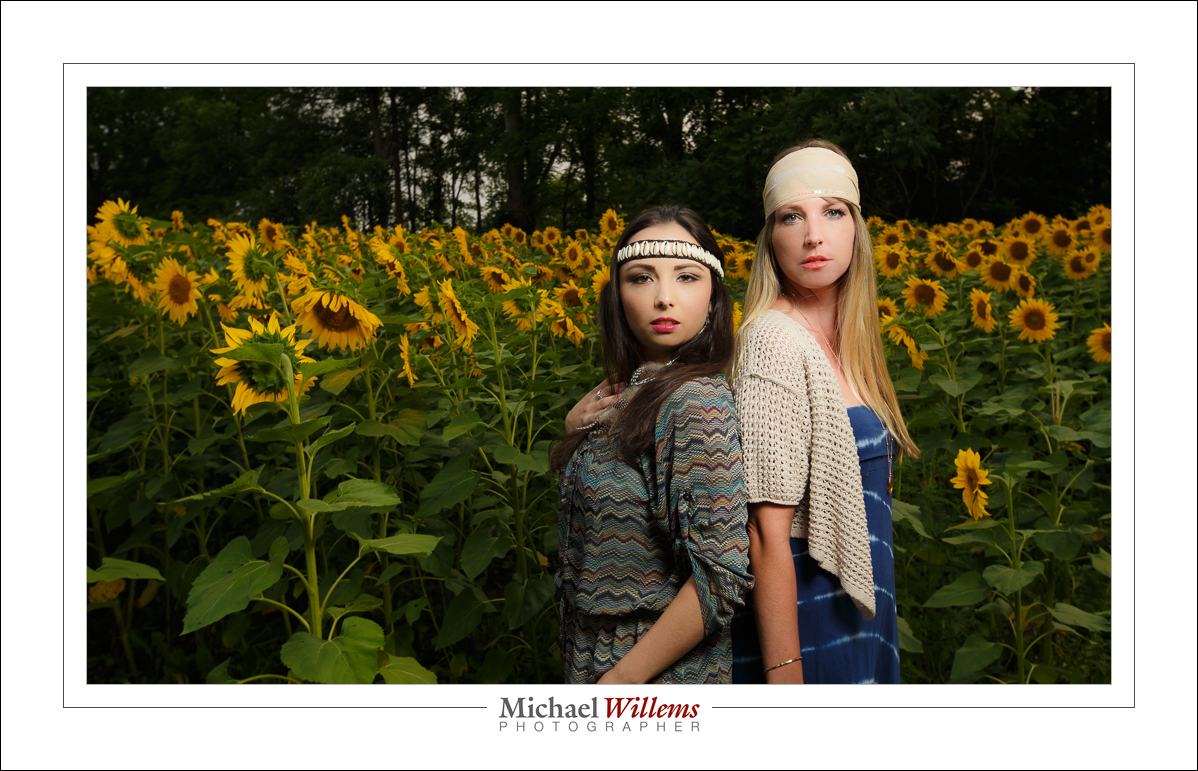
Or my own “dramatic portrait lighting” style, which is an adaptation of earlier Dramatic Portrait techniques:

I could go on. There are almost as many techniques as there are photographers. Almost, not quite. And as a photographer you should be able to master any and all of them. “It’s just technique”, as a friend once said to me.

But it’s when we get beyond that that some of us are lucky enough to develop our own styles. My style is unique to me. And the last picture is a little more my style than the others are.

So the photographer who recently told me that my work was “wrong” and “it looks like your models are photoshopped in:” and “you must open the shutter for longer” is just plan incorrect. It’s my style, and it’s recognizable as my style, and you don’t need to like it. But if you do, great. Your style is yours. If others like it, good for you. If not, it can still be just fine, as long as you like it.

____

Need Help: Scroll to yesterday to see my Israel project proposal and go here to support it.. every bit helps.


Event

Event shooting is difficult, because things are not under your control. In addition, there is never enough light; bouncing may be tough; there is not ebnough time.

But it can be done, and it can be done well. Especially if you remember you are a storyteller.

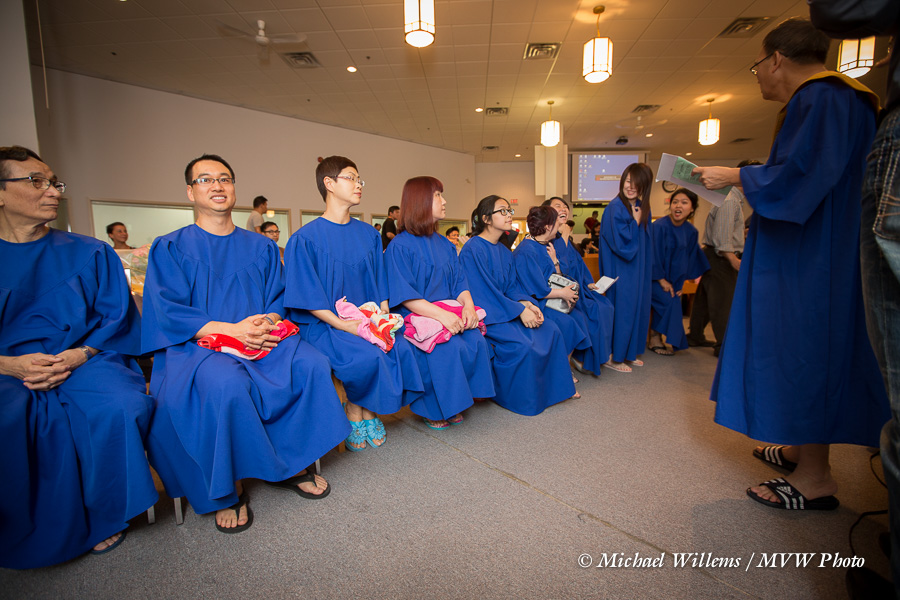
You start with an establishing shot. This sets the scene for “where”.

Then you proceed to the “what”…

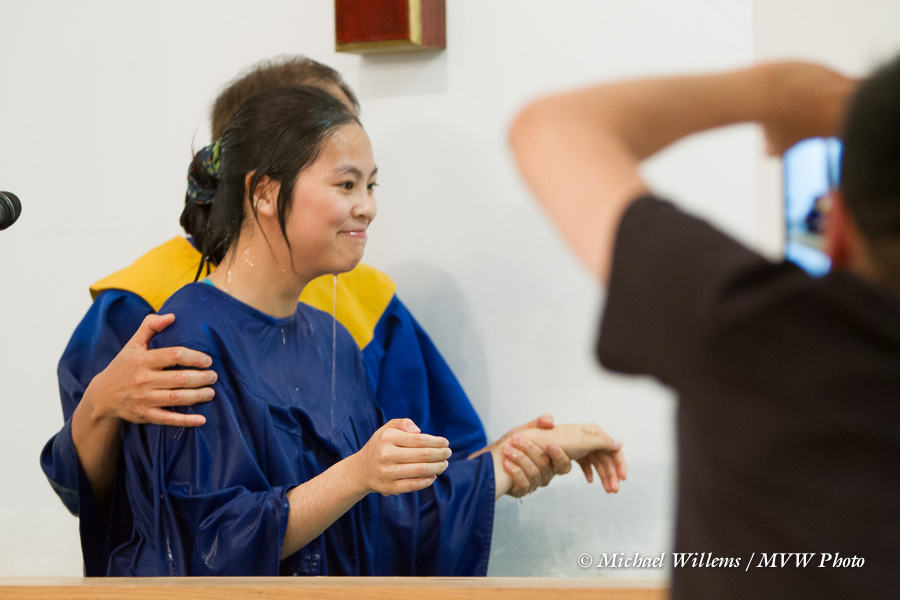
Then the “why”, “when”, and “how”.


As you see, plenty of detail, plenty of the event, plenty of “background” (the “B-roll” you hear me talking about so often).

In all of this, remember to be roughly chronological; and remember above all to make the viewer work it out. The ideal photo is a photo that makes the viewer take several seconds to tell the story in his or her mind.

The photojournalism story above is already quite good, in just 8 pictures, at working out what is happening. The full shoot consisted of 314 photos. You can imagine that this tells more of the nuance, more of the detail: but in essence, these 8 pictures tell it all (yes, I know, I chose a different person for the post-baptism shot here).