I will lern u, k?

That is, of course, not English. I know.

So let’s talk about teaching and learning for a moment, can we?  I teach, as you all know (see www.cameratraining.ca), and many of you are filled with a burning, and healthy, desire to learn photography. So let me talk for a minute about how to learn.

Teaching is a real skill, but so is learning. There are “ok”, good, and better ways to do both. I specialize in this, so I have given it some thought, as regular readers know. Let me share some of my thoughts.
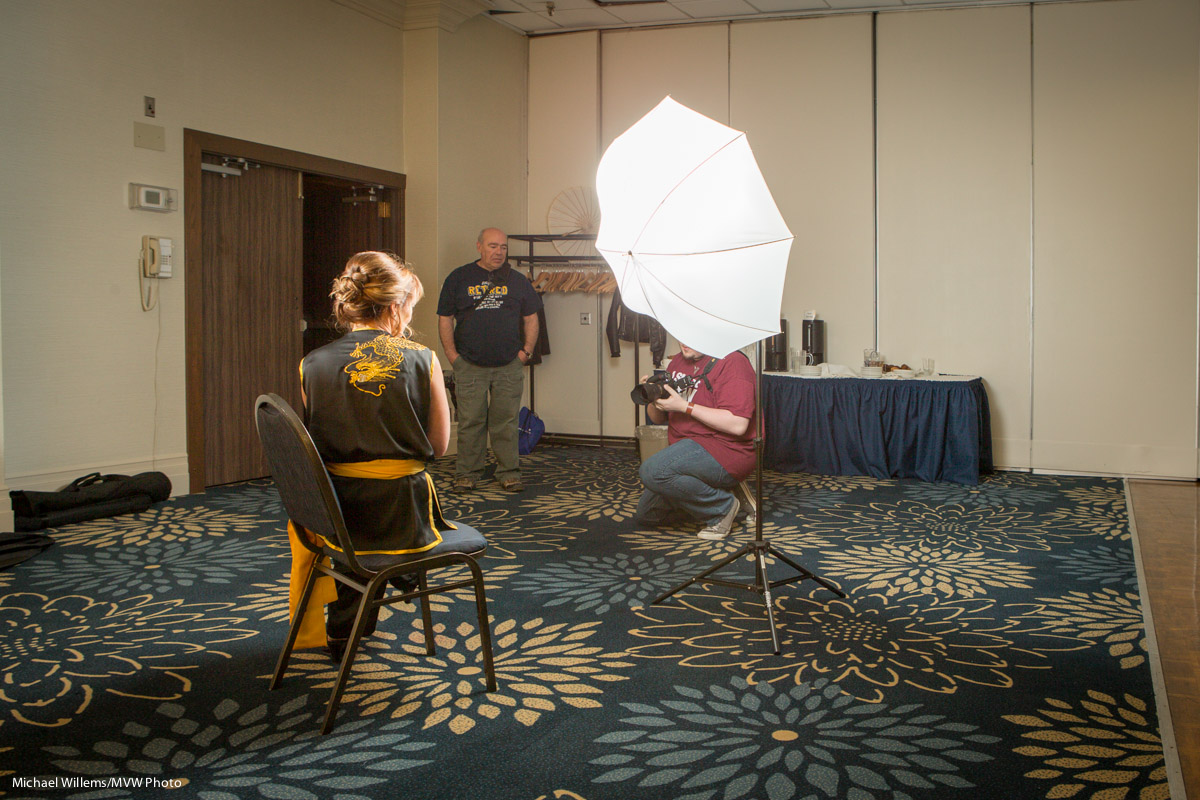
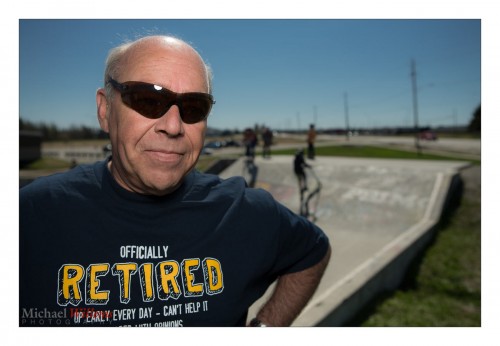
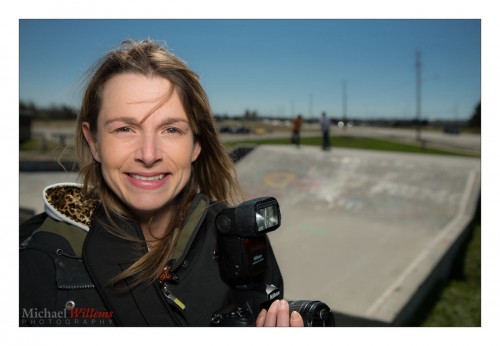
Recent Timmins Workshop (Photo: Michael Willems)

To learn well, you should consider the following ten tips. Most of them are mine – but guess what: some are based on a class I took on “learning to learn”. This class was taught by my old Latin teacher: I was 13, she was 2,000 years old. or 60. To a 13-year old, those are identical. But she had some useful advice.

And guess what: what worked 2,000 years ago still works today. Our brains have not changed.

  1. Find a good teacher. If your teacher is not good, or it doesn’t click – forget it. A good teacher is someone who can communicate,  not just someone who knows the subject. Einstein was a genius, but by all accounts, he was a lousy teacher. Check references.
  2. Listen. The person teacher is taking you somewhere. Just for a minute, forget your own ideas, your own preconceived notions, go with the flow, and listen to where your teacher is taking you. He or she is doing that step by step, in a logical fashion. Listen. Follows the steps. There is time for your questions: if after you listen carefully you still have your question, ask it, but first listen and follow the logic. The teacher has put a lot of thought into this, and you can be assured that if you listen, you will learn. Give the teacher a chance, and listen and follow the logic.
  3. Ask! If you do not understand a step in the teacher’s logic, ask. There are no stupid questions. So many people are too scared to ask – they will not learn ass well as those who do. You are intelligent, You are not stupid: You must ask if it’s not clear. And if you need more time, or you need to hear it again: ASK.
  4. Avoid “BUTBUTBUT” until you have listened. You are intelligent, and you have thought of 12 objections already. The thing is – so has your teacher. What’s more, he has taught this class 100 times before, and he knows you – so he knows what you are going to say or ask about a minute before you do. Really. It’s worth just relaxing and going with the flow. I have often noticed that the people who constantly do the “butbutbut” thing often do not learn as quickly as those who go with the flow. “But…” shows you are thinking, and that you are intelligent, but when taken to extremes, it can get in the way of learning.
  5. Pay attention. Do not spend more than 10% of your time taking notes. Notes are good, writing helps you remember – but if the notes are at the expense of listening: waste of time. Instead, photograph slides (assuming the teacher allows – ask!) and write them into longhand after the class. This “writing” thing is extremely useful.
  6. Understand rather than memorize Give your self a break: a class need not be remembered immediately, It needs to be understood. Big difference. If you understand, then you will remember soon enough – with some practice.
  7. Practice. We have muscle memory. Everything you learn must be practised after the class. it is only after extensive practice that you will memorize.
  8. Read. Read books to complement your class learning. The combination is what really, really allows you to learn new skills in depth.
  9. Repeat. Repeat. Repeat. Repetition of reading, practicing, going over notes: even taking entire classes a second time, is extremely useful. It’s OK to get only 10% of what you are reading. Next time. you’ll get 20%.. and so on.
  10. Take live classes. The reason they work so well is that you can interact – it’s two way communications, not one-way being talked to.
  11. Join others. For instance, you can join all sorts of forums of people who have the same interests and are taking the same classes.
  12. Take a break or ten. I often learn in 5- or 10-minute segments. Anything more, I get bored. So fine, five minutes, then I go do something else, then I get back to it when I feel like it.
  13. Ask for analogies. “Can you give me examples?” is a very powerful question for you to ask, or “can you explain in another way?”. And do not be afraid to ask.
  14. Learn the important stuff. Do not confuse a concept, technique, or technology with “the buttons you press to use it”. When I explain exposure compensation, say, I can see in a class of 20 people, there will be 5 or 6 who spend the next ten minutes on;y trying to find the buttons, and hence not listening. What’s important is “what is it and how does it work”, not “quick! help! what buttons do I press?”. From my experience, this is one of the biggest barriers to learning in older people, who worry about memory and buttons instead of understanding and concepts. Drop that barrier, and listen to what’s important. Once you understand the concept, the buttons are much easier.

If you follow the above advice, and see you and the teacher as a team with the same goal, you will learn quickly and effectively. Really – it works. Give it a go. You will learn at least five times more quickly.

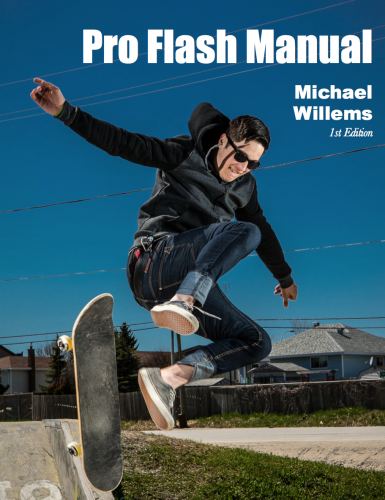
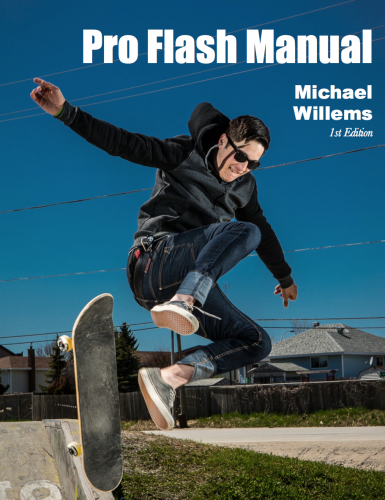
If you have bought my lastest book, the Pro Flash Manual, you will see I spent a lot of time designing the logic. Yes, you design courses and books and even articles. Anyone who buys it, pay attention to that logic. It’s the quickest way to learn.
 

Check!

When you hire a pro, you get certain benefits. Like the ones in this list.

And when you shoot, why not behave like a pro also? Life’s easier  when you do.

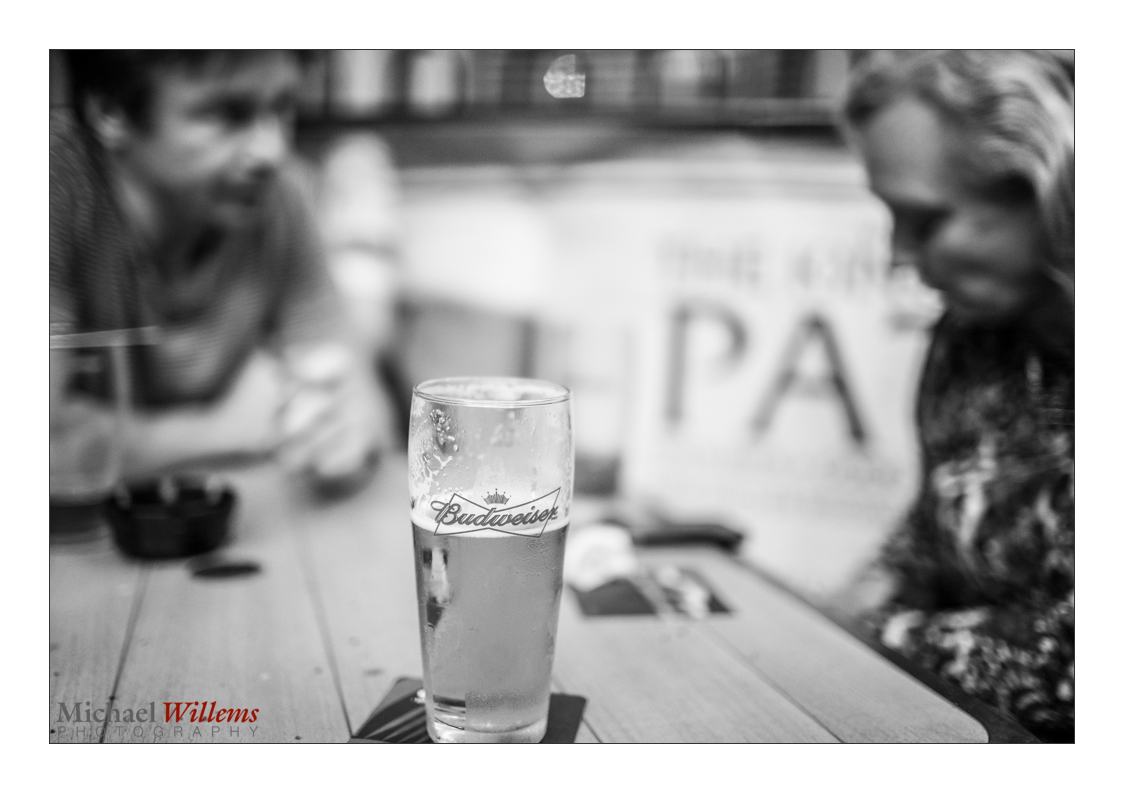
“After The Business Meeting, A beer” (June 2013)

For tomorrow’s shoot, an outdoors birthday party with family shots, I am beginning with a checklist. Here’s mine for tomorrow:

  1. Prepare the cameras  – at least two, since you must have a spare for everything you bring.
  2. Everything cleaned.
  3. Camera bag packed with all neede daccessories.
  4. Camera batteries charged.
  5. Flash batteries charged.
  6. Spare batteries packed.
  7. Strobe power pack charged,
  8. Large lights (studio strobes) packed.
  9. Light stands packed.
  10. Flash accessory bag checked and full. Including pocketwizards (with good batteries), modifiers, attachments, cables, and a light meter (including spare battery) . I have a separate checklist for that bag.
  11. Everything sitting by the door.
  12. Assistant arranged

Then I organize the shoot itself: I have a checklist for the shoot that ensures I know things like:

  1. Names, phone numbers
  2. Address of shoot
  3. Parking checked
  4. Car fuelled up prior to shoot
  5. Change, ID, etc packed
  6. Small items like comb, pens, note pad, etc packed
  7. Business cards packed

The small things make the difference. A shoot like tomnorrow’s, what do I bring in the way of lenses:

  1. Canon 1Dx with 24-70 f/2.8L
  2. Canon 7D with 70-200 f/2.8L

Then I bring a 35mm prime, a 50mm prime, and a 16-35mm f/2.8. Optionally, I bnring the 100mm macto and the 45mm f/2.8 tilt-shift lens.

The FIVE SUCCESS FACTORS for this type of shoot:

  1. Bring all sorts of stuff even if you do not expect to need it.
  2. Spares for everything.
  3. Checklists, on paper.
  4. Prepare the night before.
  5. Get there early.

Have fun!

Michael

PS those of you who say “but that’s a lot of work!” – yes, that is why you pay the pros for their work. It’s work, real work…!


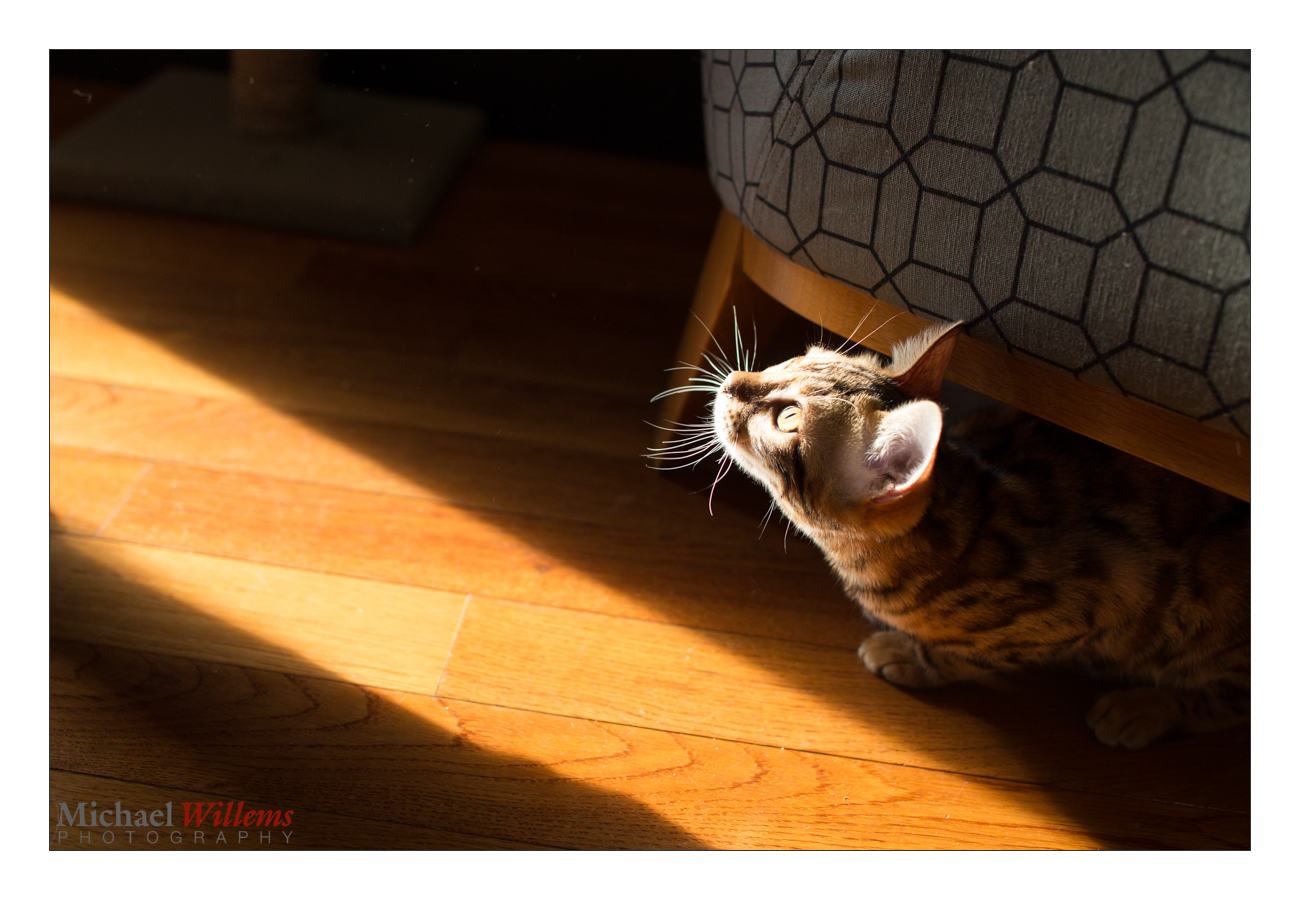
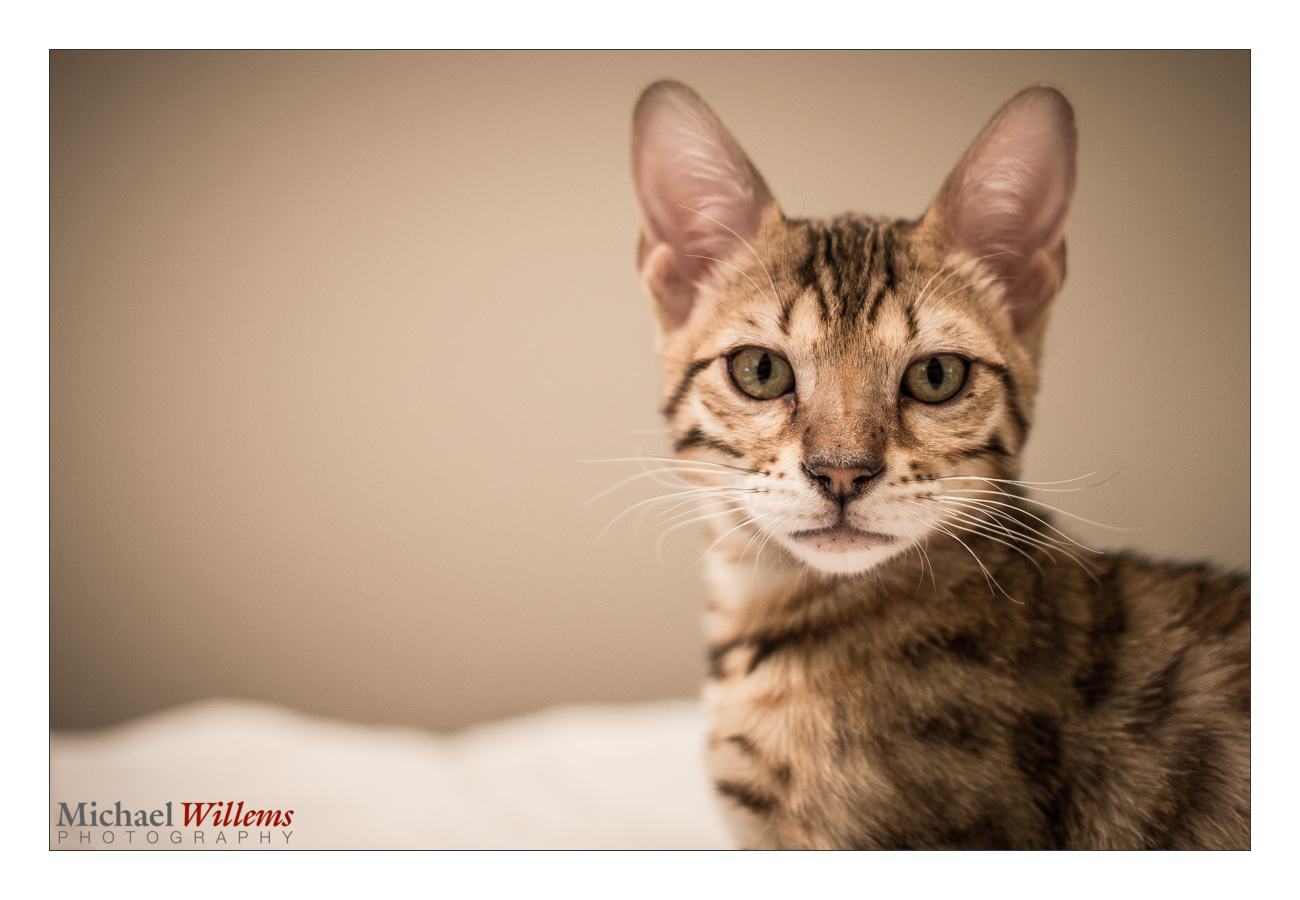
Decisions and cats.

Every image you make involves decisions – you decide how to expose. Aperture, shutter, and ISO.

Cats – f/2.8, 1/125th sec, 1600 ISO (45mm)

The first decision here was f/2.8, to allow in enough light and to get selective depth of field. Then I needed a fast enough shutter speed, and that led to the 1600 ISO.

Cats – f/4, 1/200th sec, 1600 ISO (45mm)

The first decision here was f/4, to get a little more depth of field. Then I needed a fast enough shutter speed, and that led to the 1600 ISO.

And finally, one more cat:

Cats – f/2.8, 1/60th sec, 1600 ISO (45mm)

This time, I lowered the shutter speed, because I did not want to go beyond 1600 ISO.

So as you see, every snap involves decisions; deliberate decisions about aperture, shutter and ISO, that make your picture into what it is.

___

The Father’s Day Special is still on: book training by tomorrow evening and pay a deposit, and get 35% off regular cost. Email or call me if you want to take advantage of this offer!


BOOKS

Today, a note or two about books. In particular, how useful are they for learning?

The right books are very useful, especially when combined with three essential elements:

  1. Time
  2. Practice
  3. Personal instruction

You need time to grasp and absorb concepts. The “aha-erlebnis” moment does not come immediately. So read, and re-read, and come back to the same spot again, and things will click into place. Especially when you practice, which in digital photography is easy and affordable. And finally, when you combine with personal instruction, which is essential in complex fields. That’s why at university we do all three: read, repeat, practice, and attend lectures, tutorials, and labs.  Just one won’t do it.

Hence my combining all of these, too. My two books:

http://www.michaelwillems.ca/Buy_Book.html

If you have not yet obtained them, I suggest that if the subjects interest you, you purchase and download the books now. But then combine with lots of practice, and if possible, with interaction. See http://cameratraining.ca/Schedule.html – all these are now open (the links will be provided shortly, or you can call or email me).

My books have ISBN numbers. For me as a Canadian, obtaining one is easier than for most. In most countries, getting an ISBN is complicated and needs you to pay. In Canada, it is done online, and is free. And an ISBN is important in books, I think.

But selling books? That’s complicated. The large sellers (Amazon, Apple, Google) need you to jump though hoops. Apple needs you to get an IRS ID and hence, presumably file US taxes for the rest of your life. Amazon imposes a format that is not suitable for most readers. And so on. Plus, all these take a large part of the revenue.

So I have decided to sell my own. It means my market is smaller (people who know of me). But it also means your price is lower (competing authors sell for two, three times more) and I can provide more service. For example, my books are DRM-free – meaning:

  • They have no Digital Rights Management to restrict what you can do. You can copy to any device, no registration needed.  I happen to trust my readers.
  • If after reading, anything is not clear, email me and I shall respond! How many authors can promise this?

Question for you. What subjects would you like me to cover next in book form? Camera basics? Macro? Travel? Portraits? Any number of subjects occur – I am interested in hearing your viewpoint!

In the mean time, I recommend you go buy a photography book now (mine, or anyone’s). And read, re-read, absorb, practice, integrate!

Now off to upgrade Lightroom to version 5, which was just released.


It’s not for me to say!

Some of you are amateurs, and some are pros, and some would like to be pros. And when I say “pros”, I mean not “people who know how to make photos” (many hobbyists are good shooters), but “people who engage in photography for a living”.

Teaching in Timmins

Michael Willems Teaching in Timmins

“Should I go into business?”, people ask me.

That is becoming very difficult. There are many reasons for this: everyone has a camera now. iPhones make acceptable pictures. The perception is that if you have a big camera, you know how to make pictures. And that cameras “do it all, automatically” now. And Uncle Fred will work 48 hours for credit, for no pay. As a result, photographers who shoot for a living are having trouble getting paying clients. Or are getting laid off.

But there is another reason, too. Many of us are afraid to ask for proper money.

Take an on-location family portrait. It will take me at least five hours to do one – counting the hours spent packing, driving, setting up, shooting, taking down, driving, loading, editing, exporting, making USB keys, billing, and so on. Five hours at my hourly rate of $125 is $625, plus tax. Now perhaps I can cut corners, do it more quickly, and include less, but it’ll still be hundreds of dollars.

When I recently had a client query, the lady thought it was “disgusting” that this would cost a few hundred dollars. I have been told “ripoff” to my face more than once. A certain PR company last year asked me to do food shots in a restaurant: budget: $50 (my price was around $2,000).  The sad thing is that they got someone to do it for that $50. Not well, I am sure, and undoubtedly he will have had to spend the same hours I did, or more, but he was perhaps a hobbyist delighted to be “given credit”. I have been asked for family pictures four times this month; each time, after cost is discussed, the potential client has gone away never to return. The perception seems to be that a family shoot should cost $100, and prints $1 each. Instead, it’s more like here, and those prices certainly don’t make a photographer rich.

Now let’s compare. A car service costs me hundreds or thousands of dollars for a few hours work. I went to a vet yesterday with my cats: time taken by vet and staff perhaps half an hour, of which perhaps half was vet time; cost: $183.06. See a plumber or a psychologist or a dental hygienist, and it will cost you hundreds of dollars. No-one argues or complains or shouts “ripoff”.

Much of the problem is with photographers themselves. New photographers, who will “do it for credit”, and photographers who are unable to explain the value of their work. I have as much value as the vet. Value is simply a measure of expressing scarcity, of course, and what I provide is scarce:

  • Extensive knowledge.
  • Years of experience.
  • Creative insight and ability.
  • Extensive problem solving ability.
  • $30,000 of equipment.
  • Fast lenses, not consumer lenses.
  • Fast, water-sealed cameras.
  • Six speedlights and four studio strobes, not “a flash”.
  • A car full of accessories.
  • Business ability (contracts, invoices, and so on).
  • Reliability.
  • Computer equipment, software and skills.
  • Printing ability and skills.
  • Speedy delivery.
  • People skills.
  • Spares for everything.

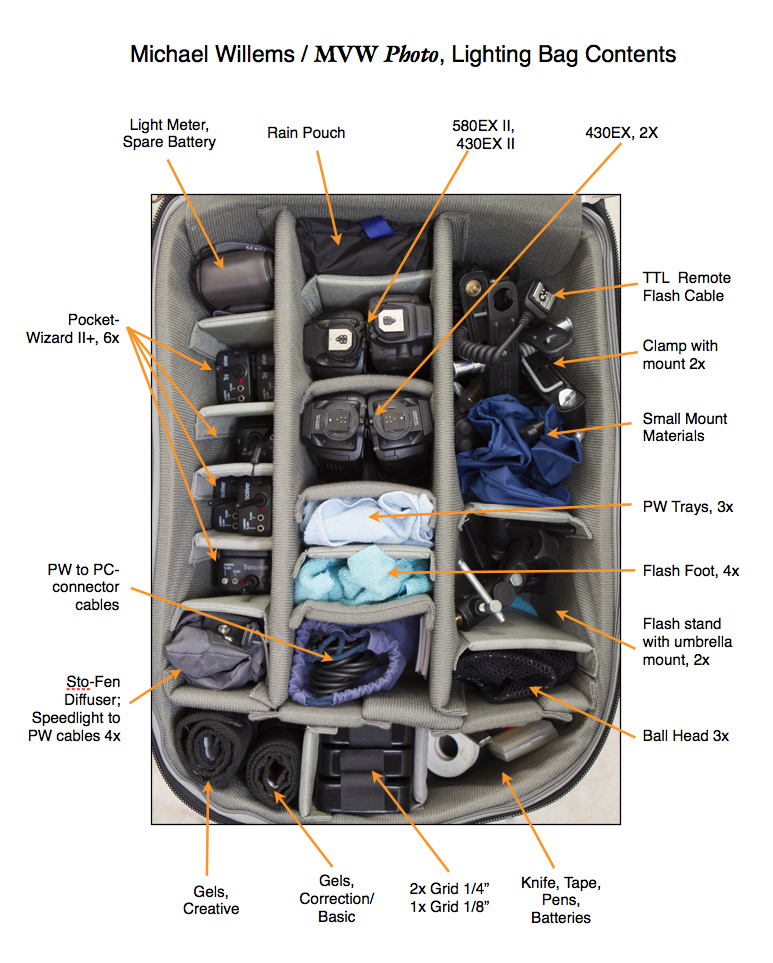
…the list goes on. Here, this is just my flash accessories bag:

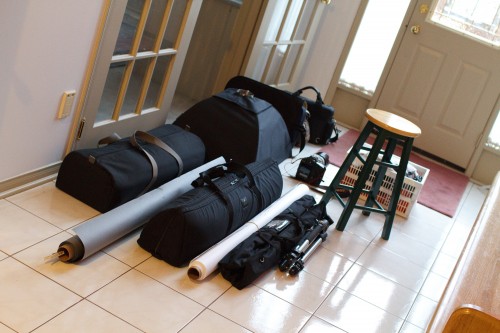
And here’s part of the location shoot equipment to be packed before a shoot:

So what I provide is scarce, and hence I will not do work for less than a reasonable hourly fee, and I expect there is still a market of people who will pay that reasonable fee.

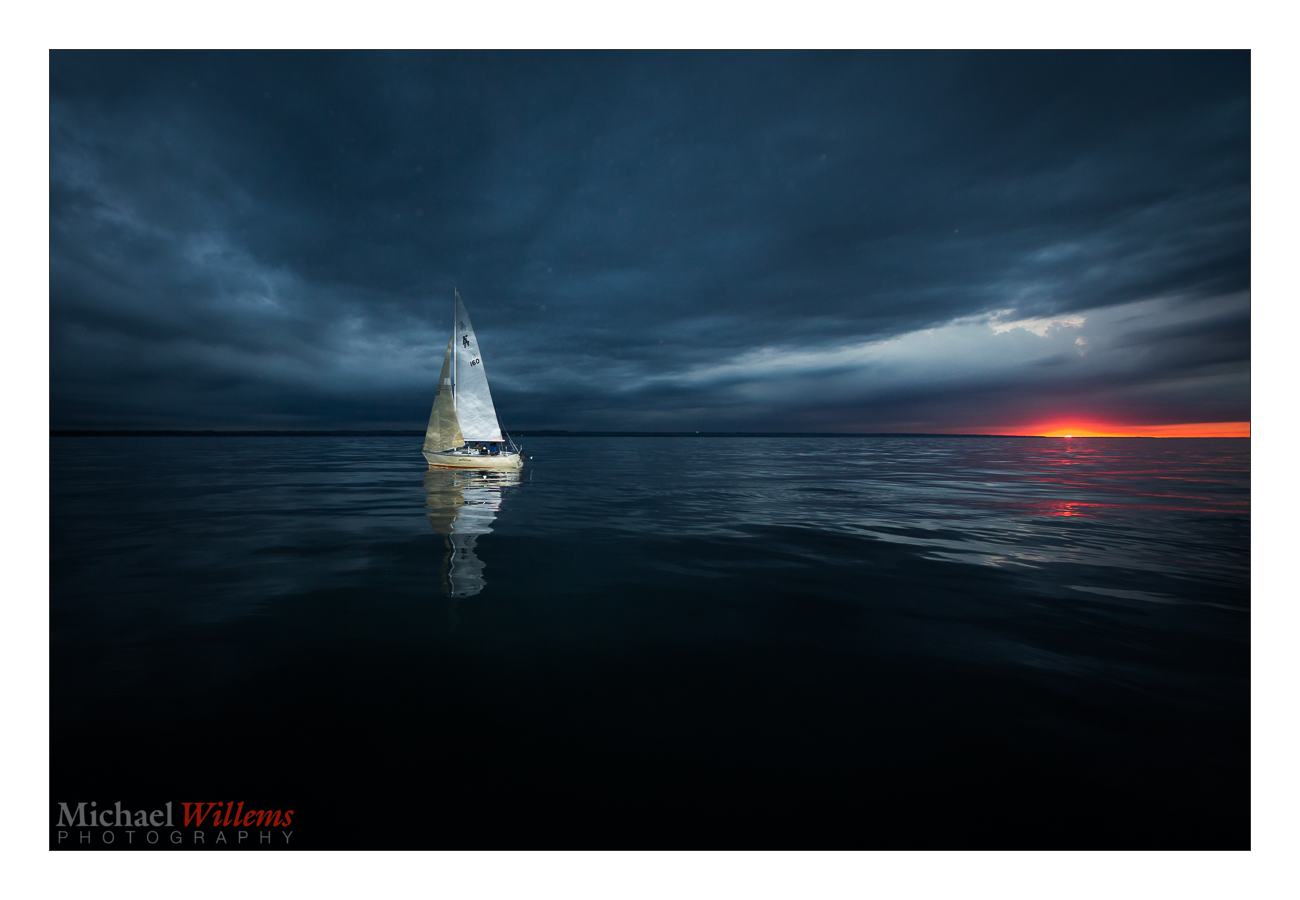
But if we are not good at explaining the value we provide, I fear professional photography will die.  The picture above was taken at a yacht club, where I spent many weeks making great pictures: I figured people who can afford hundreds of thousands for a boat can afford a few hundred dollar for a large, handmade, permanent artistic print to look at during our long Canadian winters. Alas, only one yacht owner bought a print, and at a discount. Many of you will have said “amazing picture” when seeing the shot above. Liking a picture is fine, but if that liking does not translate into paying, the liking means very little.

The result is simple: as a society, we will no longer have artistic pictures of our boats or our families. Instead, we will have many iPhone snapshots. That is a huge artistic loss, but it is not for me to say whether overall this is good or bad. Many photographers complain; blame society; blame Uncle Fred; blame new photographers for ‘spoiling the market’. But I think these blame games are not productive.

Instead, new photographers, you need to find your niche. For me, I will simply use my skills for those who do see the value, and I will teach, and write (that way, at least society keeps some skills alive).  Making quality shots for people who know quality, and teaching and writing, are very rewarding. As are family shoots and weddings, including destination weddings.

So, Oakville and world: I am open for business! You will not get $2 prints or $100 half-day shoots; but you will get efficiency, enthusiasm. artistic work, inspired teaching, and above all: world-class quality in all I do.

Learn Pro Flash – Buy The All-New e-Book!


Tomorrow…. TODAY!

Announcing the release of what in many ways is my Magnum Opus: my long awaited Flash Photography book!

SATURDAY, 8 JUNE: IT HAS JUST TURNED TOMORROW!

This is a downloadable e-Book (that is: you pay, and I send you the link by return, usually in minutes), in convenient PDF format:

This 123-page PDF lays out, in a very logical fashion, everything I know about flash. This book has been a long time coming because the main thing I wanted to solve was the question of how to teach flash properly. Flash I already knew; how best to convey what I know took longer. But it’s done!

“I find this one is almost like you are there explaining it in person. It makes me want to go out and try what I have just read”. – Lisa J, Timmins, ON

Many years practice in both doing and teaching flash photography, and my prior business experience and engineering education, resulted in what I think this is the perfect way to convey my knowledge.

You judge – $19.95 for the 123-page manual, packed with information, and richly illustrated with examples. Buy here.

Chapter titles:

Introduction 8
A Few Words About Learning 10
Photography Basics 12
Flash Basics 25
The Flash/Ambient Mix 36
Modifying Flash 44
Problem Solving 62
Using One Flash 74
Off Camera Flash 97
What You Need 113
And from here? 120

This book will change the way you look at flash. Instead of thinking of flash as a way to add light, you will think of flash as your creative tool par excellence; and as a tool that makes things easier.

This book will demystify flash. The things you never thought were easy, actually are. The secrets will be unlocked. You will frequently say “Is that how it works?”.

This will make you creative. Creativity is often hampered not by lack of thoughts, but by lack of knowledge. Knowledge and ideas are what you need: Problem Solved!

This book will take away your misconceptions. There are many common misconceptions and half truths. This manual teaches you the real truth behind them.

This book will allow you to get results from your current camera. Even if you only have simple equipment, I will teach you how to use it well. You do not need studios to get studio results!

This book will give you checklists. There are many good rules of thumb, starting points, and checklists included. This is often the secret to good results.

The eBook format has some unique advantages for you:

  • CONVENIENCE: this is an Electronic Book formatted for reading on iPad and on your computer.  I do not addle you with “Digital rights management” restrictions like most book authors. You will never see “not authorized on this device”. You can copy and read it on all your devices, forever.  I trust my customers.
  • COST: Because I self publish my books, there’s no Middle Man like Amazon, Google or Apple to take a large portion of the money. That means I can keep the cost down for you. Comparable books on similar subjects cost three or four times more.
  • FUTURE PROOF: It’s digital. There will be a second edition soon, no doubt, with any misconceptions explained and errors fixed and new material added – and when that happens, you are entitled to the new edition at no extra cost!

Many years of Flash photography knowledge for just a few dollars: head on over to http://www.michaelwillems.ca/Buy_Book.html and get your copy. And take pro shots by the end of this weekend!


Live to teach!

I live to teach – have you noticed? And I am hoping you live in part to learn to be a professional photographer.

I live to teach my skills, secrets, and need-to-knows, and there are many opportunities coming up for you to benefit. Of course there’s this daily blog, but get some one-on-one!

  1. See www.cameratraining.ca for details of my upcoming Oakville and Hamilton courses. Booking pages aren’t up yet, but bookings are open already, just email me.
  2. I do personal coaching and portfolio reviews, too… contact me!
  3. July: teen workshop in two parts at Oakville Library.
  4. Sheridan College’s fall course in Oakville is open!
  5. A really exciting one: August 18-22, the Niagara School of Imaging course is open! http://niagaraschool.com/michael-willems-the-speedlighter/
  6. Vistek Toronto is planning new courses. Stay tuned!
  7. My eBook is out – do you have it yet (click here) ? A 52 “photographic recipes” manual that should go with you everywhere.

Moreover, my next eBook, on Flash Photography, is due out soon! Lots of ways to learn, and this is a great time to get started with that learning.

Michael


Bubutbut

I often, of course, say this – “Limit: when using flash, you cannot exceed your camera’s fastest sync speed (usually 1/250th second)”.

And then almost as often, I hear the following objection:

“But Michael: you can use High Speed/Auto FP flash!”

And that way, you can exceed the sync speed. Sure – like in this photo of Aurèle Monfils of the Porcupine Photo Club, which I made yesterday with the standard sunny day blurred background setting (write it down!) of:

  • 100 ISO
  • f/4
  • 1/2000th sec

…using an on-camera flash fitted with a Honl 8″ Traveller 8 softbox:

Yes. You can, as you see!

But now I have a “but”.

The high-speed mode works by effectively making your flash into a continuous light, at least for the duration of the shutter speed; it flashes pulses at 40 kHz. Fine, but most of those pulses reach the closed part of the shutter, so most energy is wasted; hence, your effective range is reduced dramatically. Maybe just over a metre at 1/2000th second when using the flash without modifier; with a softbox as I was using here, maybe 30cm, no more.

Hence the slight “wide angle” look in my image above due to me having to be close, with a wide lens. As in this one of Aurèle’s daughter Lisa:

So while it is true that high speed/FP flash solves the sync speed problem, it’s  not a panacea, and in practice, it is only occasionally usable.

Footnote: Lisa is turned away from the sun: It is behind her, meaning she is not squinting, and the sun becomes the shampooey goodness™ light on her hair!

___

Want to learn to use modern Flash technique? I travel worldwide for hands-on seminars. Vegas, London, the Netherlands, Phoenix, Niagara, Toronto, or Timmins: wherever you want me, I’ll be there for you.


A “Simple is Good” studio setup

I trained a local photographer in the subject of studio photography yesterday, and we kept it simple. Because simple is good!

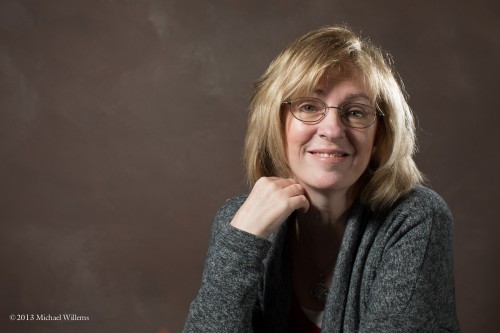
First, let me show you a resulting picture of her friend, the model for the day:

Good studio photo, right? Yup.

So how did we get to this?

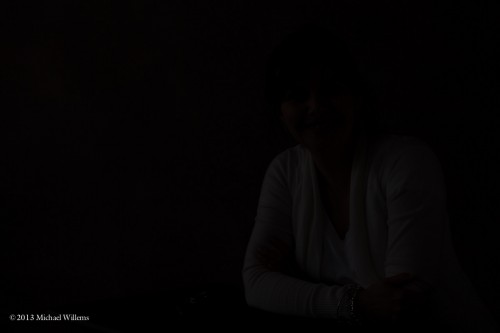
First, set the camera to standard studio settings. Like 1/125th to 1/200th second, f/8, 100 ISO.  This is designed to make ambient light go away. The studio was a bright room – big windows with only light sheer curtains. And yet with those settings, it looked like this in photos:

Second, now add lights where you want them:

  • A camera with a pocketwizard transmitter on it.
  • A main light – a speedlight (Canon 430EX) fitted with a Honl Photo Traveller 8 softbox.
  • A Pocketwizard to fire this flash.
  • A Flashzebra cable from Pocketwizard to flash hotshoe.
  • A light stand with ball head for it to sit on.
  • A reflector to act as fill light.
  • A  430EX flash to act as hair light (Shampooey Goodness™).
  • A light trigger from Flashzebra to set off that flash.
  • A similar ball head and stand.
  • A Honl Photo 1/8″ grid to restrict the light’s path.

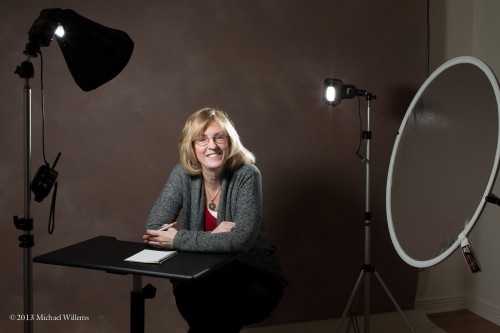
All this looks like this (remember, take a “pullback shot”):

Third, now set the power levels. With the camera at 100 ISO. 1/200th, f/8, a power level of about 1/2 on the main flash and 1/4 for the hair light did the trick.

All this takes minutes to set up. A pro studio shot can often be done with simple equipment like this. And note the appropriate backdrop. The blond hair means we wanted a darker background. For dark hair I might have wanted a lighter backdrop: in that case I can add another light to light the backdrop I have.

This image is good and needs no pst work other than cropping to taste. Note the correct catch lights in the eyes: 45 degrees off centre and crear (and round, here).

Now, another shoot, the day before: friend and ex colleague (and client) Keith, showing true character:

This was done with three lights: One with softbox where I am., and two feathered flashes, unmodified, on each side, lighting both backdrop and side of his face. Again, a simple setup, although it took a few minutes work to set up. Slifght clariti enhacement to give it more pop, and slight desaturate to meet the web spects that this image was taken for.

By the way, fun expressions are good. Can you see how in that picture, Keith’s nice guy nature really shines through, even that was not te point of the picture? try to capture your subjects’ personality in the images you make.