Exit Stage Left

Many people think that stage productions need 6400 ISO, f/1.4 lenses, and so on.

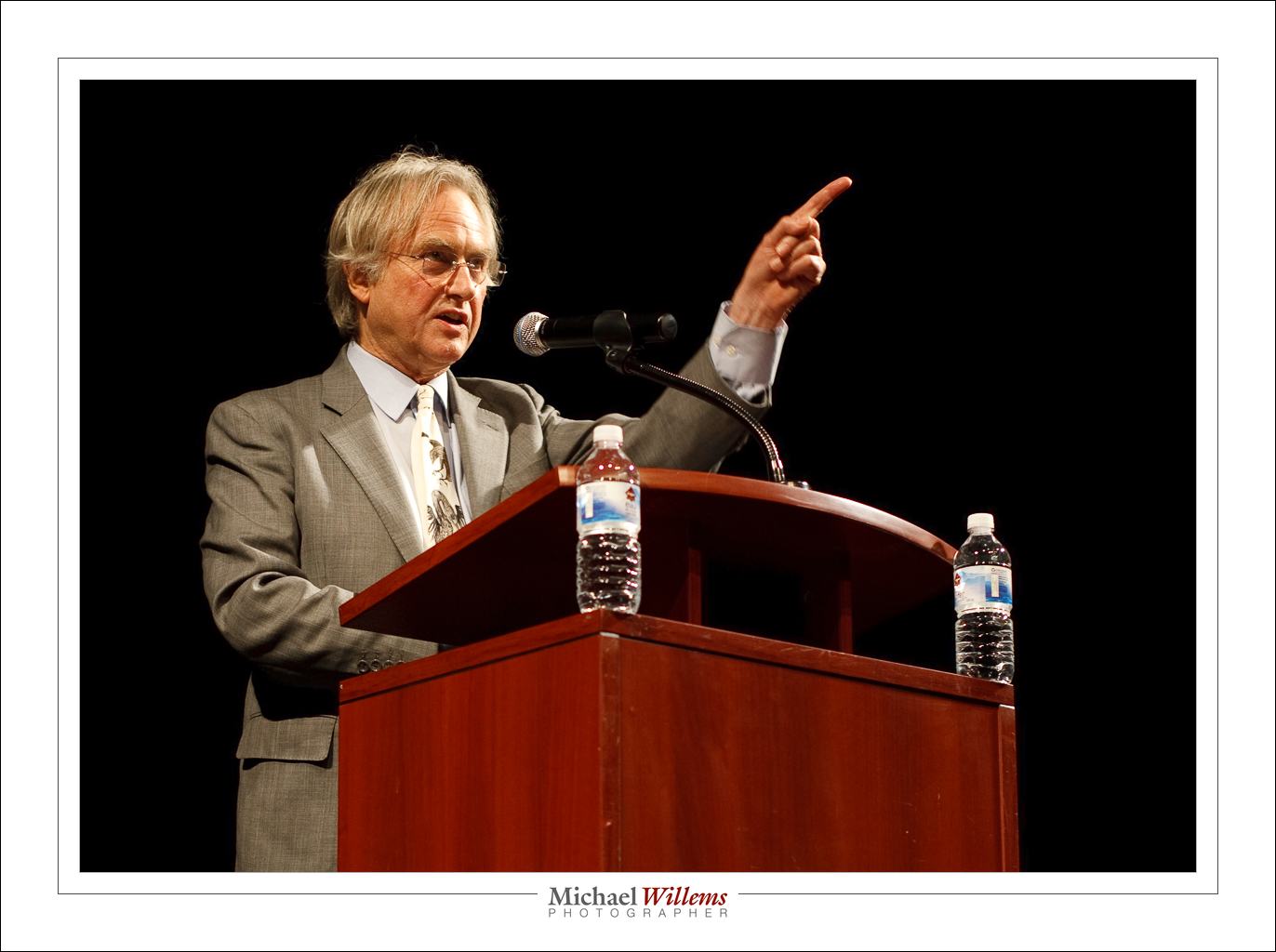
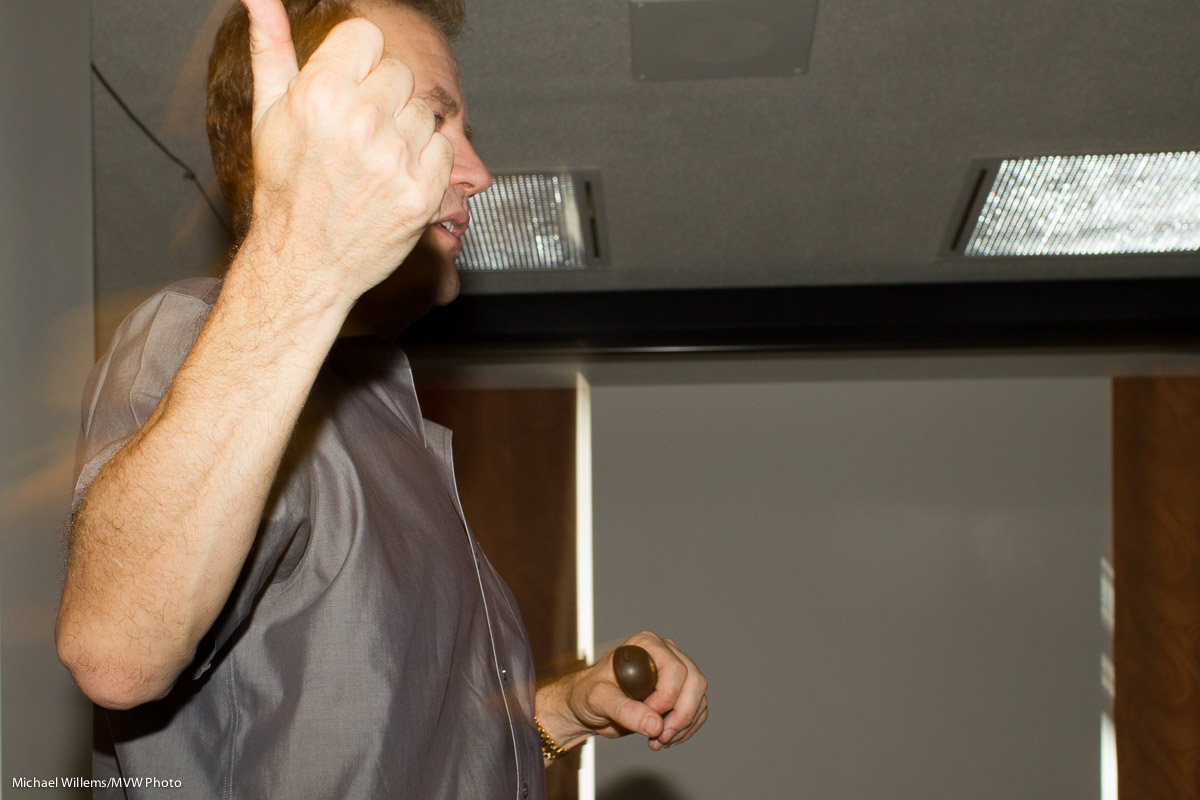
Only partly true. Perhaps in a school gym. But professional stage productions are well lit! Look at this picture of Richard Dawkins, which I took a few years ago:

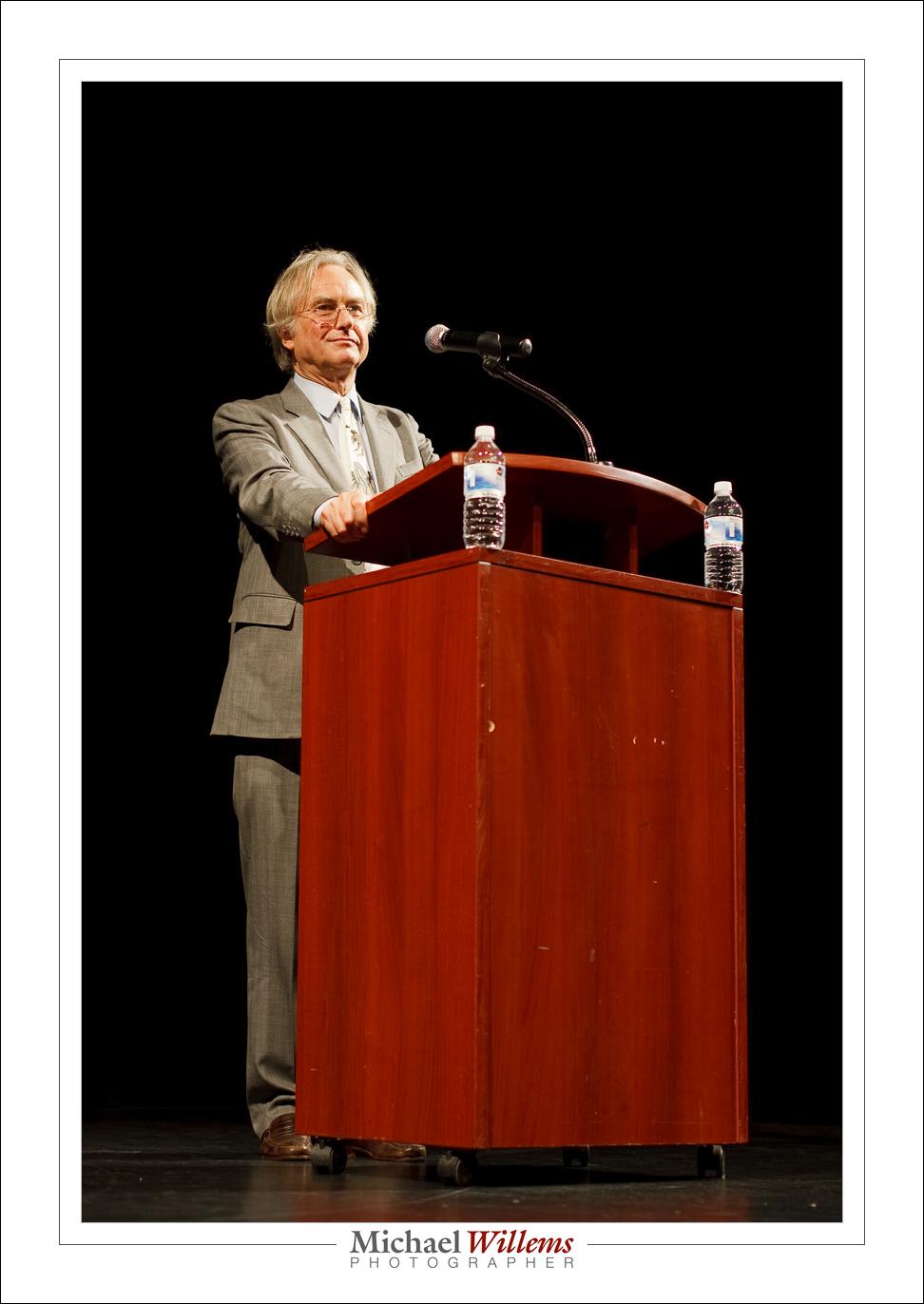
I took that from the front row (yes, be there early), with a 50mm lens at: f/2.8, 1/100th sec, 400 ISO. Here’s one more, exactly as I shot it, same settings:

So, when shooting people at presentations, a well lit stage is fine with an f/2.8 lens. (Why did I use my 50? Because I was close, and I wasn’t sure how well lit this stage would be).

And if you are in a school gym? Then go up to 1600 ISO or whatever you need. And there, an f/5.6 consumer lens will not cut it.


Trick

You know why I want people, and especially my students, to know all about flash? Because you never know when it will be needed.

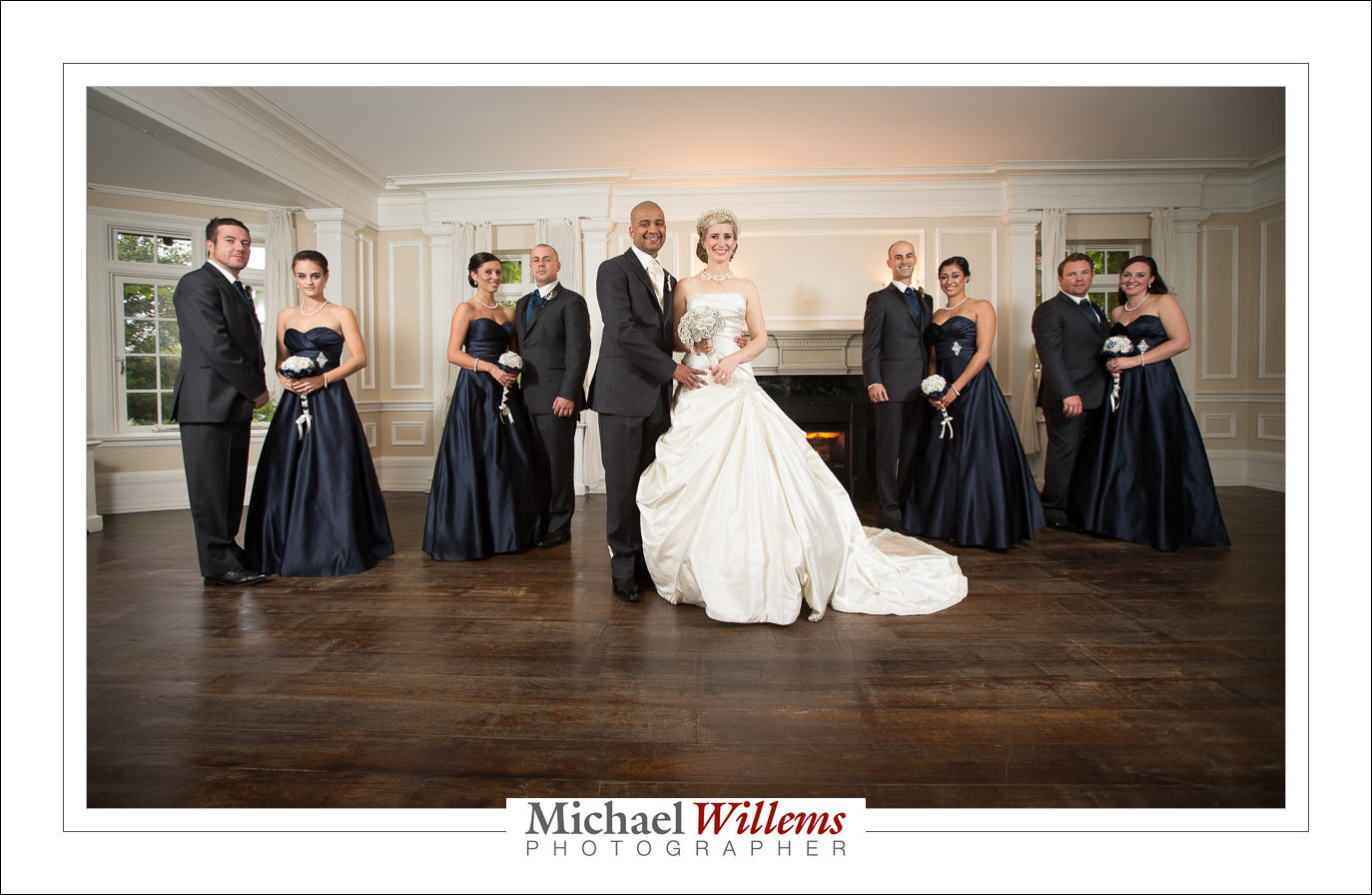
Take this shot, from the wonderful wedding of Stephanie and David on Saturday:

That nice fire in the fireplace, with its warm glow? The bride wanted the fireplace. And so we turned it on, of course.

Yeah right. There was no turning on – not possible. So that is a 430EX speedlight fitted with a snoot and a rust-colored gel (both Honl photo).

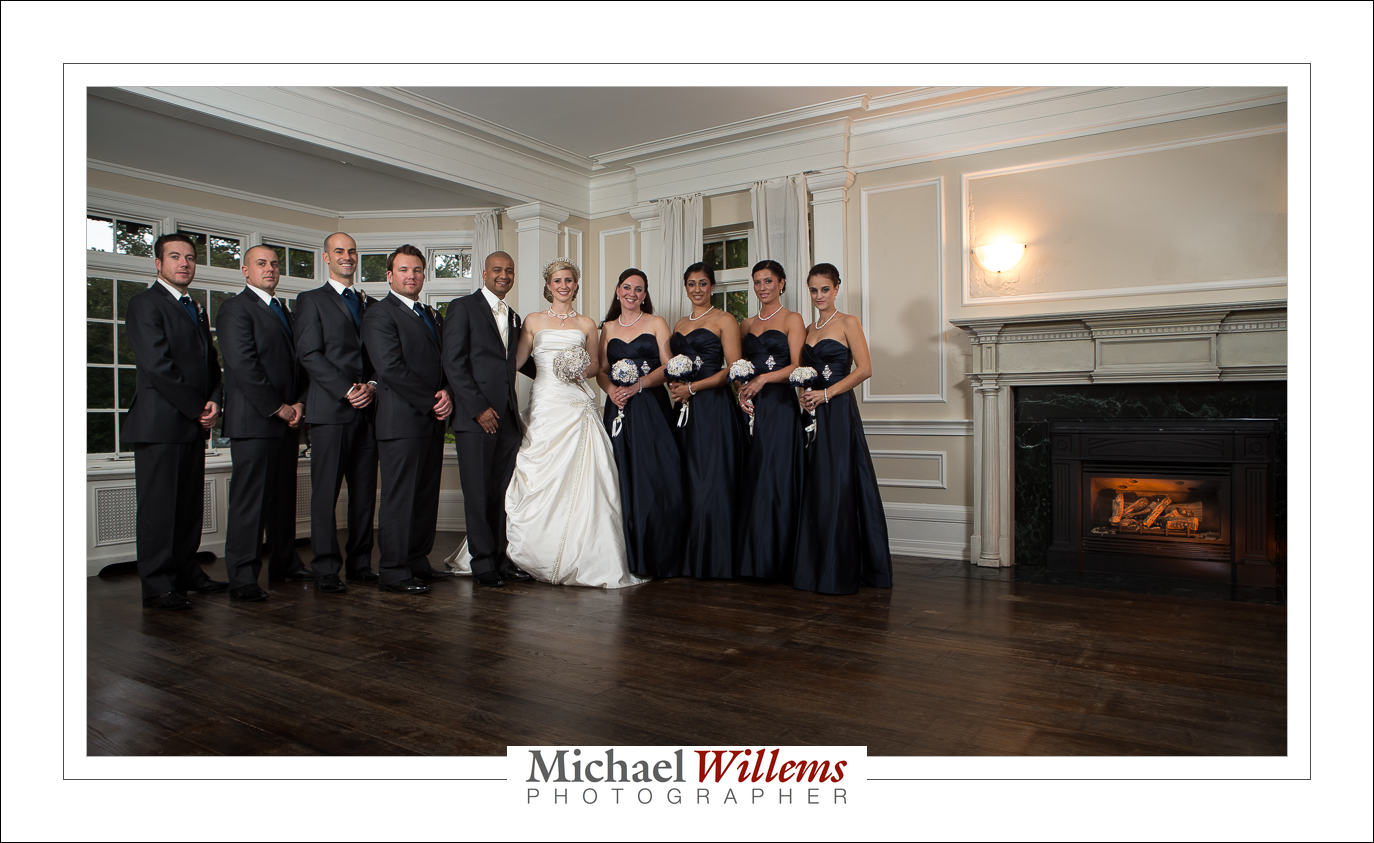
Same here:

The moral of the story: flash is not always used simply “to light a dark room”. In my world, the more common world is to do something creative. Take charge of the light, including its location and colour.


Light or dark?

When you need to decide what to make of a shoot, light is of the first importance. And sometimes that is the question: light or dark? Go for a high-key bright look, or for a low-key dark look?

I often do both. Let me share an example.

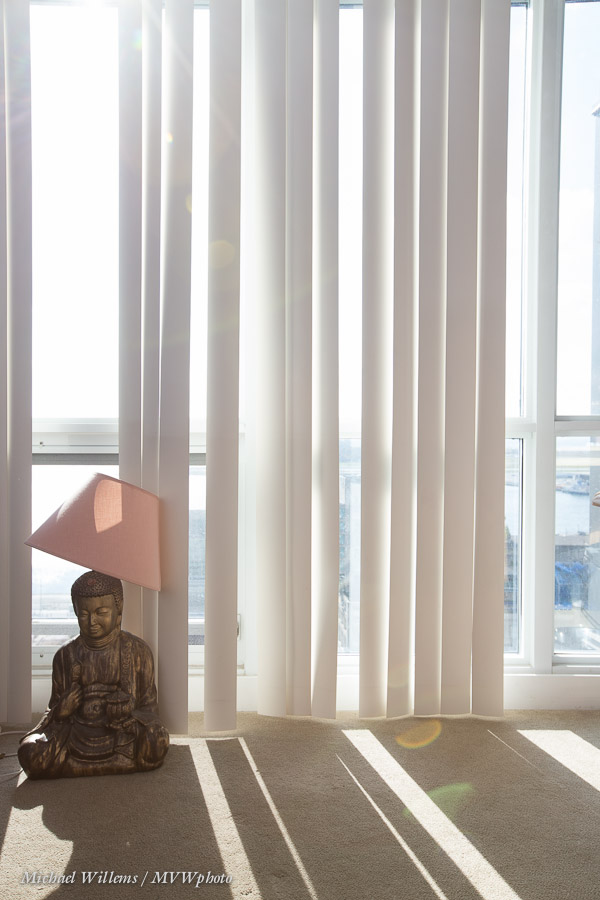
On a very recent shoot, just after walking in, I saw this:

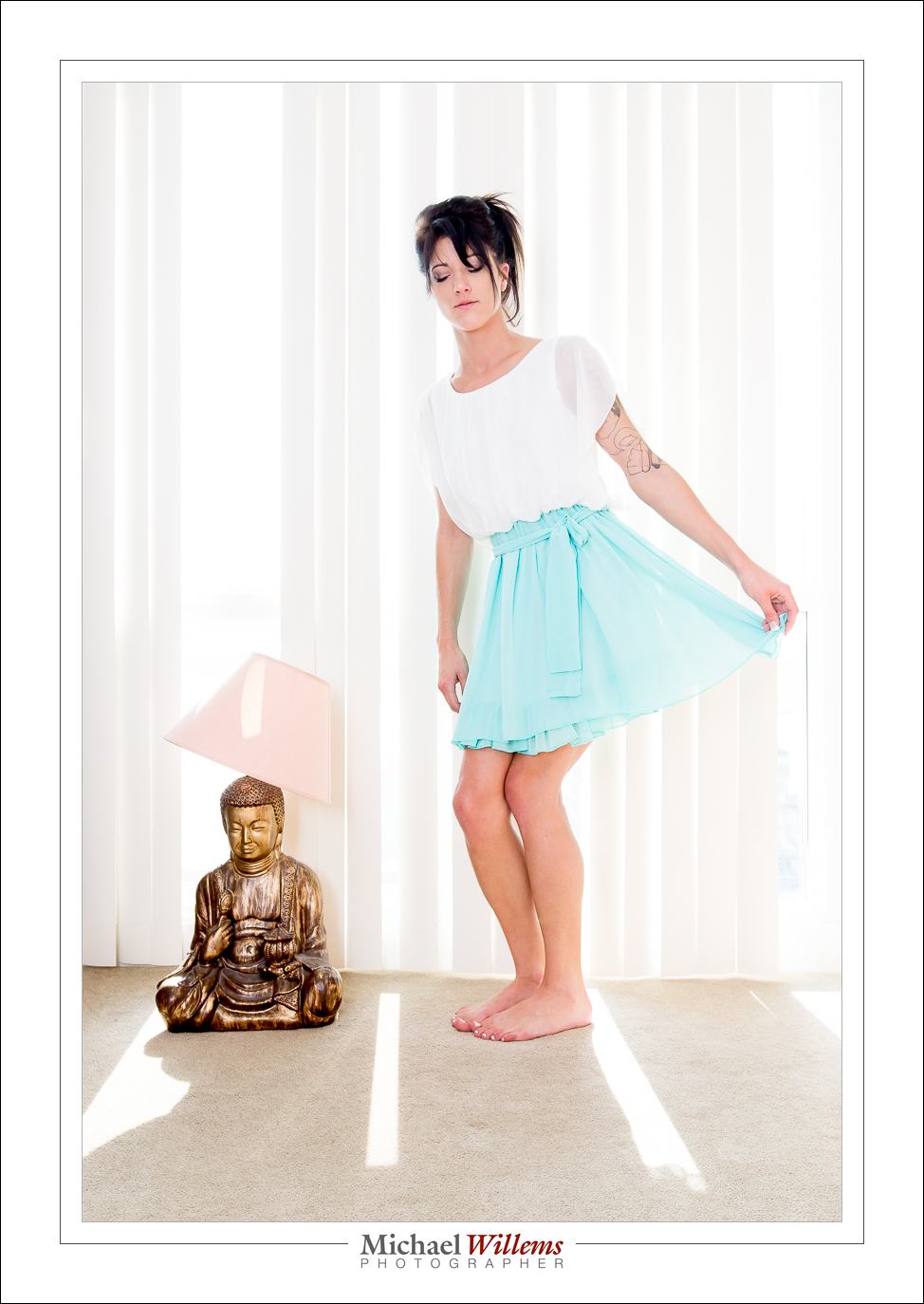
And that immediately made me think “the Buddha”, “pastel”, and “bright”, and “backlit”. So you go with the flow, and I asked the model to find a pastel outfit. The outfit was a skirt, which worked extremely well when she pulled it out to make it the same shape as the lampshade. I exposed highly (1/250th sec at f/6.3 at 400 ISO), and hey presto:

High key means everything is bright except the subject, which therefore stands out. Can you see how highly I exposed that? Basically, everything except the Buddha and my subject was flashing “overexposed!”. Get this right and shoot RAW. But it is not difficult at all, as long as you realize you can make things bright or dark at will with your camera. It is a light shifter.

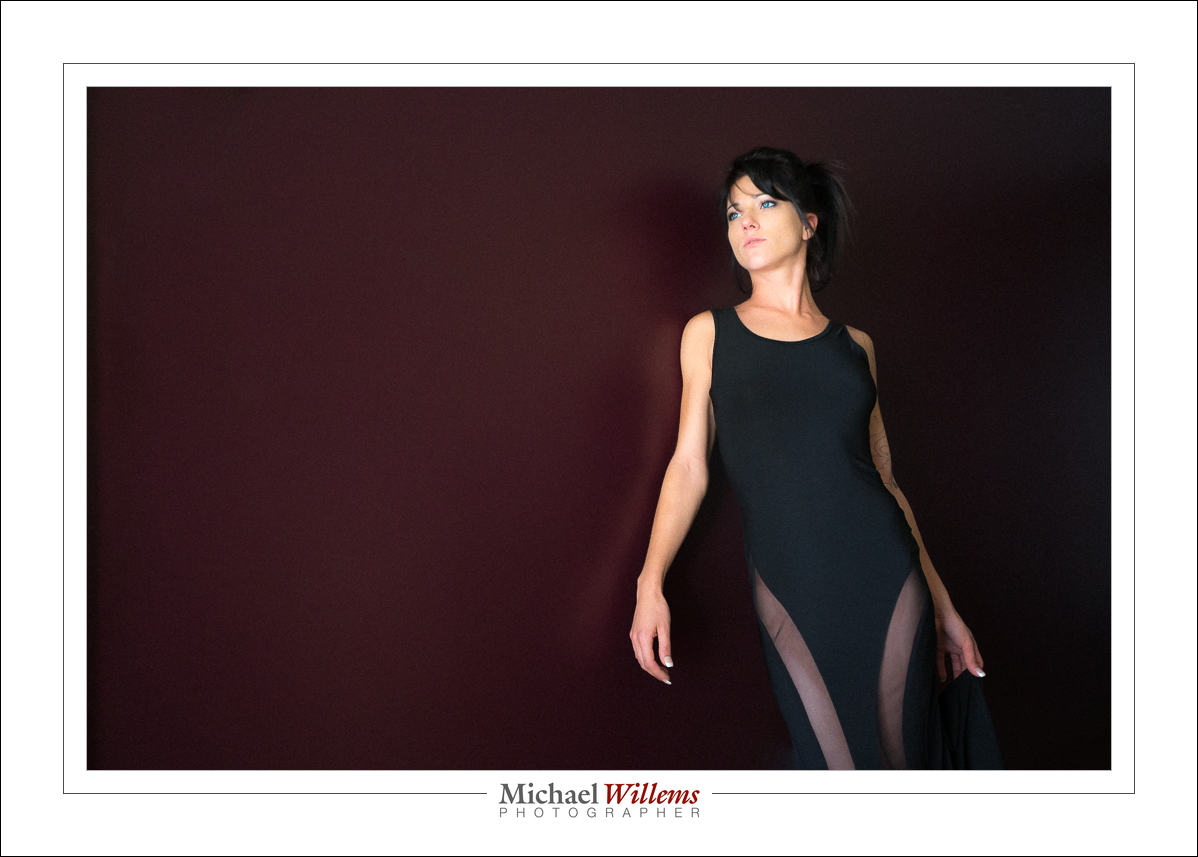
I had also seen a dark wall, a rich bordeaux, in a dark area. So hey, let’s use that too. But with this dark wall I thought low-key, i.e. everything is dark except the subject, which therefore also stands out. So, perhaps a dark outfit, which it just so happened she had:

Both made on the same shoot.  You can do this if you think about the light and use what you have, or what you can make under the circumstances.


Mullets Unite

Why do you NOT normally shoot at your subjects with a flash aimed straight at them, unmodified? Especially when your subjects are in front of a wall? Especially if they are male?

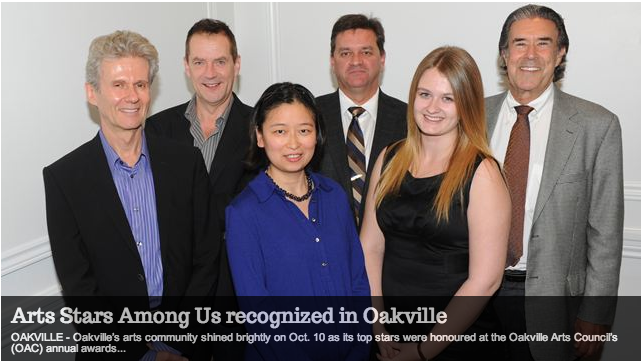
A picture in the local newspaper shows us exactly why not:

Um, yeah, that’s me there, second from left (this was at the recent art awards ceremony).

And like the three other gentlemen there, I have a “virtual mullet”, caused by the shadow thrown by our ears. Awful, and one reason people hate flash.

And yet the photographer could have easily bounced: conditions for it were prefect. But he did not know the right techniques. Ouch! So you get shiny skin, flat unnatural light, hard shadows, and mullets.

Instead, bounce the flash. Aim it up, 45 degrees behind you – depending of course on where you are, where the ceiling is, and so on. Go to 400 ISO or higher at f/4. It’s what I teach in mu courses… it’s a simple technique and I can teach everyone this. Start with what I just said, and see how that works for you. Better than the mullet shot, I am willing to bet!

___

Oakville “Flash” Courses 9/10 November: I think Saturday Nov 9 is full, but Sunday Nov 10 is still open. I am limiting the number of students in each class to no more than 4-5, so do get there first.  See the syllabus here, and book via the link at the bottom of that page – indicate your desired date!


Go Slow, Young Man (Or Woman)

When you use a flash, the shutter speed is not that important. Since the flash fires all its power in 1/1000th sec or less, it is not important whether your shutter speed is 1/200th second, or 1/100th, or 1/4 second. Only the ambient light will be affected; not the flash part.

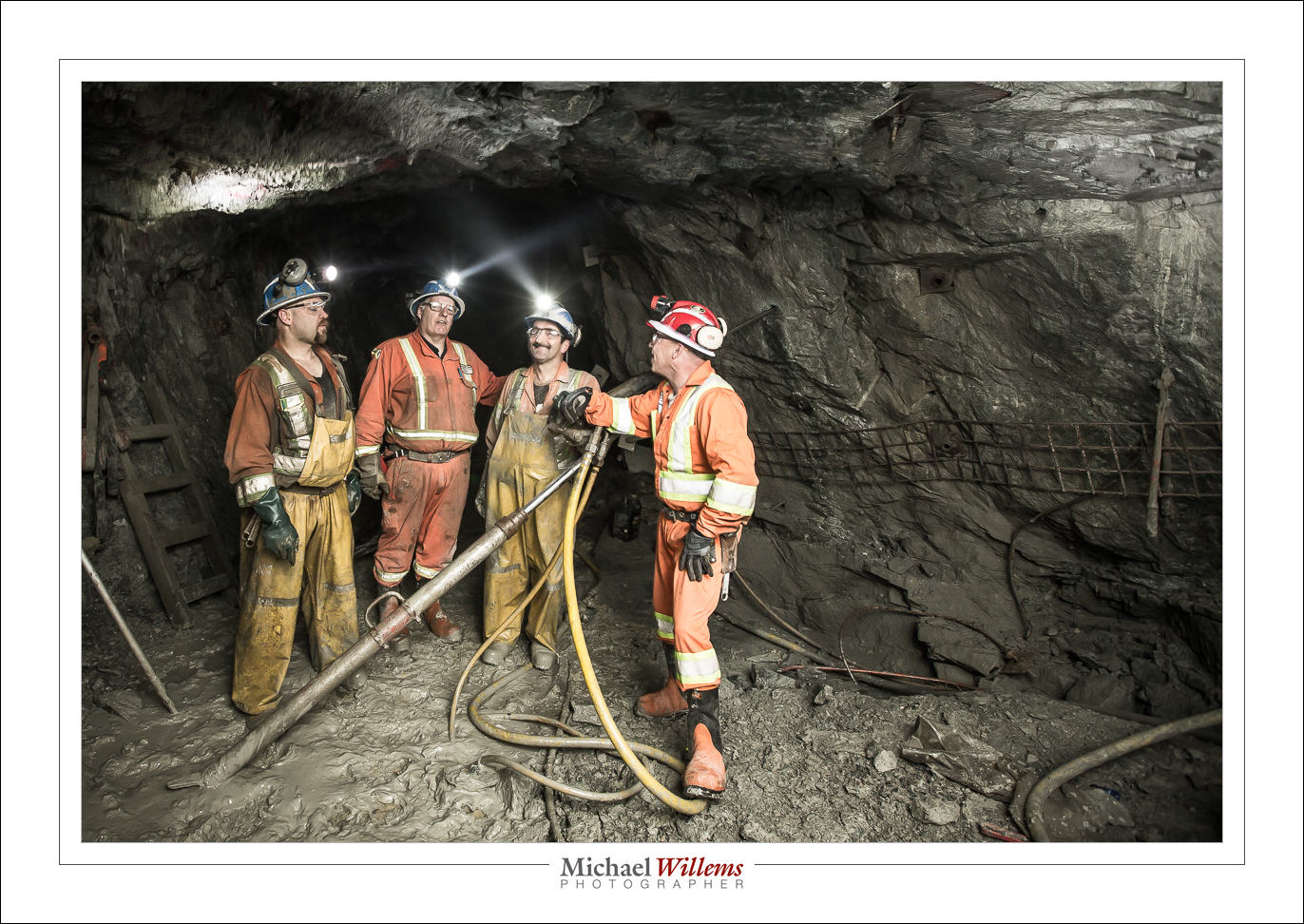
Take this, from a Goldcorp goldmine I shot earlier this year in Timmins, Ontario:

3200 ISO, f/4, and 1/4 second. Handheld.

Why so long? Because I wanted the light at the end of the tunnel to look like, well, the light at the end of the tunnel. And I needed f/4 for depth of field, hence 3200 ISO and 1/4 second.

But Michael, things will be blurry!

Not if they are lit by the flash. 1/1000th sec is 1/1000th sec! And if they are also lit by a little ambient light, then a little ghosting will appear, mainly in the moving parts:

But that is still better than not having any background light. So I shot the goldmine at slow shutter speed, and you should feel free to try the same. Here I did it to capture the hard hat lights:

Use a wider lens, and go slow, even very slow, any time you are using flash and it’s mainly flash lighting the important bits!


The Thinning Lens

As a photographer, I photograph a lot of people who are reluctant.

Usually, they are reluctant because they do not like their looks. They want to be Jennifer Aniston, and in their mind they are Jennifer Aniston, but in fact they are middle aged, ordinary people. They are usually, but not always, women, who are generally more aware of their looks than men. A very common question is: “oh, you can only shoot me if you put on your thinning lens”.
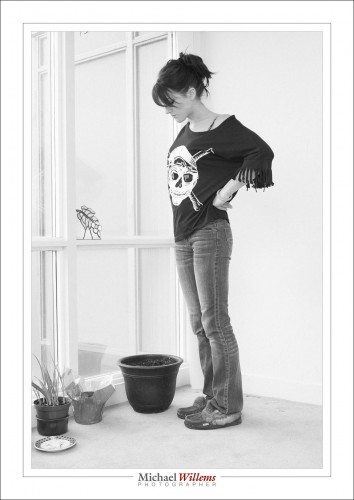
No Thinning Lens Needed Here

These people will be disappointed when they see their photos. And as a photographer, I do not like it when my clients are disappointed. So what do I do?

What I do not do is “put on a thinning lens”; i.e. edit the picture to the extent that the person is materially different. My rule of thumb is that if I cannot do it in Lightroom, I do not do it – that is the reason I have not been in Photoshop all year. I am happy to remove blemishes, especially temporary ones, like pimples and bruises; perhaps even lighten the odd wrinkle a little; but that’s it. No distorting, no making breasts bigger (or thighs smaller) or making people thinner than they are.

But there are other things I can do to get the most out of what a person has. That means things including the following:

Lighting brightly: bright light makes wrinkles vanish into the top part of the brightness, where they do not look obvious. The more high key an image, the better skin will look.

Finding the right angles: everyone has good and bad angles. I would give examples here, but one cardinal rule is that I never show the bad angle pictures to anyone – client or anyone else. Hence, by the way, the fact that I do not like clients asking to “see the pictures” on the back of the camera, unless they are very young and pretty and confident (those three do not always go together).

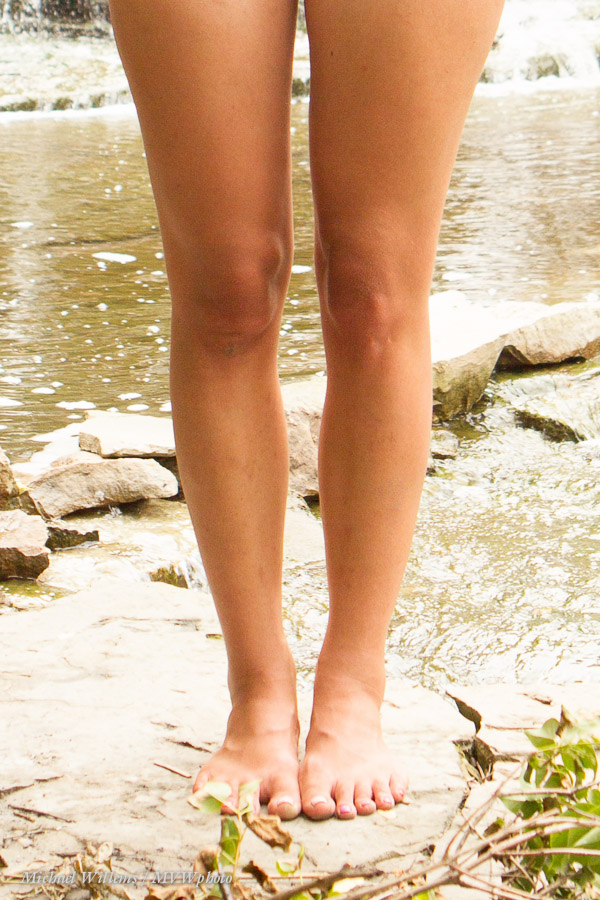
Modeling: when I can, and when someone is a little overweight, I try to light from the side rather than from the front.  Look at this example of a model’s legs: one lit primarily from the front, and the second lit mainly from the side, using an umbrella and speedlight. This model needs to lose no weight, of course, but you can see the principle: by selectively lighting you can give objects and people shape, and make broad objects appear narrower.
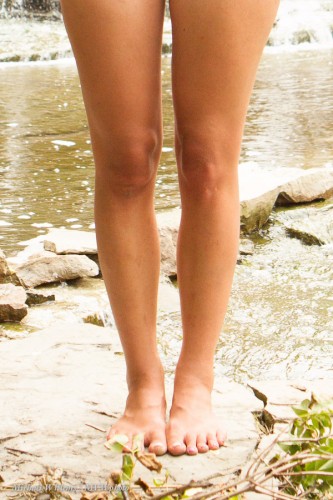
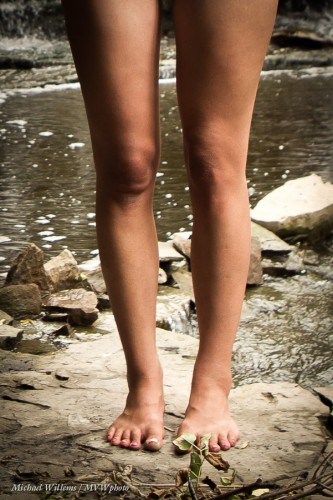
Selectively lighting – in general, I try to light good bits, while keeping less perfect bits in relative darkness.

Use a minor electronic adjustment – I am happy to use Lightroom’s Clarity adjustment to slightly smooth skin tones. A clarity adjustment of perhaps minus 15 is hardly consciously visible – except it does make skin clearer, wrinkles less obvious and hence makes the person look better.

Finally, use the right lens! A wide angle lens can make large objects look “puffy” and will make close shapes look larger. Close shapes can, for instance, be the nose, or the thighs if the person is sitting, or their arms if they are closer to you than the face. Using a long lens, on the other hand, will give a much more neutral, undistorted look. My 70-200 lens is my favourite – provided I have enough space. Fashion photographers tend to also use this lens as a favourite. So I suppose in a sense there is a thinning lens!
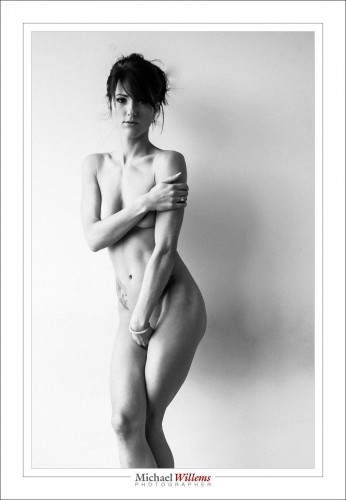
No thinning lens needed here, either

In the end, of course, if someone is not happy with their looks, well, then there is little I can do – I cannot make them into something they are not (like Jennifer Aniston). That is one reason I am happy to photograph a lot of young women: it’s not that I prefer to (the challenge of shooting someone older is great!), but they tend to be more accepting of their bodies, for obvious reasons, and more accepting of reality of there is something not perfect.

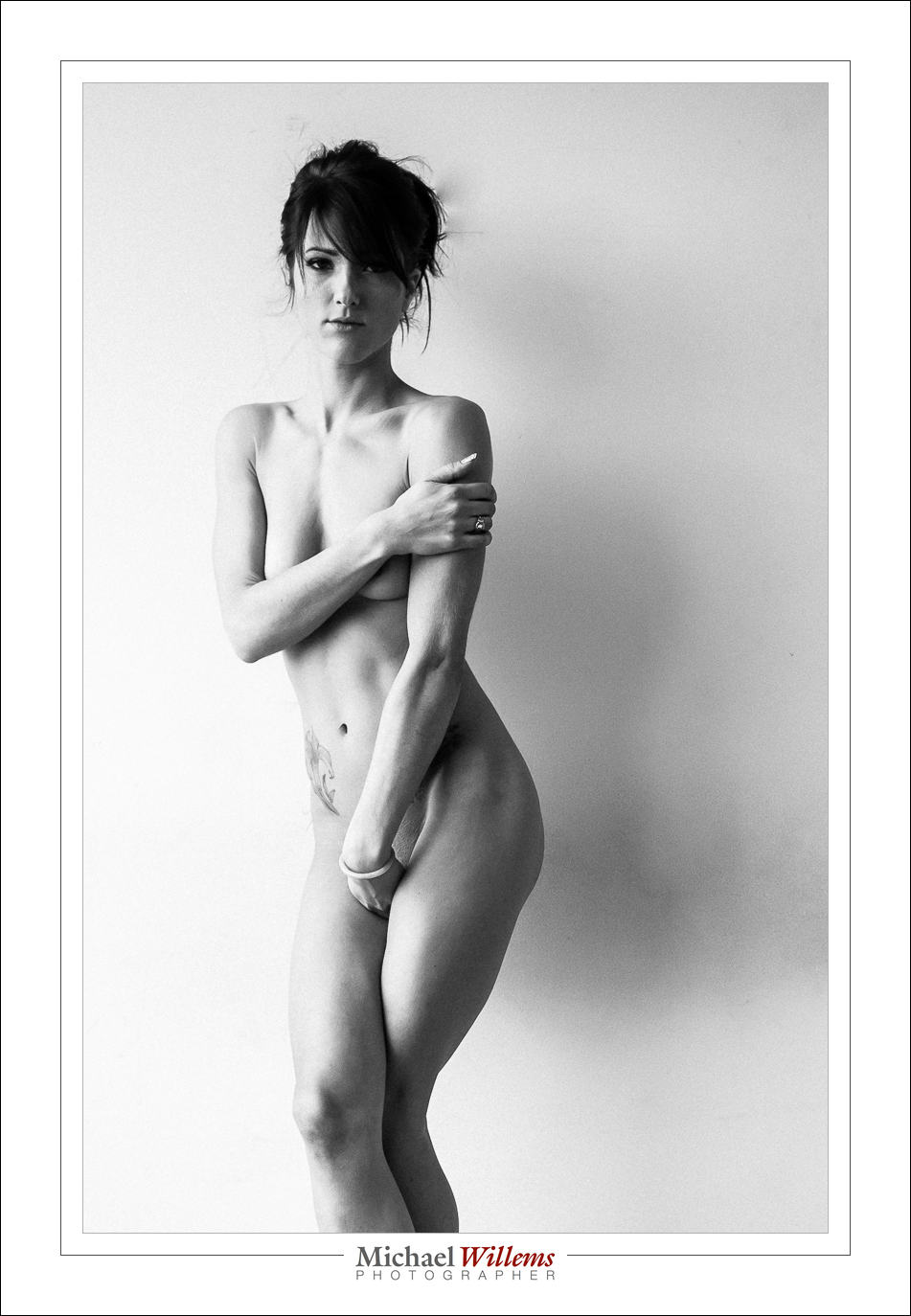
And guess what: no-one is perfect. I am guessing that if you saw Jennifer Aniston get out of bed in the morning and groggily walk to the bathroom, you would not be impressed. We are all human. One reason I thoroughly enjoyed doing portraits of naturists at Bare Oaks naturist park the past two summers is that they understand this, and are happy with their bodies, whatever they look like, short, tall, big, small, young, old, whatever – seeing people naked, one realises that no-one is perfect like the fantasies we see in magazines where the photographers do materially alter things. Ahh.. so refreshing for a photographer!

___

NEW: You can now sign up for a June 20-30, 2014 photo tour of North Wales with me: go here and read all about it, and if you are interested, call the travel experts and sign up. Let them know you may be interested as soon as possible: this will be a great trip with photography, travel, sightseeing; doing and learning all mixed in together!
 

Softening Recipe

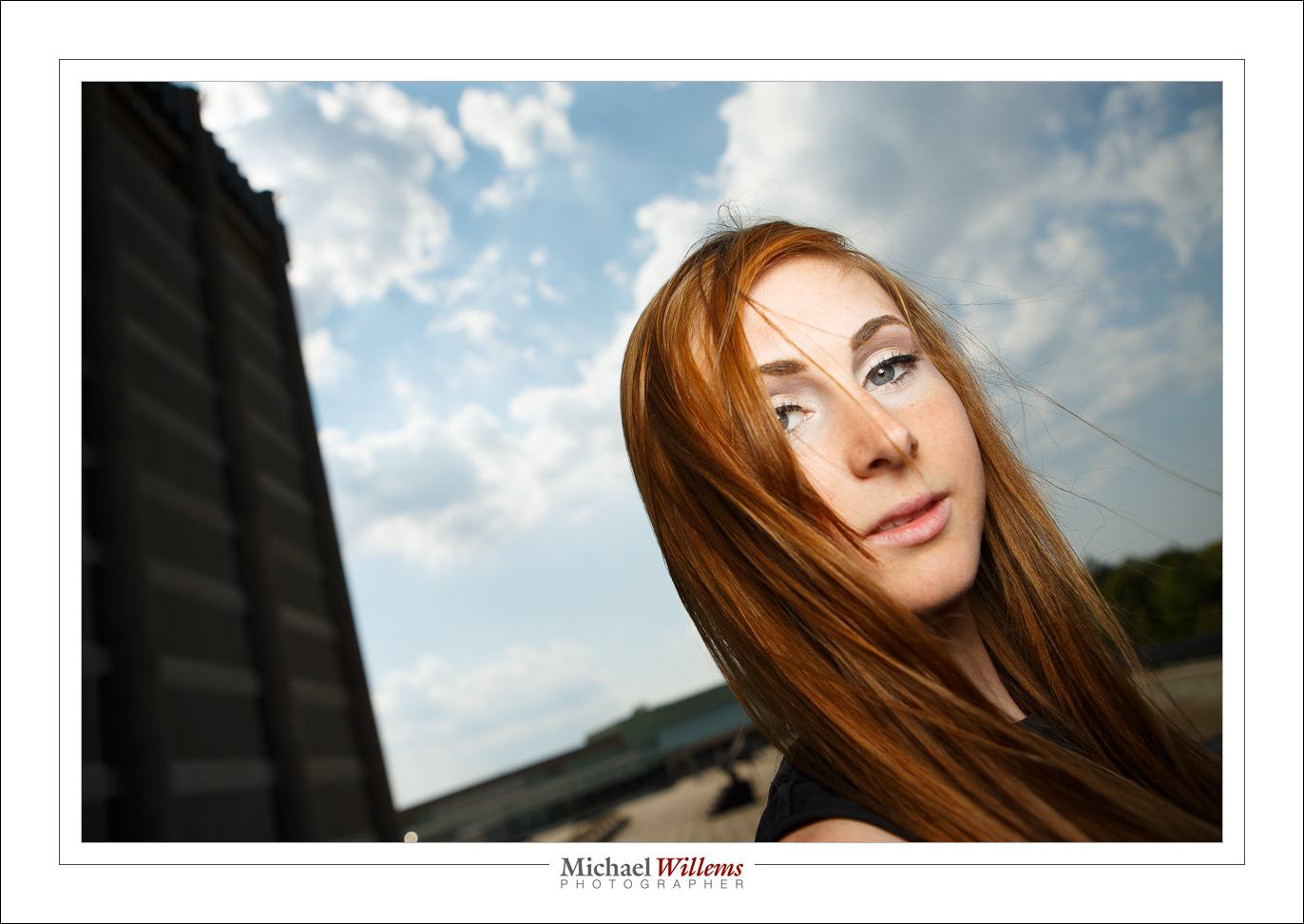
Here’s a simple recipe for a dramatic flash shot outside. Like this:

Look s”photoshopped”, yeah? Well, it isn’t. It was shot like that. And for that, you need:

  1. An external flash on top of the camera
  2. A sunny day
  3. You in very close proximity to the subject
  4. The possibility to set flash (Canon system) or camera (Nikon system) to High-Speed Flash (Canon) or “Auto FP Flash” (Nikon)

On a sunny day, you now shoot as follows:

  1. Camera on manual mode
  2. Flash on TTL mode
  3. Camera set to 100 ISO, f/4, and 1/2000th second
  4. Honl or similar softbox on the flash
  5. You very close to the subject’s face (otherwise, there’s not enough power).

“High speed flash/FP flash” allows you to go to a shutter speed of 1/2000th, which normally you cannot do (normally, you are limited to around 1/200th second).

As a result, you now get dramatic light with nevertheless a blurred background.

Why do you have to be very close? Because high speed/FP flash diminishes the power of your flash very dramatically, more the faster you go.  And the softbox diminishes it even more. Hence – be as close as around 10 inches from your subject, or the flash will not show.  But when you get it right, it is a very cool look.

___

There. Another secret free to you from The Speedlighter. Want more? Come see me do my Flash workshop at Vistek in Toronto tomorrow, Saturday Oct 5. And get the flash e-book!


Light tip

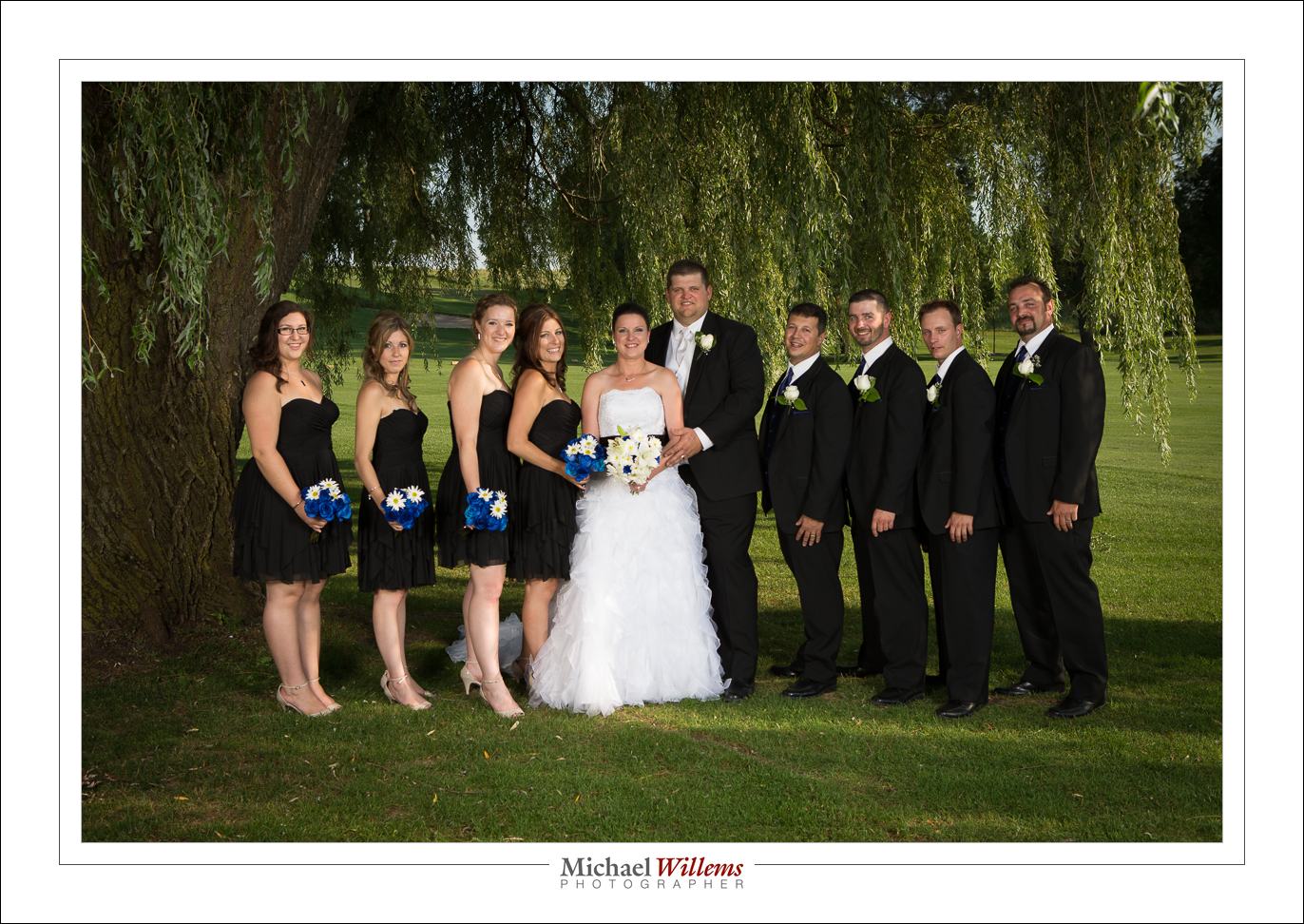
A lighting tip: when shooting groups, keep the light simple. One light on the right, one on the left. Powerful,  if outside, and modified with softboxes or umbrellas. No hair lights etc. – that does not work with groups.

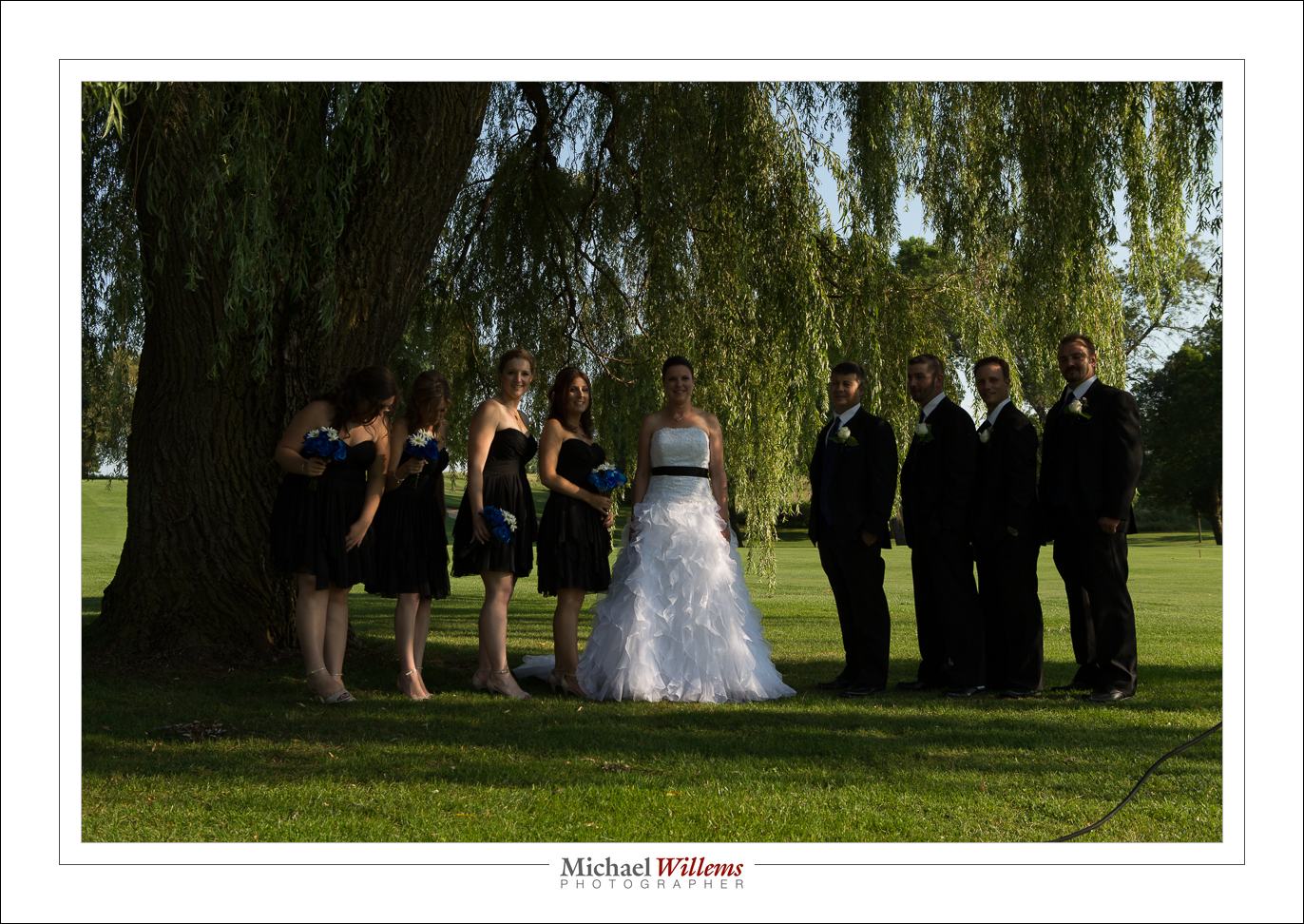
Take this:

Too dark, of course.

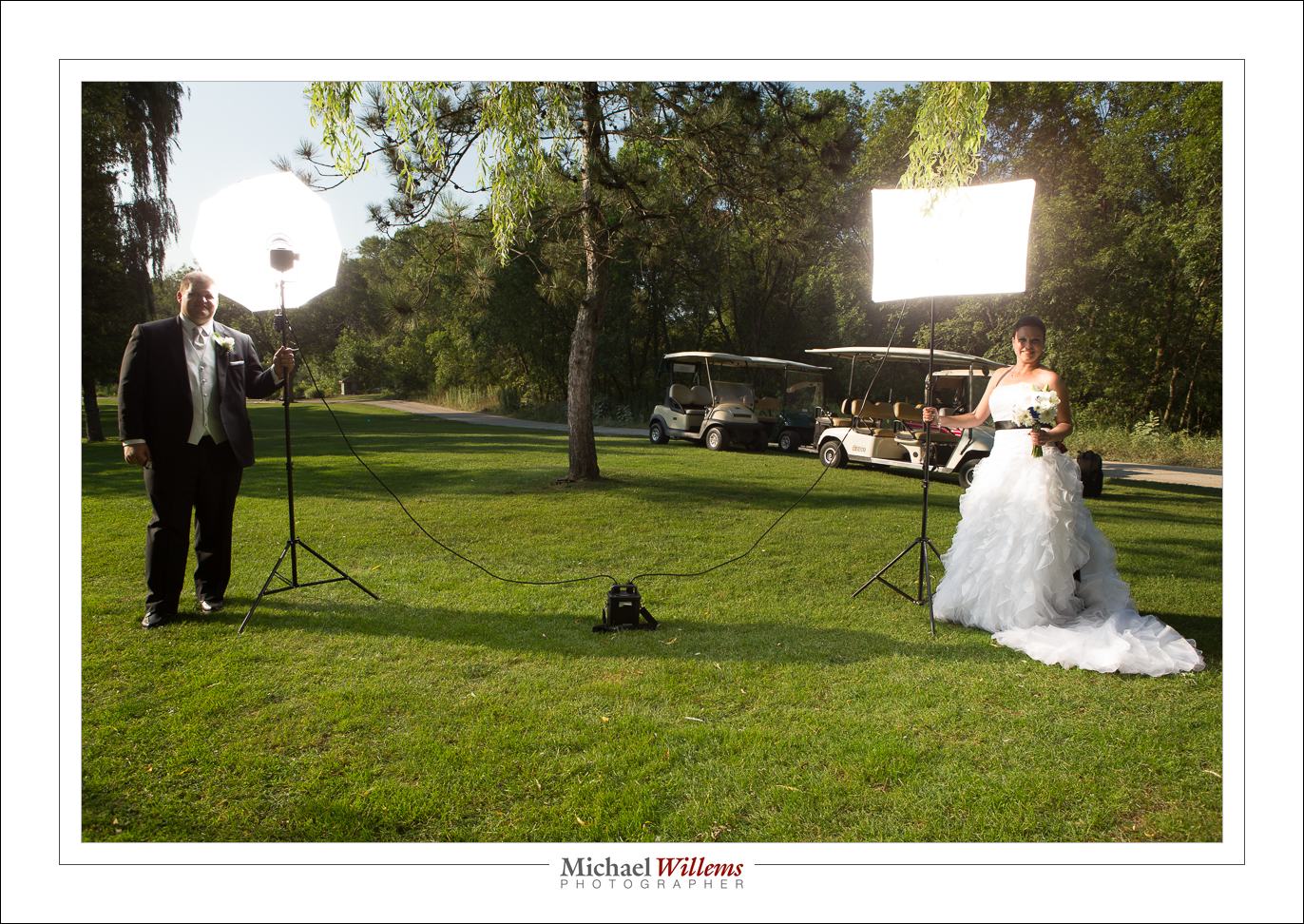
Lighting it up with the usual (‘higher ISO, lower f-number, slower shutter” would blow out the background. Me no like. So instead, I add lights. Two simple lights:

Powered, as you see, by a travel kit (lead-acid battery).

And that gives me this:

See: simple light can do a lot of good. Sure, if you have extra time and lights, add one behind the group, to give a little rim light, but that is a subtle little extra, and with large groups, not always practical.

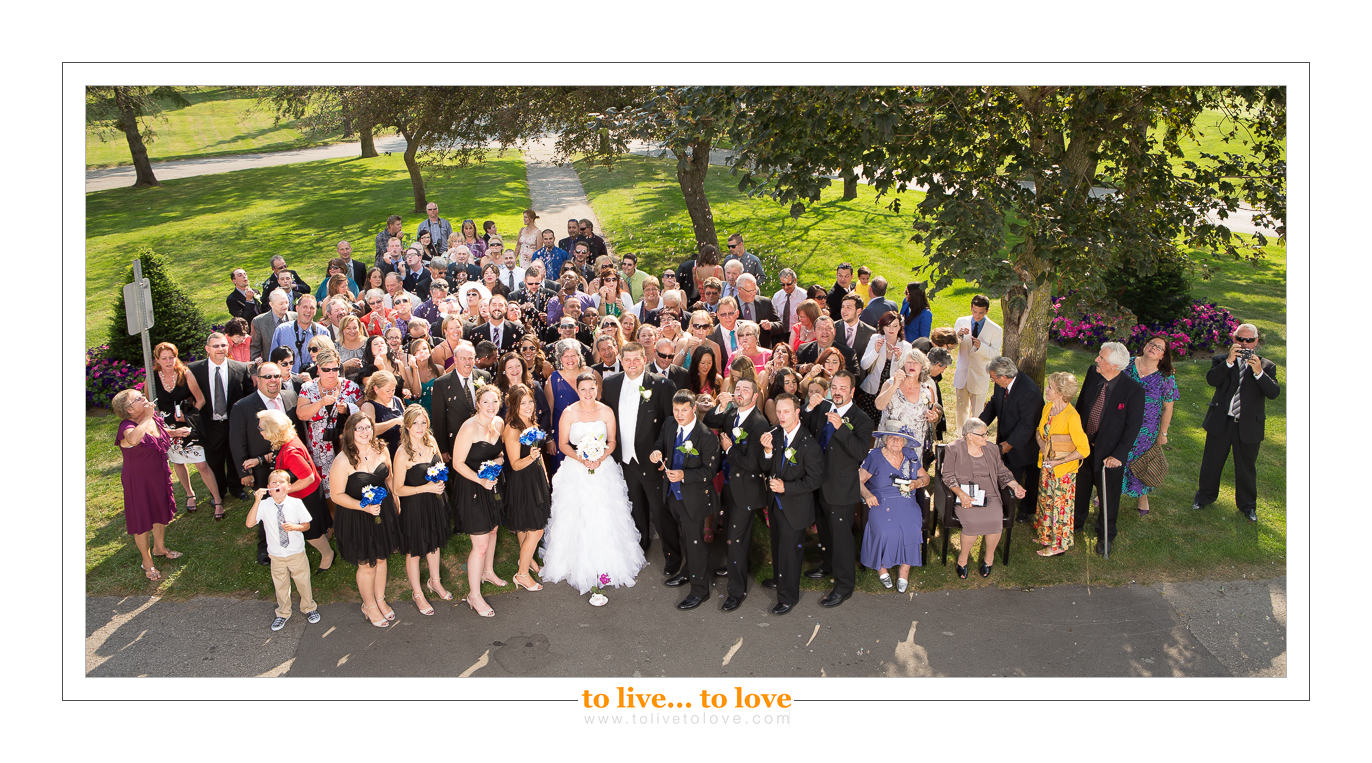
When the group is very large, ensure that everyone gets lit by the light and watch carefully for shadows: as soon as someone is in two shadows, they are dark.

Even large groups are possible this way: although I did have to lighten up the very back rows just a little, that was a minor adjustment.

Simple can be good.

___

Course starts tonight: 5-week fundamentals of photography course in Oakville. 416-875-8770


Another Selfies

Nope – that is not a grammatical error. It is simply taking liberties with grammar. It’s a selfies in the sense that, if you look carefully, it combines two into one:

Me looking at me!

And I thought that today I would explain the thinking behind this portrait and its execution.

First, my choice of model. I used “me”, because I am extremely patient with me; I do not get drunk; I do not stand me up; I do not fall asleep; I do not say “are you done yet”; I do not mind retrying a shot many times if need be. Not that all models are difficult: a true pro model would never make any of these mistakes – but not everyone is a true pro.

So, seeing as it’s me, I wanted an environmental (a.k.a. “situational”) portrait. And what better than my work environment? So that is settled.

Next, then, the choice of lens. I chose a 50mm lens (full-frame: if you had a crop camera you would use a 35mm lens). A little longer than usual: for an environmental portrait I would normally use a 35mm lens, but I wanted to go a little tight to get rid of other “stuff”, like the flash on our left and the printer on our right: both now out of the picture.

Then the light. I wanted to light me with a flash, with a small softbox; but in this case, the ambient light is very important. I wanted the screen to be visible, and I wanted the tungsten and LED lightbulbs to be visible.

But I needed a small aperture. Why? Focus had to be set manually, and I would probably not be entirely accurate in positioning myself. That meant I needed f/11 for depth of field. So given that f/11 and the need to see ambient light, this meant I needed 400 ISO and 1/20th second.

And at the distance I needed, with the Honl Traveller 8 softbox, that “f/11 at 400 ISO” setting needed full power from a 430EX flash, in order for that flash to be the right power. The flash is just upside the picture on our left, on a light stand.

So the first shot:

And finally, the final flash direction. I tried it fairly straight on for the test shot, but for the final shot, wanted more short lighting (making my face thinner). See top.

Then all I needed to do is load that into Lightroom, and take the second shot; and apply the same lens corrections/cropping to both shots. Done!

____

Want to learn? I have just scheduled a special all-evening Flash course on 3 Oct; as well as a five-evening basic photography course, starting Oct 2, aimed at novice to intermediate users who want to learn to use their DSLR properly once and for all.

These courses are very special in that they are like private coaching: I will only take up to 5 students for each course. The Flash course includes the Pro Flash Manual, and the five-evening course includes course materials and homework. Both are now available for signing up on www.cameratraining.ca/ – see the flash course details on this page.

Do you have the flash manual e-book yet? Click on “Pro Flash Manual” above and learn how to do this!


You have nothing to fear…

…but fear itself. And a little grain. When it comes to high ISO values, that is.

But the benefits of those high ISO values a modern camera gives you can be great, too.

I often see new photographers hesitate to go above 400 ISO, say. Well, it all depends on the camera of course, but generally, you shoot to get pictures, and a picture with grain at 1600 ISO is better than a blurry mess without grain at 400 ISO.

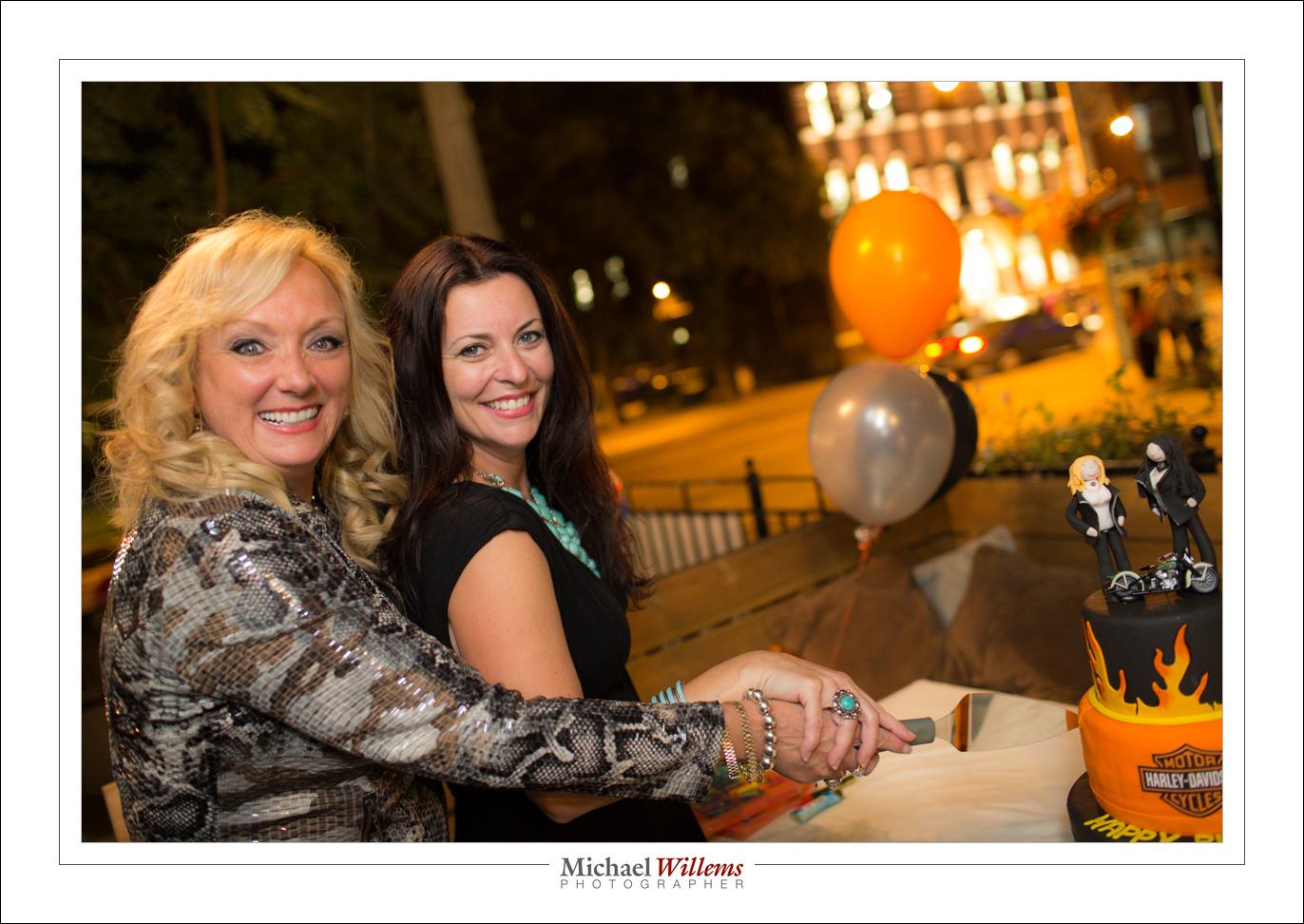
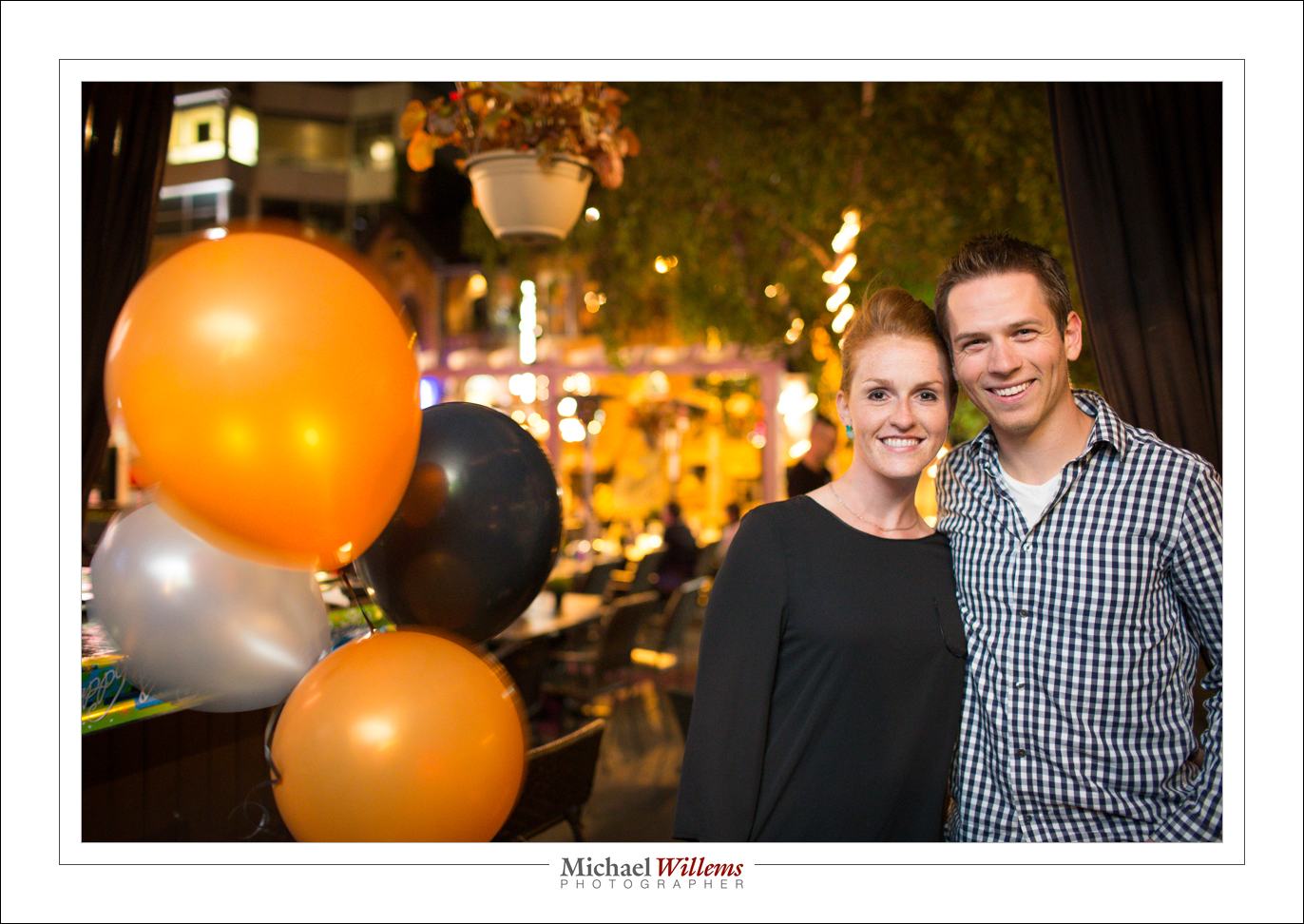
Look at this example from Wednesday night. Jane Dayus-Hinch, wedding organizer/guru/TV personality, with Eddie Suliman, cutting their joint birthday cake.

Outdoors, on Toronto’s Church Street.

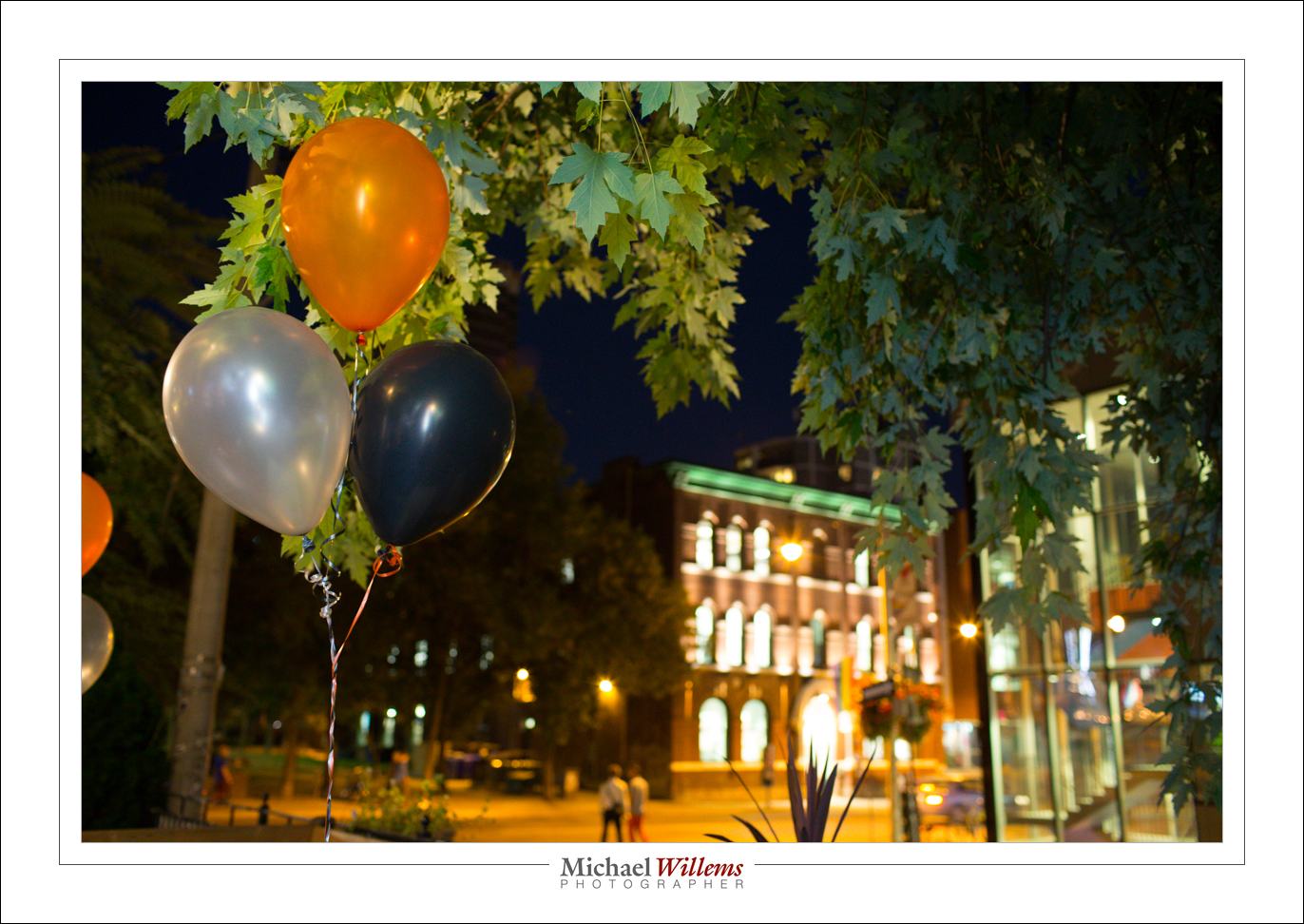
Shot at 1/30th second at f/2.0, at 3200 ISO, using my 1Dx and the 35mm f/1.4 prime lens.

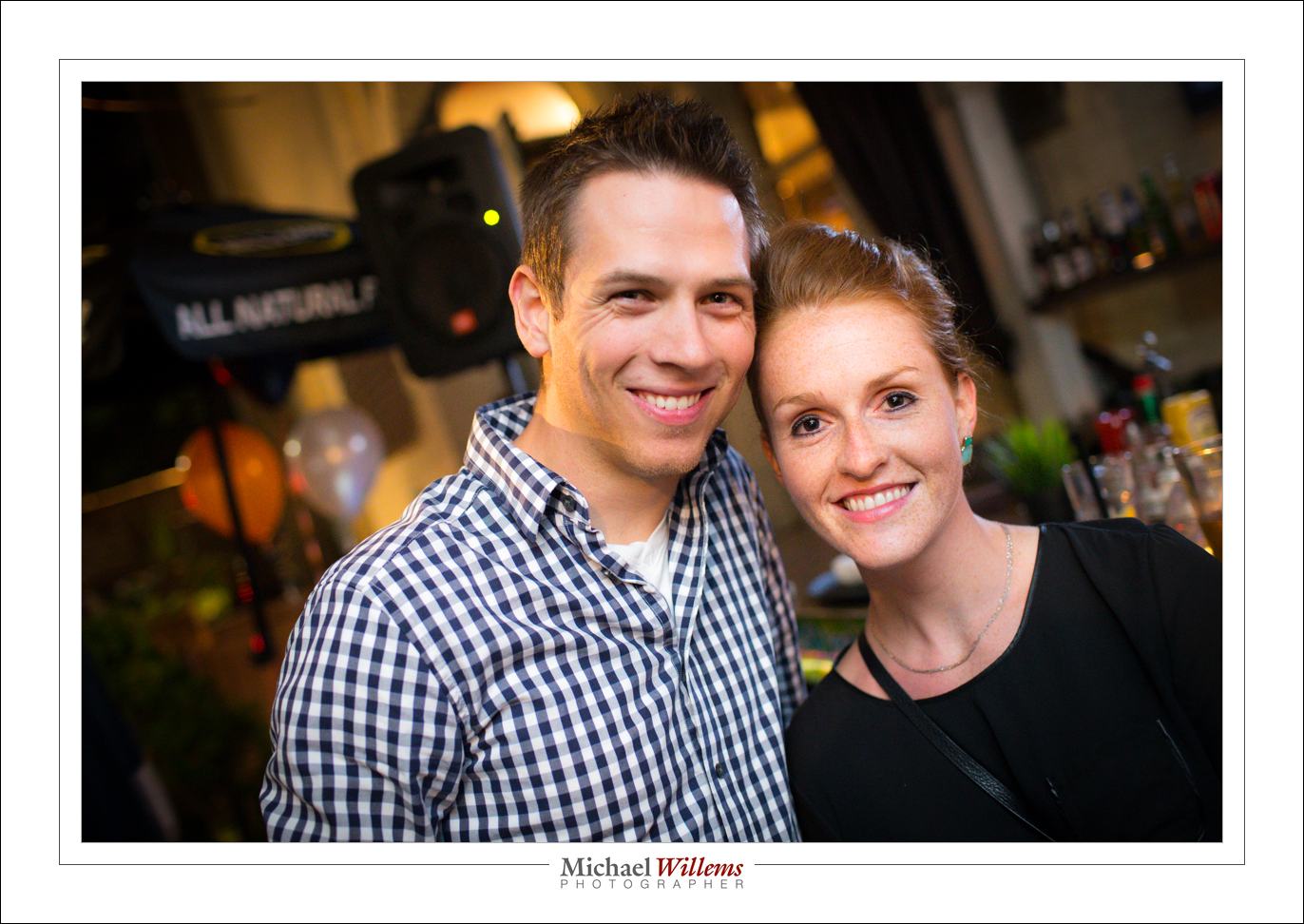
Another few examples, all shot at roughly the same values (the last one at 1/20th second):

So yes, you can shoot at high ISO values. And yes, you can shoot slow, if you use the flash to light your subject (bounced, of course). Your camera will not be as good as mine, but a little grain is OK – better than a picture with those horrid black backgrounds.

___

Want to learn this stuff? Want me to teach you how to make pictures just as good? Sure thing. Contact me. I teach at schools, clubs, colleges, high-end stores, and privately, in person or via the Internet. And it is remarkably easy. Once you know.