High Noon

Just let me dispel that persistent myth that you cannot shoot at high noon. In bright sunlight. Well, you can shoot, but you will get awful pictures.

Nonsense.

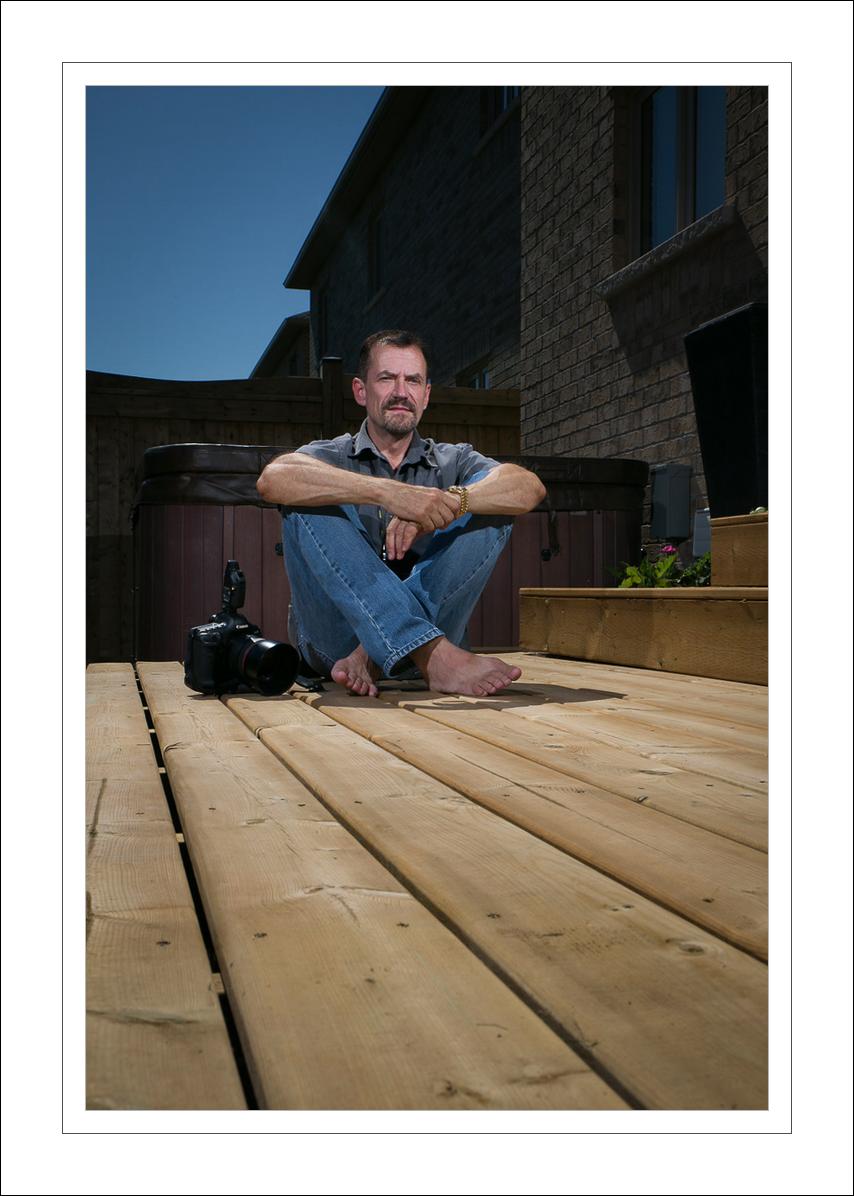
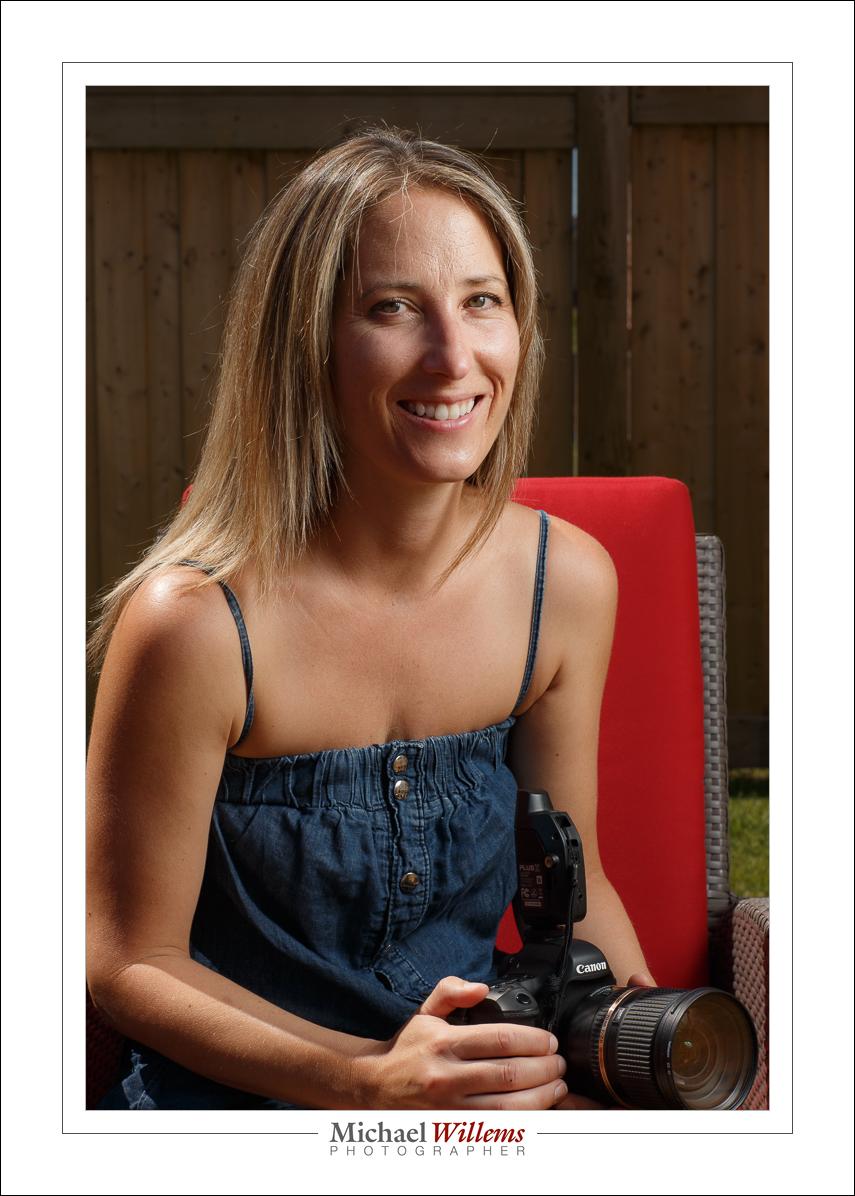
Here. Look at this. Talented photographer Tanya Cimera Brown, yesterday, at noon, on what must be the brightest day this year so far. So this is in bright, harsh, horrible, colour-saturation-destroying, full-on sunshine. Straight out of the camera:

The sky is nice, the red-blue-green theme woks, the model is great, the sun provides a nice “shampooey goodness” hair light: what more can we ask for? And that is with a camera that can only sync at 1/160 second. With my 1/250 sec 1Dx I could do even better. With the old 1D I used to have, even better, at 1/300 second.

OK. That’s using a strobe. Can you do it with speedlights? Sure. You may need to go unmodified, to have enough light; and that means off camera. Here: two speedlights, aimed direct at the subject from off camera positions, do this:

And this: two of me, by Tanya, using the same techniques:

All those were also SOOC (Straight out of Camera).

So learn flash already!

For best results, do my Flash in the Plan program: take my course and get the book (for both, go to http://learning.photography); then follow with a hands-on session, and you will know how to do this. It’s not rocket science, but you need to learn the background, understand the constraints, and learn the artistic tips. Then, you can do this too (provided you have a model as beautiful as Tanya, of course):

Because yes, you CAN do great work at high noon. All you need is flashes and skills. And a camera, of course. Show the world what you can do!


Distraction

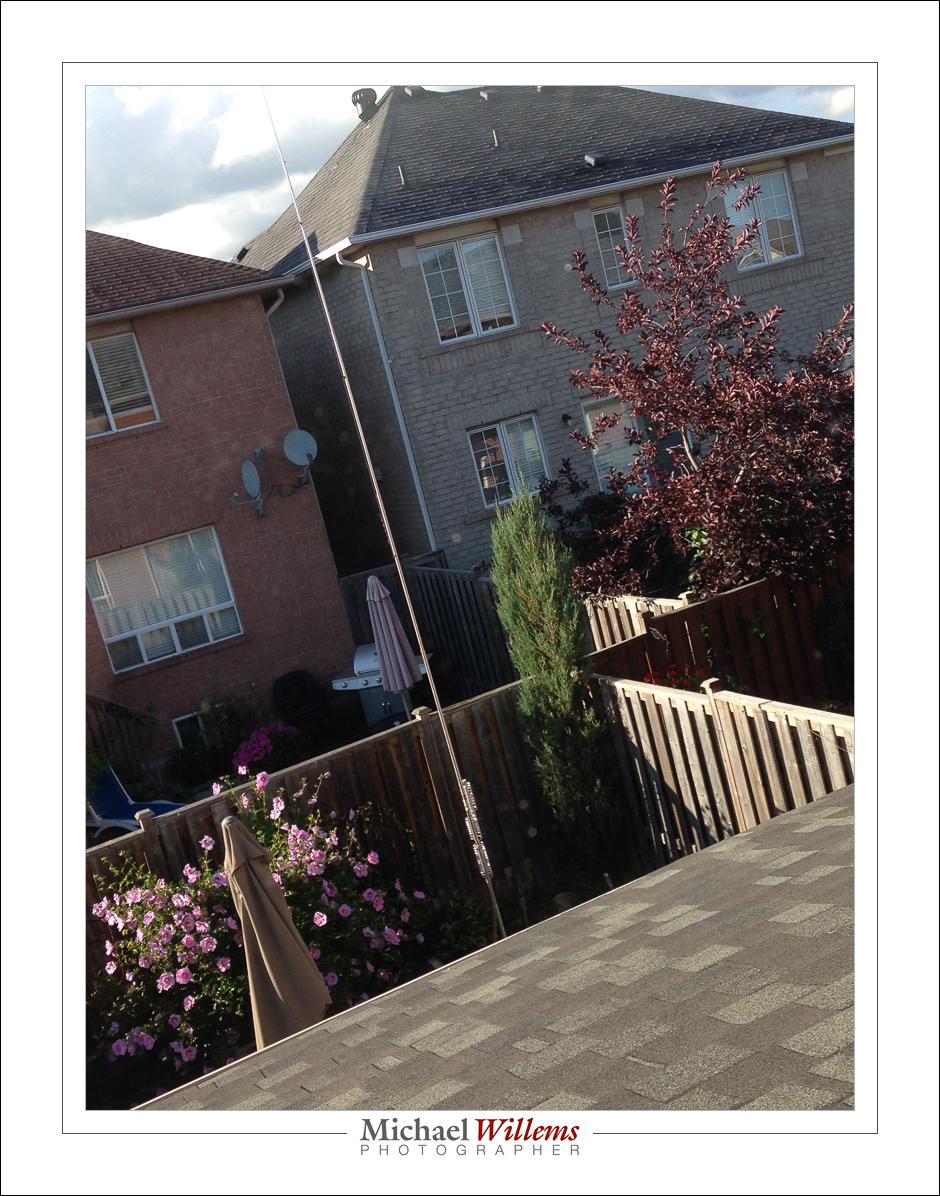
I am busy with my amateur radios:

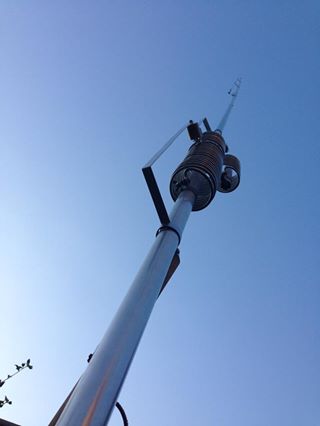
As we speak, I am talking to Bill, AK5WB in Texas on 20 metres, using the new antenna above, a 6 band tuned “Butternut” vertical that took me a day or two to set up and tune. But it was worth it.

And I was discussing pixels with Bill. He wondered why Canon went down to just 18 Mpixel from the previous higher pixel counts?

Because it gives you lower noise, which at higher ISOs becomes obvious.

But isn’t it a drawback, having fewer pixels/

Yes, but not as much as you might imagine. Like any log scale—just like power in radio, for instance. Going up from 100 Watt to 130, or down to 70, has no discernible effect. That is, the effect is so small as to be negligible. Not so with noise! Hence the fewer pixels in some top cameras.

73 de VA3MVW!


Simple is good

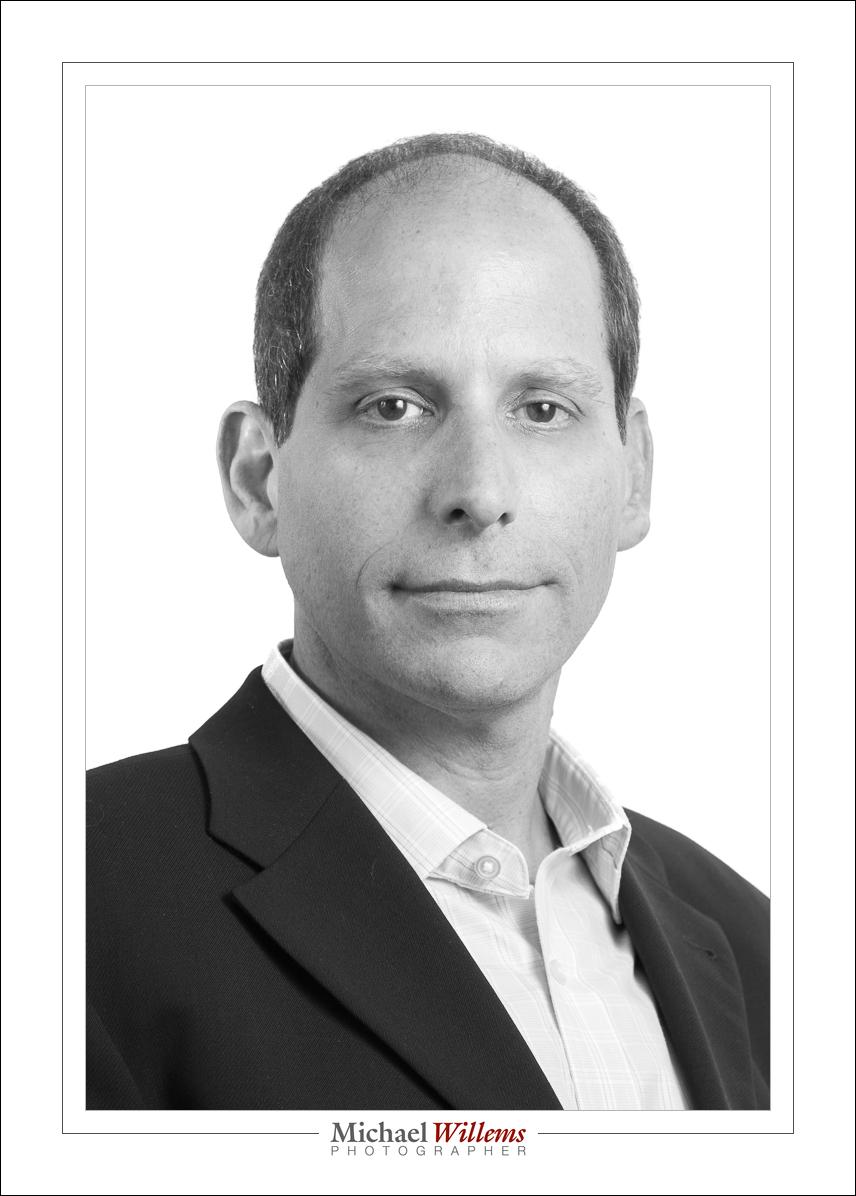
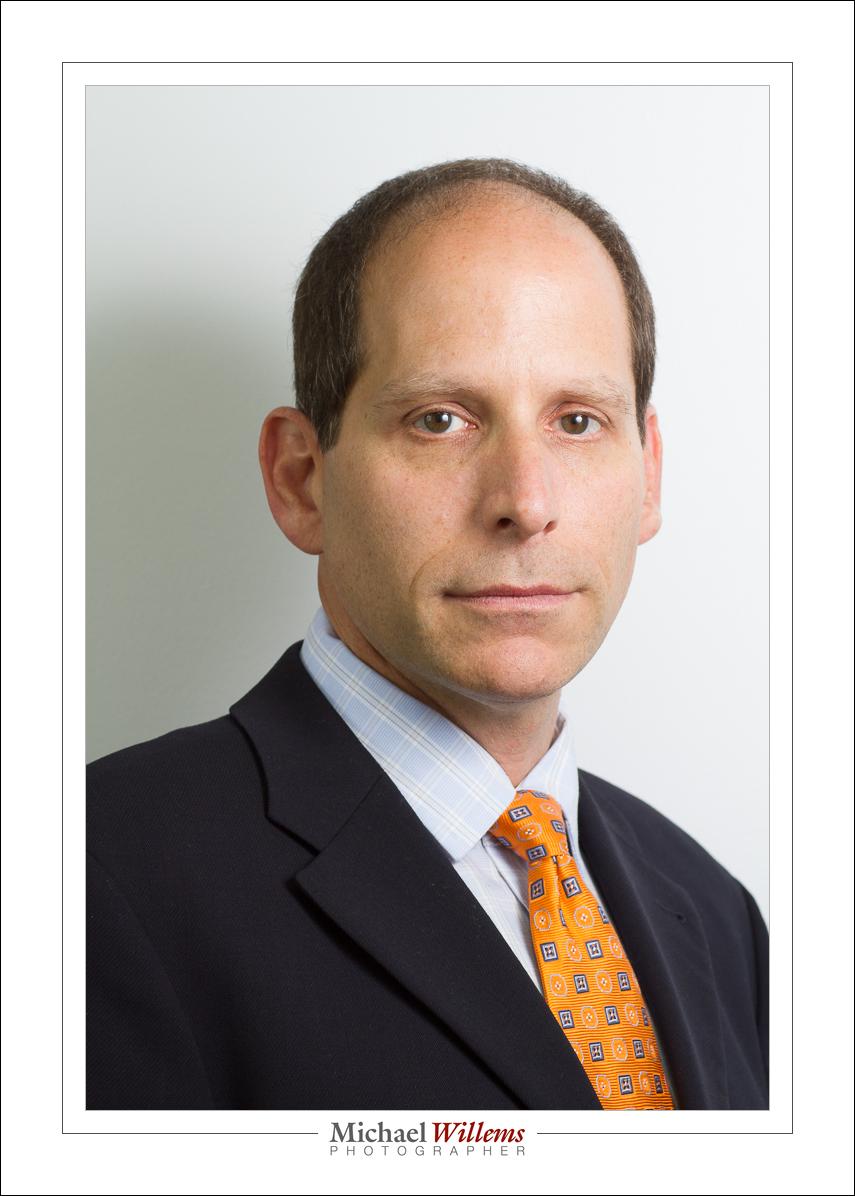
And that can also apply to black and white photos. These recent business photos prove the point, it seems to me:

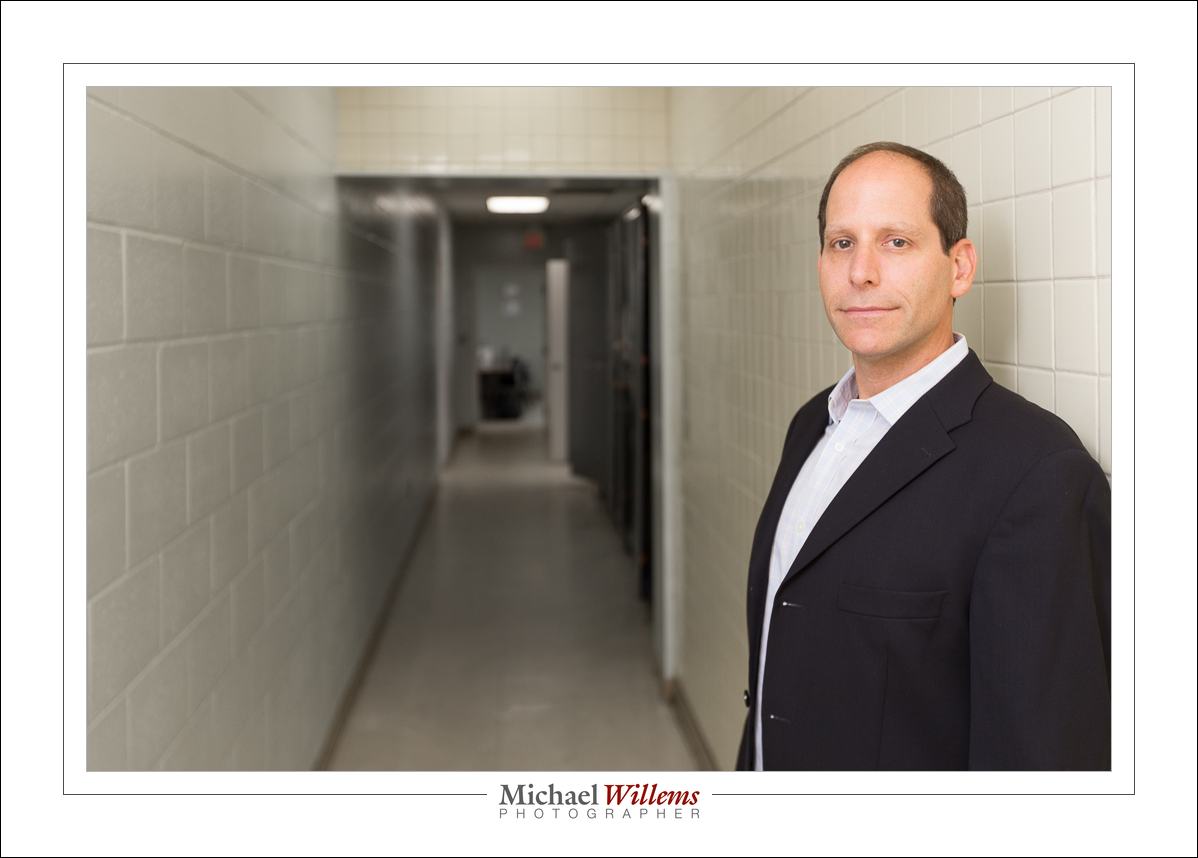
Both work very well in B/W:

  • The colour is not distracting (a yellow hallway. a green kitchemn)
  • I can make skin lighter or darker by dragging “Orange” in the B/W slider (HSL section) up or down.
  • I cam make other items lighter and darker too, this separating subject from b/g.

That is why I always send b/w versions of my photos to clients. Properly finished B/W versions, that is.


It’s not rocket science.

Photography is not rocket science., But it IS a skill that needs to be learned, and if you want to do it well, just like a rocket scientist, you need to dedicate time to learning.

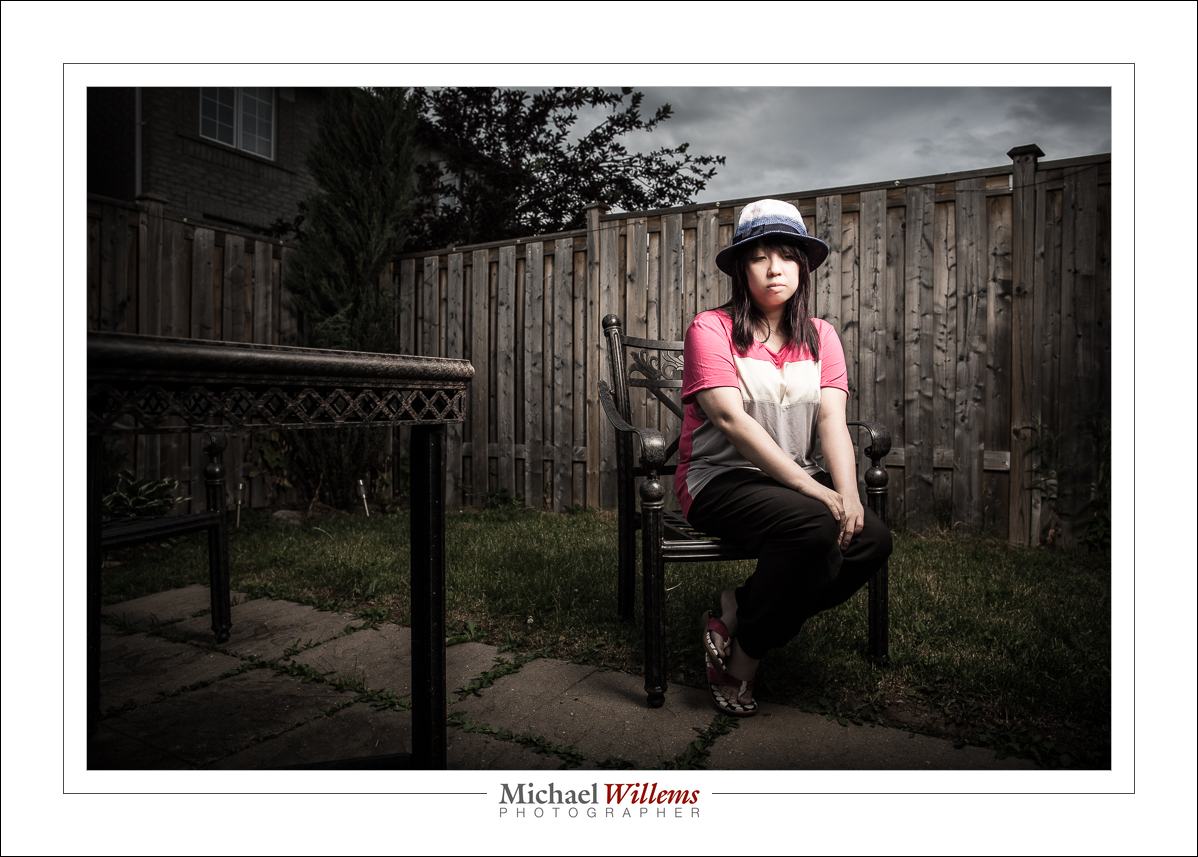
Followers of this blog know that I have a particular style; and my style is what I would call the dramatic portrait. Darker, saturated colours. I.e. like this:

…rather than like this:

So. Which one is right? Both. Either. Neither. Whichever you like.

My personal answer is very clear: the first, for me. I don’t suppose I have to explain again: expose for the background, -2 stops as a target; THEN worry about flash. Read the flash book (buy it today at http://learning.photography) and take a course from me to learn how to do this like an expert.

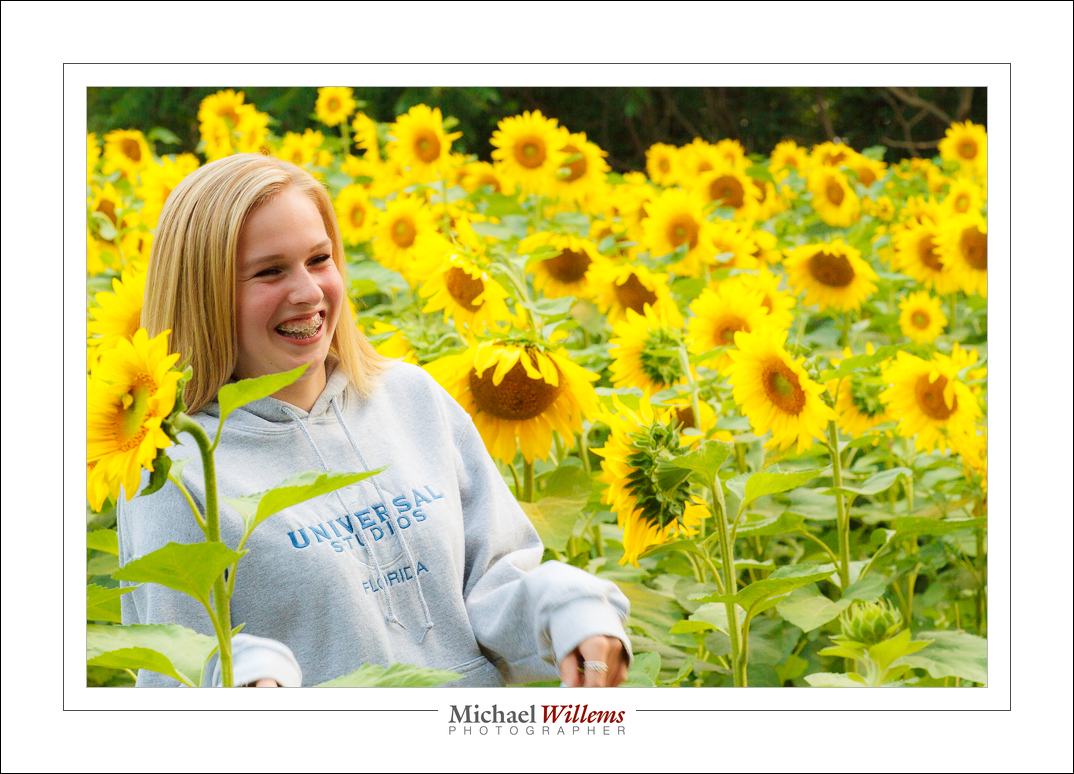
But look at the girl. Isn’t that a great picture of a tween? Silly, unable to be serious… during a recent shoot,  two girls and a set of grandparents turned up; I offered to take their picture, and did. Why do people not have pictures of their children like this? Surely not to save a few dollars…?

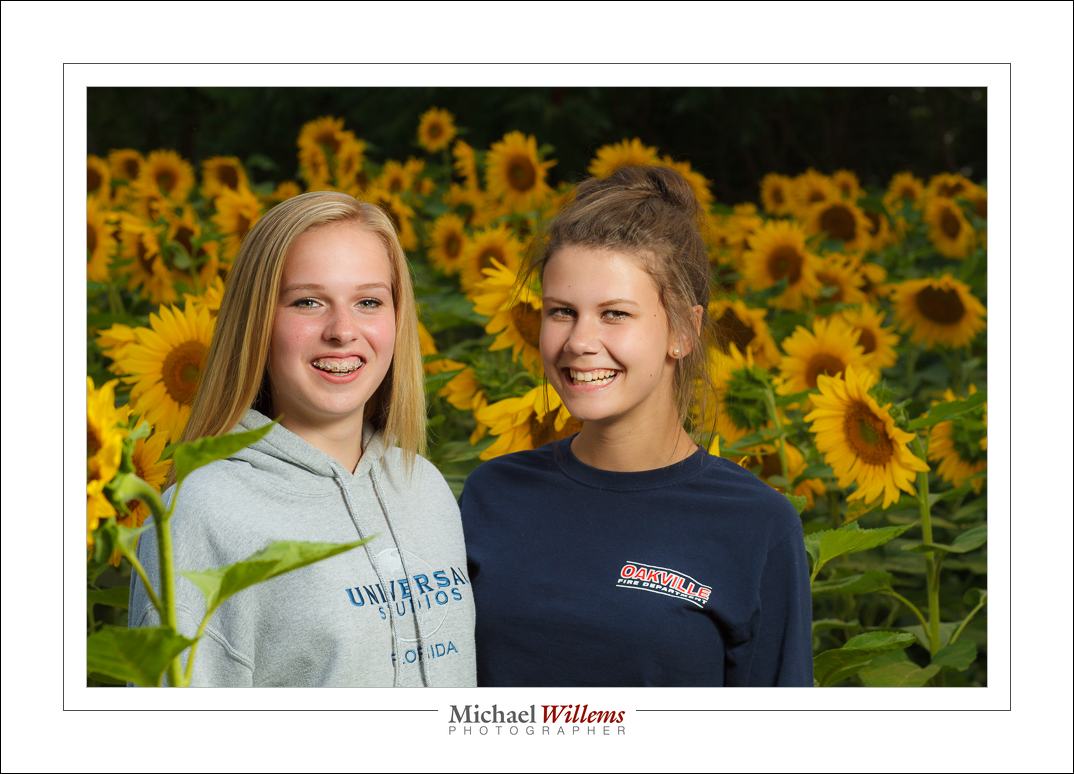
The two friends together:

And the girls themselves? When they’re all grown up, wouldn’t they want better pictures of their onetime bff than the iphone selfies they have (and will inevitably lose!) hundreds of? Please, have a pro do some cool pictures of your children. or learn how to do it yourself. Buy the book, take a course, and never look back.

And now back to regular programming.


A Business Portrait

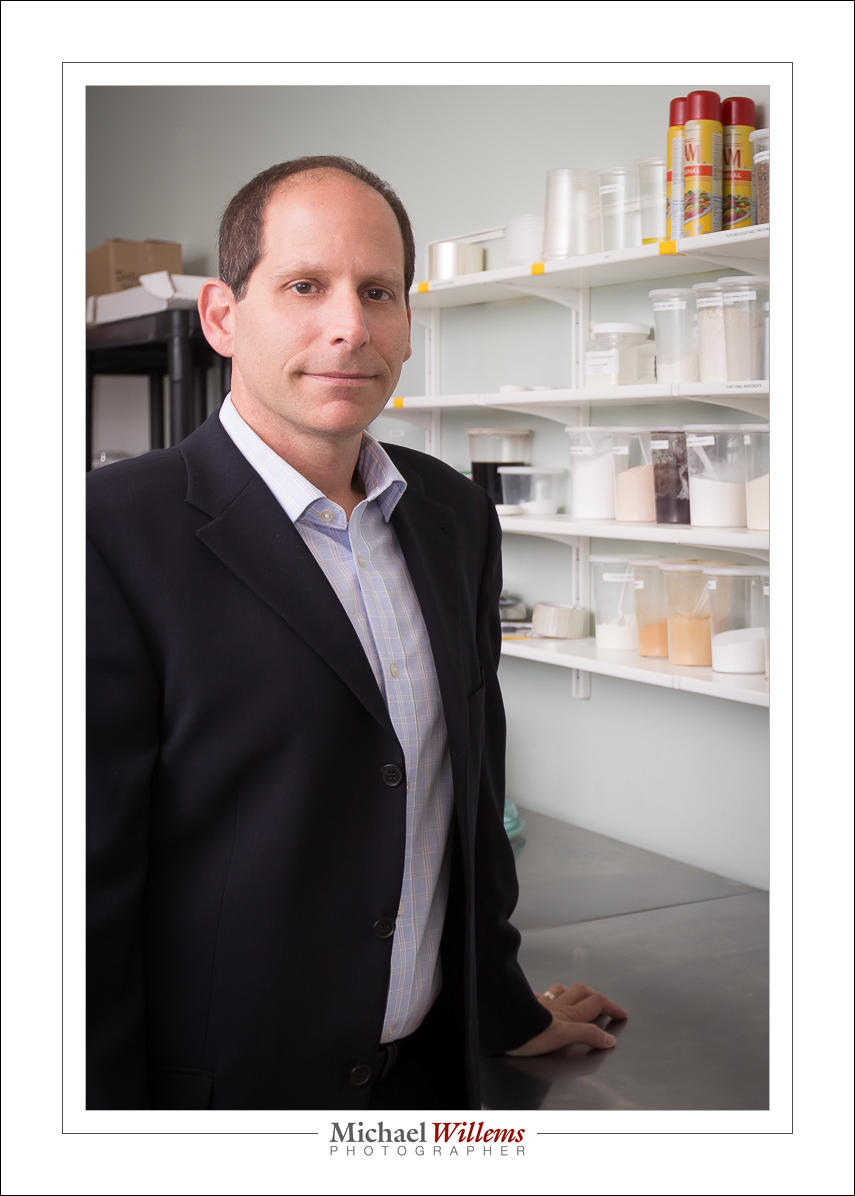
Today, I shot another business executive portrait. Or rather, a series of portraits. I needed both formal and informal.

What are the needs for an executive portrait? What does a photographer need to be able to do them well?

Equipment—so I have a full studio in the car. And at least two cameras, five speedlights, four light stands, softboxes, umbrellas, and so on. Fast lenses, too. Clasps, brackets, modifiers, “thingies”.

Knowledge—clearly, you need to know your stuff. Especially, know about light; light direction; flash; standard portraits; portrait “gotchas”; and balancing flash with ambient.

Composition—this is the most important need: quickly spotting the opportunities in an office environment, which was not designed for artistic portraiture. If you can learn this, you can do successful business portraits. You need to be able to see context: an environmental portrait is also known as a “contextual” portrait. The “background” needs to be meaningful. This is what separates the men from the boys, i.e. where you use your experience.

Detail—you need to be able to see detail, especially “stuff to remove”. You do not want things coming out of your subject’s head, you need to avoid including garbage cans, and so on. Keep your eyes open!

People skills—you need to see what the person you are shooting is all about, what makes him/her tick. You need to establish a relationship quickly. Be reassuring and be confident: any hesitation will be seen as a sign of weakness. Exude the sense that you know your business.

Post—you need to know what you can do in post-production; and you need to be good, and quick.

So let’s take a look at today. The challenges were the usual: no space, no obvious places to shoot. No space for formal, and no obvious places for informal. The office was small, and there was no time for a long walk-around. Normally I would like an hour by myself to find good spots; but this time, the walk-around had to be done with the client showing us.

Challenges. But that’s why I am a photographer.

Of course we did “formal” using a door as the backdrop, a speedlighter/umbrella as key, ambient light as fill:
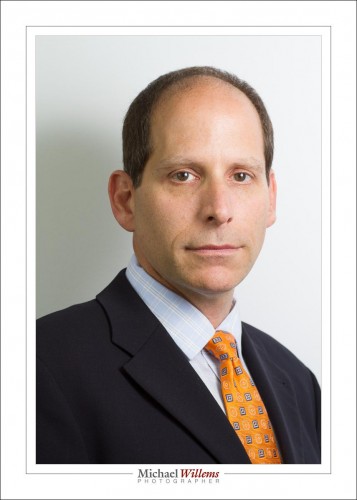
Good. Well lit, nice catchlights in the right place.

Now, the environmental portraits.

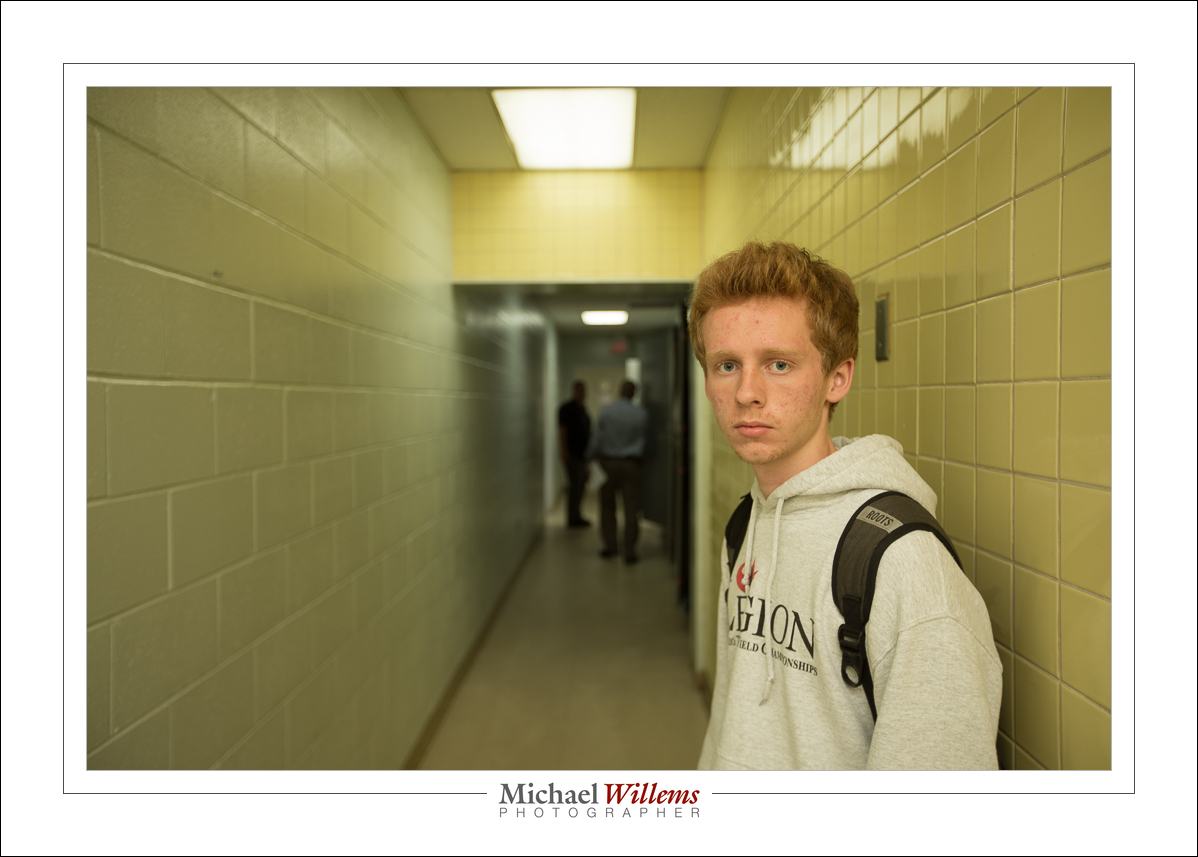
The first thing I noticed was a nice hallway with converging lines. I put my assistant, intern Daniel, in it, for a test shot:
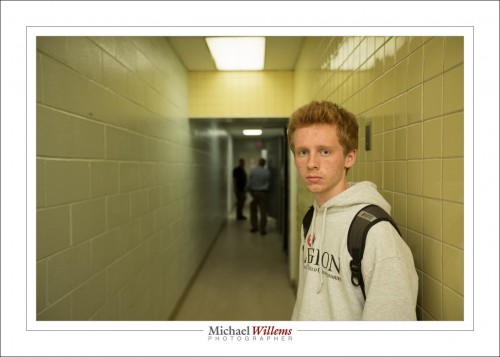
Yup. That works. That is not a finished product, but when I see that, I know what I can do. In the end portrait, I de-saturate the yellow, to get this:
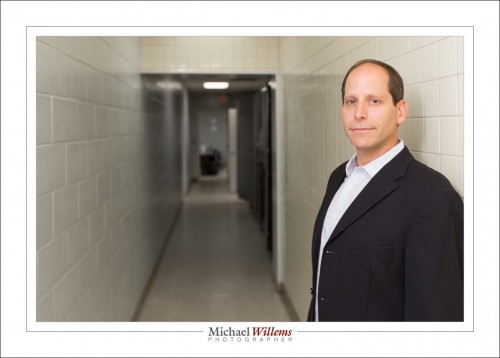
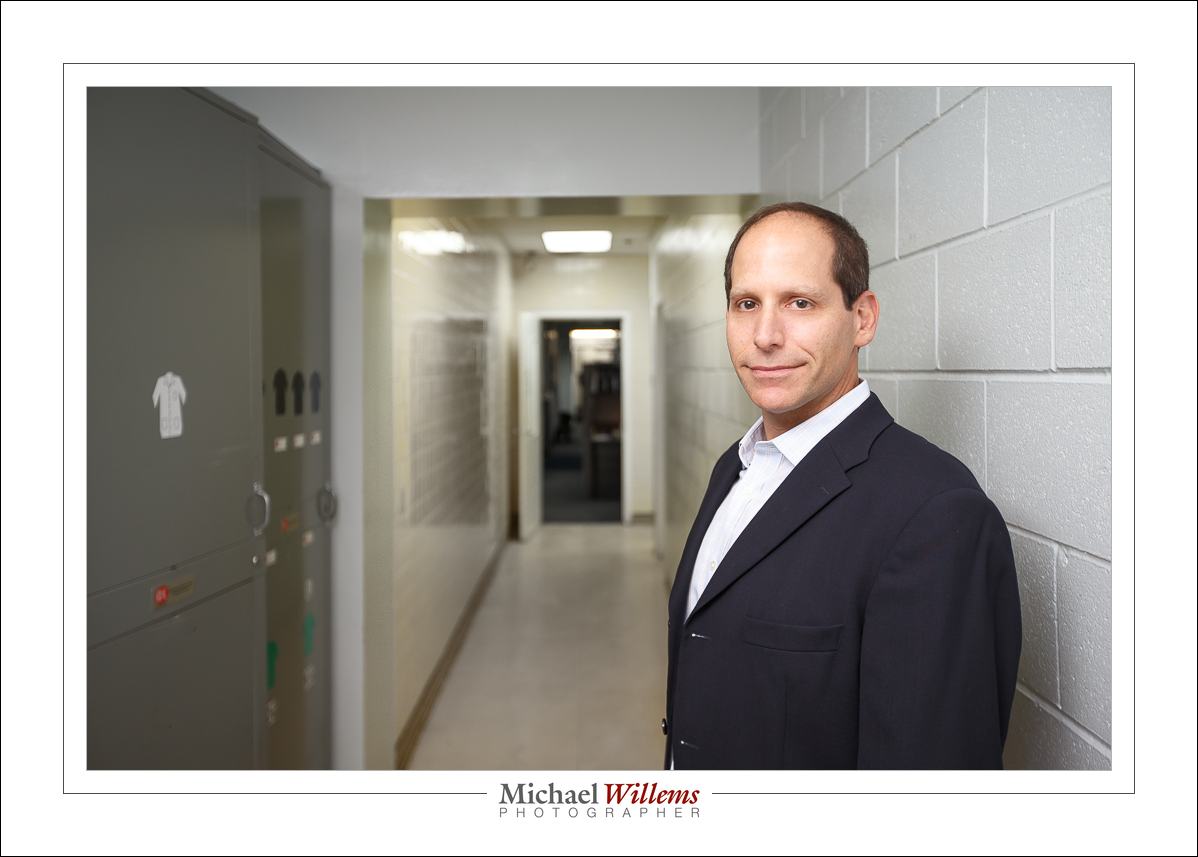
But the other side appeals more, because of the visual interest and because of the “work” it implies: this is a manufacturing facility, after all. See that other side here:
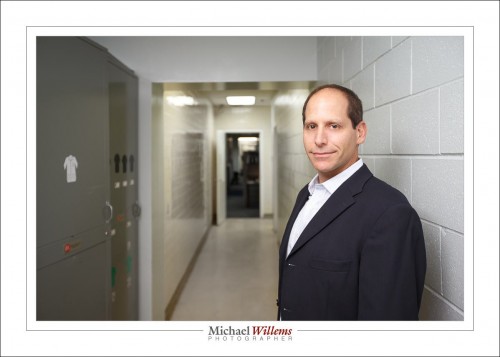
(1/200 sec at f/2.8, ISO 400, bounced-behind speedlight)

That I am happy with.

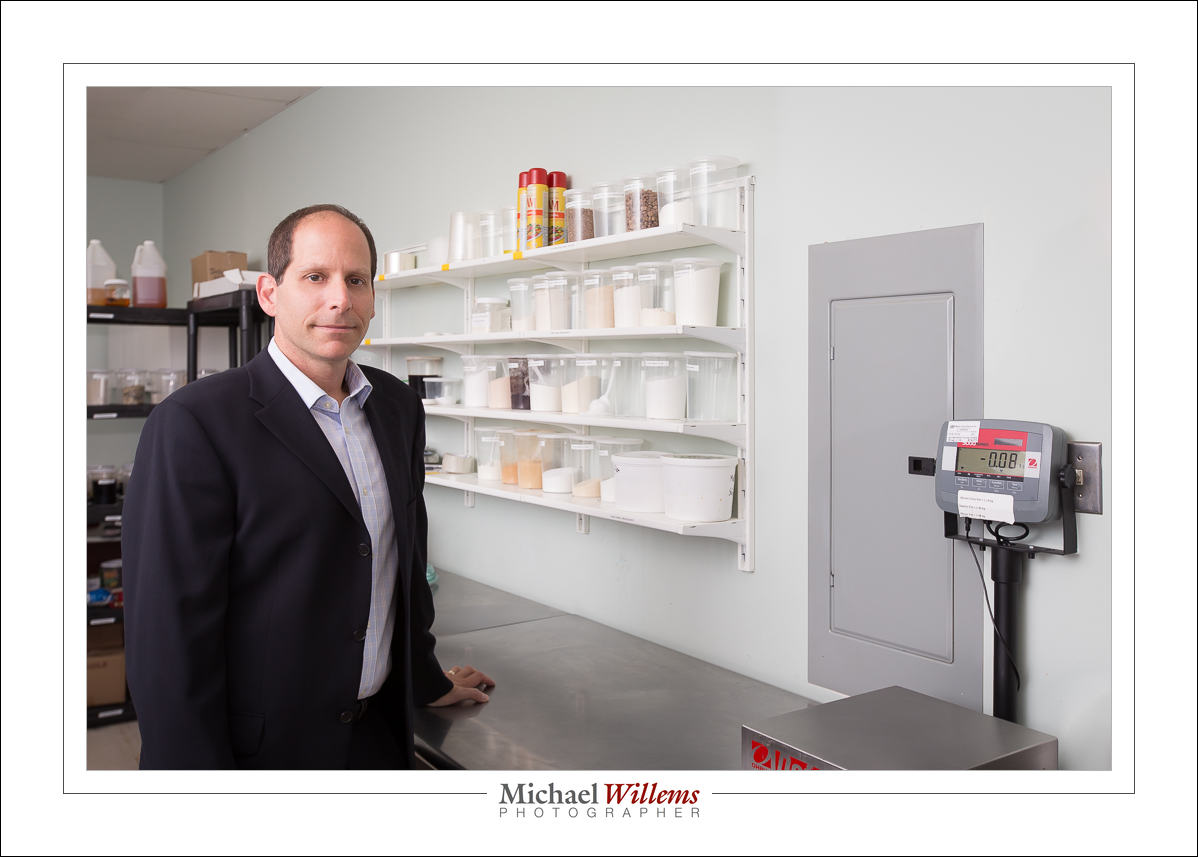
Next, more converging lines: the test kitchen. I did the same there:
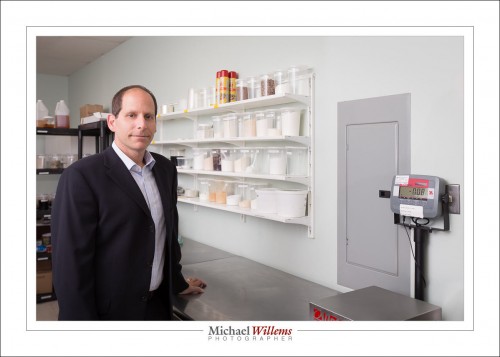
(1/250 sec at f/5.6, ISO 400, “bounced-behind-me” speedlight plus ambient)

Or vertical:
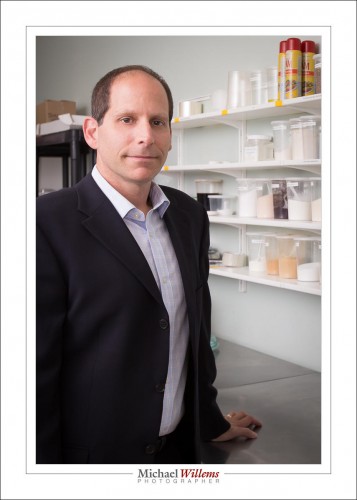

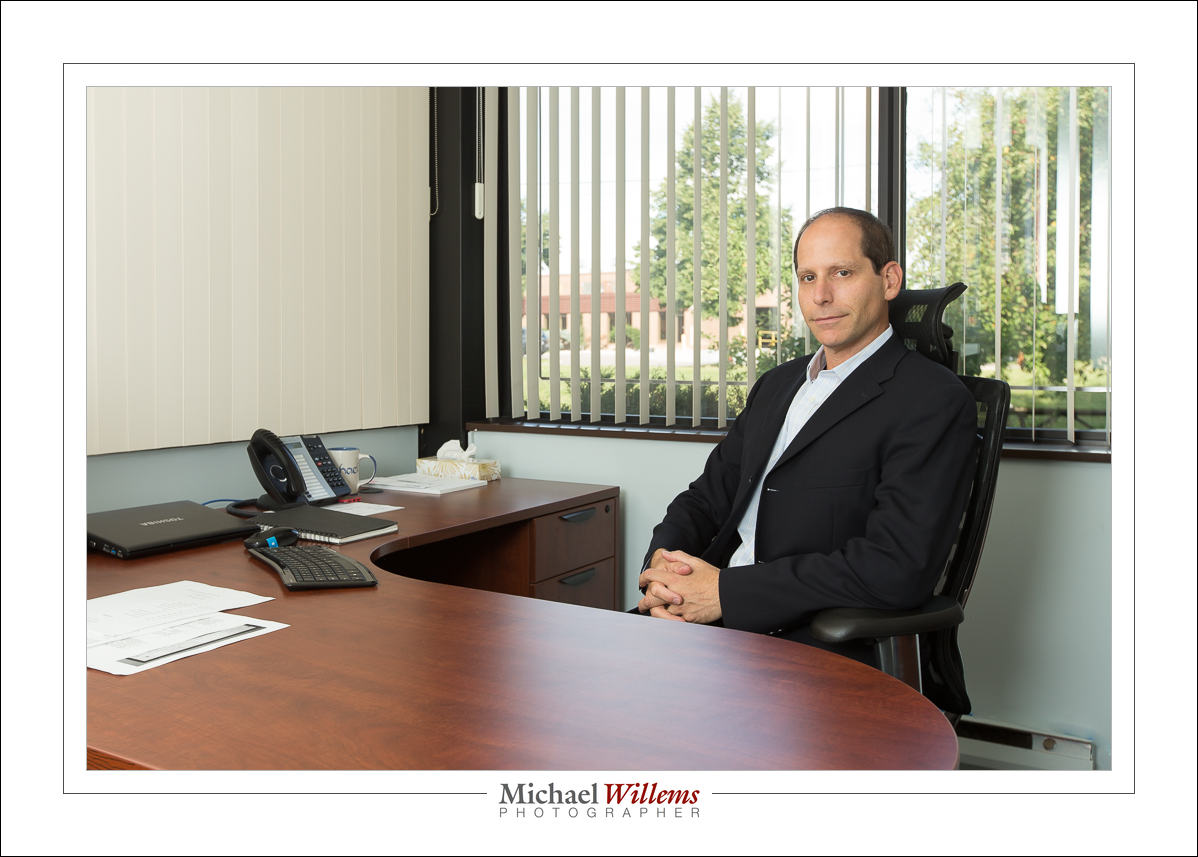
And finally, a more traditional office shot.
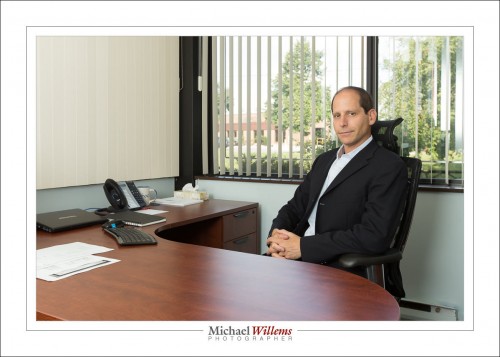
There, the challenge was to expose the green background properly. Not much of a challenge: all you need to do is pay attention. Expose for that background, then add flash. 1/250 sec at f/5.6, ISO 400.

As you see, a simple “executive headshot” shoot can actually be fairly complicated and can need a whole range of skills. On the plus side, this kind of shoot is fun, and can allow you to get really creative.

___

Want to learn this stuff? Yes! Take some private training from me, and read my books, from http://learning.photography.
 

Outside

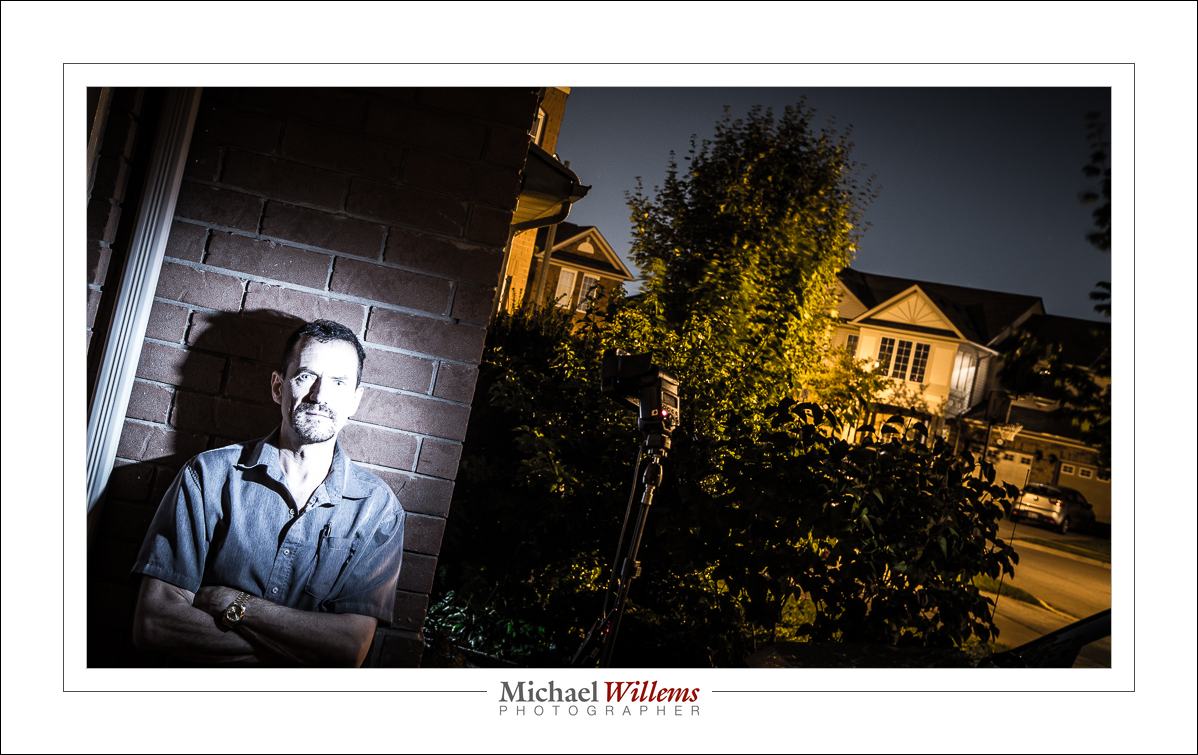
Outside the box, that is: Do not be afraid to think a little outside the box sometimes. Like here, me last night:

20s at f/7.1, ISO800. 50mm on Canon 1Dx.

The flash has a grid, leading to a circle of light, a spotlight effect. I am blown out by the flash, for an extra intense, eerie effect. The sky and houses have light due to a 20 second exposure. Post production made the saturation lower (“desat” effect). The “Dutch Angle” tilt gives it interest also.  And although the flash would take 10 seconds to remove in Lightroom using the healing tool, I prefer to leave it in for extra mystery effect. 50mm lens gives this a realistic, undistorted look.

Key in this photo? Balancing ambient (start with it!) and flash (add it afterward).

Now, off to a CEO shoot, which although it will presumably look very different will use the very same principles. Photography is an amazing tool.


Telling a story

If I do manage to get to Israel (help me out here for the crowdsourcing project) then I will do a few things. Other than, of course, the purely mechanical.

First, of course, I will constantly remind myself that I am neutral. For any photojournalism to be worth that name, it has to be impartial. Now, I am going to cover a particular story, of course. But that does not imply bias. Sometimes, journalists have to remind themselves they are there to observe; they are not activists. Of course the very choice of subjects implies an agenda, but it can be an impartial agenda (“in search of justice” rather than “in search of justice for party X”).

Second, I will make this a story, and arrange shoots to show that story. My story really here would contain  the following elements:

  • Who’s who? Newspaper readers may think “Israel”: is one unit.. but Israel consists of various types of Jews, various creeds of Muslims, and of Druze, Bahai, and many more. Informing would be good. Showing how these groups live, who they are, how they interact.
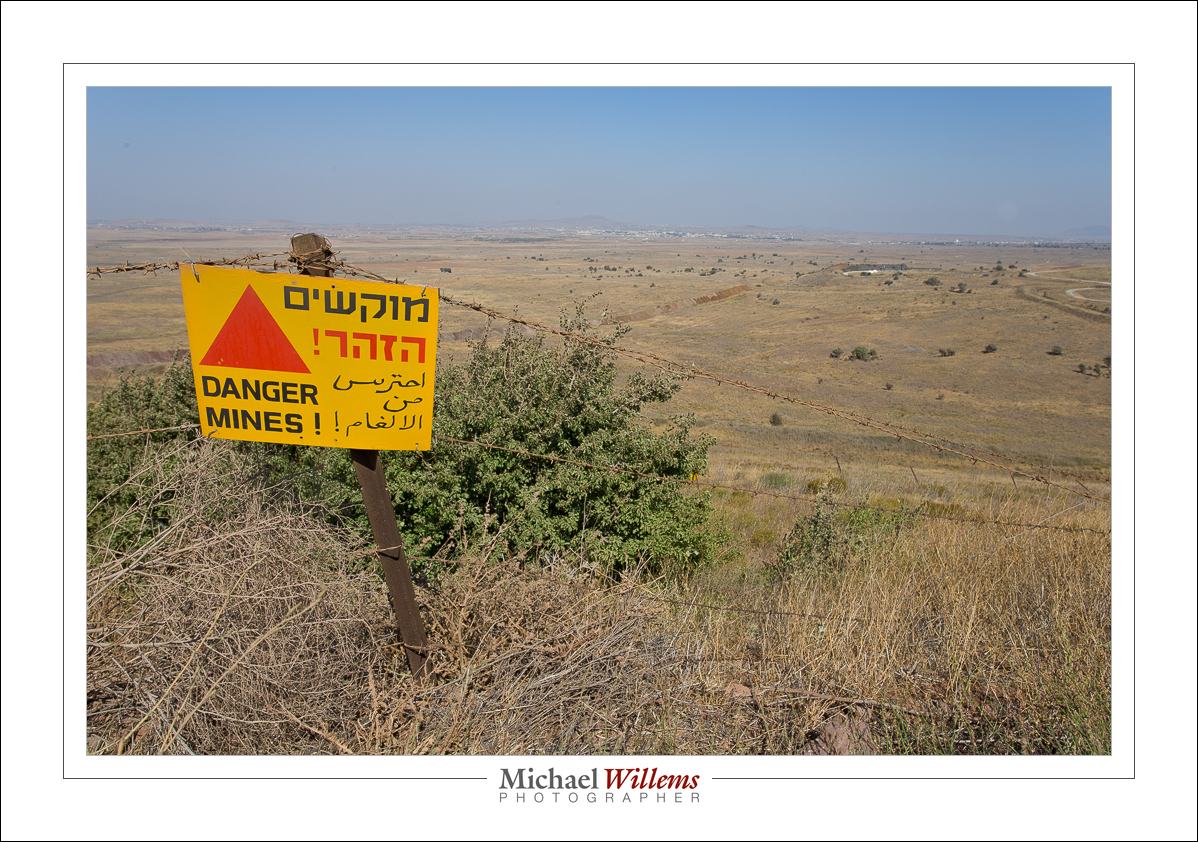
  • Show people under the daily threat of violence. The sign above is not unusual. Imagine being confronted with such things daily.
  • Show who is getting on which whom, or if not, why not. The byzantine nature of Middle East politics is not easy to explain in a few photos, but I can shed some light on it no doubt.
  • Show, if possible, both problems and resolutions.

And all this has to be storytelling.

This particular photo assignment may or may not go ahead (depends on you, kind pledgers—only four days left..please help if you can); but what matters more is that the principles here apply to pretty much all photojournalism.

And no, photojournalism makes no-one any money. Most photojournalists, as an acquainted newspaper photo editor just reminded me, make a loss. As will I: consider it my volunteer work.


Develop yourself

Today’s post is about style in photography.
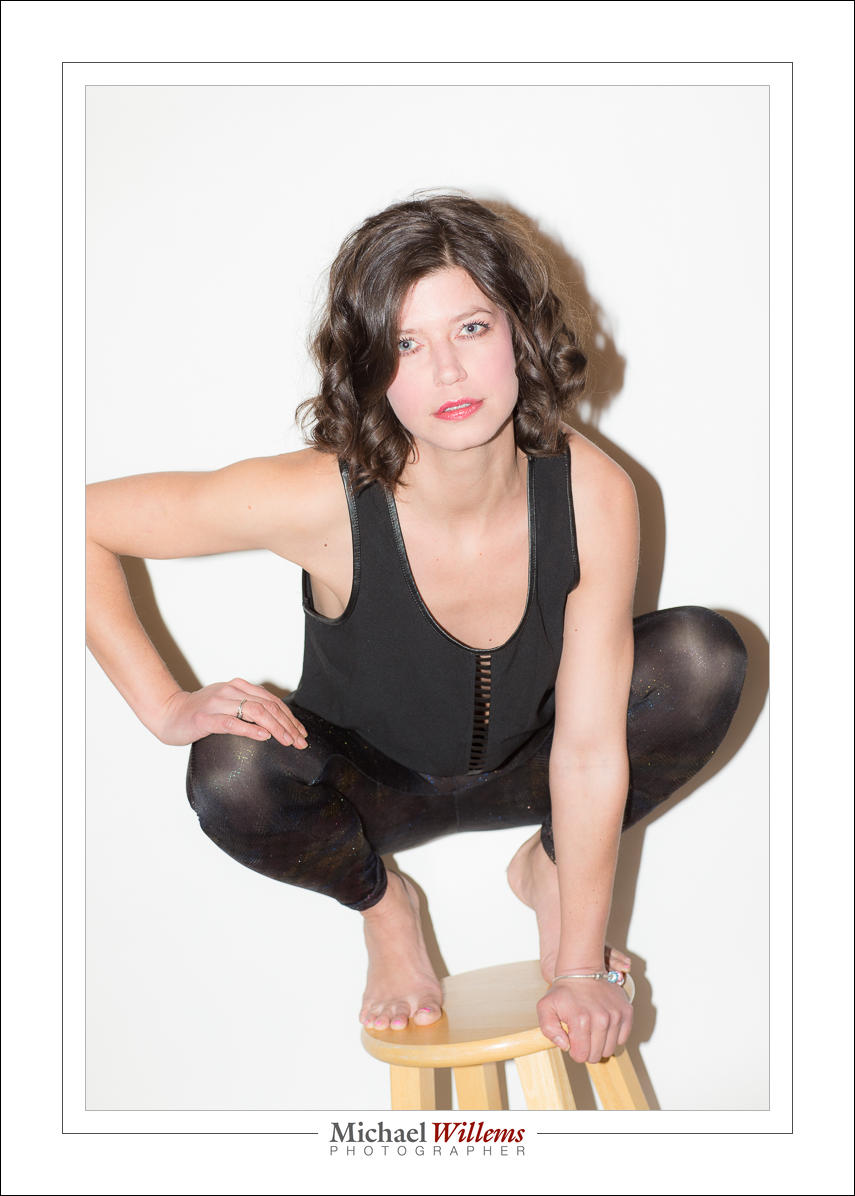
There are many, many styles. And they are all very different.

For example, photojournalism (as I plan to be doing in Israel, see here) is very simple: no edits. Colour or, often. black and white. Flash is allowed, but other than that, it should look as it looked to the eye.

IV - Intravenous, by Michael Willems

Photojournalism: from "IV - Intravenous", by Michael Willems, on 180mag.ca

Or there’s this; I would call this “Annie Leibowitz’s style”:

Then there’s the “amateur aesthetic”, made popular by Terry Richardson. Harsh light with a direct flash, overexposed a little:

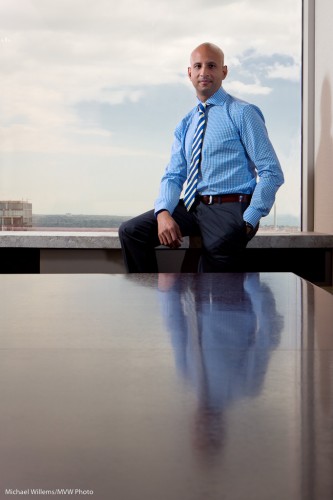
Or business “annual report style”:

Reflection, photo by Michael Willems

Reflection

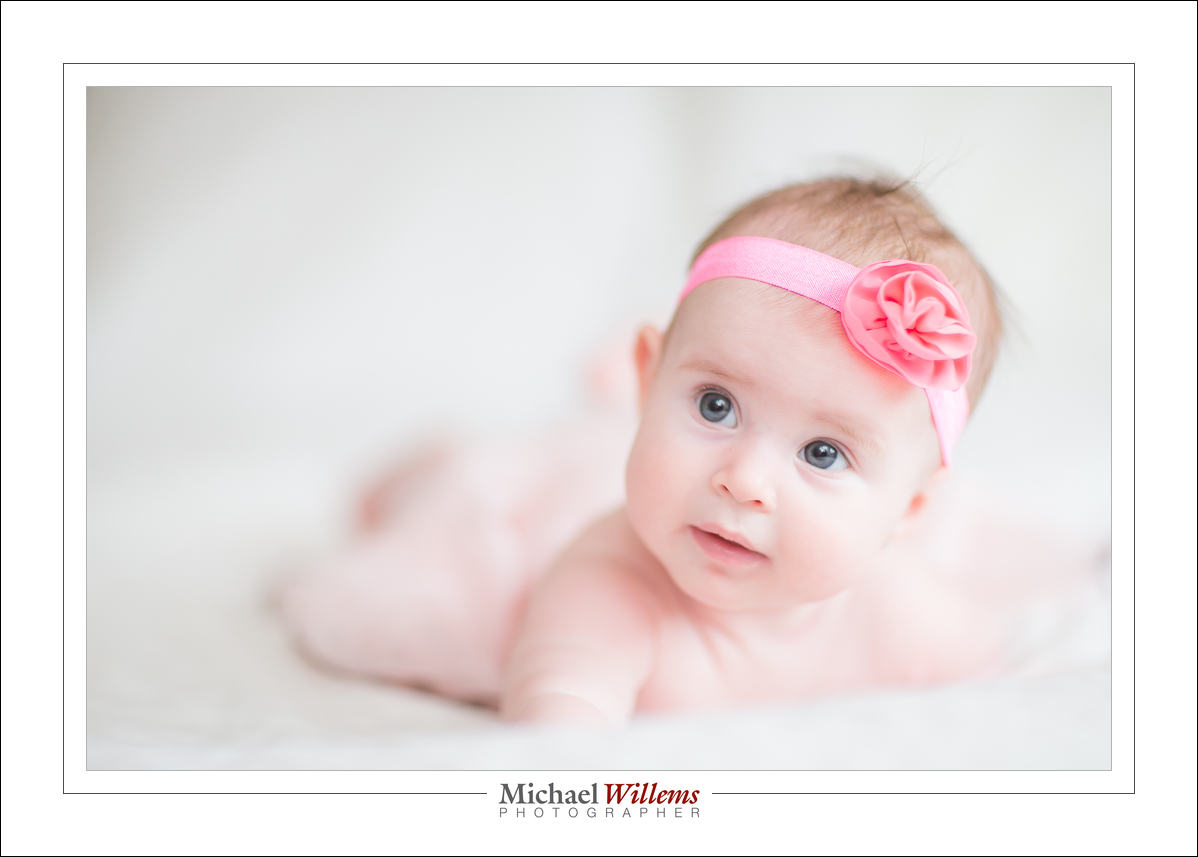
Or the natural soft light style we use with babies:

Or “desat”, very popular today:

Or my own “dramatic portrait lighting” style, which is an adaptation of earlier Dramatic Portrait techniques:

I could go on. There are almost as many techniques as there are photographers. Almost, not quite. And as a photographer you should be able to master any and all of them. “It’s just technique”, as a friend once said to me.

But it’s when we get beyond that that some of us are lucky enough to develop our own styles. My style is unique to me. And the last picture is a little more my style than the others are.

So the photographer who recently told me that my work was “wrong” and “it looks like your models are photoshopped in:” and “you must open the shutter for longer” is just plan incorrect. It’s my style, and it’s recognizable as my style, and you don’t need to like it. But if you do, great. Your style is yours. If others like it, good for you. If not, it can still be just fine, as long as you like it.

____

Need Help: Scroll to yesterday to see my Israel project proposal and go here to support it.. every bit helps.


You don’t need flash.

A photographer told me that the other day. “You don’t Need Flash. If it’s not night, you do not need flash”.
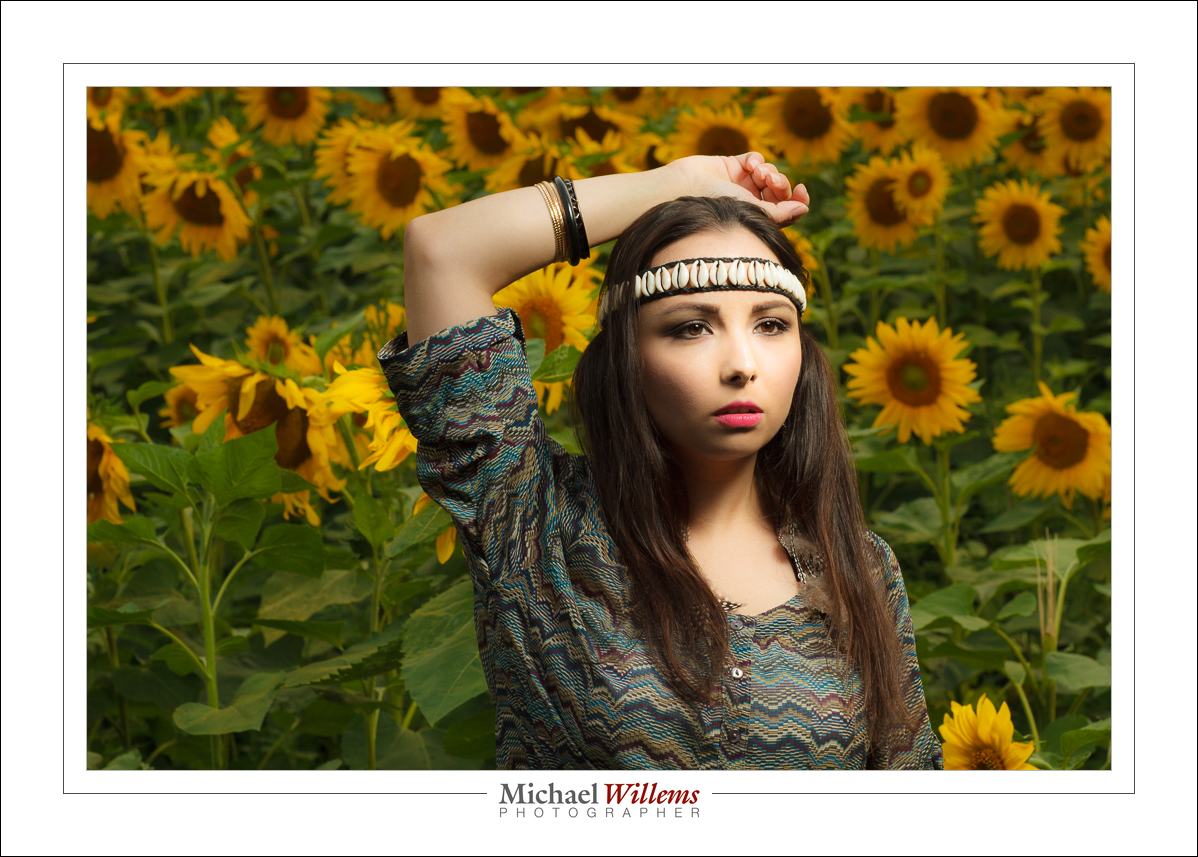
And here’s why he is so very misguided; even plain wrong.

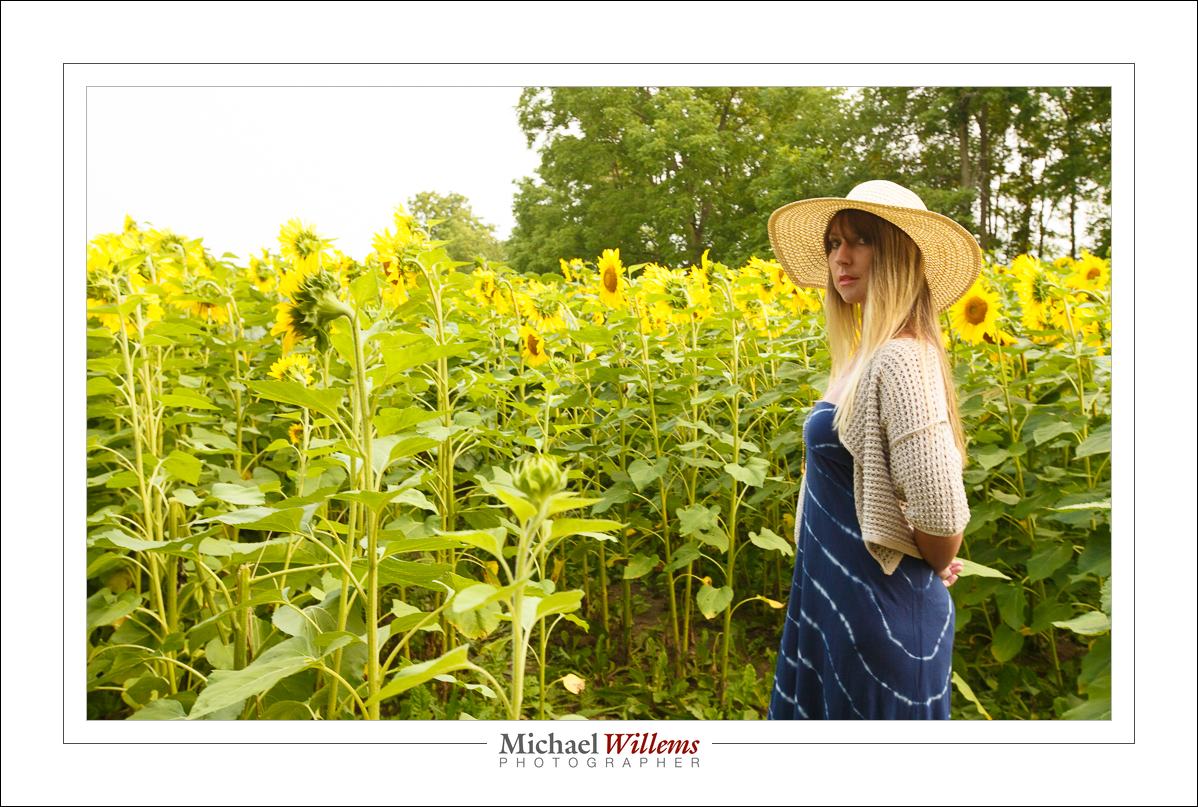
You don’t always need flash, sure. But sometimes you do, if you want creative options. Like yesterday, during a sunflower field with model shoot. I could have shot the models the traditional no flash way, i.e. a small enough aperture, or high enough ISO, or slow enough shutter, to get:

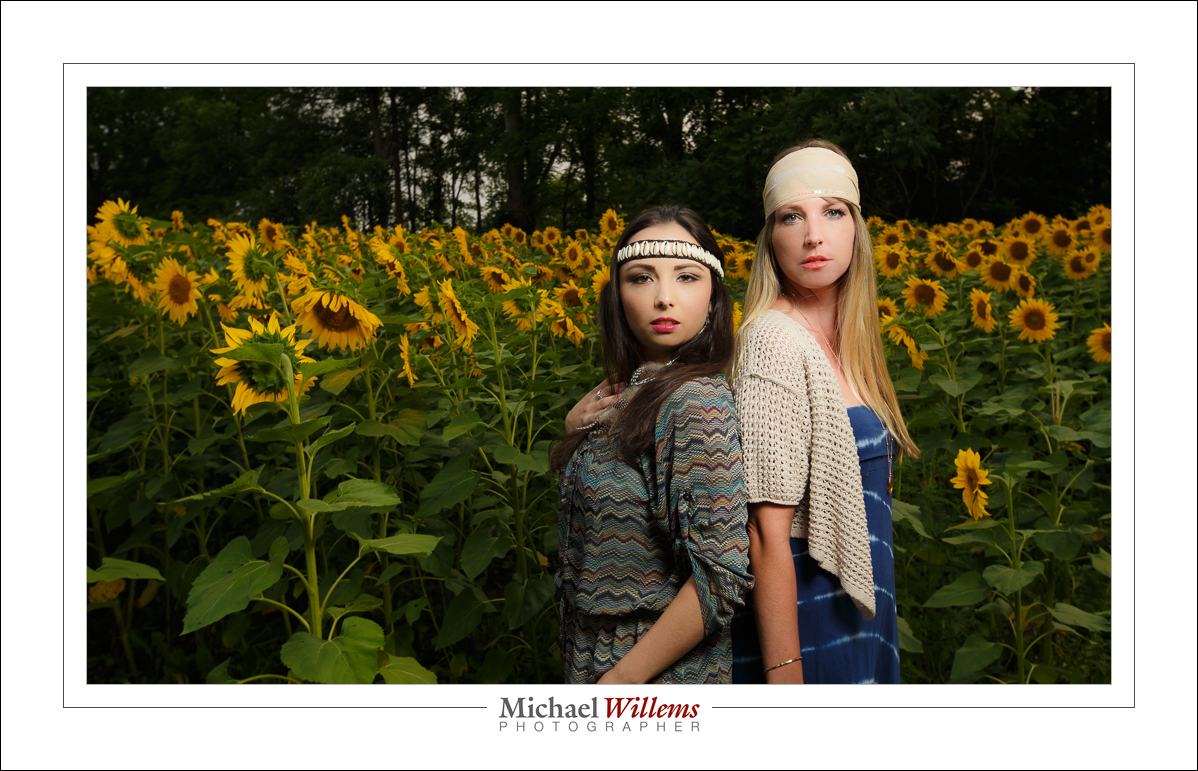
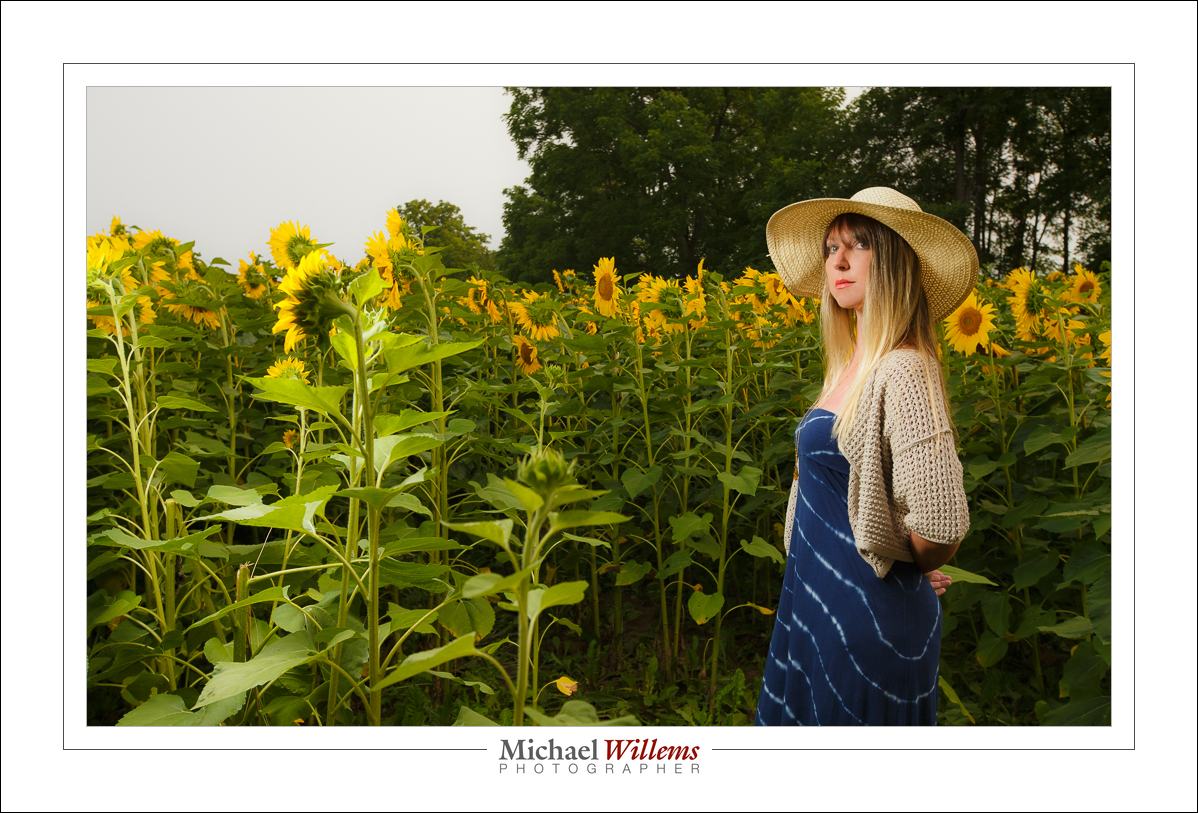
But instead I preferred this:

For that, I exposed the background to about –2 stops (meter displays –2, or if in an auto mode, you use exposure compensation to –2). (In fact I was in manual mode: 1/250th sec, 400 ISO, f/8. That showed as –2 stops on the meter.) Then I used an off camera flash with an umbrella to light the subject. I got the image above. Look at the model’s face: she is the “bright pixels”, and she is lit from where I want.

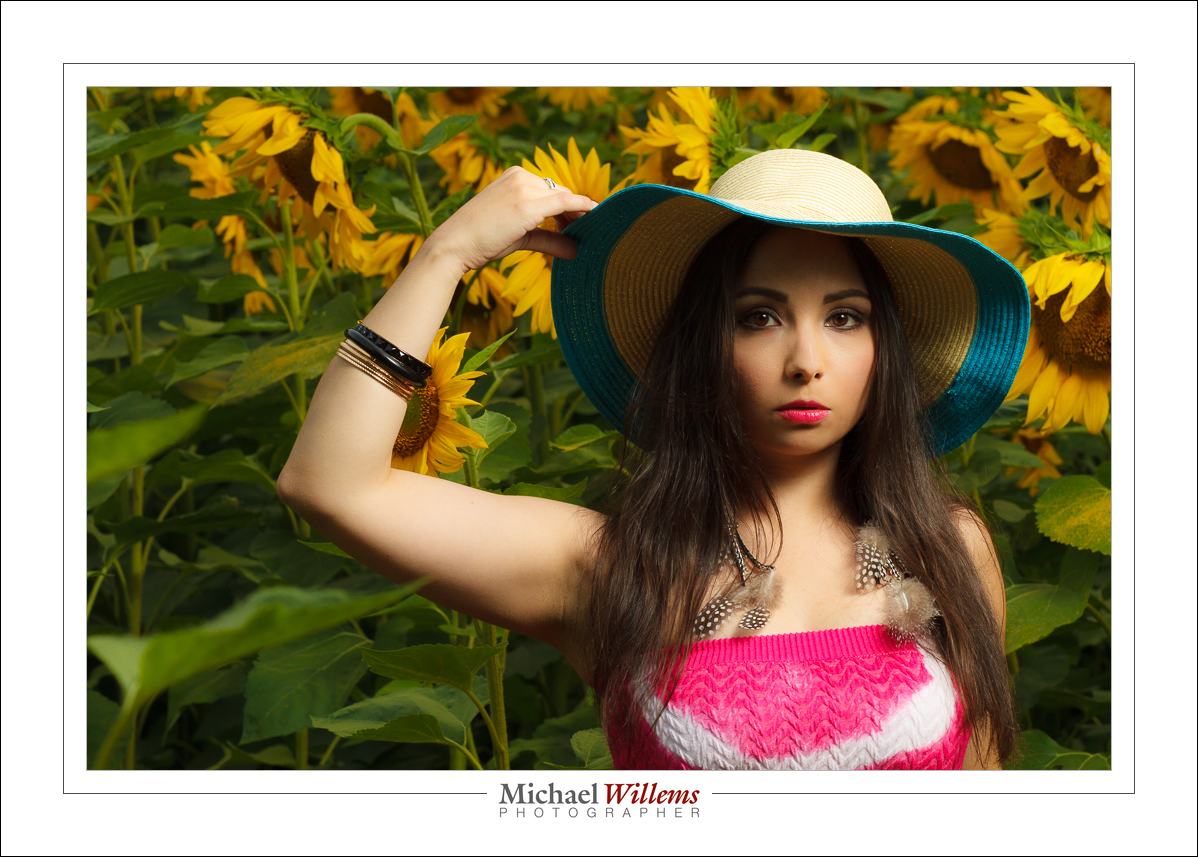
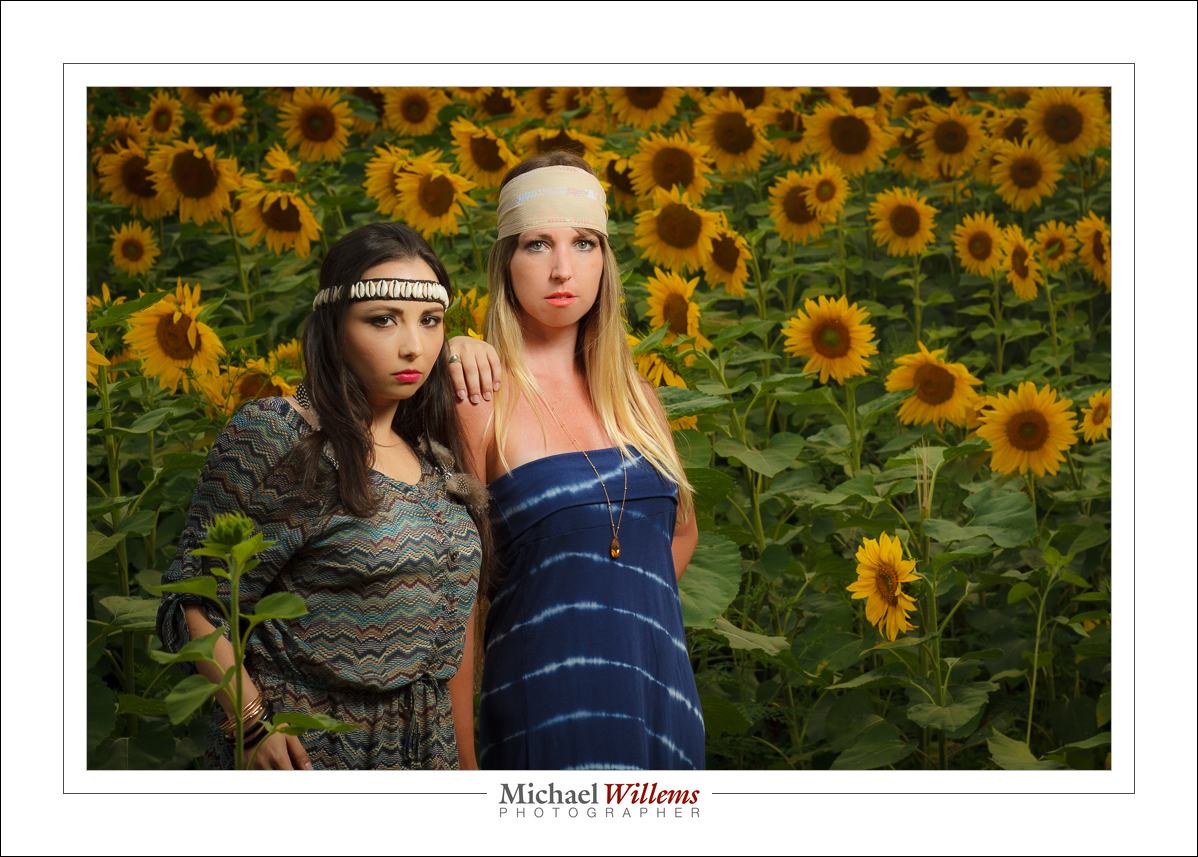
A couple more examples of photos from yesterday, also done with flash:

And all this was only possible because of flash. I set up the single flash as follows, firing through an umbrella:

QED.