Light Direction

I am sure you all know that I usually use flash in my photography. But not always.

I use flash to get light under my control. Light that goes where I want it to, from where I want it to come from. I do this to get modelling, to get shadows with effect, to get dark backgrounds and great contrast. Hard light is fine, even – as long as it is off camera.

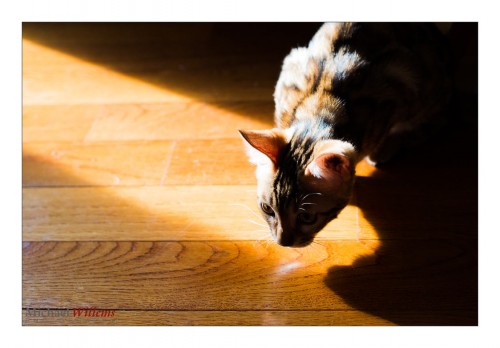
But sometimes, existing light gives me that:

This gave me what I wanted:

  • The shaft of light coming diagonally from the side.
  • The shadow coming from Mau’s head.
  • The whiskers sharp, offset against the dark.
  • The eye sharp – view at original size to see this.
  • Simple – simplicity is everything.

Nice, no? And done manually, with manual focus. And no adjustment in Lightroom except a very slight crop.

So while flash gives you the possibility to make this kind of light every time, if it’s already there, you do not need to create it.


Group Shot Technique

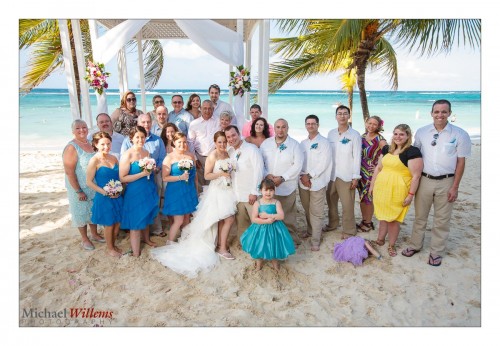
Ever had to take a group shot, like this one I toom of Kristen, Dan, and their wedding party in Jamaica last month?

You have heard me mention these many times. They are both fun and rewarding. And to do them, you need to be a people person:

  • Laugh. Smile. Joke. Tell your subjects to have fun, too.
  • Take charge, be in command, and have fun. Do not be quiet, do not be timid, and do not hesitate: if you hesitate, you will look weak and incompetent – and next thing, you lose the crowd and the shot is sub-optimal.
  • Tell them to look at your camera clearly: if they cannot see your lens clearly and fully, then it cannot see them, either.
  • Give them a count: “ONE – TWO – THREE – CLICK”. I say that every time so they know when not to blink.
  • Take each shot at least three times in case of blinkers.

Of course you are well advised not to start with weddings – they are way too important: leave those to the pros. But you may end up there, and in any case, the same techniques apply to back yard family shoots. Practice your people techniques when it’s not yet important, so you will be ready when it is.


Portrait of the day

Yes, I shoot animals too, but only with a camera. Pet photography is slow but enormously rewarding. Our best friends and family members deserve to be pictured well, don’t you think?

In the photo: Lord Shiva, the Destroyer (of furniture), resting after vigorous play time.

Character. Animals have it, and they are great subjects.


Technology or you? Try manual focus.

Basic photography skills have not changed since the 1970s. They’re still the same, and you still need them.

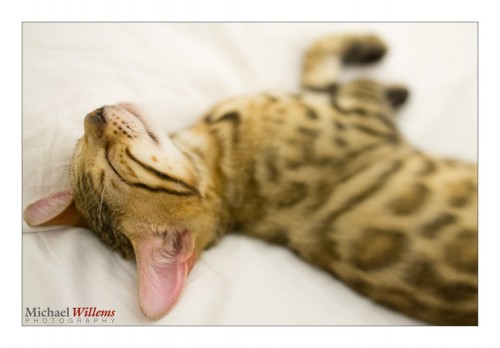
One of those skills is focus. With all the autofocus functionality it is easy to forget that you can do it yourself too.  And you can get great results:

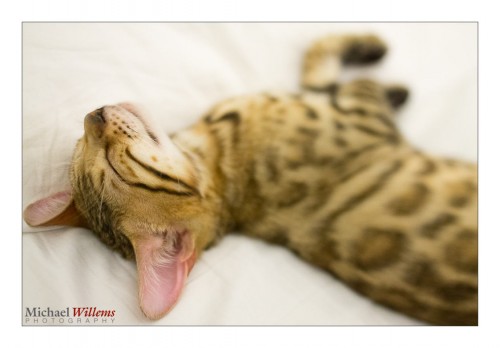
The most frustrating type of photography is manual focus/manual exposure of fast-moving objects like cats. Thank God they sometimes sleep:

And you learn from things that are difficult. So my advice: go shoot on manual focus for a day!

  • Set your lens or camera to “M”
  • Turn focus ring
  • Go past sharp point; return; repeat, decreasing excursions.
  • Shoot.

Takes a second or two. And you will understand depth of field better – and bonus: manual focus is needed when it is too dark to autofocus. Or when shooting macro. On some lenses, like my 45mm Tilt-Shift lens, it is the only way to do it.

And another bonus: you will need to think about each shot. The old skills weren’t so bad!


Props To You!

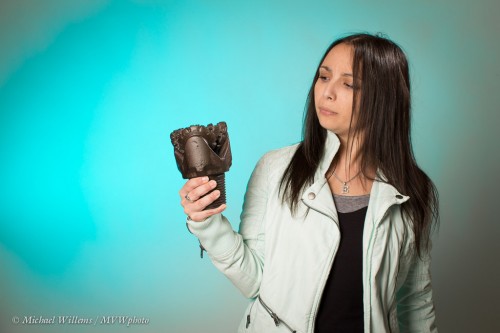
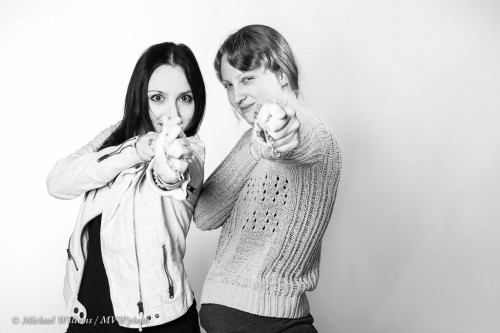
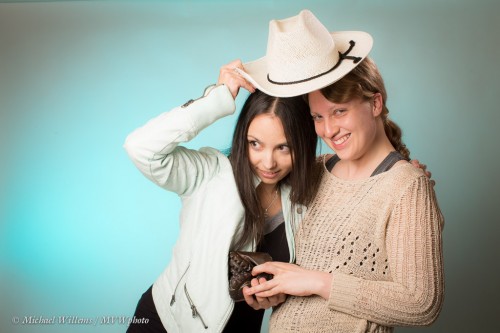
You can often make a shoot more fun by using props. Items. Even -or perhaps especially – in a studio shoot, like in the portrait shoot I did with a few young ladies the other day.

So, what props, and where do you find them?

Anything goes, basically. Anything fun. What you do is this:

  1. You look at dollar stores to buy props -these stores have fun items.
  2. You look in your studio (or home) for anything cool that happens to be lying around.

Like the rack, and the gobo with odd-shape cutouts:

Or this primary drill bit, straight from the Libyan desert (I picked it up in the desert in the 1980s):

Or use the chains that happen to be lying around to hang works of art:

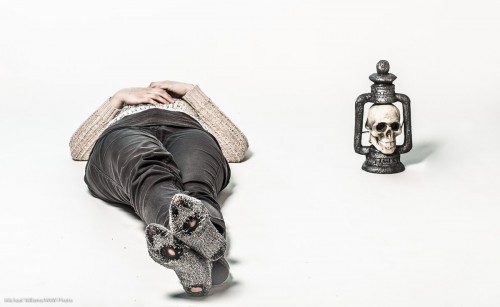
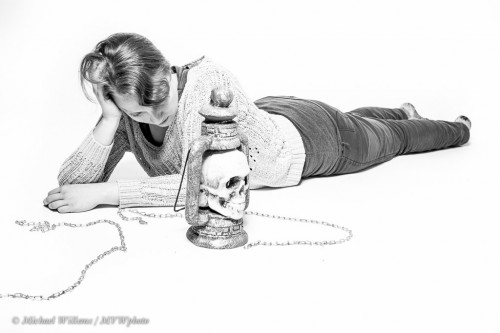
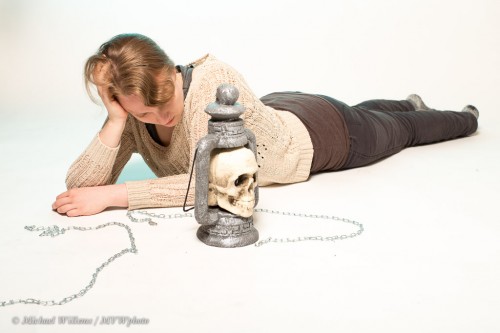
Or the fun (WalMart, cheap) skull lamp… and the models “holey” socks:

Or both the latter together in one shot:

Or the stage cowboy hat:

The point about props is that they should be fun, and they should be visually interesting, and that they should raise questions, rather than spoon-feed the audience with answers. And you can find them anywhere!

So here is your assignment, if you want one: do a portrait with props, and spend no more than $10 on these props. The props should help raise a question in the viewer’s mind. Have fun!

___

Note to all Ontario readers: I am doing a portrait special in Oakville: on May 31/June 1, I will do your portrait for just $125. Check out www.mvwphoto.com/Special.html and email/call me to set up your time. I’ll even teach you some stuff about portrait photography while I make your portraits!

Portraits – Special Offer Tonight

We love doing portraits, since people are so often the most important parts of our lives. Tonight, in a few hours, from 7-10pm I teach a “Portrait Photography” course in Hamilton, in the studio, and I have a special offer: sign up right now and you can bring a friend for free.

Why? Because I want to encourage all photographers to use studio techniques. But you have to hurry.

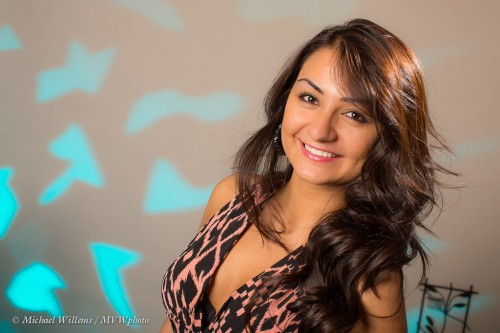
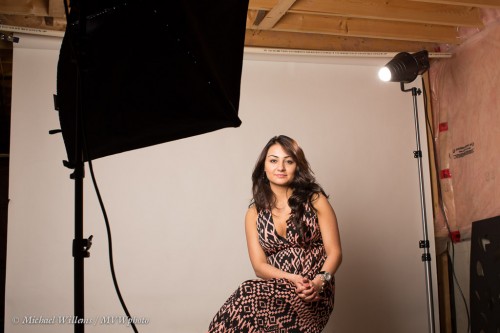
And it’s worth knowing how to do studio shooting. Here, for example, was the lovely Reeta in my studio last night:

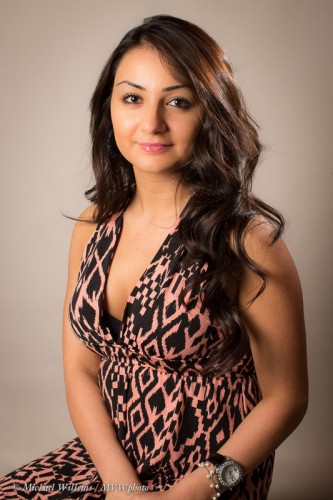
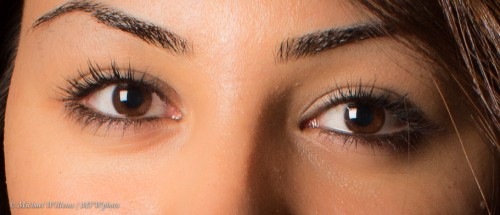
That simple setup (which you will learn tonight) leads to this:

Important here: the catch lights. Clear, sharp, and off centre:

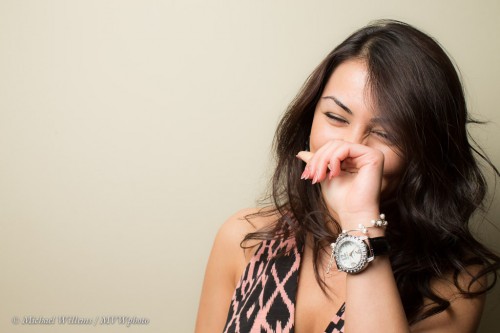
Also important: catch the mood!

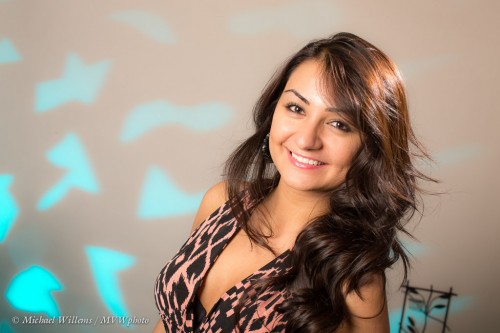
But you can do more, easily. Here’s some patterns thrown onto the back by a cutout:

And of course once you have the lights down pat, you can then get creative and get crazy… like Alana here in a creative and very personal pose:

Life’s more fun if you know how to do studio photography. And all you need is your DSLR and any lens, and a few pocketwizards and lights – all stuff I explain in my courses.


Last call for….

….tomorrow night’s course in Hamilton, Ontario on Studio and Portrait photography (www.cameratraining.ca/Studio-Ham.html). In just three hours, from 7-10pm, get the fundamentals plus lots of practical tips and “guaranteed success” starting points, or “recipes”, for studio-style portraits.

It’s just $145, a very small class, taught by me in person, and you need nothing special (just bring your DSLR camera). Book right now on www.cameratraining.ca/Booking.html

What, again, is a “studio-style portait”?

That picture qualifies, not because it was made in a studio (it was in the classroom at Vistek’s Flash course Saturday), but because it was made under controlled conditions:

  • The subject was “posed” (although I call it “positioned!) carefully.
  • It involved flash (not by any means necessary, but usual).
  • It has simple layouts.
  • There is no “clutter”.
  • Light(of whatever type) was carefully considered and controlled.
  • The subject is the subject – i.e. it is not an environmental portrait.

The point about controlling light is especially important. I used two small flashes in the case above: one. through an umbrella, for the main light (the “key light”) and one as the rim- or hair-light, shining towards the camera.

If you come tomorrow night, you will learn all about this, and much more – like light positioning, camera settings, using a light meter, success recipes, obtaining natural expressions: the list goes on, and all inside three hours, with a professional studio, a model, and myself. See you there?


Shadows and creativity

Of course shadows can be good. As long as they are used well  – meaning not the “drop shadow on the side” you get when you use the pop-up flash on your camera. That one is a no-no.

But that does not mean direct flash is bad. Not at all.  Here, for example, the shadows really work to give an “in the spotlight” look:

Here, they add texture and liveliness to the subject:

Here, they add both spotlight shadows and strong patterns and leading lines:

Here, the shadows add to the otherworldly quality:

Your next assignment, should you choose to accept it: use shadows creatively in a photo.


FTF

..or “Fill The Frame”. We like photos to be good, whihc often means both “draw attention to subject” and “get close” as well as “simple, without clutter”.

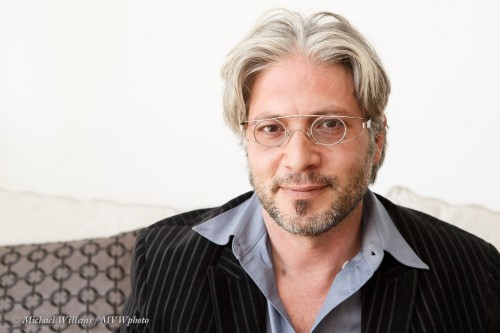
Take, for example, this portrait photo, taken yesterday:

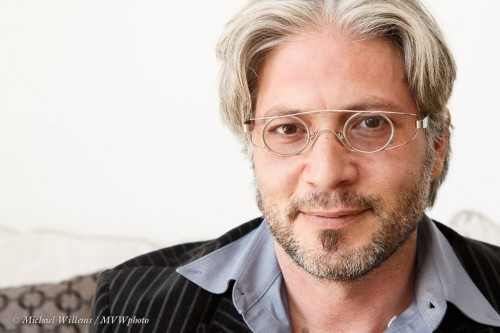
Not bad. But now, look at a closer crop:

I would argue that in this image, which is not an environmental portrait, the second image is by far the more powerful one.

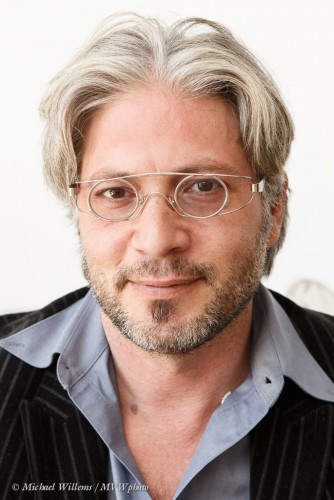
Oh, and a vertical view can be good, too:

Matter of taste? Yes, but most people’s tastes agree. So next time you shoot, crop closely and see what happens.


Beach Notes

So. Going to the beach and bringing my camera is a no-no, unless I have:

  1. Sunscreen.
  2. Either shady areas or an off-camera flash.

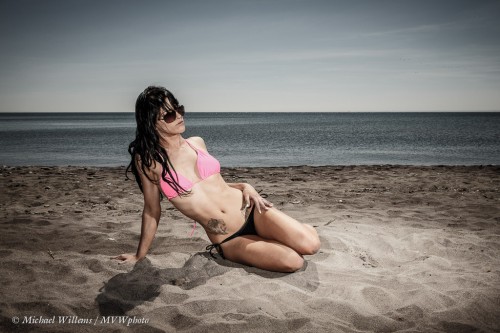
So here’s why. Today was the first day of good weather in Toronto. And here is model Danielle on the beach (Hanlan’s Beach in Toronto), the way a good photographer without flashes or reflectors might have captured her:
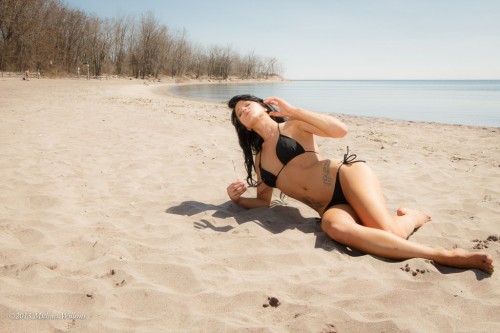
That is fine – well exposed, well composed, well focused. Which is all you can hope for. Great stuff.

But perhaps a tad boring, no?

How about this instead? An artistic, dramatic portrait?
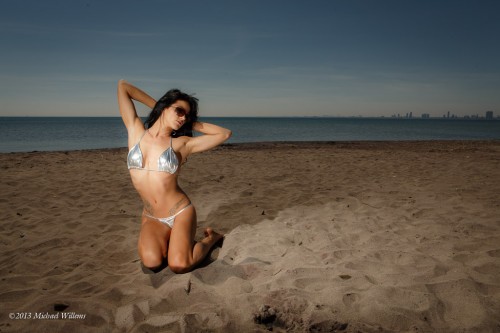
Taken at the same time. Yes – “bright pixels are sharp pixels”.

And I did this like this:
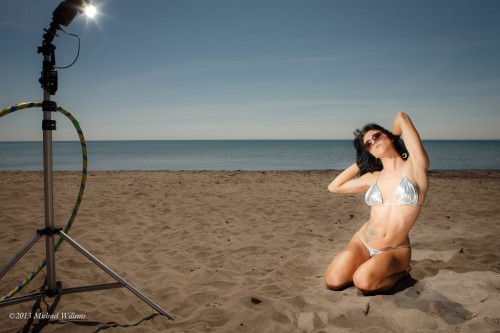
So:

  1. I exposed for a dark, saturated background.
  2. To this end, my camera was on manual at 1/250th sec at f/14, 125 ISO.
  3. Then I used a speedlight, set to half power, (manual), fired by pocketwizards, to light the subject.
  4. The speedlight was off camera, at an angle of almost 90 degrees.
  5. Yes and I held another such speedlight in my hand – photography is hard work.

What could be easier? A speedlight can do this in bright sunlight if unmodified . A strobe would be needed if I wanted to use an umbrella or softbox.

Seeing nude women on the beach, a man came up and chatted. “I like to lean, but I am told you cannot take good pictures in sun”, he kept telling me. “Yes you can. if you know and use flash”, I kept telling him. “No, cannot take good pictures in sun, shadow will be bad, light will be harsh”, he kept telling me. Yeah, right on for not listening. Yes, you can do great images in direct sunny 16 sunlight. All you need is flash knowledge and equipment.  It’s what I spend my life teaching and evangelizing.

One more shot:
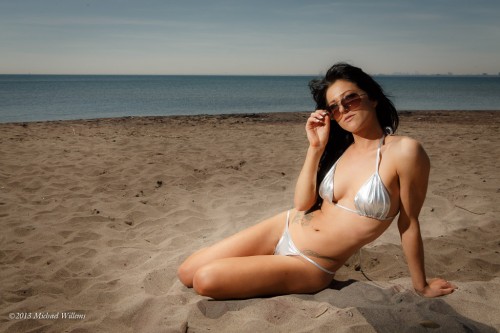
No photoshopping: that is how I shot it!

Oh.. and about the sunscreen?

I. Forgot.

Yes, even though I brought it, I forgot to apply it – forgot, I kid you not. So now the aloe vera cream to mitigate the pain. Hey, I know about photography, but in life I still make beginners’ mistakes. I can teach you photography (www.cameratraining.ca), but please do not ask me to teach you life.  I know when I am beaten – ouch!