Opportunity knocks.

NEWS! My next project is being kickstarter-funded. And I am very excited to be able to tell you about it.

Kickstarter, as you may know, allows a business idea to take place without the investment capital: the public funds it. In return, people who fund it get benefits like funder pricing, extras, and so on.

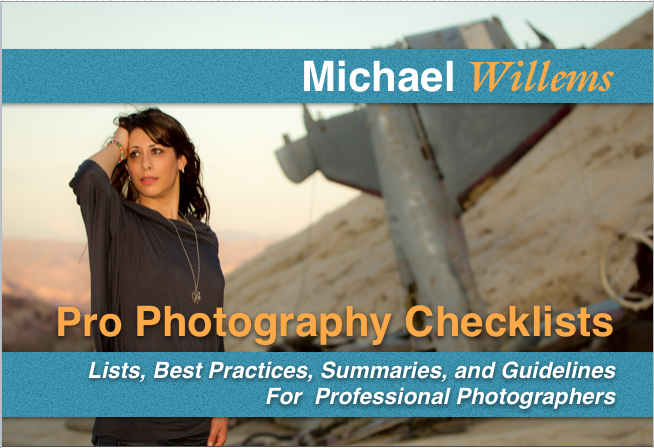
And mine—wait for it—is a printed version of my new book. This checklist reference book:

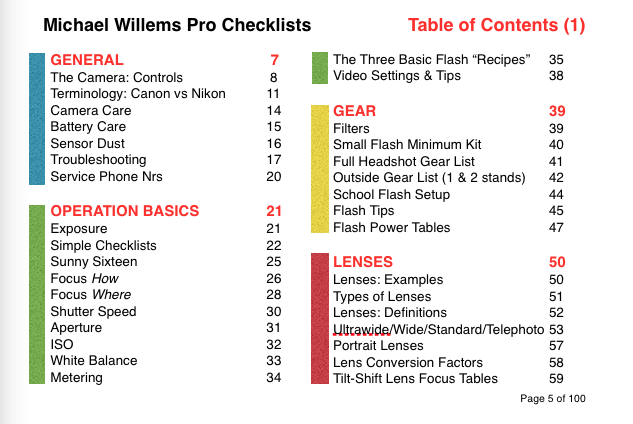
A printed version is exactly what we all need. From beginner to pro, all sorts of tables, guidelines, checklists, and more. Here’s the table of content:

Interested yet? Now imagine this on thick stock paper, one sized, with a ring binding at the top, so you can flip it to the page you want; and it’s a 4×6″ sizem so it fits easily in your camera bag, even in your jacket pocket.

Want to help me, and at the same time get lower prices or extra benefits? Then get in nowwww.kickstarter.com/projects/1117812792/the-ultimate-checklist-booklet-for-photographers

TWIP, #2

TWIP (This Week In Photo) episode 406 is online. Go to thisweekinphoto.com/twip-406-i-villain-i-photographer/ to see and hear this episode, which I co-hosted with Frederick Van Johnson and Ibarionex Perello.

To celebrate, here’s some great news: for one week, until April 10, you get 15% off any order on http://learning.photography by using discount code TWIP on the last order page. My e-books, courses, and shoots: everything is 15% off, for one week only.

Now go on, and read on.

Welcome, TWIP listeners.

Welcome, TWIP (This Week In Photo) listeners. Scroll down, read, check out the ebooks, search, and ask questions. Welcome to the “go-to” instructional photography blog!

Want to hear me, in the episode I just co-hosted? Go to http://thisweekinphoto.com/twip-406-i-villain-i-photographer/ to listen to episode 406.

Footnote:

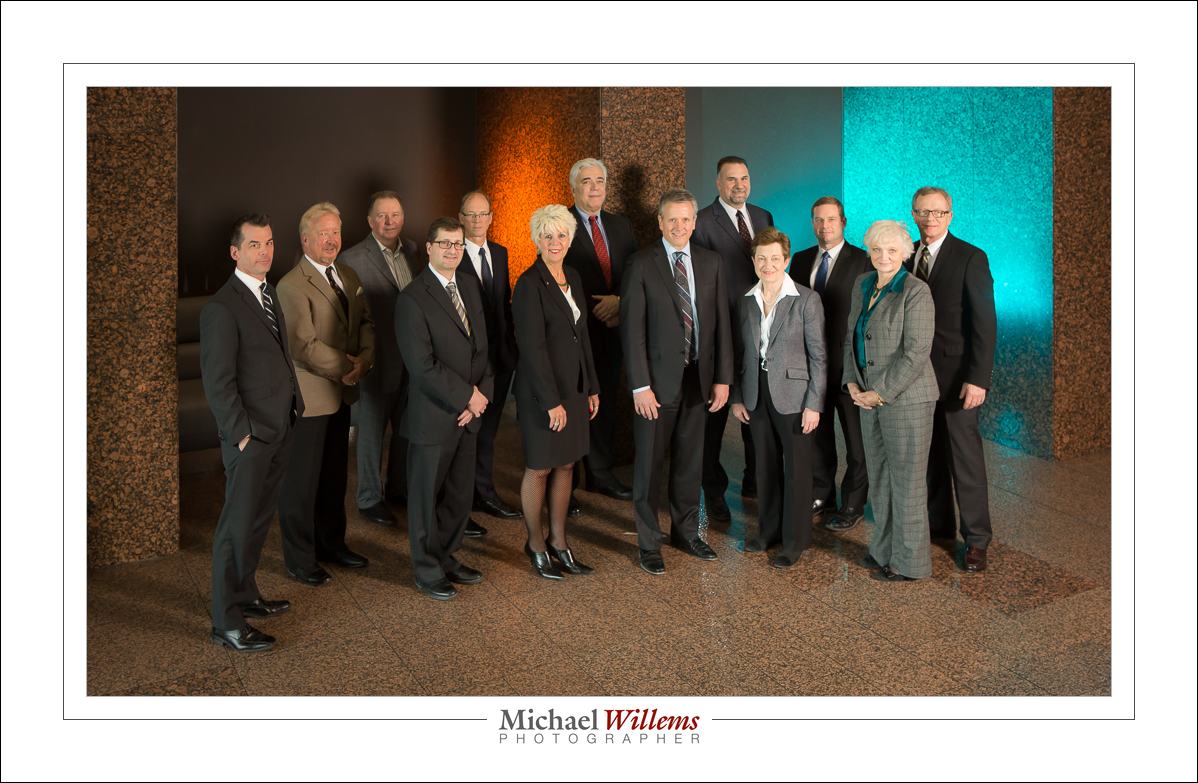
Enjoy speedlighter.ca and above all, enjoy your photography with the new skills I can teach you. Especially, flash skills. I use small flashes everywhere. Like in this corporate board photo of earliuer this week: see the two gelled flashes to add some excitement?


A few admin words

A few admin words for my readers:

First, if you have not yet joined the Speedlighters Forum on Facebook, then by all means do. Here it is: www.facebook.com/groups/SpeedlightersForum/ – ask to be added and I will add you as soon as I see the request. It’s free, it’s secret, so you can ask basic questions without the whole world knowing about it, and it’s full of friendly people.

Second: I make some buying recommendations. These will always be in an Article, so pull down the “Articles” link above to find them. You can save money, or get best products, by using the recommended vendors. And they are there because I use these vendors myself.

Third: you get a 10% discount on one of them, Honlphoto, by using the link in the article (or by clicking on the Honl advert on the right), and then using Discount Code “willems” upon checkout. Take a look at the kits, especially.

Fourth: There’s about to be a special Flash kit, consisting of all sorts of things in a combination created by me, at Vistek. Stay tuned to hear about this as soon as it is ready to be released.

Fifth: I notice that many people are not quite sure how Lightroom work,s or how to set it up at the start. I therefore have a 2-hour consulting product: Setting Up Lightroom. Follow the link to learn more.

Sixth: The same is true for using your DSLR for Video. There, too, there’s things to know. And I can teach you those things… click right here to hear more.

Seventh: I teach almost all my courses (including the Flash signature course) remotely, using Google Hangouts. All you need is a good Internet connection and a computer with a (built-in or separate) camera. Whether you live next door, or in Australia. Keep that in mind, and do benefit from that to cut your learning time in half. Because that is what my courses do.

And now, back to the salt mines: picture editing. I love it, actually.

Michael


Shopping Recommendations

A few Shopping Recommendations here for you today. Read on, because some of them can be advantageous to you.

First: someone asked me for a good framer in the region. I forget who it was who asked, but here you go: Don Corby, of Corby Framing in Freelton (www.corbyframing.ca, 905-689-1976). Tell him I sent you. He does a great job with custom frames and affordably. Please print and frame your photos. Please!

Then, printing. As I have said many times here: please, please, please print your work. You will avoid losing it. It will look better, and you will feel much better about your skills and your art. Made into wall art your work will be much more valuable. For prints up to 13×19″ use a Canon Picma Pro or 9500 Mark II. For larger prints, use Fotobox in Etobicoke. These guys and what they do are amazing. Al my large metallic prints are theirs. Top work for a very affordable price. Again, tell them I sent you.
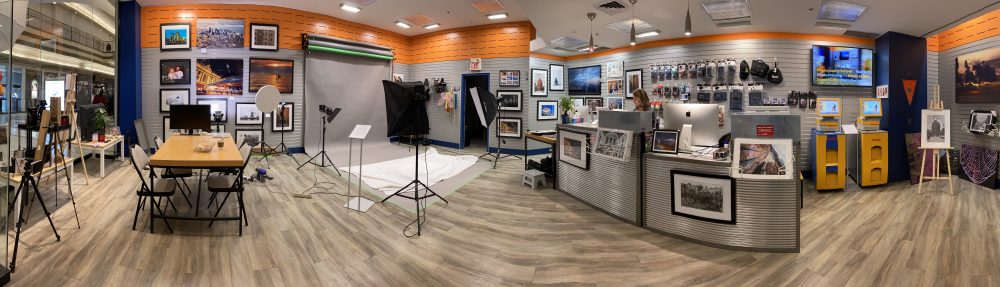
Then, shopping! I recommend you buy here: Henry’s in Oakville (ask for Rob, manager) or Vistek, in Mississauga or Toronto. Go to these guys every time over the big box stores, and tell them I sent you. They will take care of you with great selections, the latest stuff, and excellent product and market knowledge. They will sell you only what you need, not what gives them most commission. They’re like me: they want customers, not sales.

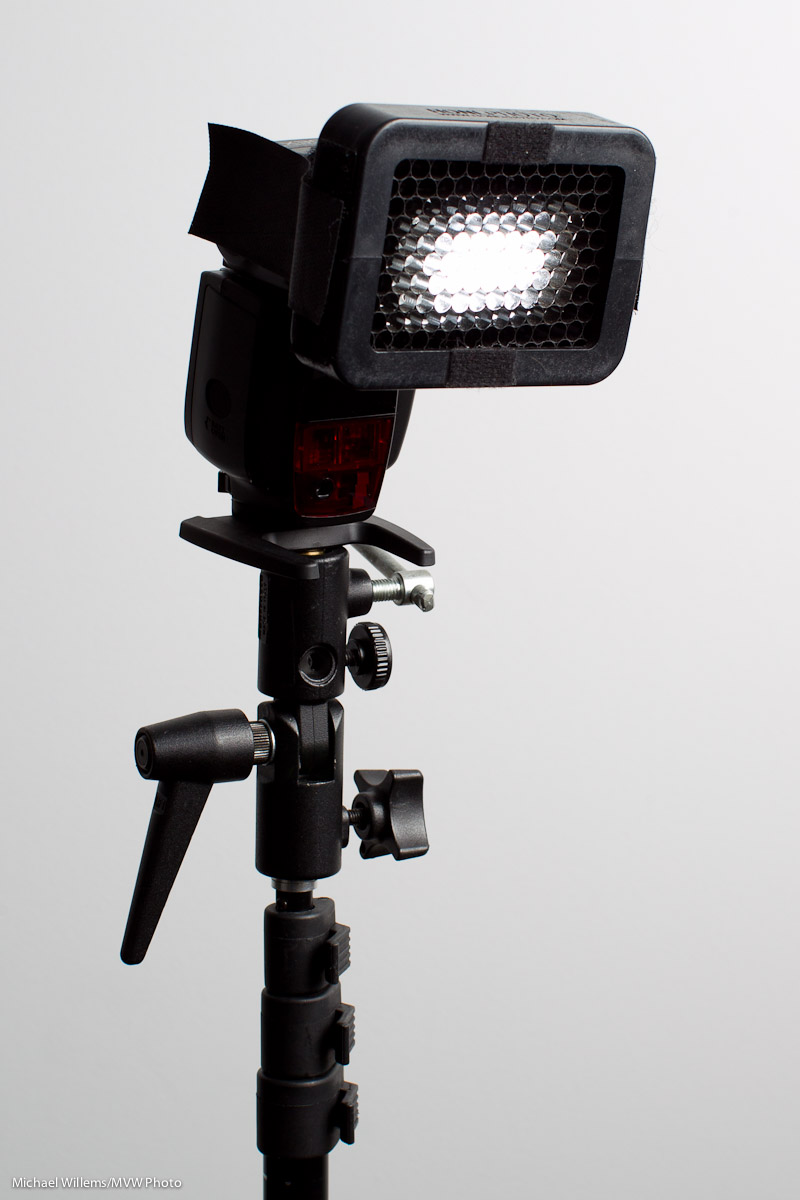
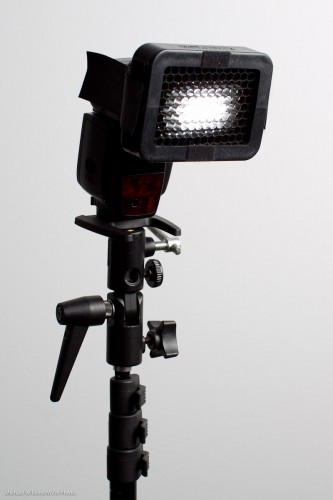
Finally, flash modifiers. Honl, honl, and Honl again. I have waxed lyrical over these small flash modifiers forever: not because David Honl is a friend of mine, but because his modifiers are small, light, sturdy and affordable, and that is an unbeatable combination for a photojournalist and for anyone else except masochists who like to carry more and pay more. Dave has joined me in teaching flash in Phoenix, Las Vegas, and Toronto, and he has agreed to put together special kits and to give you a 10% discount on any order if you, as a reader of speedlighter.ca and/or one of my students, order direct from him by using this link (click here) (or simply click on the Honl Photo ad on this page), and use discount code willems. 10% off on gear that is already affordable and that is the key to unlocking small flash success: what’s not to like? I strongly recommend this. There’s the grid, pictured here; the gels; the unique gell rollups; the speed snoot, the reflectors, the small softboxes: with these tools, small flashes effortlessly and quickly become flexible creative tools. I have a carrying case full of them, and you’ve seen my work: need I say more? Even in my studio I often use small flashes now, rather than strobes. The hair light is always a small flash with a speed snoot, for instance.
End note: I only make recommendations I strongly believe in; “for these, I would put my hand into the fire”, as the Dutch would say. The vendors and tools I recommend will help you become a better photographer, or will help you get more out of your work. Promise.
 

Back up

Time out for an unusual post!

You know I am always on at you all to back up your data? I also recommend you back up your cameras. Which is why I have more than a few. Cameras break. Memory cards go south. People drop things, including cameras. There is only one way to prevent issues, and that is by having spares for everything.

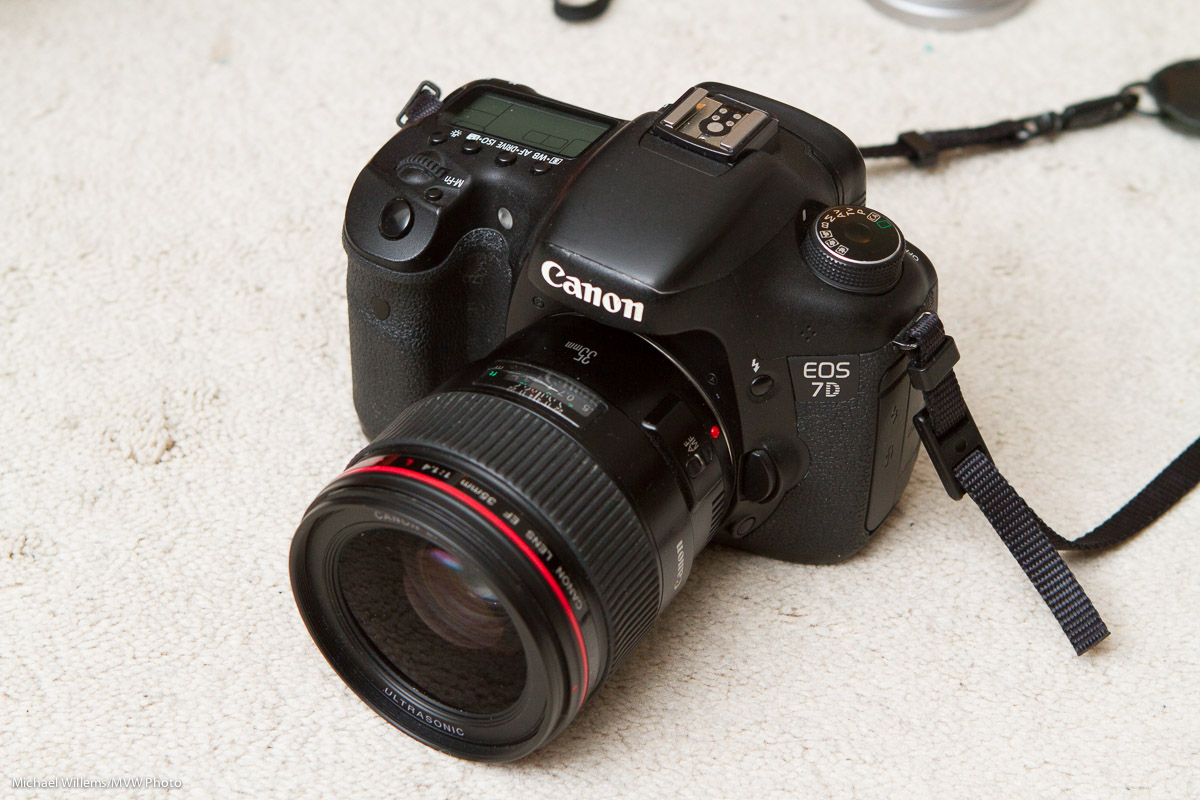
But there is such a thing as “too much”, and I have too many SLR cameras: one of them, my 7D, is therefore for sale.

If you are interested, let me know. Body only; plus an aftermarket battery grip. Camera has minor normal wear and tear and is in full working order and in great shape. $650.

Tomorrow, back to regular programming.


East of Toronto

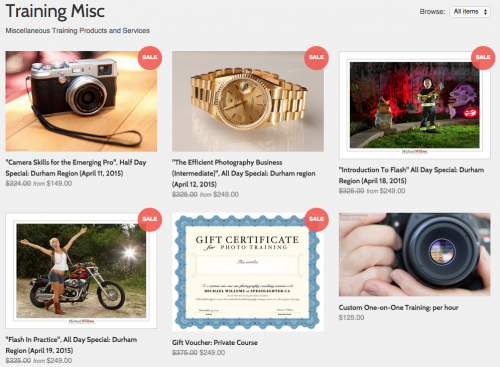
Good news for those of you east of Toronto: The Durham Region gets its own specials in Whitby.


They are:

  • April 11: Camera Skills for the Emerging Pro”, Half Day Special
  • April 12: The Efficient Photography Business (Intermediate)
  • April 18: “Introduction To Flash” All Day Special
  • April 19: “Flash In Practice”, All Day Special

These four courses are for committed amateurs or emerging pros. And they come with special prices for the books, also. See learning.photography/collections/training-misc for details and booking.

Book now: each course will go ahead if we get enough people, and there is strictly limited seating.


Business note for a changing world

According to Poynter in an article dated today, Sports Illustrated has just fired all of its photographers. Story is here (click).

A sad story, but it is perhaps not quite as sad as it seems at first sight. After all, the magazine will still be illustrated. Someone is still going to be sitting there with big lenses snapping away. The magazine will just have to use freelancers instead. Meaning varying quality levels and logistics challenges, but also meaning (or so the accountants in charge hope) savings.

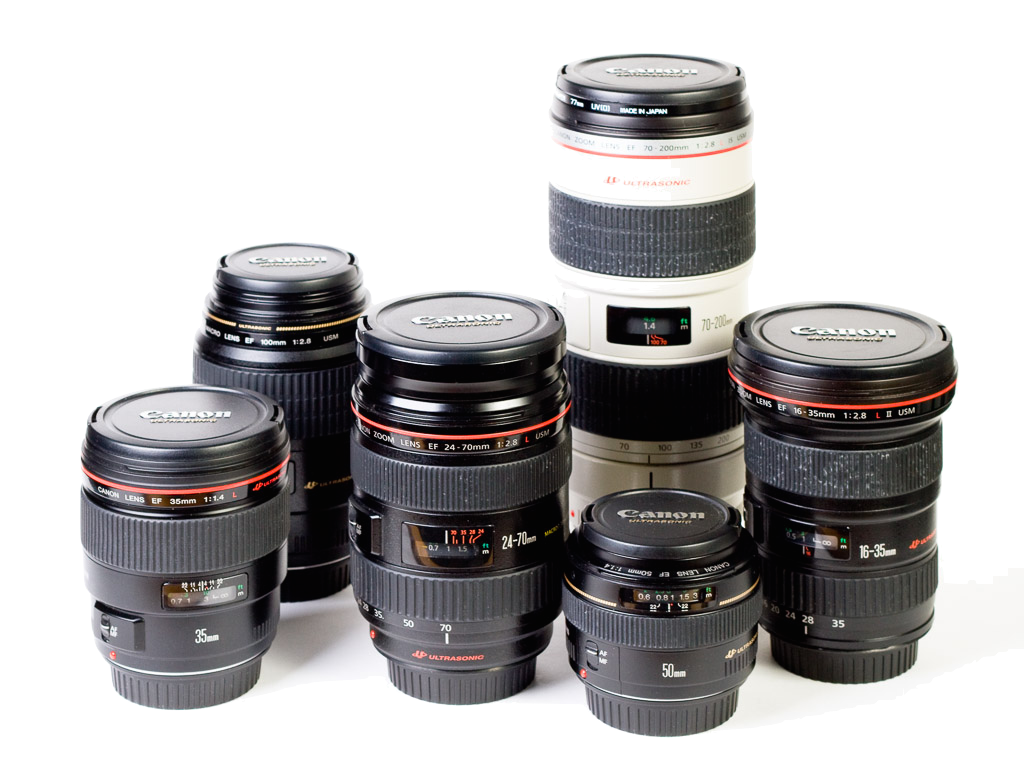
No more vacation time. No sick leave. No travel cost, hotels, or airfare. Now, the freelancer has to buy his or her own lenses. No cost except a fee per shoot. An accountant’s dream.

But a manager’s nightmare: it also means no loyalty, no common approach, no consistency of skills. And debatable cost savings once all that is taken into account.

Uncommoditize Yourself

What it shows very clearly is that the accountants see photography as a commodity. The perception is that photography is what you do with a camera, so if you have the camera you have what you need: just aim and shoot. “My uncle has one of those” means “my uncle is therefore a photographer as well”.

So what you need to do if you want to make a living (or continue to make a living) as a photographer is to ensure that your product or service is not seen as a commodity. From beginning to end, you need to educate your clients and potential clients. Some of the ways are photography related; many are almost trivial:

  • My product says “quality” from beginning to end.
  • I use large cameras. Uncle Fred has a smaller camera.
  • I write this blog and I write books.
  • I have a good web presence.
  • I use techniques (like dramatic flash) that ensure I am seen as different.
  • ‘I develop a personal style, a recognizable one.
  • I produce prints, with a nice margin, on pro paper.
  • I handle them with gloves on.
  • My emails have a good signature file.
  • My envelopes have printed labels, not handwritten scribbles.
  • I do professional post work in Adobe Lightroom, again with a recognizable personal style.
  • …and so on.

It’s not so difficult to make your product stand out. But it is essential. The small, almost trivial things can in fact be very important (consider the “out of the box experience” or the magnetic power supply connection when you buy an Apple product). Offer value, and once your clients see this value, they will appreciate it.

It may of course mean moving out of photojournalism and into, say, weddings, or something else. The world keeps changing and nevertheless there will always be successful photographers. Just not as many of them as there were before. Start thinking now and you can be one of them.


By all means join the comments (above, click in the bubble).


Tip of the day: Events

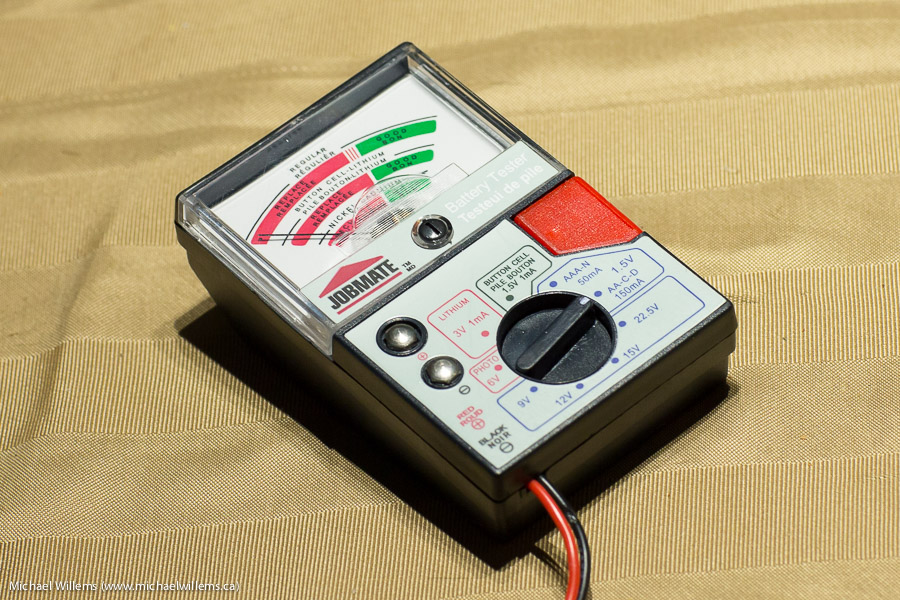
For all of you, but for event photographers in particular, here’s your tip of the day: get one of these:

For about $10, you can get a battery tester like this. It is not a regular voltmeter; rather, it is a meter that tests batteries on load, with a load appropriate to the battery type.

And before each shoot, test your batteries: the ones in the flashes, and the ones in ancillary equipment like pocketwizards, light meter, and so on.

This way you avoid unnecessary changes while ensuring that you never run out mid shoot. There are few things as embarrassing. Ask me.


Wall Art

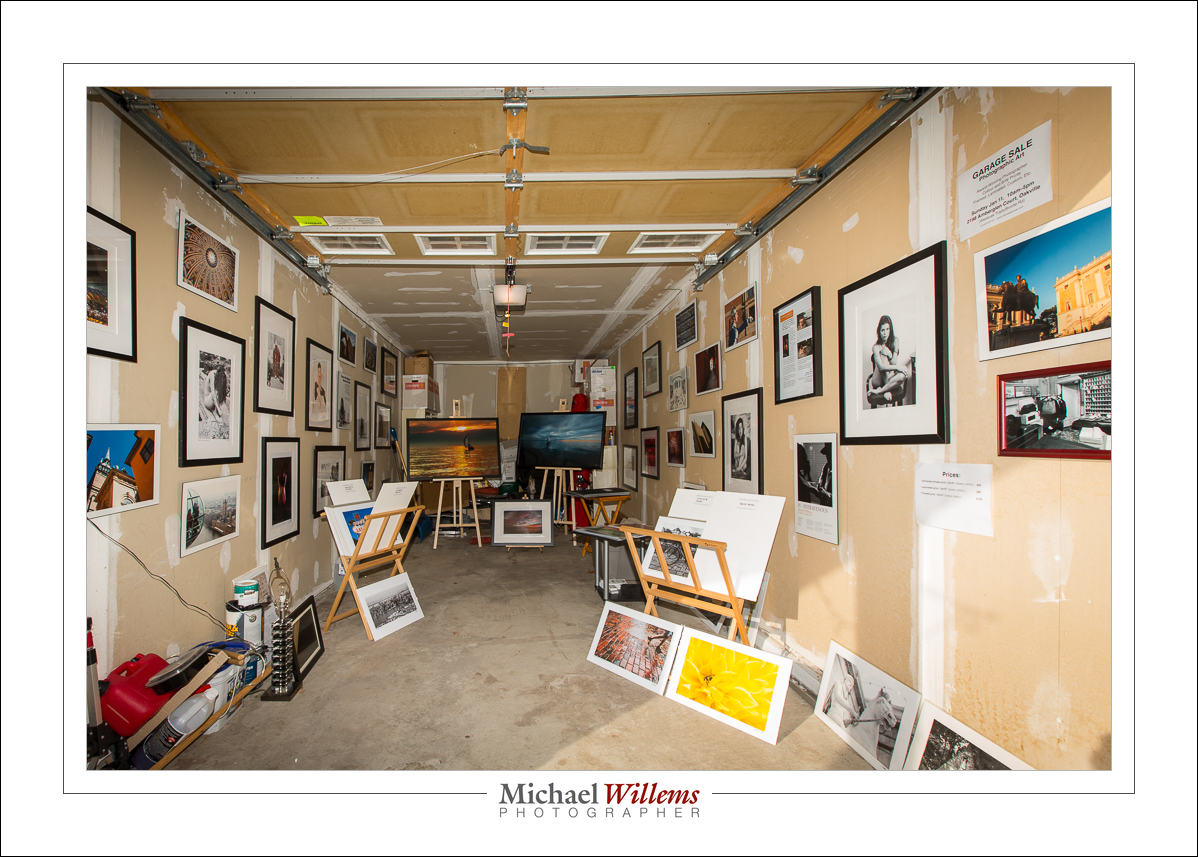
I held a Photographic Art Garage Sale today at my home. And it was literally a Garage Sale:

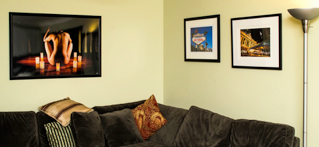
This taught me a few things. First, how important it is to have prints made of your photos. The tactile experience of holding a print is something special. Prints go on walls and add something when they do. Prints do not get lost when a hard drive crashes. They do not need batteries. They can be seen by many people at once. They have a certain value that an LCD display cannot approach.

Also, it reminded me that there is benefit in starting a wall art collection and adding to it over the years. Add a little here and a little there and before you know it you have a great collection. And it is “a little bit here, a little bit there” because there is a cost involved in prints, especially in framing.

Third, I was reminded how nice a wall looks with prints. Even my garage wall. Any wall livens up with prints, and its character changes completely when you switch the prints around. And the more you have, the more switching around you can do. Do not keep the same prints in the same place forever.

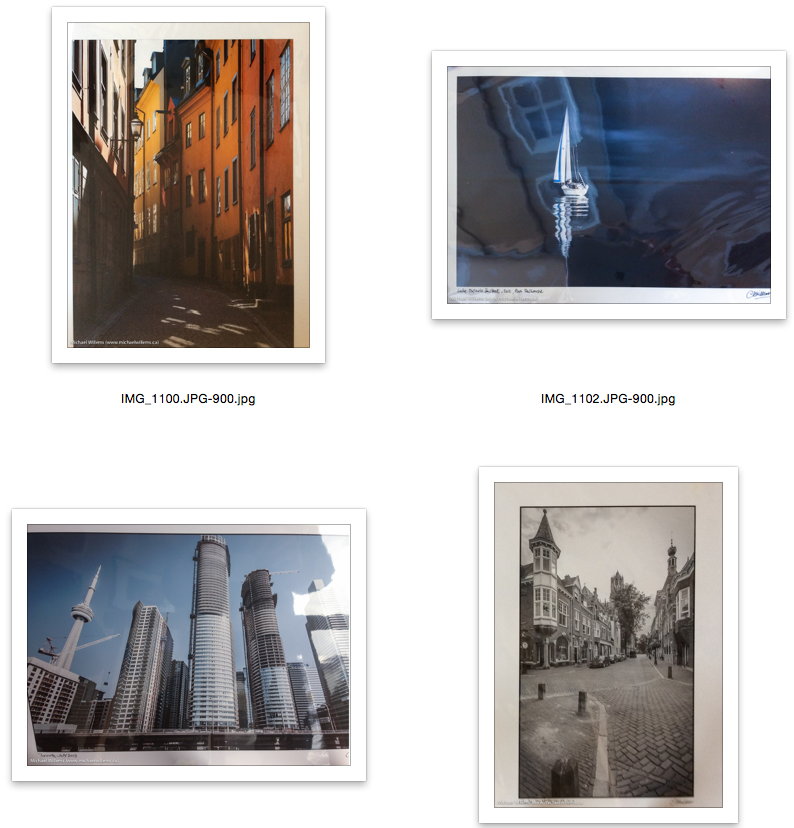
Fourth, I learned again how taste differs and how you cannot argue over taste. Sold prints included:

A sailboat and three urban scenes: Old Stockholm, Toronto under construction, and Utrecht. I can see the attraction of putting major cities on your wall in suburbia. But there are some prints I think are great that attracted no-one; conversely, there was a lot of attention for some photos I thought interesting.

In fact most people looked at the black and white photos, but bought colour photos. perhaps B/W is more artistic, but colour fits better in most people’s homes.

In conclusion, prints have something special, and I strongly recommend you buy, make, and shoot for prints.  You will not regret it.


Did you miss the sale? If you live in the Toronto area, come for a private viewing: the prints are still available.