Dutch Master Classes

You may have noticed: My classes now use the “Dutch Master Class” theme.
20160213-MW5D6506-1024

Why?

Well, I’m Dutch Canadian, so I suppose that is one reason. But more importantly. the Dutch Masters of the 17th century had certain commonalities. In particular, they combined the following properties:

  1. An amazing amount of technical knowledge.
  2. A great degree of creativity.
  3. A great emphasis on light.
  4. A love of realism.
  5. Clear picture storytelling (“narrative directness”).
  6. A love of portraiture.
  7. Great informal rapport with their subjects.
  8. Master Classes, held by experts for their apprentices.
  9. An inquisitive and exploratory nature. A number of Dutch Masters travelled to Italy to learn Light Theory.
  10. The Masters carefully painted some nudes—as much as the times allowed.
  11. They engaged in speculative art: they created art without a sale, in the hope it would sell later.

It turns out that these are exactly the things that makes photographers great. Hence the Dutch Master Class theme.

We can learn from history. Which is exactly what we need to do. The Dutch Masters would be delighted that their art, their learning, their creative insights are being used and taught today, almost 500 years later. In my classes, that is what I do: I continue the tradition of many centuries, and your creativity benefits from it. 
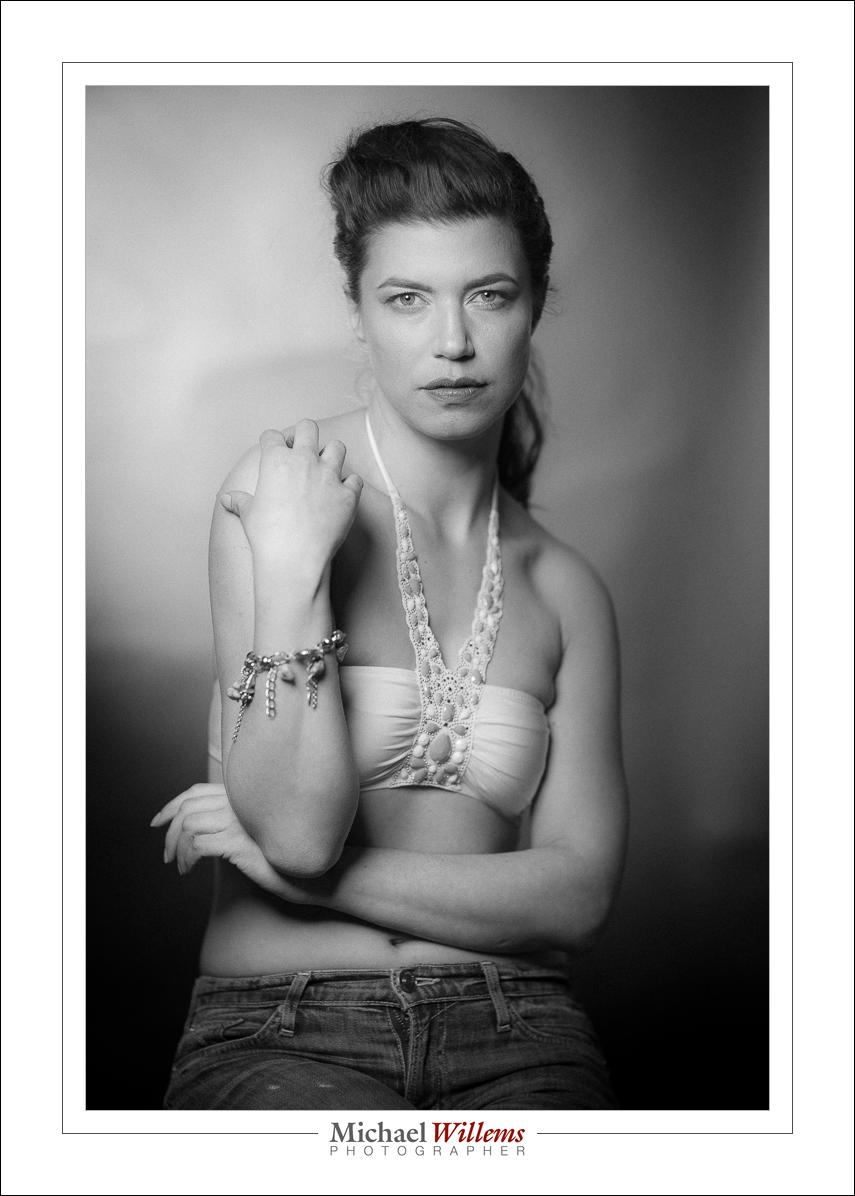
 

Express.

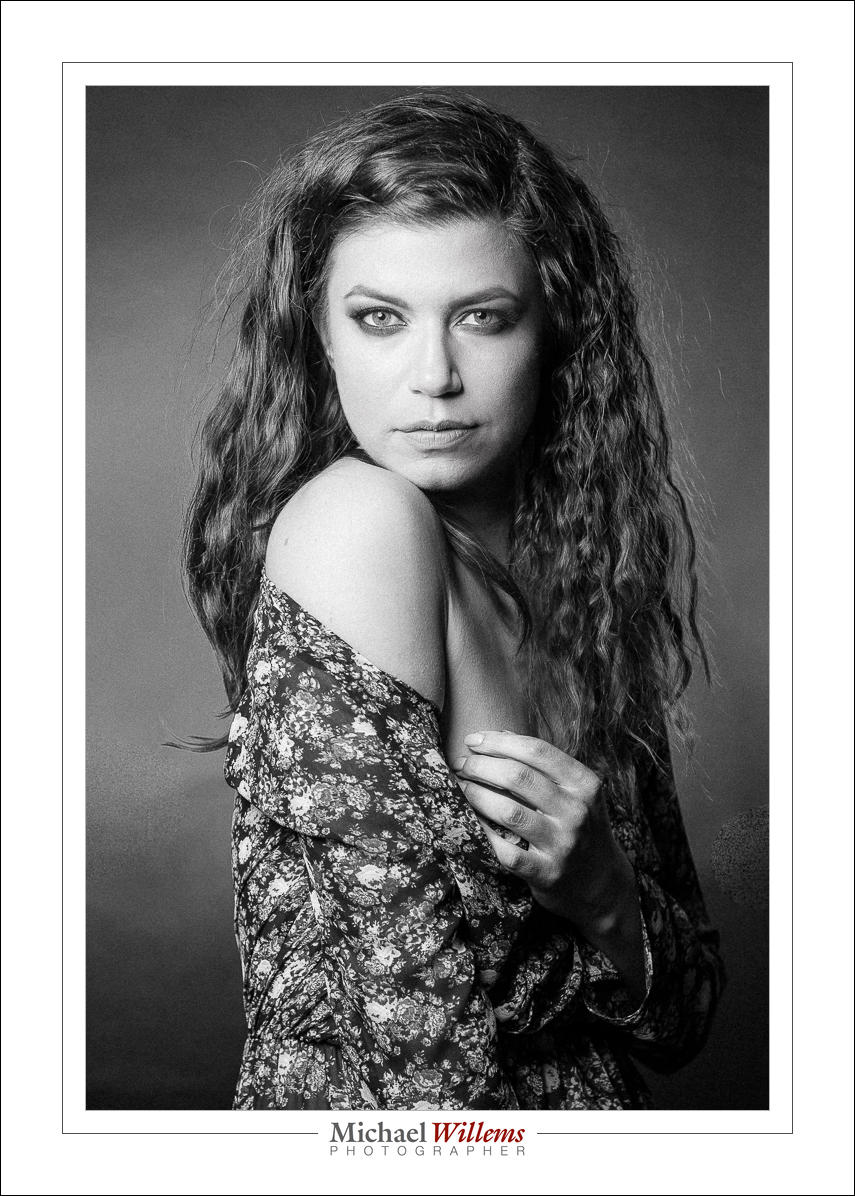
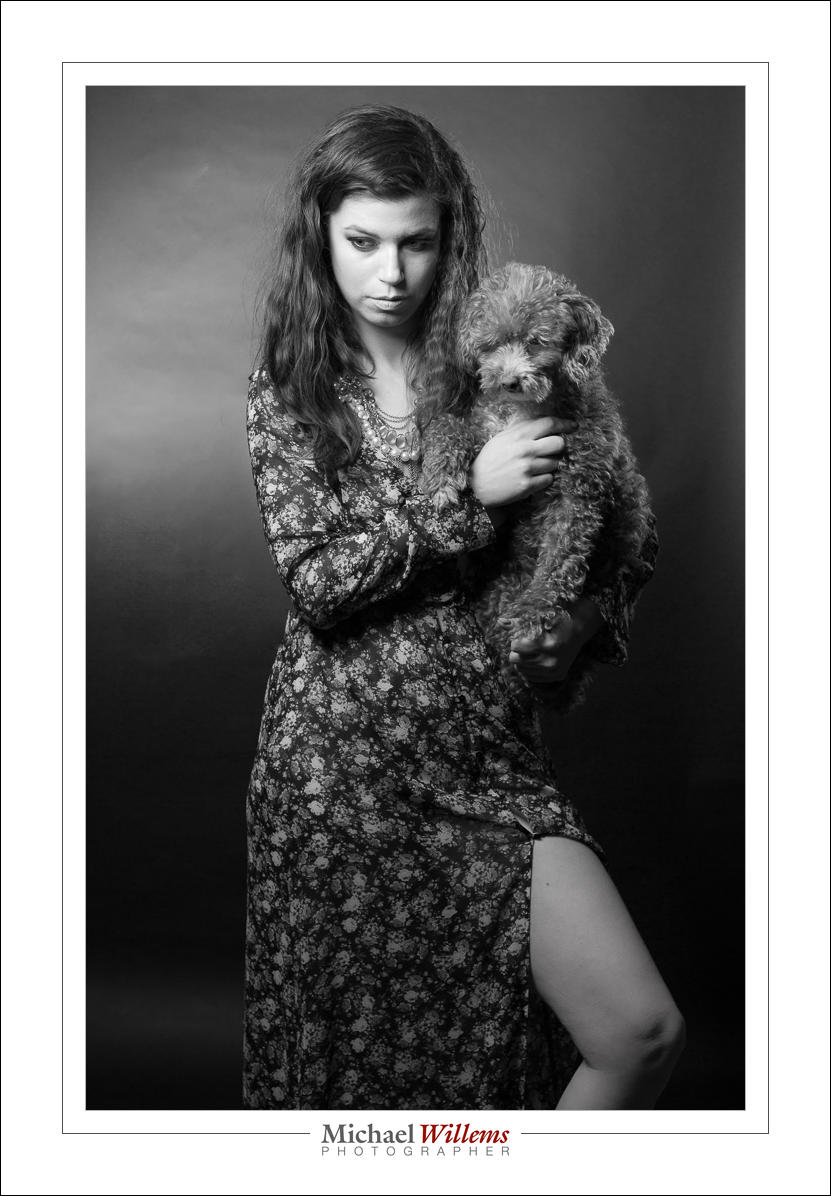
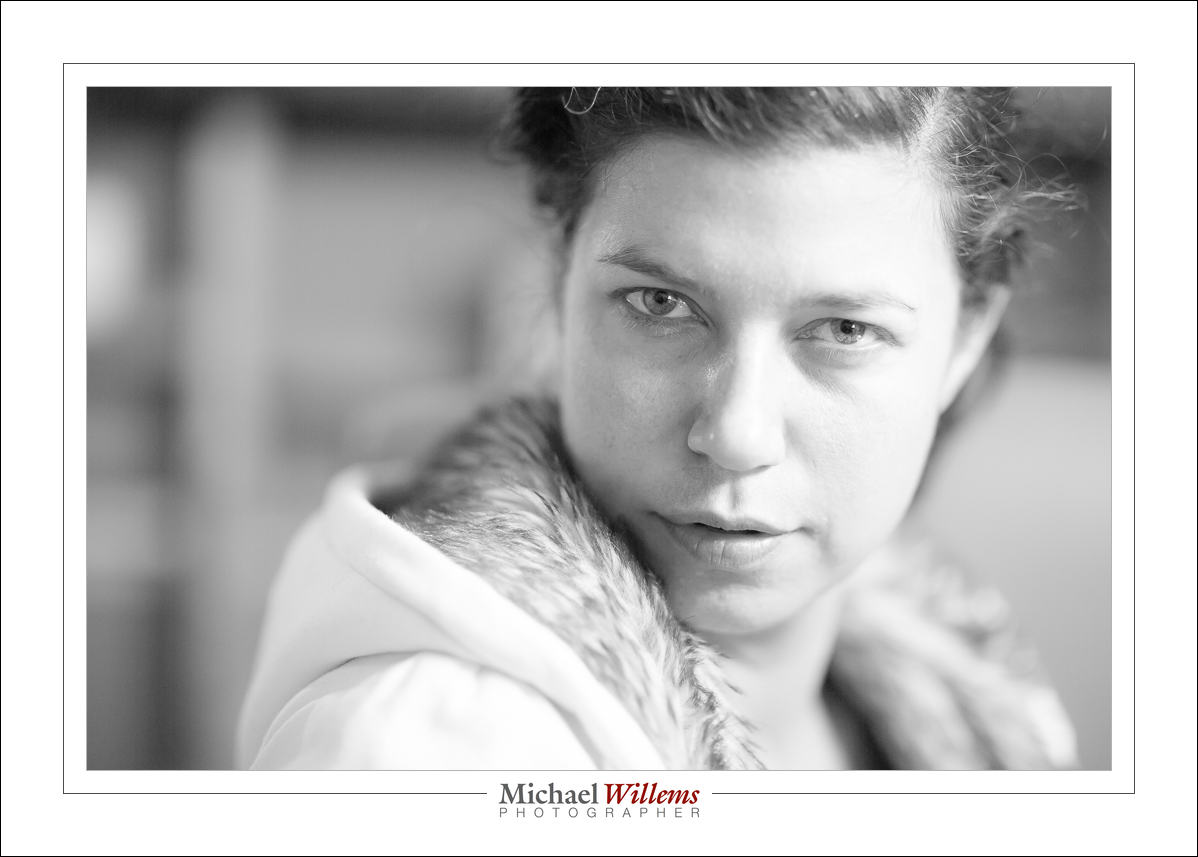
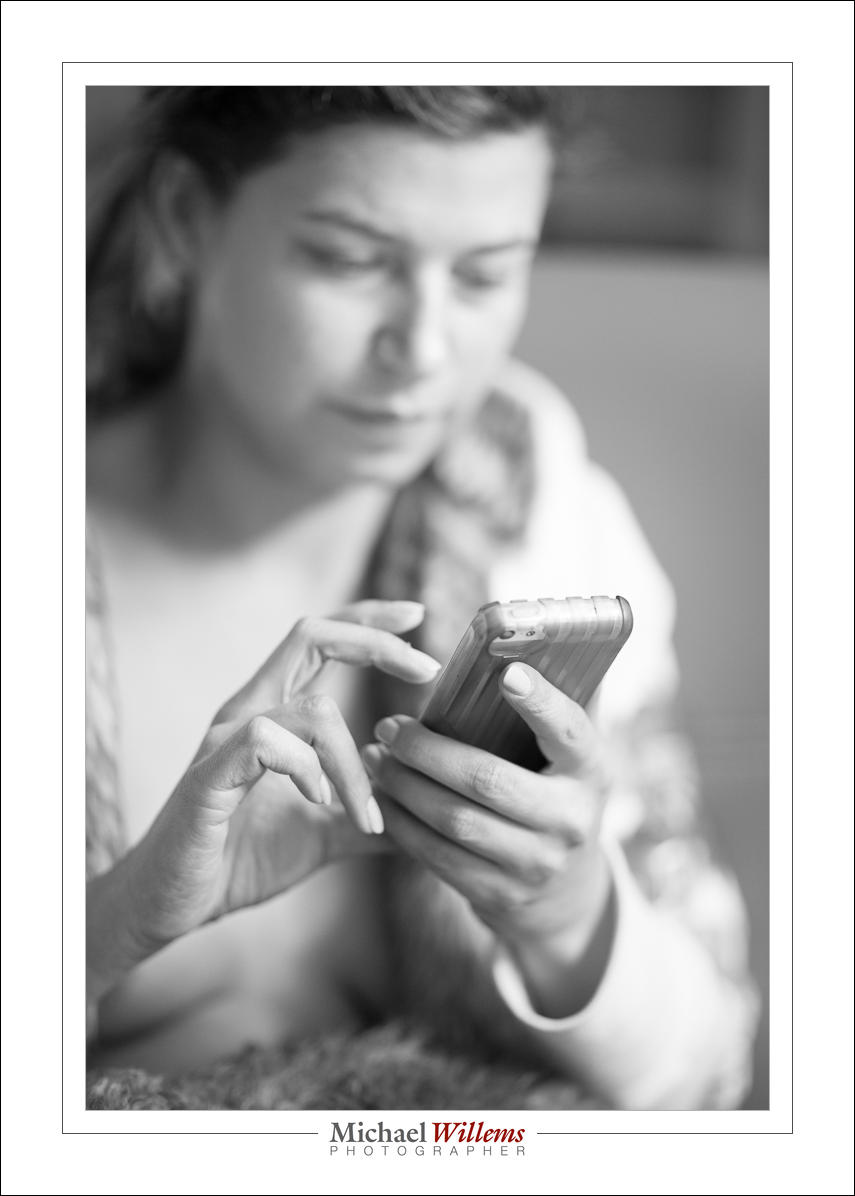
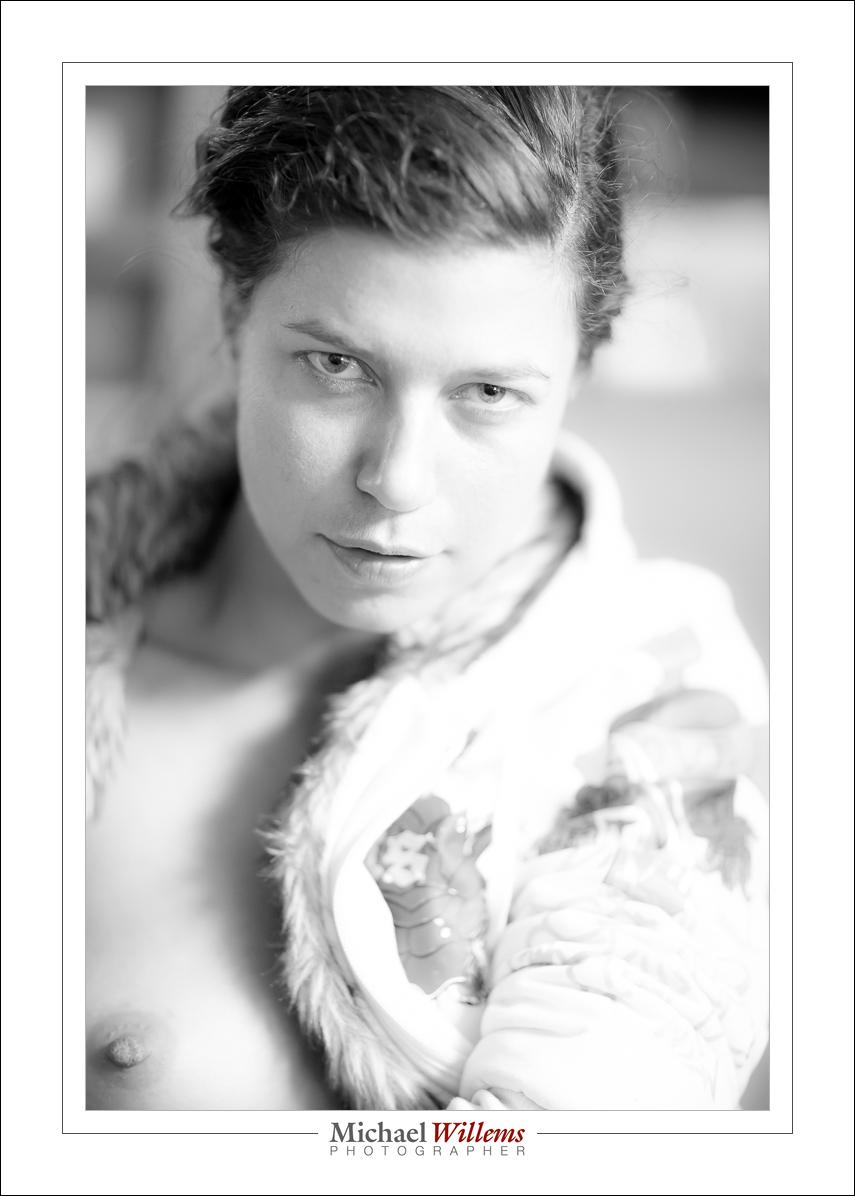
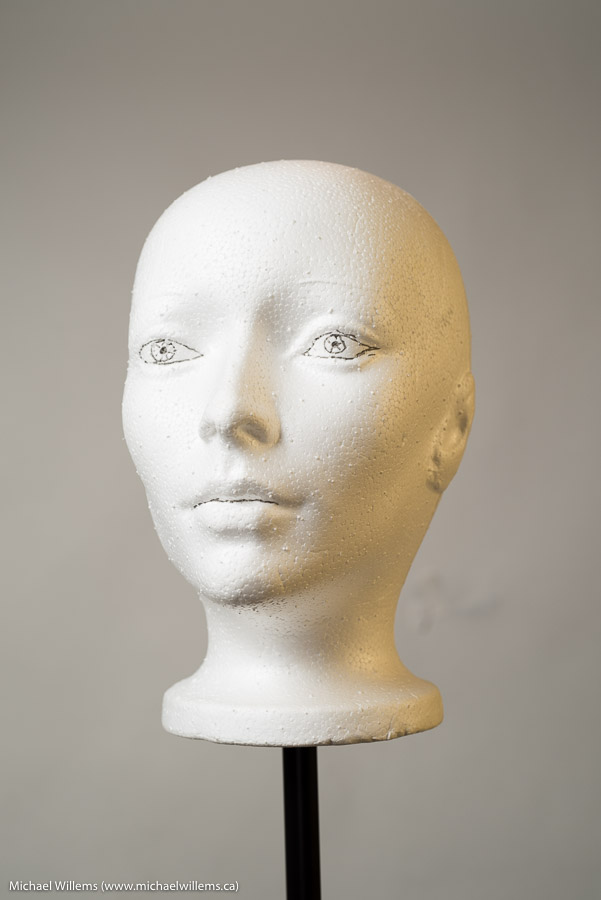
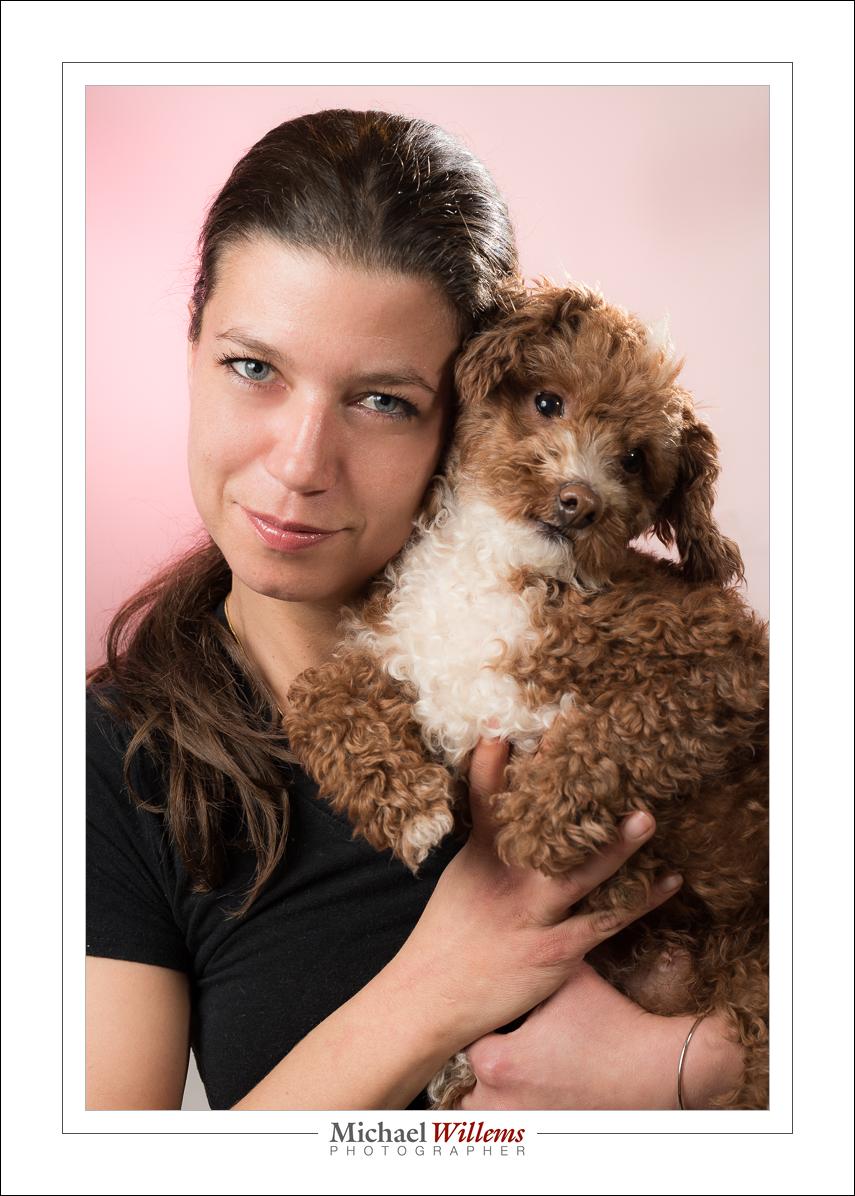
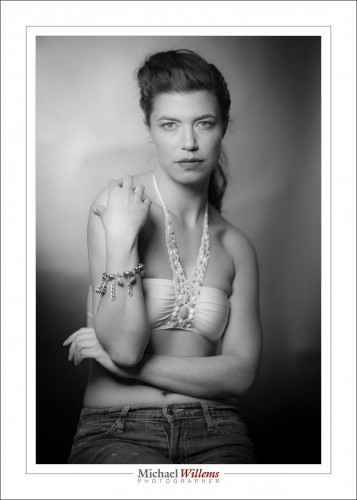
Portraiture is one of the most rewarding types of photography, why? For a few reasons. One, people mean more to us than things. Two, its ability for a picture to tell a thousand words, to be subtle, to infer. It does that more, in my opinion, than macro, landscapes, or most other types of photography. Stones and trees are stones and trees. Nothing against them. But people are more expressive. The human face has more muscles, more ways of expression mood, than anything else in the known universe. That’s why.

Like here:

20160213-MW5D6506-1024

Or like this:

20160213-MW5D6599-1024

Or this:

20160213-MW5D6614-1024

Or these:

20160214-MW5D6692-1024

20160214-MW5D6694-1024

20160214-MW5D6693-1024

Can you name all the moods in those pictures?

And in a technical sense, can you see how I used monochrome to reduce the images to the essence? And how, in the last three, I use selective depth of field to emphasize my subject? Those were all made at around f/1.4 using an 85mm prime lens. If you want to be a portrait photographer, I recommend you get a fast (low f-number) prime (fixed) lens. Nothing like it!

  • Shoot: Feb 13/14, 2016
  • Model: Kim Gorenko
  • Make-Up: Janice West
  • Photo: Michael Willems

Trixie

Little trick.

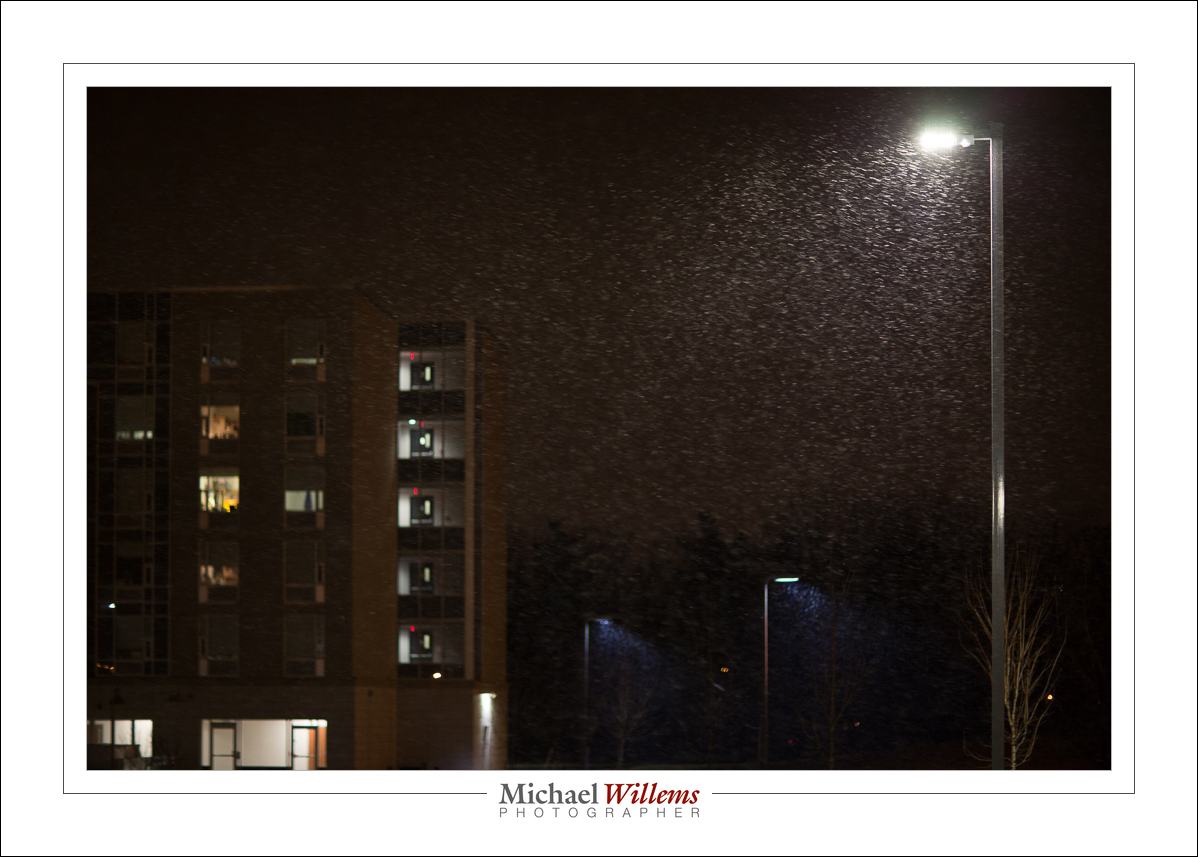
Look:

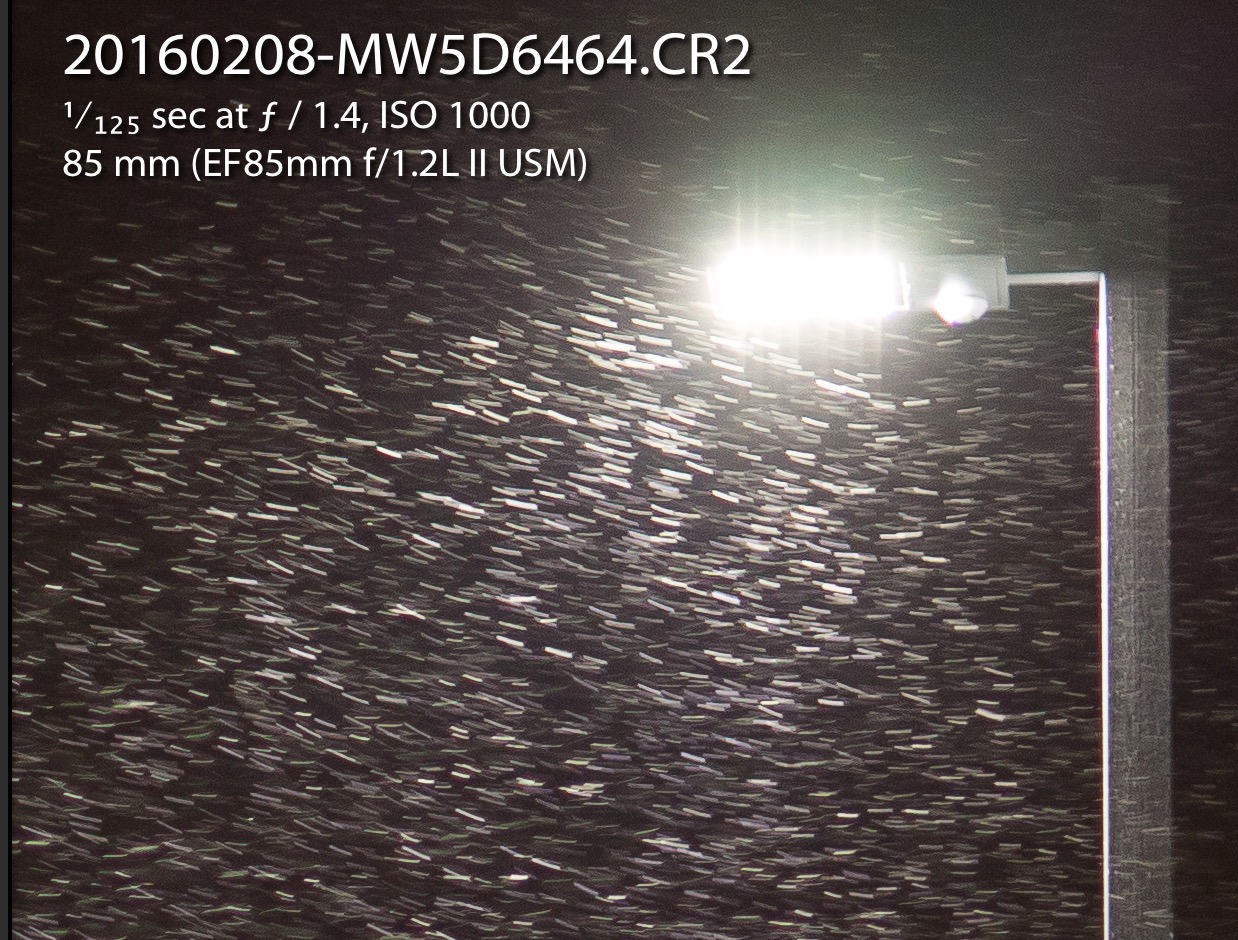
20160208-MW5D6464-1024

Outside my Sheridan classroom, Monday night.

So. I am curious. How fast was the wind blowing?

snow speed

Based on that, I estimate with a fair degree of accuracy, based on the light stand width, that those snow trails are 5cm in length (that’s about 2″).

So. Snow (and thus, the air) travels 5cm in 1/125 second.

That is 625 cm in a second (5 x 125, since the shutter speed is 1/125 sec). In other words, 6.25 m/s (metres per second). That’s how scientists and engineers express speed.

That is 6.25 x 3600 m per hour, i.e. 22,500 metres per hour.

In other words, 22.5 km/h. (=14 mph, or 12.5 kts).

That is a Beaufort scale force 4 wind, or “Moderate breeze”.

And all that because I have a camera. A curious mind is, well, fun.


A student asks.

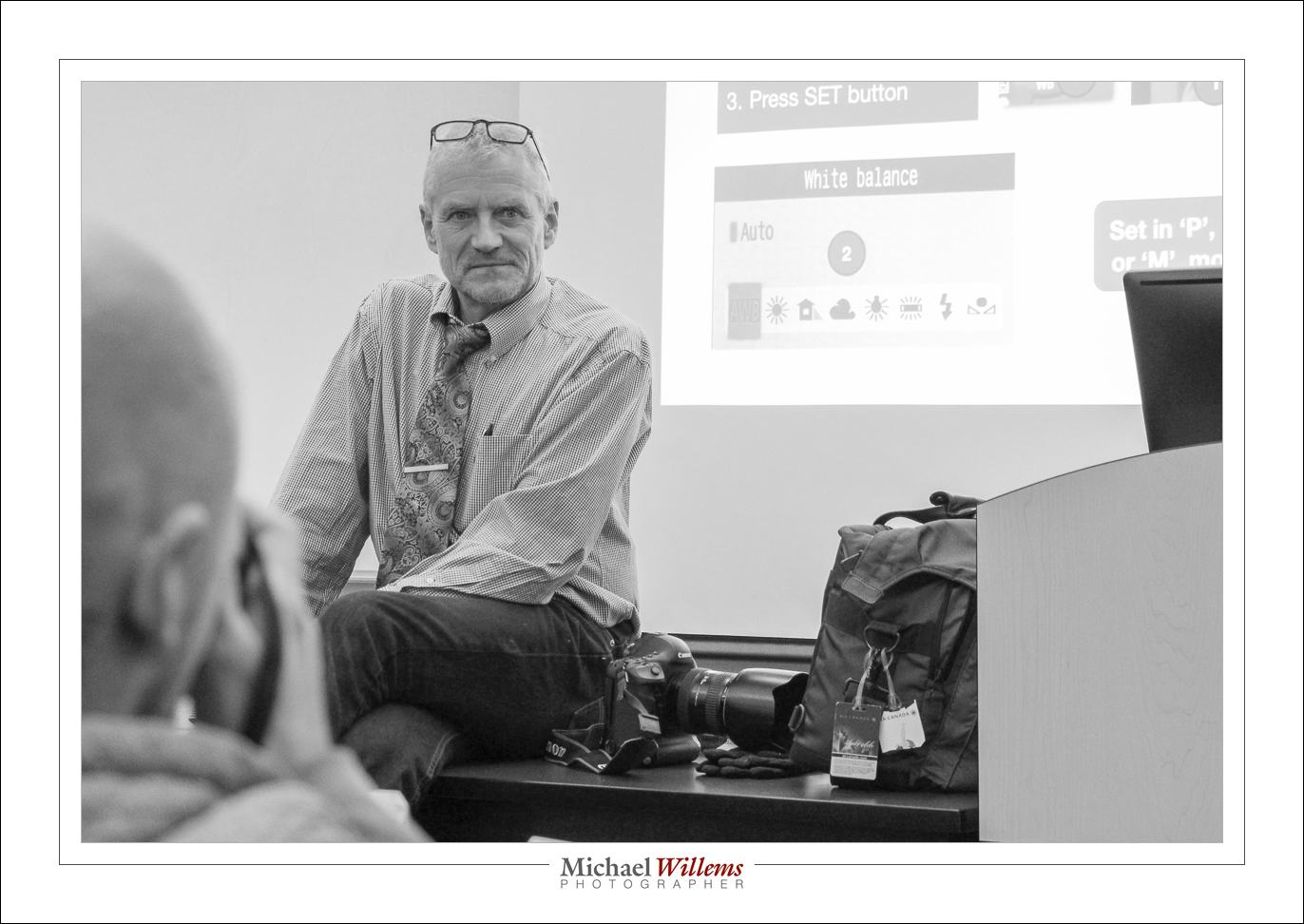
Here’s me, teaching a Sheridan College class just the other day:

20161107-IMG_6873-1200

My student asks:

How did you know you were ready/good enough to charge for your service?

You are ready when people think it worth paying you. Period. Of course yes, you should have the standard technical skills: know about exposure, focus, colour, metering, all those basics. And the basic composition rules. But that is not indicative of a successful photographer; those are merely “hygiene factors”. Like saying an author needs to own a pen, and paper, and know the alphabet. Well, yeah, d’oh! If you are not 100% sure you have all those skills, get my camera books from www.michaelwillems.ca/BOOKS.html

But as said: you are good enough when you manage to make people part with their money. In other words, when people want to pay for your work, your work is good enough to be paid for. A truism, but a true one. 🙂

Would you say there is a specific set of equipment you need to be able to charge for, say, a wedding shoot?

Yes. redundant equipment.

Lots of lenses, several cameras, lots of flash gear: all that is good but not necessary. Depending on your style and your clients’ wishes, you COULD shoot a wedding with just one wide angle prime, for instance. Or a 35 or 50mm prime. The equipment expands your possible styles, that’s all.

But redundant (spare) equipment and at least some form of flash is necessary. It is irresponsible to shoot a wedding if you do not have backups for everything. Because anything that can fail, eventually will. Count on it. And it will be during the ceremony, in the middle of the most important part.

…Or for a portrait shoot?

No. A digital Rebel with a 50mm prime lens is enough if you will. Sure, the more the better, but by no means is that necessary. Sure. Headshots: nice to own a 70-200. Environmental portraits? a 16-35. Available light? a prime. But all those are just means to an end. If you do one type, have one style, then you need only one lens. And an affordable prime is enough. For studio, even a kit lens is fine.

Then you do need a range of flash gear and modifiers. See my flash book, and my portrait book, from www.michaelwillems.ca/BOOKS.html


Options

A recent encounter with a photographer leads me to re-iterate my message here: technical prowess can help expand your available options.

One of those is the use of light. Getting creative can involve any kind of light. Not just “available”, not just “Flash”, not just any type.All types. Why restrict yourself?

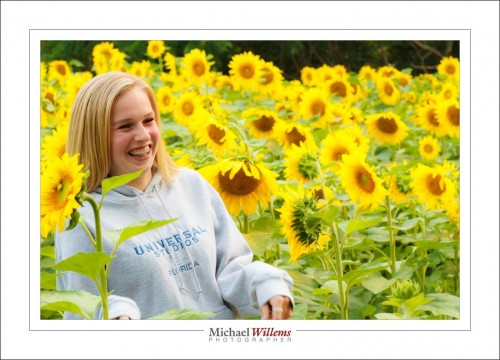
Take a portrait in a sunflower field. a “natural light only” photographer can do this:

20140807-MW7_8535-900

Nice. But I prefer for my subject to be the “bright pixels”, because 0f Willems’s dictum that:

Bright Pixels Are Sharp Pixels.

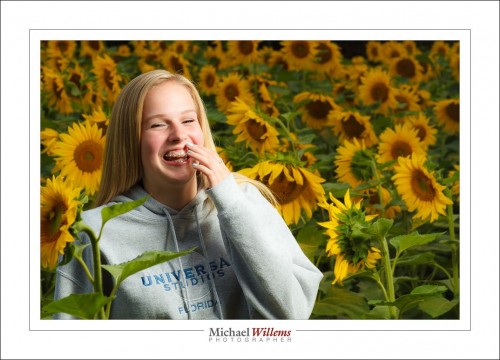
So I, an “everything” photographer, can do the above, but I can also do this:

20140807-MW7_8533-900

Which one do you prefer? The point is not that one is better. The point is that with flash added, you have a wide range of opportunities.

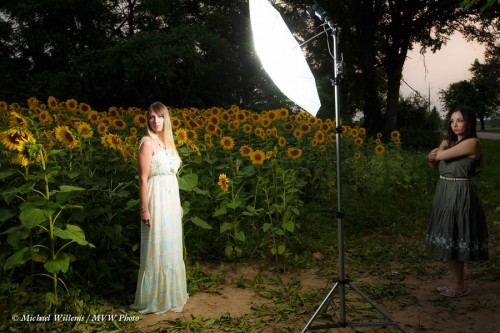
The above shot was made with nothing more than my camera and my usual portable umbrella outfit:

20140807-MVWX8477 (1)


By the way: My Dutch Master Class® courses teach you how to do this; how to think about flash; you learn the Three Essential Recipes: you get everything you need to get your vision into your work.

Night time.

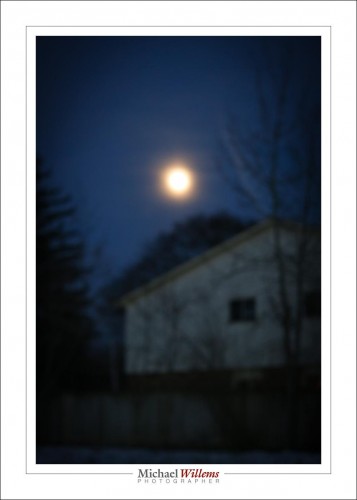
It’s early night, here in Brantford, Ontario.

20160122-MW5D6034-1024-2

The full moon pretty much guarantees that the local police will have a busy night. And I am taking a snapshot on my way from the convenience store to my home. The moon needs “Sunny Sixteen” (search for it here). Meaning it is as bright as earth at noon on a sunny day.

So getting them together is impossible. And when you want to get a photo like the one above, your best bet is to slightly over-expose the moon, so that you can get at least some light into the dark part of the picture.

Why don’t you go outside right now to take a few snaps?

What should I buy?

I hear that a lot, that question. Especially as in “should I buy Canon or Nikon”, or “can I buy Olympus [etc])?”.

That is a tough question to which there is no one good answer except “it depends”. It depends on things like:

  • Are you already invested in lenses, etc, of one brand? Then that has the edge. Provided you can use that equipment.
  • Do you want a LOT of support, knowledge, available third party hardware, etc? In that case “Canon or Nikon” is a good answer. There is less support for Pentax, Olympus, Fuji, and so on. If that is very important to you, shy away from those. But it is only important to some people, who use their equipment very intensively.
  • Do you like the menus, etc, of one brand or another? Personally, I do not like the Sony menus one bit. That would at least slightly edge me toward that brand if I were to buy new equipment from scratch.
  • Do you really like one brand or another? Then buy that brand.
  • Is the range of cameras, lenses, flashes, etc better in one of the brands you are considering? Then that is the right answer.

There are no bad brands: technically, these are great times to be a photographer. I think that a very important thing is to actually hold the equipment you are considering and use it for at least a few minutes. If you do not love the gear you are holding in thos eminutes, you will never love it.

So in essence: buy the brand you like, but hold it by the logic of the points above.

Michael


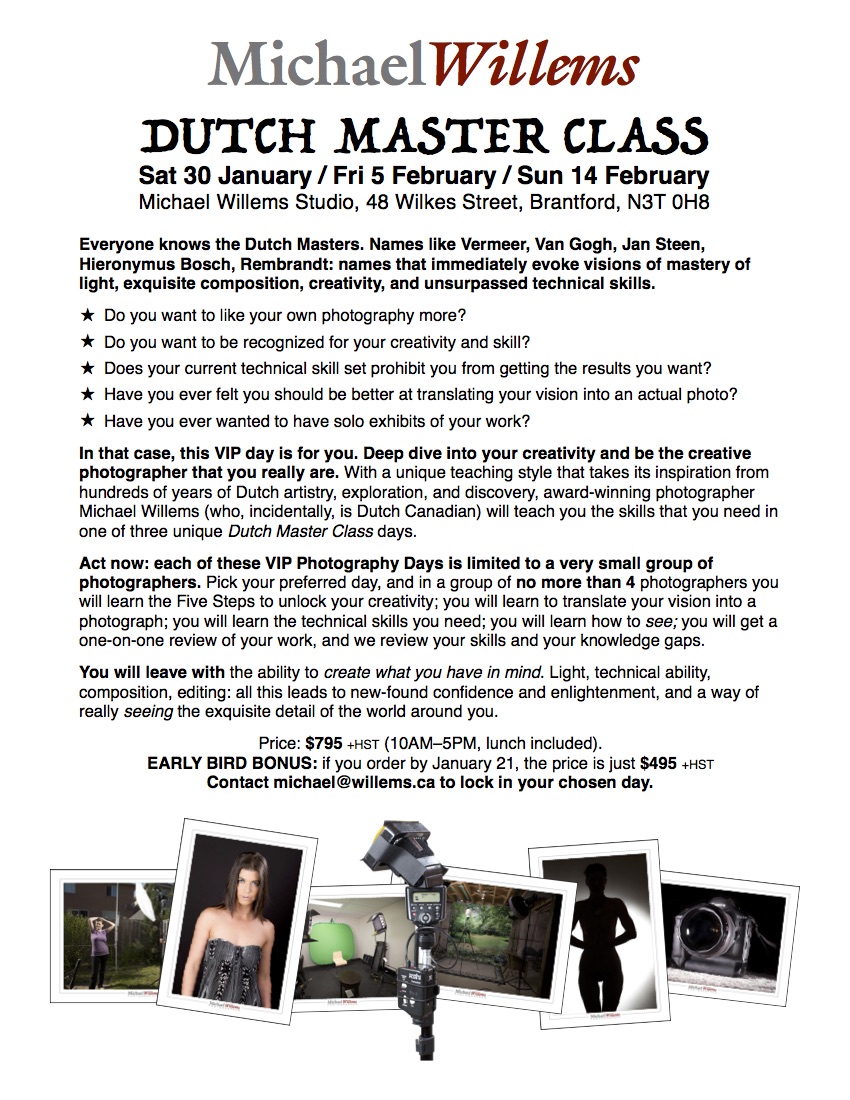
PS: if you want to be admired for your work, consider my VIP Dutch Master Class sessions later this month and in early February: now with different VIP bonus, longer duration, and fewer students.

Size Matters

Focal length, that is; i.e. size of your lens. For example, when doing portraits.

General rule for headshots: the longer the lens, the better.

But it is not the lens that does the magic. It is your proximity to the subject.

With a short lens, like a 50mm, you need to be close to the subject. That causes some distortion; the closer, the more.

With a 200mm lens, however, you can be far, leading to a much more neutral, less distorted view:

See the difference? And that is viible on real faxes, too:

…and that is why my 70-200 lens is my favourite portrait lens. Provided I have enough space.

And that is where the second advantage comes in: being farther away, you are perceived as less “threatening” by your subjects. Meaning less awkwardness.


Unleash your creativity

Everyone knows the Dutch Masters. Names like Vermeer, Van Gogh, Jan Steen, Hieronymus Bosch, and Rembrandt. Names that immediately evoke visions of mastery of light, creativity, and unsurpassed technical skills.

  • Have you ever wanted to be as creative as a Dutch Master?
  • Have you ever wanted to be complimented on your photographic work?
  • Have you ever wanted to have solo exhibits of your work?
  • Have you ever felt that there was so much more in you than you are getting out?

Unleash your creativity and be the photography pro that you really are. With a unique teaching style that takes its inspiration from hundreds of years of Dutch artistry and of Dutch exploration and discovery, award-winning photographer Michael Willems (who, incidentally, is a Dutch Canadian) will teach you the skills that you need in one of three unique Dutch Master Class days.

Act now: these VIP Photography Days are restricted to very small groups of emerging photographers. Pick your preferred day, and in a group of no more than 5 photographers you will learn the technical skills you need; you will learn how to see; you will get a one-on-one review of your work, and we review your skills and your knowledge gaps. Subjects include flash, studio portraiture, shooting a model, and many more, and will feature an introduction to both Adobe Lightroom and Printing. You will leave with real pro experience, vast technical knowledge, a new-found enlightenment and confidence, and a way of really seeing the exquisite detail of the world around you.

Price: $795 (lunch included).

EARLY BIRD BONUS: if you order today, January 7, the price is just $395.

Contact michael@willems.ca today to lock in your chosen day.


NEW: Learn To Look Again!

Have you ever thought that photography is all about seeing? That you could do it and be creative, if only you could see the way other photographers see?


If so, you are right. Creative photography is about opening your eyes, almost like a newborn baby, seeing the world without the old preconceptions that are now hindering you. Learning to spot fresh new patterns. Learning to see again from scratch, in other words.

And the great news: this is a skill you can learn!

If all that sounds just right, then you will love my new free six-day e-mail course called “Six Day Seeing”. Over the course of six consecutive days, you and other Six Day Seeers will receive an exciting creative assignment each day.

Shoot that assignment, using whatever camera you like, and upload your work to the special members-only Facebook group that accompanies the course.

UNLEASH YOUR CREATIVITY AND JOIN NOW! The course starts in January, so sign up as soon as you can. It’s free, it’s fun. and above all, it’ll help you unleash your creativity.

Read More, And Sign Up:

www.michaelwillems.ca/SixDayCourse.html

After you sign up, you will receive confirmation via email, and you will receive your first assignment in January. There’s no charge, no obligations: it’s simply to help you open your eyes. You can use any camera you like: even your iPhone if you so choose. This is about seeing, not about buttons, switches, or square roots.

Join the adventure… and: enjoy!
Michael