Starting With Greys

Greeting from The Netherlands, where my teaching tour continues Saturday. But for you, a note about photo post-processing, and about a popular technique, today.

The thought behind this technique is that the “blacks” in your picture do not necessarily have to be black; sometimes a little lighter is OK; the resulting “matte” look can be good.

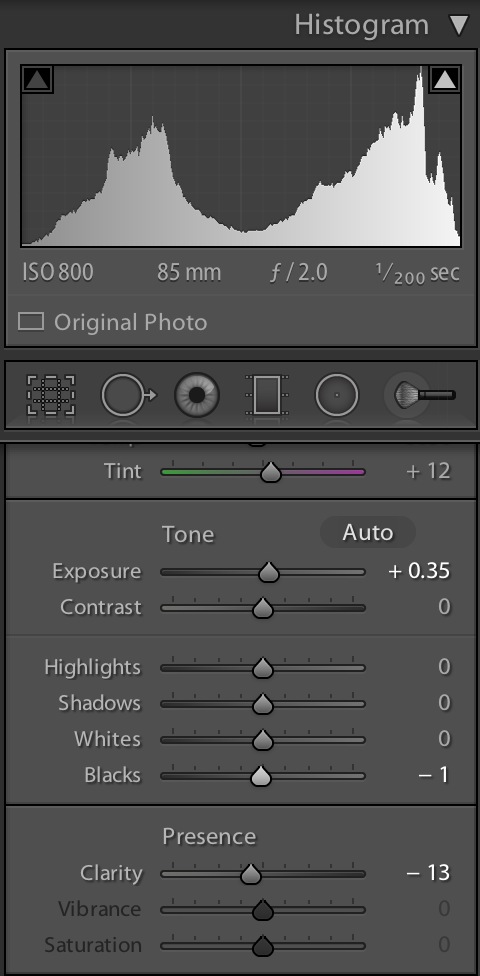
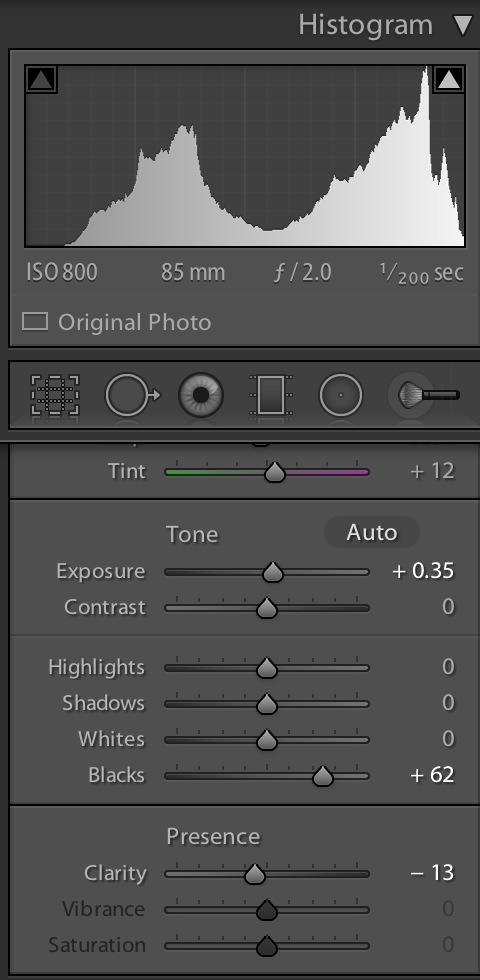
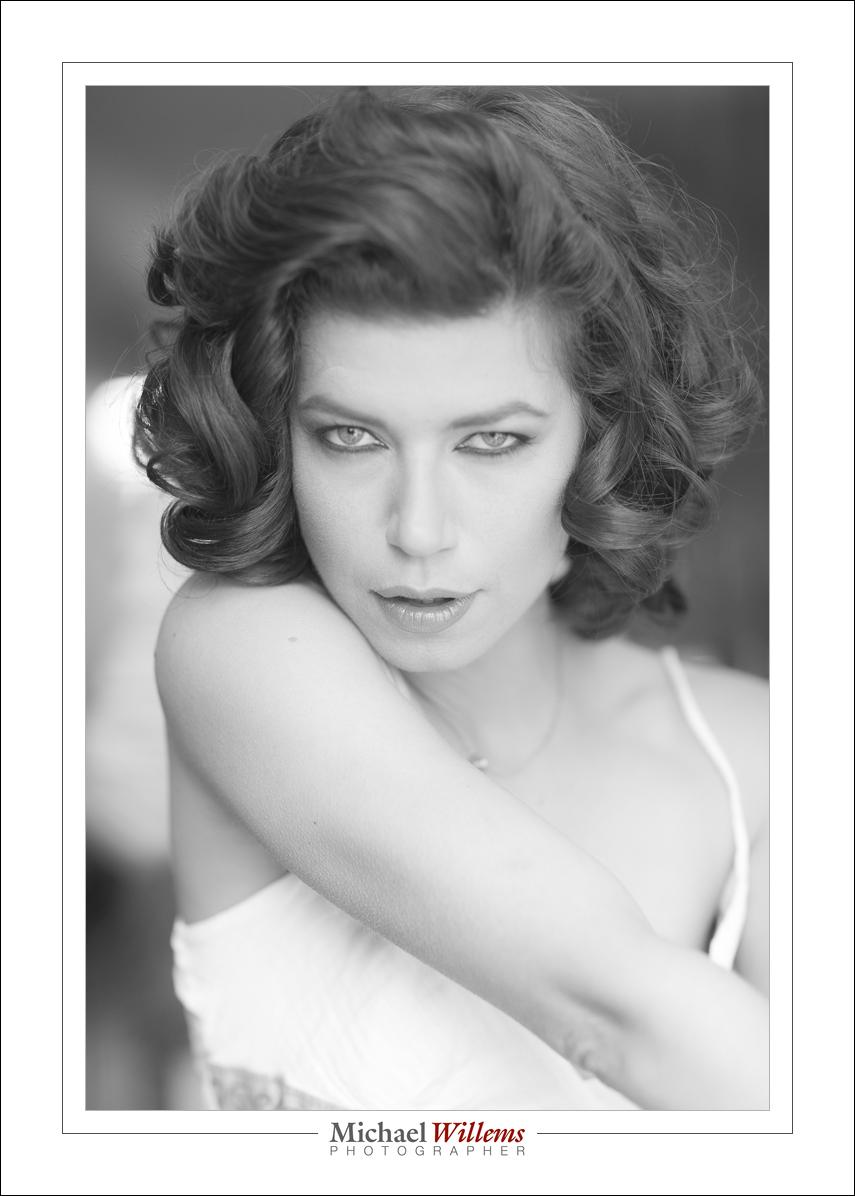
Look at this image and the accompanying Lightroom “Develop” settings in the “Basic” pane:

Now the treated version: where I made the blacks “not quite black”. The Basic pane looks like this now: look at the “Blacks” slider:

And as you see, the histogram no longer starts on the very left.

The very left of the histogram represents “pure black”; dragging “blacks” to the right makes the start point of the photo (the darkest areas) not “pure black”, but “slightly grey”. This leads to a matte paper type look:

The difference is subtle but clear, once you look at both side by side, or in succession—try.

And as said, this “matte paper” look is very popular among photographers now. I am not sure I am quite as enthusiastic, but hey, never too old to learn.


Photos Graphein

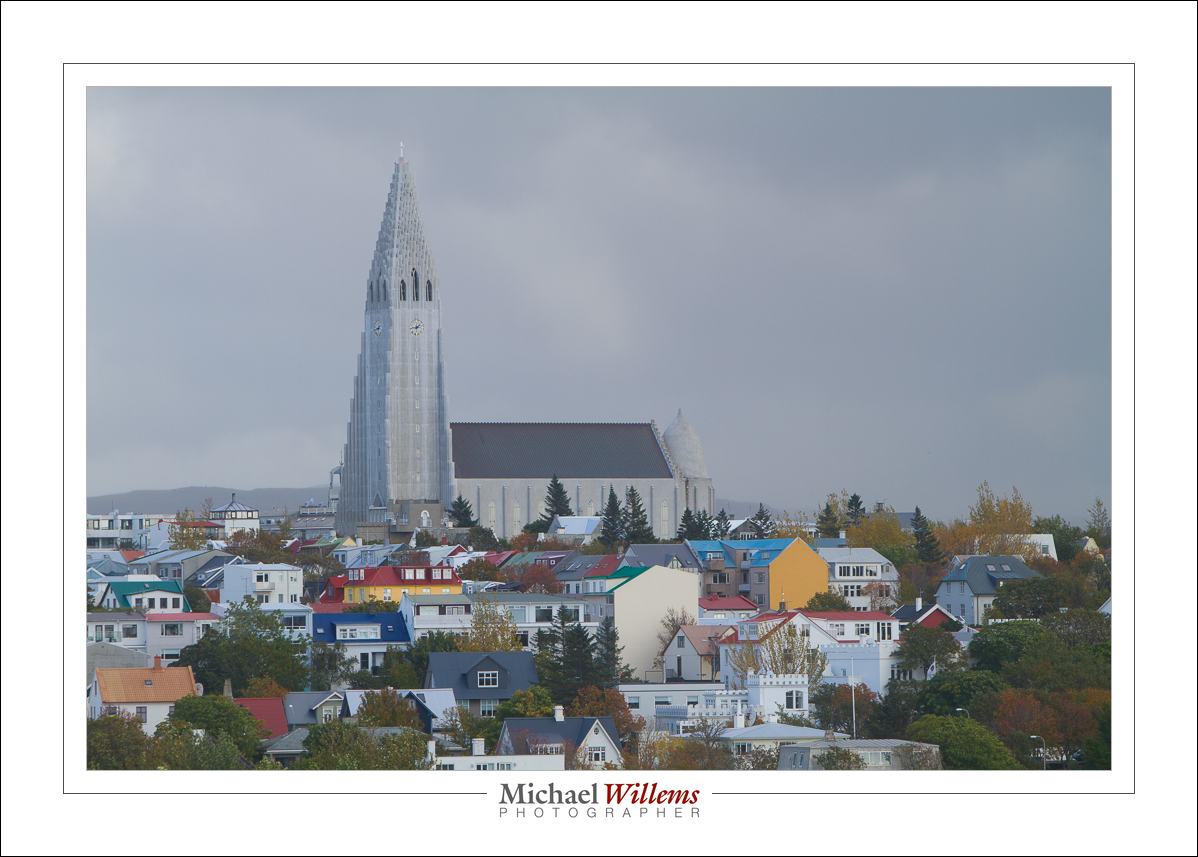
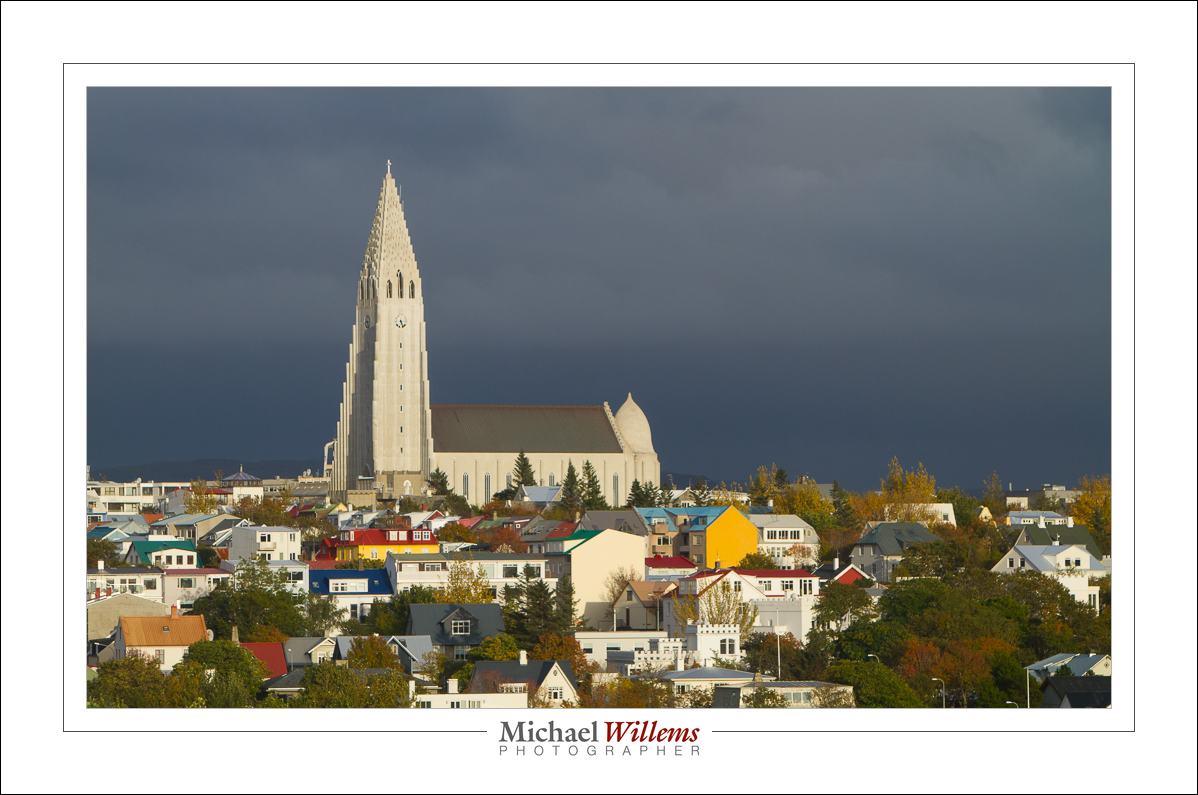
Writing/drawing with light. That’s what photography means. And sometimes that means just waiting. Look at Reykjavik, the Hallgrímskirkja, two photos I took today. One in the morning, one just now, late afternoon:

Need I say more?

I don’t think so, for once. Except perhaps “look for that golden hour light, especially on dark, dramatic cloudy days”.

Yeah and Reykjavik is the capital city of Iceland.


Myth-busters!

(To the tune of “Ghostbusters”).

Often, my posts point out common myths and misconceptions. Of which there are many… many. On the Internet, no-one knows that you’re a dog, and no-one knows that you are wrong.

So, two oft-heard “truths”:

  1. You cannot shoot with TTL if you are a pro.
  2. You cannot use just one light for a serious portrait.

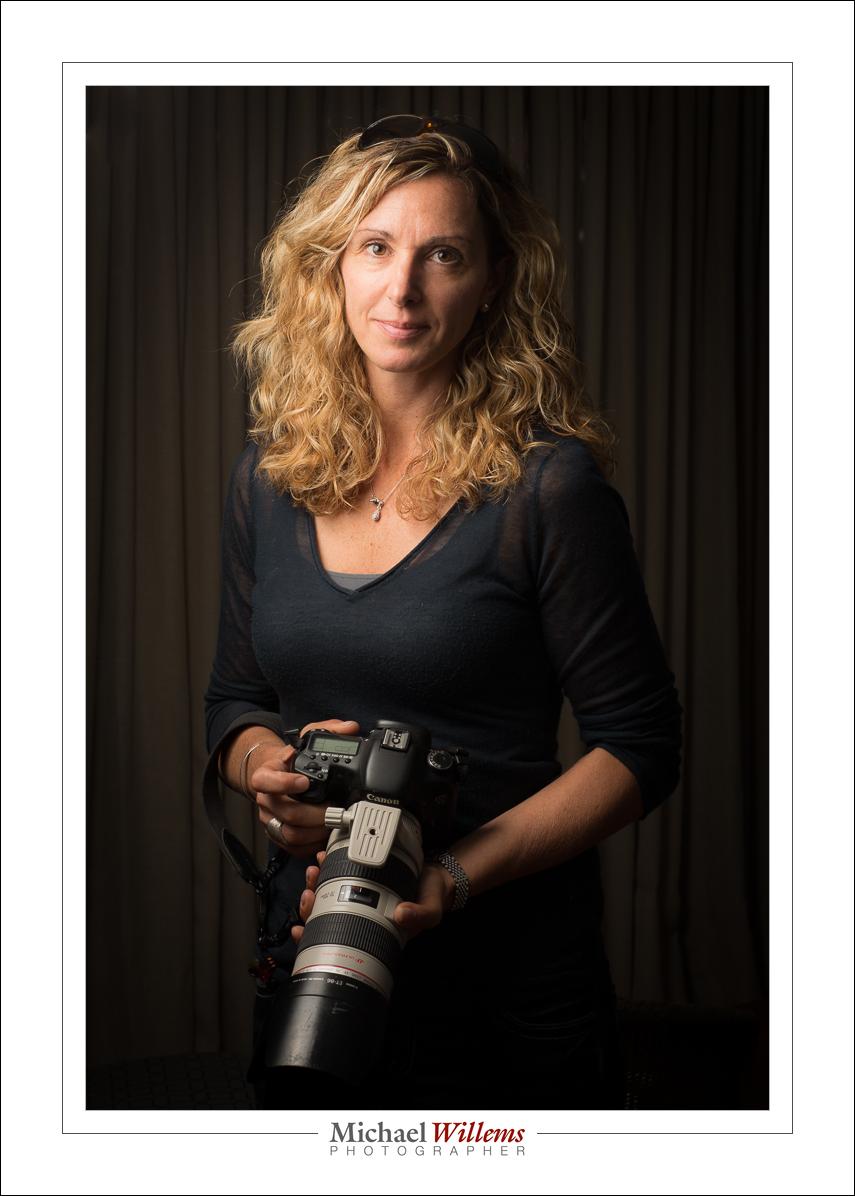
So. TTL was used in this portrait of students and friend Diana; remote TTL in fact (light flashes from on camera flash drives off camera flash); and the light was one flash through an umbrella. The on camera flash was disabled, except for those light flashes.

1/125 sec, f/8, ISO100.

The curtain was chosen as a classy background, but the umbrella was close to the subject so the curtain would get little light. TTL handles this fine; if the subject had been too light or too dark, a touch of flash compensation would have sorted that out.

The one light-with-umbrella gives us enough light for a portrait with Rembrandt lighting. Fairly dramatic chiaroscuro-type lighting, but not so dramatic that it becomes unflattering. On the contrary, this is nice light.

The blonde hair stands out nicely against the dark background; dark hair would have needed more light.

So there, a real portrait with “studio settings”, i.e. just one light, and using TTL. I could do that all night.


The method

More and more, I am honing my flash teaching into a well-defined method. It comprises theory and practice, including:

  1. Basic theory
  2. Tech: Tools
  3. Tech: Modifiers
  4. The Epiphany…Turn Your Thinking Around: Balance
  5. The Four Flash Lighting Types
  6. The Three Starting Points: outdoors, indoors/party and studio
  7. Learning Bouncing
  8. Flash or strobes?
  9. Off-camera flash
  10. Learning The Limitations
  11. Getting Creative, Post-work, and minimizing the latter
  12. Troubleshooting

The emphasis is on obtaining a Quick Start.

Today, a quick tip.

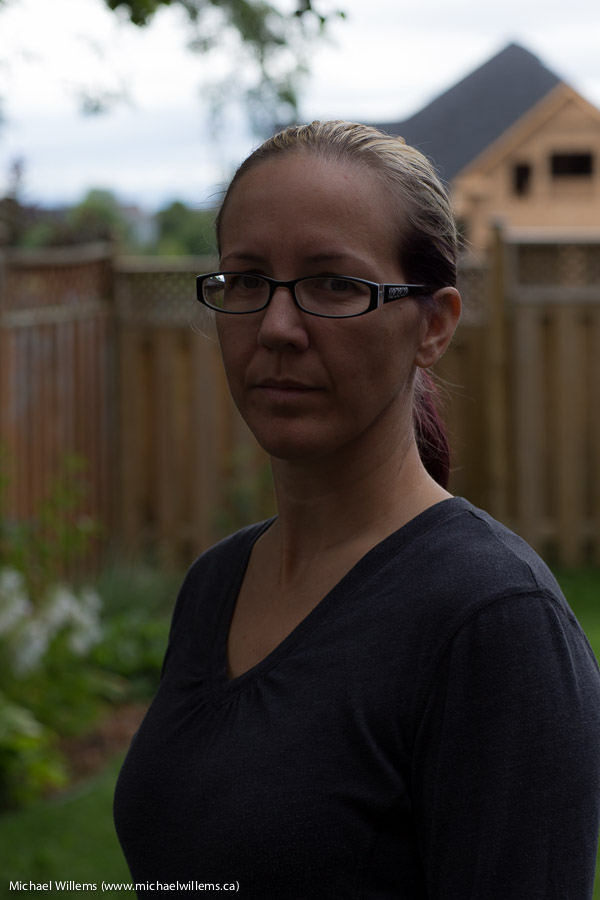
Namely: Conceptually and in practice, split your photo into background/ambient and flash: two different shots, and treat them as such!

Here’s background: a very talented photographer I had the honour of teaching a few days ago. or rather.. the background behind her.

Aim for minus 2 stops (—2 on the meter).

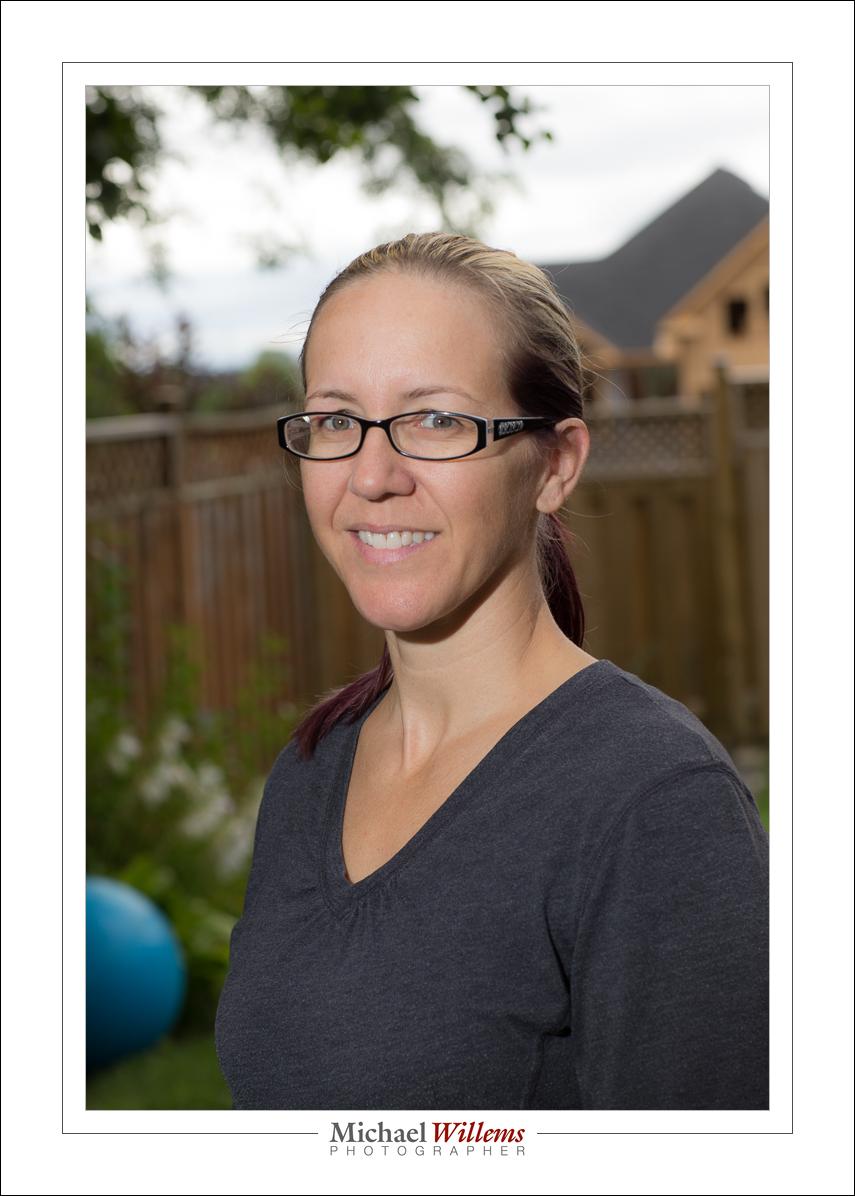
Now add flash,. so we get background plus Flash:

There you go. And that is direct flash, hand-held, but off camera.

This is how it works. Not complicated, and in my courses and books (see http://learning.photography) you get the practical start points (f-this, ISO-that, etc) that allow you to get this right off the bat 90% of the time. Learn this stuff: it is such a nice experience to be able to light things predictably, and well!

Back to writing the “Portraits” book.


Post

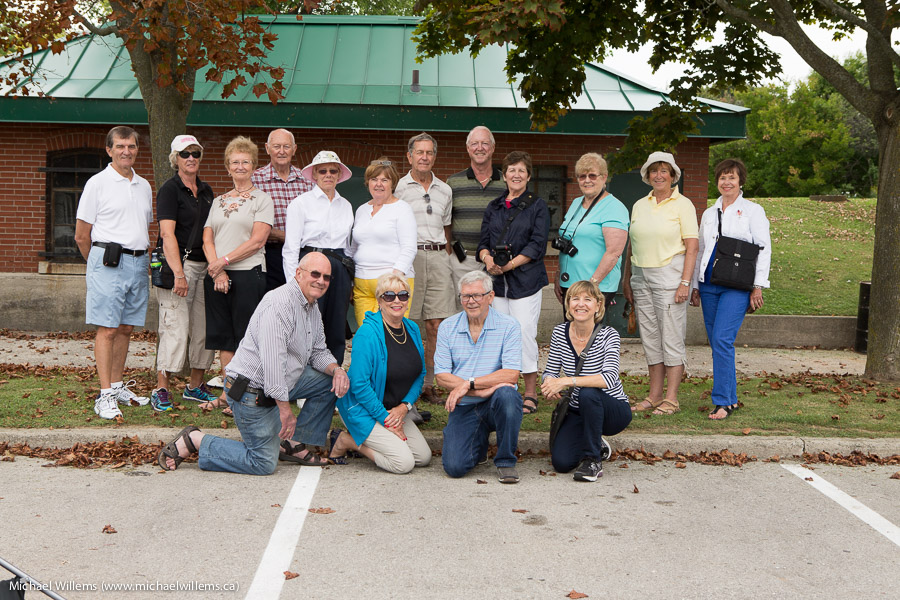
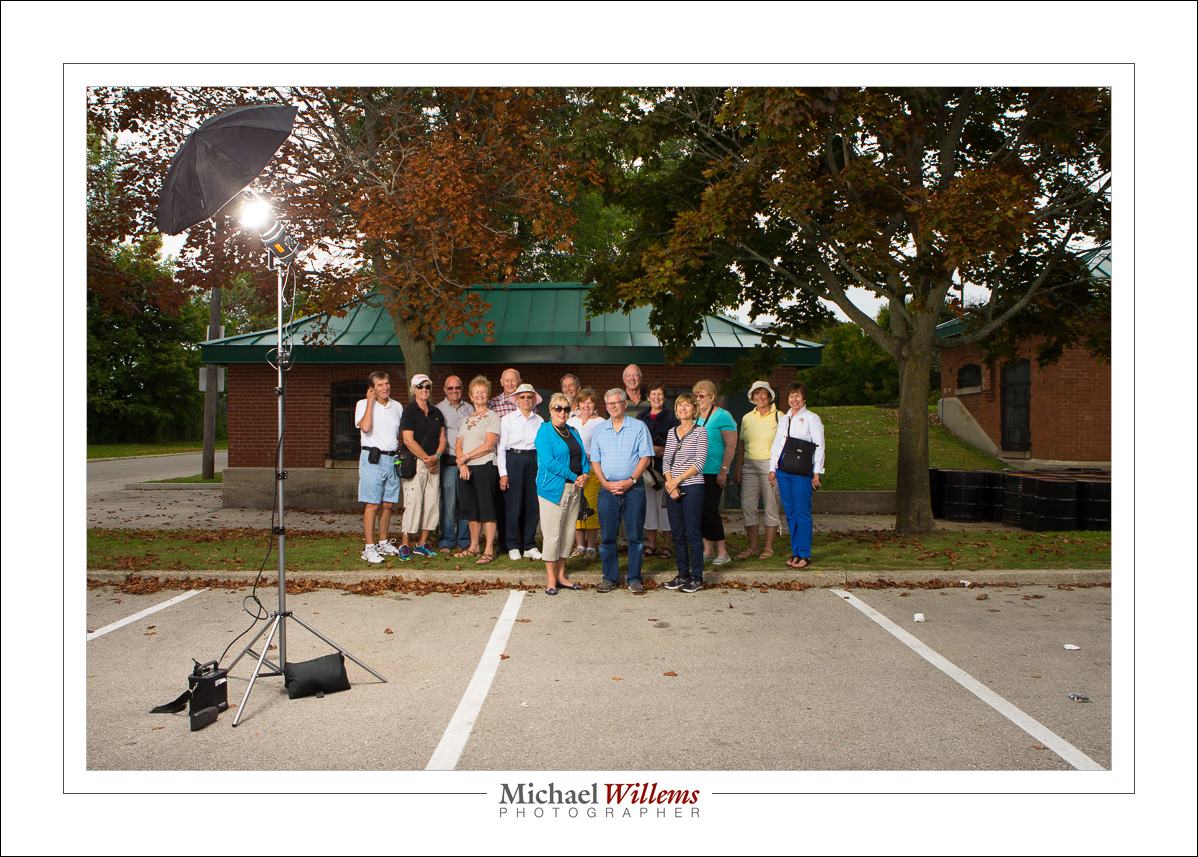
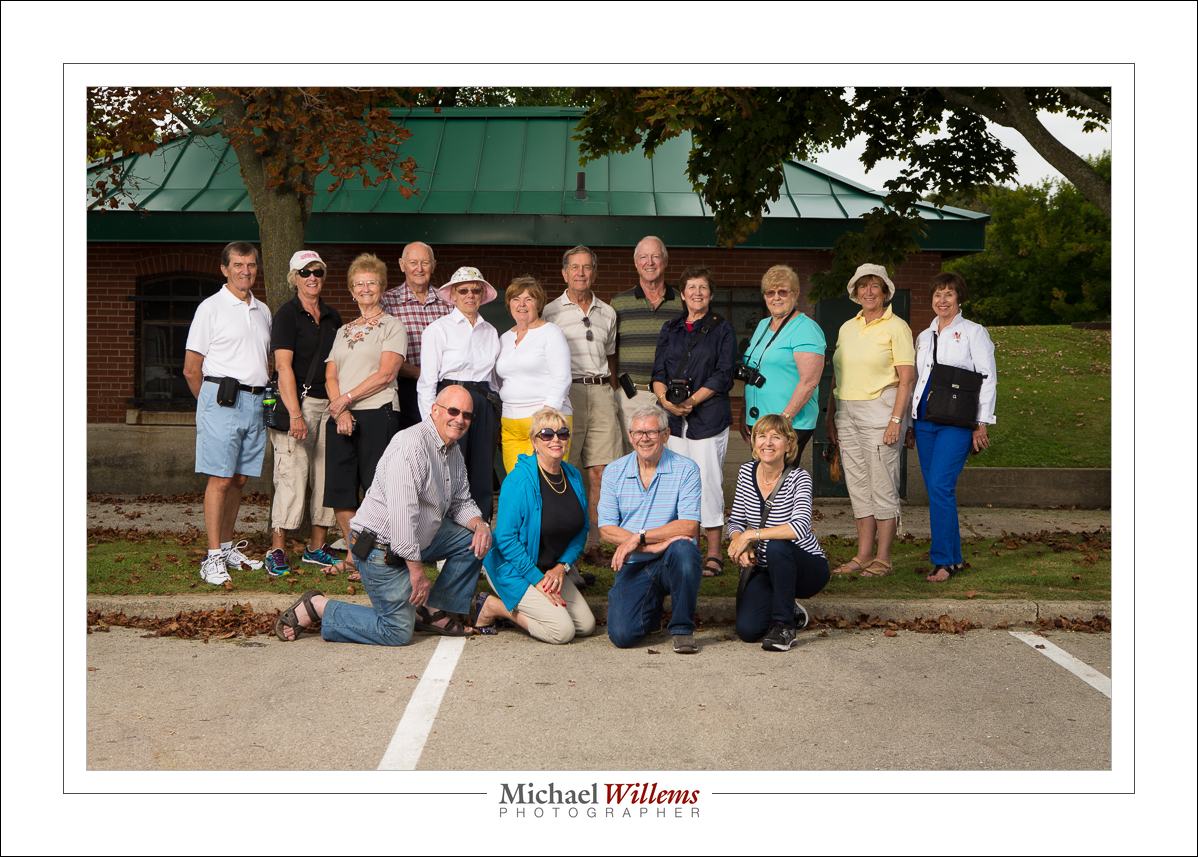
I did a photo walk yesterday, in Mississauga. And after that, a group shot of the people I did the walk for. Arrange the group nicely and I get:

Not bad, and it’s what a competent photographer might well do.

But wait. There’s more. I want modelling; less flatness. Saturated background light. And I want my subjects to be the bright pixels. So that they stand out.

Meaning I need light and control over that light. Meaning:

  • A flash for key light. I used one studio flash (a Bowens 400 Ws flash)
  • For power, a Bowens battery pack).
  • A modifier (umbrella, here).
  • A sand bag to stop the light from falling.
  • Camera settings that make my background go darker (ideally, –1 to –2 stops below ambient).
  • And do not forget,  shutter speed less than my camera’s fastest flash sync speed (1/250 sec for me).

All that looks like this:

So the resulting picture is:

(Canon 1Dx, 24-70 lens, 1/125 sec at f/6,3, 100 ISO)

Compare that final shot with the one at the very top and see if you can see, and appreciate, the differences. Then, you are on your way to lighting professionally.


High Noon

Just let me dispel that persistent myth that you cannot shoot at high noon. In bright sunlight. Well, you can shoot, but you will get awful pictures.

Nonsense.

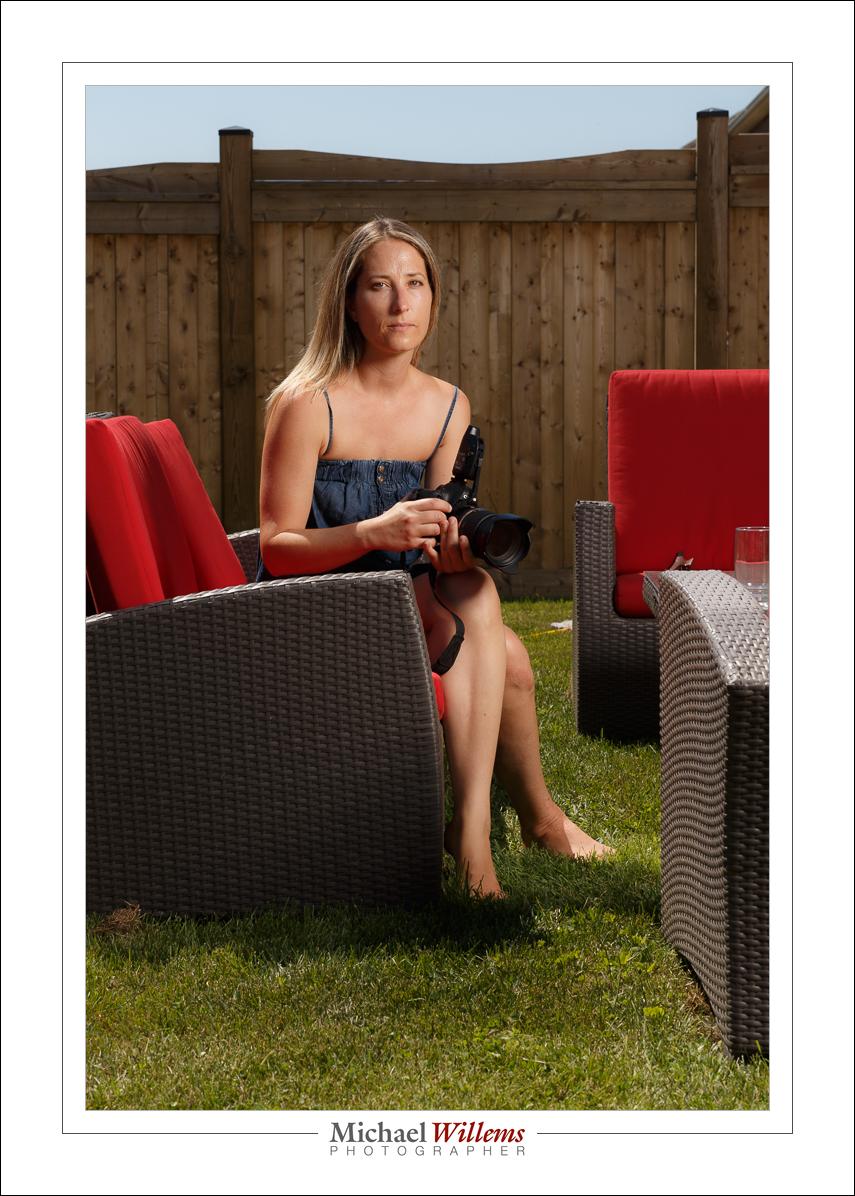
Here. Look at this. Talented photographer Tanya Cimera Brown, yesterday, at noon, on what must be the brightest day this year so far. So this is in bright, harsh, horrible, colour-saturation-destroying, full-on sunshine. Straight out of the camera:

The sky is nice, the red-blue-green theme woks, the model is great, the sun provides a nice “shampooey goodness” hair light: what more can we ask for? And that is with a camera that can only sync at 1/160 second. With my 1/250 sec 1Dx I could do even better. With the old 1D I used to have, even better, at 1/300 second.

OK. That’s using a strobe. Can you do it with speedlights? Sure. You may need to go unmodified, to have enough light; and that means off camera. Here: two speedlights, aimed direct at the subject from off camera positions, do this:

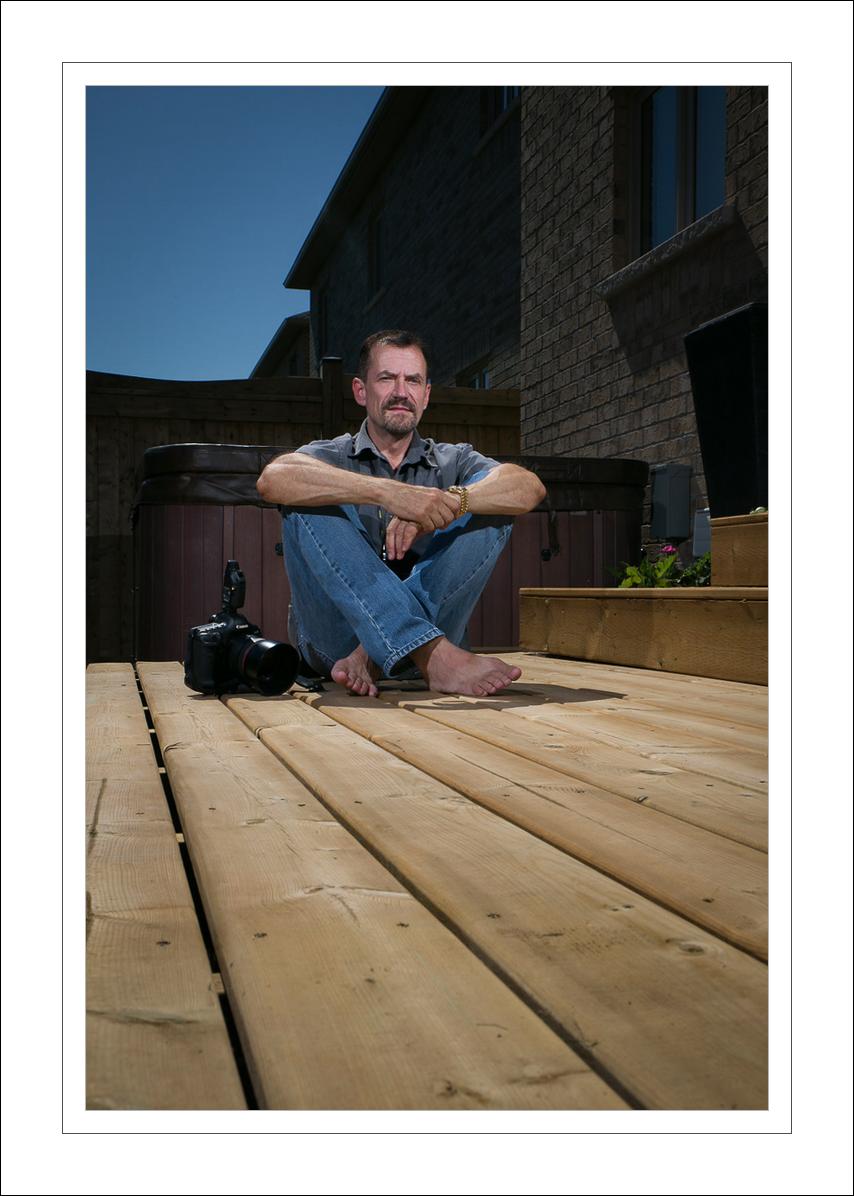
And this: two of me, by Tanya, using the same techniques:

All those were also SOOC (Straight out of Camera).

So learn flash already!

For best results, do my Flash in the Plan program: take my course and get the book (for both, go to http://learning.photography); then follow with a hands-on session, and you will know how to do this. It’s not rocket science, but you need to learn the background, understand the constraints, and learn the artistic tips. Then, you can do this too (provided you have a model as beautiful as Tanya, of course):

Because yes, you CAN do great work at high noon. All you need is flashes and skills. And a camera, of course. Show the world what you can do!


You don’t need flash.

A photographer told me that the other day. “You don’t Need Flash. If it’s not night, you do not need flash”.

And here’s why he is so very misguided; even plain wrong.

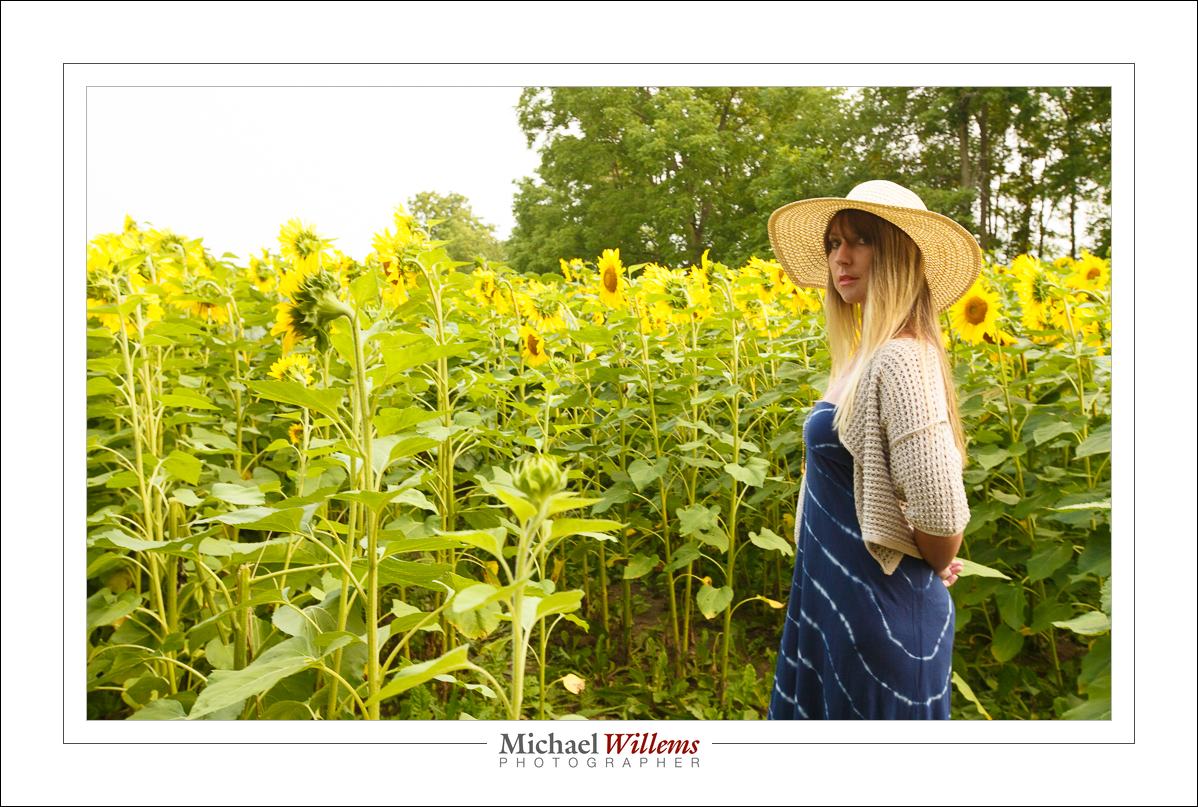
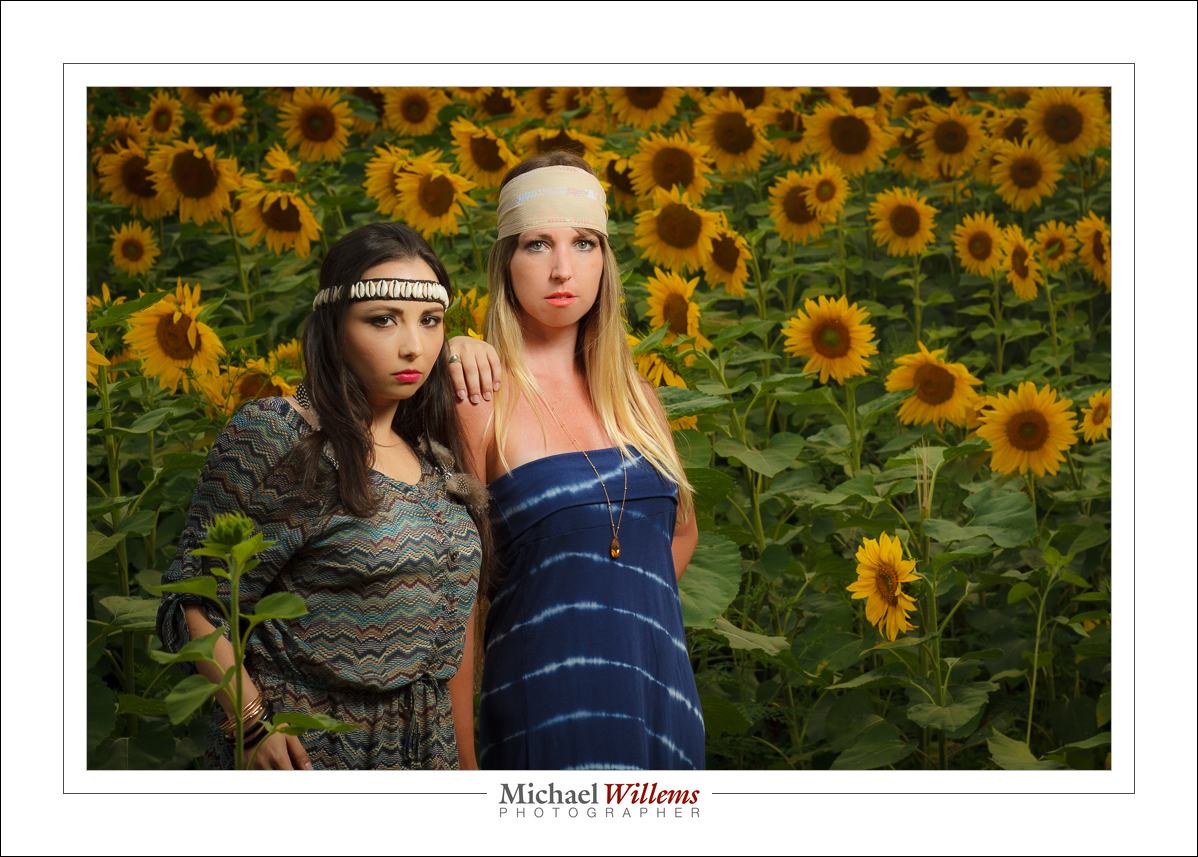
You don’t always need flash, sure. But sometimes you do, if you want creative options. Like yesterday, during a sunflower field with model shoot. I could have shot the models the traditional no flash way, i.e. a small enough aperture, or high enough ISO, or slow enough shutter, to get:

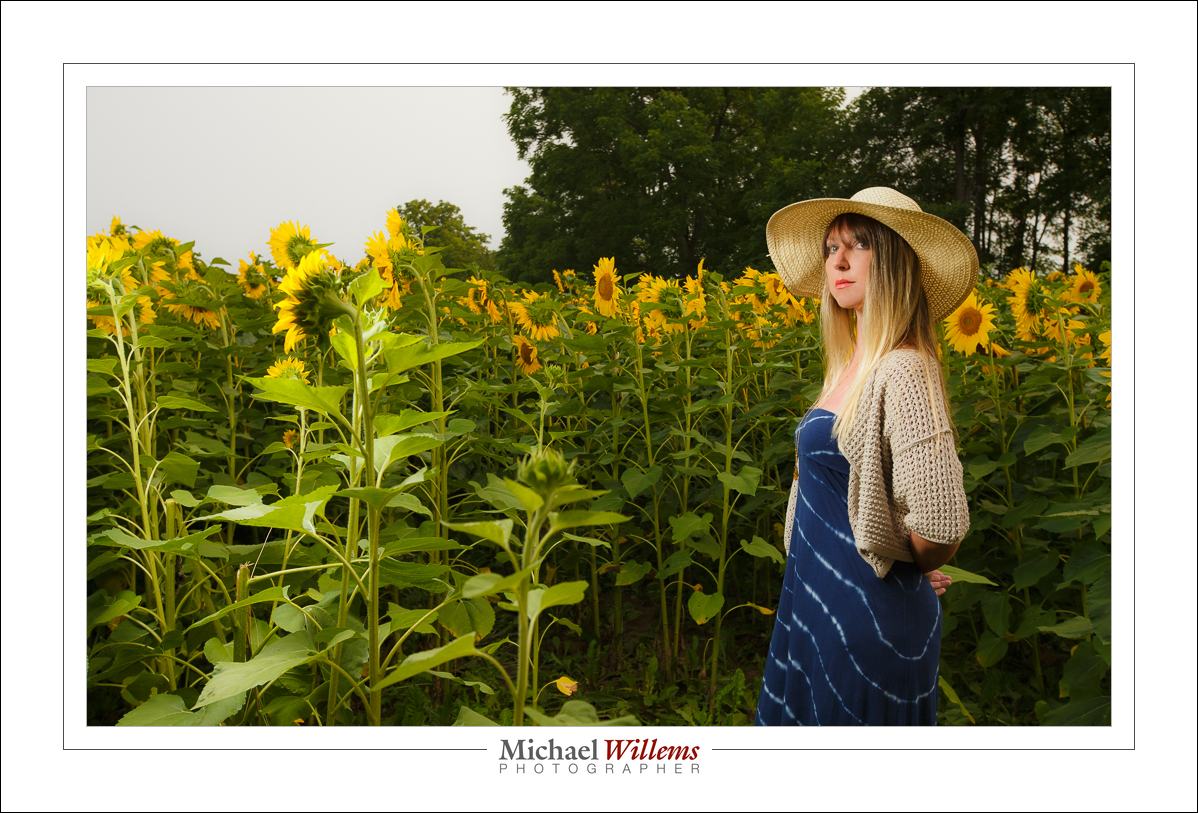
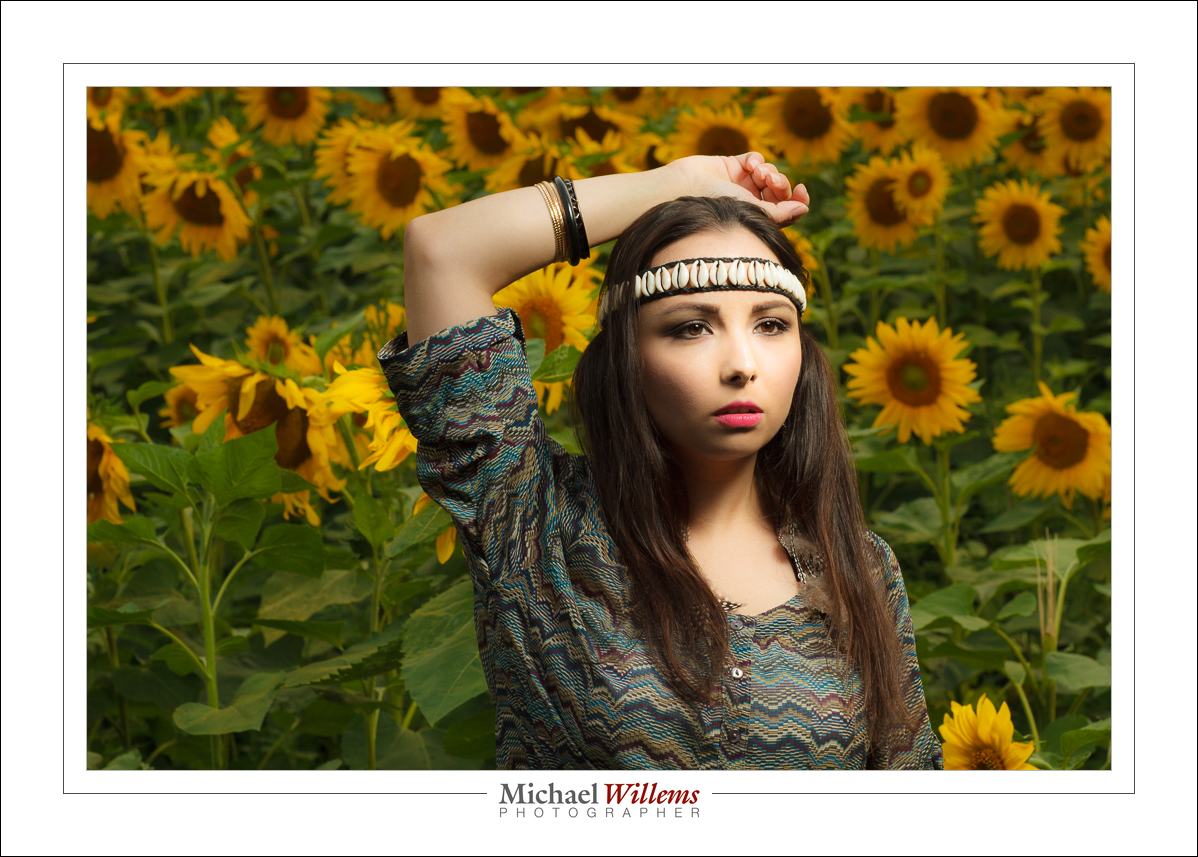
But instead I preferred this:

For that, I exposed the background to about –2 stops (meter displays –2, or if in an auto mode, you use exposure compensation to –2). (In fact I was in manual mode: 1/250th sec, 400 ISO, f/8. That showed as –2 stops on the meter.) Then I used an off camera flash with an umbrella to light the subject. I got the image above. Look at the model’s face: she is the “bright pixels”, and she is lit from where I want.

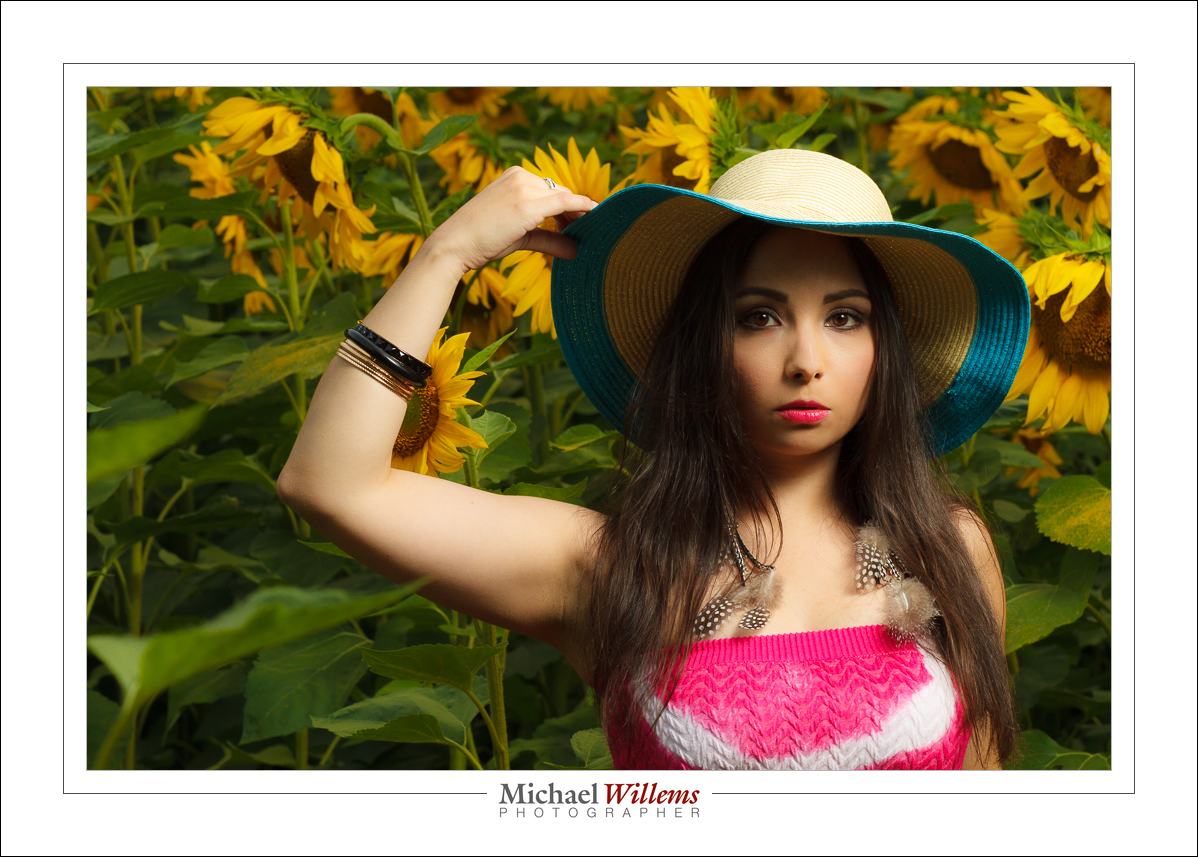
A couple more examples of photos from yesterday, also done with flash:

And all this was only possible because of flash. I set up the single flash as follows, firing through an umbrella:

QED.


Action…

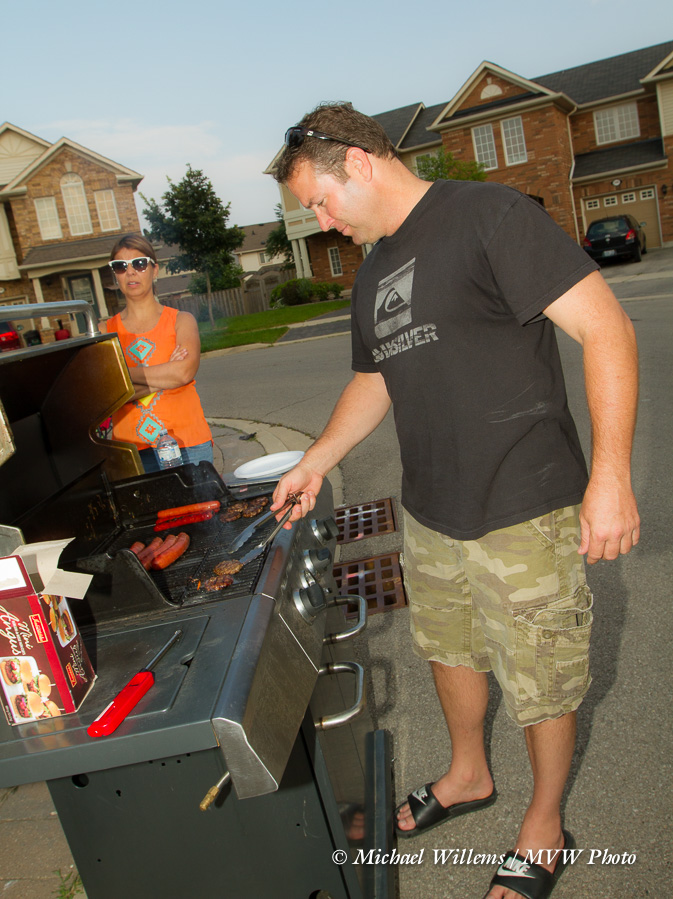
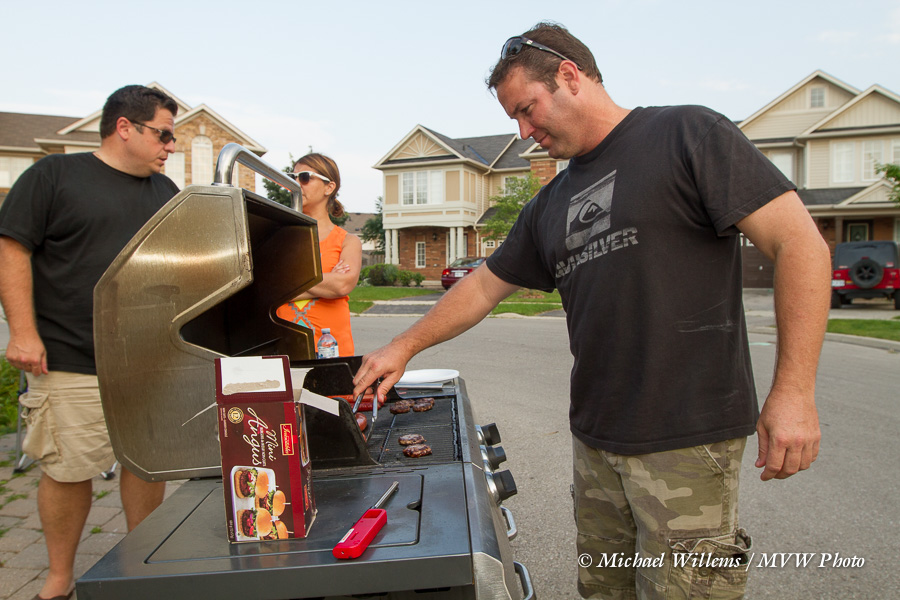
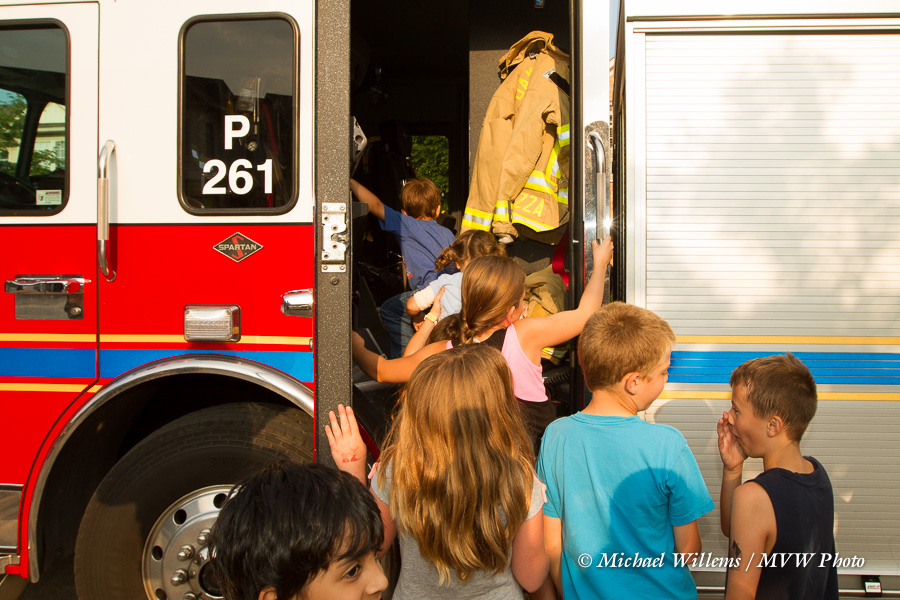
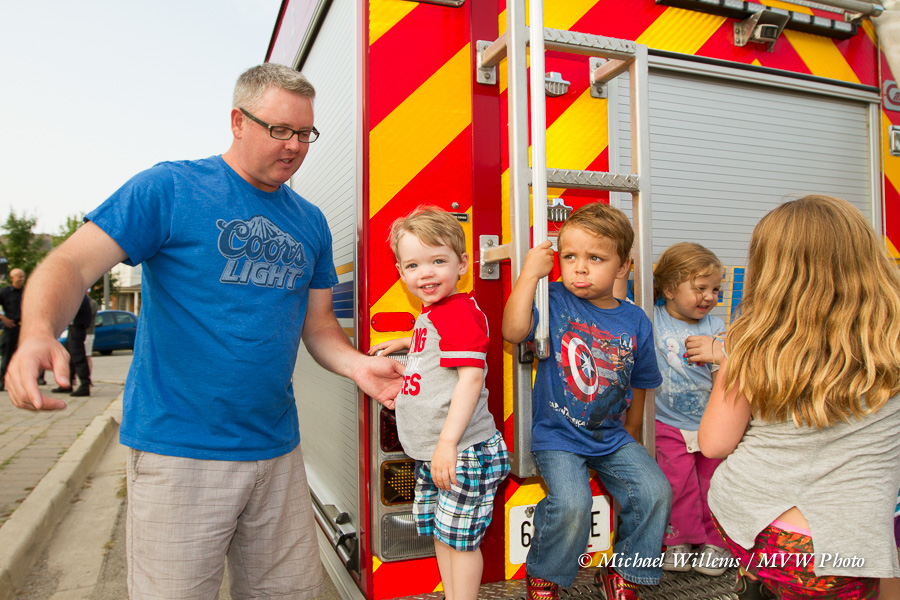
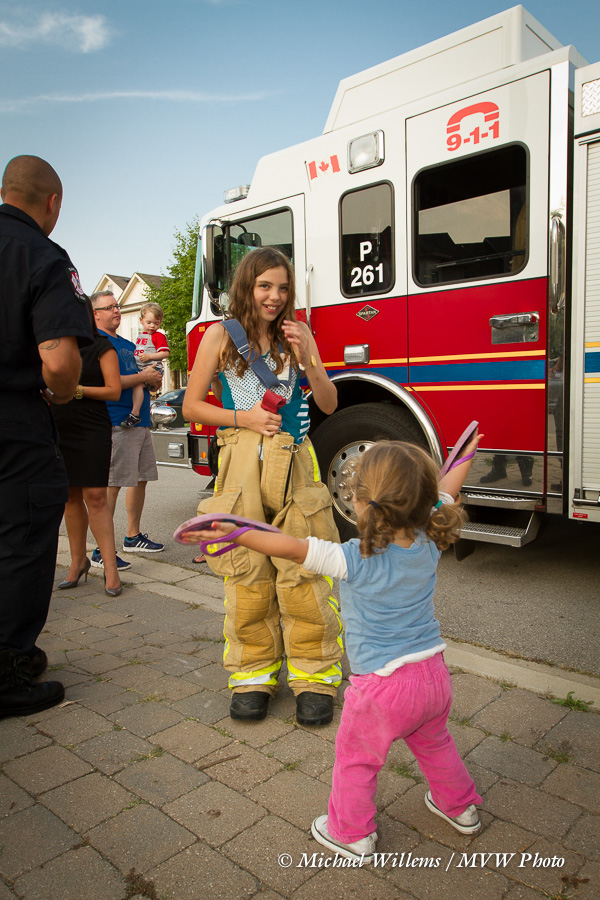
I shot some photos at a block party yesterday. A block BBQ, to be precise. And I would like to share a few of those here, in order to convey a few points you may find useful.
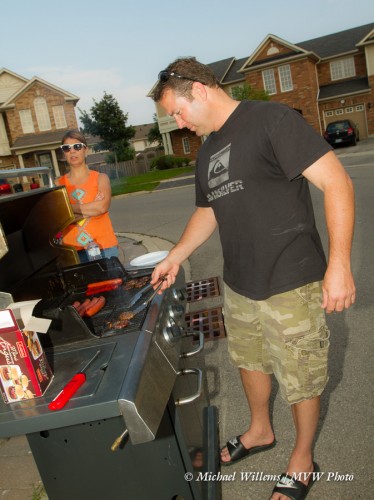
First, the colours. As you see, they are vivid. Did I pop them up in “post”? No. I used a flash. Using a flash allowed me to slightly decrease background exposure, which makes colours saturated. The foreground is lit by my flash. If you go two stops darker, or more, for the background, you really ought to use off camera flash. But up to about a stop and a half you can get away with on camera flash. (Manual mode, 1/250 sec, f/8, 250 ISO; TTL Flash). Yes, all 8 of these images involve flash.

It is for this reason that I am sad when I hear “I am a natural light photographer”, as I so often do. Many photographers say that—some, famous and experienced. In my view, at worst, saying this means “I do not understand flash”. And it always means “I am deliberately and knowingly depriving myself of half the creative options out there”. I can do available light or flash light. An “available light only” photographer can only use, well, available light on;y. That seems a shame, to deprive yourself of creative techniques you may in fact want, or even need, to use on occasion.

A few more examples:
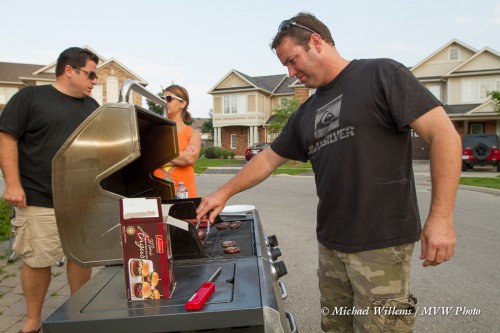
You see the same here. All pictures in this post involved the flash.

You also see also that I made it easy on myself by using a fairly wide angle lens (mainly the 16-35, but on a 7D, so that means 24-50 in “real” numbers).

You will also notice that as much as possible, I shot with late afternoon sun (the “golden hour”). Not always possible, but when it is available, use it.

And above all, you will start to notice that the best shot are moments. Moments where something specific happens. Not just dead-looking poses.
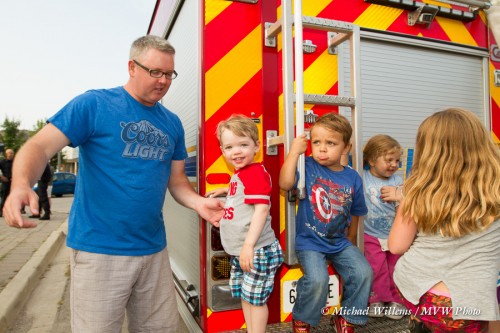
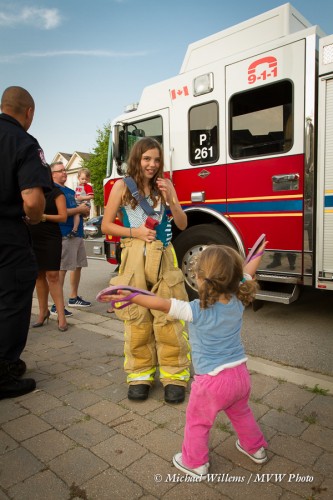
The next time you shoot an event, try to use these techniques. You may not like them; you may say “that is so not my style”. Fine—but you do need to know them.  You owe it to your family, customers, whoever you are photographing.

___

Let me photograph you; your kids; your family. See http://www.tolivetolove.com and http://learning.photography for samples, prices, and more. Special offer this week for headshots: but with or without special offers, go for it and have your family captured forever in beautiful photos. Please do it… it is the only time travel you will ever do.
 

Point Of View

A portrait is simple, right? Look at the camera and smile.

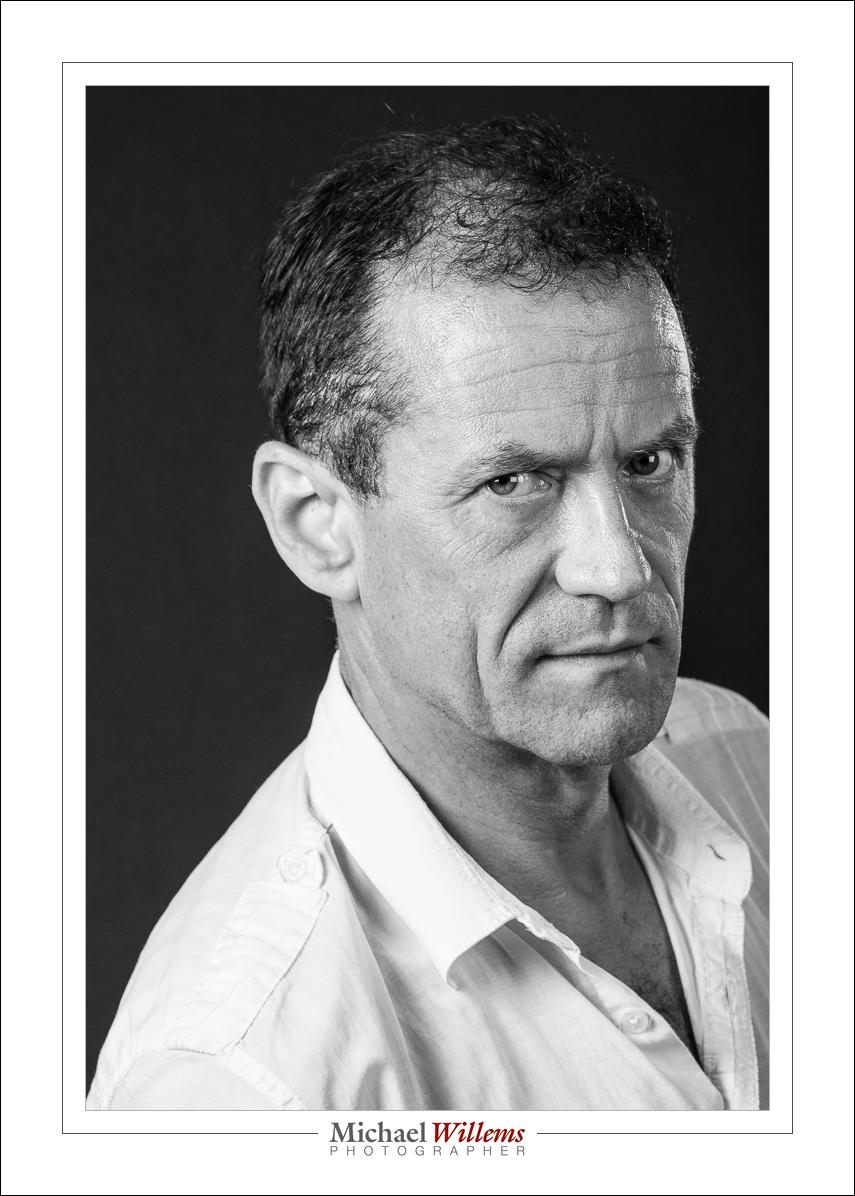
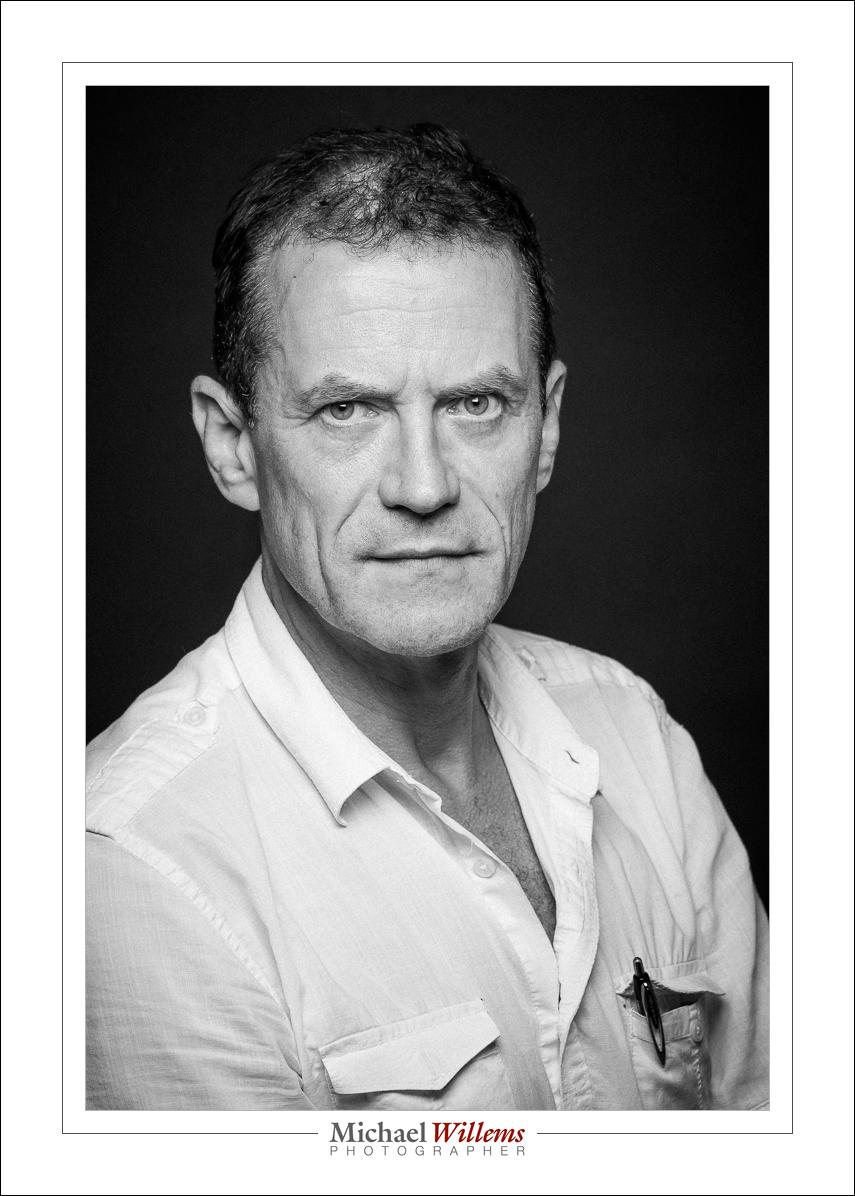
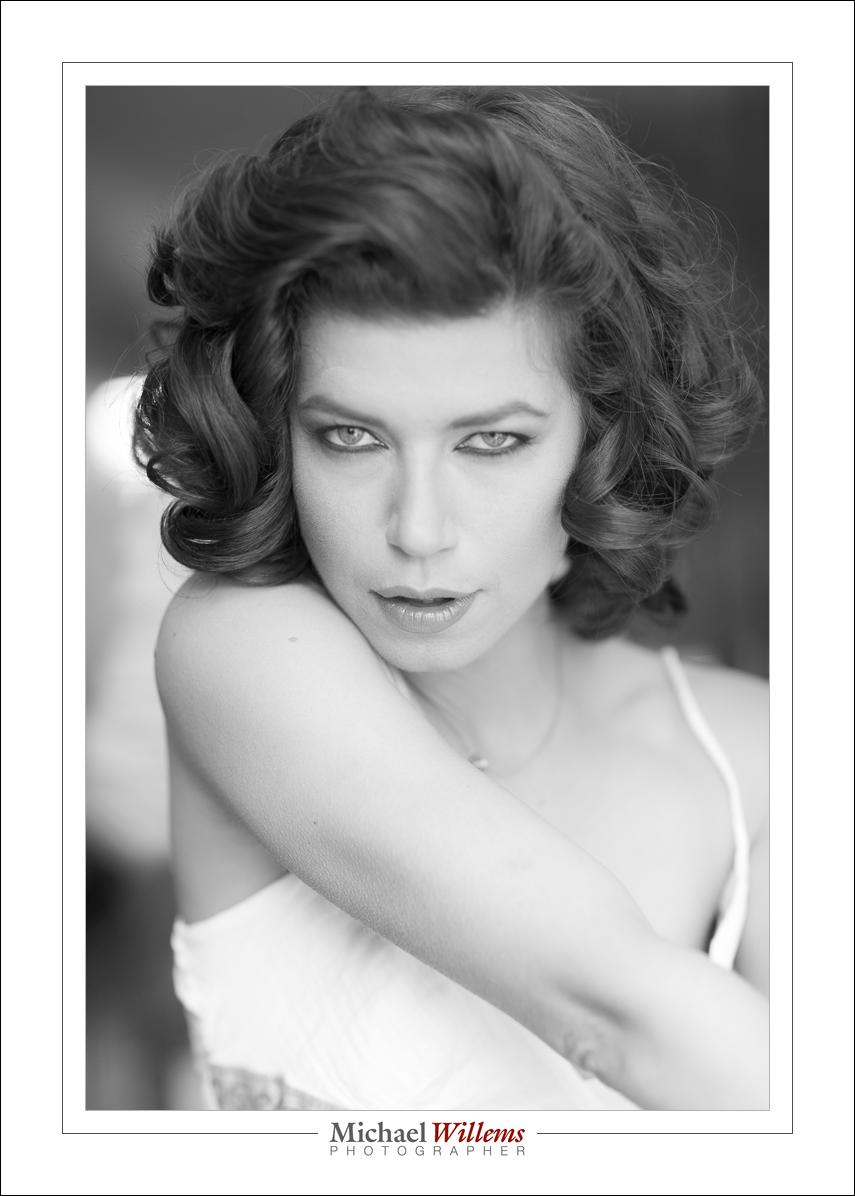
Not so much. Apart from the “smile” thing, there’s also angle. And the same person can look very different if shot from different angles.

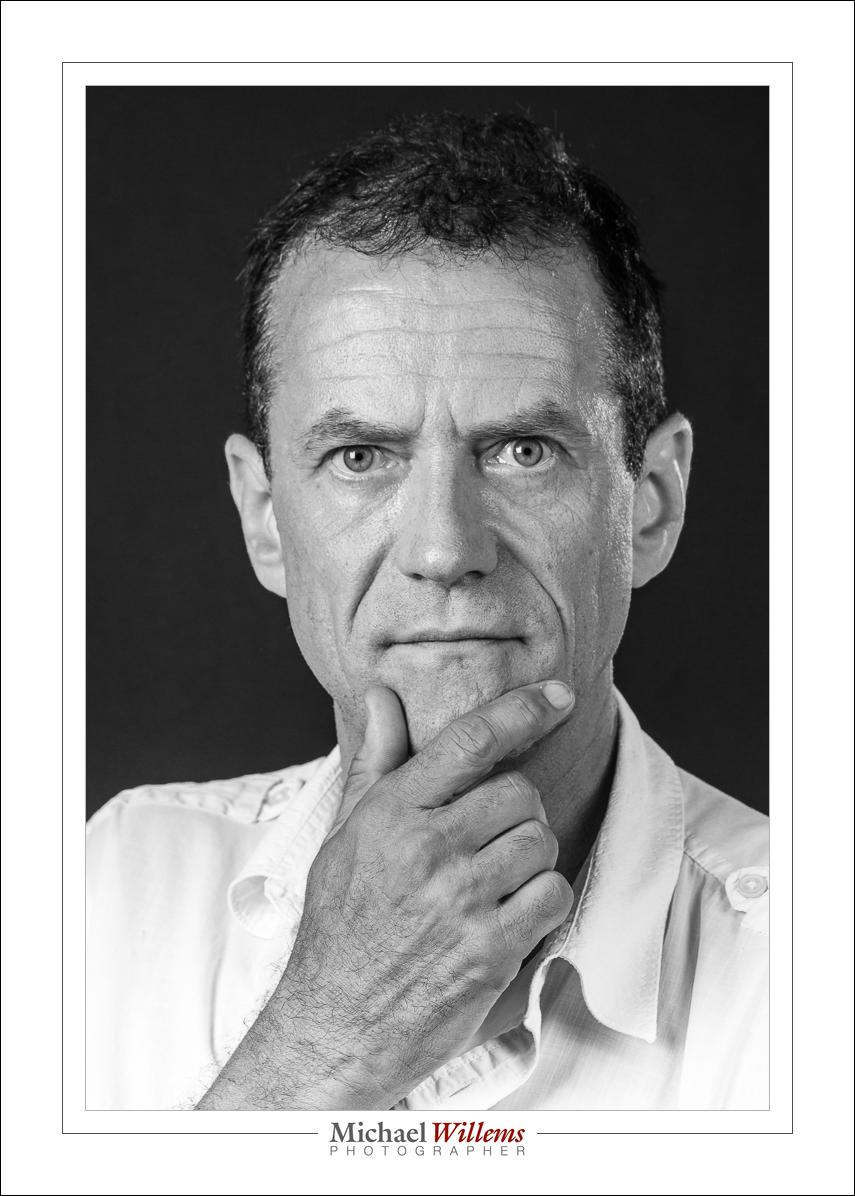
Like me, a couple of days ago:

Michael Willems (www.michaelwillems.ca)

Michael Willems (www.michaelwillems.ca)

Michael Willems (www.michaelwillems.ca)

Michael Willems (www.michaelwillems.ca)

Can you see how they are all different, and yet the same person? Some work better than others. So when you do portraits, try all sorts of angles, and then analyze which ones work. Model the face (avoid even lighting, for interest). Watch for shadows and ensure you get good catch lights.

And note that all of these work better in B&W than they would in colour.

So…. try some B&W portraits from various angles, lit by softboxes.


Lighting a face: a small detail

The title says it. Detail, and attention to it, are what makes you a pro.

Look at this image, from last Friday. The lovely and talented Vanessa Scott, whom I photographed in Timmins, Ontario:
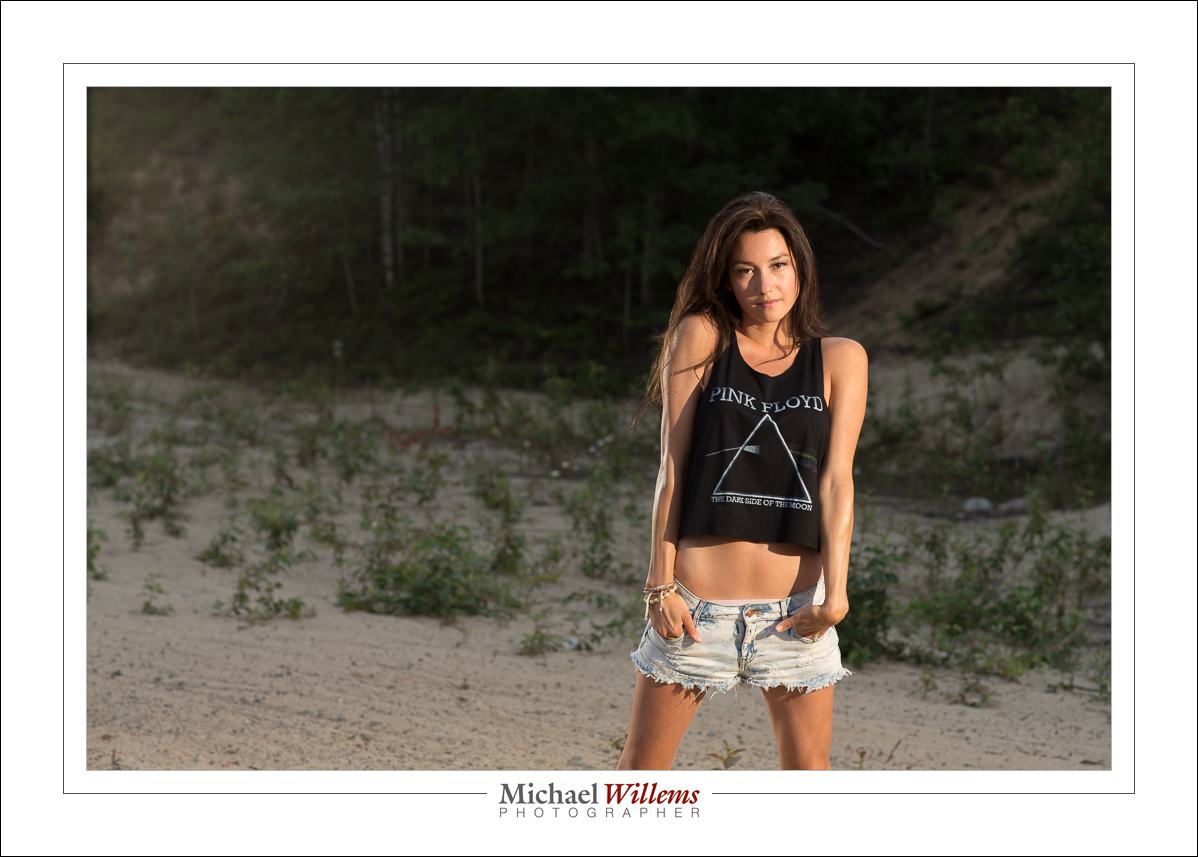
(ISO100, 1/60 sec, f/5. Lit with two flashes, direct, no umbrella. Left flash gridded 1/4 power, right flash unmodified 1/2 power.)

Not bad. But look closely at Vanessa’s face. Closer!

See the two little bright areas next to her mouth? My right-side flash was as little too low, so the shadows are not quite right.

Let’s start up Lightroom and make it better with the Develop module’s healing tool. Two little clicks and I fill those light areas:

Proper Rembrandt lighting. So the whole image now looks like this:

A subtle change, but much better.

And as said, that’s what makes you a good photographer. Attention to detail. When you hire a pro, like me, this is the kind of thinking he or she will engage in to get you the best possible images.

___

I have amazing deals for portraits this month. From corporate headshots to family photos: give me a call or send me an email to hear the options.