Portraits today

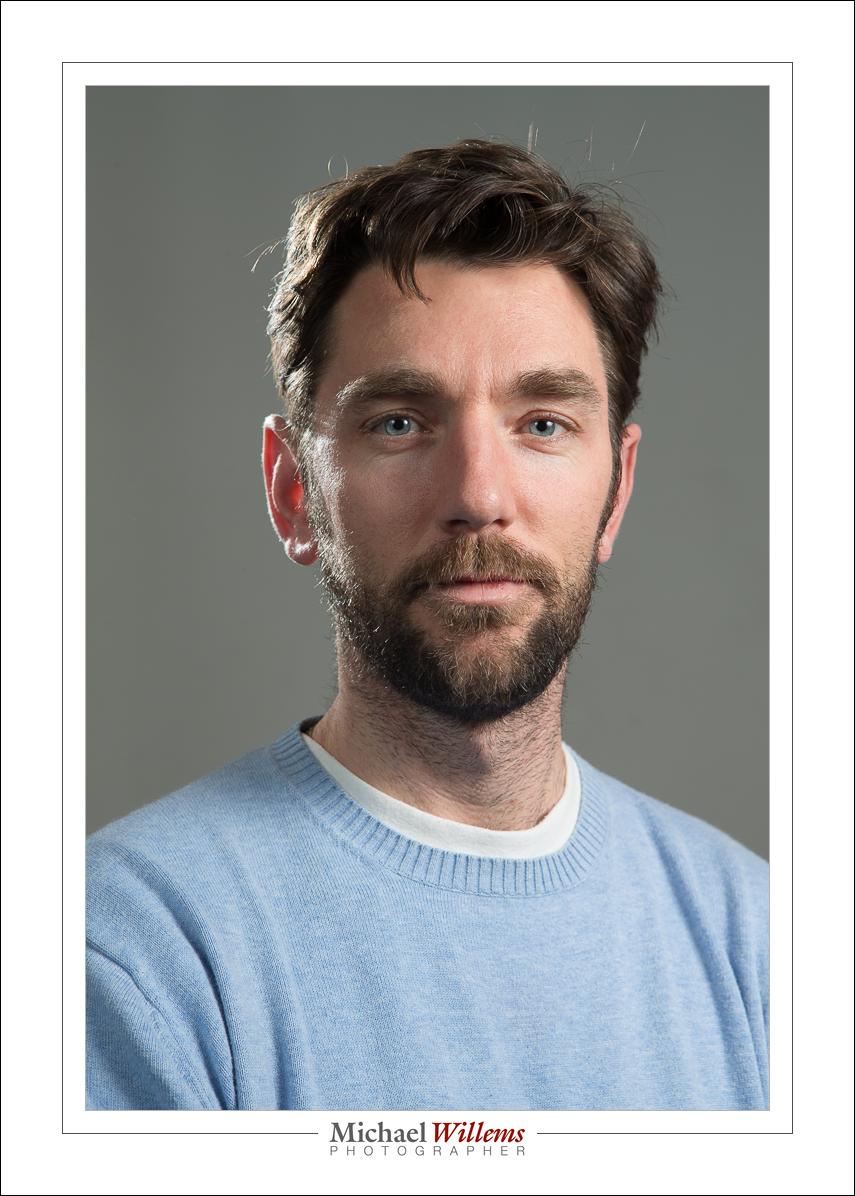
So today I did some portraits. Corporate portraits, like this, of a successful executive with Toronto in the background (shot from the 49th floor):
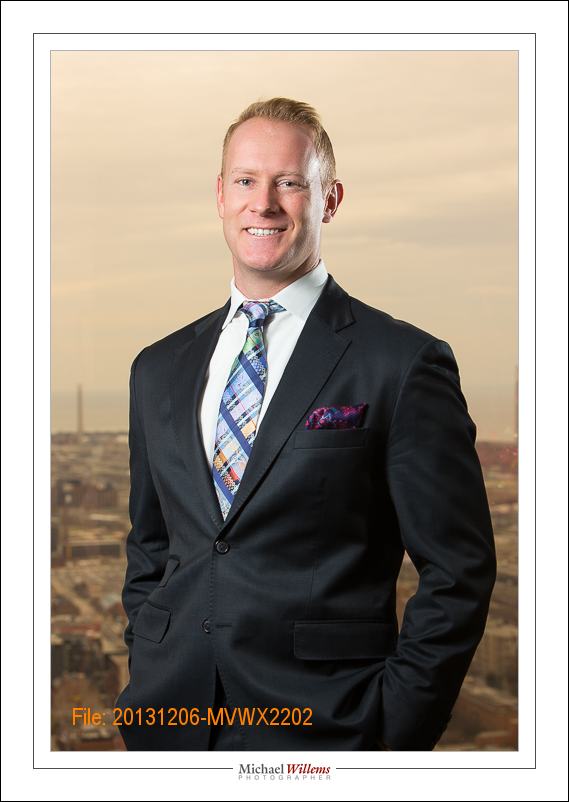
Yes, that is the city, not a backdrop.

If you need a business portrait, call me and we will set it up. It’s what I do.

But if you want to do your own, it occurs to me that it might be useful for me to talk through some of the work and some of the decision points that go into a shoot like this.

First, there’s the equipment and preparation. You will know enough about that if you have been reading this blog (if not: the e-books are still on a Cyber Week “both for the price of one” sale).  Decision one: what to bring. That’s simple: my flash bag (big roller bag) and my light stand bag (including a tripod); as well as two cameras. 24-70, 70-200, and just in case, 16-35 lenses.

Then the time. Some 90 minutes in traffic, and parking, and getting back. And setting up all sorts of lights and umbrellas, which took half an hour. And then waiting for the executives. And post work, and talking with clients about what to pick – altogether more work than you may at first have thought. It is not a “click and you are done” thing. And double that, since it involves me and an assistant (the talented and reliable Denise).

Then there’s setting up the flashes. After talking with the client, I decided to use the city below as background. As you will have seen in this post, that took some doing. It always does: you have to allow time for this. A tripod is quite essential, as is tape to “mark the spot”. As seen in that prior post, setting up the correct exposure, balancing my flash with ambient light outside, can be a lot of work.

Then positioning (not “posing”: people freeze). That too can take a while. Making a subject feel comfortable can take a while. One shot does not work; multiple shots to show good and less good sides, and to make really sure that you get a few with great expressions.

Then the same kind of decisions again for the group shot. A bigger group, so the hallway I used last time was going to be too narrow. So I used the wall “going off into infinity”. First, assistant Denise and I tried the geometry: “how will we fit it in”. Here, I am pretending to be four people:
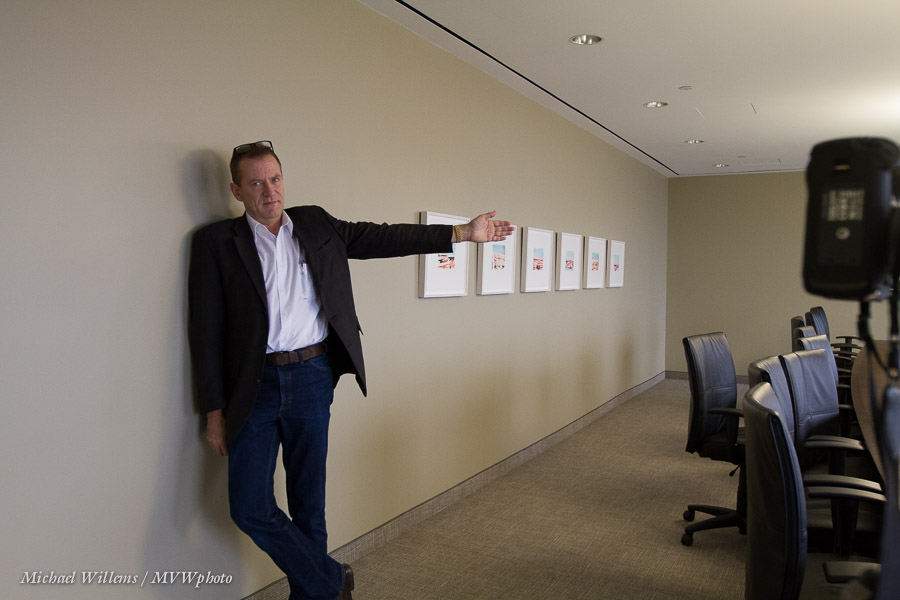
Then of course, moving furniture is also often needed.

The final group shot, lit with two speedlights in umbrellas and taken at 1/13th second, f/5.6, 400 ISO, and yes I was using the tripod, looks roughly like this:

I say “roughly”, because (a) this is not the shot selected (that’s for the client); and (b) after being chosen, a shot then needs cropping, fine adjustment of exposure and colour, and removal of things like the ceiling artefacts (in the shot with me, they are still present).

I suppose in summary I would say that to do a good corporate portrait, you should first know your craft, and in particular know light; then you should consciously decide on the type of portrait – environmental or simple; what mood; who is the market for the photo. And then you should design the shot. And then execute it, re-tuning if things do not work the way you had intended.

Above all, allow yourself enough time, and make sure you think about the decisions. “Just doing stuff” seldom leads to good results. It also helps to have some “safe shots” that you know you can execute. Just in case your other plans do not work out.

Oh. And have fun. And if it’s a little much for you, ask me to come do it: I’ll teach you some tricks while we are at it.
 

Studio Tip

Look at these photos from yesterday’s studio lighting workshop to see how light makes a picture different.

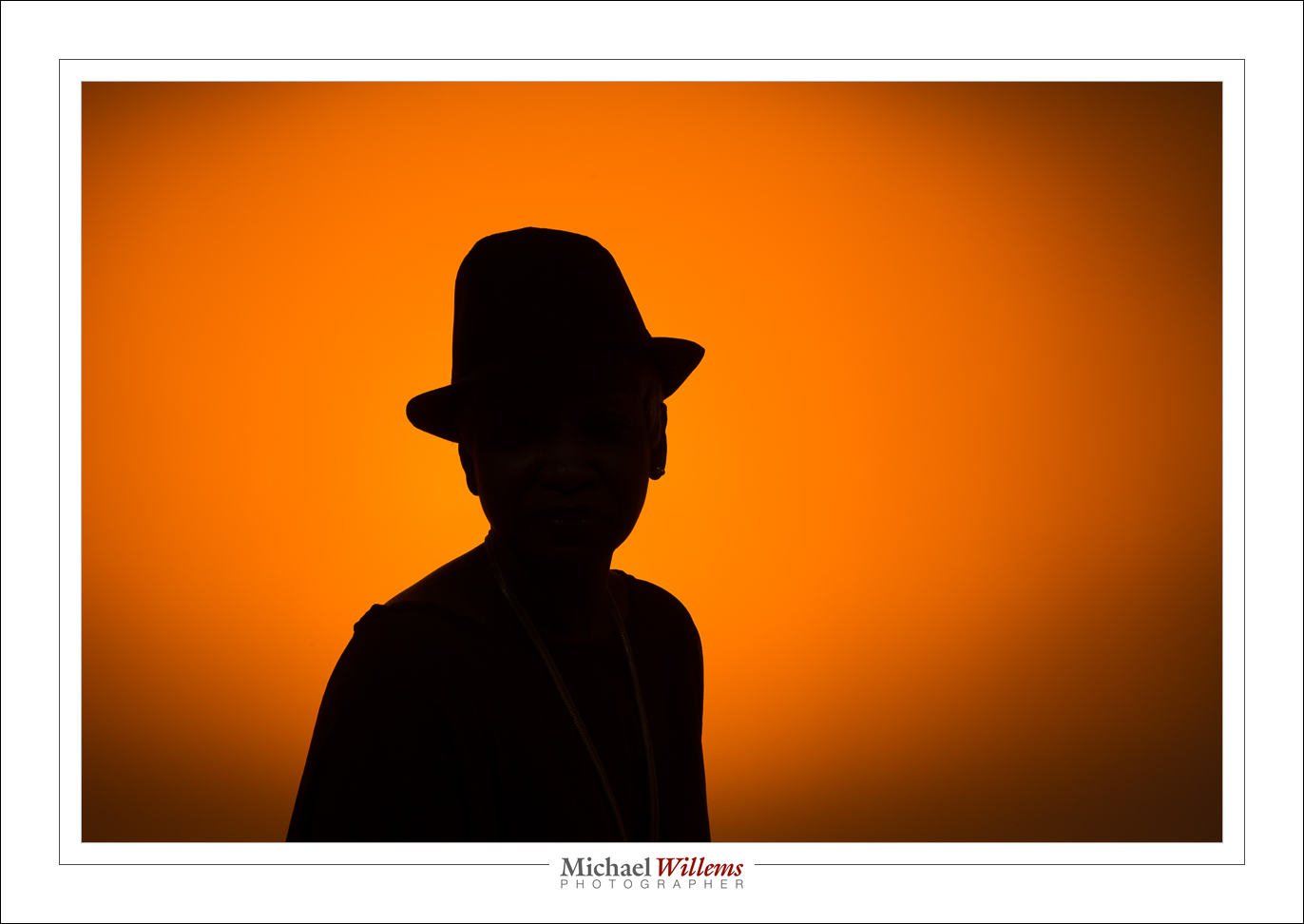
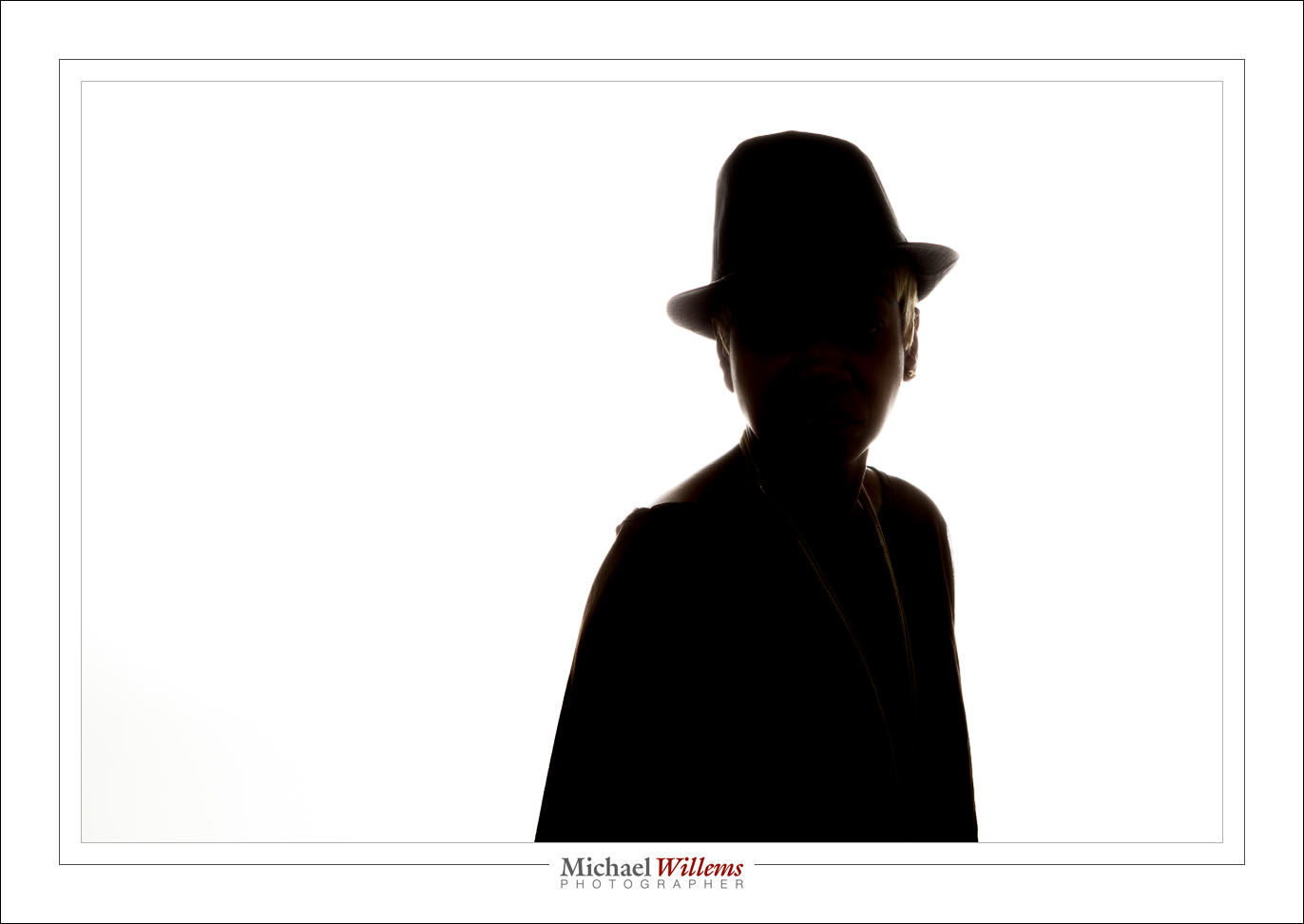
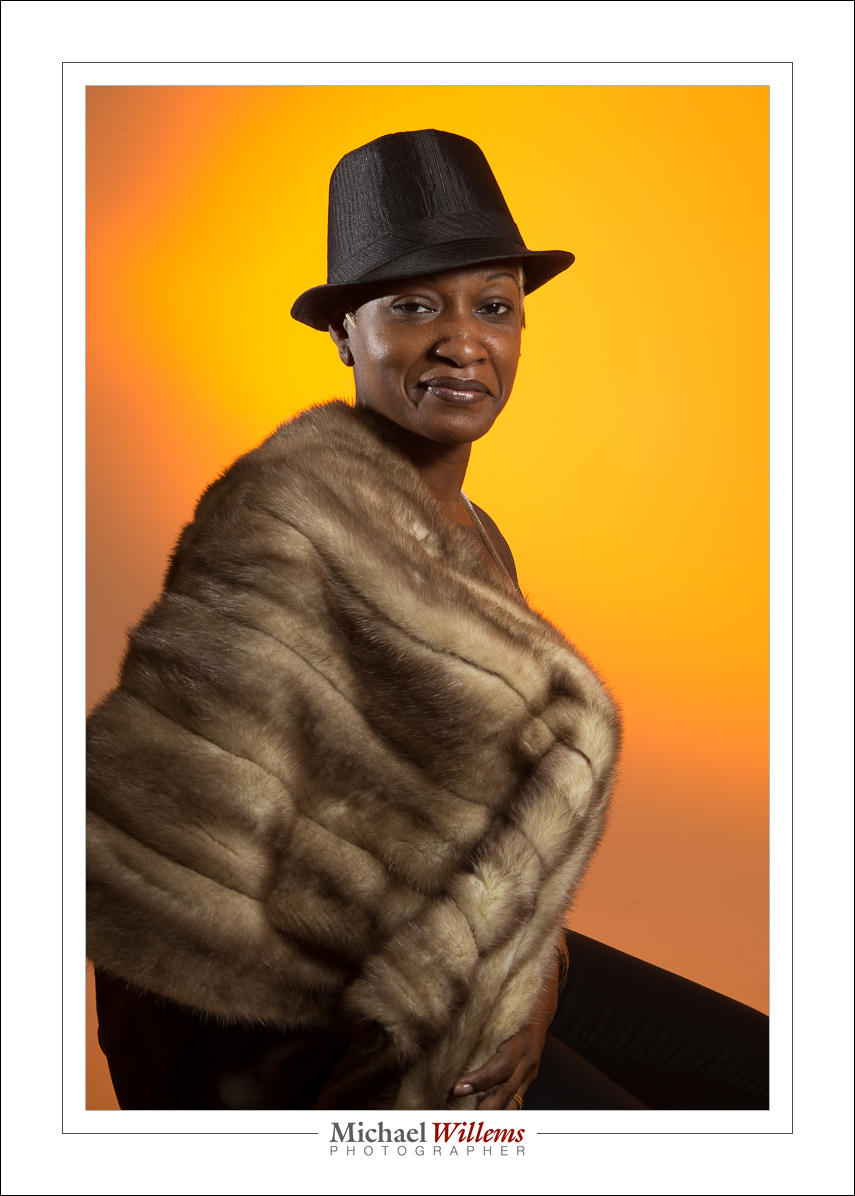
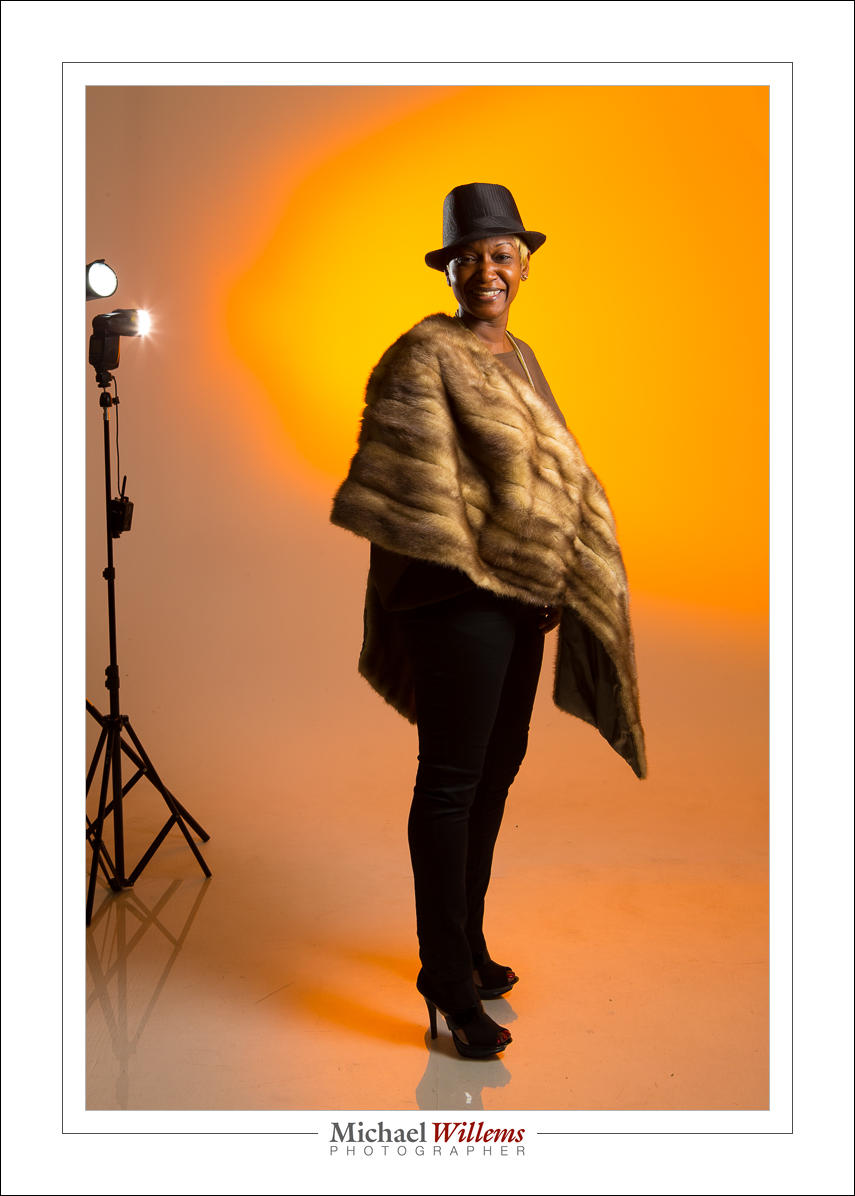
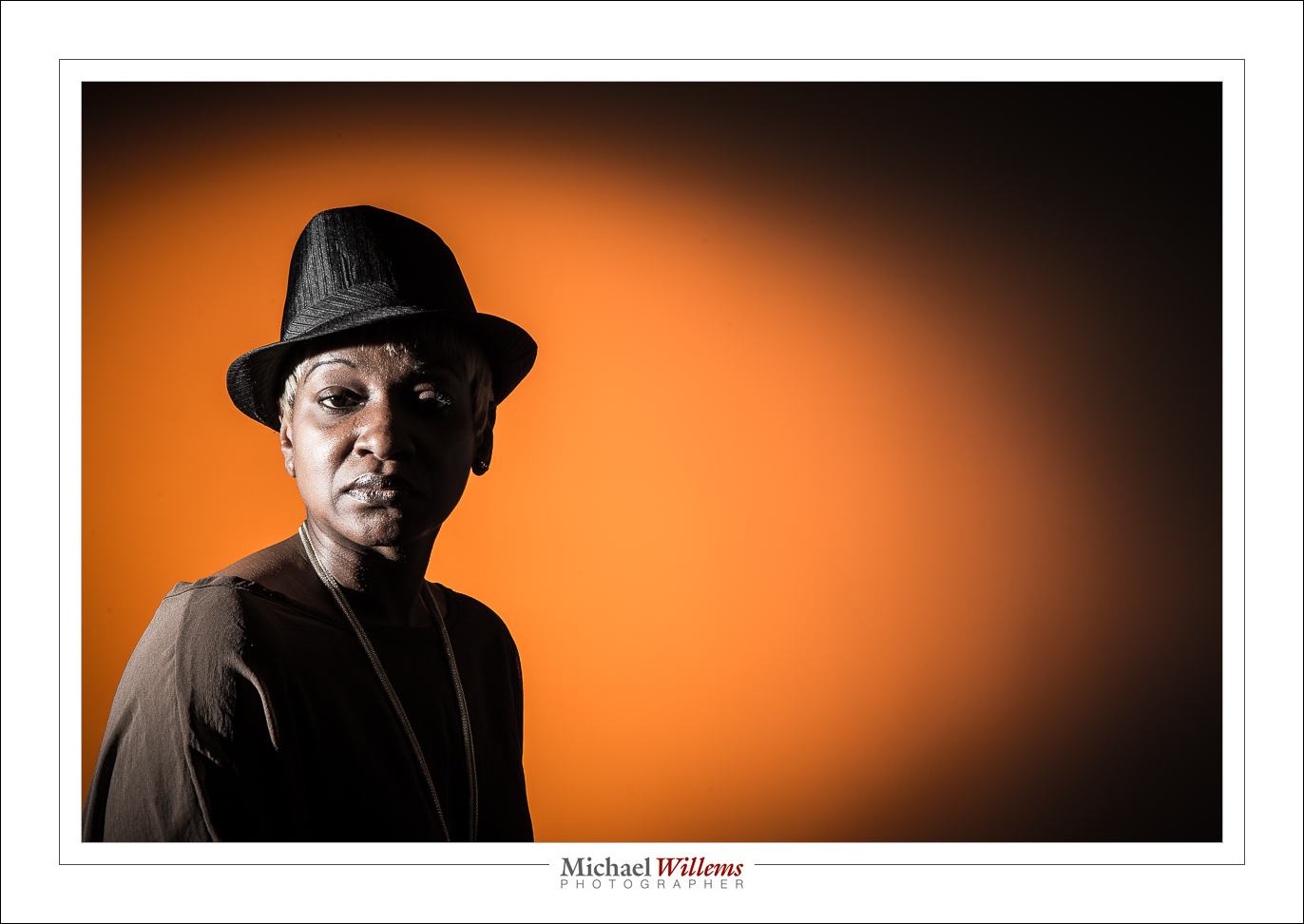
Here’s Roxy with one gridded flash on the left, giving us split lighting; and one gridded and rust-colour gelled flash aimed at the background. Both are speedlights driven by Pocketwizards and set to manual power. The image is a little desaturated; otherwise SOOC (“straight out of camera”).

Here. a softbox on our right (s small Honl photo softbox), and the same background light. Just two flashes!

Now let’s turn off the softbox flash:

Now kets’ light up the background more, to get wraparound lighting:

And back to normal, but now with an additional snooted flash for rim lighting on our left:

Here’s two of those flashes visible. Note also the reflection: a plexiglass sheet she is standing on. Note, I “Lightroomed” out the edges of that plexiglass, which took only seconds. Otherwise, like all, SOOC.

Can you see how each shot looks different depending just on light? It behooves you to learn about light, it really does, since with light you can translate a vision into reality. That’s what this is about!

___

Talking of learning: Season shopping? Get a personalized gift certificate for 3 hours private coaching with Michael for your loved one. Available now!


A seasonal portrait

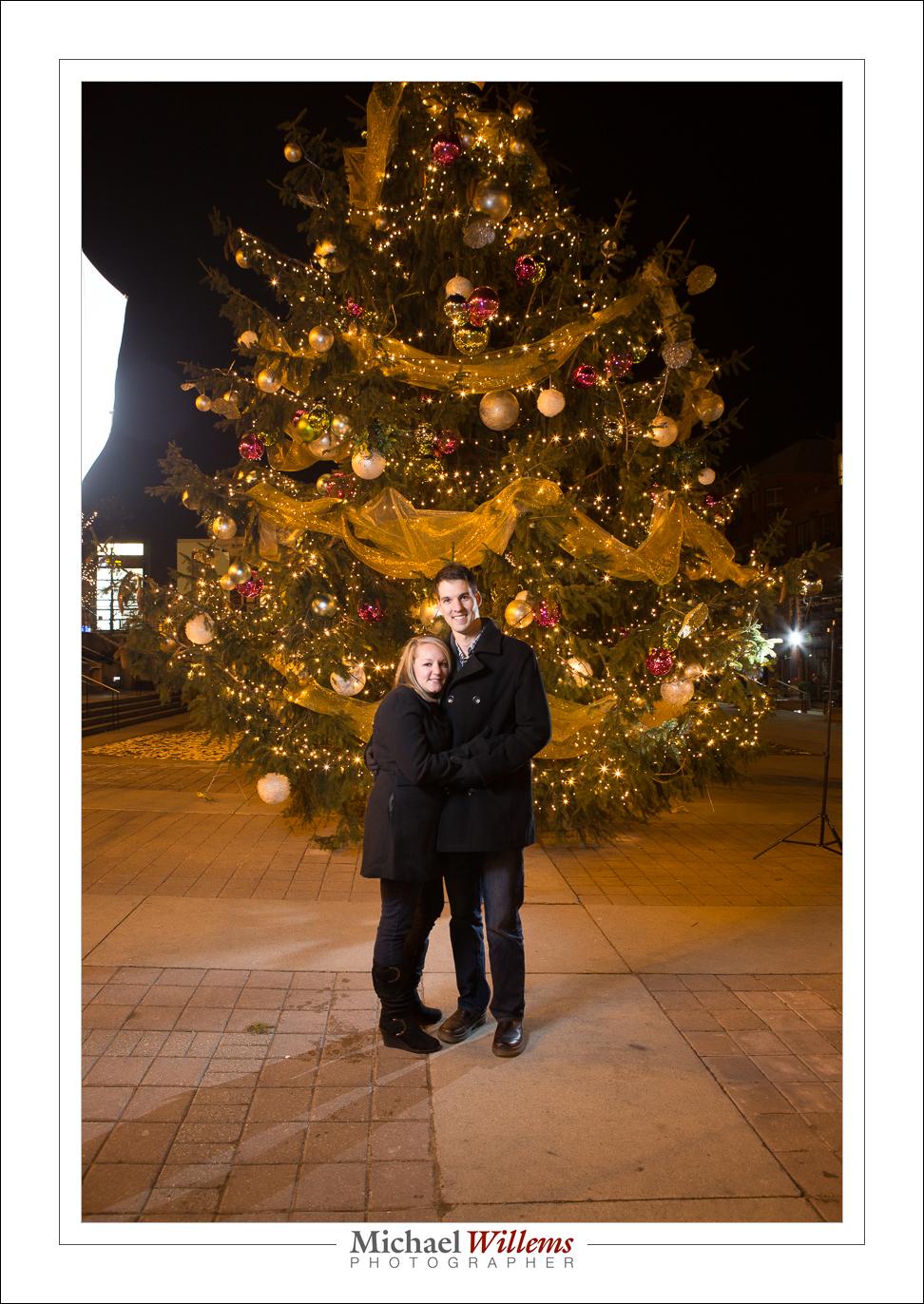
I shot a young couple’s season portrait last night. So here, the explanation of my thinking.

This couple usually shoots a fall picture, but this time, their photographer wasn’t available and they left it a little late. So they hired me, and we did a Christmas-themed picture, since I happened to have been told Oakville has a large Xmas tree.

But there was little night – a night shoot. So this meant I combined a very slow exposure with a couple of flashes. You can see them here left and right in this pullback shot (you do know you always take a pullback shot, right, so you can see later what you did?):

One on the left with an umbrella; on on the right behind the couple, fitted with a grid. Both flashes on manual, fired using pocketwizards. 1/8 power (key) and 1/4 power (fill). The resulting picture:

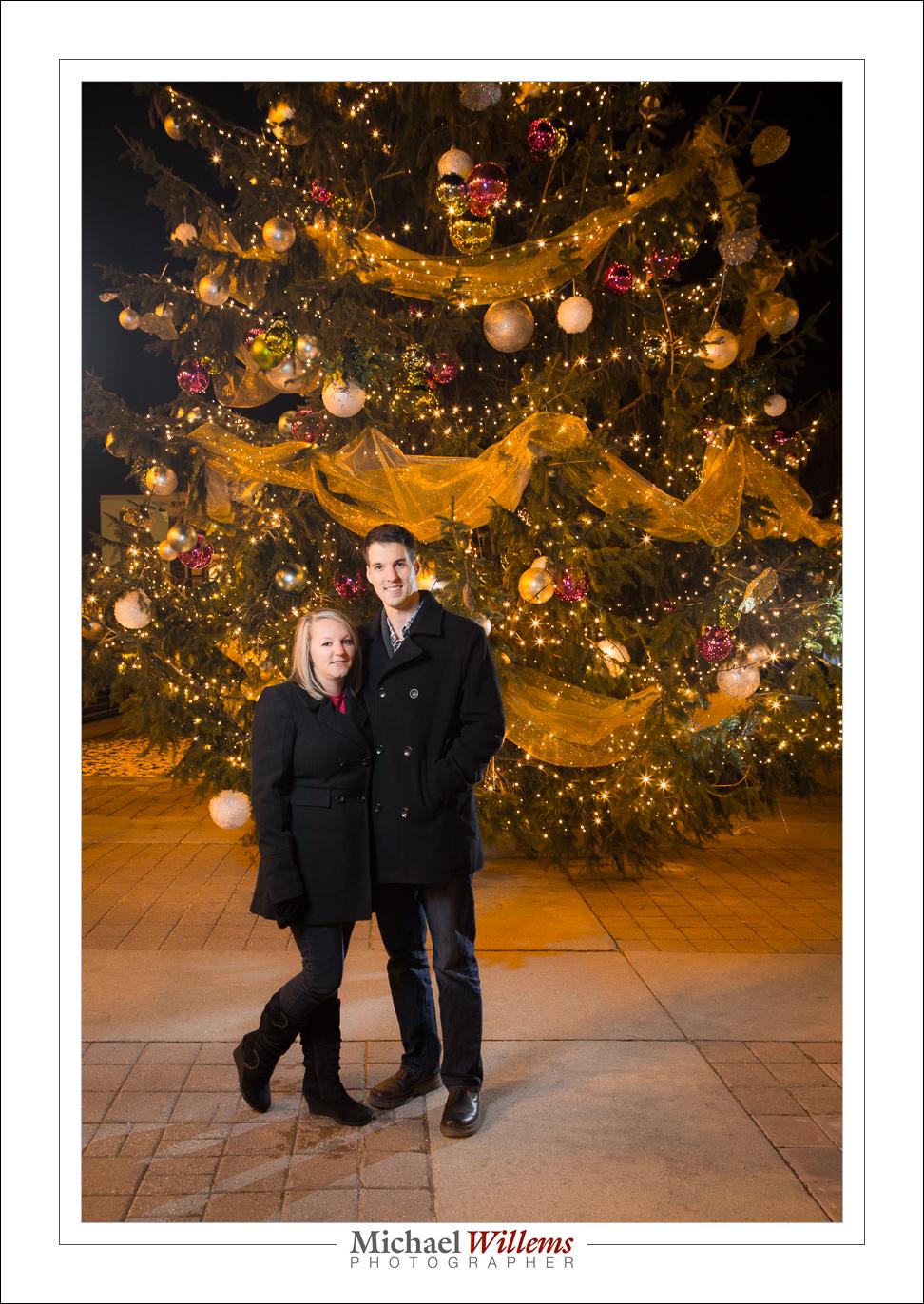
And one more, my favourite from this shoot:

I would have added more lights perhaps given time, but this was a fairly quick shoot, plus it was freezing – literally freezing, around minus 5C.  Try holding light stands at -5C. Not fun.

So I used a slow shutter: 1/4 sec at f/8 at 800 ISO. Why such a small aperture? Because I wanted depth of field. So that means a slow shutter and high-ish ISO in order to correctly expose for the tree. Then I add flash.

Note that I also tided up the ground in post, removing oil stains etc from the concrete.


Record!

I am often asked “what should I go shoot”, and my response is “what you love”.

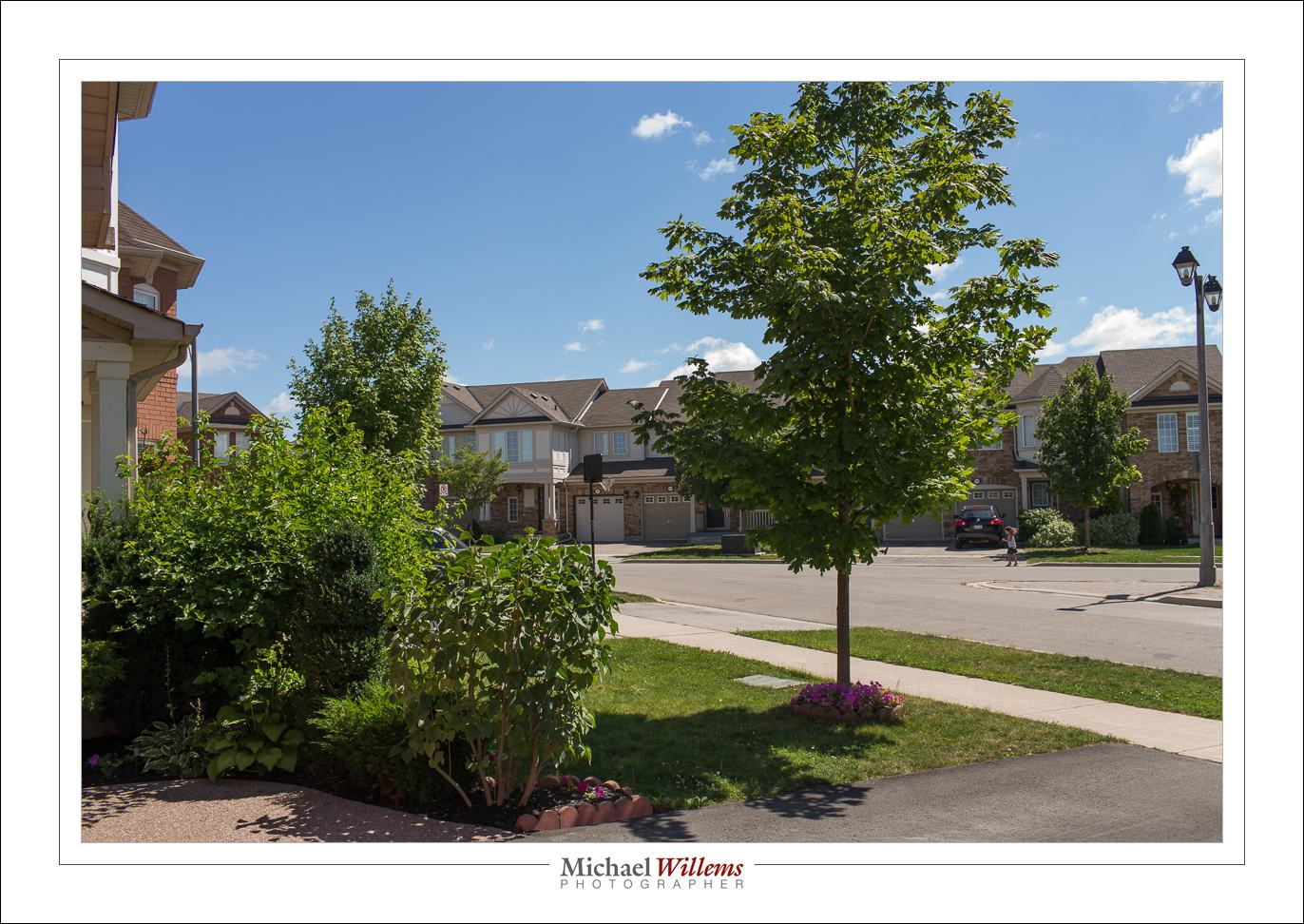
But there is another reason: History. One reason you use your camera is to record things, and I advise that you do just that. Recording things like the seasons. This was the view outside my front door three months ago:

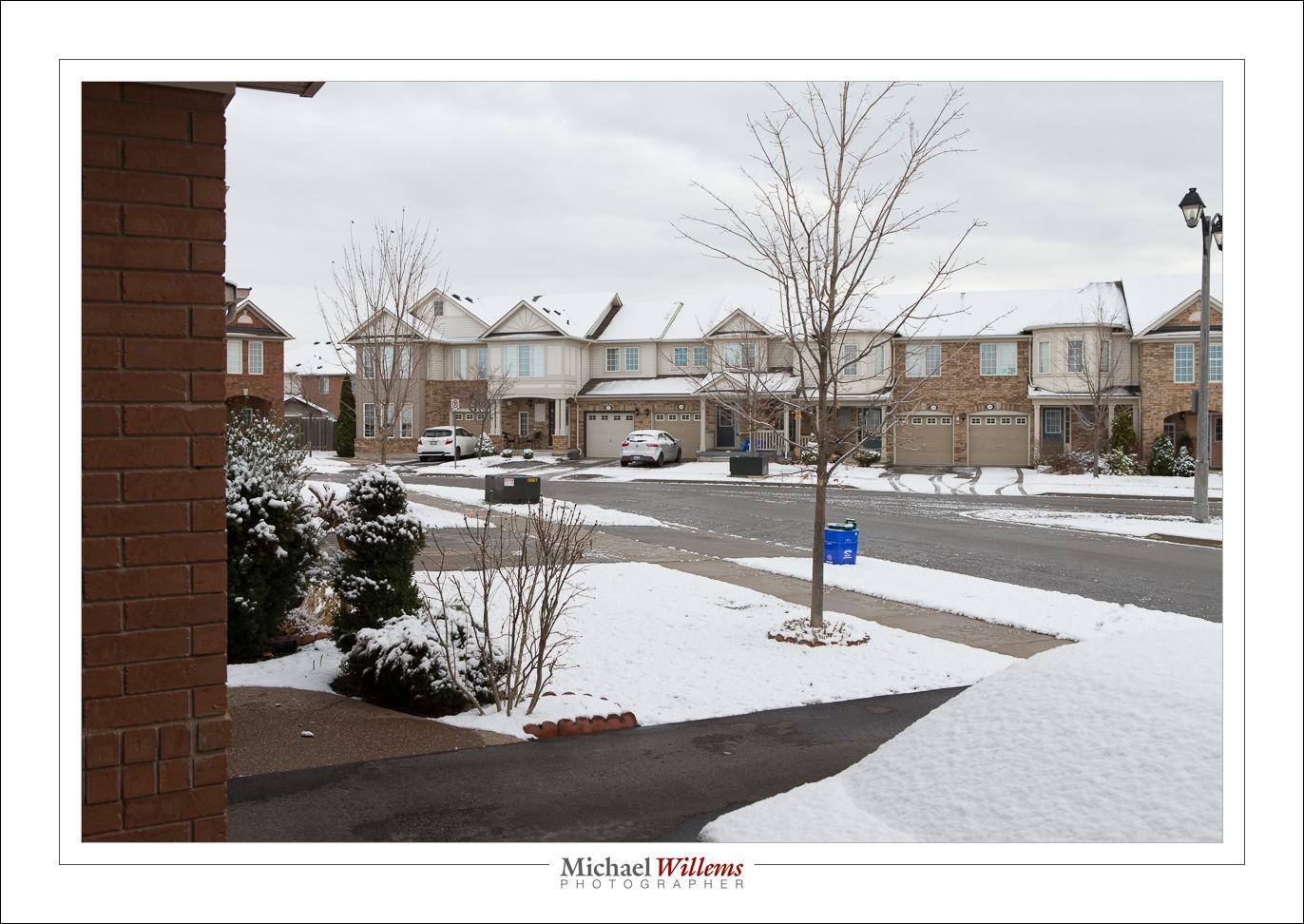
And this is that same view five minutes ago:

(I want to go hibernate for six months. Or better, get a green card and move to Arizona. Today. Anyone, help!)

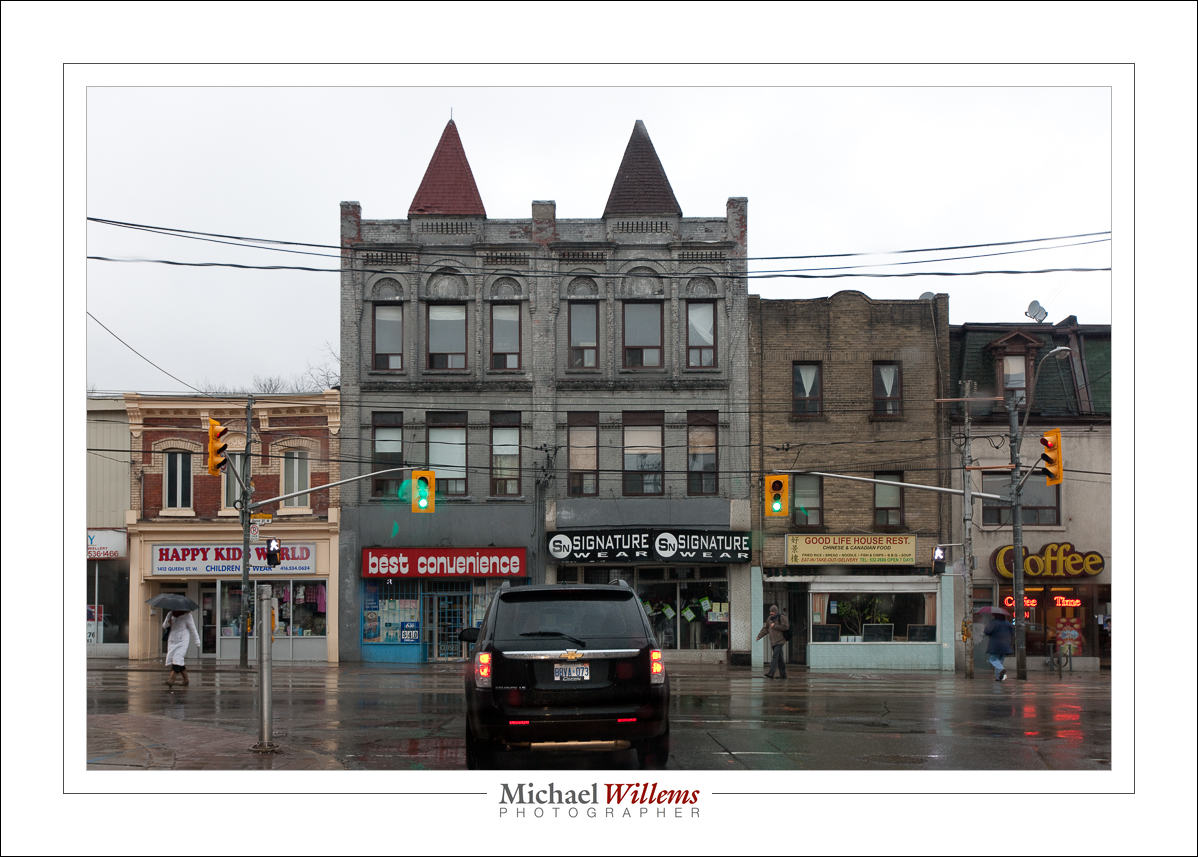
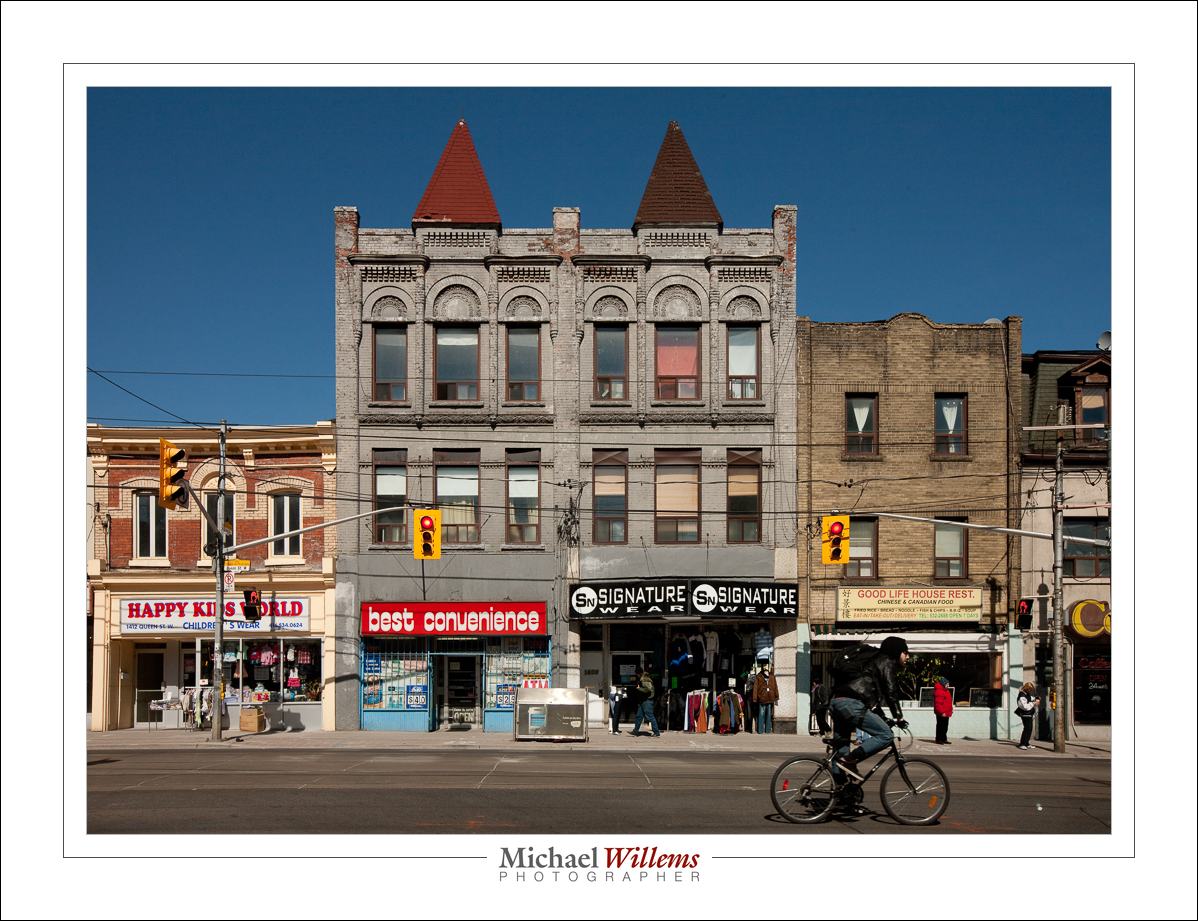
Another example of the effect different weather can have on a picture:

But this is also history: this building at Jamieson and Queen St in Toronto burnt down since I took those pictures a few years ago.

Here’s a project plan for you: take a photo of something meaningful to you with reproducible settings (same tripod position, same lens, etc), and repeat monthly for a year. This can be an outside scene, or your living room, it doesn’t matter.

Every picture you take documents history, a moment that will never repeat. So when you wonder “what should I go shoot”, go shoot “today”.  It’ll never be here again. And today is tomorrow’s “those were the days”.


Shampooey Goodness

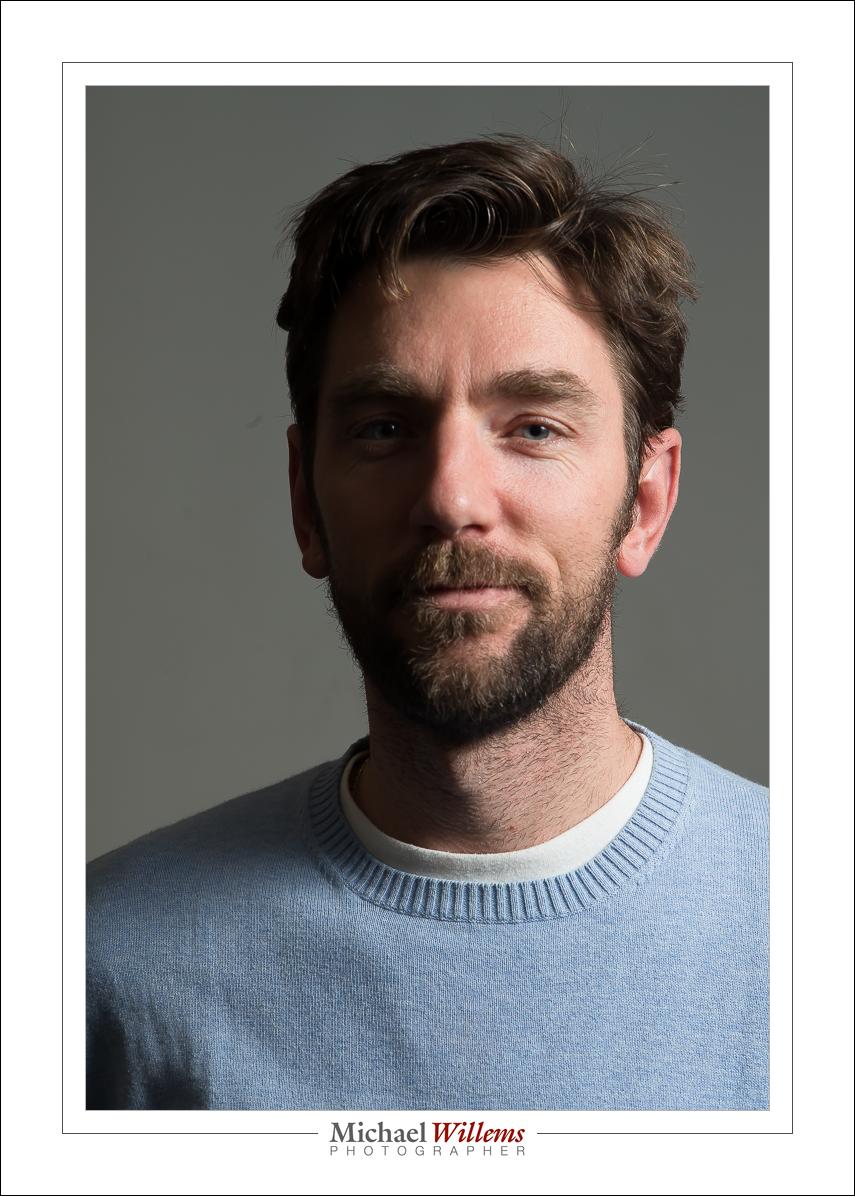
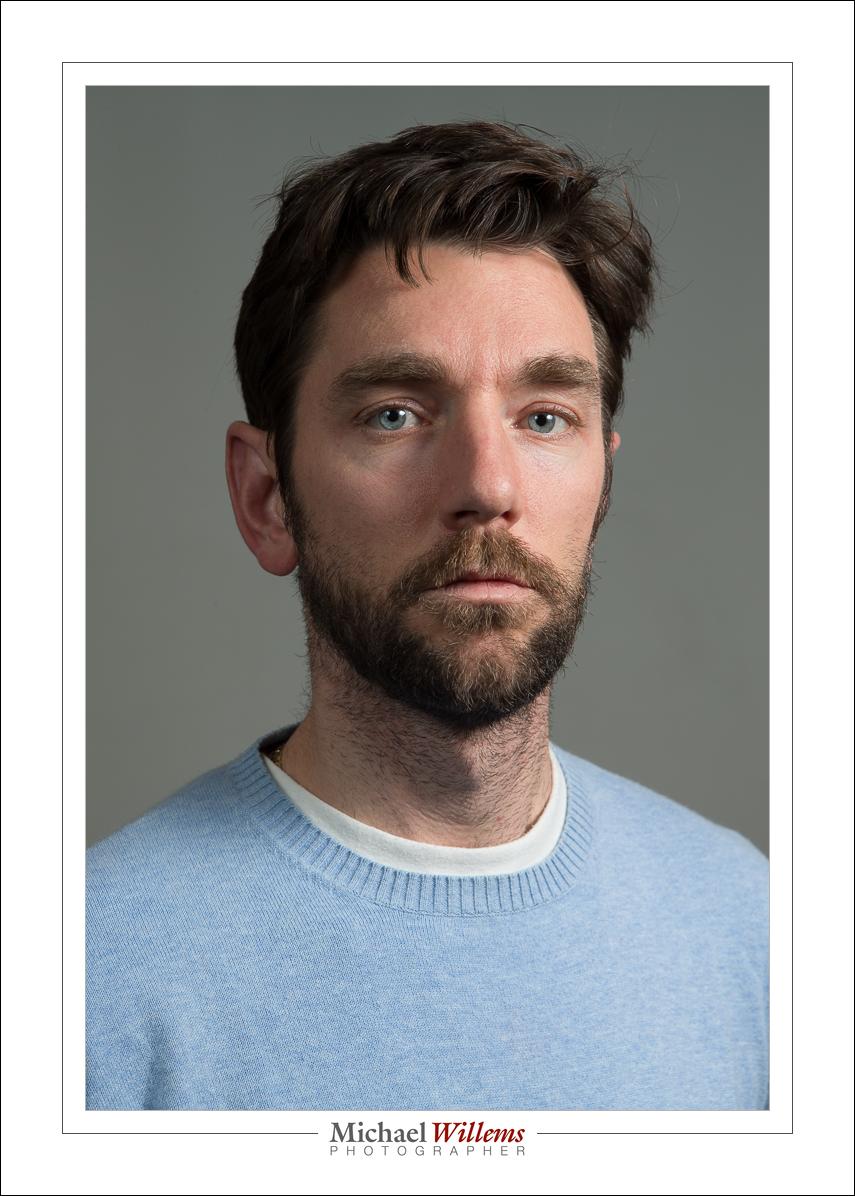
Here, from yesterday’s class at Sheridan College, is talented student Darryl. First with just one light. Then with a second light. Then with that second light brighter. Then with a hair light added. And finally, with a background light also. Four flashes. Can you see how important it is to light a portrait just right, just the way you want it? Light makes all the difference.

Now we’re talking. And that took the following:

  1. Camera with 24-70 lens.
  2. Four flashes.
  3. Five pocketwizards (one for the camera, one for each flash).
  4. Five cables between PW and flash (from Flashzebra.com).
  5. Three light stands.
  6. Two umbrella brackets and one ball head.
  7. Two umbrellas (main=shoot through; fill=reflective).
  8. A Honl photo snoot for the hair light.
  9. A flash meter.
  10. A Honl photo egg yolk yellow gel fopr the background light (this coloour complements his blue sweater).
  11. A few minutes.

And that’s all – not complicated once you know how. And that’s what I teach, and as a photographer, you should know how to do a portrait like this in a few minutes.


Grey.

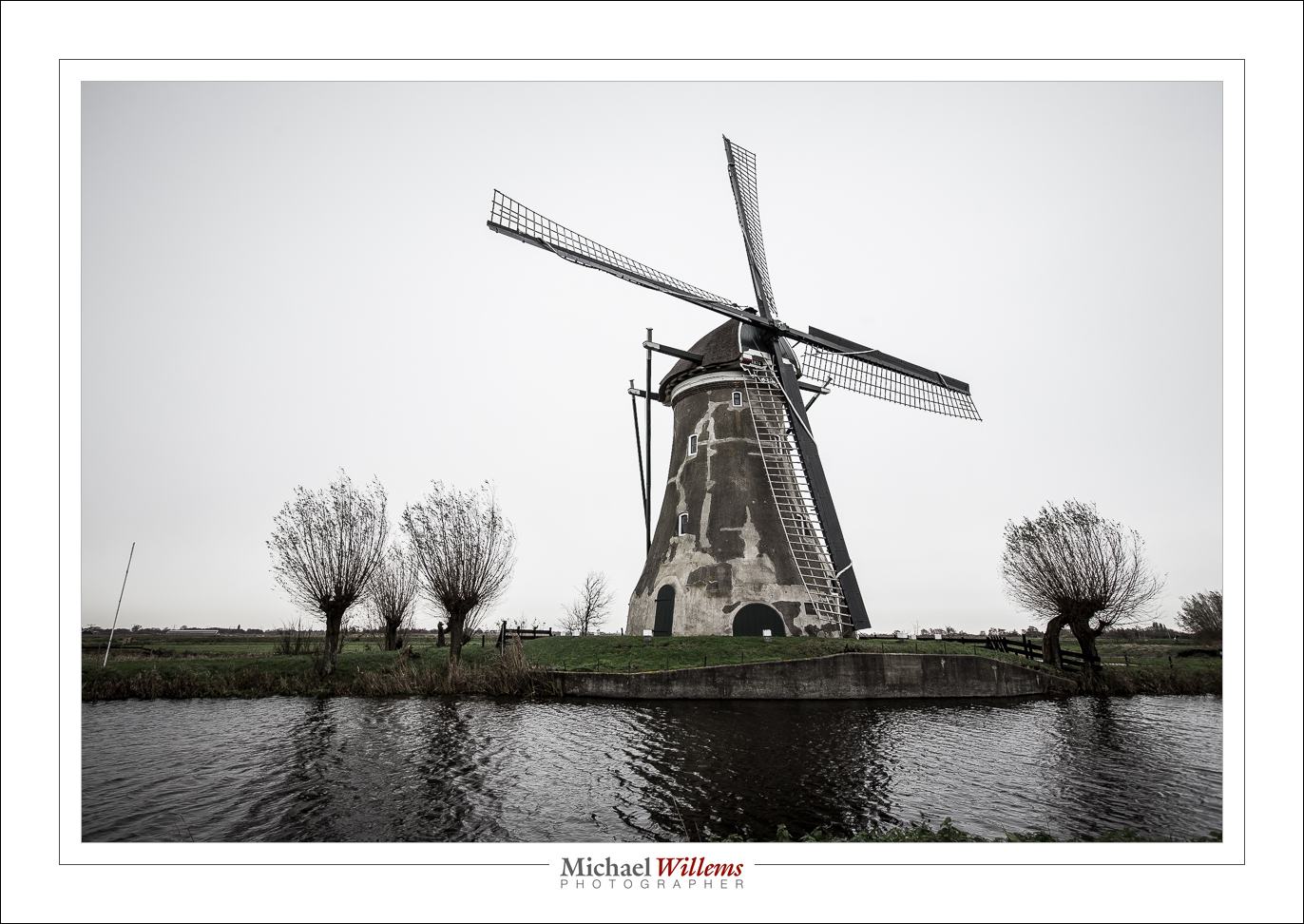
A windmill. The Netherlands. What more can I say? And sometimes you cannot get any definition in the sky. None, zero, nada, zip. A grey definition-less sky is just that. Don’t sweat it.

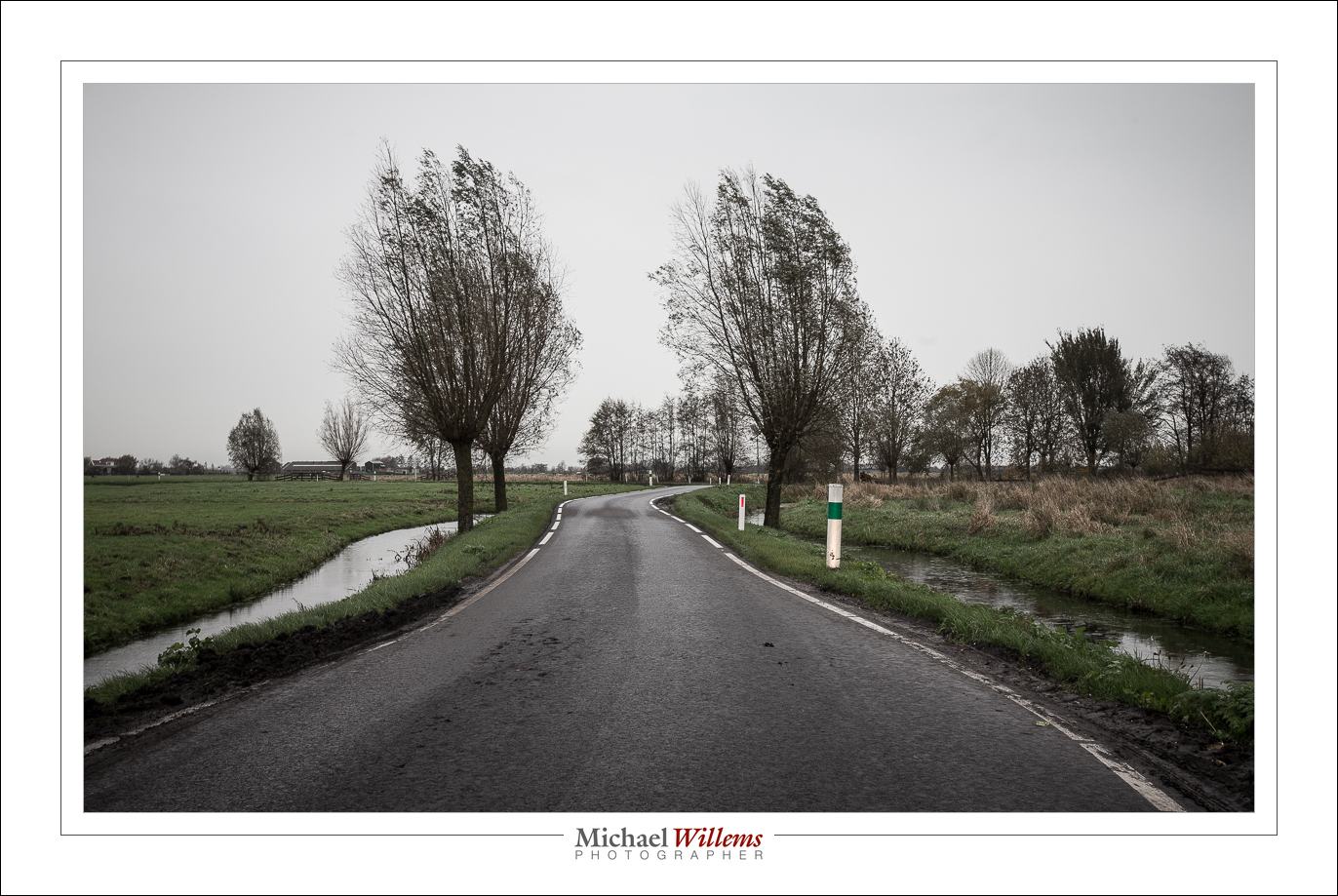
I am leaving the Netherlands tomorrow, and regular programming will resume after my return. Without windmills or rural small roads like these, also yesterday:


History (2)

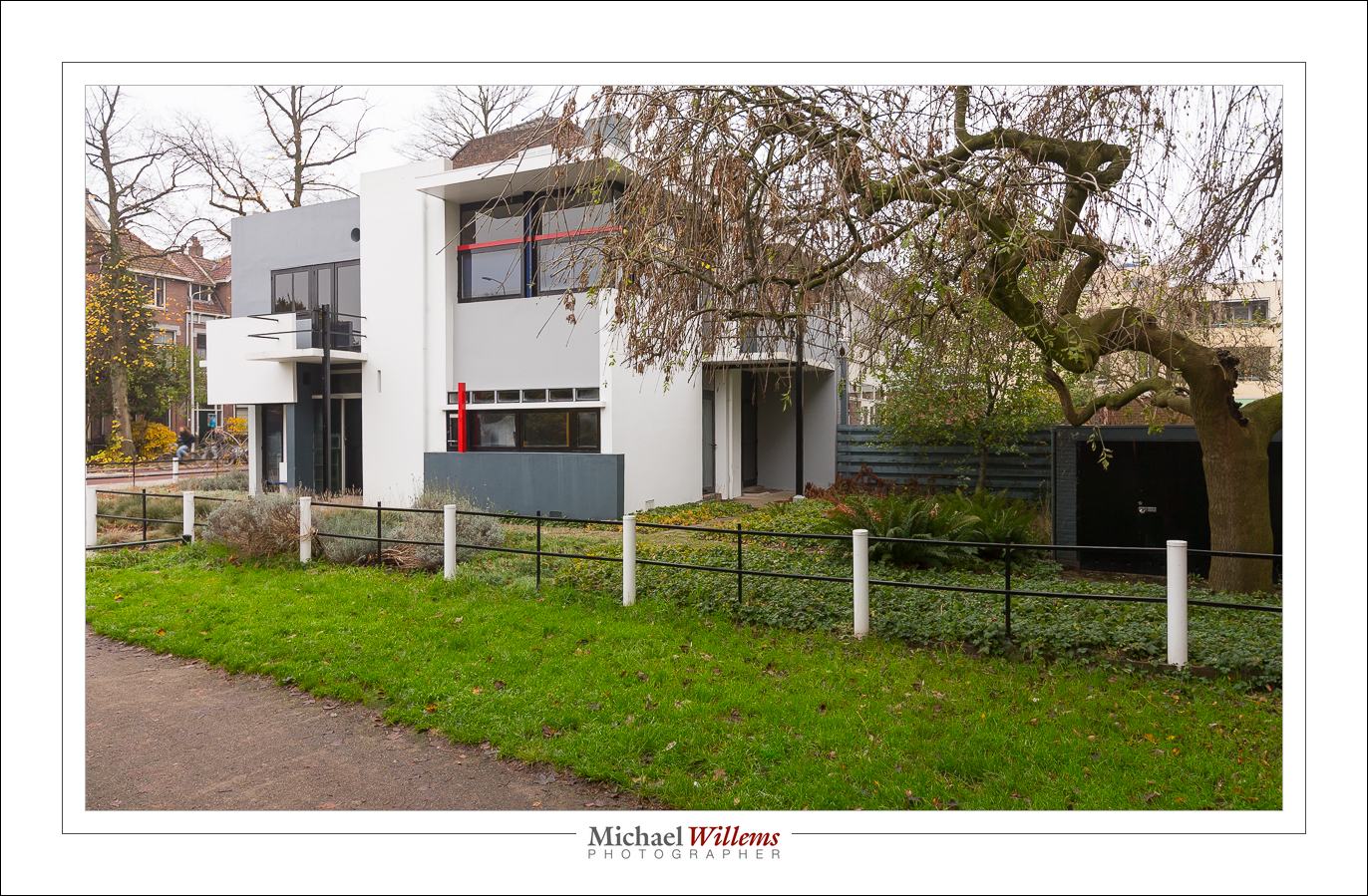
Regular programming will continue after my trip, but in the mean time, some more history. Utrecht’s Rietveld-Schröder house, a 1920s example of “De Stijl”, and  UN heritage site. This is a picture I am printing, on request, for a client:

200 ISO, f/5.6. I thought of going back if the weather improves, but why? This house was built for the Dutch environment and weather, so what better to show it there?

Architecture Tip: Walk all around the house or building you are photographing and shoot it from every angle. It’s often not until later when you see which angles really worked best.


Flashes

I am in The Netherlands, and in the past two days, I taught some workshops. Flash workshops. Reason to remind you of how much you can do with simple means: one or two flash units. As in… one: a low key “split lighting” shot.

A flash fitted with a grid on the left; with the camera on manual with “studio settings”: 1/125th sec, f/8, 200 ISO.

Or with two:

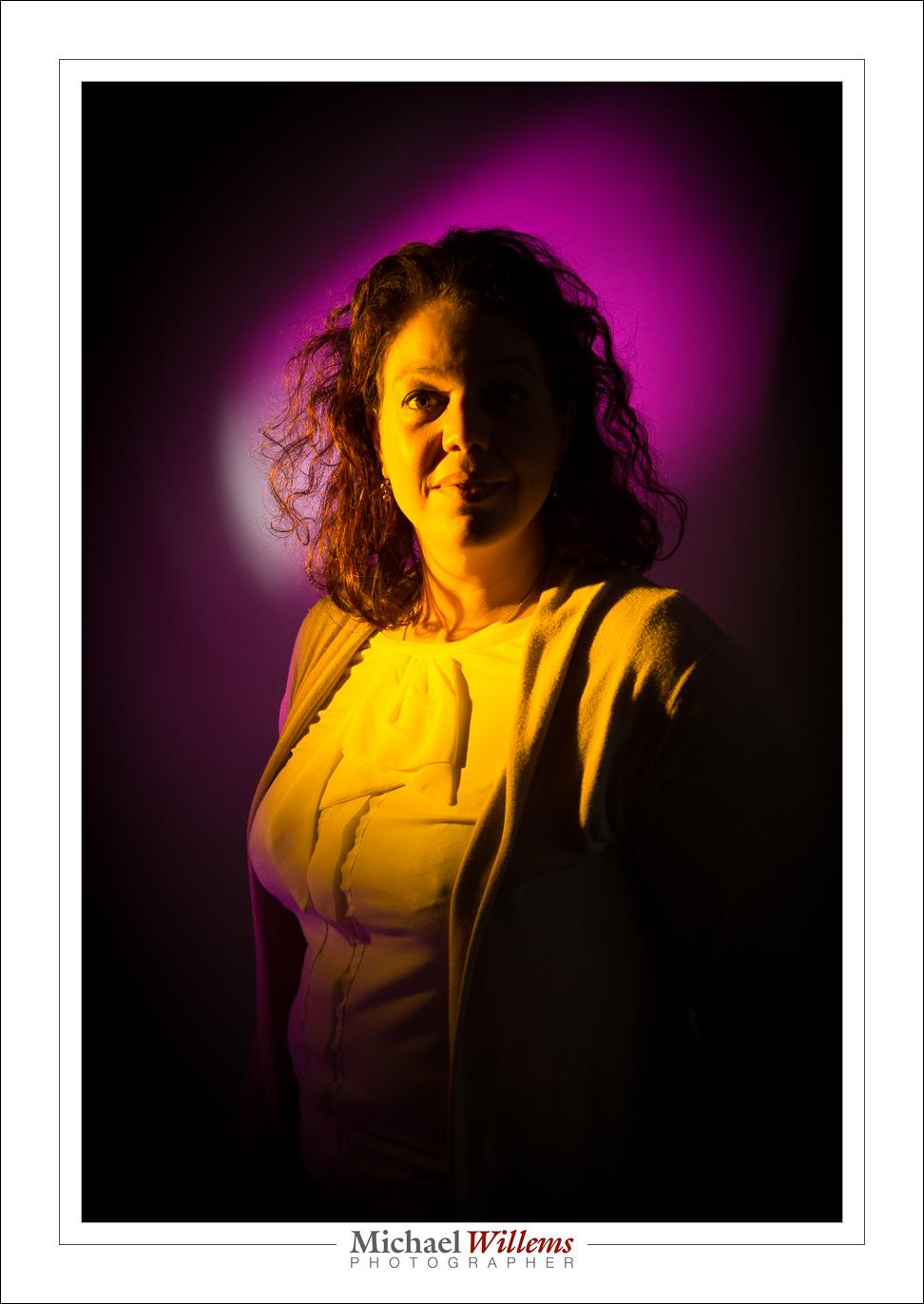
Similar setting on the camera; now one additional flash with a snoot and a gel. The colours are complementary.

And finally, a shot with three flashes: the first has a softbox, on our left; the second is a hair light, behind, aimed forward; and the third is a background light with a gel.

In that last picture, the ambient light is exposed properly (I.e. this does not use “studio settings”).

The key here is: keep it simple. All shots were set up in no time: minutes, with simple equipment. If you learn to use flash you can do this and much, much more.


Split personality? No

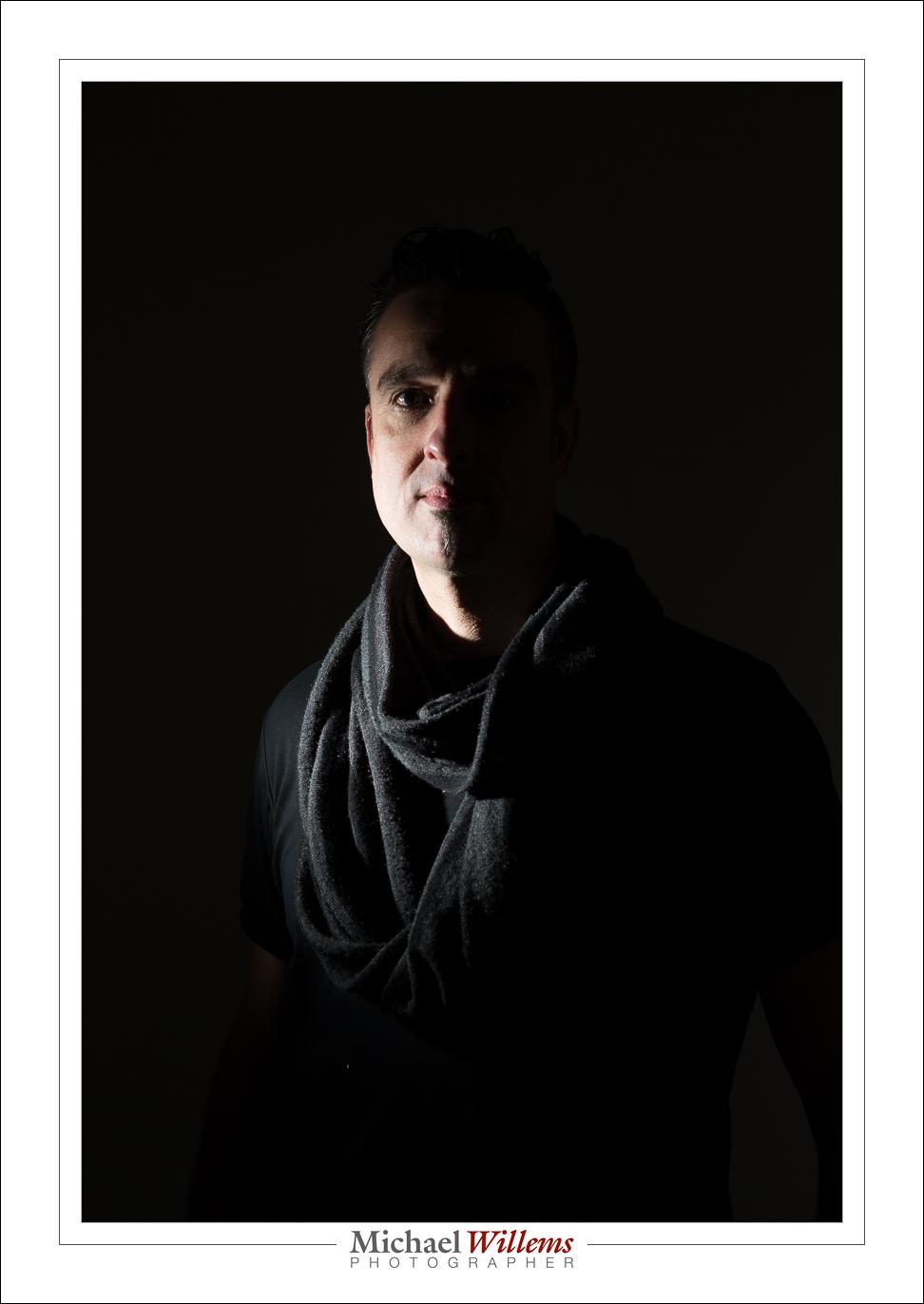
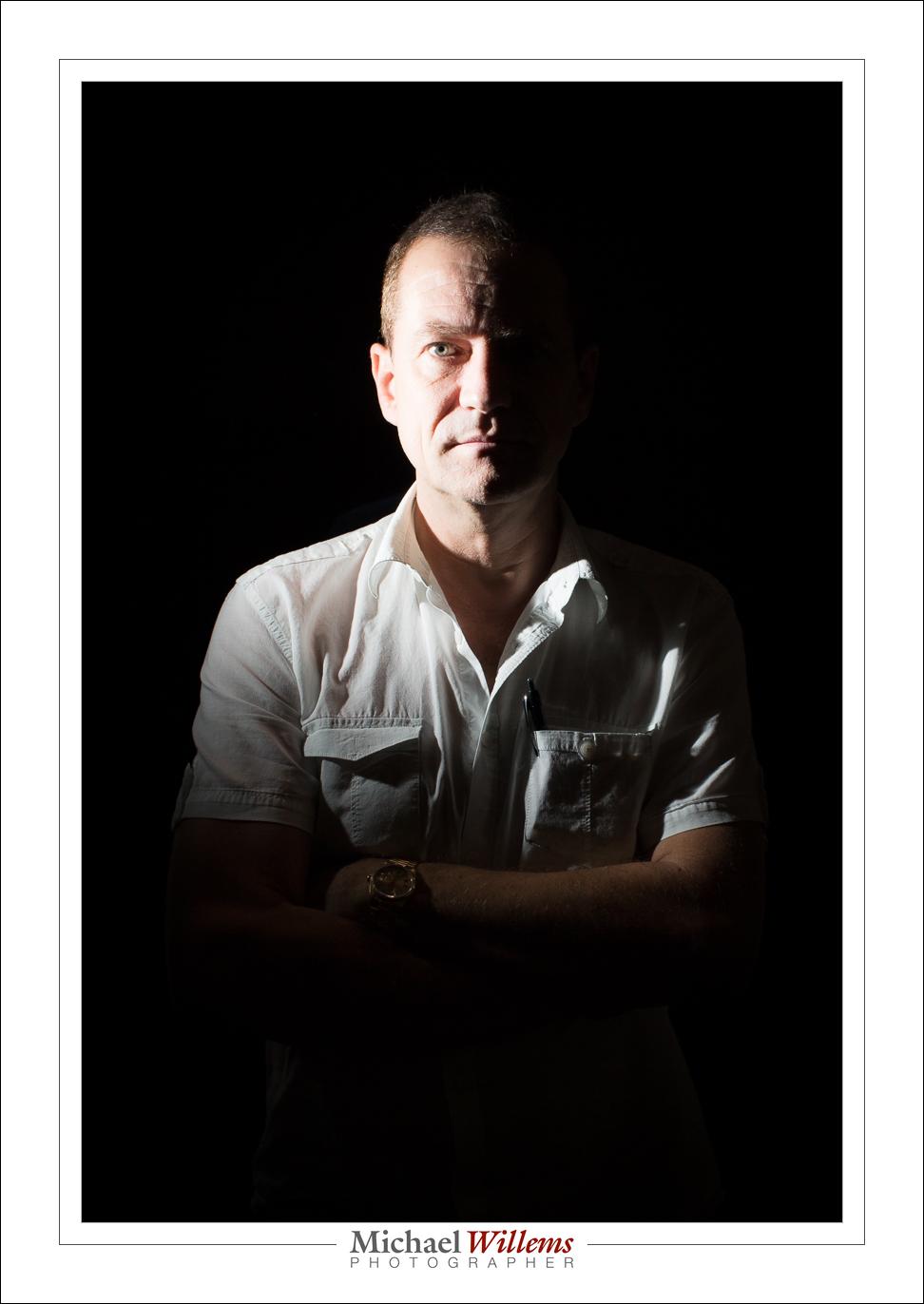
But split lighting? Yes. This is an example – made just now during a flash workshop – of split lighting.

Split lighting means you light half the face, and the other half is not lit. Simpl.

To make this picture:

  1. Set your camera to 100 ISO, 1/125th sec, f/8. This will make the room dark.
  2. Put a flash in the side.
  3. Put a Honl Photo 1/4″ grid on the flash’s SpeedStrap. This stops the light from reaching the wall and other areas.
  4. There you go!

You can meter manually or using TTL. I used manual and Pocketwizards, but TTL is fine too (as long as you disable the on camera flash except for commands).

Tomorrow, another flash workshop. I am pumped! But Shiva is less than interested: