Portray your era

We make photographs because we want to remember. We want to be able to time travel back at any time, back to where we were. And photography gives you that ability.

Here are a few portraits just of the last few days – taken privately, or during courses; just for fun.

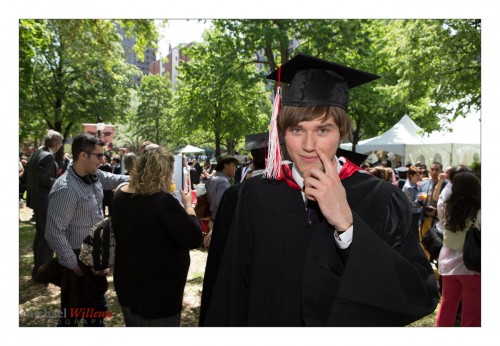
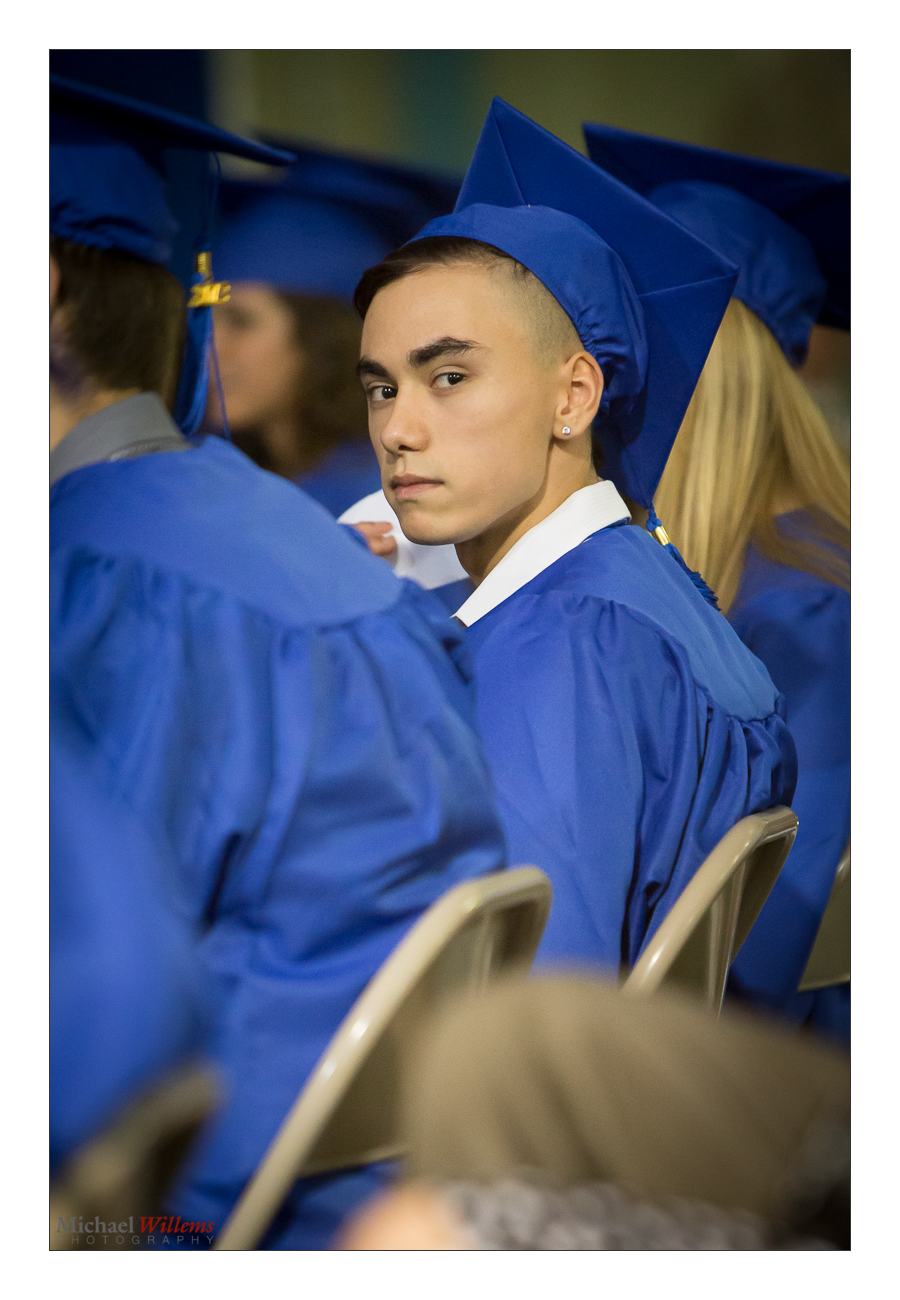
My son Daniel at his high school graduation, taken with a 200mm lens on the Canon 1Dx and then cropped a little more. See how he stands out as the main subject, and how we wonder what he is thinking – this is all about communication?

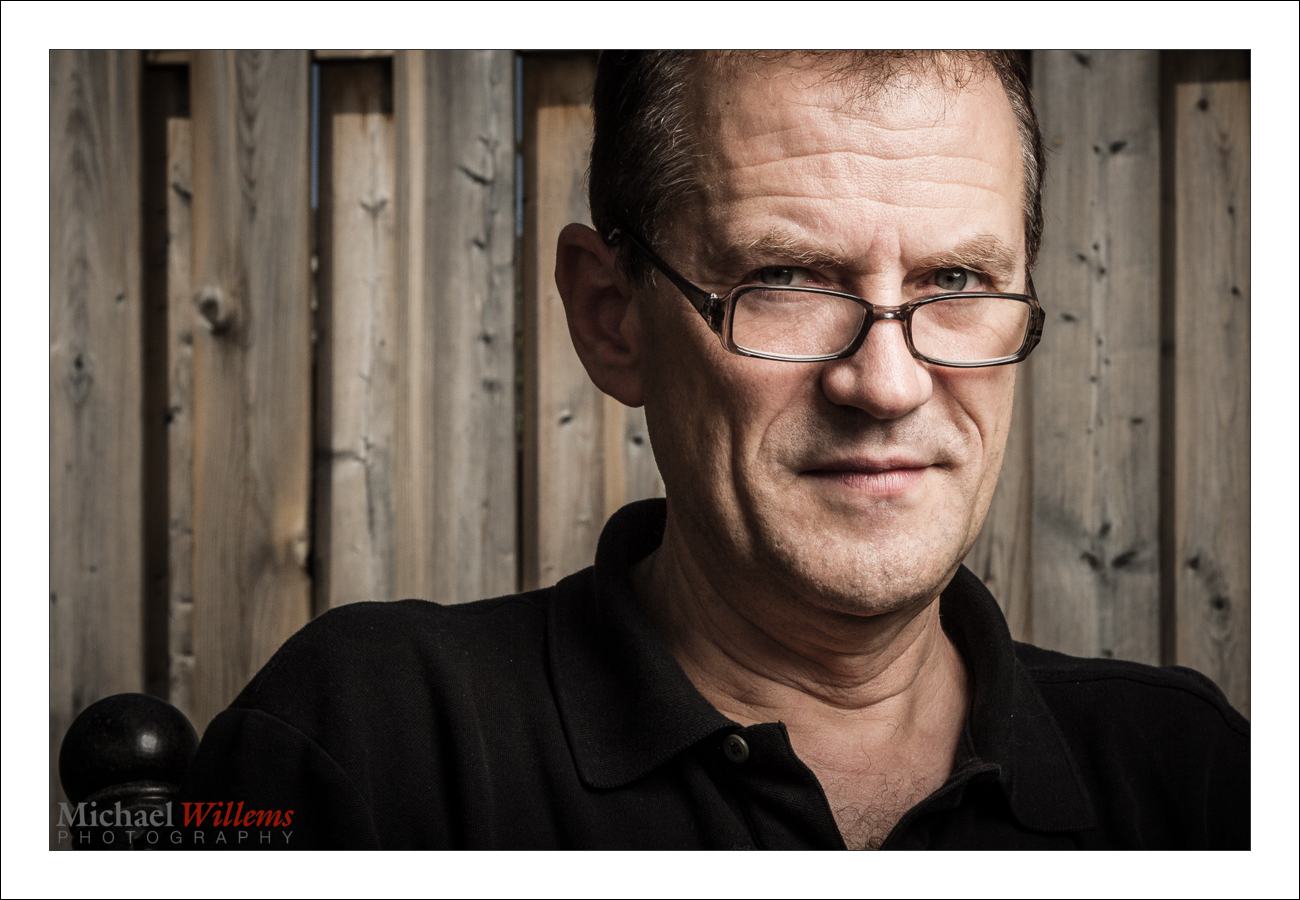
Then there’s my friend and student Brian – I used a strobe with a softbox here, and exposed for a dark background (see previous post). This is all about light and colour:

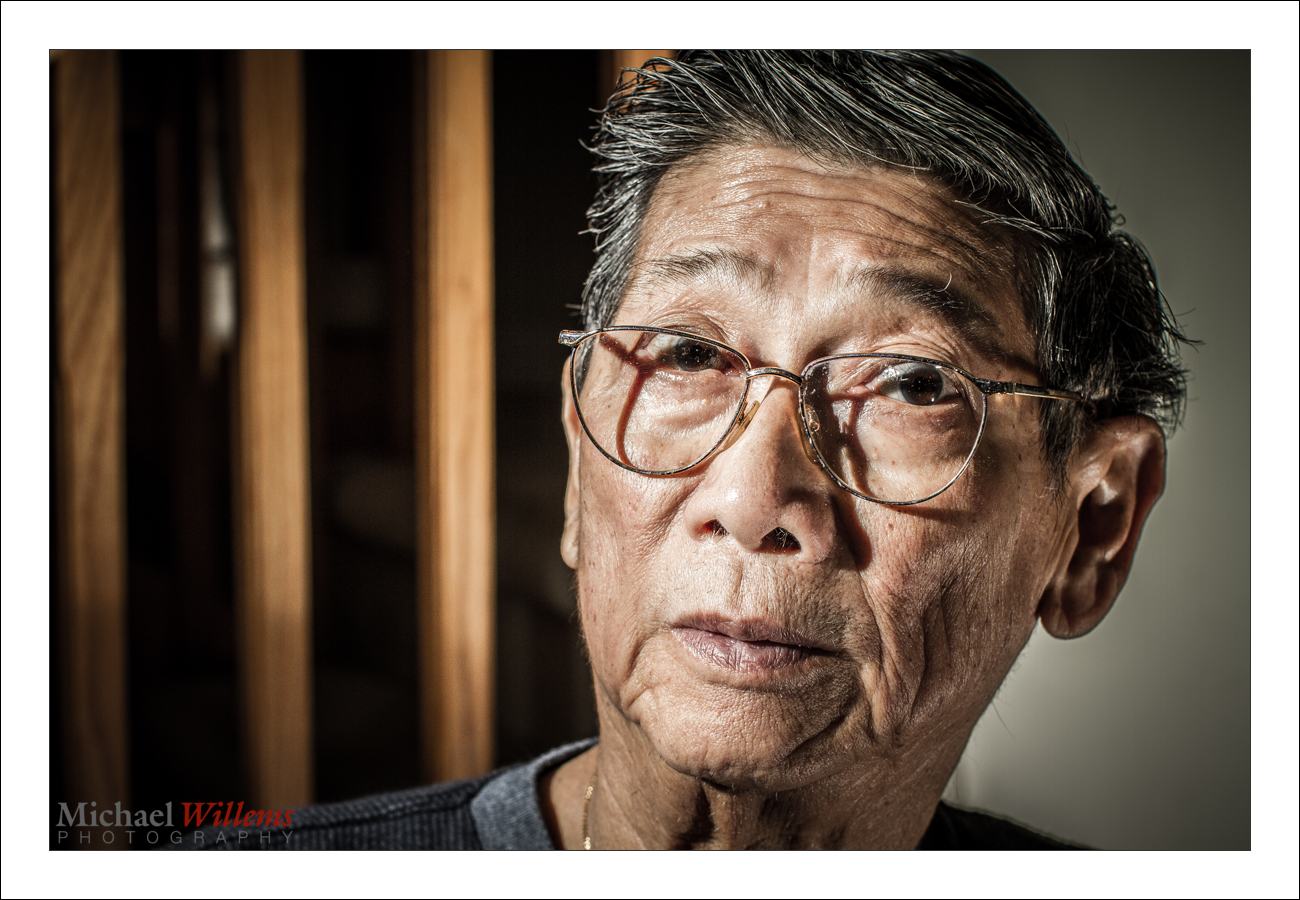
Another student in that course, but now with increased clarity and decreased saturation, to emphasize experience and character. Lit with one direct off-camera flash on our left:

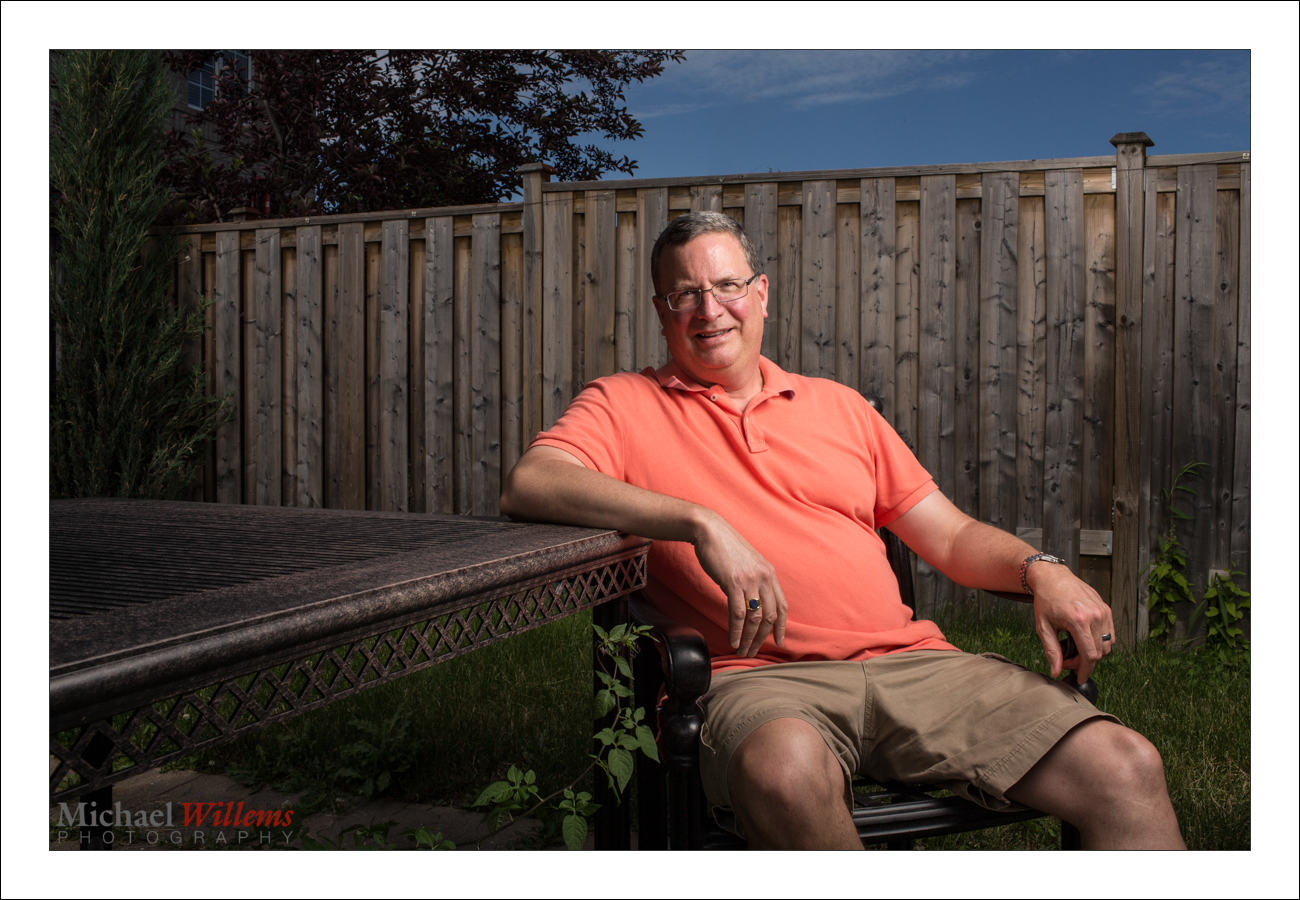
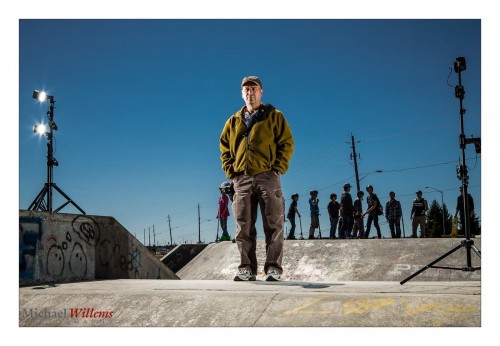
Now me, taken by Brian in the same garden setting as before – this one is all about composition:

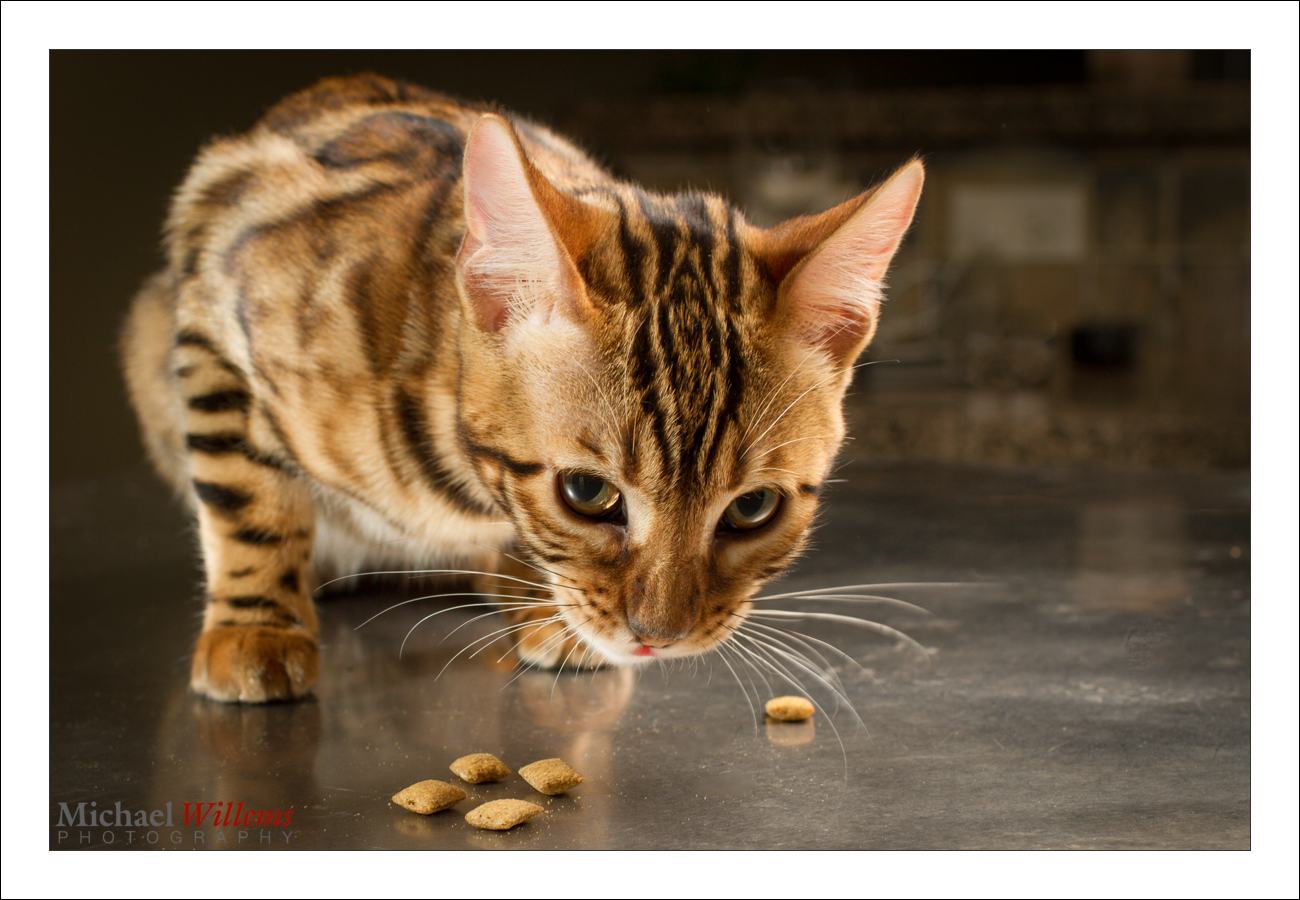
And finally, cat Mau while eating treats. Lit with a softbox on our left, behind; and a direct flash on our right, in front: I would say this is all about trust.

I think you will see that portraits tell something about the person you are portraying; can be visually interesting; and are not difficult to make. And that they are expressive of something. If you know what that “something” is, you can do miracles.

So if you want some homework, here’s an assignment: take at least two portraits today, using various light (say, one flash, one available light; or one indoors flash, one outdoors flash; and decide what the picture is about. And let me know how you do.


Simple Setting Tip

You have all heard this before, but one more time: here is a simple setting for “indoors flash in a typical living room”. For photos like this, in other words, of my friend and colleague photographer Taha Ghaznavi:

Not bad, eh? Would you like to learn to make photos like this, with those nice warm background colours, and natural looking shadows? Well – you can, if you have an SLR and a flash. Here’s how:

  1. Camera on MANUAL (“M”)
    1. ISO: 400
    2. Shutter: 1/40th second
    3. Aperture: f/4
  2. Set the White Balance to FLASH
  3. Ensure that the Flash is set to TTL (that is its normal auto mode: it says something like “TTL” or “ETTL” on the display on the back).
  4. Aim the flash 45 degrees up – BEHIND you (ensure there is a ceiling or wall).

Magic! Your background is dark, but not too dark. There’s no reflection off the glasses. The face looks not flat, but three-dimensional.

Simple starting settings like the Willems 400-40-4 rule above are important. Recipes. Of course they are just that – simple start settings. If your subject is too dark, for instance, it may be that the ceiling is too high for good bounce. In that case increase your ISO to 800 or even to 1600. Or if your subject is wearing white, you may need “+” flash exposure compensation. And so on.

So you may need to vary, but by starting with good rules of thumb like the Willems 400-40-4 rule you will not be too far off for a start!

___

These recipes are the basis for my Photography Cookbook – a recipe book that will get you started with many good situations. But a thorough knowledge of the fundamentals is also needed if you want to be a good photographer. The Pro Flash Manual is designed to teach that. Learn about both these e-books here on my web site.


Forest

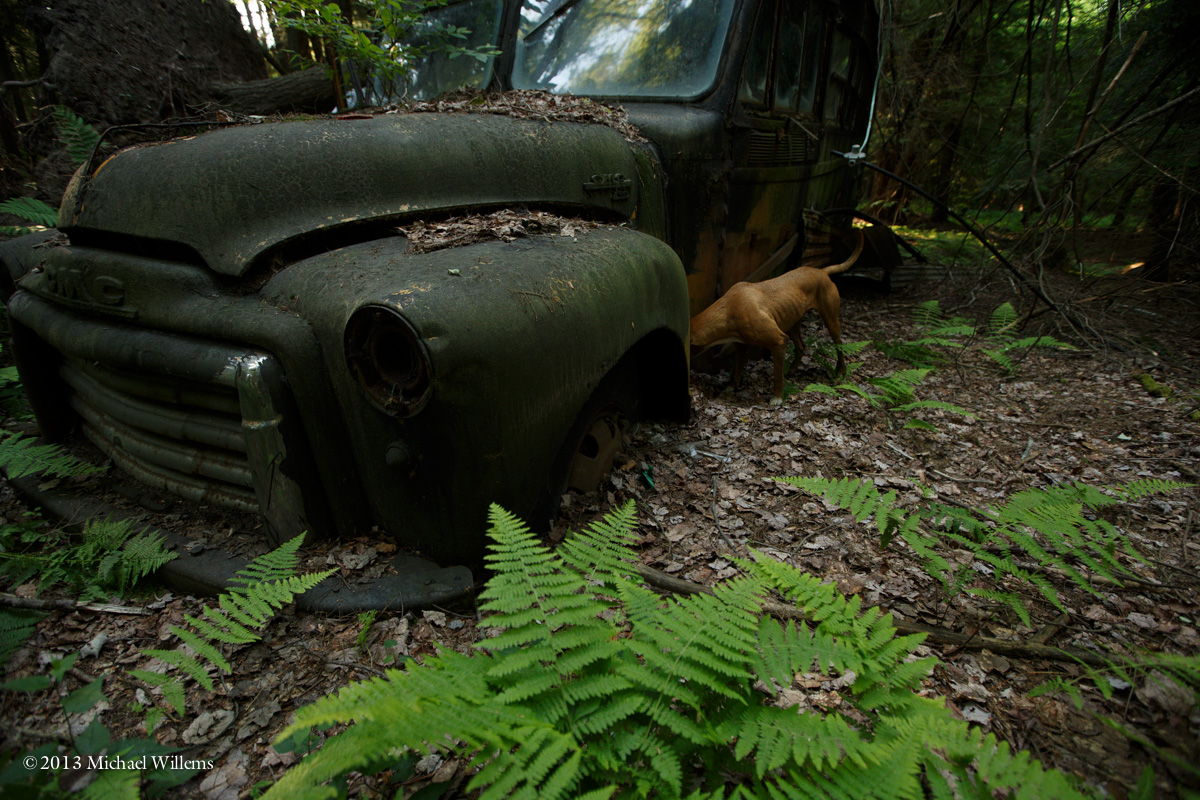
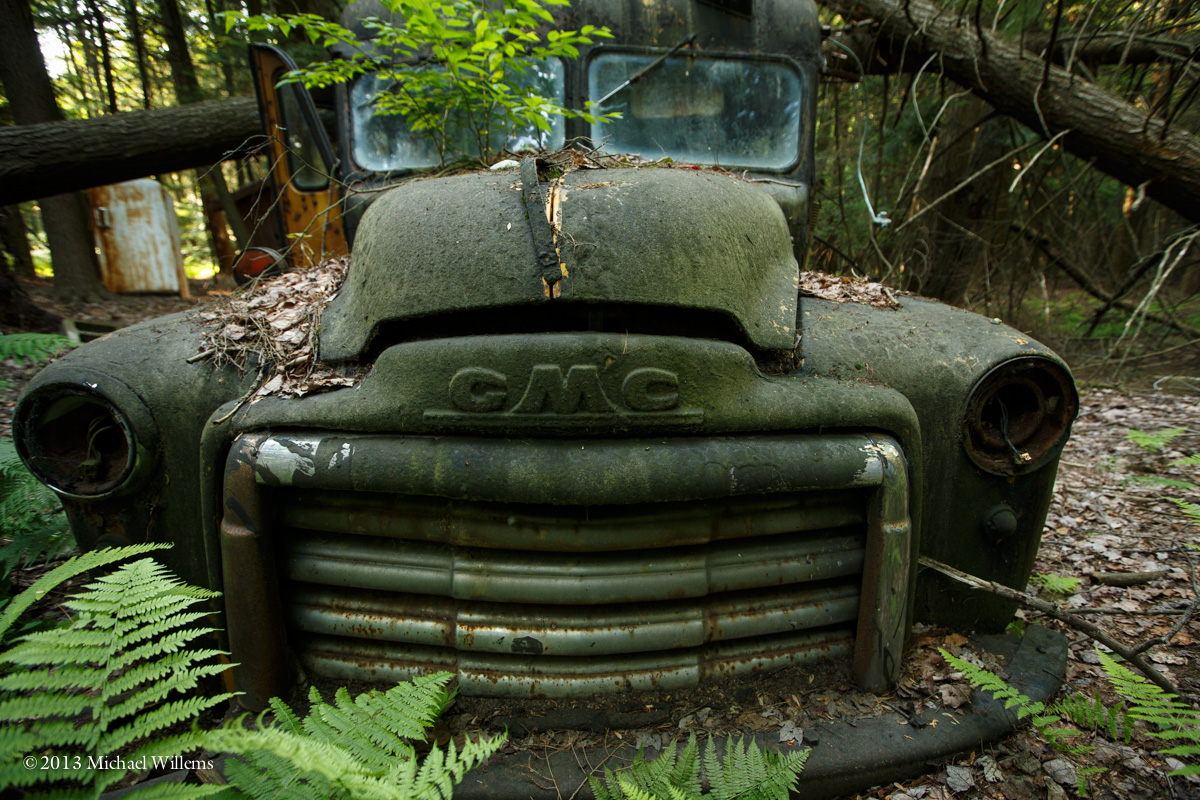
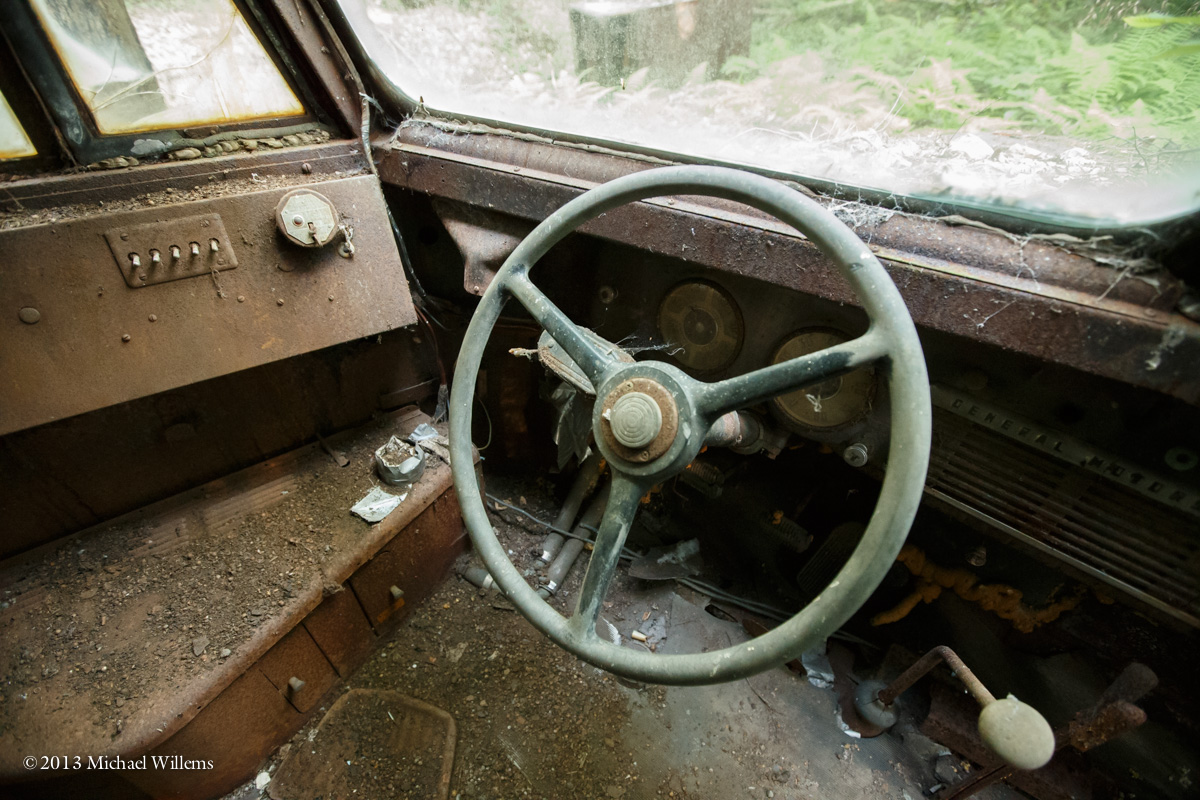
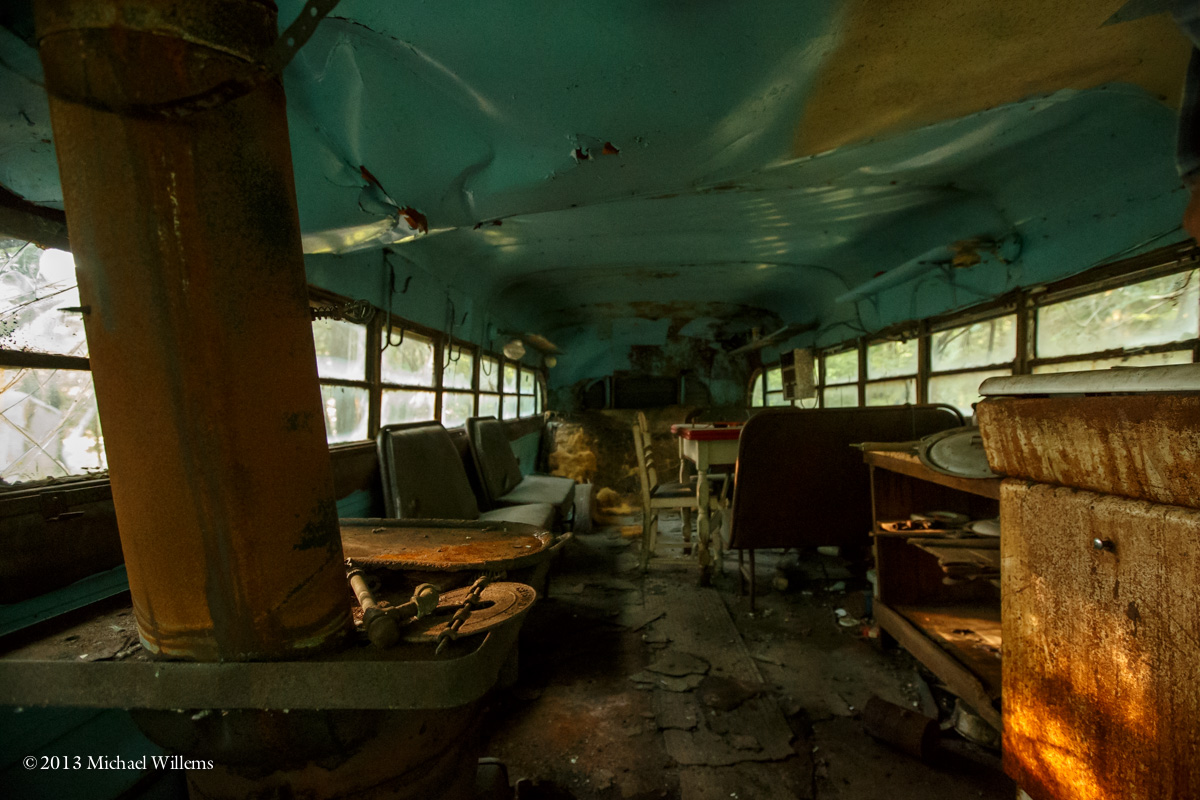
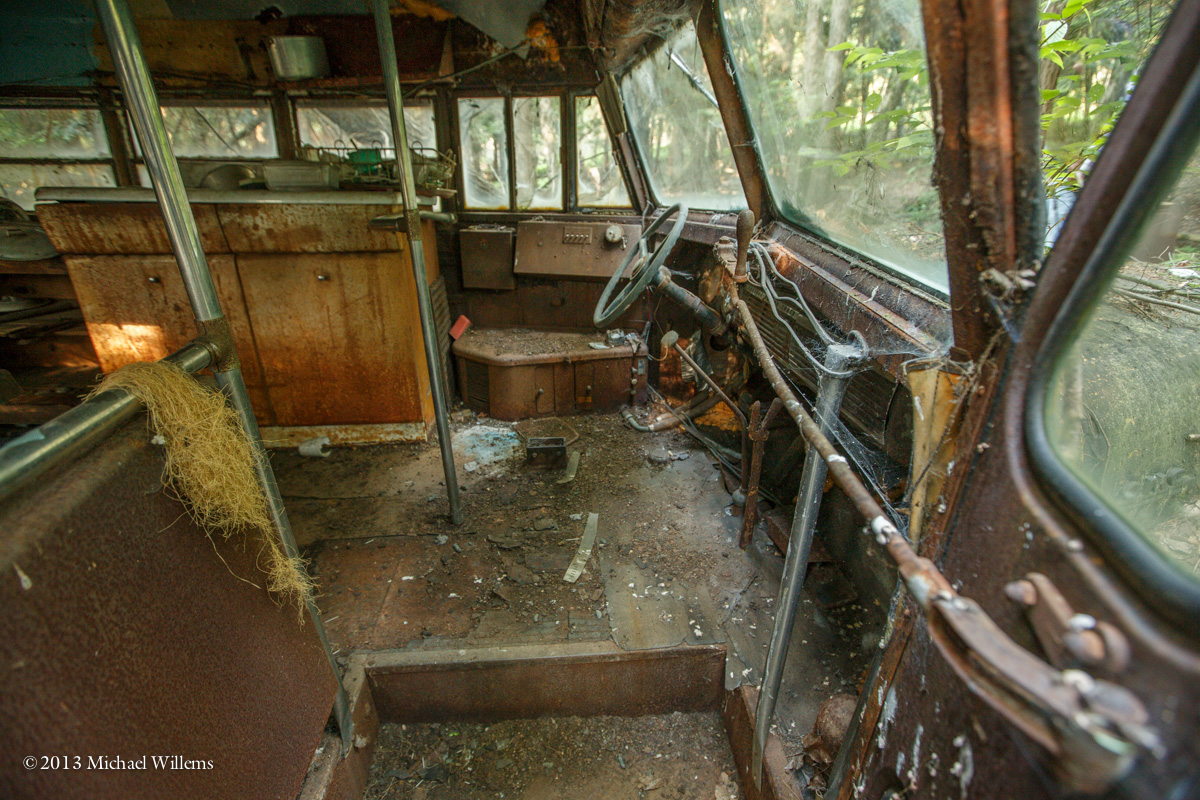
Yesterday, I was in a the woods near Susquehanna, Pennsylvania, shooting this:

An abandoned schoolbus, once used as a hunting lodge for locals now long forgotten.

No light except available. You can see what lens I used, yes? Wide angle – 16mm (On a full frame camera).

As for settings, how did I arrive at the right settings?

  1. I set the camera to Manual mode.
  2. I wanted f/4, so I set that first.
  3. Then I wanted a sufficiently fast shutter, say 1/40th sec or faster – at least 1/15th second when using a 16mm angle, to avoid camera shake. So I set that.
  4. So that led to the ISO setting – I set the ISO so my meter indicated “-1 stop” when I aimed the camera, zoomed out, at an “average” scene (why -1? Because it is dark. Why not -2? BEcause I am ever so slightly “exposing to the right”, and I do not want to lose the highlights.

So that gives you:

And sometimes, a little adjustment in post: pulling back the highlights in the RAW image, and perhaps increasing the shadows’ brightness, to avoid the inside being all back or the outside all blown out:

Shooting contrasty scenes like this is not easy. So a trick you can use: go to Program Mode, with auto ISO, and see what settings this mode uses, then disable Auto ISO and go back to Manual, and emulate those previous settings; then fine-tune and adjust to taste.


What goes into a shoot?

Today I photographed a birthday party, in a Toronto park, outdoors under cover. “Simple”, you might think; “everyone can do this, with a point-and-shoot”  – but not so. Simple results need real skills. That’s why you hire a pro. Let me explain.

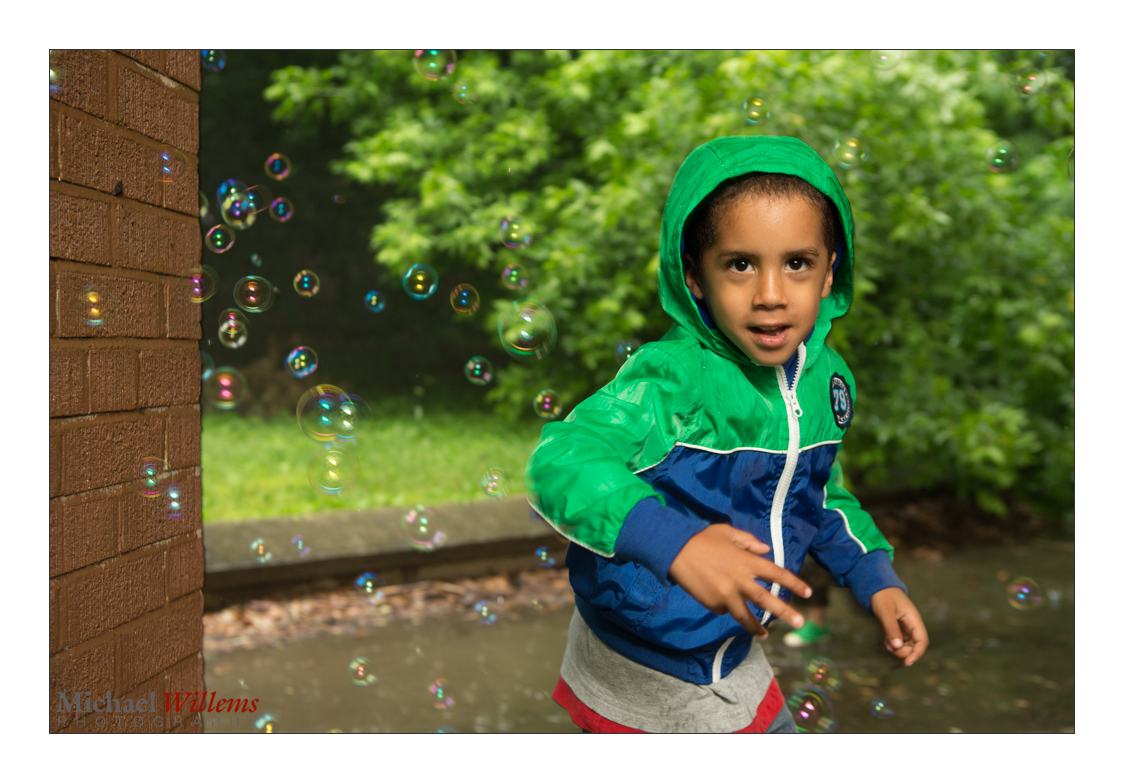
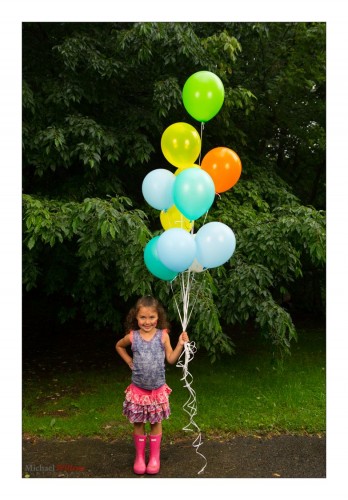
Take a picture like this, for instance:
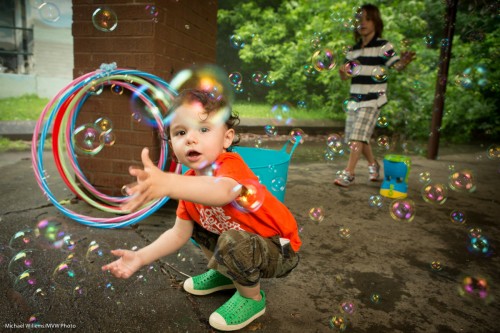
That simple-looking snap needs considerable technical skills:

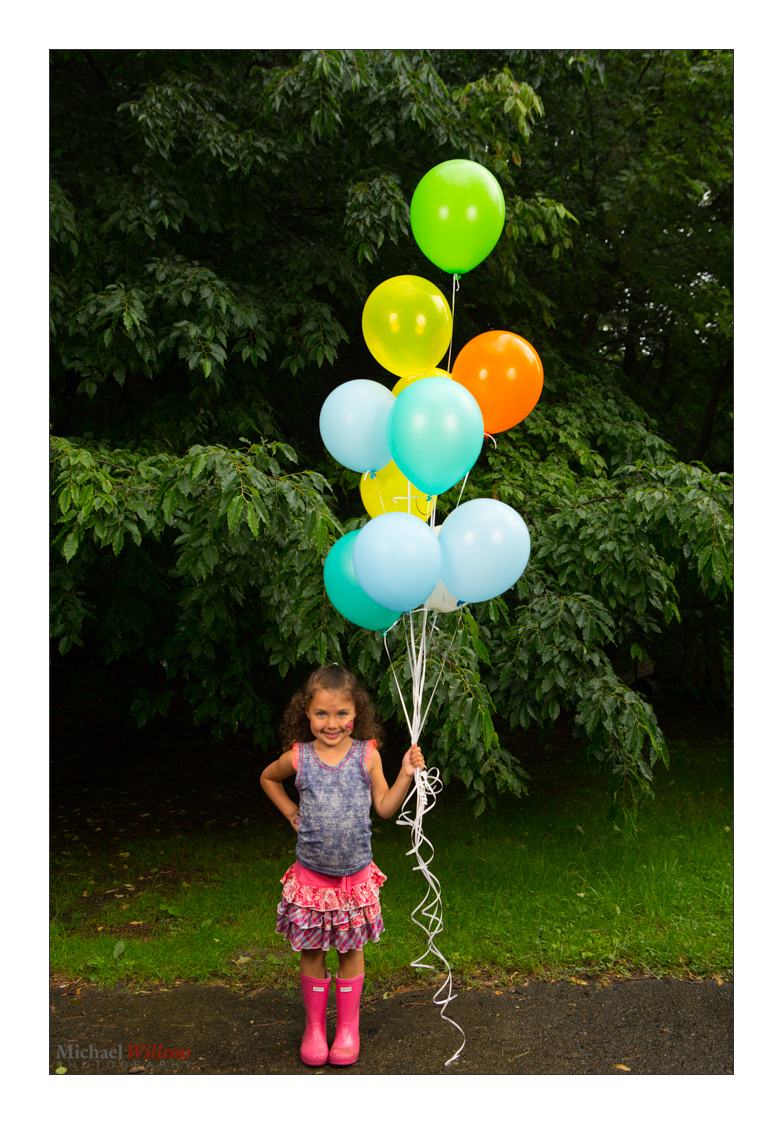
  • Choosing the right lens! 24mm on a full frame gives you this “wrap-around” 3D-type feeling. You need to know what lenses give you what results. I used a 24-70 zoom lens on a full frame camera (the Canon 1Dx) for best results, but I thought carefully about what lens focal length to use for any shot.
  • Then, to take care of the background exposure. The camera was on manual (M), and I chose f/4, at 1/40th second, using 640 ISO. That gave me a good, slightly dark background. f/4 gave me enough depth of field with that lens width. 1/40th froze enough motion with that angle.  (TIP: a good starting point for indoors is the Willems 400-40-4 rule: 400 ISO, 1/40th sec, f/4. Then adjust as needed).
  • Of course I was changing parameters all the time, since the sun went from totally gone (thunderstorms) to full bright – many stops difference between shots. Be ready for this!
  • I bounced the flash and knew exactly where to bounce it – an essential part of bouncing. I have eyes in the back of my head while bouncing, and you should develop the same. Where is the virtual umbrella?
  • I also knew how to set aperture and ISO to get enough available flash power!

It needs creative skills also:

  • I needed to see the bubbles and positioned myself accordingly. I also waited for the right arrangement of bubbles. I ensured my bounce angle lit enough of the bubbles.
  • I needed to get the right angle: I got down to child level.
  • The Rule of Thirds gave me a pleasing composition.
  • I did the necessary to get the child to look at me – not at all a given (and please parents, do not say “SMILE”).

Or take a shot like this:
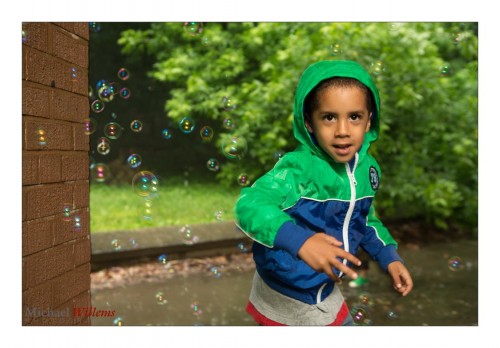
All personality, with the same compositional and technical rules as before. In a shot like this, it is all about the moment, and the technical details should be a given. You snooze, you lose.

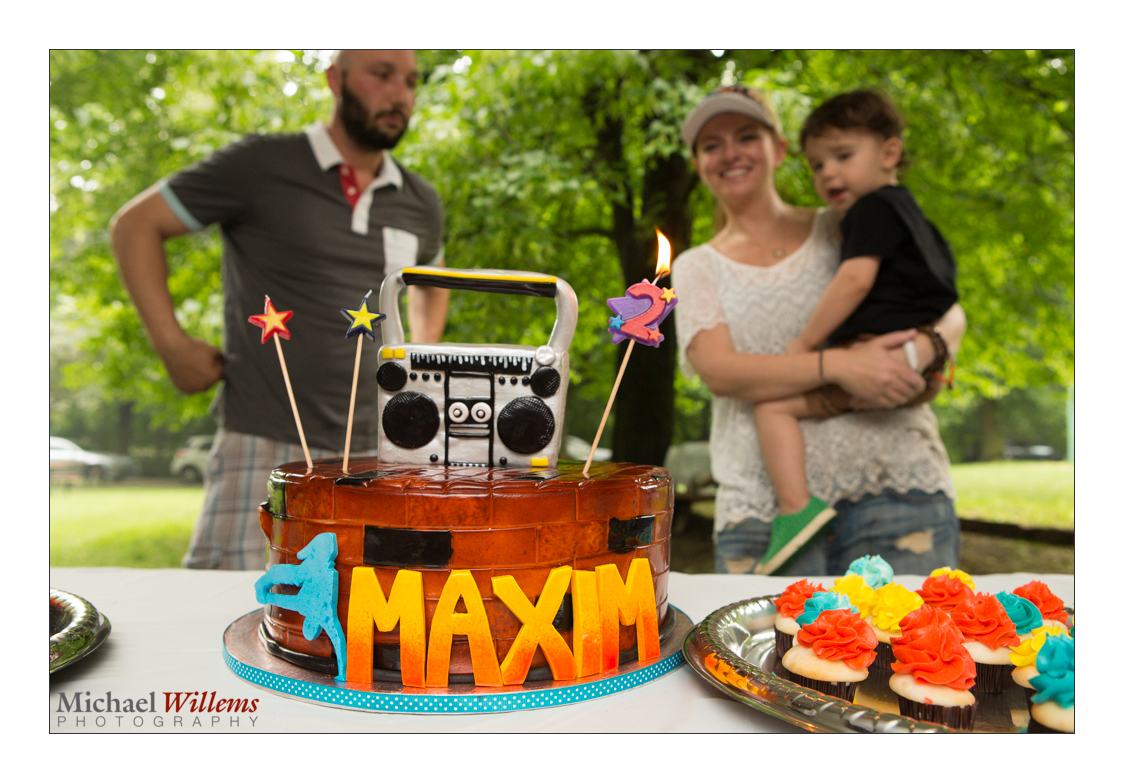
Then consider this:
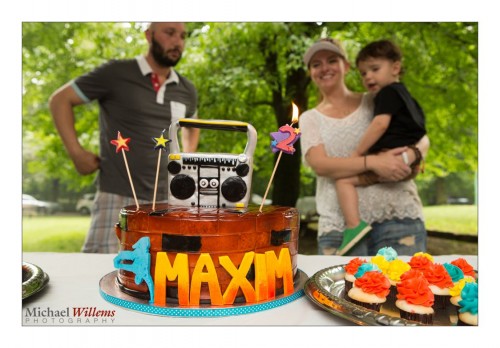
Here, it’s the same tech skills and compositional skills, but we add storytelling as the necessary skill. Great photographers are great storytellers.

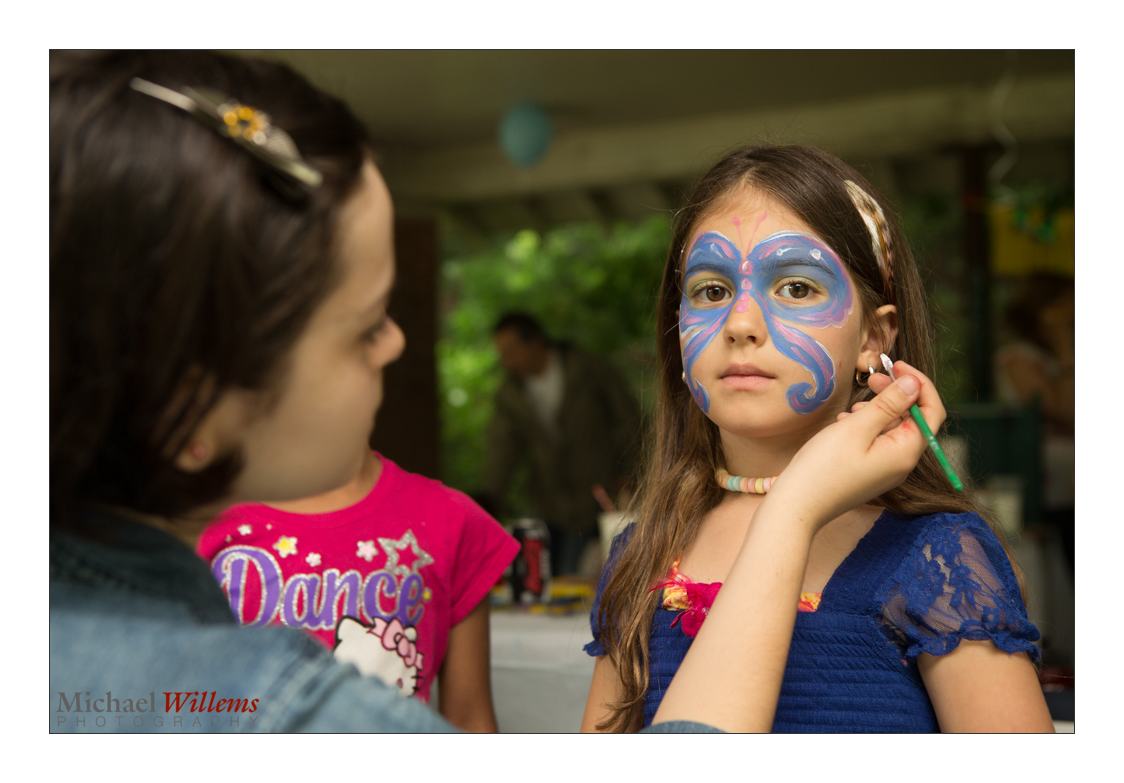
How about this?
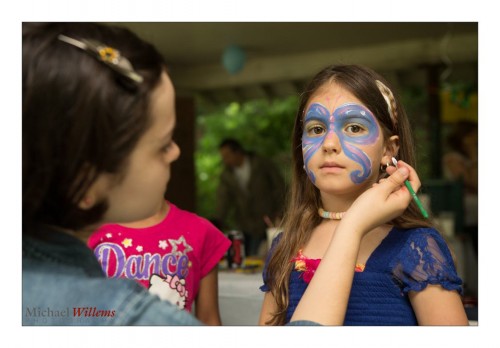

Well, all the above is needed, but here there’s personality and communication mixed in. What’s the little girl thinking? Why the serious expression? Raising questions is an important part of artistic expression. And let’s face it, photography is an artistic endeavour.
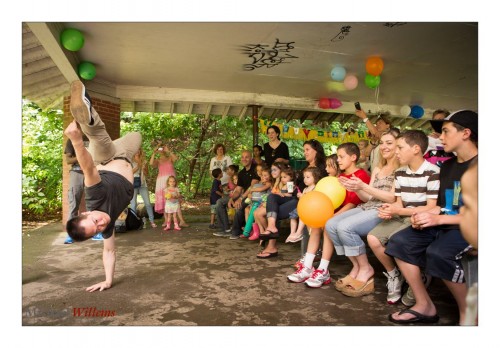
The above shot is about the performance, a simple shot of record – but everything has to be perfect for it to work. You cannot miss!
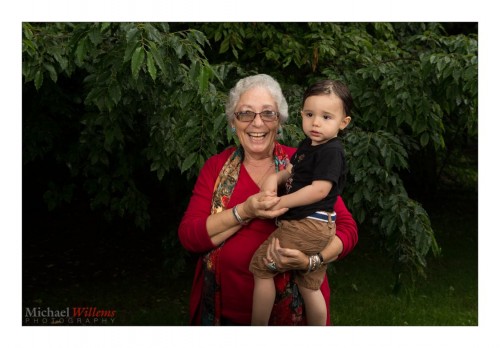
Here it’s about using studio lights powered by a lead-acid battery pack to “nuke the sun” – you have read here about this technique many times (and if not, get the flash book and learn flash!). It’s also about that great proud smile. Really, isn’t that photo just “life in a nutshell”?

Another example of the same: how you can make direct sunlight go away and by using flash, override whatever bad light happens to be available, so that horrible direct sunshine can instead end up looking like this:
I hope these sames from a simple two-hour shoot show you that there is mileage in learning pro skills, or hiring a pro. It’s not at all “tech stuff for the sake of tech stuff”, or “pretentious art talk”. There really is an enormous benefit to these skills. Having great images of your event is time travel, is life committed to eternity. Cliché? I don’t think so – I prefer to think “truth”. I have only one image of myself as a child, and I wish I had many, and that they were all professional images.

OK… one more.
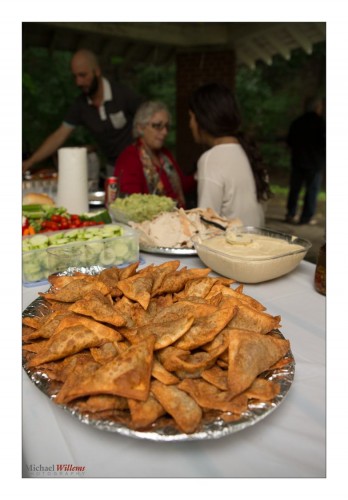
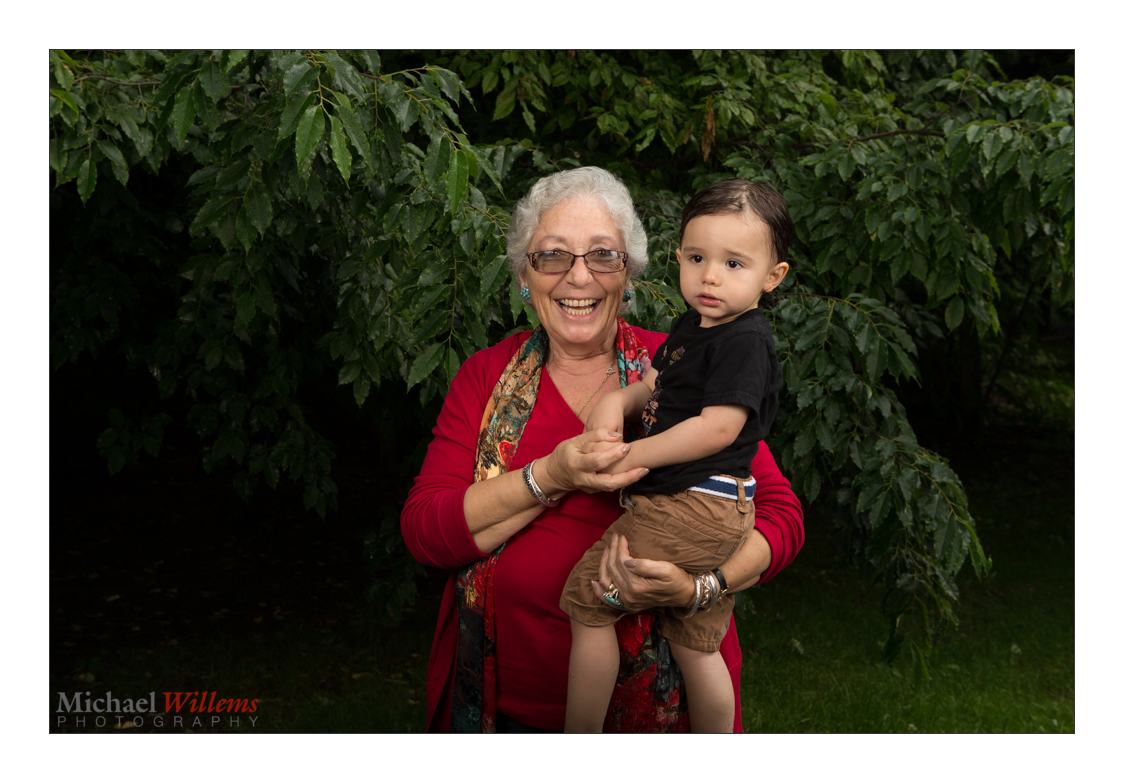
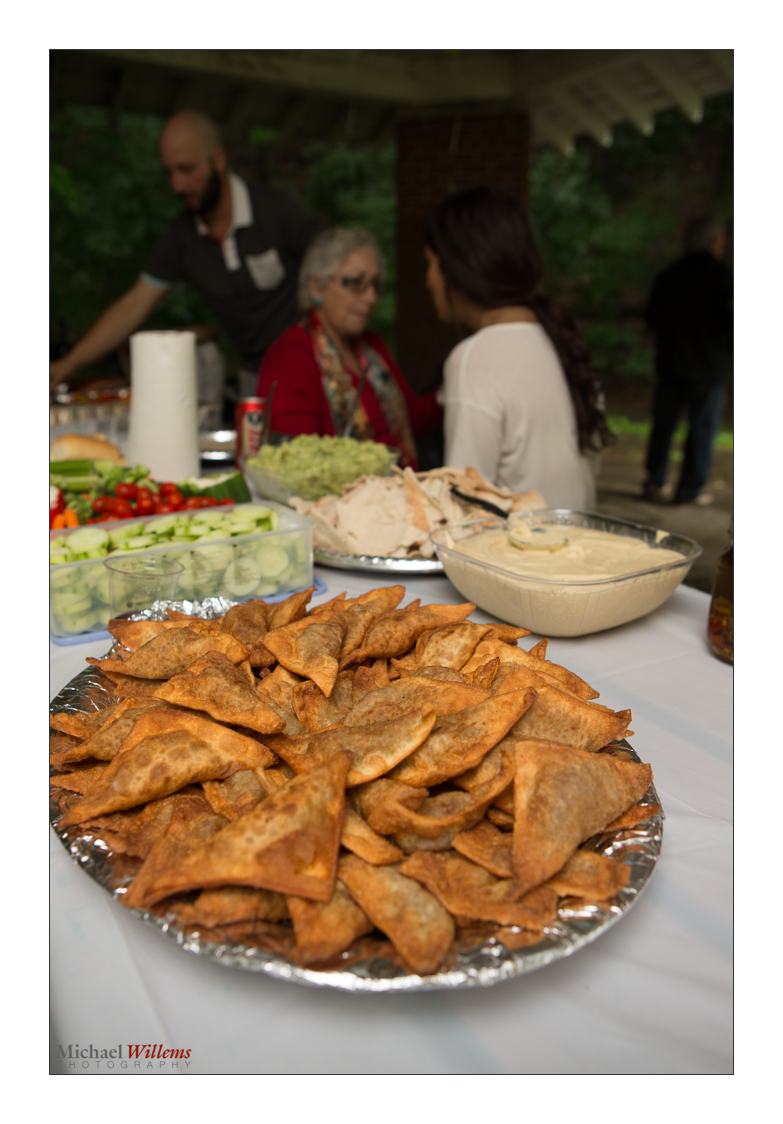
The family was incredibly hospitable and kind – as I find most people are! – and grandma made the fried snacks and the hummus, both pictured.  Please photograph the food, especially when it is made by the people you are working for – love and soul went into it, and the photos will make it last forever.

iPhone snaps just won’t do it. Please make a record of your life events. Hire a pro, or if you are one of my student readers, learn the pro skills. It costs money – yes, but not doing it wastes life!
 

It’s 2AM, or “a day in the life”…

…and I am back from an impromptu shoot. A friend and student needed some help with a commercial shoot for a high-end hair salon. 11AM-7PM they did the hair; 8-11pm my friend was shooting. Except it didn’t go too well. So I drove up to lend a hand.

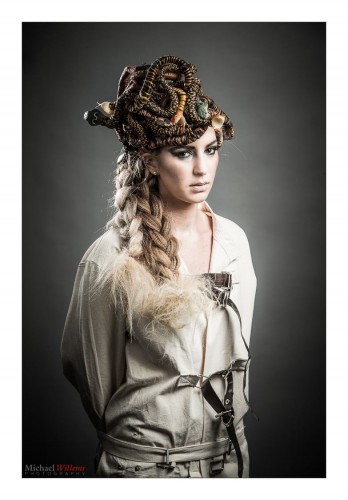
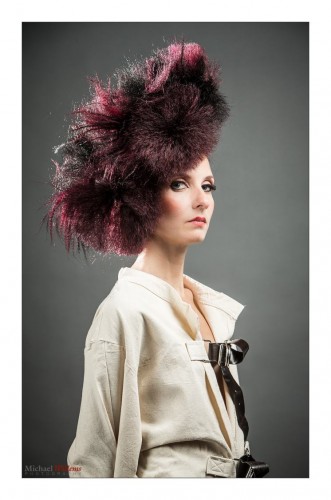
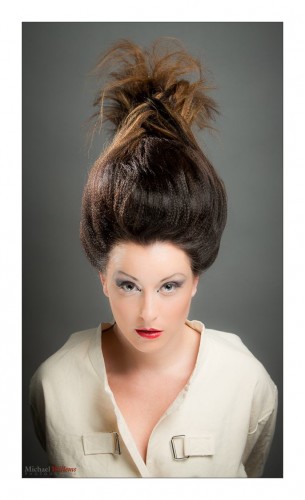
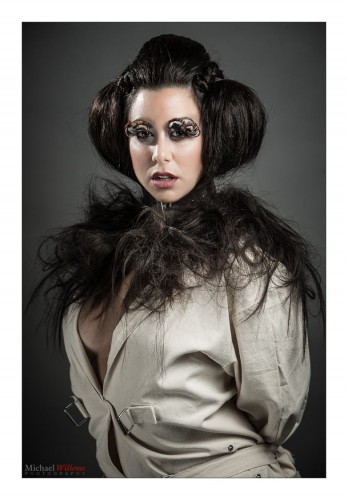
The salon owners are extremely creative. And Italian. That made this a very pleasant shoot. Here you go; Medusa in a straightjacket:

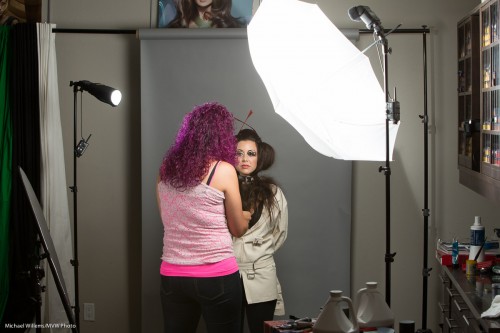
I had to first pack my portable studio into the car. Then drive 60km. Then quickly unpack, and quickly ask my colleague to set up a backdrop: I had brought the grey paper backdrop, because grey can be made anything from white to colours to black. Time was short by now.

Then the lights. I brought the strobes, but decided to use the speedlights. Lighter, smaller, quicker. A hair shoot means a main (or “key”) light shot through an umbrella, and a reflector for fill.  And, very important, a hair light through a snoot or grid for “shampooey goodness”.

For consistency, I used Pocketwizards and manual settings on the flashes. If this had been an event, I would have used TTL.

Here you see the setup:

Then, metering – flash set to half power gave f/7.1. At 200 ISO and 1/125th second. Done. Now I can concentrate on shooting the fabulous creations!

Part of the skill that goes into a shoot is in areas like problem solving and technical knowledge. But a larger part goes into deciding on the positioning. The people skills, in other words. My colleague is very good at those, so I am looking forward to seeing her work.

In any case: including the drive, five pictures took me about seven hours altogether to make; and that is not counting the post work – the pictures above have had minimal editing done. So now you know why pro photography costs money.

I would add more here, but it’s 2:15Am and I need some sleep!


The Graduate

And here is my graduate son Jason, B.Eng in Montréal a few hours ago:

And how did I shoot this? With a direct, head-on flash, yes, and High-Speed flash enabled: 1/250th second, /f7.1, 400 ISO.

Yes, outside it’s OK to shoot head on if you have to. Not creative, but competent. And these settings were designed to give me DOF and a slightly darker background, so the subject stands out.

Here’s an inside-the-tent shot:

I shot at f/2.8 to f/3.2: in fact, the tent was the right brightness to use another mnemonic: 32/32/32, or “3200 ISO, 1/320th sec, f/3.2”.  Namely, 1/320th to freeze camera motion while I am using the long 70-200mm lens; f/3.2 to give me a little DOF for accuracy; ands 3200 to enable the two above. All photography involves a little thinking!

Lighting In Timmins

I am in Montreal, but take a look at this shot from the Timmins workshop on Saturday:

I use flashes – two on each stand:

  • Flash makes the subject stand out (I like a “darkground” -a darker background).
  • Side flash makes the subject three-dimensional.
  • More light is good. One stop more by doubling the light on each side.
  • Two, also to cover a vertical subject more evenly.

I used 1/250th and 100 ISO, obviously (why “obviously”?) – and that got me f/13.

Now off to shoot my son’s graduation ceremony at McGill – yes, I am in Montréal.


Bubutbut

I often, of course, say this – “Limit: when using flash, you cannot exceed your camera’s fastest sync speed (usually 1/250th second)”.

And then almost as often, I hear the following objection:

“But Michael: you can use High Speed/Auto FP flash!”

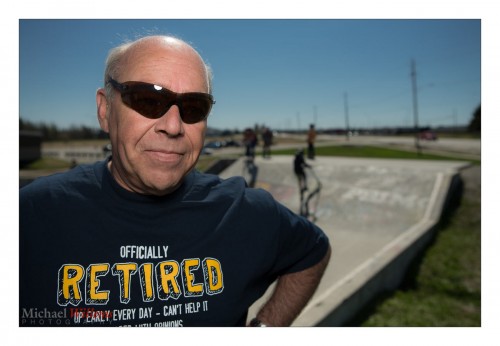
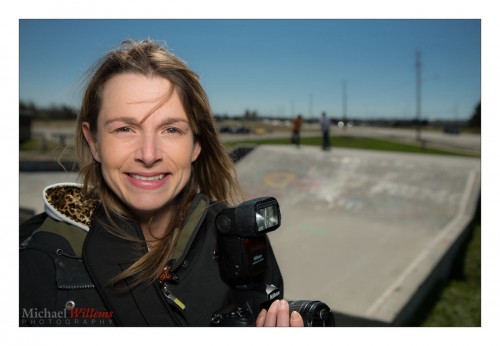
And that way, you can exceed the sync speed. Sure – like in this photo of Aurèle Monfils of the Porcupine Photo Club, which I made yesterday with the standard sunny day blurred background setting (write it down!) of:

  • 100 ISO
  • f/4
  • 1/2000th sec

…using an on-camera flash fitted with a Honl 8″ Traveller 8 softbox:

Yes. You can, as you see!

But now I have a “but”.

The high-speed mode works by effectively making your flash into a continuous light, at least for the duration of the shutter speed; it flashes pulses at 40 kHz. Fine, but most of those pulses reach the closed part of the shutter, so most energy is wasted; hence, your effective range is reduced dramatically. Maybe just over a metre at 1/2000th second when using the flash without modifier; with a softbox as I was using here, maybe 30cm, no more.

Hence the slight “wide angle” look in my image above due to me having to be close, with a wide lens. As in this one of Aurèle’s daughter Lisa:

So while it is true that high speed/FP flash solves the sync speed problem, it’s  not a panacea, and in practice, it is only occasionally usable.

Footnote: Lisa is turned away from the sun: It is behind her, meaning she is not squinting, and the sun becomes the shampooey goodness™ light on her hair!

___

Want to learn to use modern Flash technique? I travel worldwide for hands-on seminars. Vegas, London, the Netherlands, Phoenix, Niagara, Toronto, or Timmins: wherever you want me, I’ll be there for you.


Timmins…

….is where I am about to teach the Porcupine Camera Club more flash technique today.

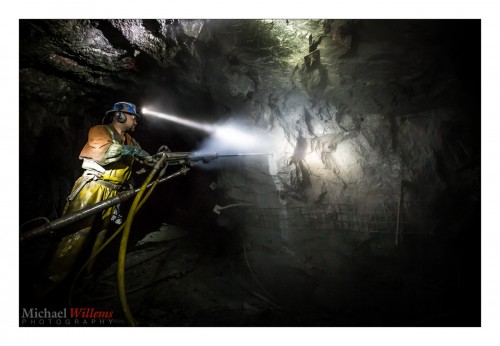
And today, I went 1.2 km underground, at a Timmins goldmine, to make pictures like this:

What did I learn, other than “things get dirty”, and “I like mines and miners”?

It’s tough light. And the boots are heavy and overalls cumbersome, but I knew that too.

  • I learned  that my main obstacle was the hard hat, and the safety glasses. The hard hat stopped me from being able to move the camera up to my face. And the glasses made it impossible for me to easily move my reading glasses into and out of place. I had to improvise.
  • I also learned that my helmet light was very useful both in lighting up subjects to focus, and in lighting them up for the photo.
  • I refrained from using my Pocketwizards where there were explosives being installed; radiating under 5W they were safe, I was told, but I thought I had better not take risks! So I used remote TTL for that part.
  • The first 600 metres were humid with fog; below that, the fog lifted.
  • I rarely had to go above 1600 ISO.

Great pictures resulted from my day UG (underground)… but I will fill you in on more technique the next few days.  After I sleep!