Coming up… taking requests!

As you all know, I teach!

I love to share, and I love to teach.

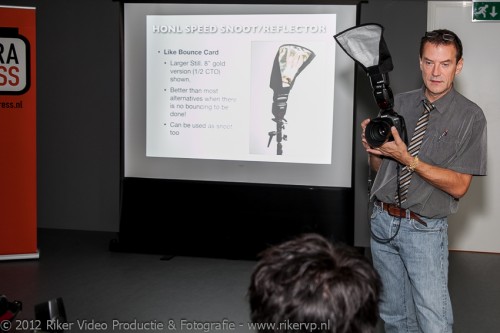
A lot of that teaching takes place in my friend Sam’s wonderful and fully equipped studio at www.hamiltonstudio.ca. Because it is easy driving distance from both the Toronto area, and because it is affordable (I don’t want you to have to pay a penny more than needed), and because unlike a lot of Toronto studios,  it is easy to reach from the freeway. But most of all, because it is ideal for teaching. A cool place, an old warehouse.  You will see the courses listed at www.cameratraining.ca. Here’s a pic we shot at the studio:
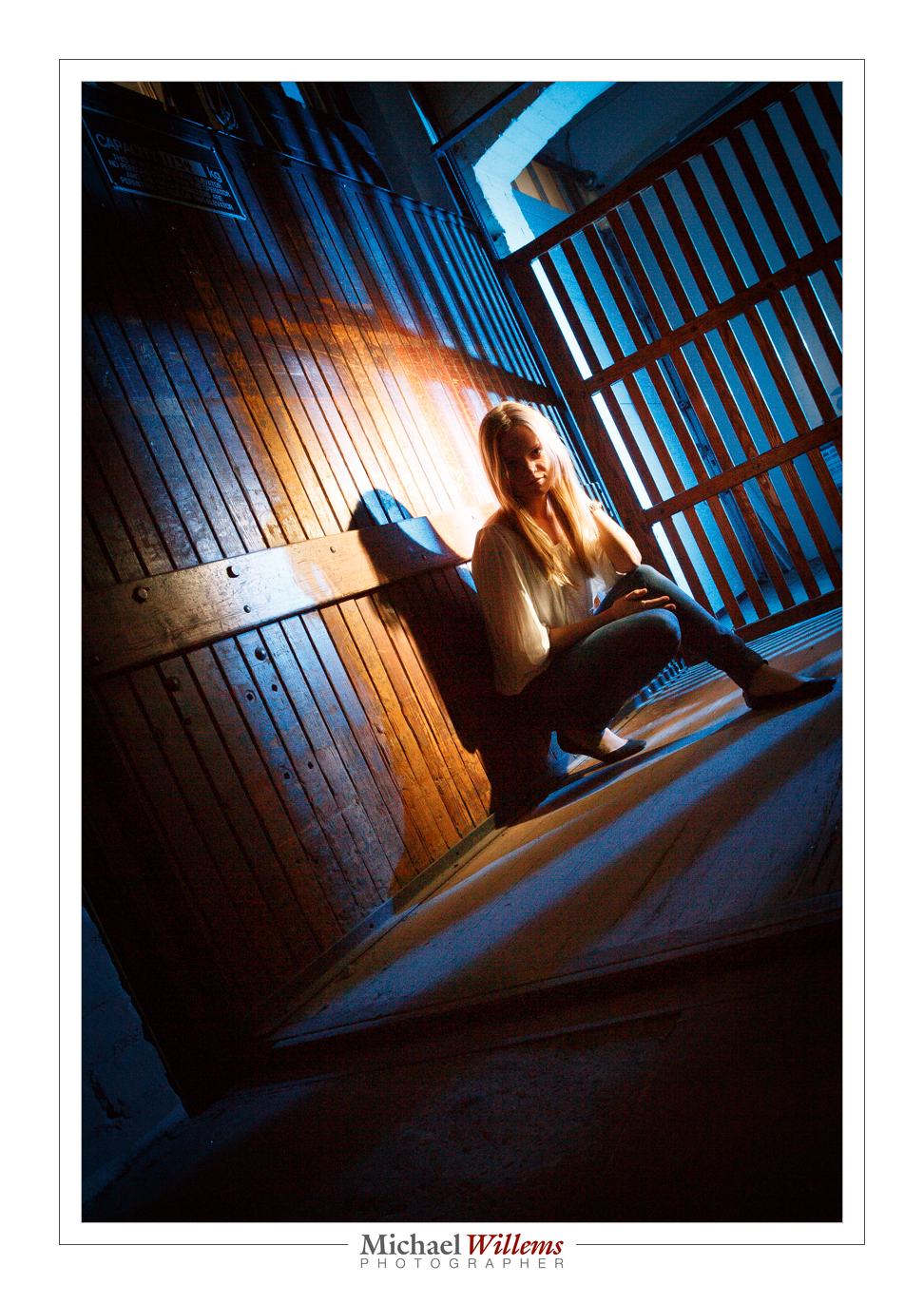
Sam is a TV- and video-pro: next to photography, TV is what he does for a living.  So here’s some good news: we are adding video to the arsenal of teaching tools. As a complement to the in-person teaching and the e-books.

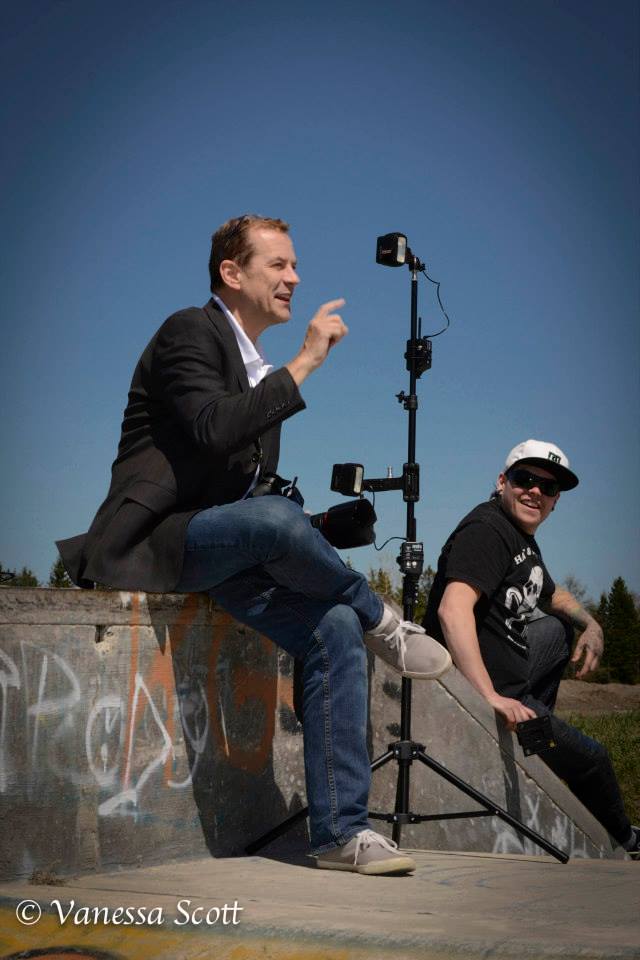
Here’s Sam, filming me today, using his pro gear:
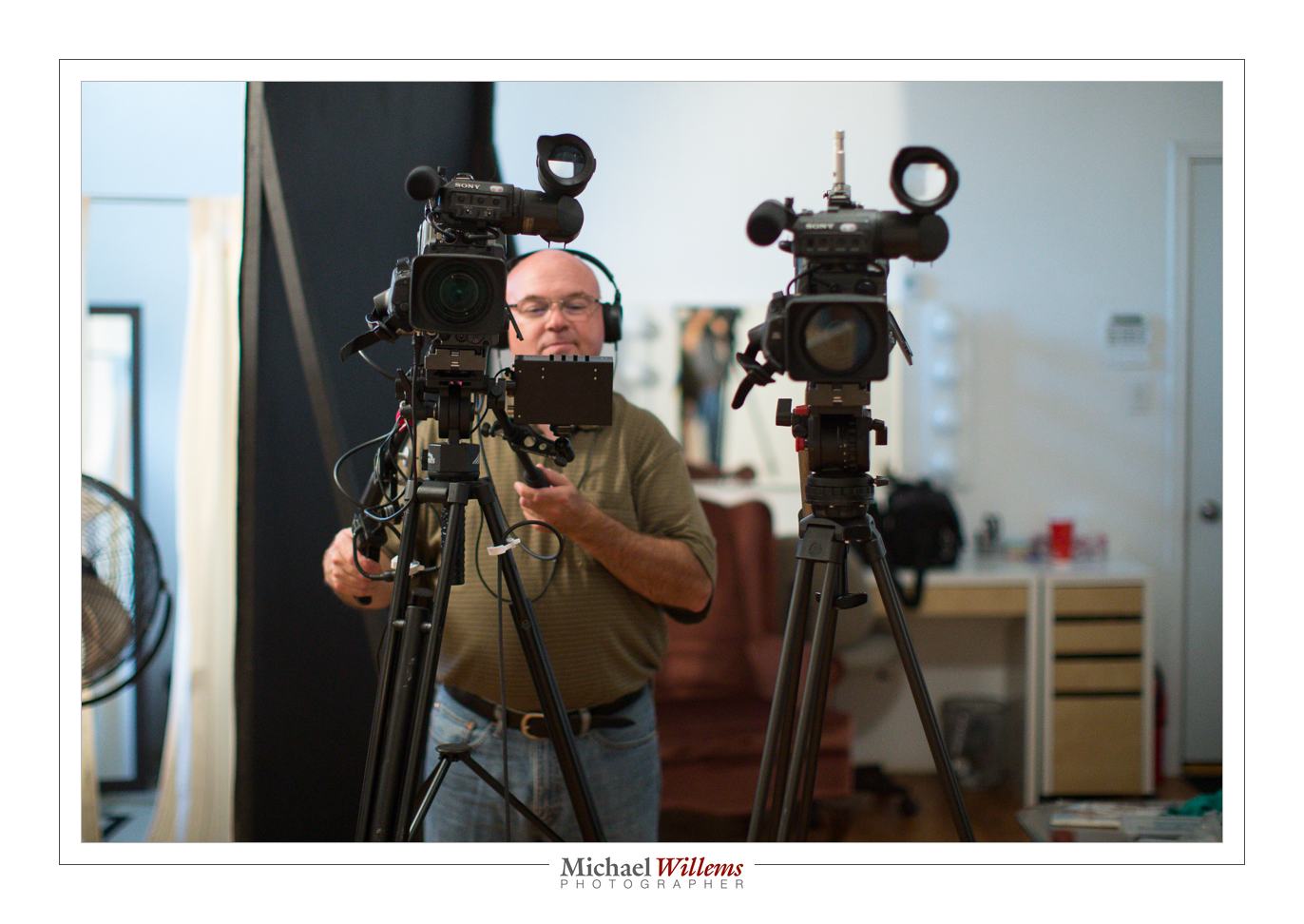
That shot was taken how? I was in a hurry because I was talking to the camera, and I did not want to look away from the camera for more than a fraction of a second. And there is no strong back light or anything else that makes auto-exposure hard. So I used Aperture mode, at 3200 ISO. I used a 50mm lens. At f/1.6 (after all, I want to blur the background), that gave me 1/320th sec shutter speed, which is plenty fast to not get a shaky picture.

I think you will like the videos a lot, by themselves or as a complement to in-person training. Some will be very long, some in between, and some will be short “tips and tricks” videos, of a minute of two. You will see them start to appear in the next weeks and months: stay tuned.

But do better than staying tuned. Take part in the process. I would like to know what short (or indeed, long) subjects you would like me to talk about. Send me your requests, and if I can fit them into the schedule, I will do so. Often, subjects are easier explained by a live human than by printed words: think about those subjects. Anything mystify you? Anything you still do not quite “get”? Here’s your chance to ask me to explain in person! Not quite the same as being in my live courses and workshops, but not a bad alternate – especially if used as a complement. So let me have your requests. Please Email me with a subject line that contains “VIDEO IDEA”. Let’s have some fun!

I shall look forward to your ideas!

End notes:

  • My sons tell me “no-one uses tape anymore” for anything, and no-one under 30 knows what it even is. Not true – check these cameras. And check a live studio. Plenty of tape. The same is true of film – ask Quentin Tarantino if he films “digital”.Take that, boys!
  • For those of you who read yesterday’s post, there is a blog post about yesterday’s Picture Change opening here, on the Photosensitive blog!
  • I plan to be in Las Vegas, NV this weekend and for a few days afterward – anyone there who wants to meet up, learn something, have me shoot anything, or anything else at all: drop me a line!
 

Check!

When you hire a pro, you get certain benefits. Like the ones in this list.

And when you shoot, why not behave like a pro also? Life’s easier  when you do.

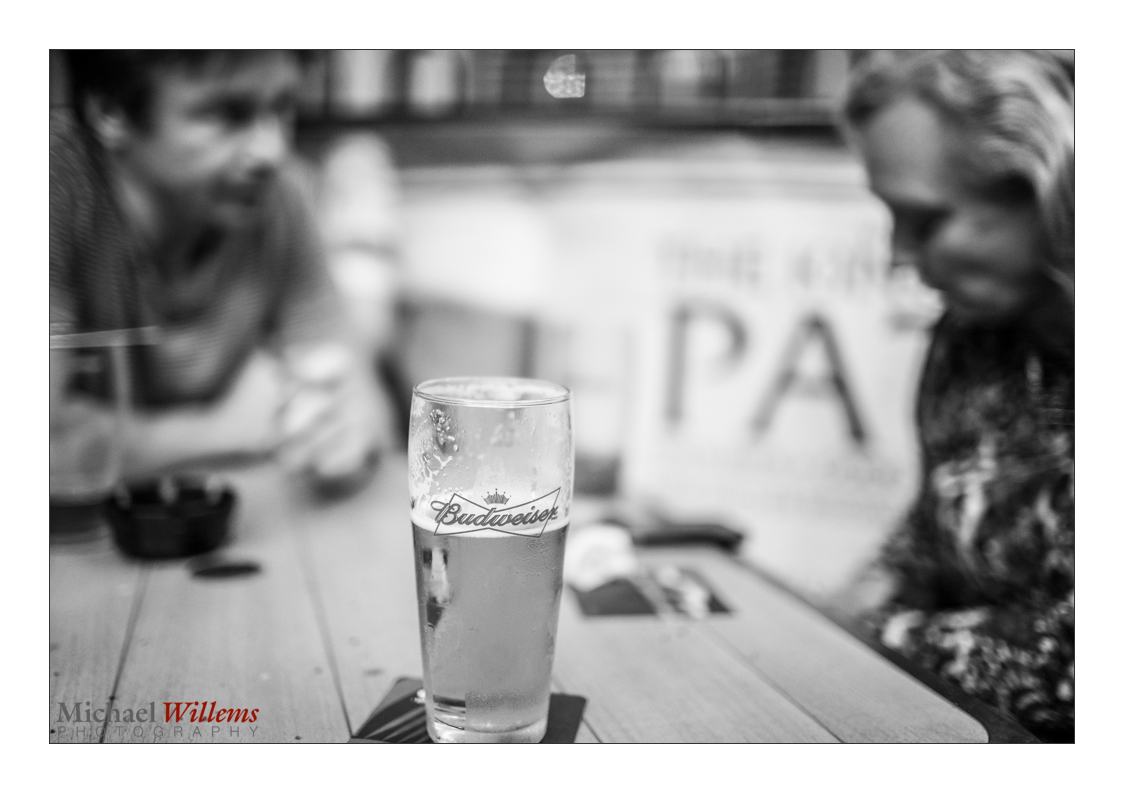
“After The Business Meeting, A beer” (June 2013)

For tomorrow’s shoot, an outdoors birthday party with family shots, I am beginning with a checklist. Here’s mine for tomorrow:

  1. Prepare the cameras  – at least two, since you must have a spare for everything you bring.
  2. Everything cleaned.
  3. Camera bag packed with all neede daccessories.
  4. Camera batteries charged.
  5. Flash batteries charged.
  6. Spare batteries packed.
  7. Strobe power pack charged,
  8. Large lights (studio strobes) packed.
  9. Light stands packed.
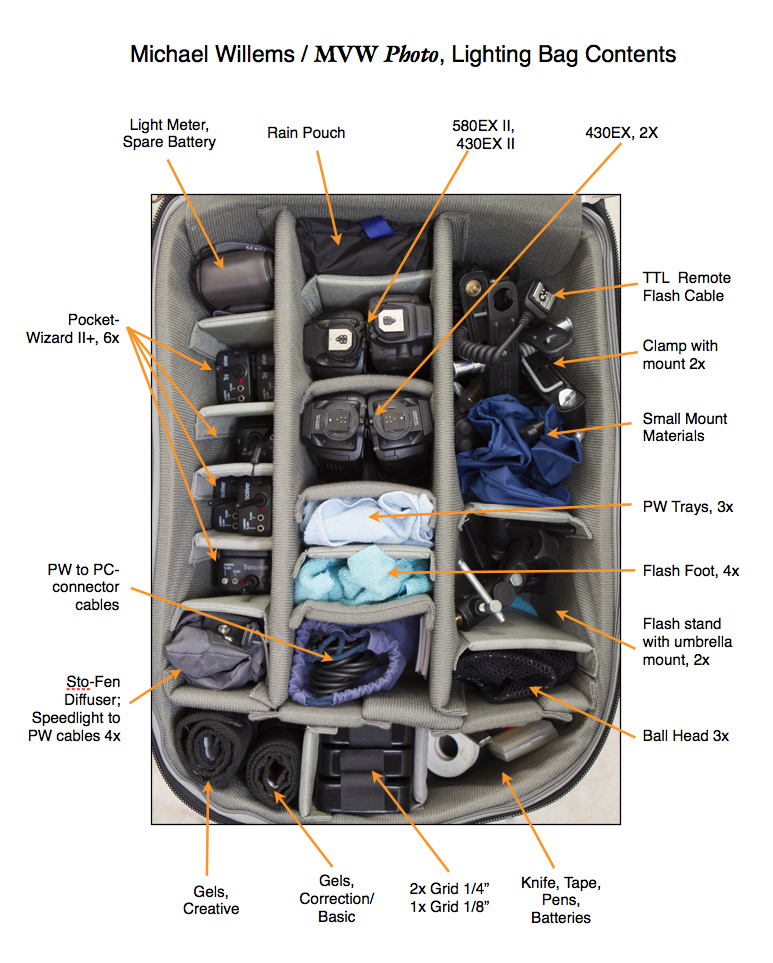
  10. Flash accessory bag checked and full. Including pocketwizards (with good batteries), modifiers, attachments, cables, and a light meter (including spare battery) . I have a separate checklist for that bag.
  11. Everything sitting by the door.
  12. Assistant arranged

Then I organize the shoot itself: I have a checklist for the shoot that ensures I know things like:

  1. Names, phone numbers
  2. Address of shoot
  3. Parking checked
  4. Car fuelled up prior to shoot
  5. Change, ID, etc packed
  6. Small items like comb, pens, note pad, etc packed
  7. Business cards packed

The small things make the difference. A shoot like tomnorrow’s, what do I bring in the way of lenses:

  1. Canon 1Dx with 24-70 f/2.8L
  2. Canon 7D with 70-200 f/2.8L

Then I bring a 35mm prime, a 50mm prime, and a 16-35mm f/2.8. Optionally, I bnring the 100mm macto and the 45mm f/2.8 tilt-shift lens.

The FIVE SUCCESS FACTORS for this type of shoot:

  1. Bring all sorts of stuff even if you do not expect to need it.
  2. Spares for everything.
  3. Checklists, on paper.
  4. Prepare the night before.
  5. Get there early.

Have fun!

Michael

PS those of you who say “but that’s a lot of work!” – yes, that is why you pay the pros for their work. It’s work, real work…!


Willems on Skeuomorphism

As you will have read, Apple’s internal political battles have recently led to the firing of Scott Forstall, the person behind most of the “skeuomorphic” design in the Apple operating systems and apps: i.e. making things on the computer of phone look like real-life equivalents; and the consequent promotion of Sir Jony Ive.

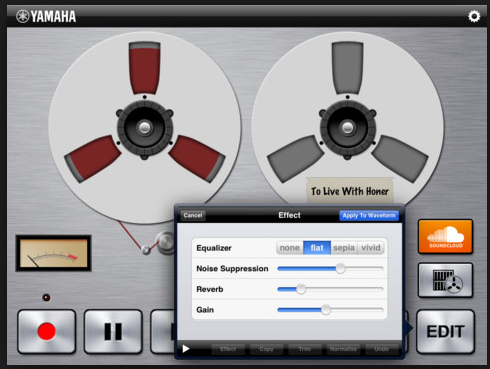
Skeuomorphic Apps include things like calendars with torn off paper, podcasts players that look like tape decks, wooden bookshelves, the desktop metaphor in the first place; and so on.

Apple has now dropped the skeumorphism that made it big. More than dropped: in a near Stalinist move, the good is now the bad: “we’ve run out of virtual felt”, “no virtual cows were harmed in the making of this calendar”, and so on, at the recent developer conference.

Way to go, dissing your clients, the clients that chose your OS and made it big precisely because of that design. Thanks, Apple, and for the record, I despise your recent examples of taste too, and will make fun of it in public whenever I like.

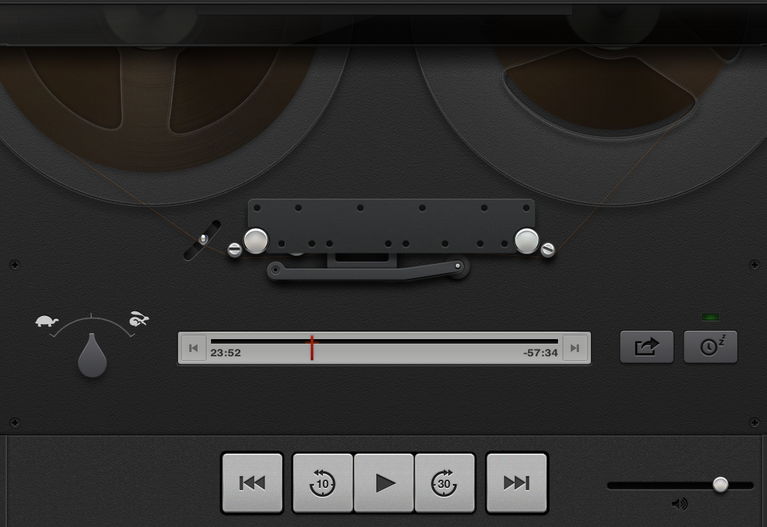
I loved that tape deck. It made me listen to podcasts; I have not listend since Apple killed the deck. Because the Apple Supreme Soviet, in its infallible knowledge of what is good for me, dropped it without even leaving it as an option.

The tape deck is a good example of why these interfaces can make sense:

  • It showed me that the podcast was actually playing. Near impossible today.
  • It shows me how much was done, and how much left (yes, the quantity of tape slowly moved from left reel to right reel). Not easy to see today.
  • It showed the speed of fast forwarding, etc. No way you can see this today.
  • It was the same for each podcast (now, you watch a company logo, or a portrait, or whatever graphic is embedded in the Podcast)
  • It was active (now, 90% of the screen is dead, static; most of the screen now doesn’t do anything).
  • Above all, it was fun.

In the 1980s I could never afford a proper tape deck; now I had one, for two weeks, until Apple killed it in favour of something technically inferior and bland and boring.

Skeumorphic design is a dead idea in today’s Apple and Microsoft world, but I think we ignore it at our peril. Was windows 8, which forgoes the desktop metaphor in favour of flat squares, a great success? I didn’t think so. Abject failure.

So why the criticism? Most of the thinking, it seems, is that the metaphors we use (desktops, paper waste baskets, reel-to-reel tape decks, legal paper pads, drop shadows) are for old fogies, like 50 year olds, who have no business thinking about interfaces (much of the criticism, of course, comes from 22 year olds who have never yet worked in an office).

The criticism is missing the point in many ways.

  • The metaphors are much easier to learn than bare “flat” interfaces. Even if you have never used a paper notepad or a reel-to-reel tape deck, it would not take you long to figure out the interface. The same cannot be said of  “flat” interfaces, whose user interface is up to the software writer, and for 1,000 software writers, you will get 1,000 interfaces.
  • We learn by touching – have you ever seen a baby learn? Have designers forgotten this? The metaphors have physical equivalents you can go and actually see and hold at Staples/Office Depot.
  • The skeuomorphic interfaces are often more functional than their flat equivalents. Like the tape deck above, or a desktop with hierarchical “folders within folders” and paper baskets, and so on.
  • They are often clearer, since their design idea in the first place was to make it clear. In the new “flat” world, clarity is not a design goal; coolness and scoring political points is.
  • The metaphors impose some kind of a standard.
  • They are fun.
  • They show that loving care was taken in the apps’ design.

So it seems to me that the current trend to dismiss them out of hand is not a great example of clear thinking.  It’s not gone; it’ll be here fore a while; you cannot ignore your clients because you are so cool, witness Windows 8.

I just downloaded a Yamaha audio recorder app onto my iPad:

Not as good that the Apple player was, but not bad.

In the long run, however, the skeuomorphism pushed for by Steve Jobs is probably dead. But not all progress is good. We used to have Concord, now we have 737s. We used to eat ion individually owned restaurants; now we have McDonalds and other chains.  Welcome to tomorrow: get ready for a flat and humourless future and buy glasses to be able to see the illegibly thin Helvetica Neue font that will power all i-device icons.

Would you like fries with that?


Mail List

Those of you who did NOT receive my mailing yesterday about the new e-book: I send occasional information emails. No more than a couple per month, and they contain info about new products, new courses, special deals, tips and tricks. If you did not get the mail yesterday, and you would like to, sign up here!

(Note: you can always unsign, and I will never sell or share my list with others.)

It’s not for me to say!

Some of you are amateurs, and some are pros, and some would like to be pros. And when I say “pros”, I mean not “people who know how to make photos” (many hobbyists are good shooters), but “people who engage in photography for a living”.

Teaching in Timmins

Michael Willems Teaching in Timmins

“Should I go into business?”, people ask me.

That is becoming very difficult. There are many reasons for this: everyone has a camera now. iPhones make acceptable pictures. The perception is that if you have a big camera, you know how to make pictures. And that cameras “do it all, automatically” now. And Uncle Fred will work 48 hours for credit, for no pay. As a result, photographers who shoot for a living are having trouble getting paying clients. Or are getting laid off.

But there is another reason, too. Many of us are afraid to ask for proper money.

Take an on-location family portrait. It will take me at least five hours to do one – counting the hours spent packing, driving, setting up, shooting, taking down, driving, loading, editing, exporting, making USB keys, billing, and so on. Five hours at my hourly rate of $125 is $625, plus tax. Now perhaps I can cut corners, do it more quickly, and include less, but it’ll still be hundreds of dollars.

When I recently had a client query, the lady thought it was “disgusting” that this would cost a few hundred dollars. I have been told “ripoff” to my face more than once. A certain PR company last year asked me to do food shots in a restaurant: budget: $50 (my price was around $2,000).  The sad thing is that they got someone to do it for that $50. Not well, I am sure, and undoubtedly he will have had to spend the same hours I did, or more, but he was perhaps a hobbyist delighted to be “given credit”. I have been asked for family pictures four times this month; each time, after cost is discussed, the potential client has gone away never to return. The perception seems to be that a family shoot should cost $100, and prints $1 each. Instead, it’s more like here, and those prices certainly don’t make a photographer rich.

Now let’s compare. A car service costs me hundreds or thousands of dollars for a few hours work. I went to a vet yesterday with my cats: time taken by vet and staff perhaps half an hour, of which perhaps half was vet time; cost: $183.06. See a plumber or a psychologist or a dental hygienist, and it will cost you hundreds of dollars. No-one argues or complains or shouts “ripoff”.

Much of the problem is with photographers themselves. New photographers, who will “do it for credit”, and photographers who are unable to explain the value of their work. I have as much value as the vet. Value is simply a measure of expressing scarcity, of course, and what I provide is scarce:

  • Extensive knowledge.
  • Years of experience.
  • Creative insight and ability.
  • Extensive problem solving ability.
  • $30,000 of equipment.
  • Fast lenses, not consumer lenses.
  • Fast, water-sealed cameras.
  • Six speedlights and four studio strobes, not “a flash”.
  • A car full of accessories.
  • Business ability (contracts, invoices, and so on).
  • Reliability.
  • Computer equipment, software and skills.
  • Printing ability and skills.
  • Speedy delivery.
  • People skills.
  • Spares for everything.

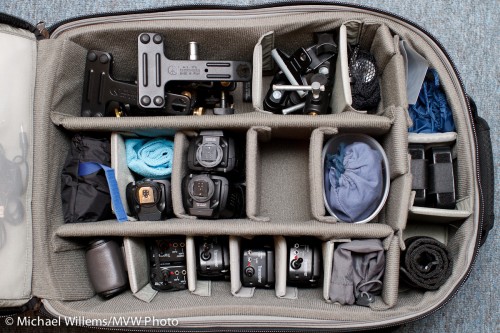
…the list goes on. Here, this is just my flash accessories bag:

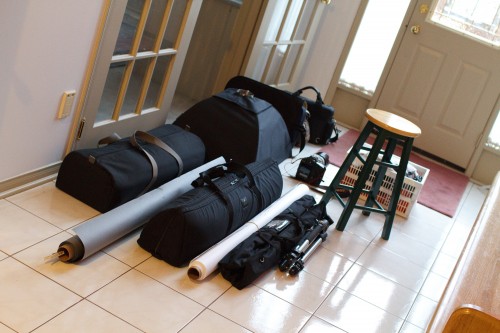
And here’s part of the location shoot equipment to be packed before a shoot:

So what I provide is scarce, and hence I will not do work for less than a reasonable hourly fee, and I expect there is still a market of people who will pay that reasonable fee.

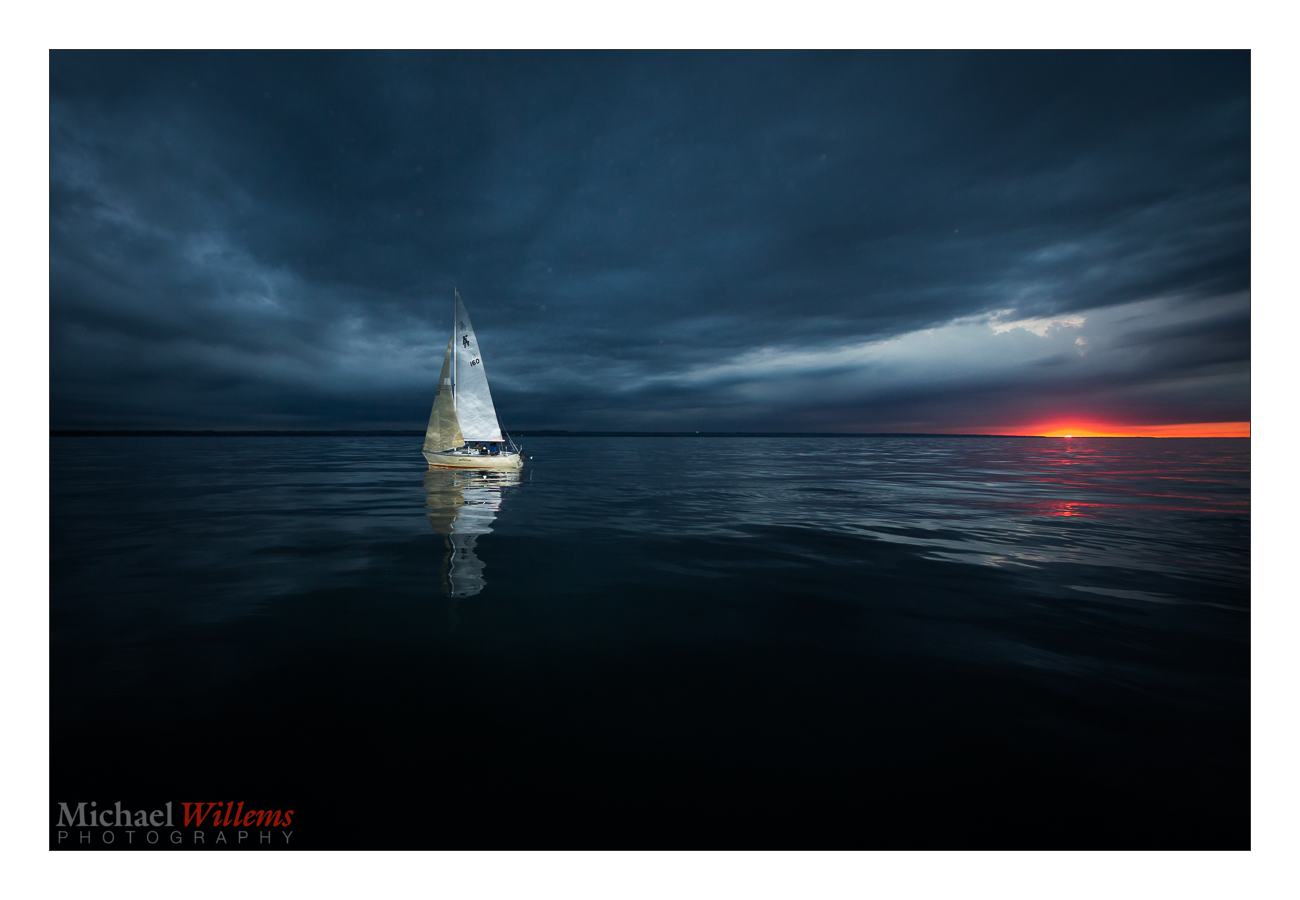
But if we are not good at explaining the value we provide, I fear professional photography will die.  The picture above was taken at a yacht club, where I spent many weeks making great pictures: I figured people who can afford hundreds of thousands for a boat can afford a few hundred dollar for a large, handmade, permanent artistic print to look at during our long Canadian winters. Alas, only one yacht owner bought a print, and at a discount. Many of you will have said “amazing picture” when seeing the shot above. Liking a picture is fine, but if that liking does not translate into paying, the liking means very little.

The result is simple: as a society, we will no longer have artistic pictures of our boats or our families. Instead, we will have many iPhone snapshots. That is a huge artistic loss, but it is not for me to say whether overall this is good or bad. Many photographers complain; blame society; blame Uncle Fred; blame new photographers for ‘spoiling the market’. But I think these blame games are not productive.

Instead, new photographers, you need to find your niche. For me, I will simply use my skills for those who do see the value, and I will teach, and write (that way, at least society keeps some skills alive).  Making quality shots for people who know quality, and teaching and writing, are very rewarding. As are family shoots and weddings, including destination weddings.

So, Oakville and world: I am open for business! You will not get $2 prints or $100 half-day shoots; but you will get efficiency, enthusiasm. artistic work, inspired teaching, and above all: world-class quality in all I do.

Learn Pro Flash – Buy The All-New e-Book!


Dear Marissa

Marissa Mayer, Yahoo CEO, said this the other day, when introducing a layout change that makes Flickr look like Windows 8 (ugh):

…there’s no such thing as Flickr Pro, because today, with cameras as pervasive as they are, there is no such thing really as professional photographers, when there’s everything is professional photographers [sic]. Certainly there is varying levels of skills, but we didn’t want to have a Flickr Pro anymore, we wanted everyone to have professional quality photos, space, and sharing.

Thanks. Another reminder of why I dislike Yahoo.

“There is no such thing really as professional photographers, when there’s everything is professional photographers”. Don’t you need to know basic grammar to be CEO? But worse, it is nonsense in terms of content as well.

Airport-security-v2-roller-camera-bag

Airport Security V2 Roller Camera Bag

Ubiquity does not mean professionalism. Everyone having pots and pans does not mean everyone is a chef. First, professional just means “makes his or her living at something”, i.e. having it as a profession. And as that sentence may well lead you to conclude, something as a profession means that you are good at it.

In particular, it means that as a professional photographer (and pay attention, Marissa):

  1. You thoroughly know your craft. Having a camera does not imply that. I would not be a teacher if it did. What does even an advanced amateur really know about exposure, composition, or flash techniques? Unless they have been professionally trained, very little.  That’s why I teach (call me!). As a pro, you know more about the interaction of aperture, distance and focal length to create depth of field than most people know about their spouse.
  2. You have professional grade equipment. No “1:3.5-5.6” amateur lenses, but “1:2.8” lenses or even better, “1:1.4” prime lenses. You have water-sealed cameras. Many flashes: studio strobes as well as speedlights. Yes, many flashes, not just one. (What, you think studio strobes are unnecessary “today”, Marissa?)
  3. You understand light. This is not a given: it takes a while after you acquire the basic skills, to then understand light.
  4. You know how to use the latest modifiers and other light-shapers.
  5. You understand composition. This is not a given: it takes a while after you acquire the basic skills, to then understand composition.
  6. You know about all types of photography – portraits, fashion, product, studio, event, creative, food, the list goes on.
  7. You have spares for everything – and I mean everything.
  8. You are a highly analytical problem-solver.
  9. You are quick and nimble when problems occur – as they always will.
  10. You know post-production techniques and software – software like Lightroom and Photoshop, which you have spent many weeks (in the case of Photoshop, months) mastering.
  11. You have a proven ability to deliver all the above – proof including a good portfolio, and good references.
  12. And, ah yes,  it is a business. Meaning, you need business skills, the ability to (and proven track record to show that you do) deliver in time, the ability to invoice, to write contracts, to be there when promised; to make off-site backups, to charge tax, to budget; you know the law; you understand releases; and so on.

So, yes, Marissa, there certainly IS today “such as thing as professional photographers”. Buying an SLR does not make you a pro. Learning how to use it does, and that takes time. And money. Not that much money today – see www.cameratraining.ca – but it doesn’t happen all by itself, just because Flickr gives you a GB of storage, or whatever.

Pros like myself not only find your statement ignorant and insulting, but worse, think that it does a great disservice to the many people who would like pro skills. Yes, you can grow these, and yes, it is rewarding, and yes, you should.

My advice to everyone: don’t listen to Marissa, she apparently knows not whereof she speaks. Instead, read this site every day, take training (call me!), and head out with your camera and shoot, shoot, shoot, and then shoot some more. And don’t forget: have your portfolio reviewed regularly. Yeah, by a pro.


Tiger Direct III

The power of social media.  Tiger Direct just sent me a message:

“Thank you for the email. We sincerely apologize for the inconvenience. We understand that you do not have the original shipping box. We processed request so we can send you the replacement item and you may use the packaging of the replacement item to send the defective item back to us.

Thank you for visiting our website.  We  appreciate your business.  If you have further inquiries and reply to this email, please make sure to include your entire message, so we can address it appropriately.  Please feel free to contact me at the phone number below should  you require any further assistance.

Sincerely

Thanks! Not exactly the point I was making, and I will still end up paying for the shipping and insurance, but nevertheless, the effort is appreciated. My blog post, and me pointing to it, apparently helped. I’ll keep you all in the loop.


Tiger Direct, II

Worse: remember my to-be-returned hard drive from Tiger Direct, a local/US “cheap” electronics retailer?

After the broken English and vague promises from the Philippines yesterday, today, contrary to what the agent said, I get this:

WHOA. Jump though hoops: Contact manufacturer? Ship back at my own cost? “Fast, friendly service”, but it is slow, based in the Philippines, inefficient, doesn’t speak English, and.. the list goes on.

As in photography:

  • Price is not everything. Cheap means it does not get done well, or does not get done completely, or is risky, or comes with strings attached.
  • Service is everything. Tiger Direct has of course lost me (and I presume, now a fair number of my thousands of readers) as a customer forever: Best Buy gets me as a client from here on, even if it costs more.

You can do things efficiently, but you cannot do things cheaply. As Nasa says:

Fast – Cheap – Good : Choose Any Two

I cannot spend half a day finding a box, buying tape to close box (I have none!),  finding all the original bits, contacting original manufacturer, driving to post office, filling forms, paying for shipping plus “full insurance”, etc.

That $189 is lost, and I will now drive to Best Buy to buy two more drives.

Like in photography: cheap is expensive. I am editing photos as we speak – every shoot means lots of preparation and finishing work, and it is real work, and hours, and costs money; and no, you cannot cut it without compromising quality. As Tiger Direct shows. My strong advice: never, ever use them. Not worth it. Look:

Capitalized “DO NOT”… contempt for the customer if ever I have seen it.


Families, and what precedes them (weddings)

Why do I love to shoot weddings and families?

Because we live to love. We live a short time (although my son Daniel, when he was perhaps nine years old and I said “life’s very short!” instantly responded “No it isn’t: it’s the longest thing you’ll ever do.”)

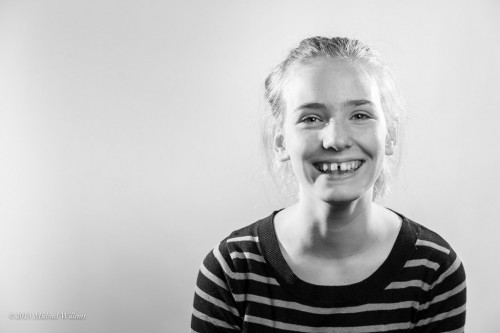
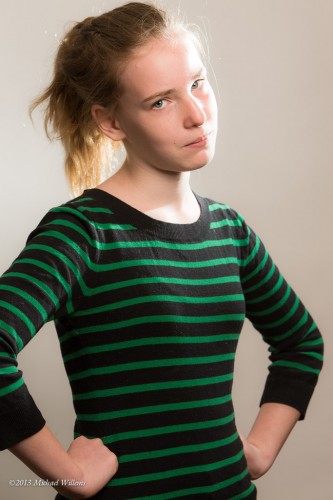
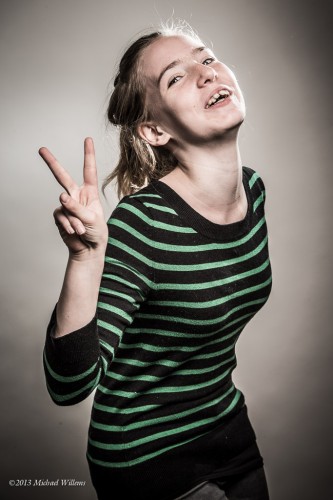
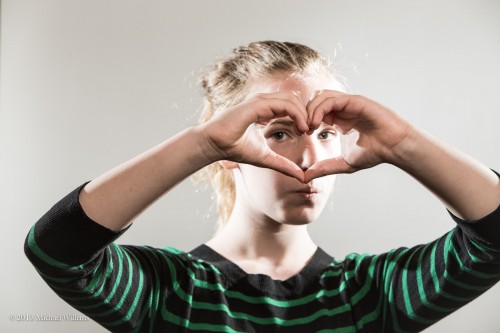
In any case, capturing personality and life events is one way we can be immortal. Look at this kid at a portrait shoot I did yesterday: four different looks in a few minutes. Happy and open; death stare; typical teen Facebook pose; and cool. If you were the parents, would you not love immortalizing your daughter this way?

And just think at the excellent pictures mom and dad will be able to project onto the wall at the time of her wedding (or more likely by then, holographically project in front of each guest).

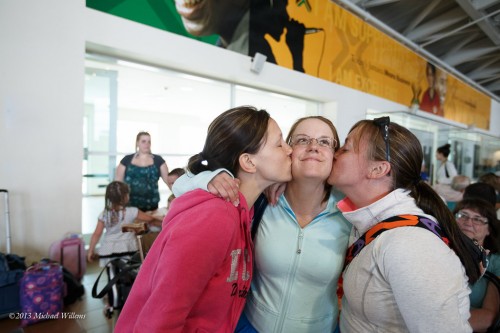
Talking of weddings… I just got back from Jamaica, and my mission there was to tell a story. Not just to get the standard wedding shots – the ones you might get when you hire a local resort pro – yes, those too, but so much more: the story of the entire trip. Smiles. Moments. Love. Beach. Fun. Friends. Outings. Jamaica. Airports. Buses. The entire trip. One of the bride’s best friends (and bridesmaids) just responded to teh slideshow I put together:

What an amazingly great job on the video Michael! I LOVE the pictures!!! I laughed and I cried! I flashed back to the great times we had on the trip…and it made me wish I was closer to my friends! THANK YOU so much!! Amazing, amazing, amazing job!!! 🙂

And THAT is why I shoot destination weddings: I met great people and I made a difference to them by enabling them to remember and relive this life event forever.

And that of course must include a “b-roll” of pictures that include:

  • fun.
  • events (like “the plane ride”)
  • background, to show the environment.

Like these:

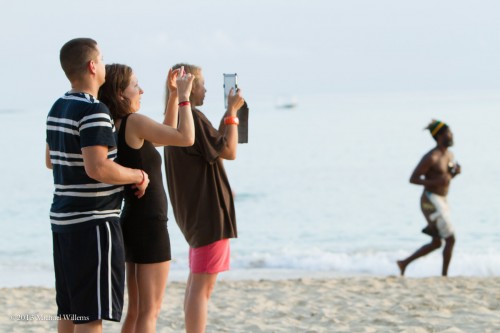
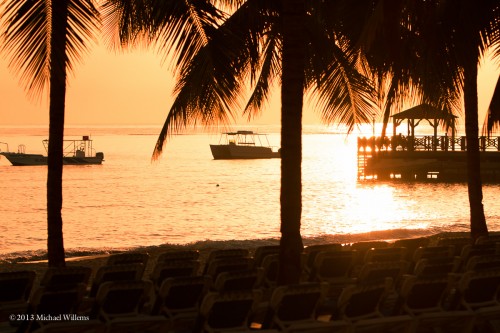
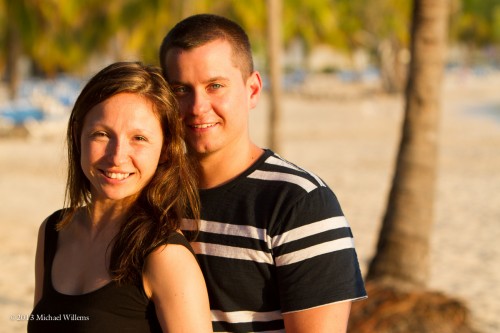
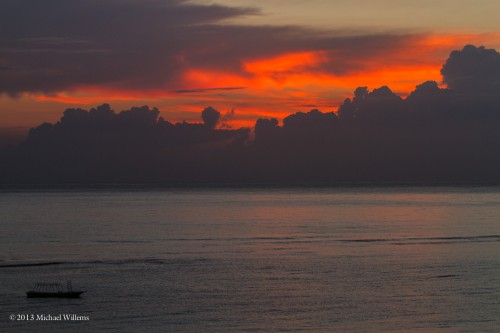
Most of these were taken at 5:30AM on the day of departure. All of these are extra to a “normal” wedding. No local wedding pro will every get you anything close to that. So if you want a wedding trip to remember, bring your own photographer.

So when you make a trip:

  1. Tell a story! And to do this:
  2. Look for markers – moments in time that mark a transition, like airport arrival; climbing up the waterfall; leaving; entering the bus; that sort of thing. Every time a new phase starts.
  3. “If it smiles, shoot it”.
  4. Look for anything funny and capture it, too.
  5. Carry the camera when you think you will NOT need it. Some of the best pictures arrive without warning.
  6. Look for background, the “B-roll”, to remind people “what it was like”. Signs are good. So are views. The food. The detail; the little things you notice when you arrive. Shoot them; later, sort out of you want to use or not.
  7. Sort into the right order later.
  8. Make a slide show – or make multiples, maybe 5 minutes each. Background and “Ken Burns effect” are good.

That’s what I do when I shoot a destination wedding.


Tropical Paradise.

If you are thinking of a destination wedding, I say two things:

  1. Do it – you will never regret it. The beauty is amazing, and “all in once place just metres from your room” is great for a relaxed wedding. Marry in a beautiful resort and your images will show that beauty.
  2. Bring your own photographer. He will be able to capture your wedding better, but he wil also capture more than just the wedding, in a way no local hotel photographer can ever do.

Jamaica was fabulous. The people, the wedding…

A few tips.

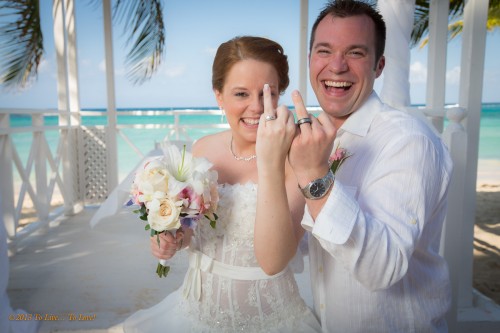
In terms of light, I did several things. Mainly, create colourful backgrounds by exposing for those backgrounds, and then use flash to light the foreground; as in the image above.

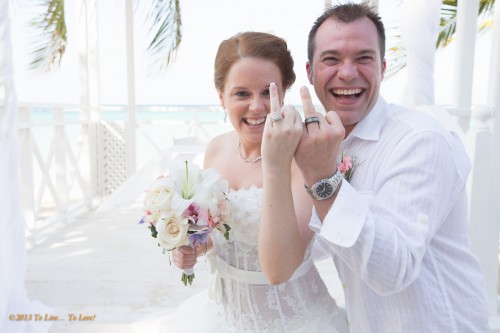
But I also did some with blown out backgrounds: look at the background:

The first has no flash, and is exposed for the couple. The second has flash, and is exposed for the background. Both are good, and I advise all photographers to do various styles: “your” style, but also other styles, and then you choose the best later.

And d not be afraid to use high ISOs. You may need them in order to get fast enough shutter speeds.

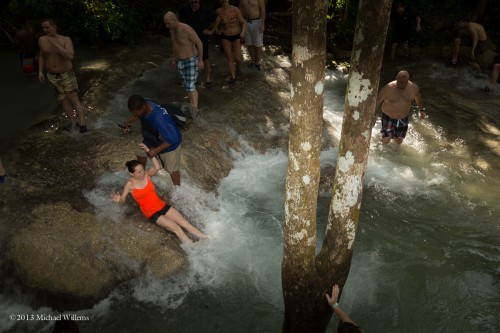
I also encourage shooters to use selective lighting, like I am using here at Dunn’s River Falls:

My flash was zoomed to 125mm even though I was shooting at a wide angle, and it was aimed at the subject. Magic!

Do not be afraid of rainy days. They are beautiful, as in Nine Miles here (where Bob Marley was born):

Now, back to my photo finishing – which will take me a little while (think, all week). I will leave you with one more Jamaica image: