Yah man!

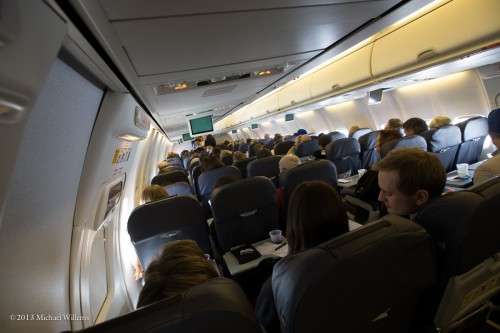
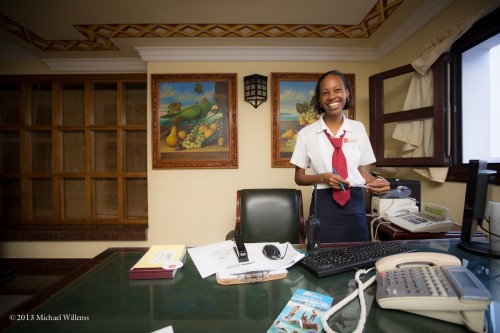
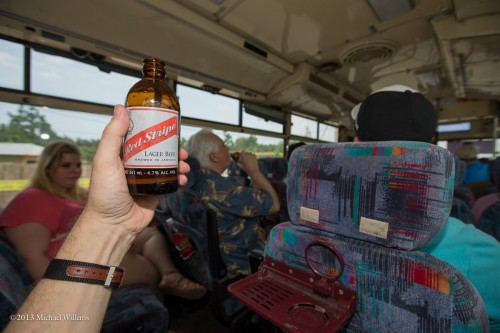
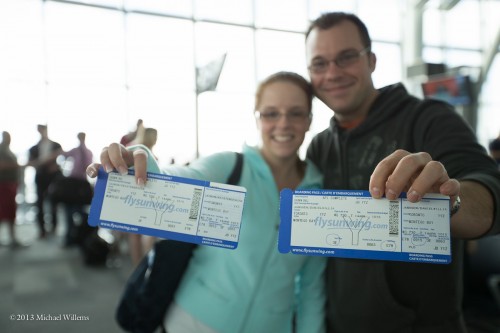
I am in Jamaica, to shoot Kristen and Dan’s destination wedding.

This week will be intense, and fun. Lesson one: bring, among others, a wide angle lens. Wide angles are easy (great DOF, slow shutter possible) and offer dramatic perspectives.

Lesson two: shoot a story. I have shot the happy couple since Pearson airport, and will continue until they land again at Pearson. Stories are much more gripping than random shots.

Jamaica is wonderful and the people are amazing. The Riu resort is good. My only drawback so far is that I had to pay $400 extra to get a room with Internet, and slow Internet at that, and handicapped (only port 80 browser. No email, etc, so I have to work around that). More costs extra. There goes my profit for the shoot.

But look for lots of travel and wedding shots. Until then: cheers!

Ten Tips for Comp Cards

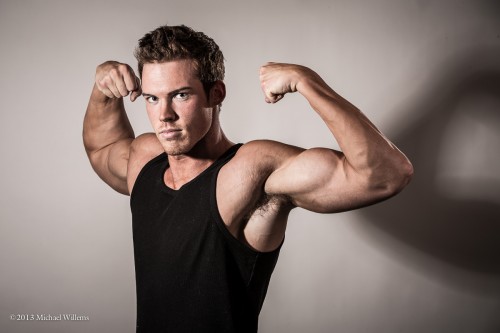
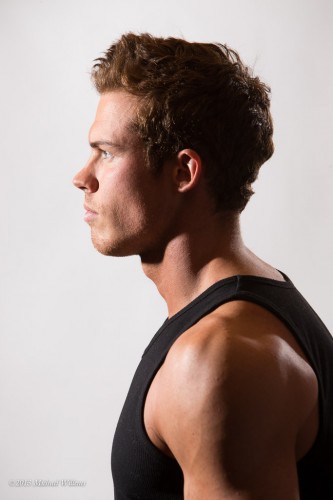
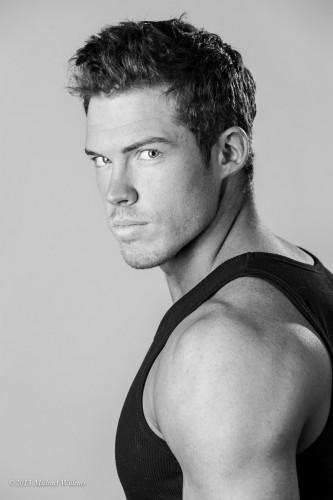
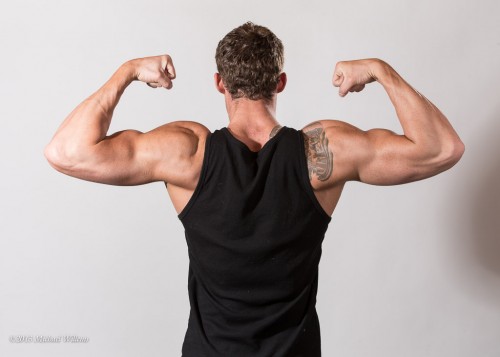
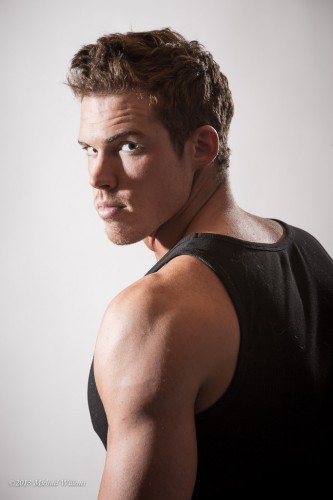
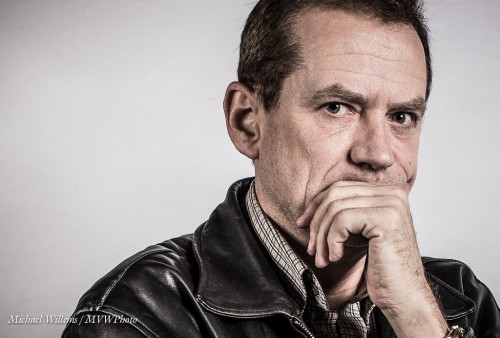
I shot a male model yesterday for his comp card (the hand-out that a model uses to get considered by, and used by, agencies and clients).

The key to a shoot like that is to do it well. It is usually a studio-only shoot that includes attention to make-up and hair, and involves various looks all designed to give a great overview of the person.

And here’s Ten Tips for Comp Cards:

  1. Include various looks – but mainly simple processing.
  2. Include a standard headshot.
  3. Include a three-quarter profile.
  4. Include a full profile.
  5. Include various outfits.
  6. Smiles as well as non-smiles.
  7. Simple lighting, as well as edgy lighting.
  8. Accentuate strong points.
  9. B/W as well as colour.
  10. Finish the images properly (the ones shown here are essentially unfinished).

A few more examples:

Fun to shoot, and essential to do well. Nothing kills a modeling career quicker than snapshots on the comp card, and nothing helps more than a great comp card, since it is the first point of contact.

(Yes, I shoot males too, and yes, I can shoot yours, if you like: contact me to learn more.).

Now preparing for my Jamaica destination wedding this coming week…

More fun

[EDITED 8 April]

Today, I did a second one-hour flash course (a part two) at the Rick Bell-organized Niagara School of Imaging show at Toronto’s Maple Leaf Gardens – thanks to those of you who came out to see.

Here’s Rick:
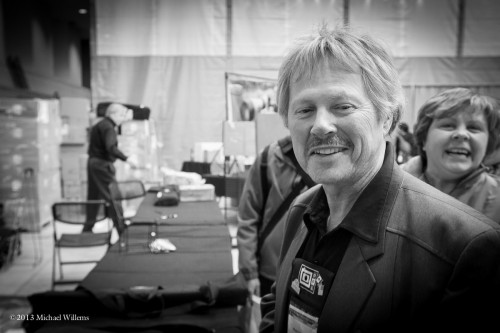
And of course today I had a little more time to talk to Canon, Nikon and the others who exhibited. A few observations, then!

The 85mm f/1.2 Canon prime is the best lens I have ever used. It’s soooo sharp, and its focus ring moves soooo smoothly… a dream! Here it is:
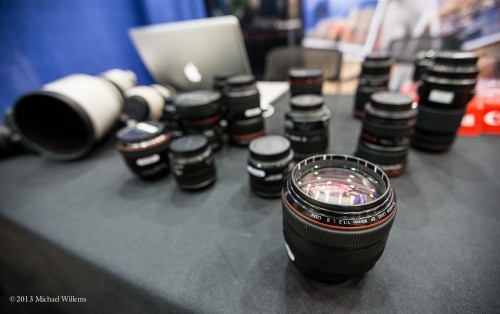
(Ohh… that glass… and as for my image, don’t you love that 16mm look? My 16-35mm Canon is also sharp and quite consistent: I love that lens.)

When I pointed the great focus ring action out to the Canon person at the counter (not a junior staffer), and asked “why aren’t all your lenses like this?”, his reaction was: “you don’t like our equipment much, do you?”.
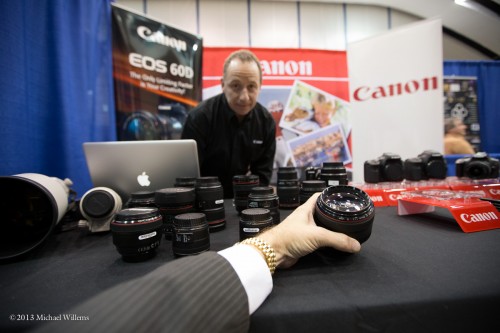
His reaction took me aback. Granted, it was perhaps partly caused by my having complained about the Canon service program (CPS) nowadays charging money for good pro service; and at the inconsistent focus I have with so many Canon lenses; and my musing about possibly switching to Nikon, but regardless, he continued to point out that he was a pro, a good one, and he had no problems, and that he has heard no other pros complain about Canon focus. It seemed to me that the implication was that I was at fault, that I did not know photography, i.e. that it was all my problem.

Now regardless of whether what I often experience is my problem or, as I strongly suspect, that of my lenses, his is a poor reaction to a customer complaint. Customers, when they engage with you to talk about your product or service, are doing you a very valuable service. It’s great to hear where customers, rightly or wrongly, perceive problems with your products. You don’t tell tem to go away, you ask for more depth, and either use the information to communicate more clearly, or to fix issues and improve your product.

[POSTSCRIPT: I can admit when I misjudged: Canon just called me and they are taking it seriously – the sales guy did escalate my issues, and a lady called and his making arrangements for investigation/repair and loaners. I shall keep you all in the loop!]

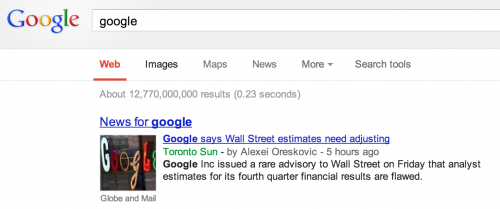
And in my case, I believe my concerns are valid. Search for “Canon Inconsistent Focus”:
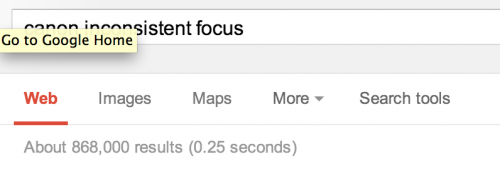
Google shows 868,000 results. The same phrase with the word “Nikon” substituted yielded only 168,000 results.

[Again: since he did take it seriously and since the Canon lady did call, I imagine I misjudged and I finally got the attention I think I deserve as a great customer. Keeping you in the loop!]

Anyway – off to Tamron next. I tried the Tamron 24-70 f/2.8 lens, and felt that it is almost as good as the Canon 24-70 f/2.8 mark II, and for $1,000 less. And it is stabilized! It is much better than at least my MkI version of the Canon lens. Anecdotal, but an easy to see and hands-on experience.
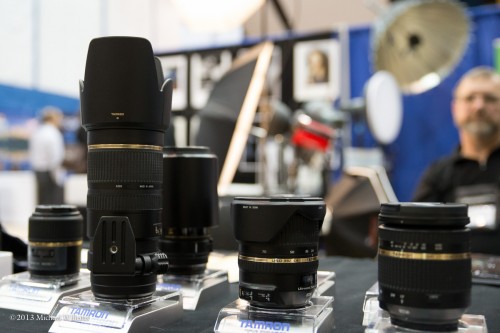
But the camera also showed Aperture “00” twice when I put this lens on my camera.  This is probably nothing to worry about – the “00” warning usually just means a bad contact – but it is still something to watch out for. I would not, for instance, buy one of these a week before my Jamaica wedding next week, just in case. But: recommended you check it out.

Enough gear talk for now. Back to my two new Bengal kittens. But first:

Beginners tip of the day: as you saw here the other day, remember that to do a flash picture outdoors, your shutter speed must stay below 1/250th second (1/200th on some cameras). First try the picture with the flash off. If the shutter speed is below or at that value, you can turn on the flash and shoot. Otherwise, don’t even try. Your camera will reduce the shutter speed to 1/200th-1/250th sec, and your picture will be overexposed. This will happen especially on sunny days when you want blurry backgrounds.
 

Writing on wall.

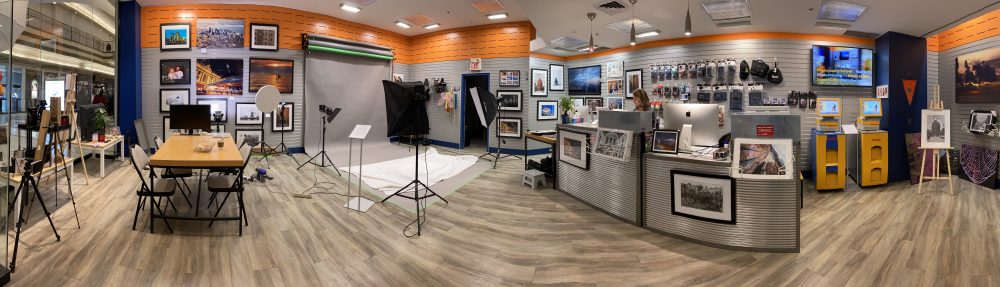
The writing has been on the wall for many years. Now, Sears and Walmart USA portrait studios have shut down, unable to make ends meet. No more family or portrait photos.

Mmm.

As the article says:

Store photo studios, which did big business in the 1970s through the 1990s, have been closing in recent years due to the move to digital and smartphone photography, where anyone can create, crop, and edit a family photo online. In addition, the demand for paper photo albums has all but disappeared.

What do I think when I read this?

On the one hand, I think there are reasons these guys did not do well. Reasons such as:

  • They failed to keep up with society (people often want electronic files, not prints, for example, and the old-fashioned “sears backdrop” is, well.. old-fashioned).
  • They did not employ proper photographers, just minimum-wagers who can push a button and follow a script.
  • Thus, their quality was “okay” – not great.
  • They promised $8 for a shoot, but wanted in-store staff to upsell to $100 each time. That is a stretch: if you try to attract “$8-customers”, these people are not interested in “$100 sales”.
  • Their business model did not work: you simply cannot sell photos for $8! Underpricing is a grave error.

On the other hand, the writing really is on the wall. Everyone is a photographer now. Perception versus reality! Now that everyone with a camera thinks they are a photographer even without training, the market for family shots has declined.

“Yes but in Canada, they are still open!”. No – the writing is on the wall here, too. We simply get it later than Americans, who are often ahead in many ways.

And since a large print is $2 at Costco, paying $80 seems odd to a market that cannot distinguish “making a print” from “making a photo and printing it”. I think we have to face it: photography for money is a declining market except in niches (like “people who want top quality and are willing to pay”).

Is it all bad news? Yes, overwhelmingly (seeing skills disappear is a shame), but taking all this into account, it seems to me that for photographers who want to make enough money to eat there are still a few avenues left open:

Find niche markets: there are always niche markets that are willing to pay, since in those markets, photography is not perceived as a commodity.

Go upmarket: even in saturated, commoditized markets like portraits, there are always those who can see quality. We have a lot to offer. Good composition, perfect lighting, great artistic insight, experience, good “post”-skills, redundancy, reliability, customer service. The fact that there is a McDonalds does not mean there is not space for $200 a meal luxury restaurants also.

Teach: If everyone thinks he is a photographer, let’s make them all into real photographers! This is a good market, if you are a great teacher. Beware, though – everyone thinks they can teach, and few actually can. But if you are one of those few, you will do well. I am delighted to teach, here on this blog and also at Sheridan College, at Vistek, at Niagara School of Imaging, and at CameraTraining.ca – and by way of private coaching. Come see me tomorrow and Sunday in Toronto: http://photonetworkexpo.com/ – book online and use promo code Michael2013 to get 50% off a weekend pass. See you then!

So no, it’s not all bad news. The world, and the photography market, is changing. As it always will continue to do. Adapt, and change the business you are in. I am in the business of getting people bueatiful images – whether from me or from themselves after I teach them how.

Michael


Learn.. how?

You can learn by taking my lessons, for instance. Supported by the book.

Lessons at Vistek Toronto. And lessons at Sheridan College.

And two workshops in Hamilton, open NOW for booking:

  1. 17 Feb 2013, in Hamilton, “Advanced Flash”. Info/book: http://www.cameratraining.ca/Flash-Ham.html
  2. March 2: “The Art of Shooting Nudes”, same location. Info/book: http://www.cameratraining.ca/Nudes.html

I hope to see you there – learn from me and kick your photography into the next level!


©, ™, ® – and more

Do you need to copyright your photos, and announce that copyright with a logo? I am not a lawyer, so check with a local legal source. But I do know a little about marketing. And about how images are often, um, “borrowed”. See the post of a couple of days ago about Google Image Search.

I usually do this:

I.e. a small logo on the image, often (but not always) with  © sign.

And about those signs:

  • The © sign on your photos makes it look a little amateurish, but in some environments (on Tumblr, for example) or categories (like photos of celebrities) I find it necessary for extra clarity. My photos are copyrighted even without the © sign, but it does stress the point.
  • The ™ (Trade Mark) logo is something you can and should add to your marketing names. As in “The Willems 400-40-4 rule™”.
  • The registered trade mark sign ® may only be added if you actually registered the trade mark with the appropriate authorities.
  • Do embed your copyright information (“all Rights Reserved” and author name in the image’s EXIF data.

Make sense?

Photography is a business and it pays to treat it as such.


Google to the rescue

Did you know that you can search for images across the web just by dropping the image into the Google image search field?

Like this:

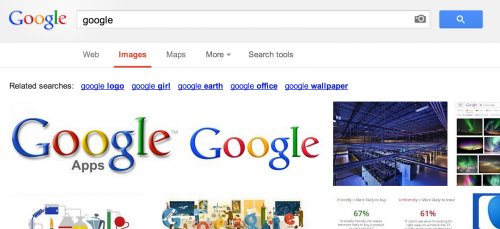
Go to Google and search for an image (click on “images”):

This takes you to the image search:

Now you can simply drop images from your desktop, say, onto the search field (where it now says “google” in the image above) – and it will expand and search.

And now, Google does two things:

  1. It displays all uses of that exact image that it has found on the Internet;
  2. It also shows similar images, with a very clever algorithm that searches for similar-looking images by shape and colour.

Amazing. And enlightening, quite often. This Hongkong-based outfit used one of my images without permission (I am now talking to them); and this Vietnamese person did the same, with the same image. And that’s after just a few minutes searching random images. I suppose some more searching is called for!

If you have not yet used this incredible search function, I suggest you give it a try. Start with images you yourself have blogged, so you can see that it does indeed work.


Photography as a business?

If you want to make money with your photography, then I have some advice for you.

Here we go:

  1. First, forget about it.
  2. Then, if you still want to: go for it and follow your dream.

But in that case, do it cleverly – run it like a business from the start. Profit and loss. Accounts. Taxes. Budgets. Forecasts. Marketing budgets. Reviews. And so on. My Small Photography Business course starts again tonight at Sheridan College. I take 20 students through what, as a business executive, as a small business owner, and as a photographer, I have learned over the years.

  • Photography skills
  • Photographic Equipment
  • Office equipment and -tools
  • Marketing
  • Accounting and bookkeeping
  • A business plan
  • Admin work

One small but significant part of a photography business is your web site. Can I suggest the following:

  • Keep it simple.
  • Make it about your clients, not about you.
  • Be clear: why you? Not because you make good pictures: presumably that is a given. What’s in it for the client – why should he or she choose you, not someone else?
  • Remove barriers. No slow-loading flash, unnecessary music, absent email addresses, compulsory fields, or other hoops for your clients to jump through.

I have seen some bad ones, but I think I have just re-found the worst web site I have ever seen. Since it belong to a working photographer I will not share it here, but I am so tempted.


Book!

As I mentioned, my long promised eBook is ready and is available now!

Here’s the link:

www.michaelwillems.ca/Buy_Book.html

The book, a 108-page PDF (without DRM) costs $19.95.

(“Without DRM” means you are not addled with complexities in downloading or cumbersome technical restrictions on how you use the book you buy!)

This book is pretty unique in that it gives you recipes you can apply immediately, not just basics where you have to work out how to apply them.

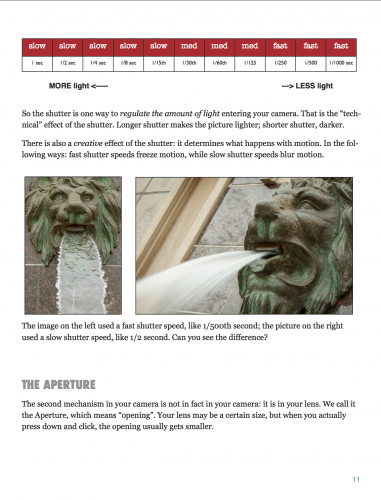
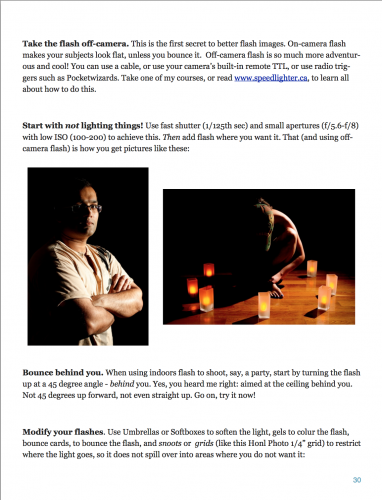
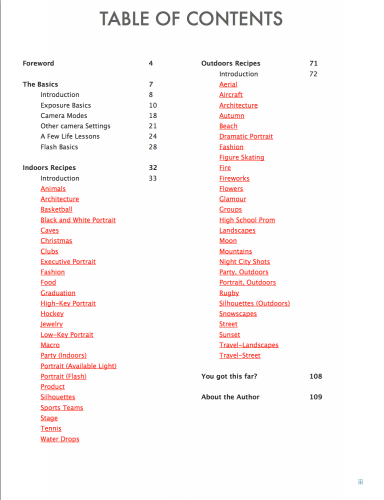
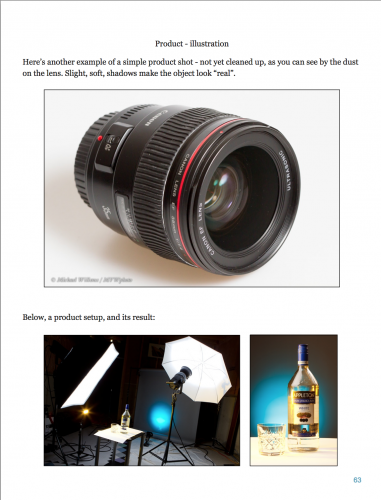
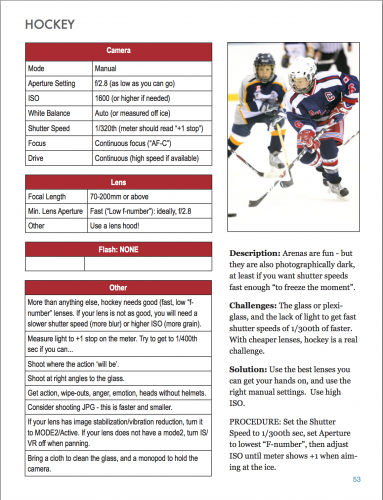
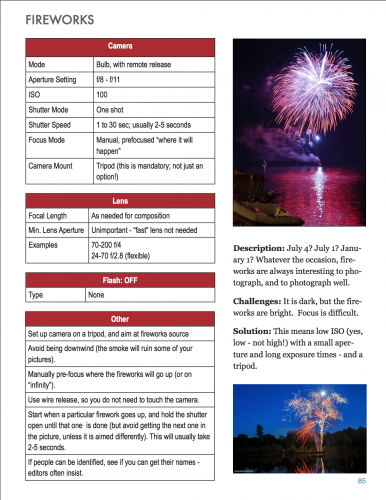
A few sample pages:

I look forward to hearing what you all think. And remember: questions and requests are always welcome.

Michael

(PS Why not free, or $5? Well, I do give away the free speedlighter.ca as you know. But as for eBooks: There are many free ones, but they tend not to be the best. Many eBooks like mine sell for $30-$50. Look at Kelby, Grecco and McNally, all of whose books sell for around those prices.  I myself recently bought a photography eBook for $79US. Also – most eBooks are DRM protected; mine is not. An important distinction. And finally, the Photography Cookbook is 108 pages, not the 30 pages you so often see in eBook PDFs. Enjoy!)


Good News!

First, the bad news: my eBook will not be available as an Apple iBook. I just found out that Apple requires all sellers of iBooks (even, say, Germans selling to Danes, or Canadians selling to Canadians) to file for a US tax ID:

This would mean a lot of work (forms running pages and pages; “certifying” my Canadian passport and having it approved by US authorities; and so on) and a long delay (months), as well as, wait for it, me then filing US tax returns. No way, José.

So… now the good news:

The book is finished, and is available now as a PDF file!

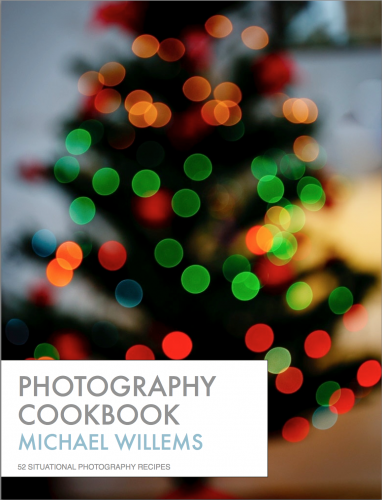
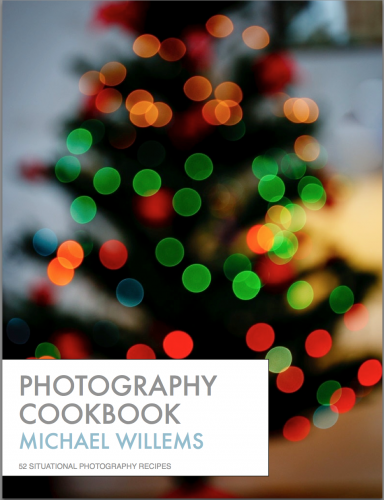
“Photography Cookbook”, an all-new 109-page photography manual, is available direct from me, the author, now.

This PDF e-book is unique in that it gives you 52 actual “recipes” to use as good starting points for various situations. Outdoors and indoors; from Aerial Photography to Hockey to Travel scenes: how do quickly you set up your camera for these situations?

In addition, the book contains:

  • The photography basics you need to know to be a competent photographer.
  • All about exposure and how it works
  • Camera settings
  • Flash Basics

Much of my photo expertise and experience is captured in this one manual, optimized for viewing on iPad and similar platforms:

Unique about this book is that it gives you many common situations in a quick, one-page-per-recipe format:

Refer to these any time, shoot the situations here or find situations similar to the one you are shooting, and you are good to go. This helps you actually achieve.

Combined with the basics section, this PDF provides the best photo start you could have! And it is available right now. Your personal copy is waiting for $19.95!

Click here to order your book. You can also send an e-mail bank transfer.

Your personalized copy will be shipped as soon as possible; usually within hours.

Enjoy!