Ring a Ring o’ Roses

I talked about ring flashes recently, if you recall. This time, a few notes about the Orbis Ring Flash—a flash that is not a flash.

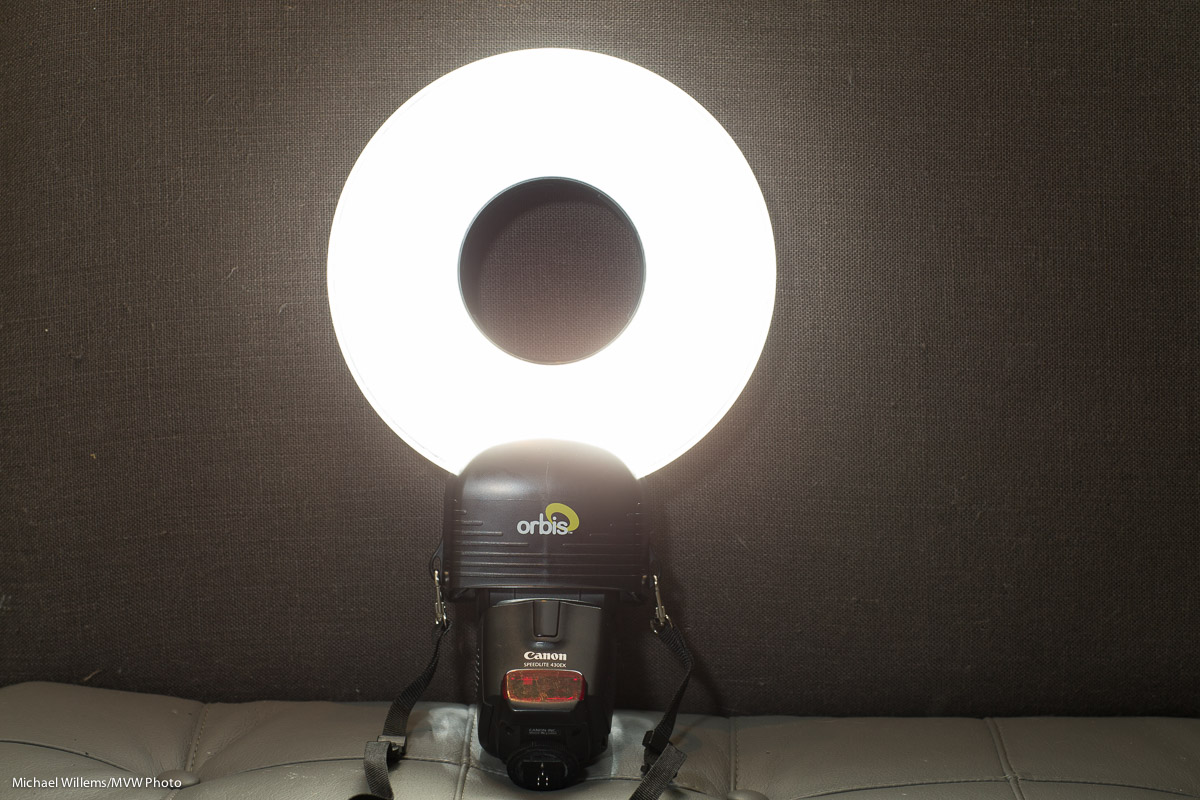
It is a flash modifier. An attachment with clever light guides, that makes your speedlight into a ring flash. In order to achieve this, your flash fits into the bottom:
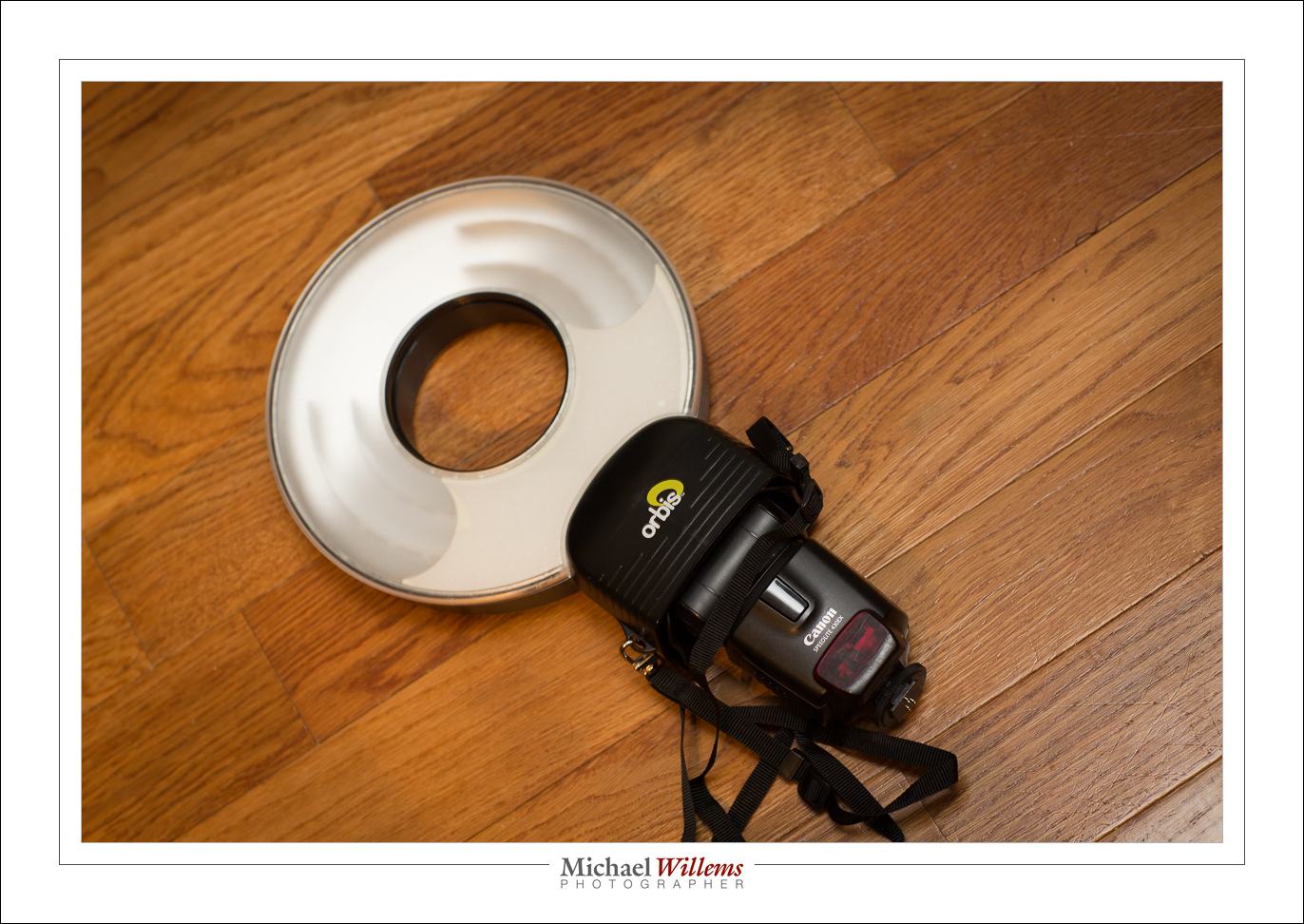
Result: a ring flash. And a remarkably good one, with amazingly even light all around the circle:
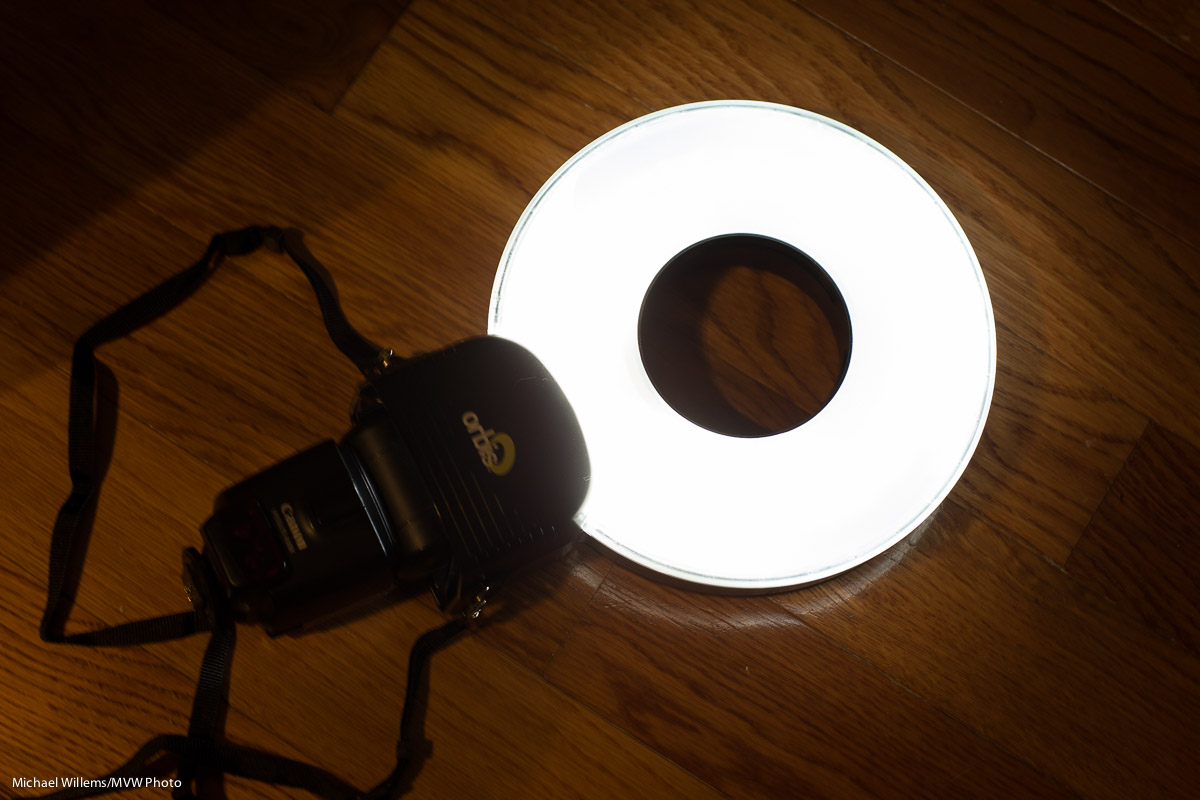
This needs you to insert your flash into the unit’s base, then set it off using light- or radio-driven TTL, or some other way. You hold the flash in your left hand, while you hold the camera in your right hand, with the ring around the lens.

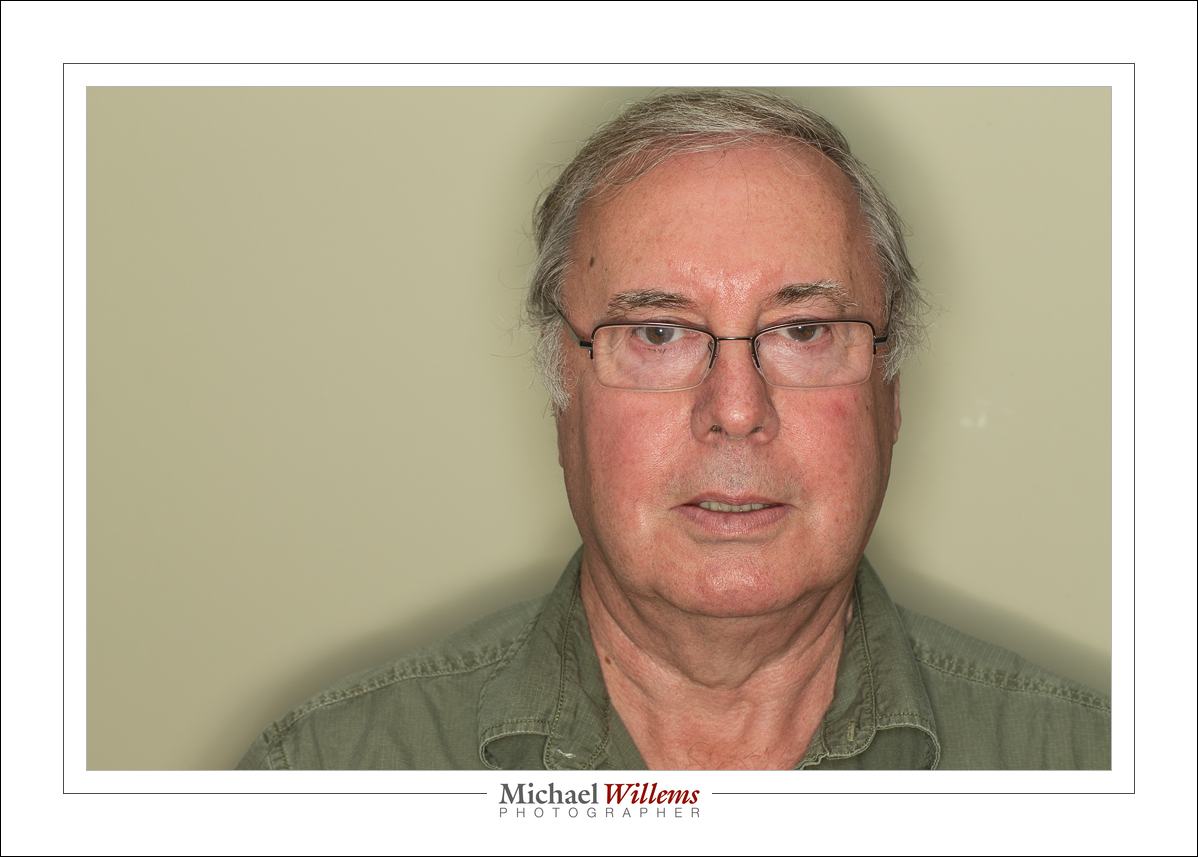
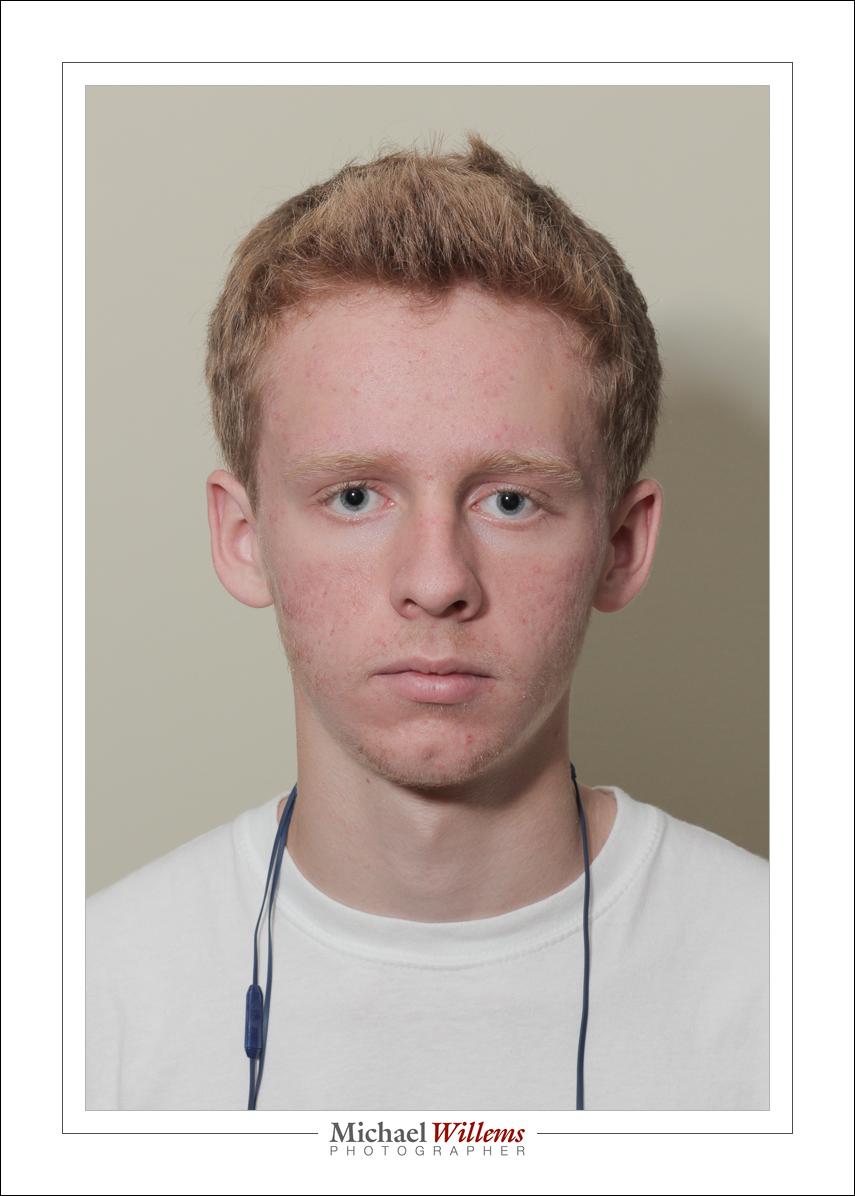
And this works remarkably well. See the characteristic halo, and the very recognizable ring flash light, shown by student Tony:
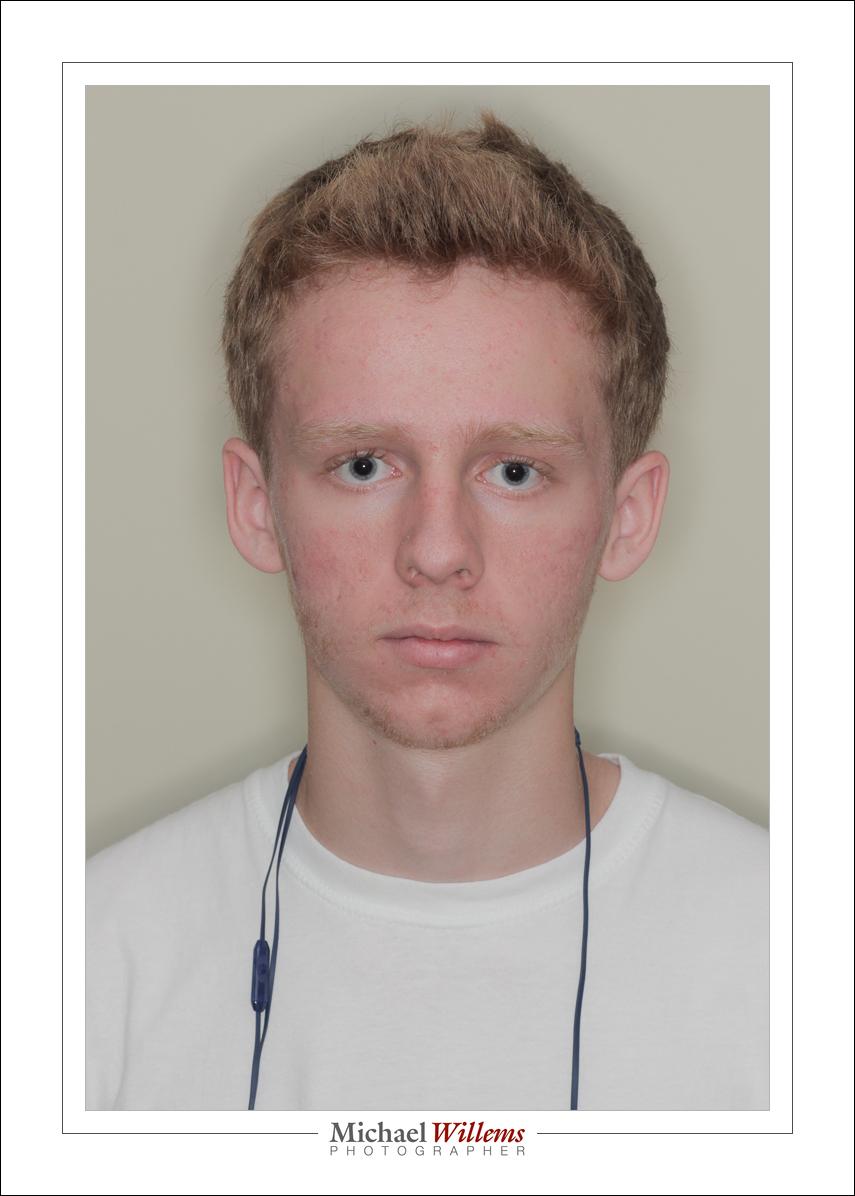
And again, as shown on my intern Daniel:
As said, this device contains incredibly clever engineering. To make it this even, the light paths have to be very cleverly engineered. And they are: whatever I tried, the ring always lit evenly.
From prior experience, I am sure the cheap knockoffs that seem to be around do not work nearly as well.

You can, of course, also use it off camera, rather than around the ring. It also works well when you do that, still providing better light than a straight flash. Like here:
I can see that this device is going to be a fixed part of my flash gadget bag. Thanks to David Honl of Honlphoto.com for sending this to me.

And, um, yeah… it is even good for shooting cats.
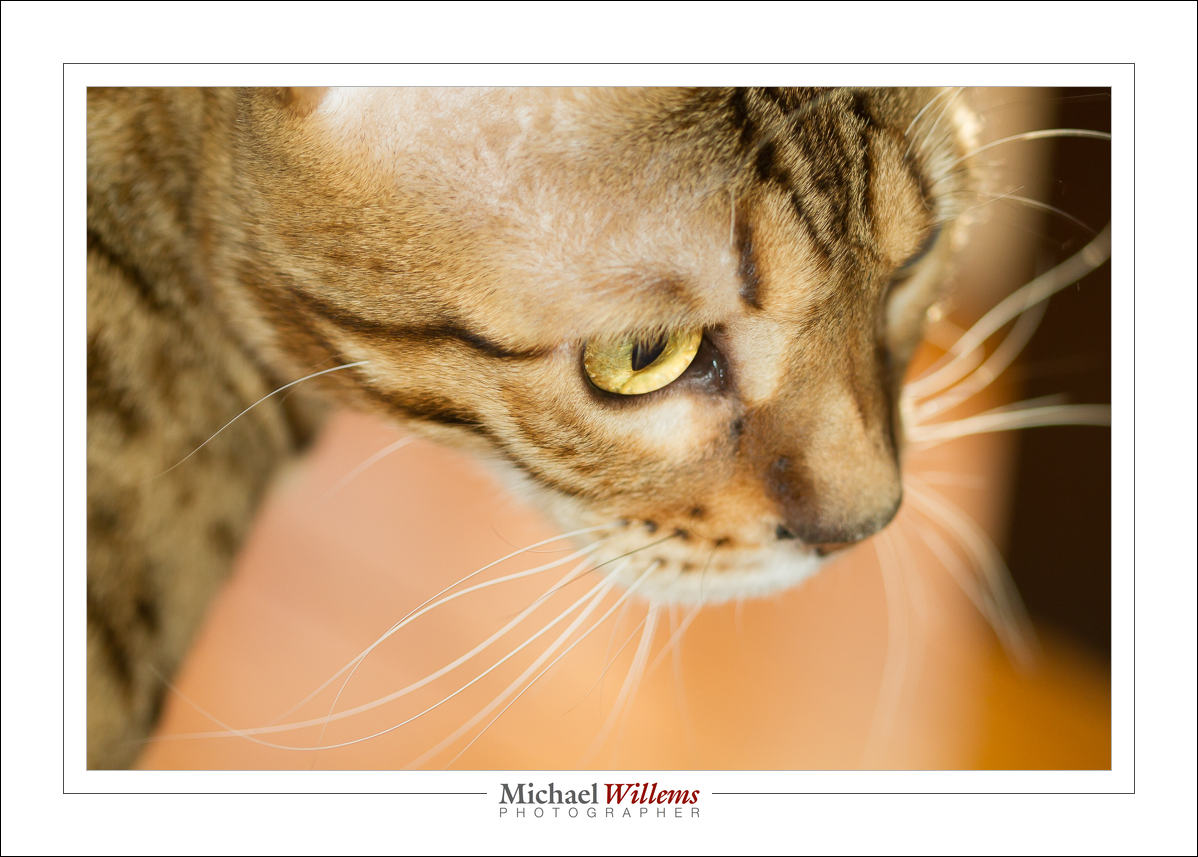
…including the donut shaped catch light that tells you immediately that this is a ring flash photo:
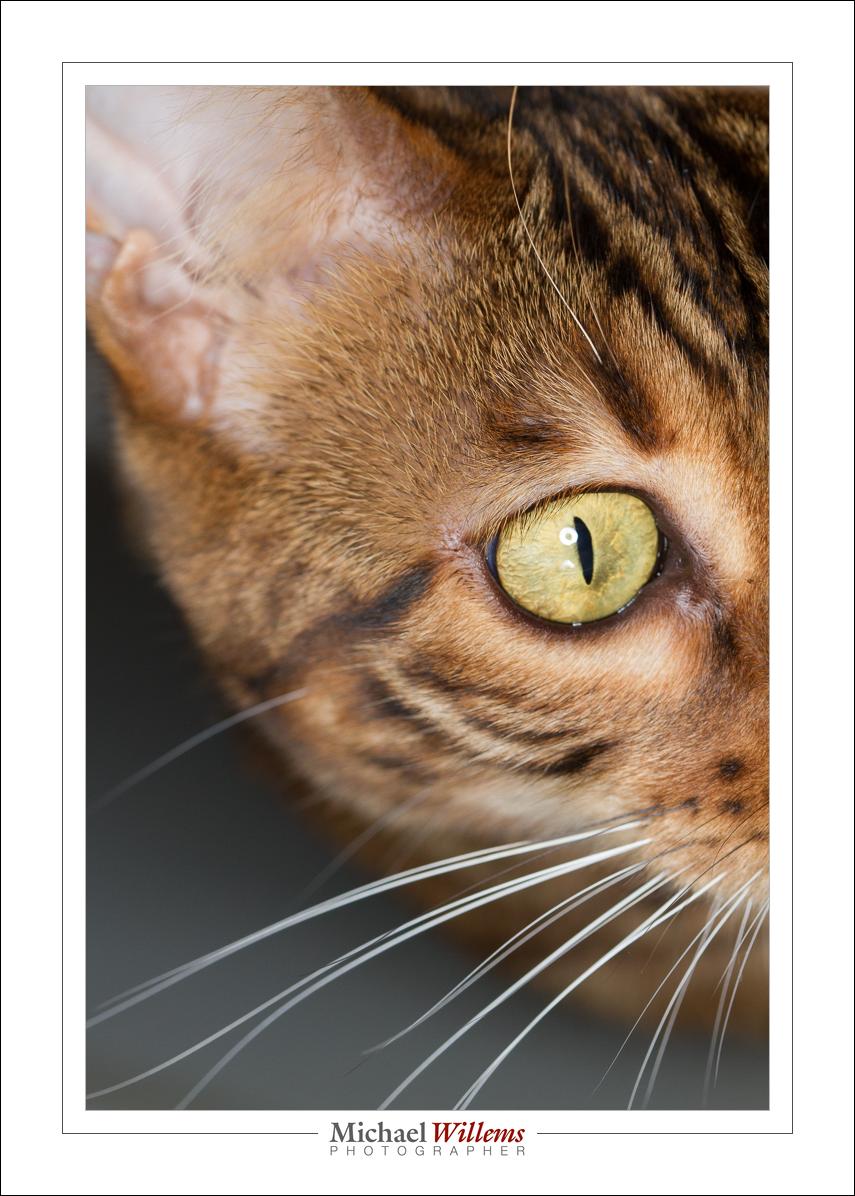
And I can tell you that this is a remarkably good device for shooting…

….you guessed it:
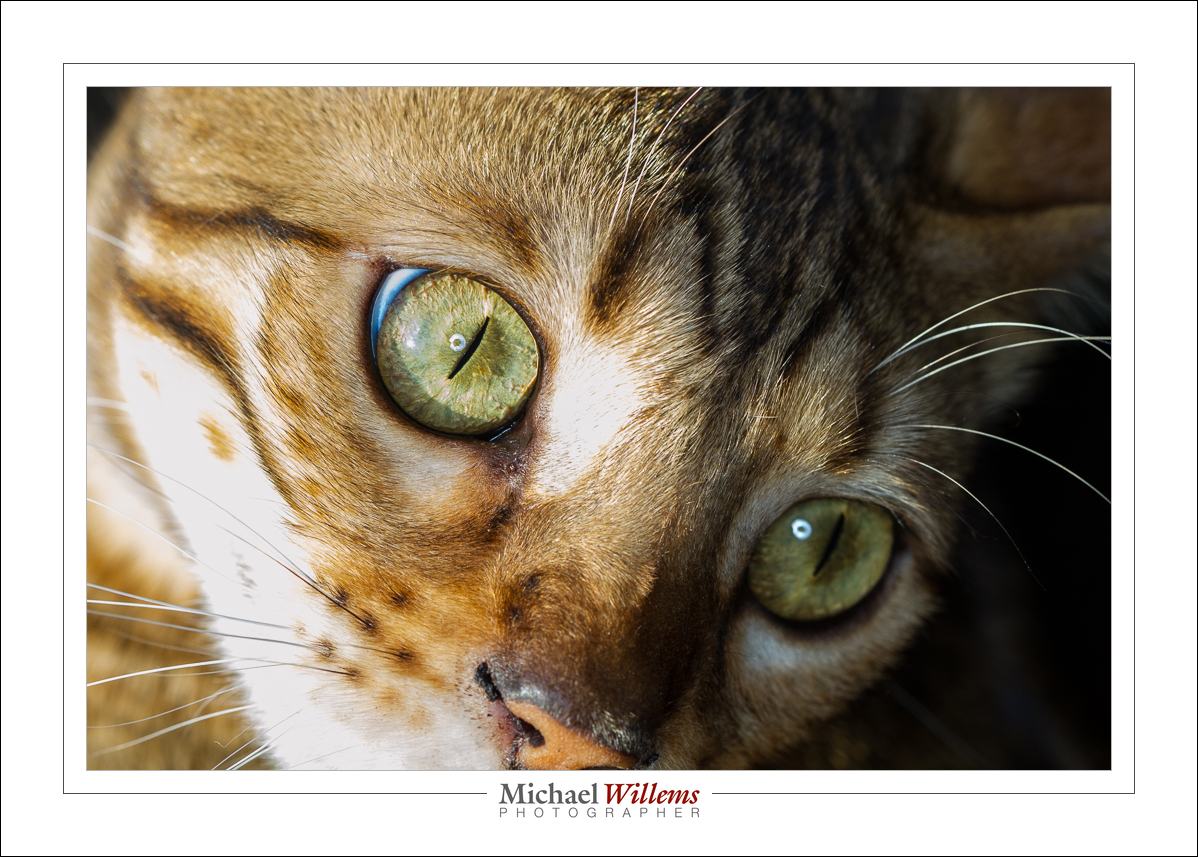
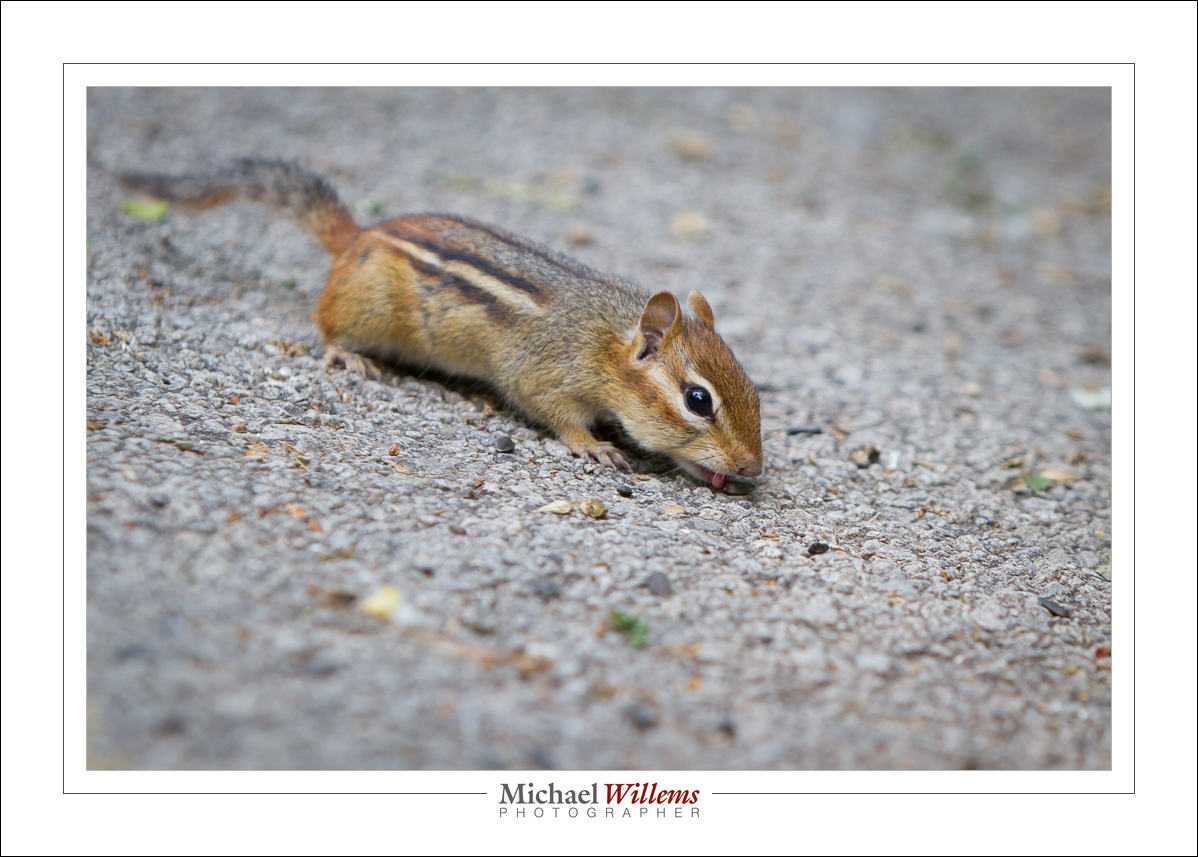
…cats! (Canon 7D with 100mm macro lens, f/5.6, 800 ISO, 1/125th, ring flash).
 

Reader Question

A reader asks:

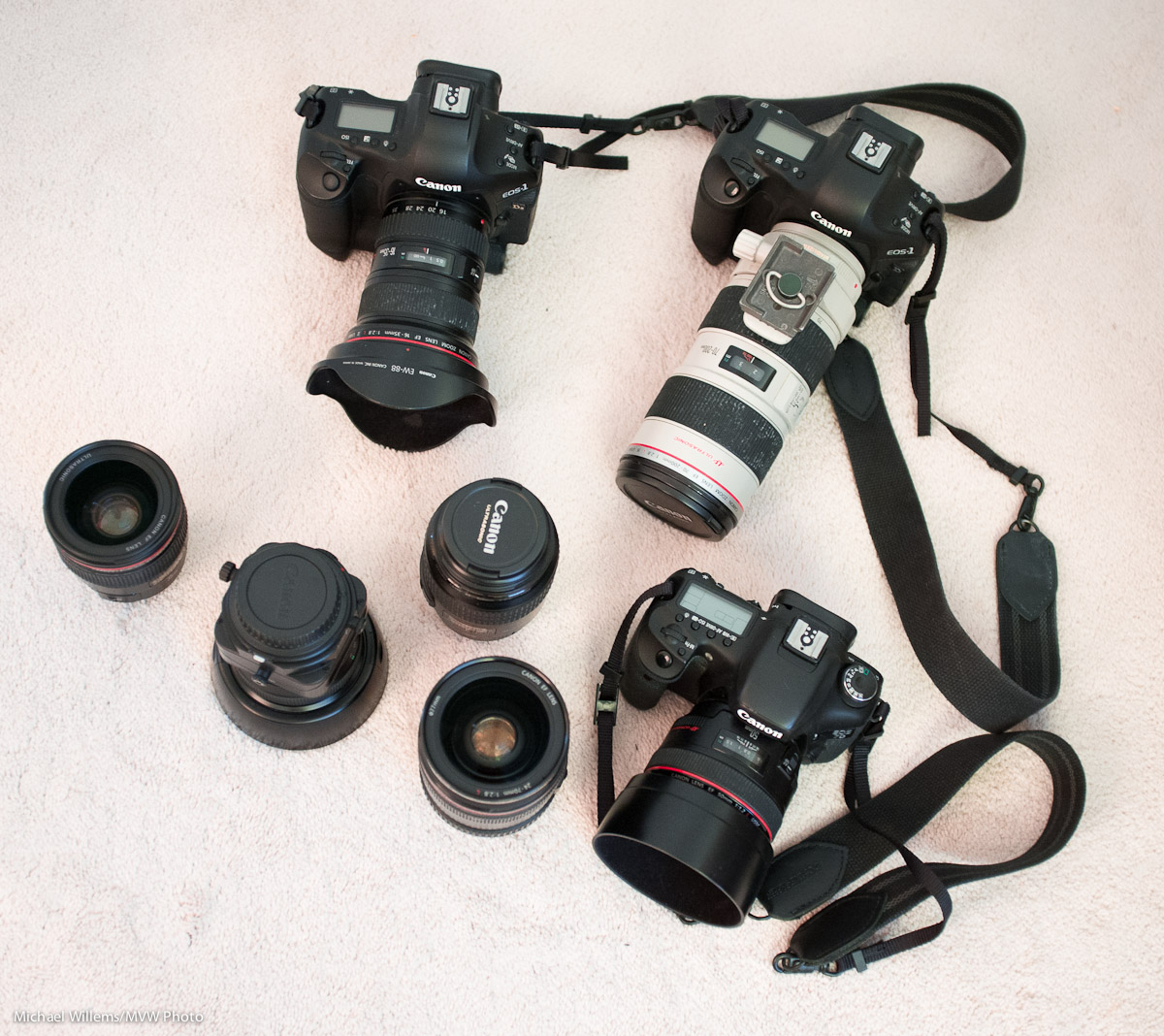
“Good Morning Michael. Been following your feeds about photography, incredibly awesome. I currently have a 70d w/ 18-135, 70-200, 50m, with the 600ex flash. I have a small wedding approaching and feel the need for another lens. What’s your take on the 17-55 IS 2.8 or the 24-105? Could you share some tips with me, I’d be grateful for that Thank you”

Good question. Equipment is important.

A standard “go-to” lens for pros is the 24-70 f/2.8 lens. For a crop camera like yours (a camera with a smaller sensor), the 17-55 ISD 2.8 is that lens. Great lens because it is a pro lens for your camera type. And it is stabilized (“IS”, or in Nikon terms “VR”, means Image Stabilization).

The problem is: once you go full frame. i.e. to a camera with a sensor the size of a negative—and one day you will—you will not be able to use this lens anymore (it is an AF-S lens, usable for small-sensor cameras only). And since lenses last basically forever (both in technical and in economic terms), this will bite you back.

It is for that reason I recommend the 24-105. And it has longer telephoto range, with is very useful for impromptu shots.

Other tips for shooting important events (and a wedding is as important as they get):

  • Bring spares for everything please!
  • Fast lenses are great when the light is low and the ceilings are high
  • Rechargeable batteries, more than you need and then double that.
  • Spare camera battery and CF cards.
  • As soon as you can, add a spare flash and also, learn to operate off-camera flash. It is easier than you think.
  • A wide angle fast prime lens (like a 24mm prime lens) would also be great for low-light situations.
  • A very wide lens (10-20mm range for crop) would be great as well.

And then practice. Learn how to bounce.

Here’s two wide angle shots from a recent wedding I photographed:

Finally, get, and read, and then re-read, my collection of five e-books from http://learning.photography/collections/books and schedule some one-on-one training: a short course will pay off incredibly quickly. See http://learning.photography to reserve a session now, 24/7/365.


Opinions

I never use others’ materials, or criticize others, but this video is interesting and this person is 100% right in his criticism of Ken Rockwell:

https://www.youtube.com/watch?v=I38q5Ad5GaM

Watch the eleven minute segment segment that starts at 39 minutes. A segment that makes me feel roughly like this:

Canon 1Dx with 85mm f/1.2 lens; 1/125 sec, 100 ISO, f/8, Off Camera Flash at 1/4 power; Pocketwizards, HonlPhoto 1/8" grid.


Why am I sharing this? Because the presenter in this video is absolutely right, and if you believe Mr Rockwell, you will be setting yourself up for failure. Take it from me: Shoot RAW. Do not use auto ISO. Use good lenses. Doing anything else is recipe for disaster.

There is opinion, and there is silly opinion, and not all opinion is valid. You are welcome here for your daily dose of valid opinion. 🙂

Thanks to Steve Jones for forwarding this segment.

Oh Canada

Canada Day Special: User discount code “CanadaDay” upon checkout at http://learning.photography for 10% off all sales today. Books, shoots, courses. Today only!

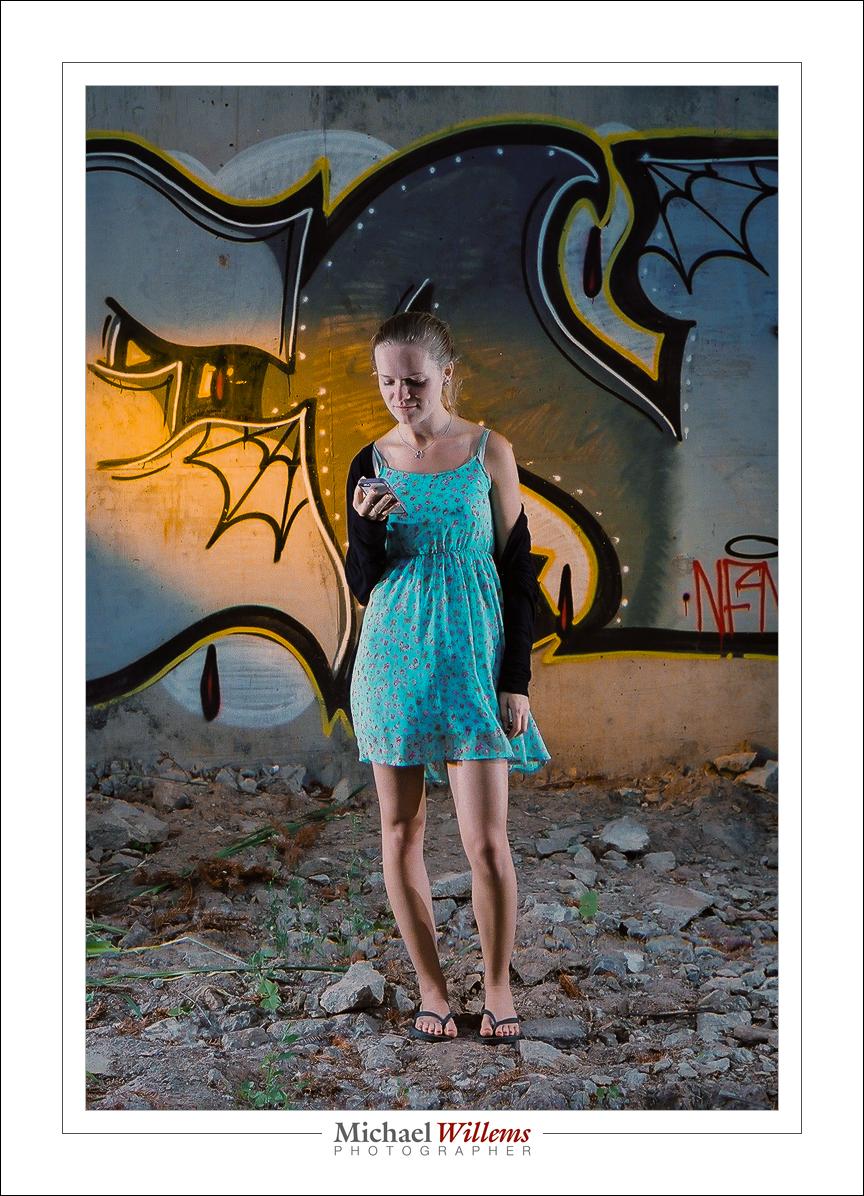
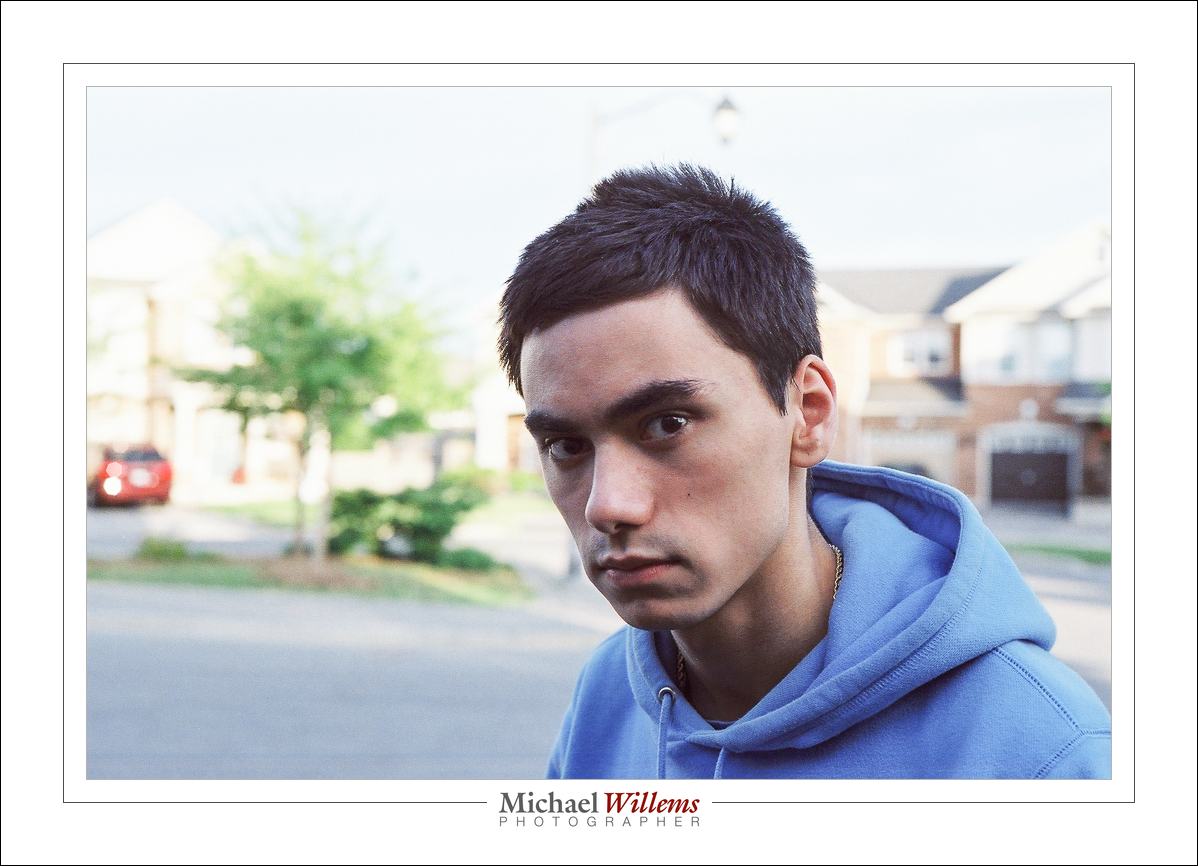
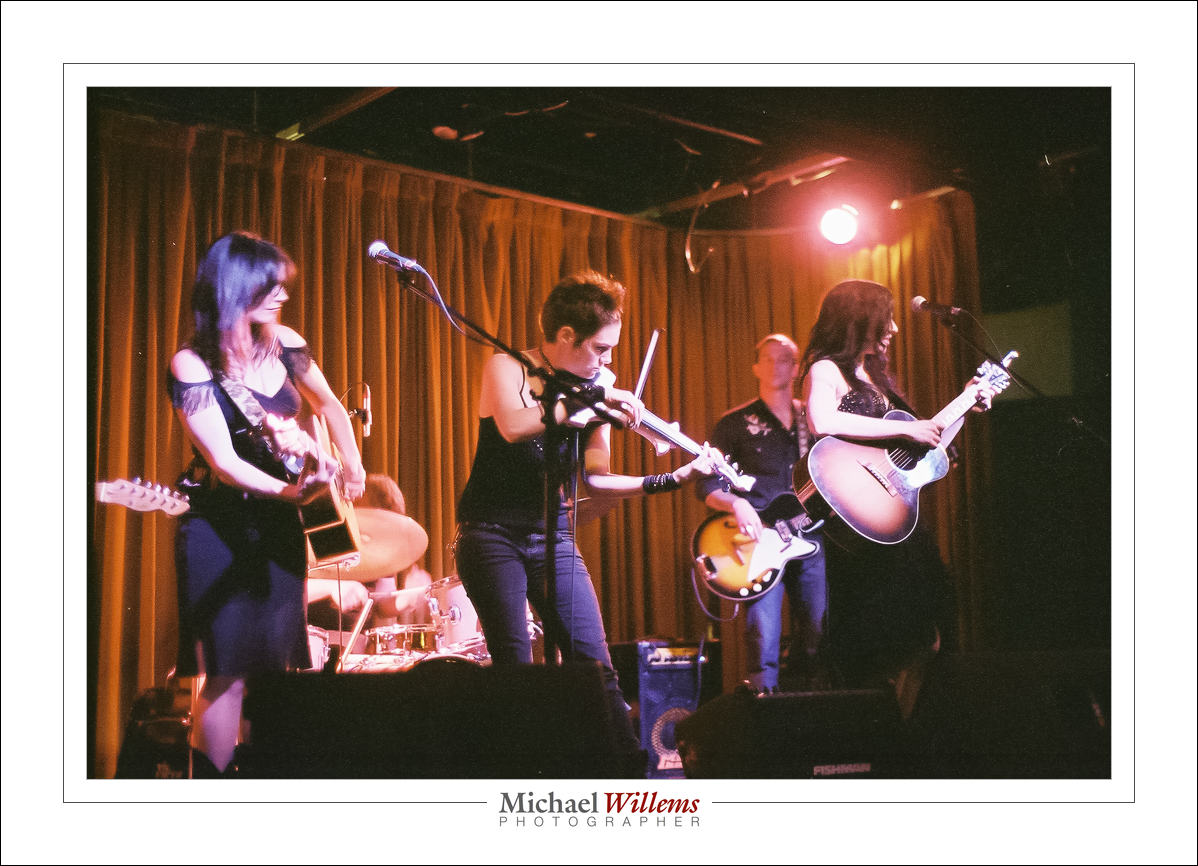
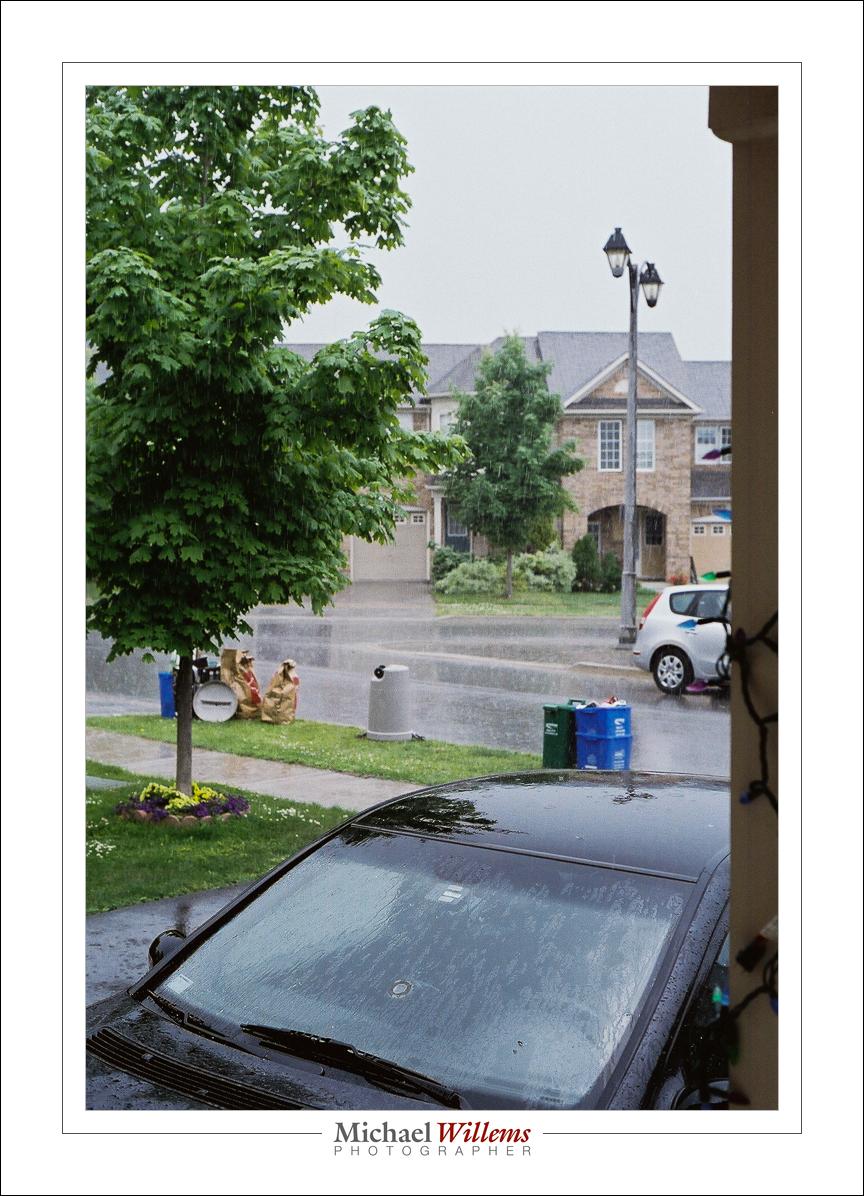
Now that that is out of the way: remember my film shoot recently? Here’s a few scanned images from that first roll. Black’s photo prints, but also scans for an extra few dollars. So here’s 400 ASA Fuji colour film and what it can do when you use proper lighting and exposure.

At Vistek, just before starting a course:

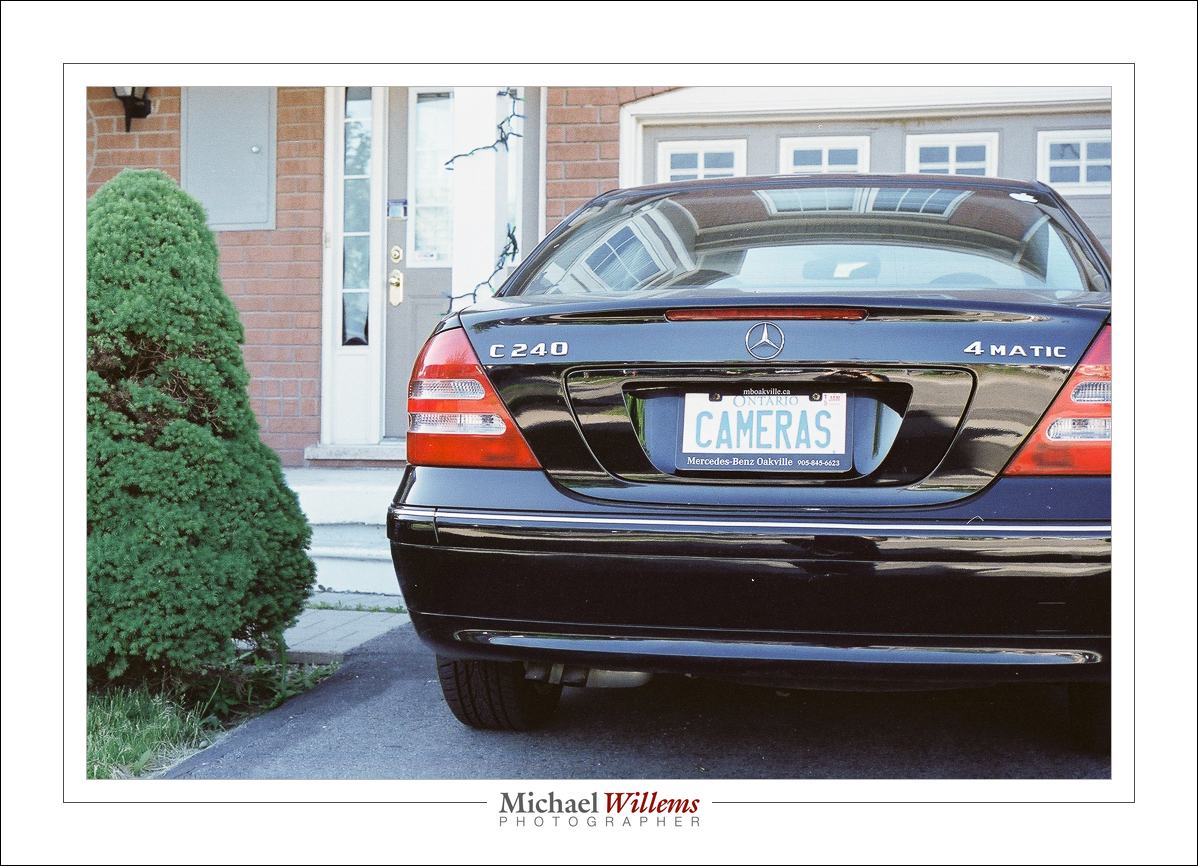
Outdoors, the car: doesn’t look like 400 ASA.

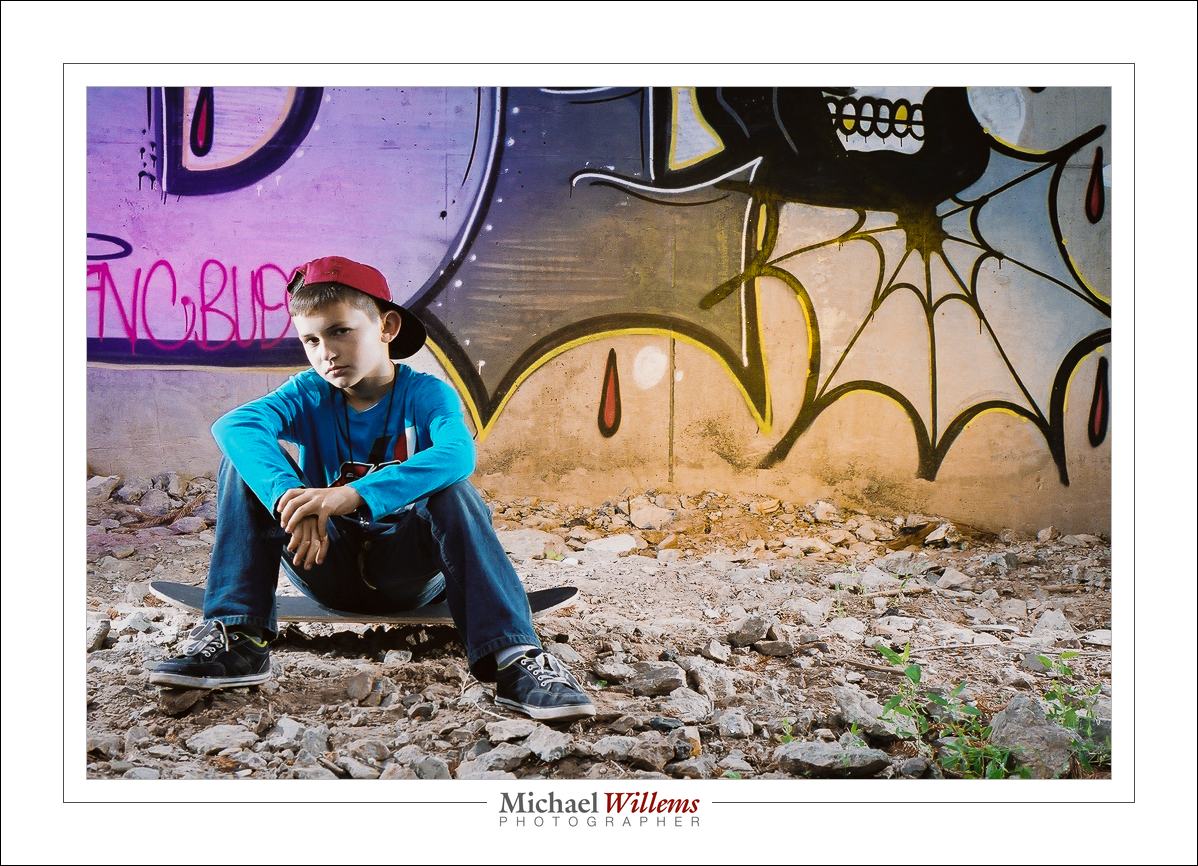
A teen shoot, using flashes. I used my digital camera as a polaroid, to ensure proper exposure; consequently, all images great on film also. Pocketwizards. 400 ASA, 1/125th sec, f6.3:

My son, handheld outdoors, centre weighted metering:

Selfie… mirrored:

Scarlett Jane:

A rainy day:

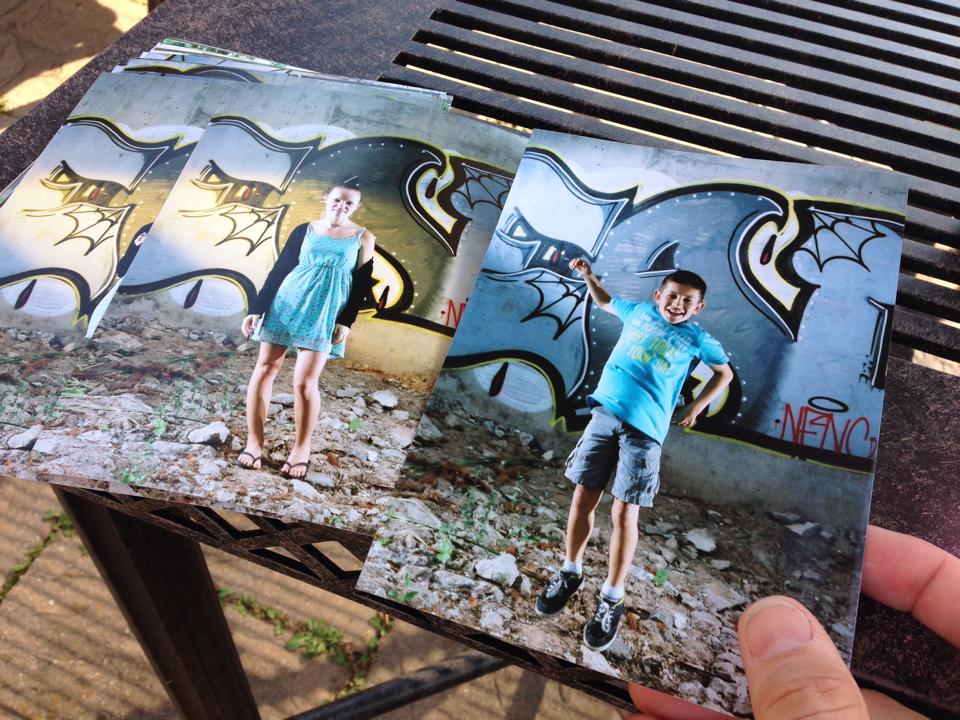
And two more from the kid shoot:

All these are as good as digital images, for a mere $150 for the camera and $25 for film developing, printing and scanning. Of course, more care and attention is needed when shooting film: you cannot just shoot to see what happens. You have to be right before you shoot. But that makes you a better, more careful photographer. So.. go buy a film camera.


Old skills

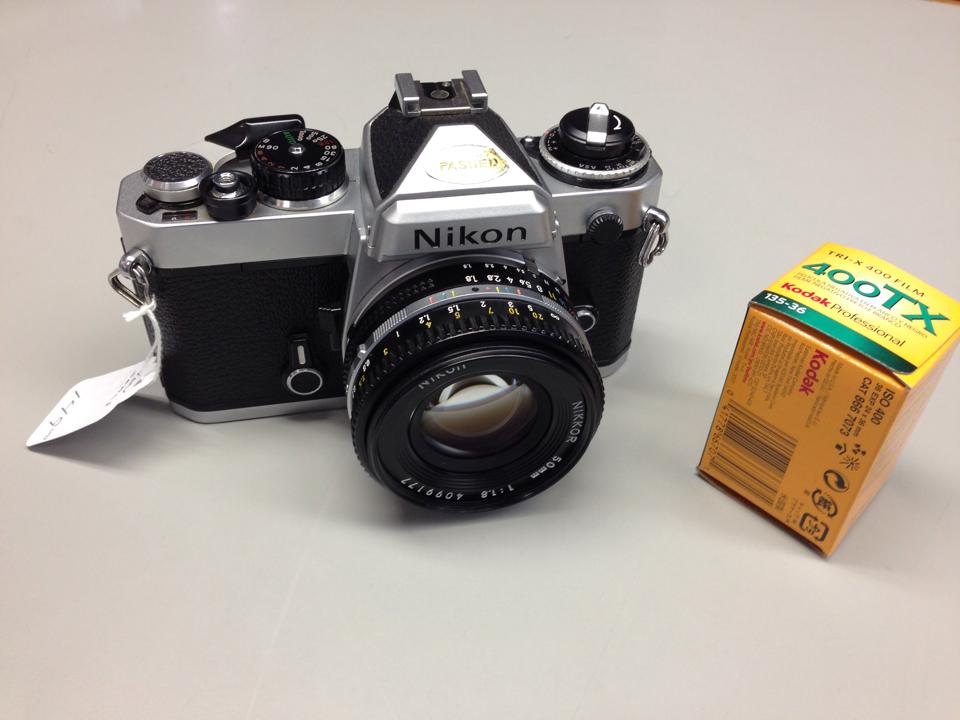
I recently mentioned here that I am shooting some film, on this:

So I just got my first roll of film back, or rather the prints from it, and this leads me to say a few things.

First, I am glad I still know how to shoot film. The pictures look as good as my digital equivalents. Which is nice, considering that I have gotten used to seeing the pictures on the back of the camera after shooting. All my exposures were good, save two that were a little underexposed.

Second, I am glad that there’s still a place to buy film (Henry’s, Vistek) and a local place to print and scan film (my local Black’s at the Oakville Place mall). Print and scan, that is right: they develop, and print and/or scan C41 colour film (B&W is a little more time-consuming and expensive). Develop and print colour is around $20 for a roll of 36; scan is about another $5. Perfect! In your town there will also be places to go, still. Sparse but existing.

Third, I am used to correcting things like white balance, and I cannot do that here. So some shots are a little cool (like the ones above): well, nothing I can do on the prints. I asked for “no adjustments” and that is what I got. Daylight film lit with flash should be OK, but evidently the machine was set to a little blue.

Fourth, this is fun. Go get a camera, which will cost yo no more than $150 used, and go shoot some 400 ASA film. You can do it!

Fifth, I use my brain when cropping; stores do not always do this. I shoot 35mm film which has 4×6 aspect ratio. I printed on 5×7, so a crop is needed, or letterboxing. They cropped, but in a few shots that was done unintelligently (cropping off half my subjects in some shots).

Sixth, to be a real photographer you need to be able to shoot film. Seeing my shots I feel the real deal again. See fourth.

Seventh, prints are great to hold. All this digital stuff is great, but you know I am a great proponent of physical prints, books, wall art, and so on. Please, make prints.


So is there still a place for film? Most certainly there is. If only to ensure you can still do it. I really thought about each shot, since each click costs $1.  “They’re really good”, said the kid at Black’s. Not boasting here, but they are, and they are better than what I used to shoot when I shot film years ago.

There you have it: Digital makes you a better film photographer, and film makes you a better digital photographer.


Polarizer

Happy summer (southern hemisphere friends, happy winter…)

Summer. Hence Sun. Right? So you need a polarizing filter for your lenses?

Yes, this is a good filter to have. A polarizer, as you know if you have been reading, actually does stuff:

  1. If you turn it to the correct angle, it makes the sky go darker (best at one angle, roughly perpendicular to the sun).
  2. It removes reflections (non-metallic reflections, like those on the surface of water).
  3. It can often help saturate colours (especially greens, like in vegetation).
  4. Fringe benefit: it darkens a little (usually, about a stop), so it acts like an ND filter. But just a little.

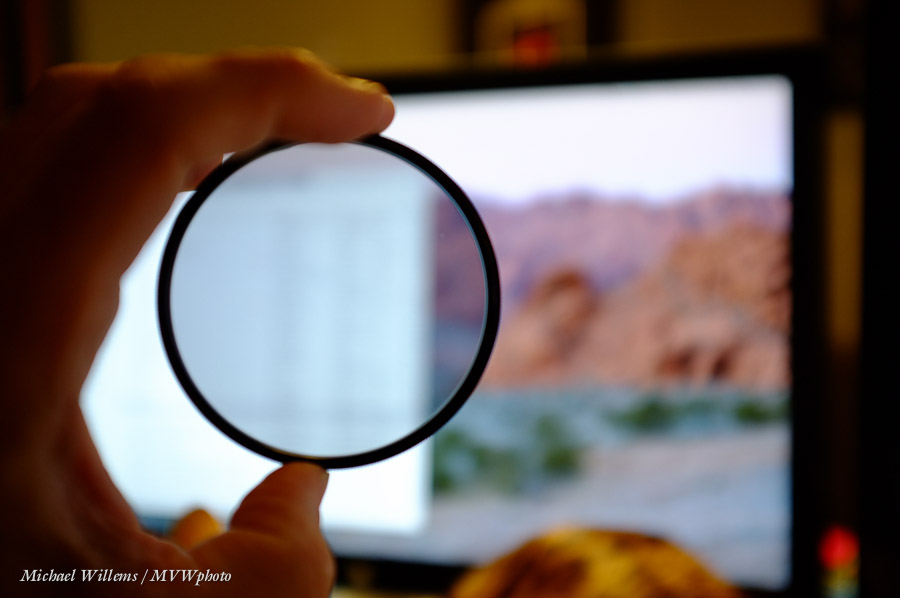
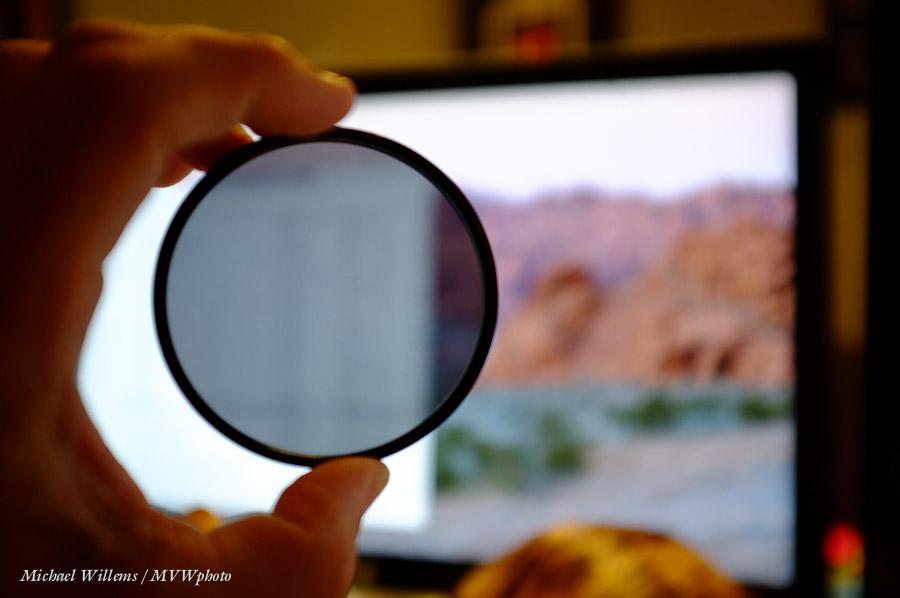
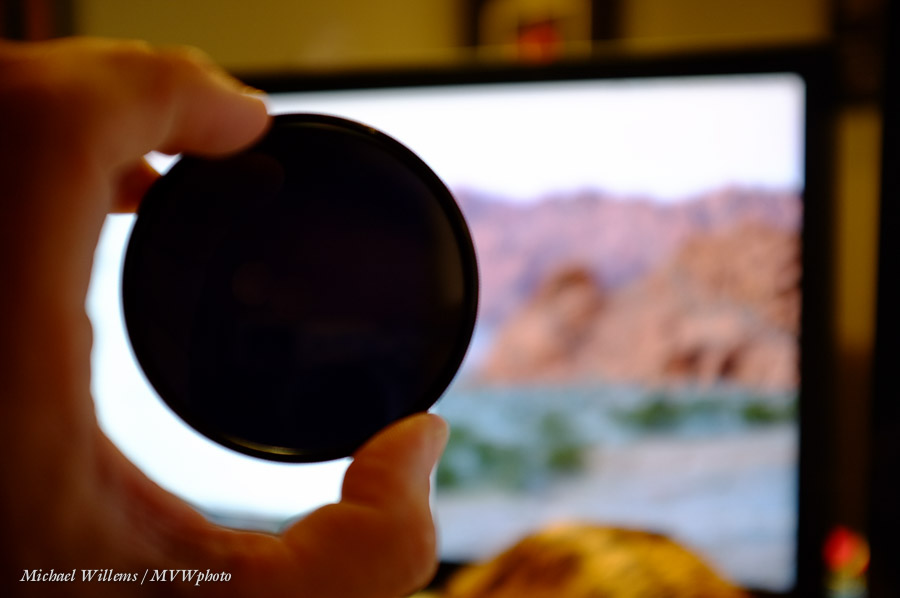
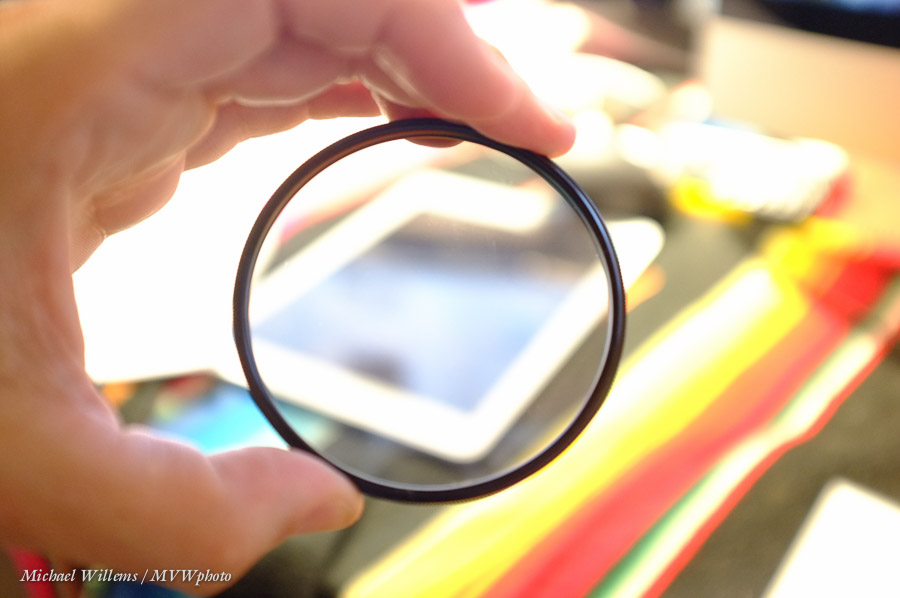
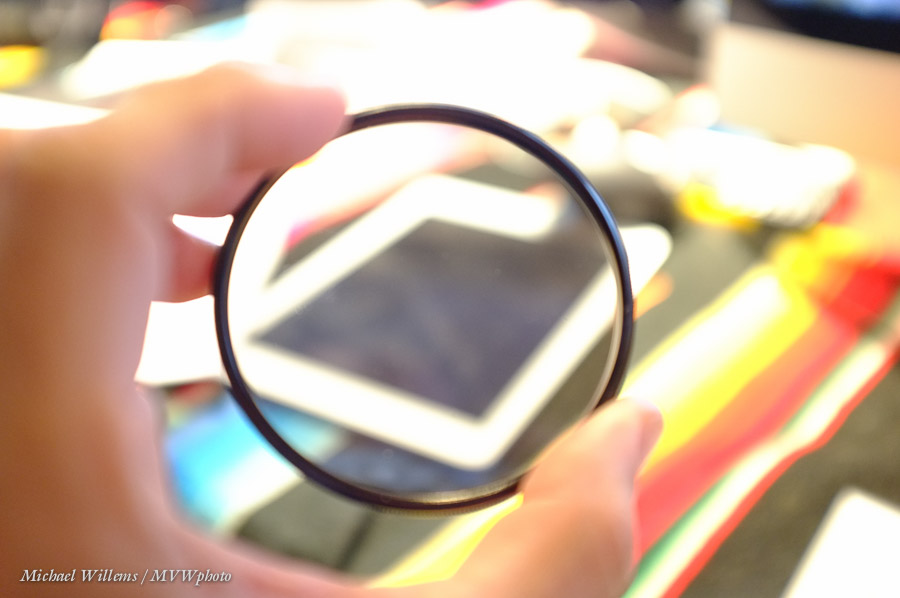
Here, a polarizer. In picture 1, it lets through polarized light (emitted by the LCD screen). In picture two, it is rotated to let through less. In picture three, it is rotated to allow even less polarized light to enter; and picture 4, none.

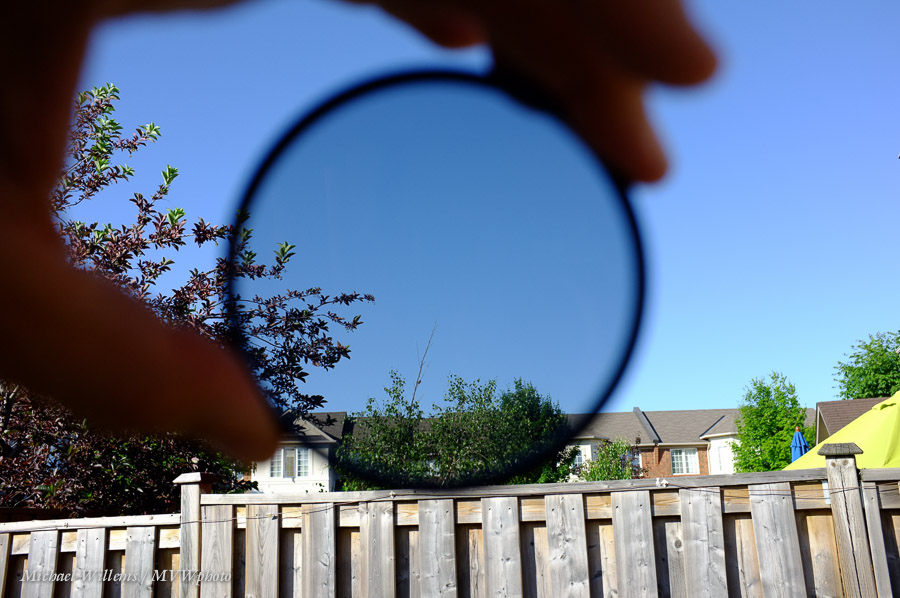
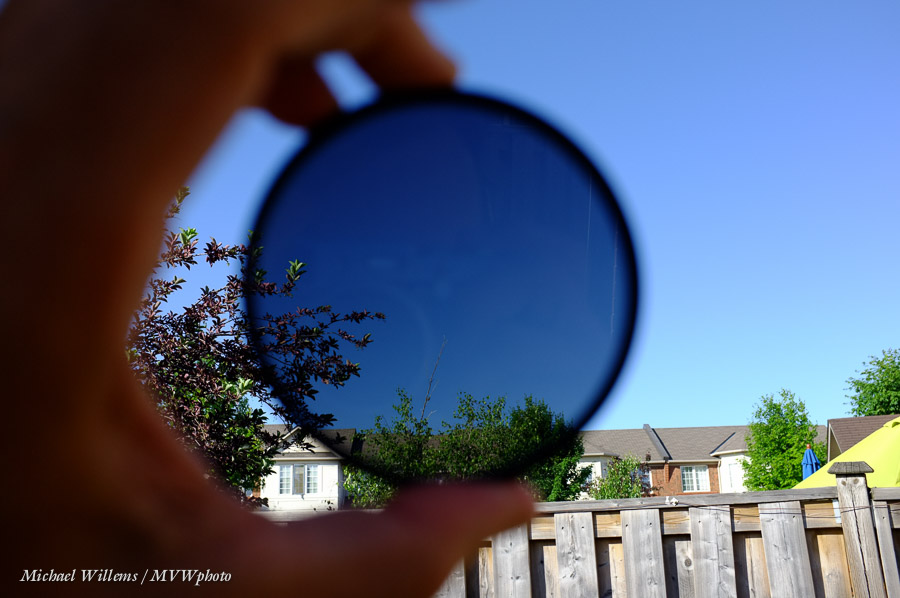
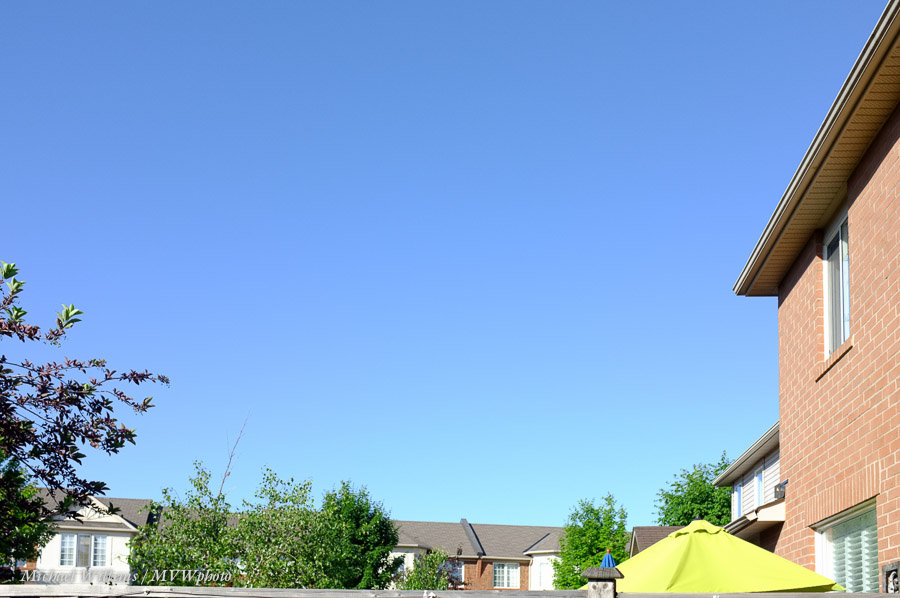
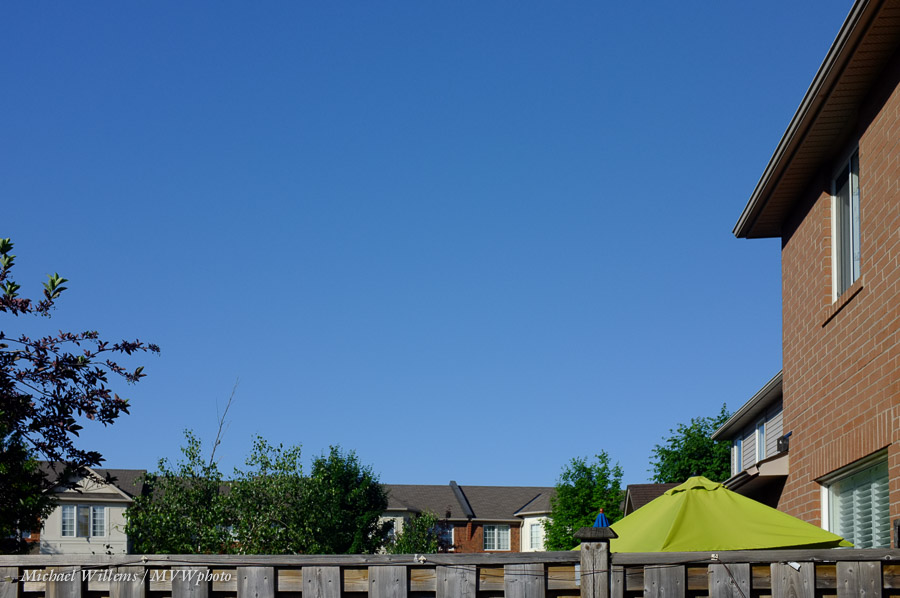
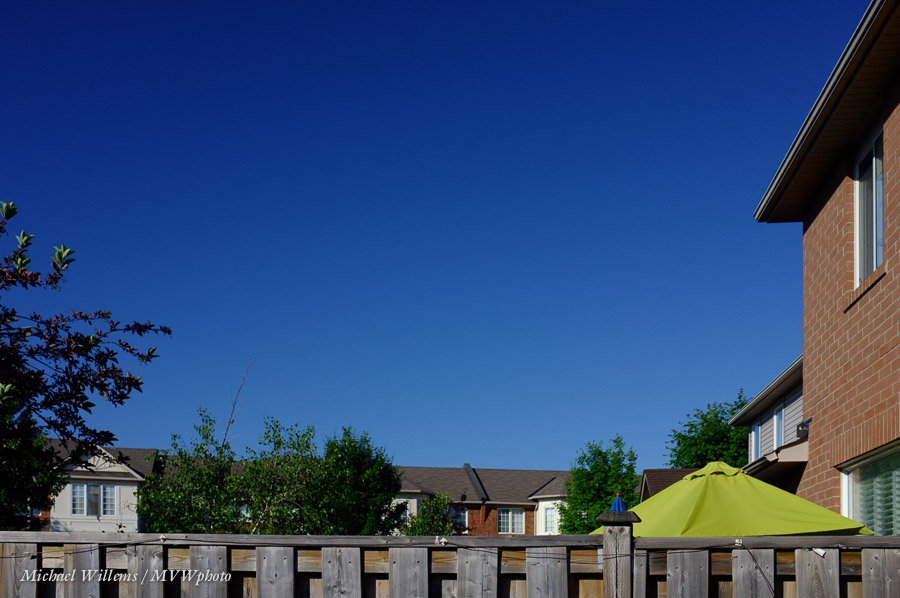
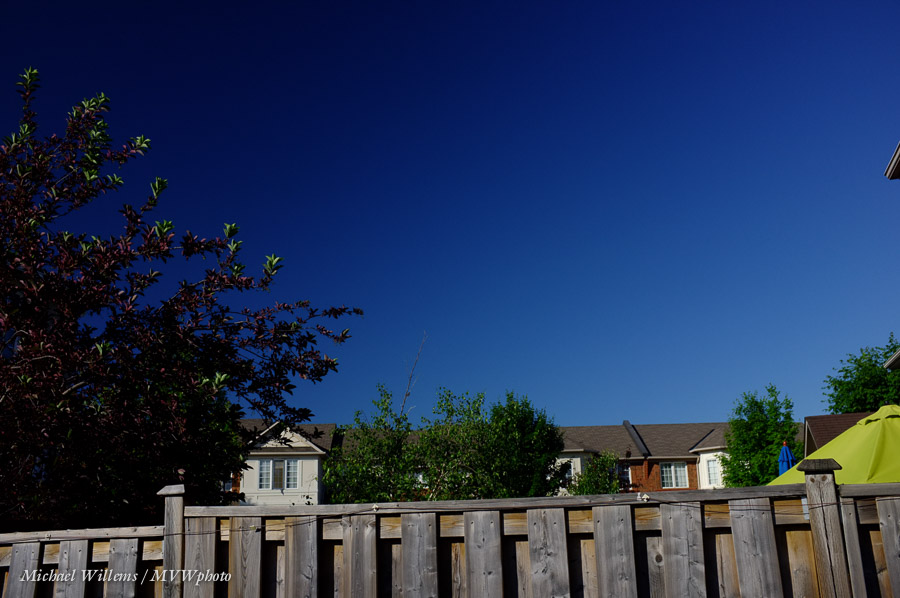
Below, the same while looking at the sky, which emits polarized light as well as unpolarized light: no polarizer; a polarizer rotated to allow in most polarized light; and one rotated to allow in almost no polarized light.

You will hear many people talk about “circular polarizers”, as opposed to “linear polarizers” You need a circular one for a digital camera. Let me explain.

A linear polarizer is just a polarizer. It lets through all, or none, or some amount of, polarizer light. But polarized light like this can confuse your camera’s AF and exposure sensors. So a circular polarizer is one that has two layers: the polarizer, followed by a filter that makes the light circularly polarized (basically, unpolarized). That way, no bad effect on the AF anmd exposure sensors.

This also allows you very easily to see whether your polarizer is circular: a circular polarizer only works one way. Turn it around (screw threat in front), and it does not work. Because the second filter makes the light basically unpolarized, so that the subsequent polarizer does not do anything.

So if your polarizer works the same whether you look through it one way or the other way, it is a linear polarizer, and will give you problems.

Here’s a polarizer taking away reflections (again, only off non-metallic surfaces):

Note that a polarizer can give you issues with mirrorless cameras. My Fuji x100, for instance, does not show the real effect when I use the electronic viewfinder. Beware!

Finally, a sequence with the polarizer turned to let progressively less polarized light in (using the Fuji x100):

You will note in the last images that part of the sky is darker than other parts of the sky. Yhis is becuse, as said earlier, teh angle matters. Parallel to the sun (i,.e.. the sun is behind you or in front of you) the polarizer does very little; at 90 degree angles it does a lot more. The only solution: use a longer lens.

And the last note: if you have only one polarizer, you can use only one lens? Nope. here, I used a large thread polarizer, a 77mm, simply held in front of the tiny x100 lens. Where there’s a will…

___

Have you had a look at my five e-books? All are over 100 pages long, well organized, illustrated, and a great source of information that gets you started immediately. Head over to learning.photography now!

Never Without My Hood Loupe

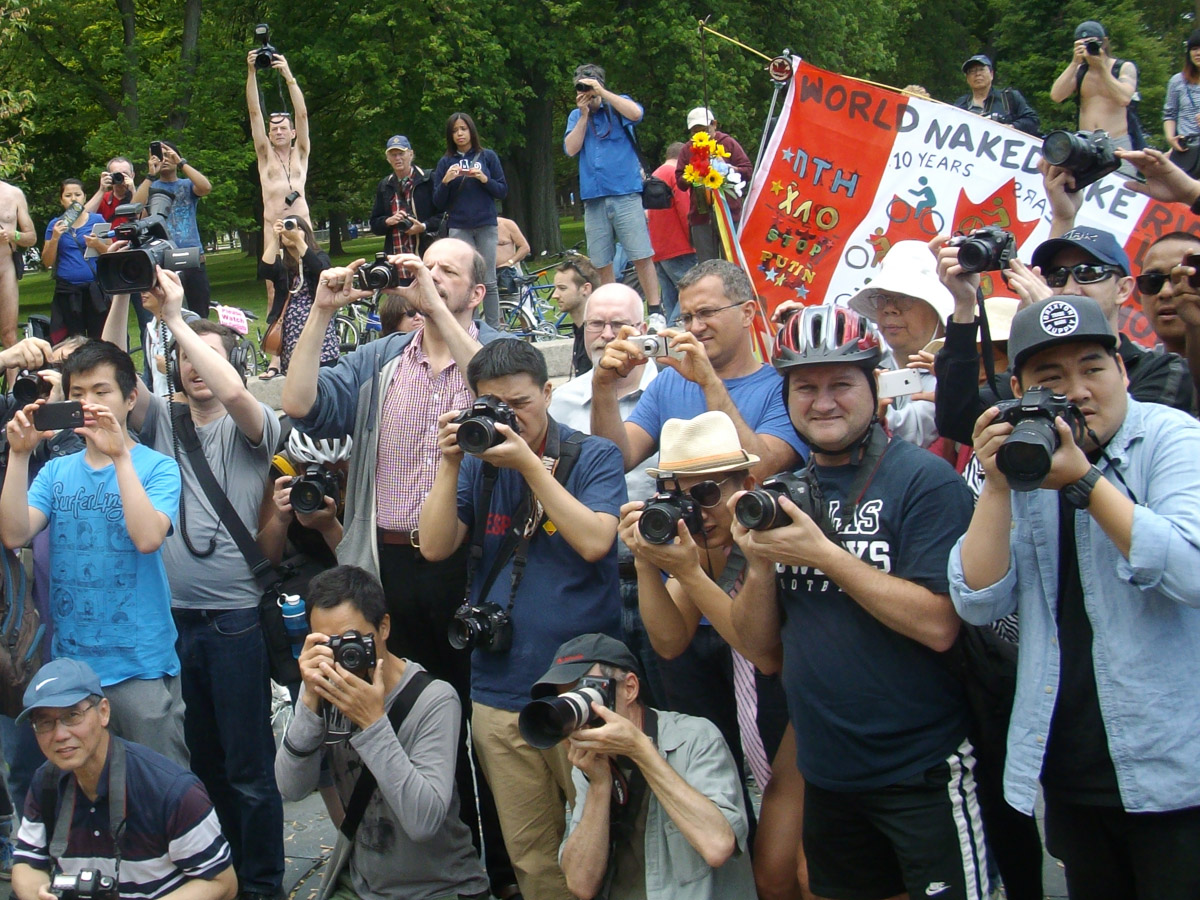
As you will have seen, last weekend I shot the World Naked Bike Ride in Toronto. During this event, many (many!) naked bike riders of all ages and sexes ride bicycles through major cities in the nude to promote “bicycles instead of oil”. Last weekend was Toronto’s turn.

I shot the crowd getting ready. So I shot outside. And outside it is… bright. especially on the sunny day that it was.

And when it is bright you cannot see the LCD display on the back when you press Playback. Hence, you have to guess that your exposures are right. Like in the film days.

Not cool.

But the Hoodman Hood Loupe comes to the rescue.

You just hold this thing on the LCD, adjust the eyepiece to suit your eye, and you see a completely sharp and bright image. As though you were inside. However bright it may be.This Hood Loupe is worth every penny of its price, and then some.

Oh, and the Hoodman guys will get a kick out of the following, I think:

While shooting a park full of naked people, of course I did not stand there gawking like the rather suspect people in the foreground in the picture below. Everyone else, other than those gawkers, was naked. Of course I did as the Romans do, and went naked too. And you can see me in the picture below, at the top left, raising my camera to get the group shot.

And here’s the kicker: as you will see when you click on the image and see it large, I am naked.. except I am wearing my Hood Loupe.

I can think of all sorts of ad slogans (“I’d rather go naked than go without my Hood Loupe”). Silly, but they contain more than a grain of truth. The Hood Loupe really is a device I will not go outside without. And I am not being paid to say this!


Cast of thousands

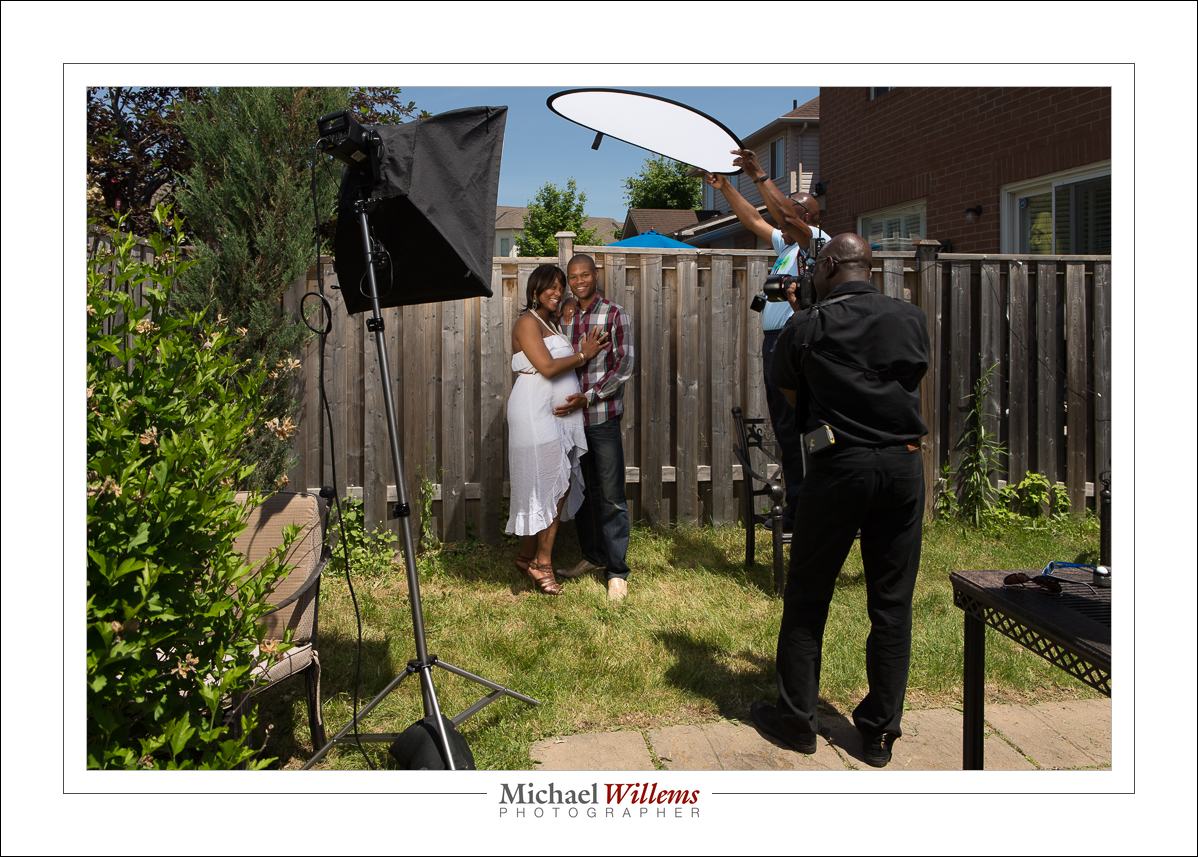
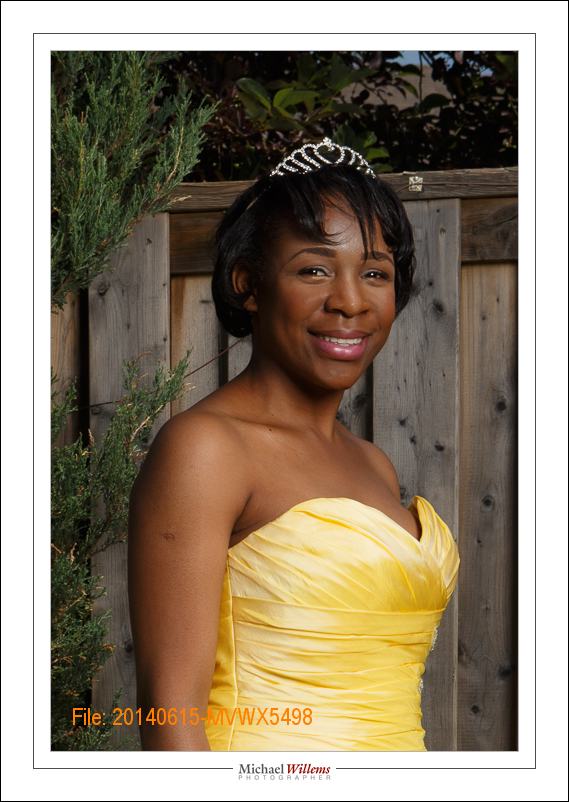
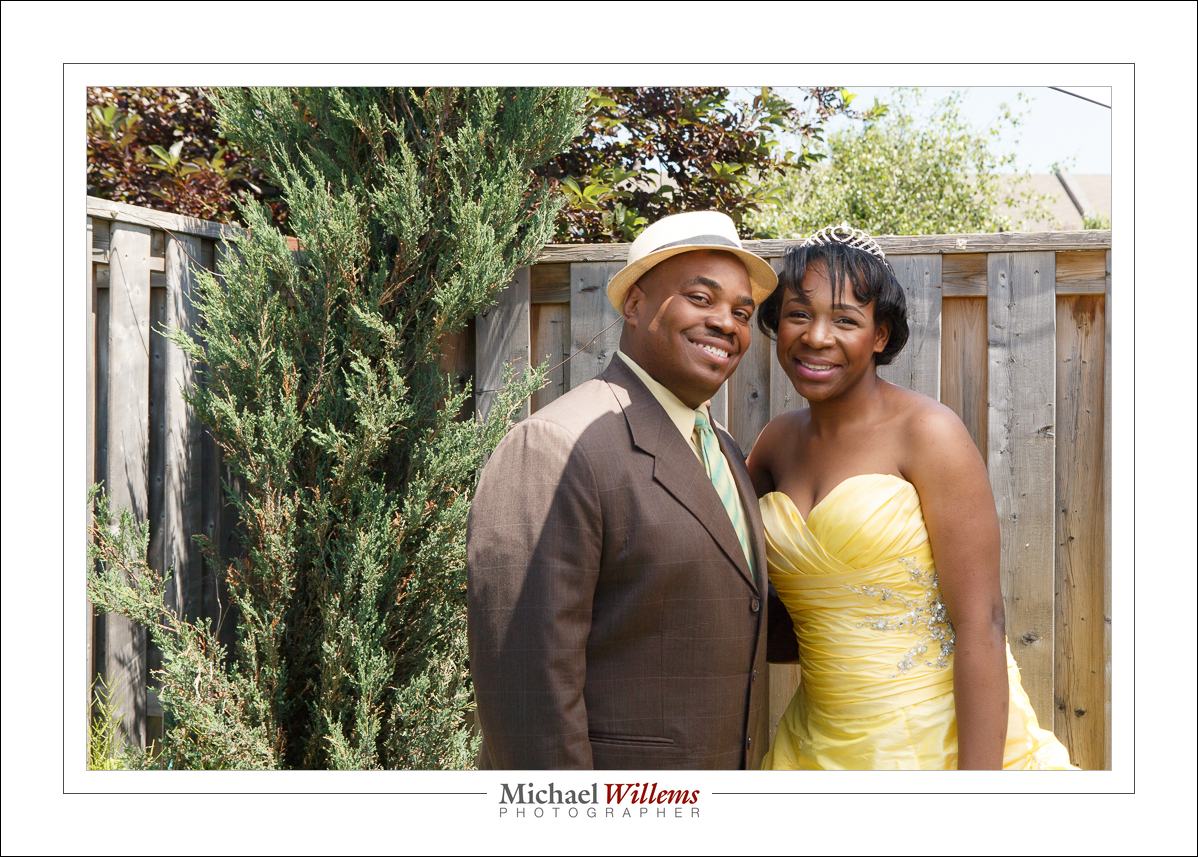
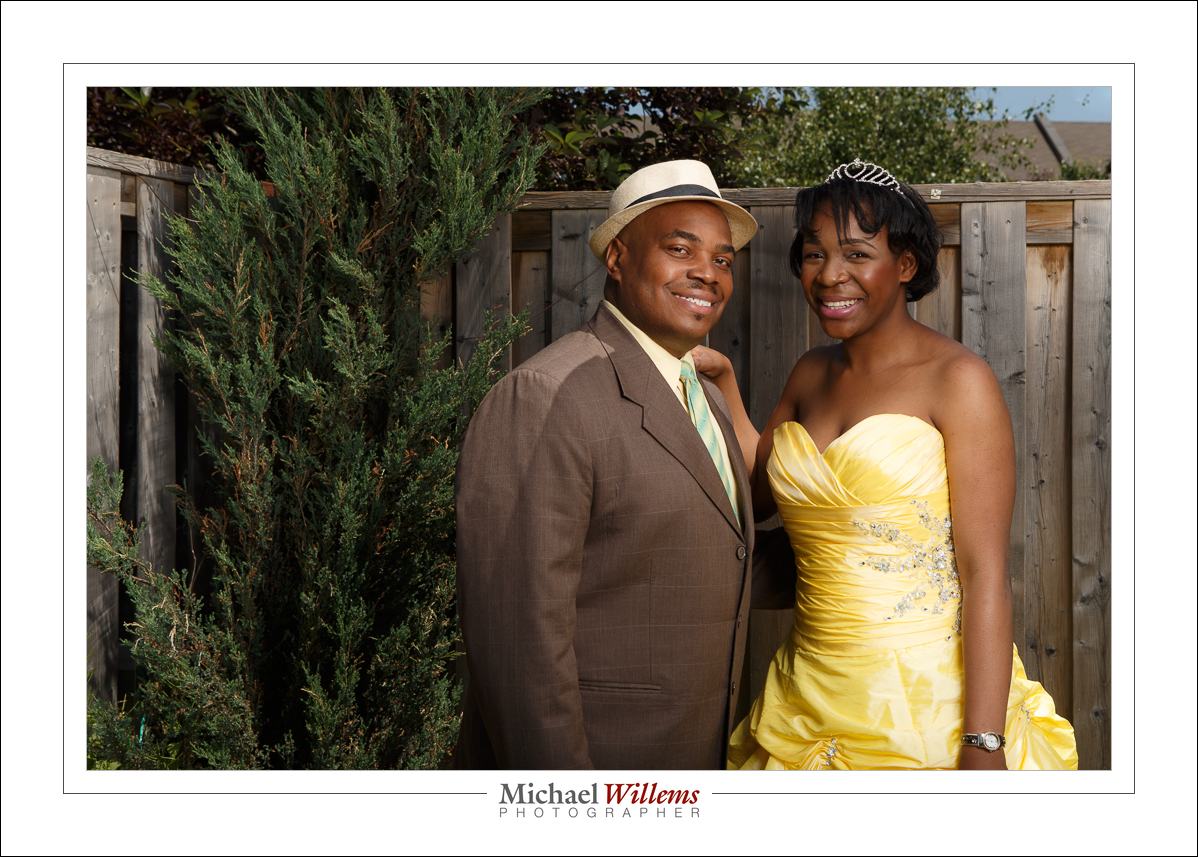
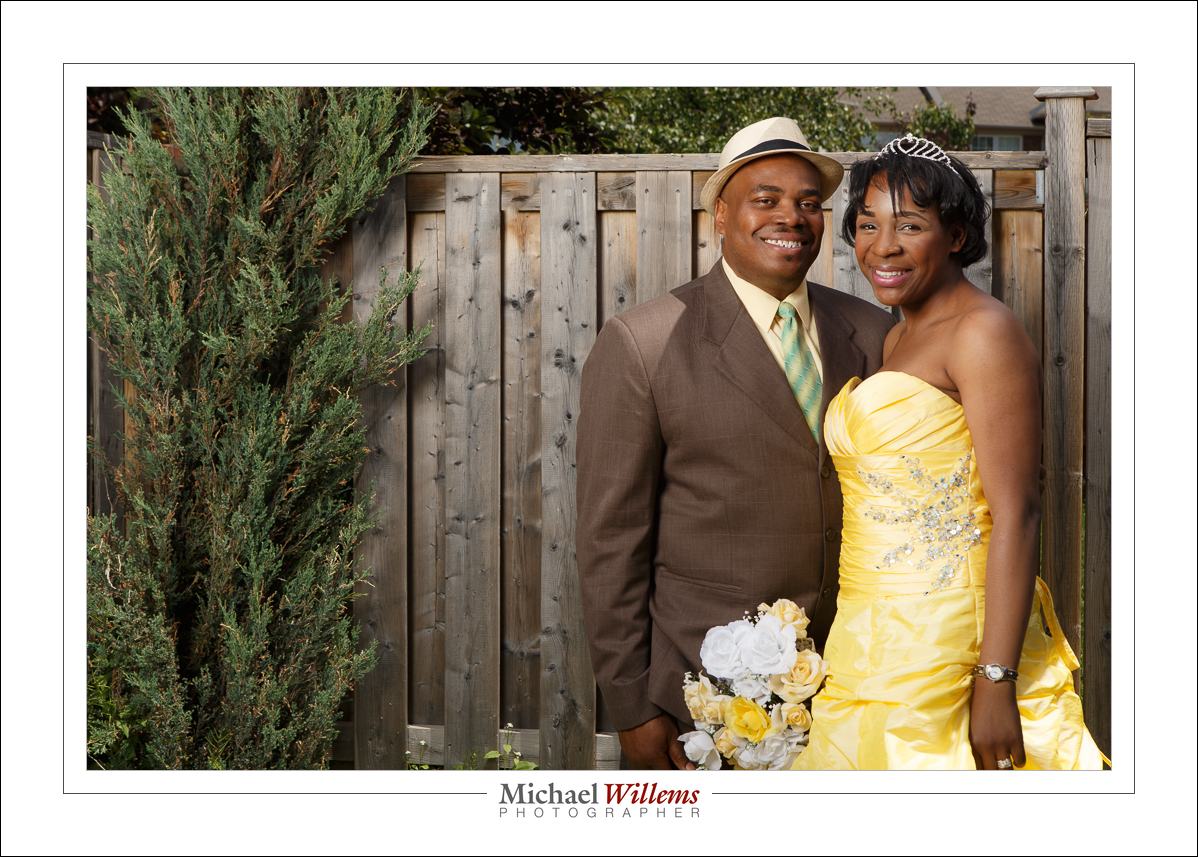
OK… cast of three. Three photographers, namely my friend Howard, his friend and fellow photographer, and myself, is what it takes to quickly do portraits in the sun. As we did today.

Here’s the setup:

Camera Settings—The camera is set to Manual mode, as follows:

  • ISO 100. Always use this value, in bright sunlight.
  • 1/250 sec. Always use this value, in bright sunlight. (Or whatever fastest shutter speed your camera can handle when using flash)
  • And the adjustable value is the aperture… to get the right saturated (i.e. darker) sky etc I set it to f/10.

The flash is a studio strobe with a battery kit; fitted with a softbox. It is 45 degrees above the subject, off to one side. It is fired via Pocketwizards and adjusted manually to match the f/10 value. A sandbag stops it from toppling over, which otherwise it would, in the slightest breeze.

Using A Scrim—A scrim (a reflector without the cover, making it a translucent area that lets through light but softens it) is used to stop direct light falling onto the subject. Look at these two: first without scrim, then with.

Look at the face and neck, and now look at face and neck in the “with scrim” sample:

Need I say more?

Why I Used Flash—if I had not used a flash, I would have needed three stops more light, and the picture would have looked washed out—the snapshot aesthetic:

It’s not bad, but it’s not great. My style is very different:

With a few minor adjustments to the flash direction:

And there you have it. Straight out of camera, a nice portrait. And one more for good measure:

Mission accomplished: nice portraits made, portraits that reflect the subjects’ great, happy personality and as an extra, their excellent dress– and colour–sense. And portraits that elicit a “wow”, and that do not look like Uncle Fred’s work. And it’s all done in camera, not in Photoshop/Lightroom.

__________

You can learn this stuff too—see www.learning.photography and contact me to set up a training date.


Reader Question

A loyal reader asks this:

I’m having a bit of a dilemma here. Vistek has the Canon 50mm f1.2L on sale for $500 off. I’ve had my eye on this for a while and this is perfect incentive. However, I have an EOS 7D (DIGIC 4). As you know, that means my 50 becomes an 80. To get to a 50, I really need a 30 and the closest I can get to that is a 35mm f1.4L. So a few questions here:

1. When the 35 goes to a 56, is there any tilt on buildings like you would have with a 35 or does that sort of “auto-correct”?

2.  Is the quality of a 35 at 56 on crop-frame comparable to the quality of a 50 at 50 on full-frame?

3. What would you say are the critical decision factors in moving from a 7D to a 5D?

The thing is, I really like the 7D and it’s a bit lighter in weight than the 5D, so I’m kind of wrestling with this a bit

Great questions!

First, both are great cameras and all options are good. You will be a happy man tomorrow whatever you choose. But let me help in more detail.

Question one. When you put a 35mm on a 7D, it behaves like a 50mm on a 5D. In every way. So whatever a 50mm lens on a 5D would do is what the 35mm on the 7D will do. Including perspective etc. And by the way I have the 35mm f/1.4 lens and it is sweet, the most amazing lens. And sharp: oh boy, so sharp. And I also have the 85mm f/1.2, same story. And used to have the 50mm f/1.2: not as sharp, but wonderful too.

Question two. Yes. The same. Because the sensors have the same number of megapixels.  So yes, the same quality, With one proviso: the 7D has a smaller sensor which means more “noise” (quality loss) at high ISO values. So if you plan to shoot often at 3200+ ISO, then get the 5D. Else, the 7D is wonderful. I love mine. Great focus system, great menus, a wonderful piece of equipment.

Question three. See question two. The 5D has better high ISO performance. It also has a bigger brighter viewfinder. And some more functions, but nothing you really need.  The 7D is smaller and lighter, it shoots faster rapid pictures, and in general is a really cool camera. I think the only really important thing is high ISO: if you always hsoot at high ISO values (1600 and abiove), go for the 5D. Else, the 7D is great. I use mine all the time.

I’ll leave you with a few 7D shots I made just now near Ontario’s Royal Botanical Gardens.


Another note on filters

A friend pointed out something that you should know, and that I did not point out again in my recent point about ND filters. Namely this: OK, so you need them for waterfalls. What else do you need them for?

The other reason you need them is to get blurry backgrounds outdoors, particularly if you are using flash.

Let me explain. Take a shot like this:

That was 1/4000 sec at 400 ISO at f/2.8.

  • It has the blurry background I wanted.
  • Which I achieved with the large aperture (low f-number).
  • That large aperture necessitates a fast shutter speed.

But – uh oh. When I use a flash (which I might well want, in a picture like this), I cannot go faster than my flash sync speed, namely 1/250 second (if you want to know why, buy the Mastering Flash e-book). So then I’d have to slow the shutter to 1/250th, and the picture would be overexposed.

To prevent that, we can use not f/2.8 but f/11:

(400 ISIO, 1/250 sec, f/11).

Fine. But—uh oh—now the background is not blurry enough. See:

So here comes the ND filter to the rescue:

  • If the ND filter cuts one stop of light, you need f/8 instead fo 11.
  • If it cuts two stops, you need f/5.6.
  • Three stops, f/4.
  • And finally, if it cuts four stops, you need f/2.8. And my filter cuts four stops of light.

So that gives us:

(400 ISO, 1/250th sec, f/2.8)

And  that is exactly what we want. Identical picture to the first one, but with a slower shutter speed, 1/250 sec instead of 1/4000 sec.

In simple words: an ND filter allows you to use a lower f-number without having to increase the shutter speed to a faster value (which you do not want to do because of flash).
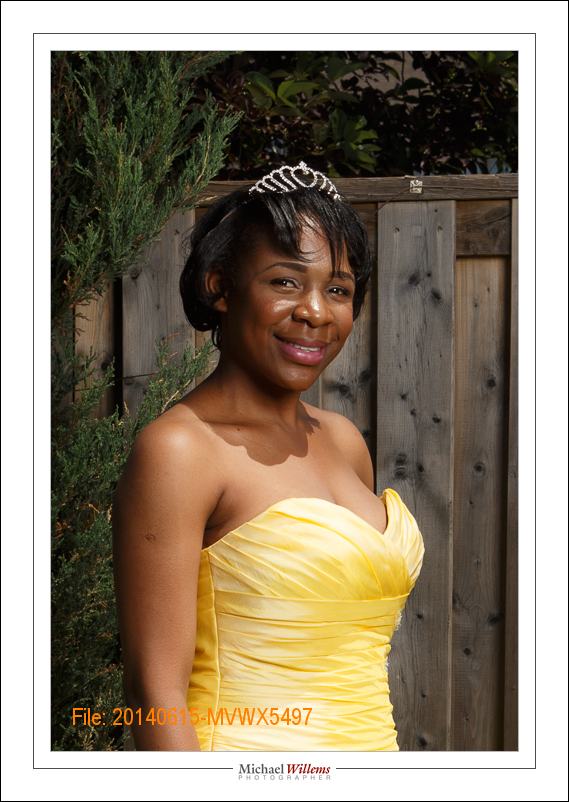
(Do note this, however: the flash now also has to punch through that ND filter’s darkness. I.e. my aperture may be f/2.8, but as far as my flash’s amount of light is concerned, it looks like f/11. Meaning I may not have enough power to bounce, etc.)
___

Go get all five of my e-books now: Special deal. Go to http://learning.photography and before the last click, enter discount code “Speedlighter” for another 10% discount on top.