Bring it close.

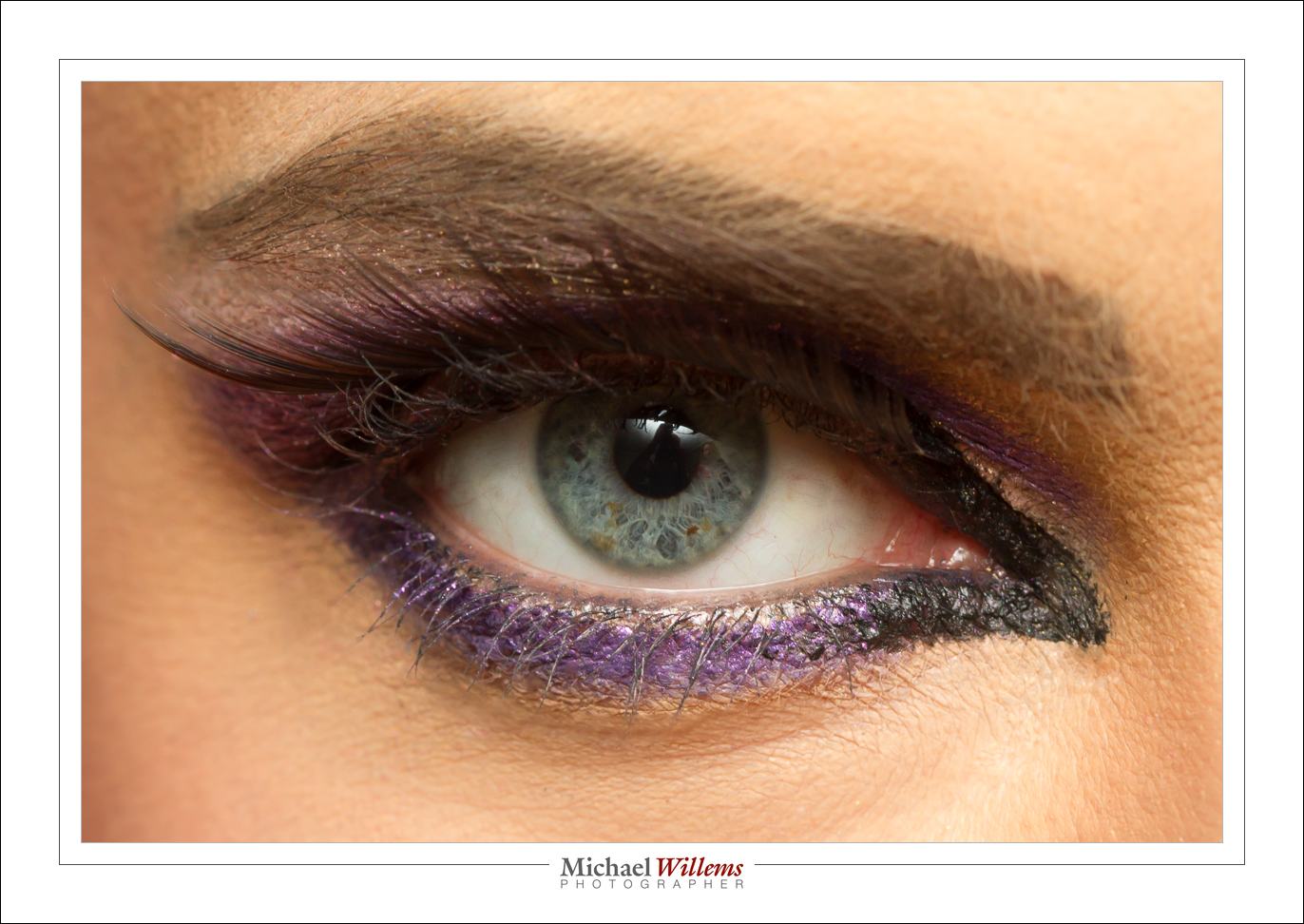
To shoot a true macro picture, you need a macro lens (Nikon calls this a “micro” lens). This is a lens that allows you to focus close-up. Like this from yesterday’s shoot, a shot for the make-up artists to detail their work:

When you click and see it full size, you will see how ridiculously sharp this is: “DNA-level”, as I like to call it.

So why and when do I take a shot like that?

I do macro shots:

  • When I want to have some fun. Macro can be done in your kitchen all year round: when you make small objects large, they take on an entirely different life of their own.
  • When needed to document things—like the make-up job above.
  • When shooting small objects, like jewellery.
  • To get detail of an object, detail I cannot
  • When I think I may want to get close, even if I may not need to, I still like to use the macro lens so I have the option.

Shooting macro means you are close… and this in turn means that your depth of field is extremely restricted. You will probably need to shoot at f/8, f/11, f/16 or worse. You may even have to take multiple shots with varying focus distances and put them together electronically. A very close shot at f/2.8 has a depth of field (“where it is sharp”) of fractions of millimeters.

One mantra one often hears is that a tripod is necessary. Yes, it is recommended, and sometimes it is necessary, but with good shooting technique, you can often do without it too. Like in the shot above. 100mm lens on a Canon 7D camera; set to manual at f/11, 400 ISO, 1/125th sec.

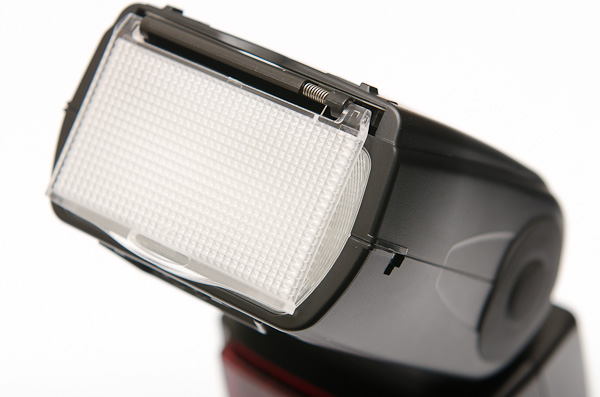
Finally, the light. I used a bounced flash and I ensured that only the flash shows (by using “fast shutter, low ISO, high F-number”). Using only flash ensures that you see no motion blur: a flash happens in about 1/100th second (or even faster at lower power settings), so it’s like using a fast shutter speed.


Primes and why

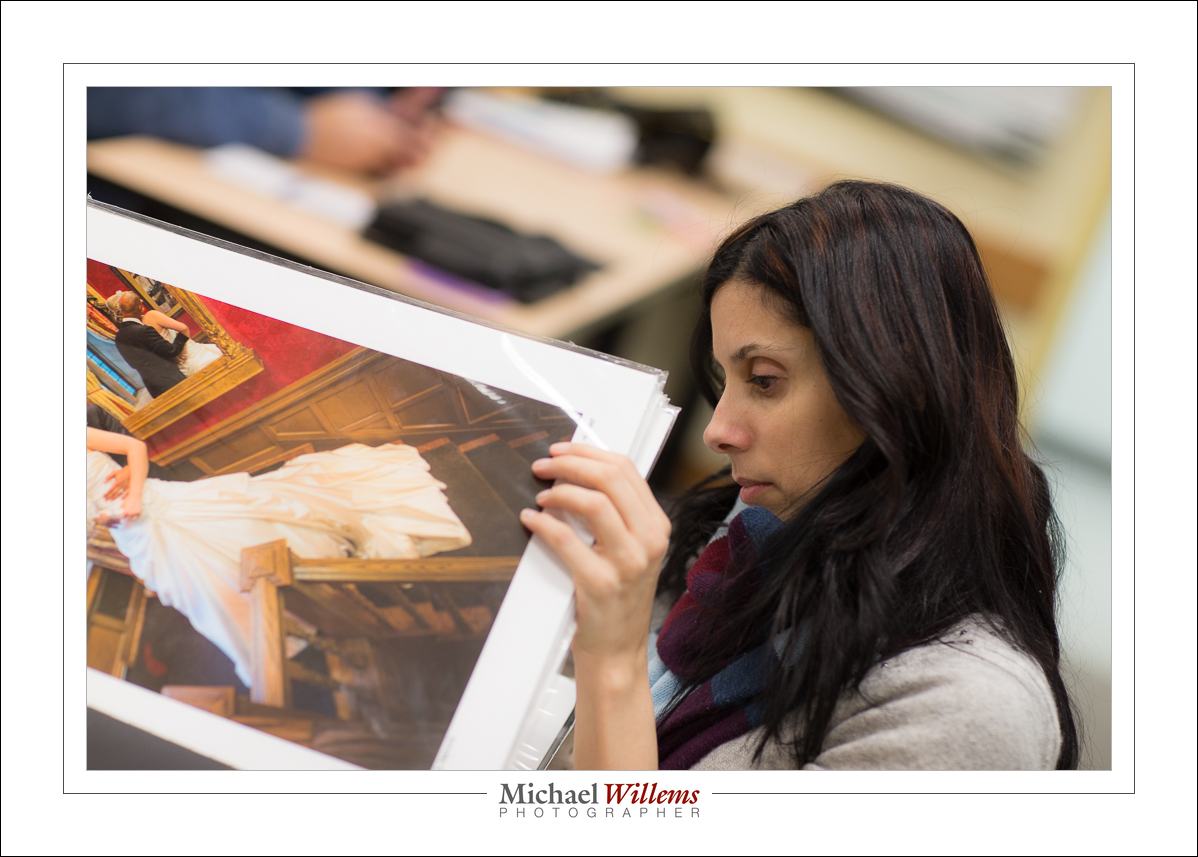
I love my 85mm f/1.2 lens, as readers know. My students know it, too. Here’s one of them, from Wednesday’s “The Small Photography Business” class:

The 85mm is a prime (i.e. fixed, “non zoom”) lens. And 85mm is a great focal length for fashion pictures, portraits, and so on. And extremely fast: f/1.2 is a great wide open aperture value. Of course that does not mean I always have to use it at f/1.2. When you stop a lens down, it gets better, and when I stop this lens down, it is very good indeed.

The reason I like to use a prime is multi-faceted.

  • I can shoot at faster shutter speeds or lower ISO values then with a cheaper lens. The pictures here were taken at 800 ISO, f/2.2, and 1/160th second in an evening classroom. Who needs a flash?
  • I get wonderful blurry backgrounds, so I can live with less than ideal backgrounds, as in the photo above, I just blur them out.
  • Primes are usually clearer and sharper than zooms, which are always to some extent a compromise.

But an oft-overlooked reason, and for me often the main reason, to use primes is that they give you a consistent shoot. You see, each time you zoom in or zoom out, a number of things change:

  1. Depth of field (how much is sharp in front of, and behind, where you focus).
  2. Minimum acceptable shutter speed if handholding the camera (think 1/f, where f is the focal length).
  3. Depth/perspective. Wide angle pictures look different from telephoto pictures. Long lenses compress perspective; wide lenses can exaggerate it.
  4. In a broader sense, the entire compositional look of your photos. A prime means you get to really understand the ins and outs of your shoot’s creative feel, rather than every picture being a new adventure. And it means that a shoot will have a certain feel, rather than being all over the place.

Here’s one last photo from last night, of another one of my talented students:

Your assignment, if you want one: do an entire shoot, or even shoot an entire week, with one prime lens. Be very careful with focus if you are shooting wide open: depth of field is extremely limited.

_________

About what you do not see

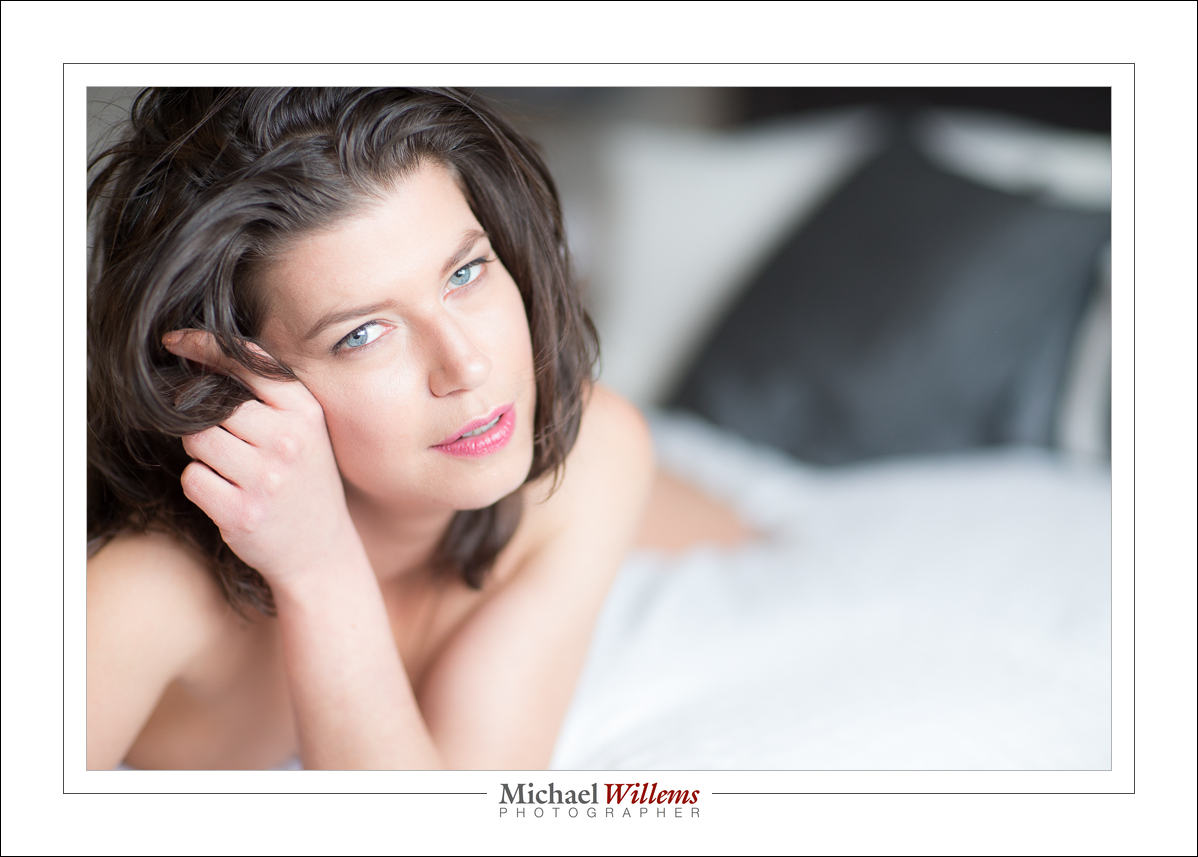
Sometimes, what you do not see in a picture is as important as what you do see.  Like in this picture:

There are four reasons I may want to blur the background: It would be distracting. And it is not really part of  the story. And implying is sometimes best. And I might not want it in the image for “facebook/SFW-reasons”.

So I shot this at 800 ISO, 1/160th second, f/1.8, using my 85mm f/1.2 lens.  Yes, f/1.8, and the gives me extremely shallow depth of field, and an extremely blurred background.

Wonderful, but it necessitates me using a very steady hand. After I focus (on the eyes) neither I nor the model must change our distance even by a few millimeters.

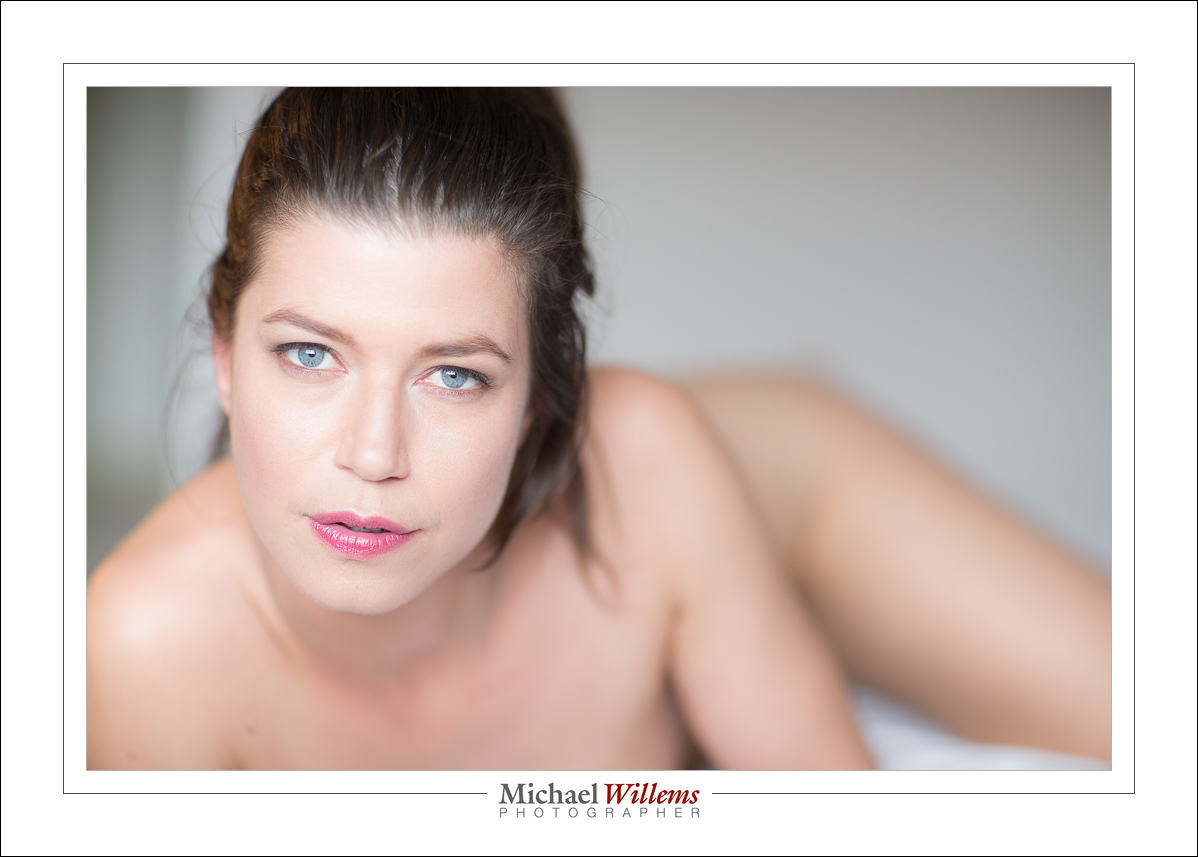
Here’s one more, for good measure:

Now, the lens. My 85mm lens on a full frame camera is equivalent roughly to a 50mm lens on your crop camera. And the 50mm f/1.8 lens incredibly affordable and great. So.. if you do not have one, get one. And if you do, use it!


Amateur Aesthetic

Today, another example of the “Amateur Aesthetic” or “Snapshot Aesthetic”made popular by such contemporary photographers as Terry Richardson, after Diane Arbus and Nan Goldin, two of my favourites.

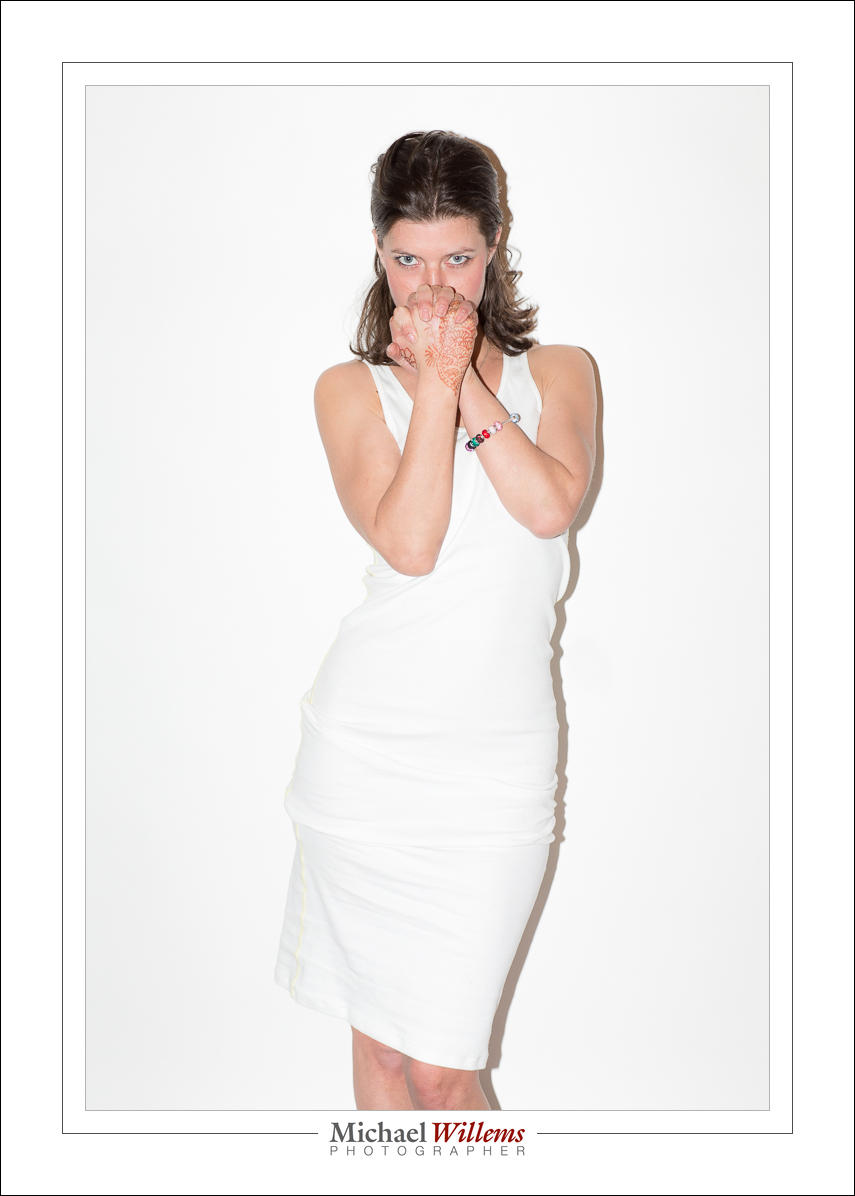
Here’s mine, a high-key model shot:

We call it amateur, or snapshot, because you use a flash straight on, and aim at the subject, and have the subject stand in front of a white backdrop, camera aware. Like Uncle Fred does. This gives you the drop shadow. It also, however, gives you very flattening light, and models like this: it hides any facial features. Overexposing a little, or rather, exposing brightly, makes it even better in that regard.

Unlike your Uncle Fred, my models and I think carefully about composition, light, and expression and pose. The direct flash means you need to aim the subject’s face down a little, else light comes “from below”, which is never flattering.

So nothing is left to accident, in spite of the amateur look.

For this shot, I used 1/160th sec, 400 ISO, f/5.6 and an on-camera 600EX flash. The flash compensation, like in the examples of a few days ago, was set to +2 stops, and I used TTL flash metering for flexibility.

Your assignment for today: shoot a portrait like this. I am about to teach a TTL flash course, and my student will do this as well. In addition to “proper” flash, you need to know techniques like this as just another tool in your toolbox.


les animaux

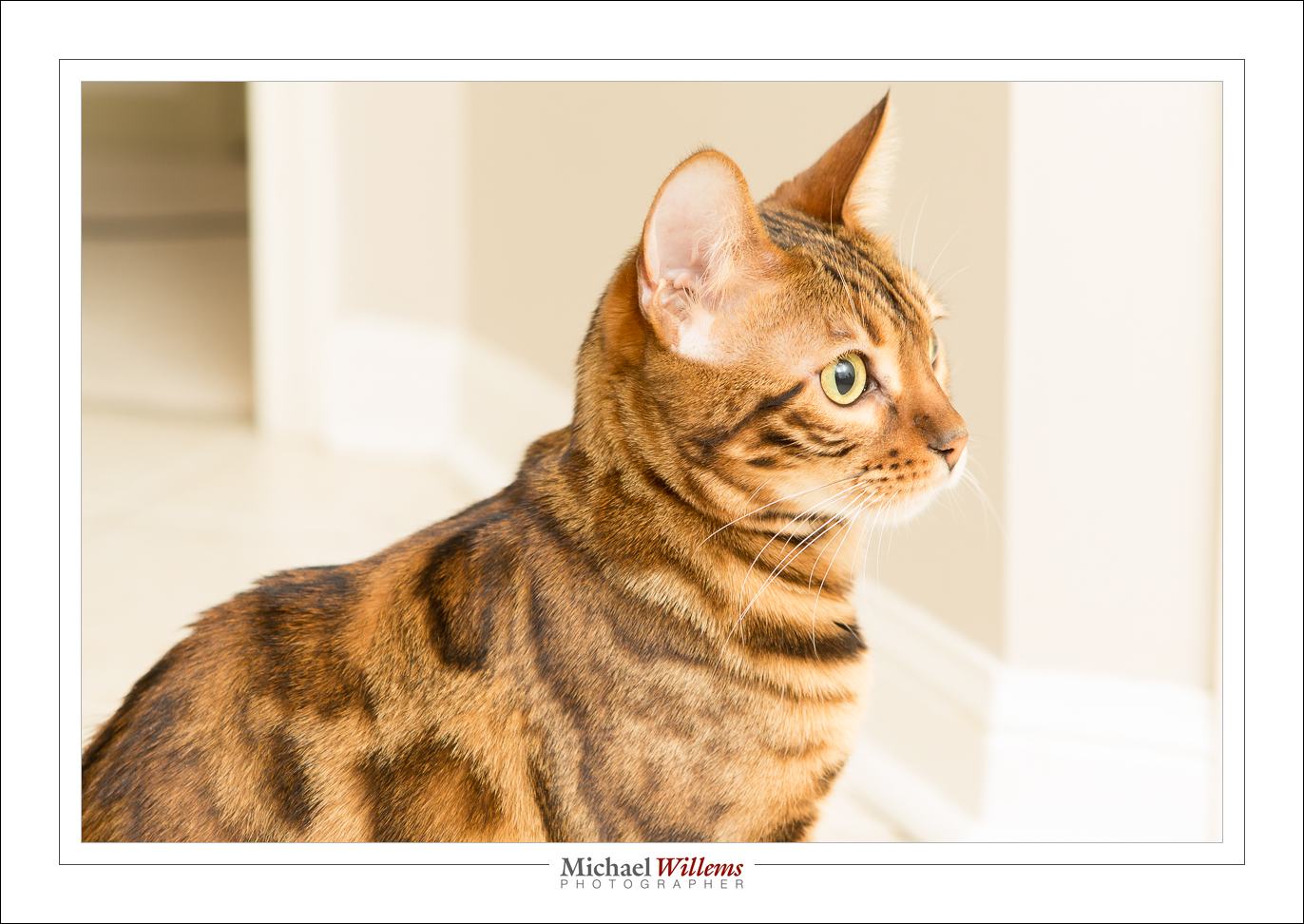
Shooting animals, there is one thing you have to take into account. Namely, that they have snouts, where the nose and eyes are far apart in distance when they look at you. Unlike in the case of humans, where our eyes and nose are quite close.

This is important why? Because of focus. Where f/5.6 may be enough for a face to be in focus, in an animal, invariably it isn’t, and you will get either a sharp nose, or sharp eyes. Anyone who has taken pictures of their pet will know this. Especially when using fast lenses indoors.

The solution?

There’s the usual suspects: to get more depth of field, you need any combination of:

  • a wider angle (shorter) lens, i.e. “zooming out”, or
  • you get farther from your subject, or
  • you use a smaller aperture (higher “f-number”).

Or, perhaps the simplest solution: you do not shoot them straight on.

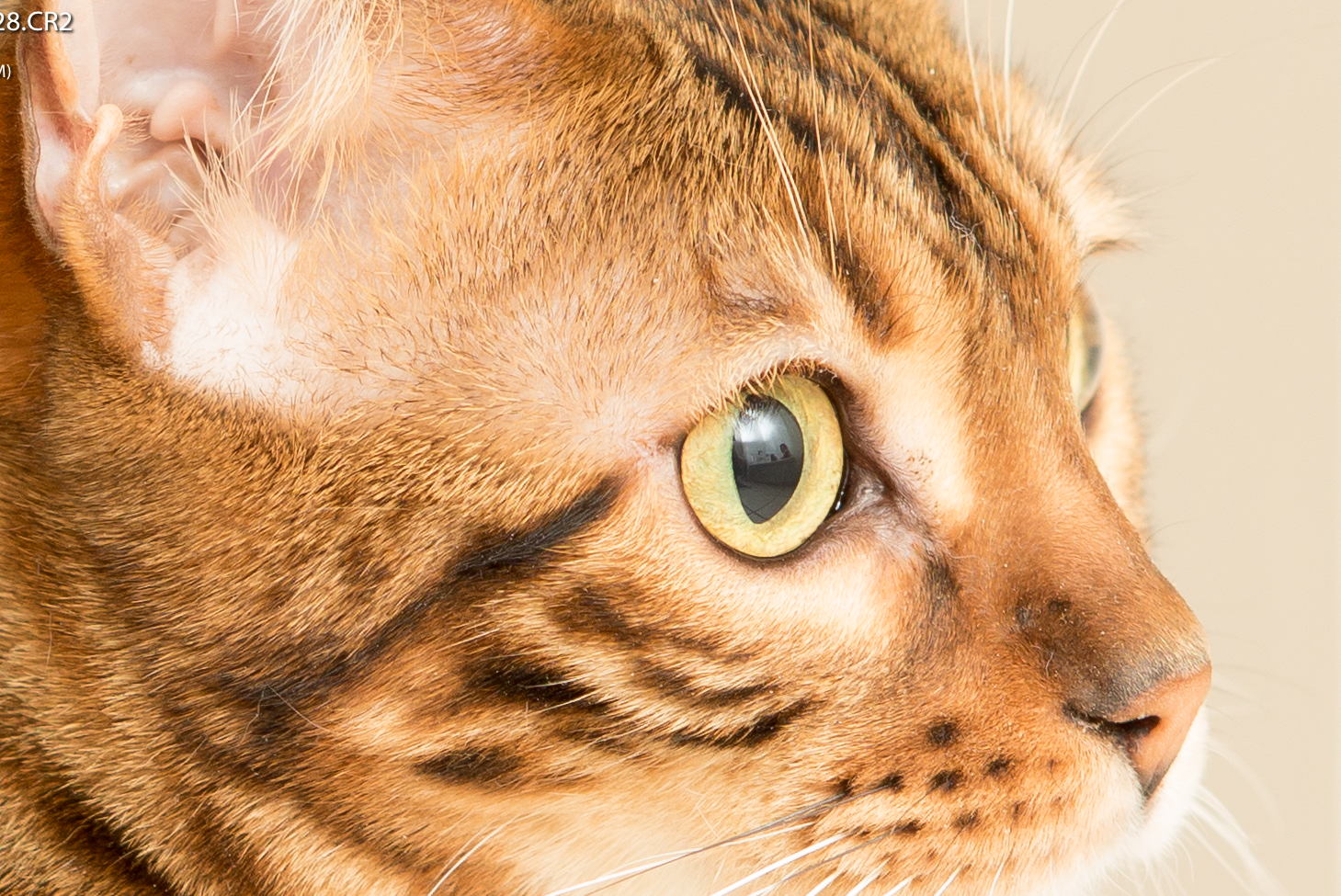
See. we have narrow depth of field, but it is not annoying us here. Both nose and closest eye are in sharp focus.

Bonus question: what about the light?

I am bouncing my flash behind me. You can see that by the catch light: a circle on the ceiling behind me, lit up by my flash.

___

Want to learn video with your DSLR? Come to my 3-hour seminar in Oakville on Sunday, 30 March. This seminar is limited to no more than 6 people. In this three hour lesson, Michael teaches you:

  • Perfect camera settings for each situation
  • The secret to achieving focus
  • Additional equipment to consider
  • Avoiding the 5 common mistakes
  • Audio: The forgotten essential.
  • Three ways to Make It Better.
  • Composition of your images
  • Types of shot and how to use them
  • Storytelling in a video: using B-roll, script, and storyboarPost-production tips

Your DSLR is a great tool for movie-quality videos, but only if you know the secrets to its effective use. Space is limited: sign up now via http://cameratraining.ca/Booking.html.


This Report Contains No Flash Photography

Mass hysteria: we see it in humans all the time. Don’t use your cell phone in a gas station (total number of fires or explosions worldwide as a result of cell phones: zero). Don’t use your blackberry in a hospital (a 100 mW blackberry is supposedly a danger, while the doctor’s own blackberry, or the security guard’s 5,000 mW walkie-talkie, apparently represent no danger). Our local hospital has a No WiFi rule—and yet there is a WiFi network all over the hospital, named “staff only”.One presumes staff WiFi is kinder, gentler, somehow. Do not vaccinate (danger of vaccination: negligible. Danger of the diseases prevented by vaccination: immense). And so on. Superstitions are dumb, and I mean that: dumb because they knowingly do not look at evidence, just at emotional “I read it on the Internet” inputs.

One particularly insidious one is the uniquely British “This Report Contains Flash Photography” warning, with an exclamation mark, no less:
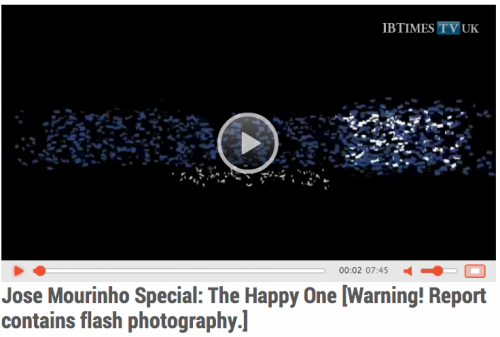
Every news item in the UK that has a photographer flashing is preceded by this warning. Even news web sites carry it. Newsreaders say it.  Enough to make you really, really fear flash photography. And as you may have guessed, The Speedlighter cannot let that go unchallenged. It is insidious because it leads to a general fear of flash.

The British justification is that there are some epileptics sensitive to flashes. Which is true, and we should not trivialize the seriousness of epilepsy. I would not: I myself have a brain that is very sensitive to light flashes at certain frequency, and EEGs have shown me to be very close to this type of photosensitive epilepsy: my brain displays distinct epileptiform EEG patterns. I remember the EEG: a weird experience, to have my brain affect the frequency of the flashes I was seeing. Brrr… Br-r-r-r-r-r… Brrrr… B-r-r-r-r-r-r… the flashes went.

However, (a) there are very, very few people with actual photosensitive epilepsy (a few thousand in the UK, The Guardian estimates; it is unlikely that out of those, more than a few are watching any particular broadcast), and (b) they are sensitive to repeated, regular flashes, say at 15-25 Hz, not to individual and irregular flashes from cameras.

The reason this warning is nevertheless carried is, apparently, a regulatory one. Safety above everything, and the law is the law.
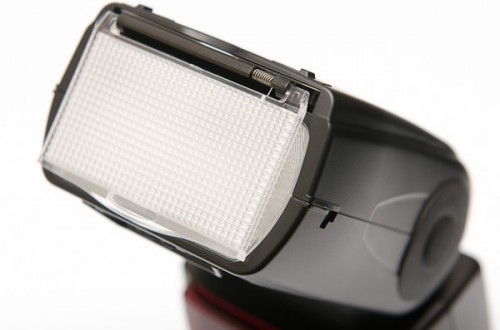
And the problem with that is that if we put safety above everything, we do not have a workable society. Of course, in practice clearly we do not do this: we make reasonable accommodations. Else, cars would have to move at 5 km/h with a red flag preceding them. And with two drivers at all times, preferably. We would, of course, not fly airplanes at all; nor would we ride horses. All nuts and nut products would need to be permanently banned, as would alcohol and tobacco—and fat. We would force-vaccinate all kids. All movies that contain any adult situations, nudity, political statements, religious discussion should be banned for fear they may offend.

As you see from these hyperbolic hypotheticals, saying “safety above everything” is unworkable, and we do not do it. We just pretend to, because it is comfortable for simple minds to hear that our governments are removing all risks.

When deciding whether a warning is useful, you look at other places, Do other countries mandate this warning? Not to my knowledge; and yet, there are no hordes of Americans, Germans, Canadians, and so on all dropping like flies from flashes in news reports. So we can safely say: yes, this is another case of mass hysteria. If you are asked not to flash because someone objects, fine. If you yourself have light-sensitive epilepsy, then ask for no flashing. Other than that:
___

Have you seen my new Video With Your DSLR course on the schedule? Check out www.cameratraining.ca‘s schedule page.
 

High ISOs again

As for what I said the other day about high ISO values, here’s a reminder. It is better to get a grainy picture than to get no picture.

Case in point. Here’s Jamaica’s Luminous Lagoon last year, with swimmers :

That was taken from a moving boat at:

  • 12800 ISO
  • f/2.8
  • 16mm lens (on a full frame camera)
  • 1/4 second

Yes, yes, 12,800 ISO. And yes, one quarter second on a moving boat. So it took a few attempts. Note that I used the 16mm lens to get as wide as possible: the longer your lens, the faster the shutter speed needs to be for a motion-free picture. So the wider, the better for slow shutter speeds.

But the moral of the story: even when it is pitch dark, you can often get better pictures than you thought. Always try, and do not be afraid of high ISO values if that is the only way to get the picture.


Metering 101

Light meter at “zero” means a good picture. Right?

Wrong.

Shoot something black, filling the entire viewfinder with that object, and make sure the light meter points at “zero” as you are pointing at the subject (use the viewfinder!). Take the picture.

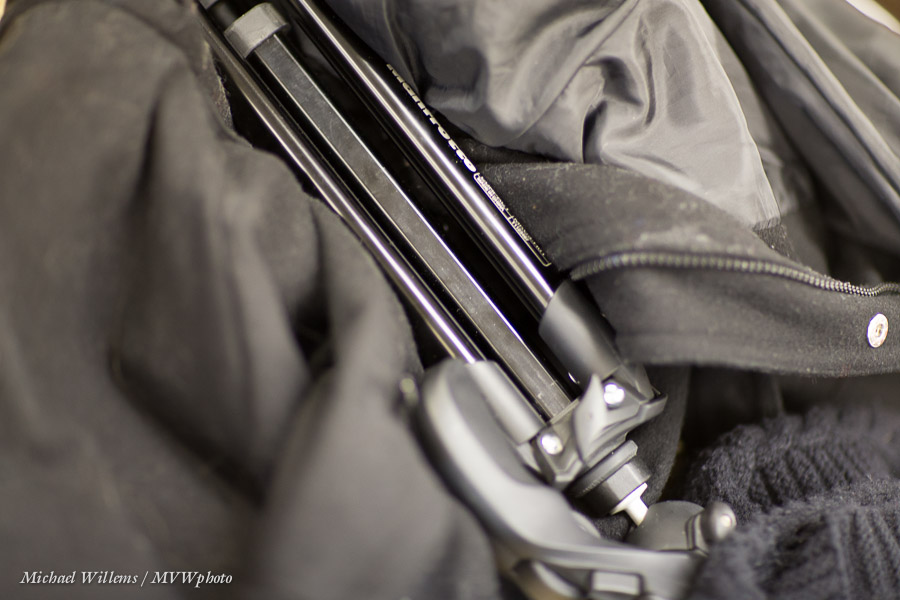
You get this:

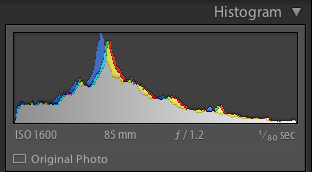
The histogram shows why this is bad:

A histogram of a black object should peak on the left (the dark side).

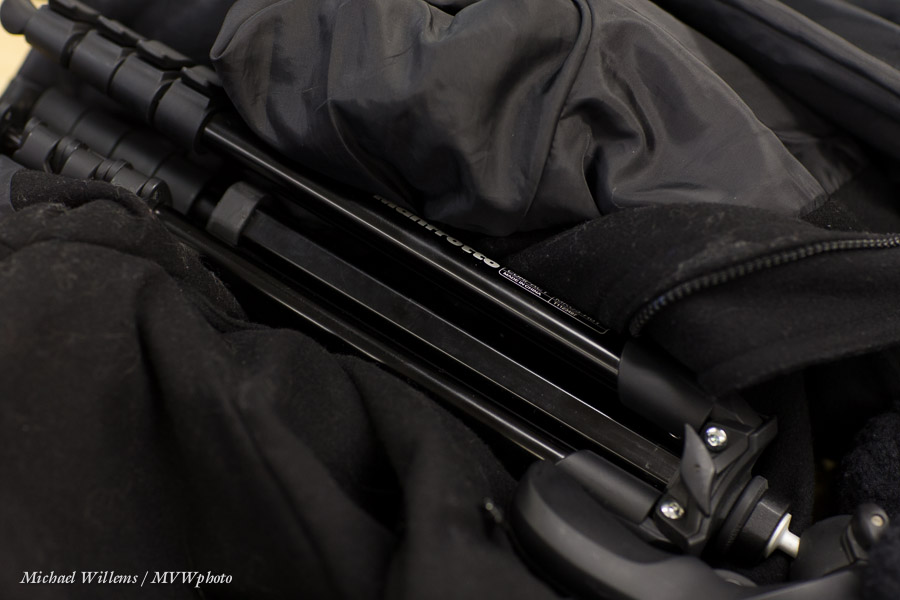
Now do it again, with the light meter pointing at –2 (minus 2):

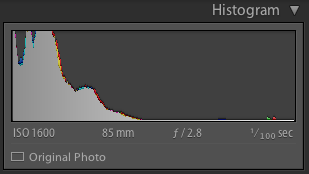
Perfect. Look, the histogram is right for this type of scene:

The moral of this post:

  • “The meter displays zero” does not equal “this will be a good picture”. It merely means “this will be a mid-grey picture, neither dark nor light”.
  • “The meter points to minus” does not equal “this will be a bad picture”. It merely means “this will be a dark picture”.
  • “The meter points to minus” does not equal “this will be a bad picture”. It merely means “this will be a dark picture”.

And there you have it. Now you understand the camera’s built-in light meter.


Jello cam

I a teaching video with DSLR to a high school for a few days. Fun stuff: you can do so much movie stuff with a modern DSLR. As long as you know the limitations, you can do pro work—and then some. Today, a few randomly selected tips to give you a taste. Worked all day, up at 6am, so a very quick post. Don’t worry, I will make it up to you all!

One of the DSLR video limitations is focus. Tip: generally, do not try to focus during a scene; instead, focus before the scene on where the subject will be. Shoot short clips. Re-focus for each clip. If you must focus during a clip, use manual focus only.

Another one is sound. The built-in microphone is not very good (to say the least). Here’s a cool tip: use one or more iPhones to capture sound, and in post-production, mix that with (or use that instead of) the camera’s captured sound.

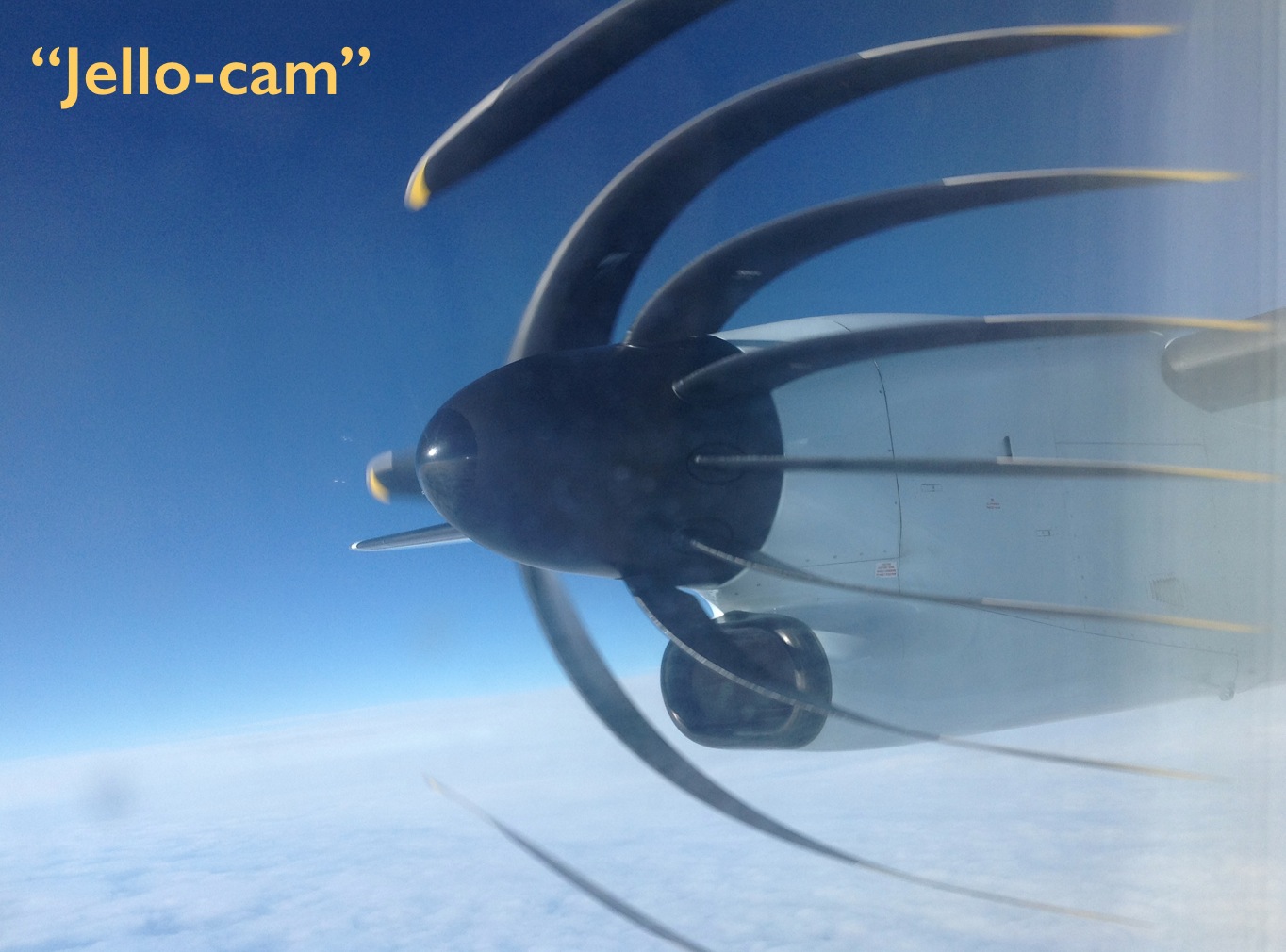
Finally, with a CMOS equipped camera, avoid the jello-cam effect:

This is due to the fact that the sensor is read from top to bottom. While it is being read, the prop moves. Weird effects ensure.

Anyway: get ready, More to come about video. You have a great video tool: let’s use it!


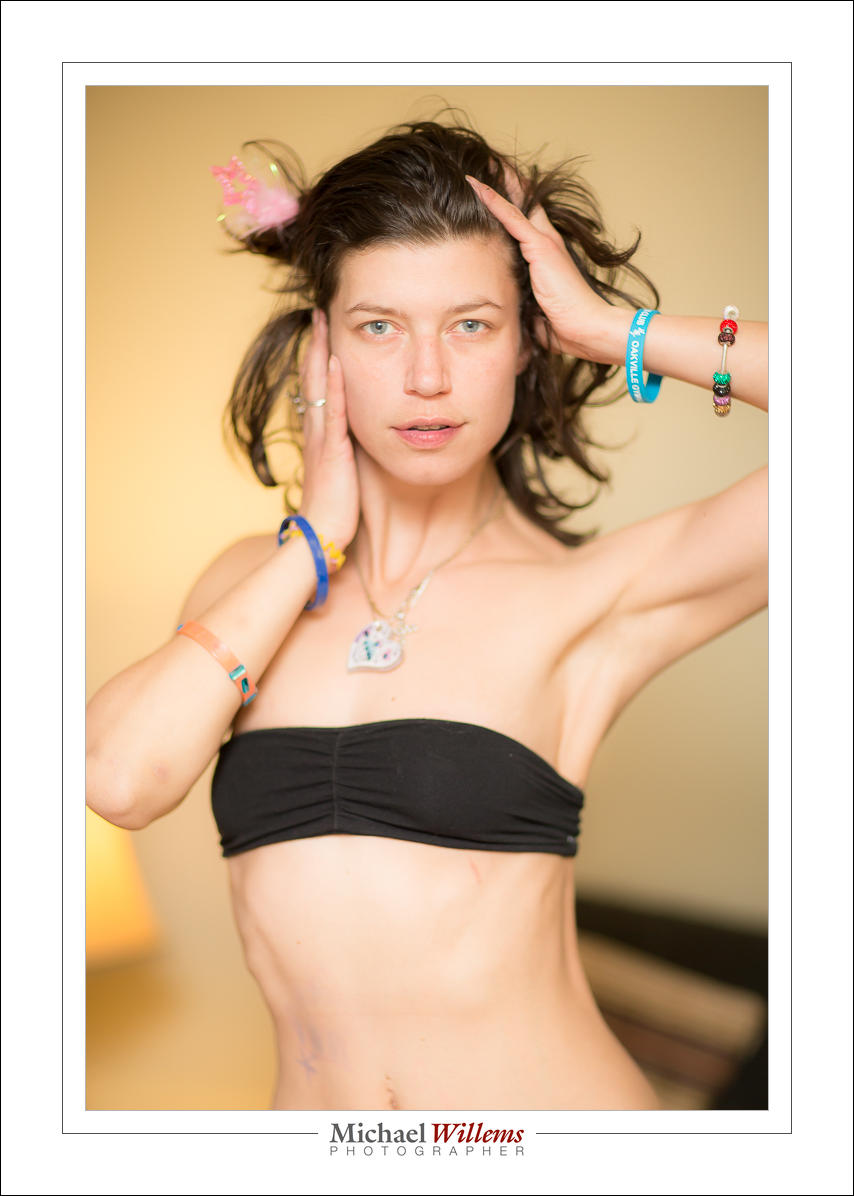
Narrow depth of field in studio-type pictures

Normally, if you ask me “what is the studio portrait setting”, I would say 1/125th sec, f/8, 200 ISO.But sometimes, even when you are essentially shooting “studio-type” photos, you can use narrow depth of field.

Like in this picture, where the only thing that is in the plane of focus (i.e. that is sharp) is the face:

This was an 85mm lens set to f/1.4. The light was a bounced (behind me) flash. The f/1.4 gives us a depth of field just enough to have the face, and only the face, sharp.

So when you do a portrait, ask “what type of portrait”. You will not often want to go as wide as f/1.4, but the question is always the same. Whether you are in a studio, or shooting studio-type flash pictures in any environment.