Blurry Backgrounds

Those blurred backgrounds we love? That’s why we have an SLR camera in the first place, right. A beginner’s note on this subject today.

As you know by now, a lower f-number (= a larger aperture) means a blurrier background. So a photo made at f/1.2, for instance, will have a blurrier background than one taken at f/32.
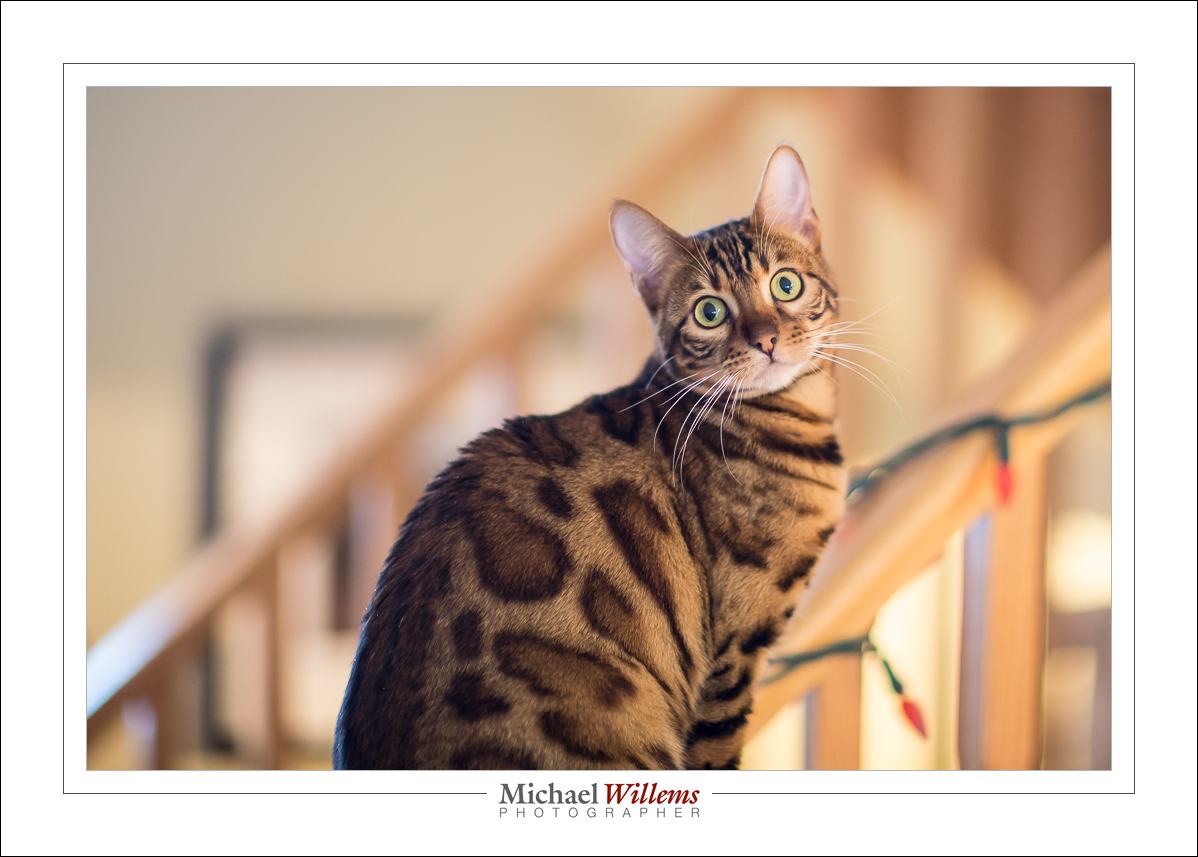
Photo made at f/1.2: blurry background.
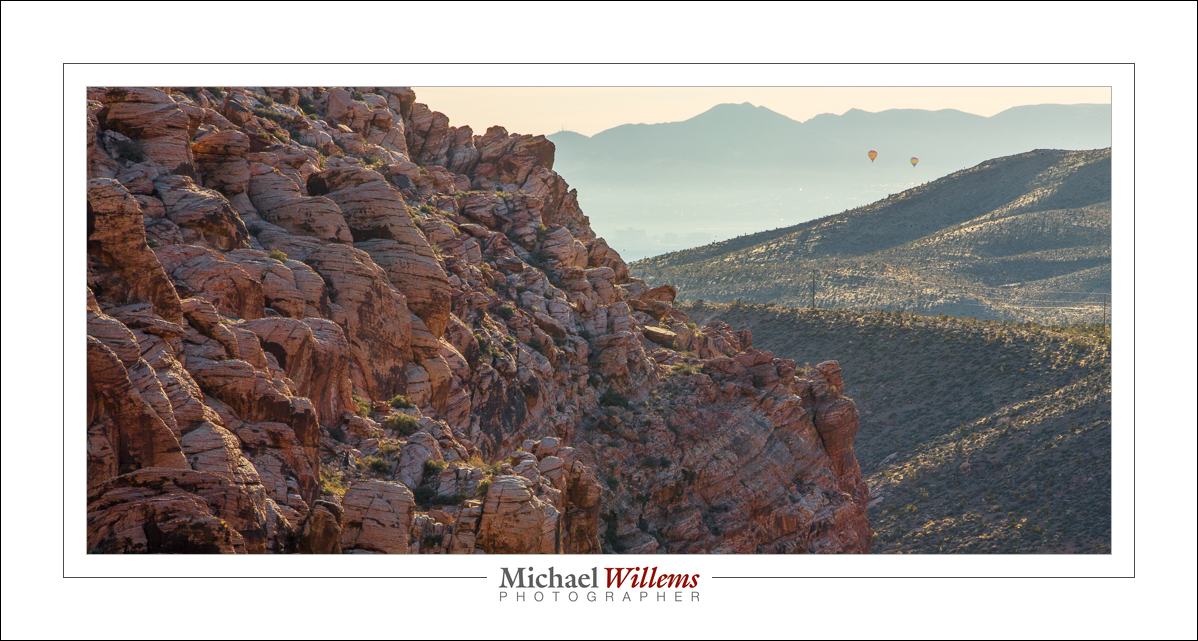
Photo made at f/32: sharp background.

But the f-number is not the only thing that affects the depth of field (= how blurry the background is). The other two factors are:

  1. Proximity to subject. The closer you get to your sharp subject, the blurrier the background gets.
  2. Lens focal length. The longer the lens, the blurrier the background gets.

Take these two recent photos, both taken at f/5.6:
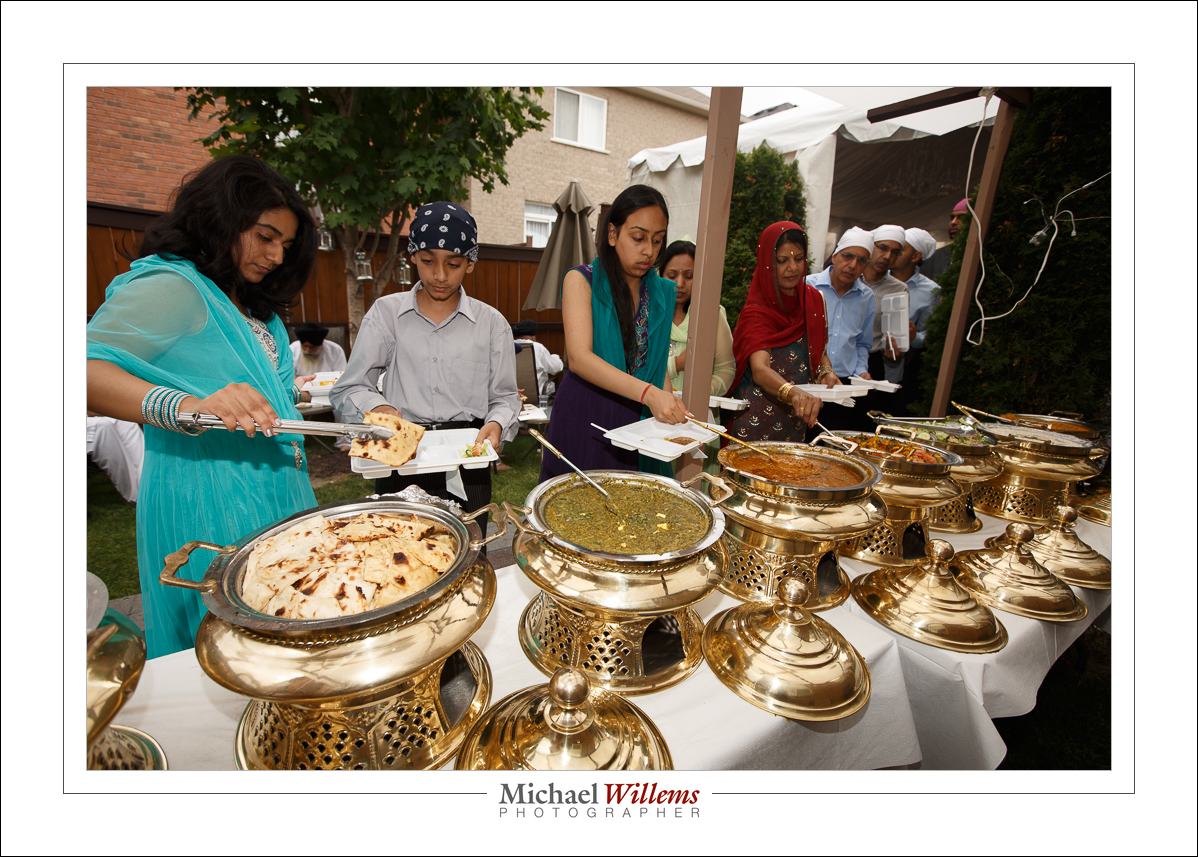
Photo taken at f/5.6: SHARP background
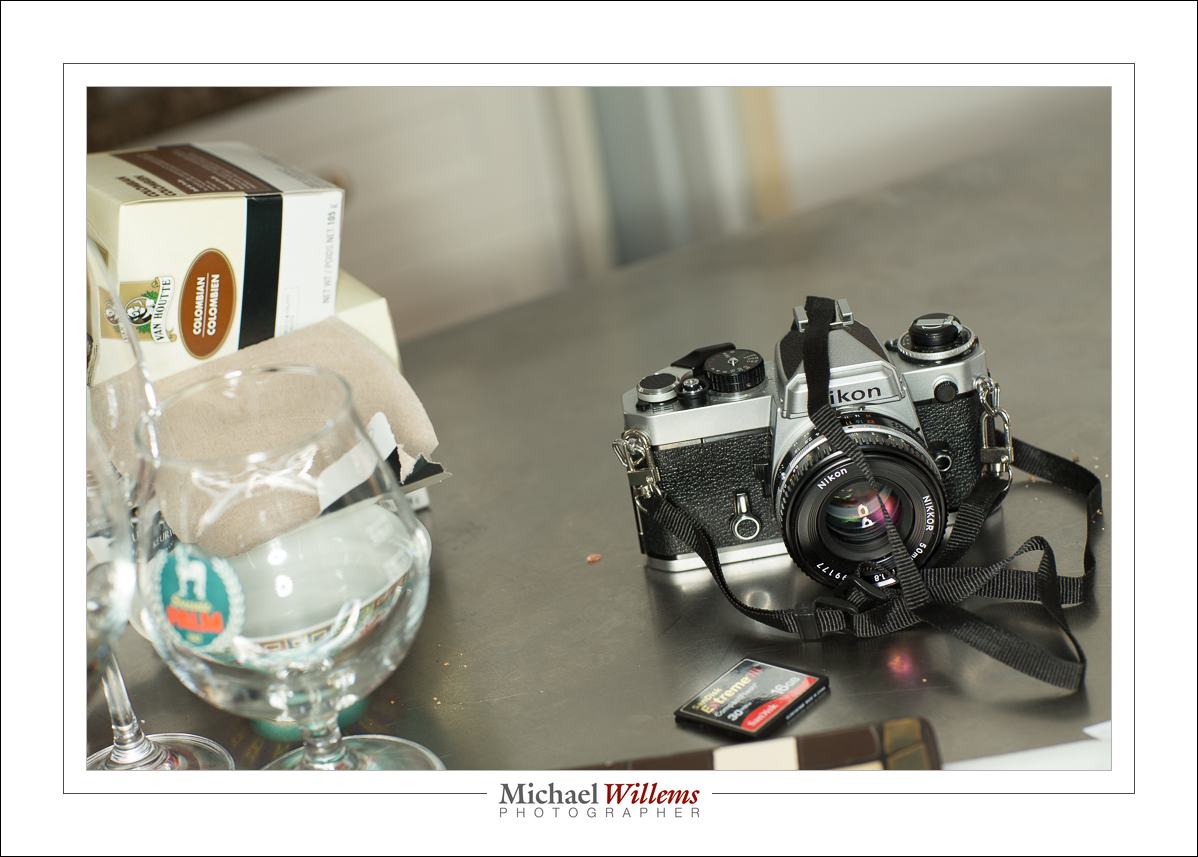
Photo taken at f/5.6: BLURRY background
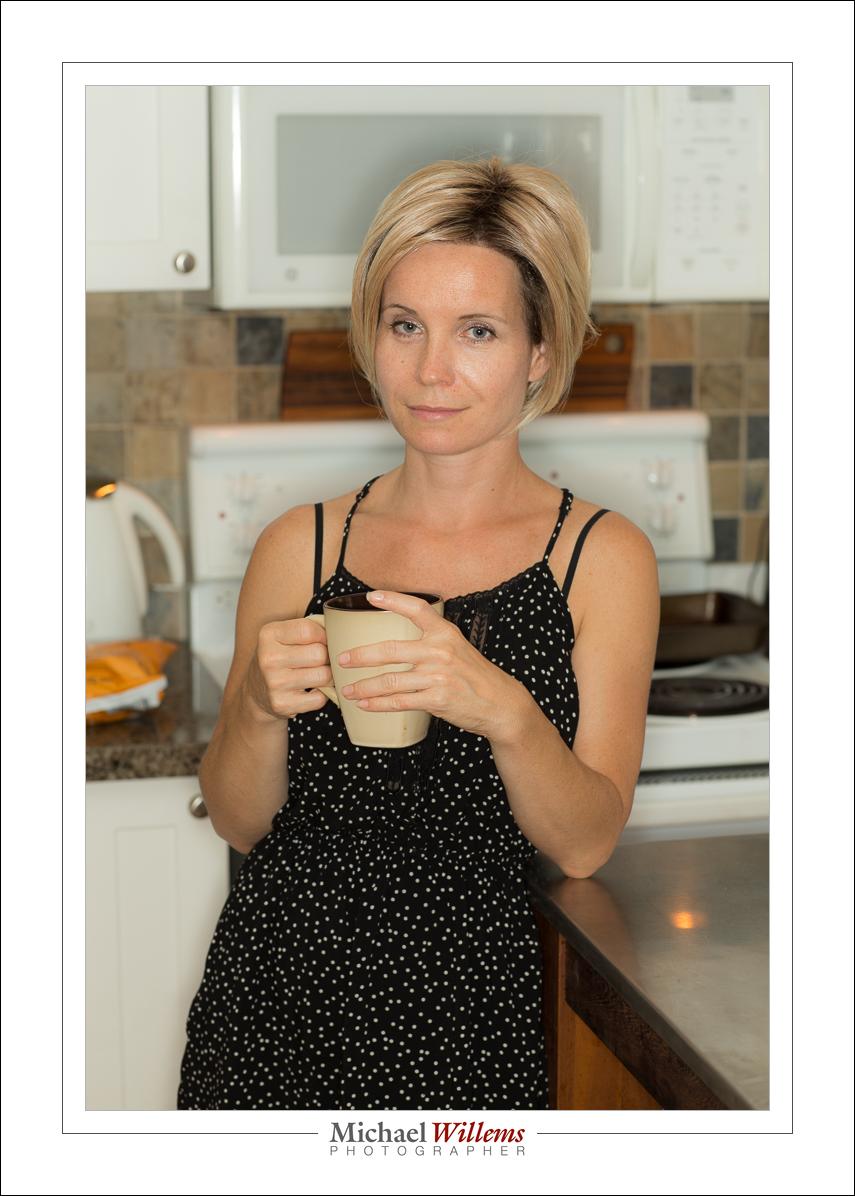
Photo taken at f/5.6: BLURRY background

What is the difference?

The top picture was taken with a 16mm lens. The bottom pictures were taken with an 85mm lens. The 85mm lens is longer than the 16mm lens, so it gives us a narrower depth of field(= a blurrier background).

So you can only say: a lower f-number means a blurrier background, all other things remaining equal. In other words, you cannot necessarily say “f/4 will result in a blurry background”, or “f/16 will give you a sharp background”.

This is why using a prime lens is a good idea: you remove one variable, thus making it easier to get predictable results.

If this is not all clear to you, then do the following: with the camera in aperture mode or manual mode, go take pictures around the house, until you do get it. Try to alter only one variable at a time (i.e. do not alter zoom, distance and aperture all at the same time: you will have trouble seeing how it all works.
 

All the difference

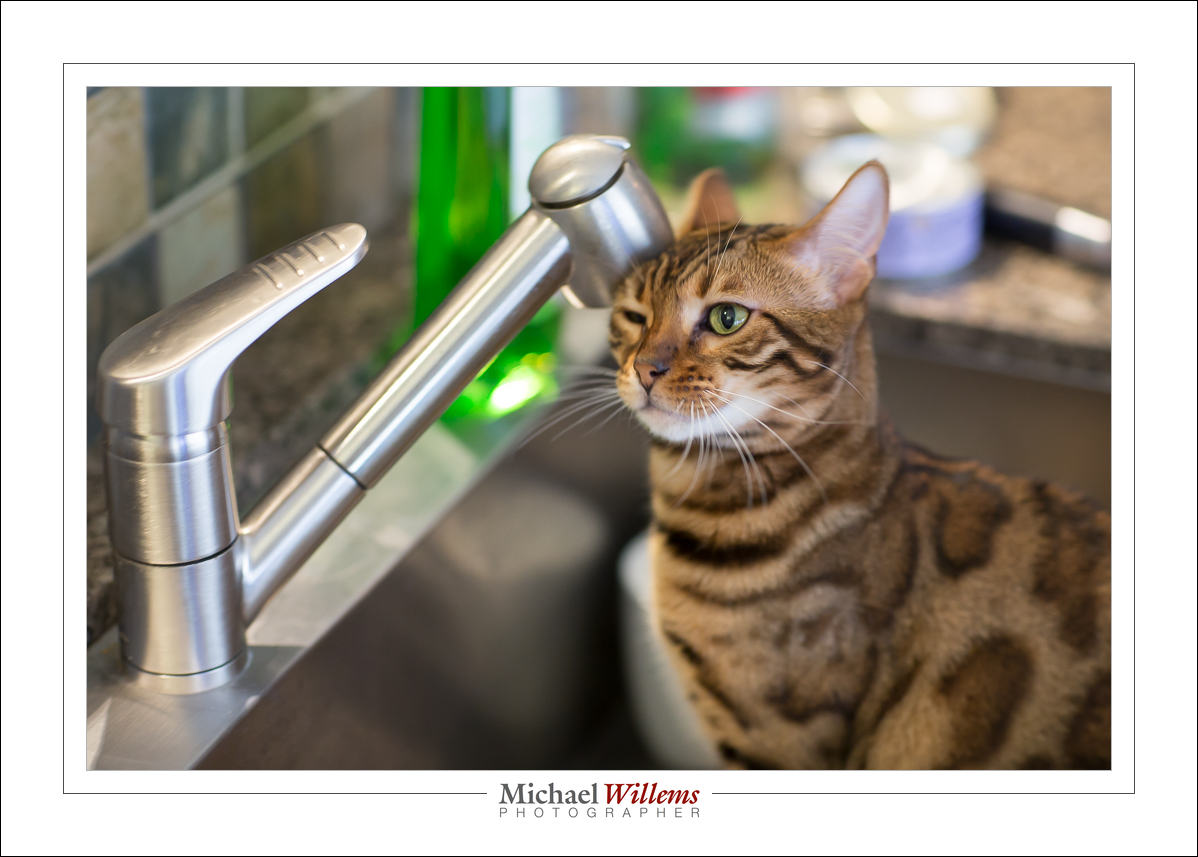
Look at Mau the cat, who is pretending to not notice me:

I used my 85mm f/1.2 lens on the 1Dx body. The settings were 1/60 sec at f/2, 800 ISO.

Let’s think about that for a minute. 1/60 sec is about the slowest speed I can hand-hold: any slower and I would shake; and the cat would move visibly also. So that’s a given.

800 ISO is nice. Much more, and I start getting visible grain, certainly on cheaper cameras.

So unless I want to use a flash, f/2 in my kitchen is what I need.

Now… imagine I had a consumer lens,. like the 17-85 f/3.5–5.6. The latter designation means that when I zoom out I can get as low as f/3.5, but when I zoom in I cannot go any lower than f/5.6.

If I used this lens, I would have to go to a much higher ISO. To keep the same exposure, if I want to keep the same shutter speed, I would have to change ISO as follows:

  • At f/2 I need ISO800
  • At f/2.8 I needISO 1600
  • At f/4 I needISO 3200
  • At f/5.6 I needISO 6400

So with the cheaper “consumer” lens zoomed in, I need to go to 6400 ISO. Which would, especially on smaller cameras, give me a lot of grain; a bad quality picture, in other words.

So the more expensive, “faster”, lens gives me a huge benefit here. One not to be scoffed at, which is why we like prime lenses. Which are not all expensive: you can get a 50mm f/1.8 lens for just over $100.

Which I hope you have done!


Gelling!

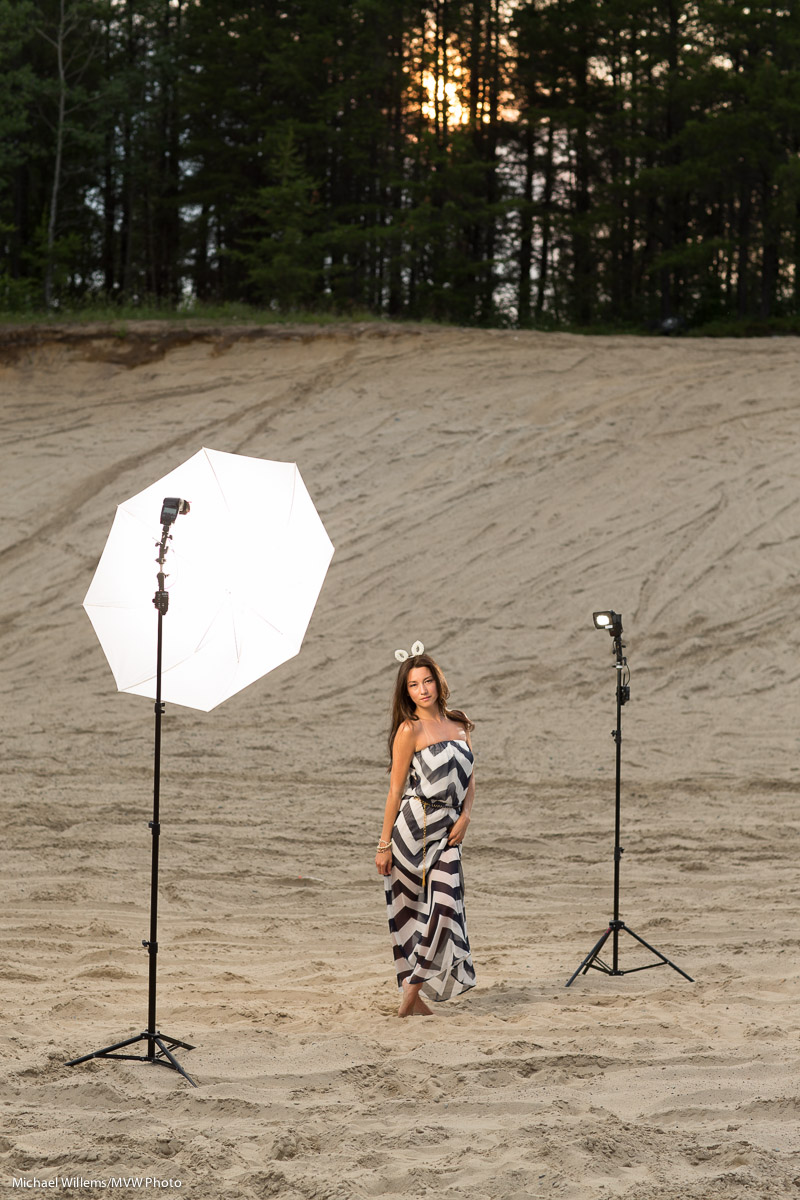
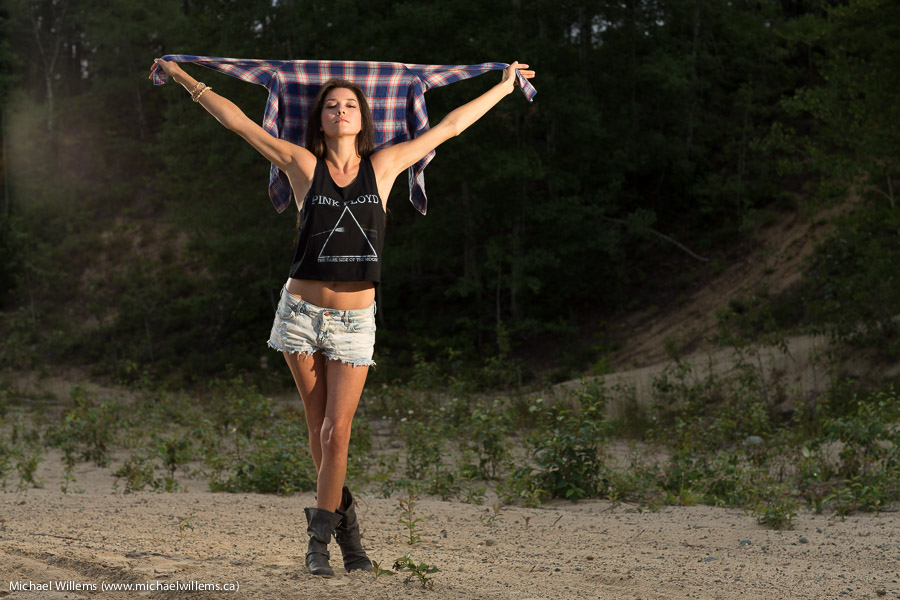
In yesterday’s shoot with Vanessa Scott in Timmins, Ontario, I used gels to recreate the sunlight that was fast fading below the hills. All shot with Canon’s amazing 85mm f/1.2 len.

(1/200th, f/4, ISO100)

Vanessa looks like she is in that light, because I put a CTO (Colour Temperature Orange) gel by Honlphoto on the main flash, like so:

You will see also that I am using a second flash, fitted with a grid, for the hair light. Two flashes driven by Pocketwizards—that’s all.

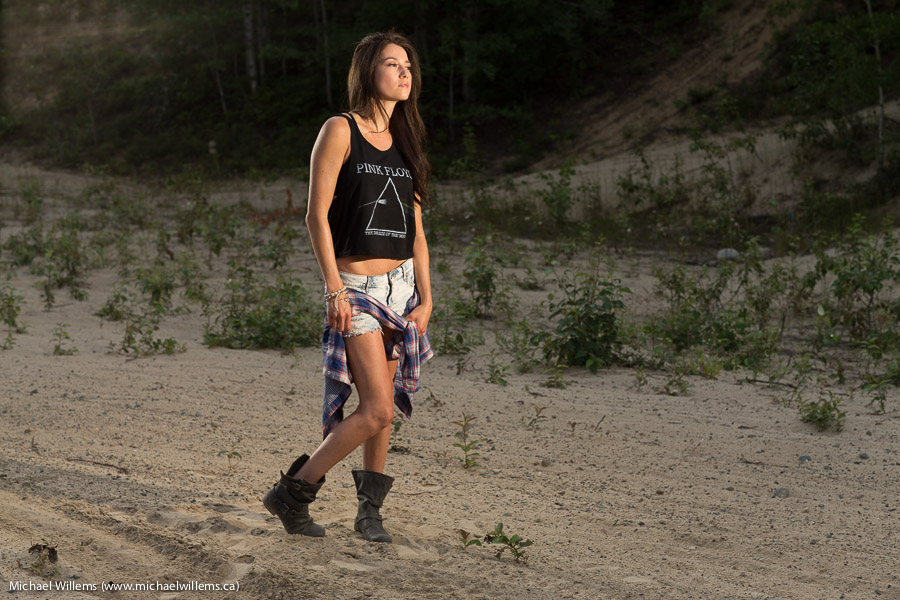
One more from this amazingly versatile young woman:

1/60, f/5, ISO100 — I had to adjust for fading light


Again, the flash allows me to offset the subject against the background, which I keep dark. Without the flash, I would lose the nice colour and I would have to make everything, including that background, very bright.

And that’s how the cookie crumbles.


Today, a QUIZ!

Test your knowledge of the basics: a quiz for you today. Select the best answer. Tomorrow, the answers.


1. You are shooting a hockey game. Your autofocus should probably be:

❏  In AI Servo/AF-C focus mode

❏  On manual focus

❏  In One Shot/AF-S focus mode

❏  Out of focus


2. At f/5.6, your picture is too dark. You can try going to:

❏  f/8

❏  f/4

❏  f/11

❏  1/60 second


3. If I move a light three times farther away from the subject it is lighting up, the subject now gets:

❏  Twice as much light

❏  Half as much light

❏  One third as much light

❏  One ninth as much light


4. For a blurrier background, you can go to a lower f-number. You can also:

❏  Step closer to your foreground object

❏  Use a longer lens

❏  Zoom in on your foreground object

❏  All of the above


5. For a “panning” picture of, say, a bicycle, you could try the following as a starting shutter speed:

❏  1/100 sec

❏  1/1000 sec

❏  2 seconds

❏  1/15 sec


6. A 50mm lens is normally called a “standard” lens on a film camera. On a crop camera with a crop factor of 1.5 or 1.6 you could use this for the same effect:

❏  a 50mm lens

❏  a 135mm lens

❏  a zoom lens

❏  a 35mm lens


7. The “rule of thirds” says that an object would look good if it were:

❏  Exactly in the centre

❏  One third from the top or bottom, and one third from either side

❏  Anywhere

❏  The square root of 2 away from the centre


8. Going from f/2.8 to f/11 gives you:

❏  Three stops more light

❏  8.2 stops less light

❏  Four stops less light

❏  One stop more light


9. The larger the f-number, the…

❏  …larger the opening in the lens

❏  …sharper the picture

❏  …smaller the opening in the lens

❏  …more the colour goes toward red


10. In exposure terms, 1/500th second and f/4 is equivalent to 1/30th second and:

❏  f/1.2

❏  f/1.6

❏  f/4.85

❏  f/16


11. Going from f/2.8 to f/11 gives you:

❏  Three stops more light

❏  8.2 stops less light

❏  Four stops less light

❏  One stop more light


12. Going from 1/30 sec to 1/250 sec gives:

❏  Three stops more light

❏  Three stops less light

❏  Four stops less light

❏  220 times less light


13. For a high-key photo, I want my light meter to indicate:

❏  In the middle (“0”)

❏  On the minus (“–“) side

❏  On the plus (“+”) side

❏  Alternating between plus and minus


Autofocus point

An important point about autofocus (and forgive the pun).

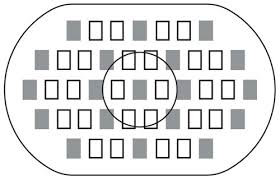
You have a number of AF points. One in the middle, and then 2 more, or 8 more, or 40 more: whatever. Lots, on my 1Dx:

These “points” are sensors that look for focus by looking at lines and sharpening them. But did you know that some points are sensitive only to horizontal or vertical lines? That’s why, when you select one AF point, sometimes you cannot focus even though you are pointing the AF point at a nice lined surface.

The centre AF point is always sensitive to both horizontal and vertical lines. But many other AF points are sensitive to only horizontal, or only vertical lines.

What’s more, this even depends on:

  • The mode you are in
  • Auto or manual AF point selection
  • The minimum f-number of your lens. Some points are points (sensitive to both) when used with an f/2.8 lens,. but horizontal only, or vertical only, when used with an f/5.6 lens.

So, my strong advice: Read up on how your camera does it. And if in doubt, use the centre AF point, since it is likely more sensitive and a cross-type sensor.


Low key or High Key

Definition time:

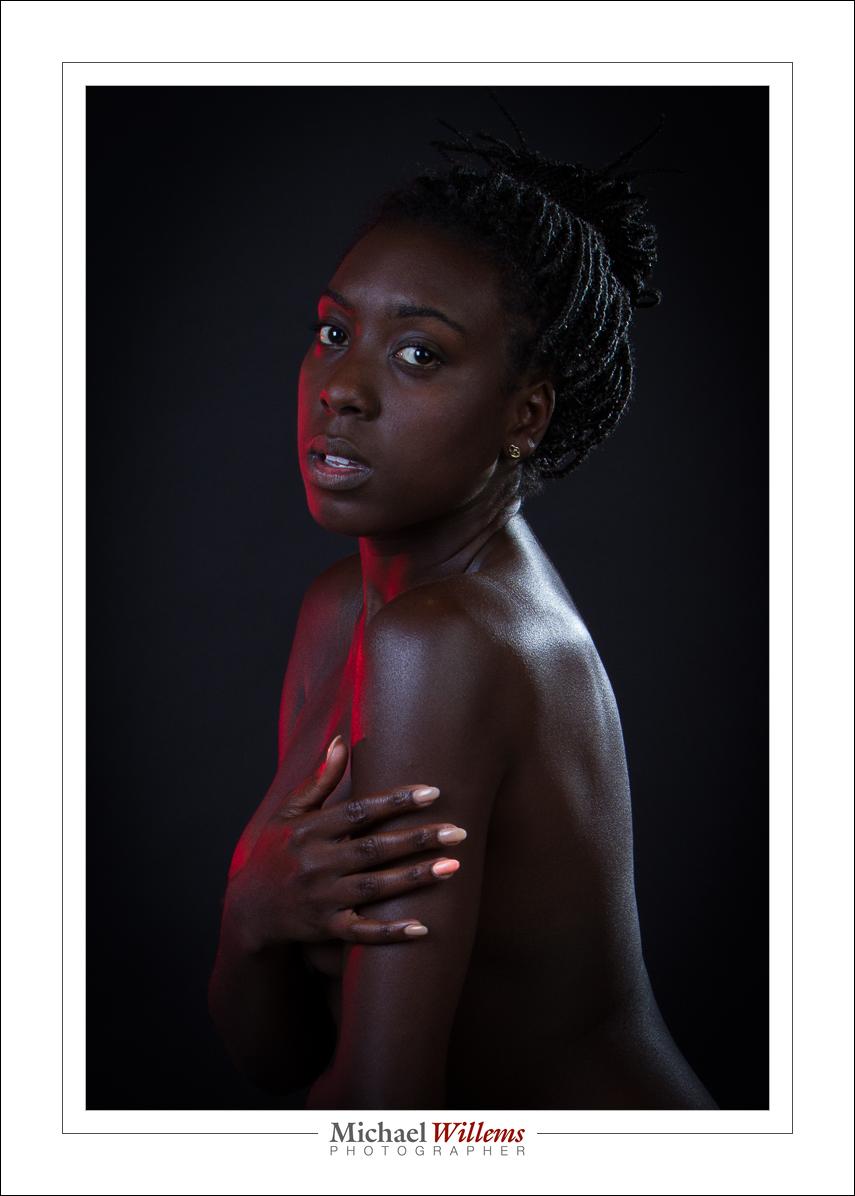
A low key photo is simply a photo that is “overall dark”. Like this one, of Serenity, made yesterday:

(Black backdrop, 200 ISO, 1/125 sec, f/8, softbox on left as main light, softbox on right as fill light, snoot behind right as hairlight, gridded gelled speedlight on left for red accent).

The nice thing is that the subject stands out because she is the only light thing; in particular, her eyes are.

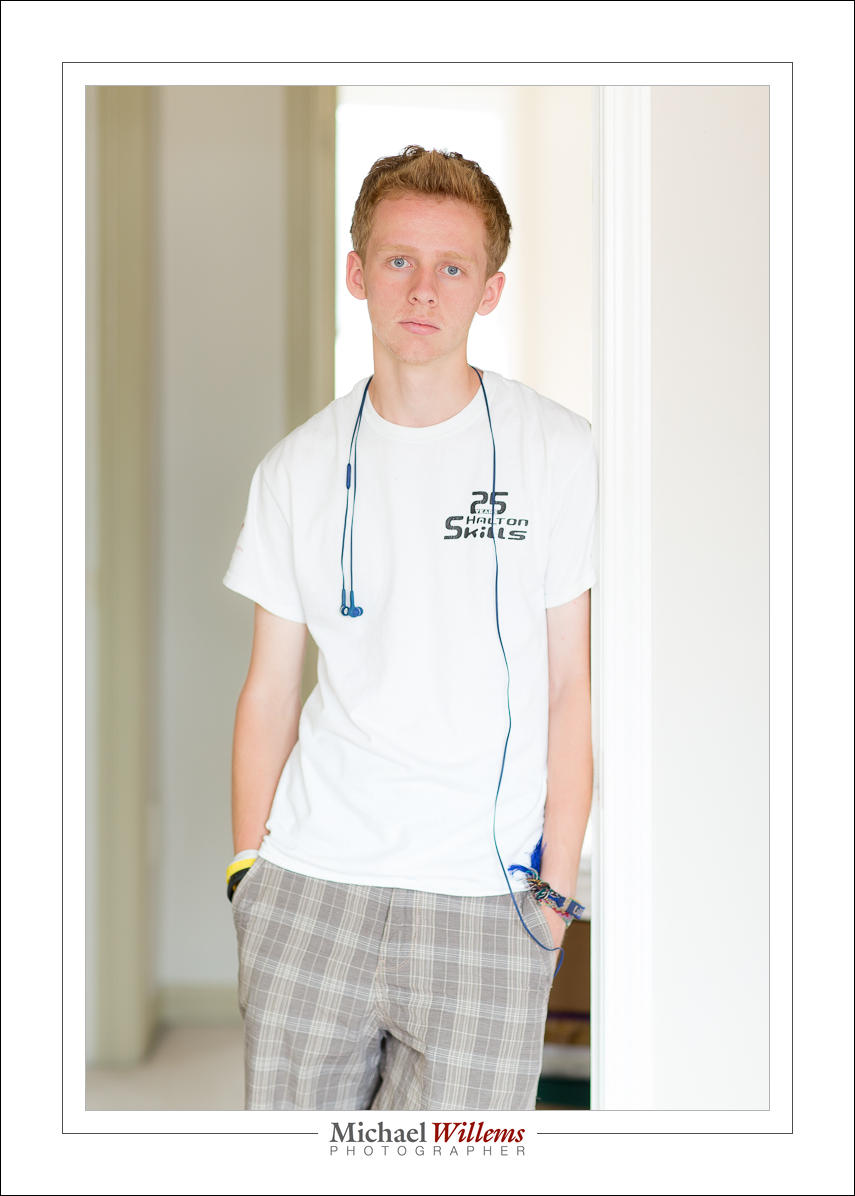
A high key photo, you guessed it, is a photo whose overall brightness is high. Like this, of intern Daniel, also made yesterday:

There you have it.

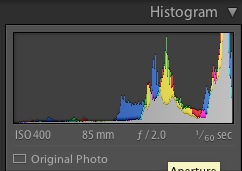
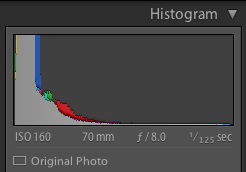
Which histogram belongs to which photo?

Answer tomorrow!


About that grid

Once more about the grid, my favourite flash accessory.

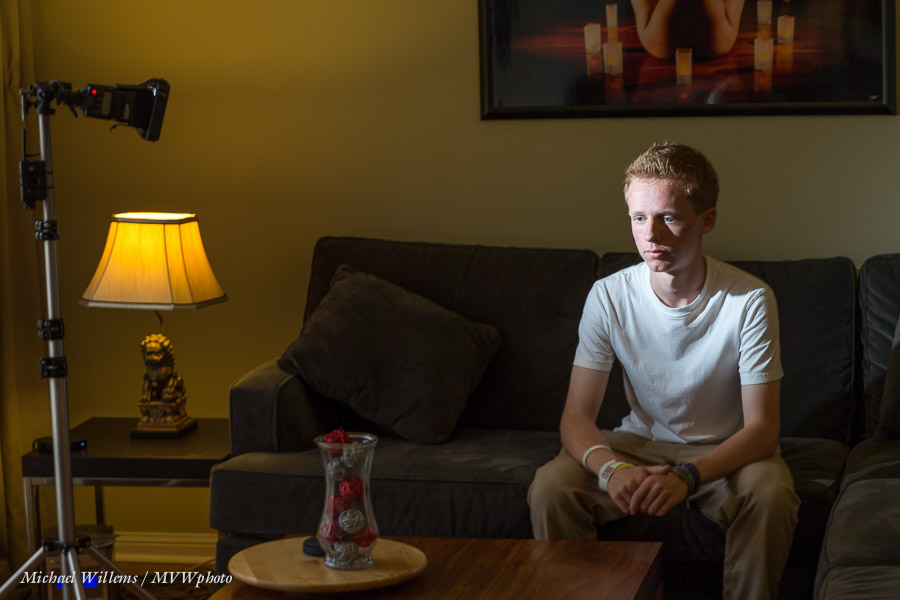
This was the setup with my intern Friday:

The subject will be lit with a single flash, on the left side (as seen by us), on a light stand, set to 1/4 power and fired using Pocket Wizard radio triggers.

I want drama., Sine the lamp will not appear in the photo, I do not need to see all that ambient light. so let’s kill the ambient light.

How? How do I make the ambient part go darker? Smaller aperture (=greater “f-number”), or faster shutter, or lower ISO. I used 100 ISO, 1/125th sec, f/8, to get this:

This is not bad: Rembrandt lighting with one flash. But I want the wall to be dark.

Why is it light? Not because of ambient light, Nope, it is simply because the flash throws light al over the place. The wall is lit by the flash.

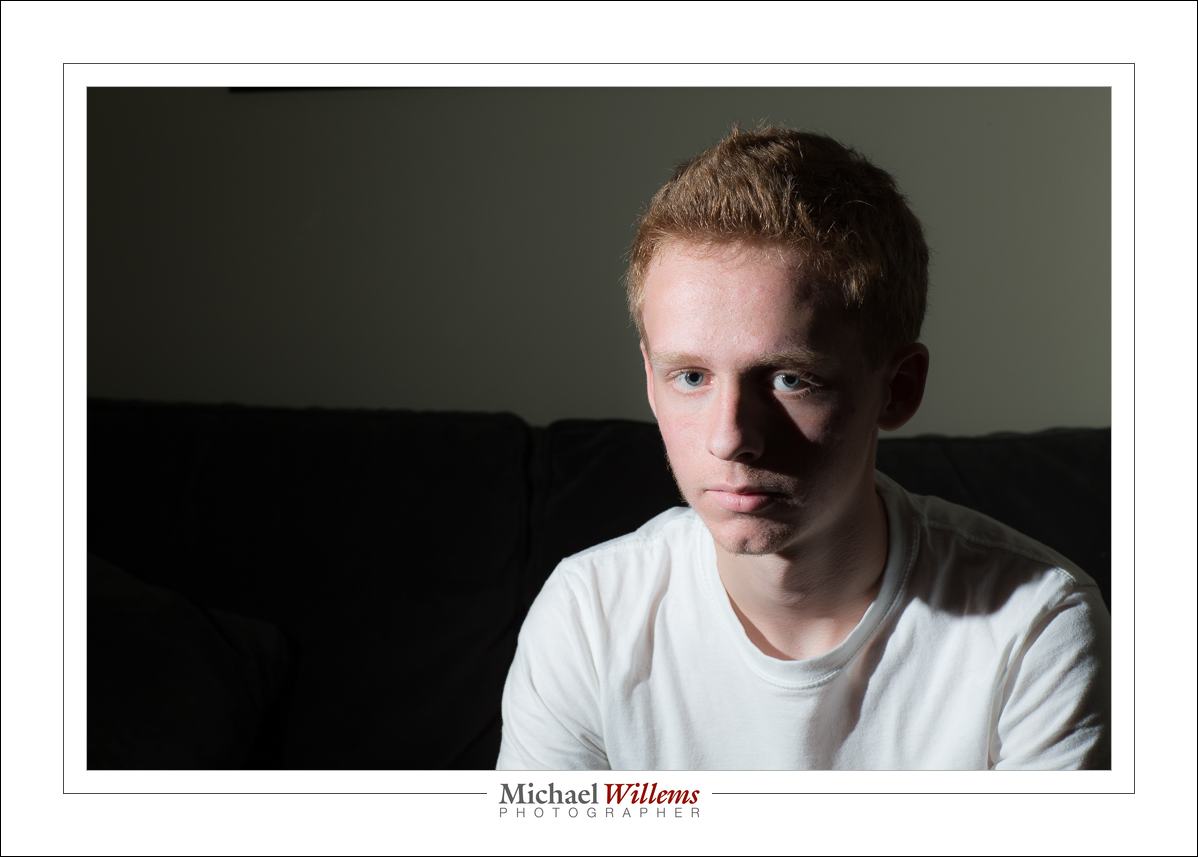
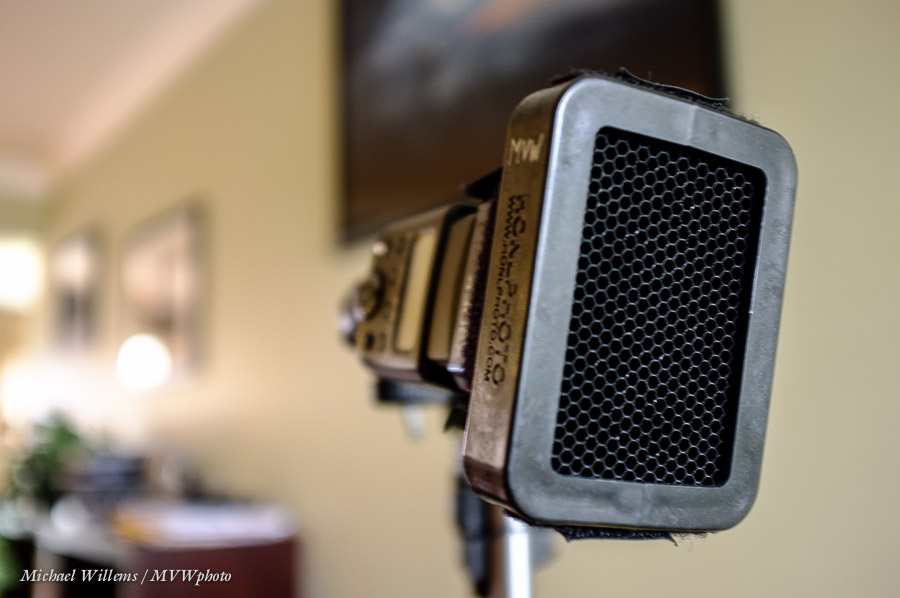
So then I fitted this Honlphoto 1/8″ grid to the front of the flash (using a Velcro “Speed Strap”, also from Honl photo):

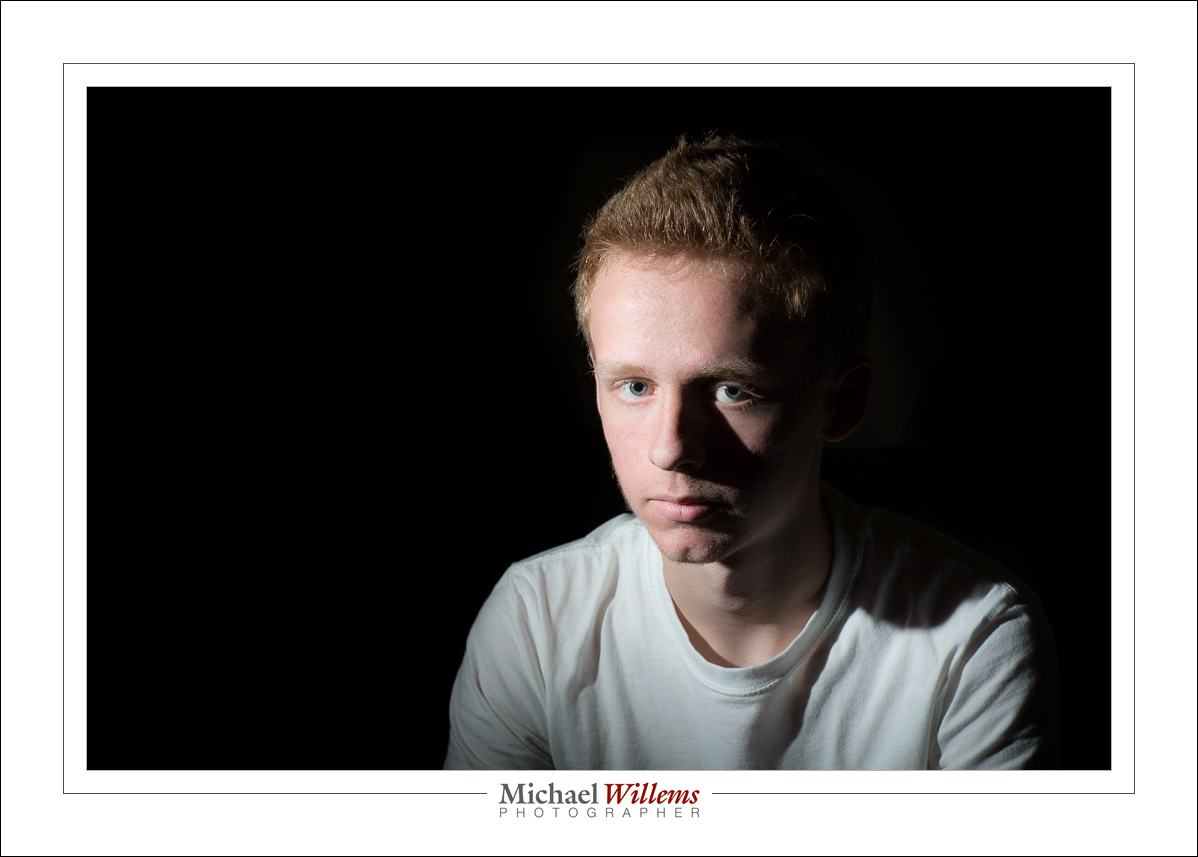
Which gives me this, since the flash is aimed at the wall outside the picture:

Straight out of the camera (“SOOC”), that is a pretty good result, eh? (*)

Remember: lighting a picture starts with no light, and then adding light where you want it. And only where you want it.


___

Foot notes:

(*)I am Canadian


Reader Question

A reader asks:

“Good Morning Michael. Been following your feeds about photography, incredibly awesome. I currently have a 70d w/ 18-135, 70-200, 50m, with the 600ex flash. I have a small wedding approaching and feel the need for another lens. What’s your take on the 17-55 IS 2.8 or the 24-105? Could you share some tips with me, I’d be grateful for that Thank you”

Good question. Equipment is important.

A standard “go-to” lens for pros is the 24-70 f/2.8 lens. For a crop camera like yours (a camera with a smaller sensor), the 17-55 ISD 2.8 is that lens. Great lens because it is a pro lens for your camera type. And it is stabilized (“IS”, or in Nikon terms “VR”, means Image Stabilization).

The problem is: once you go full frame. i.e. to a camera with a sensor the size of a negative—and one day you will—you will not be able to use this lens anymore (it is an AF-S lens, usable for small-sensor cameras only). And since lenses last basically forever (both in technical and in economic terms), this will bite you back.

It is for that reason I recommend the 24-105. And it has longer telephoto range, with is very useful for impromptu shots.

Other tips for shooting important events (and a wedding is as important as they get):

  • Bring spares for everything please!
  • Fast lenses are great when the light is low and the ceilings are high
  • Rechargeable batteries, more than you need and then double that.
  • Spare camera battery and CF cards.
  • As soon as you can, add a spare flash and also, learn to operate off-camera flash. It is easier than you think.
  • A wide angle fast prime lens (like a 24mm prime lens) would also be great for low-light situations.
  • A very wide lens (10-20mm range for crop) would be great as well.

And then practice. Learn how to bounce.

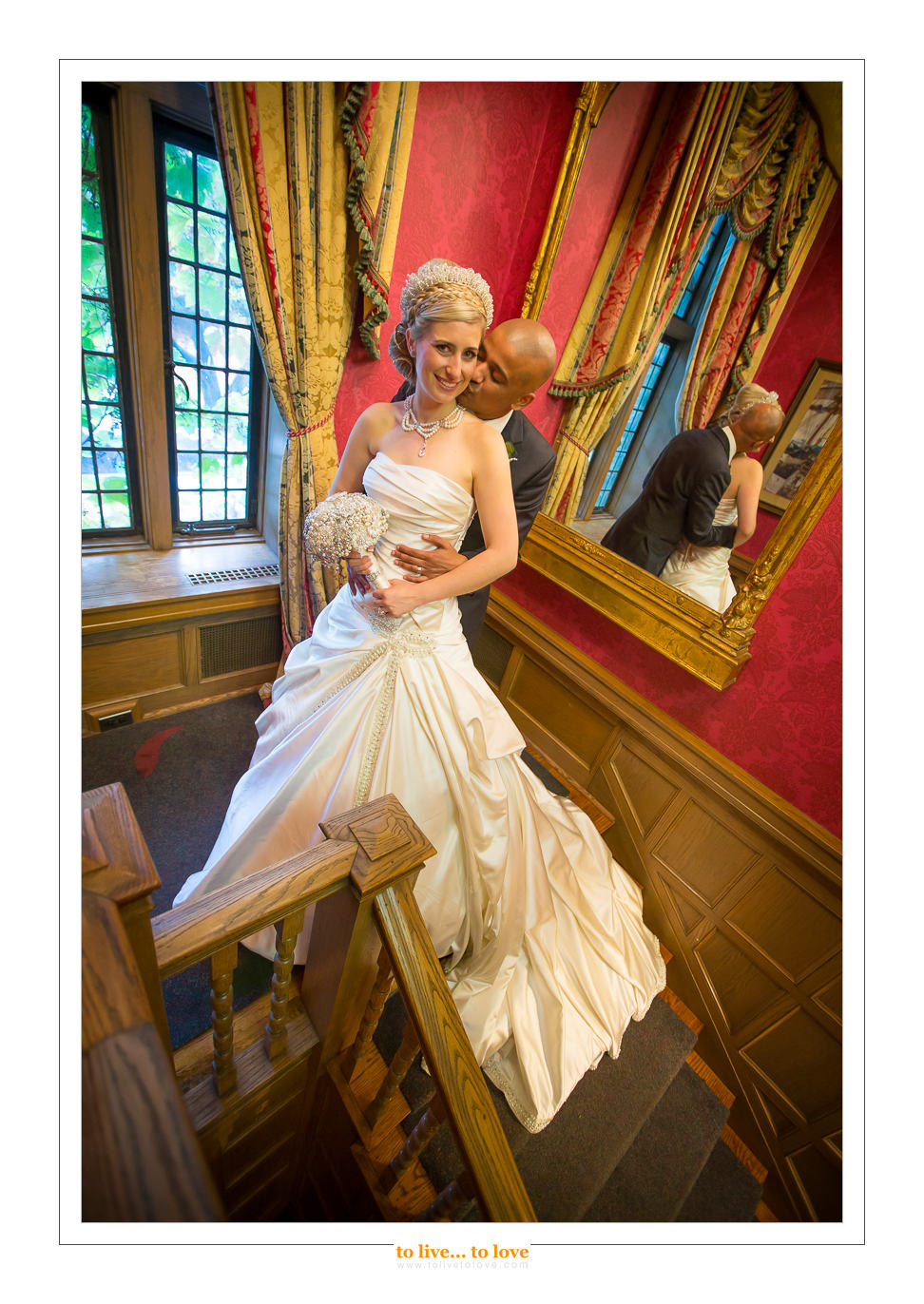
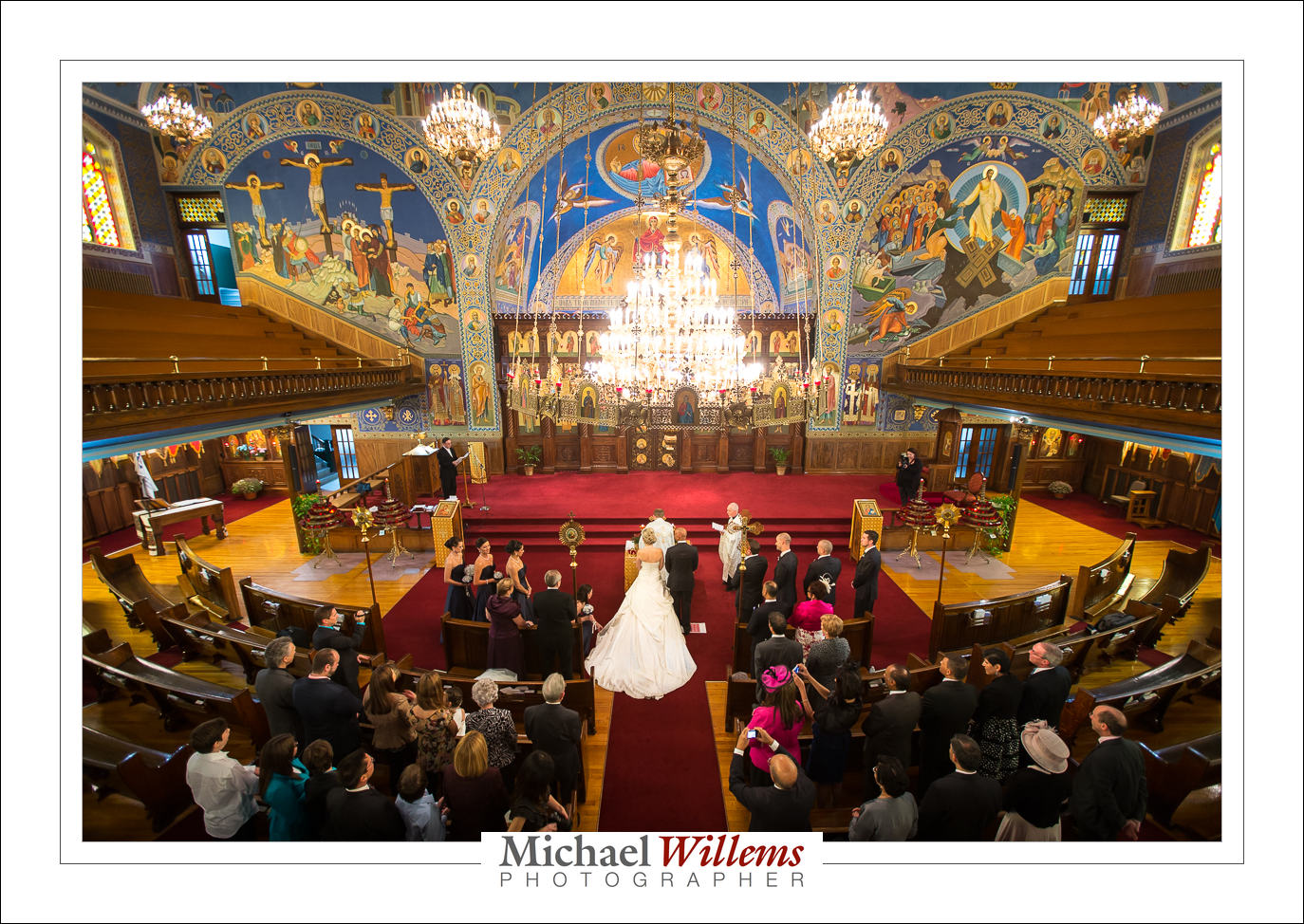
Here’s two wide angle shots from a recent wedding I photographed:

Finally, get, and read, and then re-read, my collection of five e-books from http://learning.photography/collections/books and schedule some one-on-one training: a short course will pay off incredibly quickly. See http://learning.photography to reserve a session now, 24/7/365.


Old skills

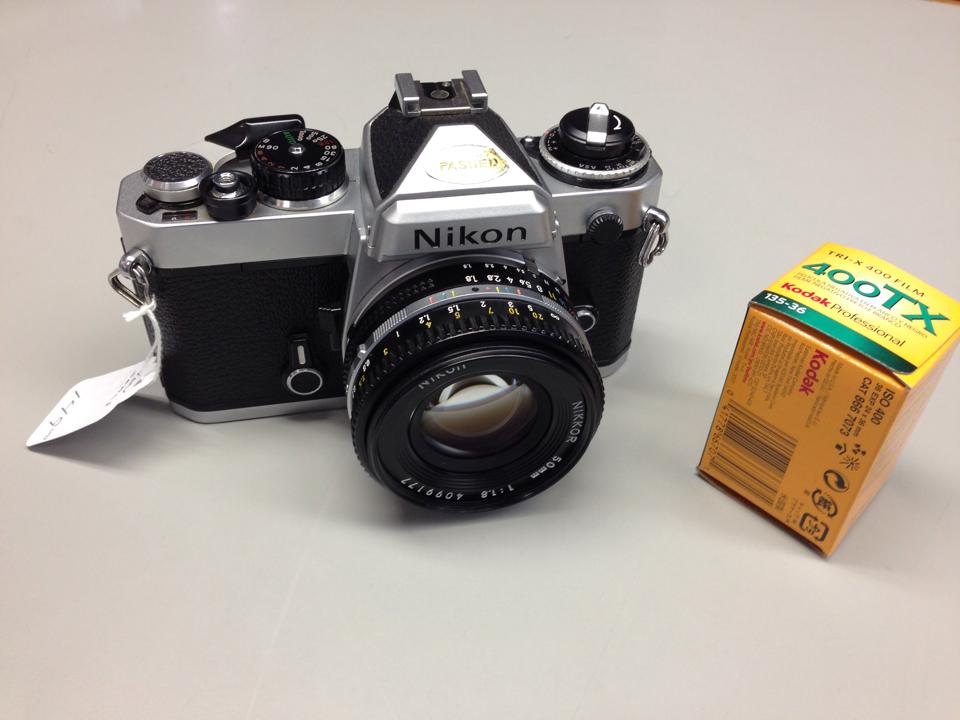
I recently mentioned here that I am shooting some film, on this:

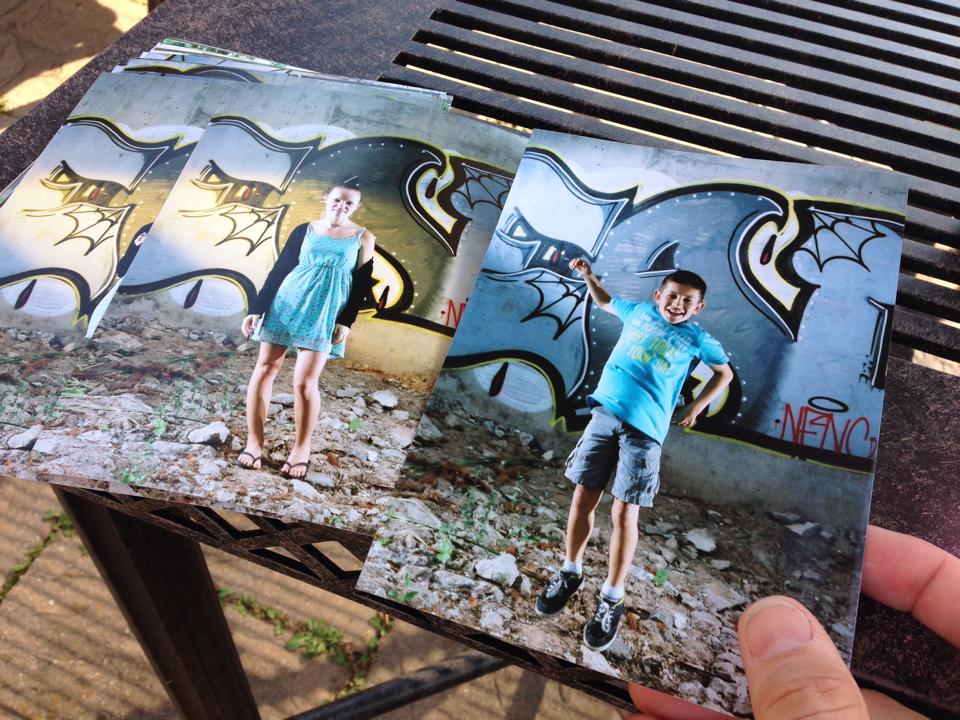
So I just got my first roll of film back, or rather the prints from it, and this leads me to say a few things.

First, I am glad I still know how to shoot film. The pictures look as good as my digital equivalents. Which is nice, considering that I have gotten used to seeing the pictures on the back of the camera after shooting. All my exposures were good, save two that were a little underexposed.

Second, I am glad that there’s still a place to buy film (Henry’s, Vistek) and a local place to print and scan film (my local Black’s at the Oakville Place mall). Print and scan, that is right: they develop, and print and/or scan C41 colour film (B&W is a little more time-consuming and expensive). Develop and print colour is around $20 for a roll of 36; scan is about another $5. Perfect! In your town there will also be places to go, still. Sparse but existing.

Third, I am used to correcting things like white balance, and I cannot do that here. So some shots are a little cool (like the ones above): well, nothing I can do on the prints. I asked for “no adjustments” and that is what I got. Daylight film lit with flash should be OK, but evidently the machine was set to a little blue.

Fourth, this is fun. Go get a camera, which will cost yo no more than $150 used, and go shoot some 400 ASA film. You can do it!

Fifth, I use my brain when cropping; stores do not always do this. I shoot 35mm film which has 4×6 aspect ratio. I printed on 5×7, so a crop is needed, or letterboxing. They cropped, but in a few shots that was done unintelligently (cropping off half my subjects in some shots).

Sixth, to be a real photographer you need to be able to shoot film. Seeing my shots I feel the real deal again. See fourth.

Seventh, prints are great to hold. All this digital stuff is great, but you know I am a great proponent of physical prints, books, wall art, and so on. Please, make prints.


So is there still a place for film? Most certainly there is. If only to ensure you can still do it. I really thought about each shot, since each click costs $1.  “They’re really good”, said the kid at Black’s. Not boasting here, but they are, and they are better than what I used to shoot when I shot film years ago.

There you have it: Digital makes you a better film photographer, and film makes you a better digital photographer.


One more…

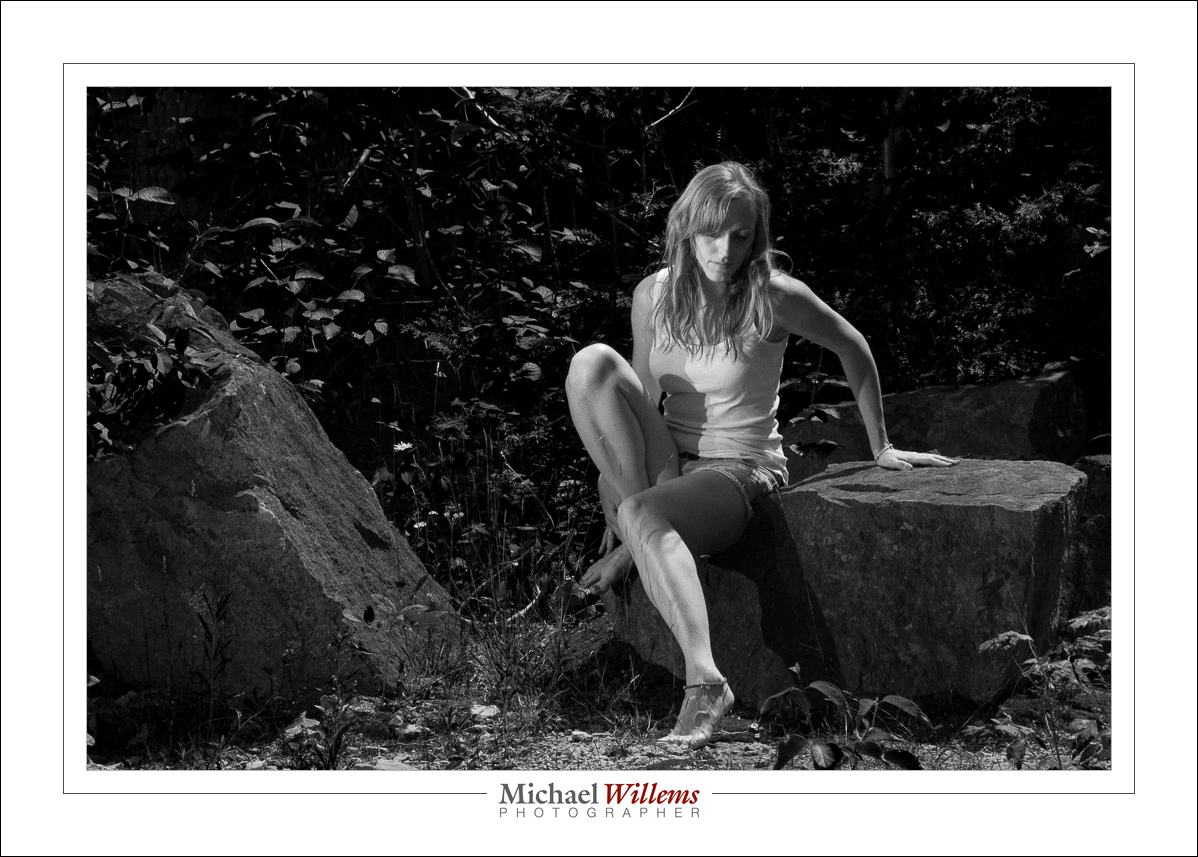
…from today’s shoot, here’s one image. A black and white image:

Why black and white? Because that enabled me to make the green really dark, and to make this beautiful young woman stand out very clearly against the dark background.

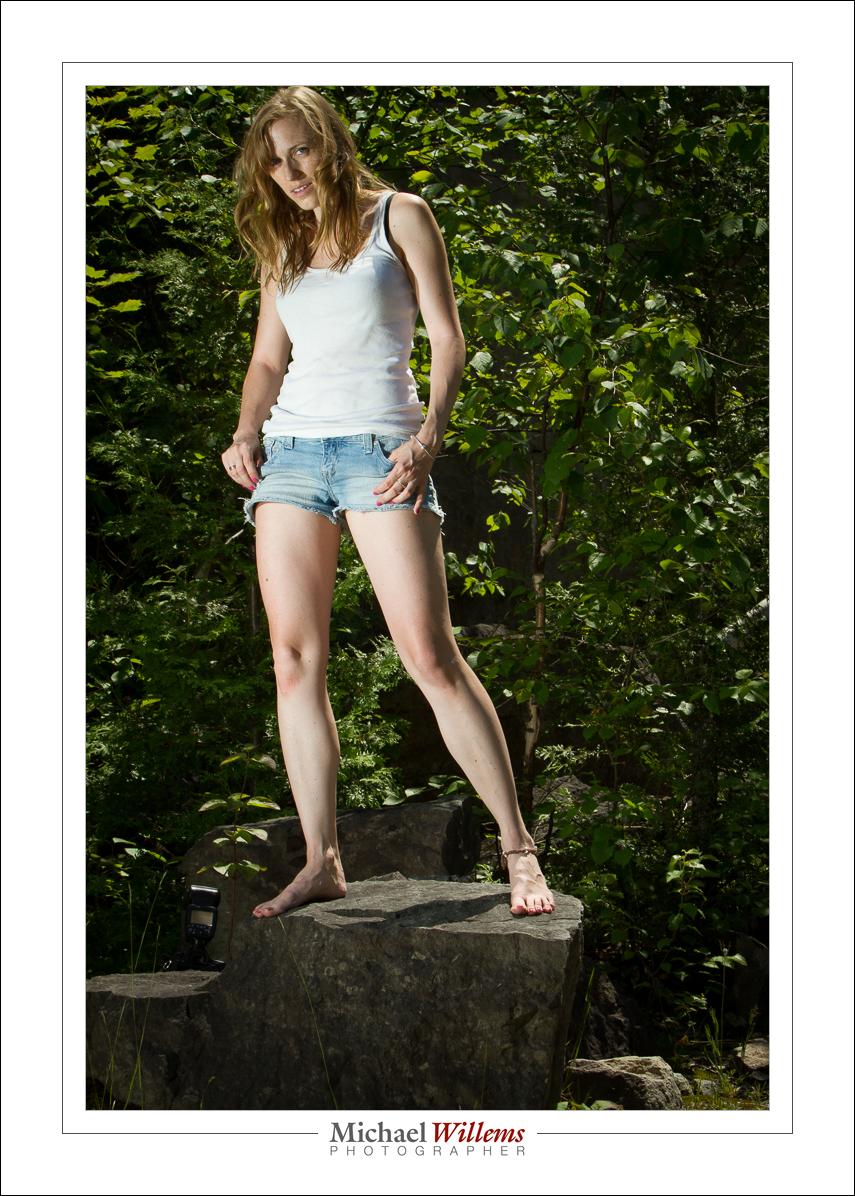
Don’t get me wrong, the colours were beautiful, because I used flashes (two of them, direct, manual, fired by Pocketwizard radio slaves).  So most of this session was made in colour.

But as you can see, the subject does not stand out against the background in quite the way that she did in the B&W picture:

Don’t be Uncle Fred: learn these techniques! How? Read this blog, and read the e-books and take some lessons: both of those available right now on http://learning.photography. Enjoy!