Selfie…

From Hopper to Leibovitz, hotel rooms have always been a fascinating setting for art portraits.

I portrayed myself in a hotel in Timmins, Ontario, Wednesday morning, evoking feelings of these prior artists, but especially, creating with light. Straight out of the camera.

If I say so: my best self portrait. Ever.

Click to see larger:
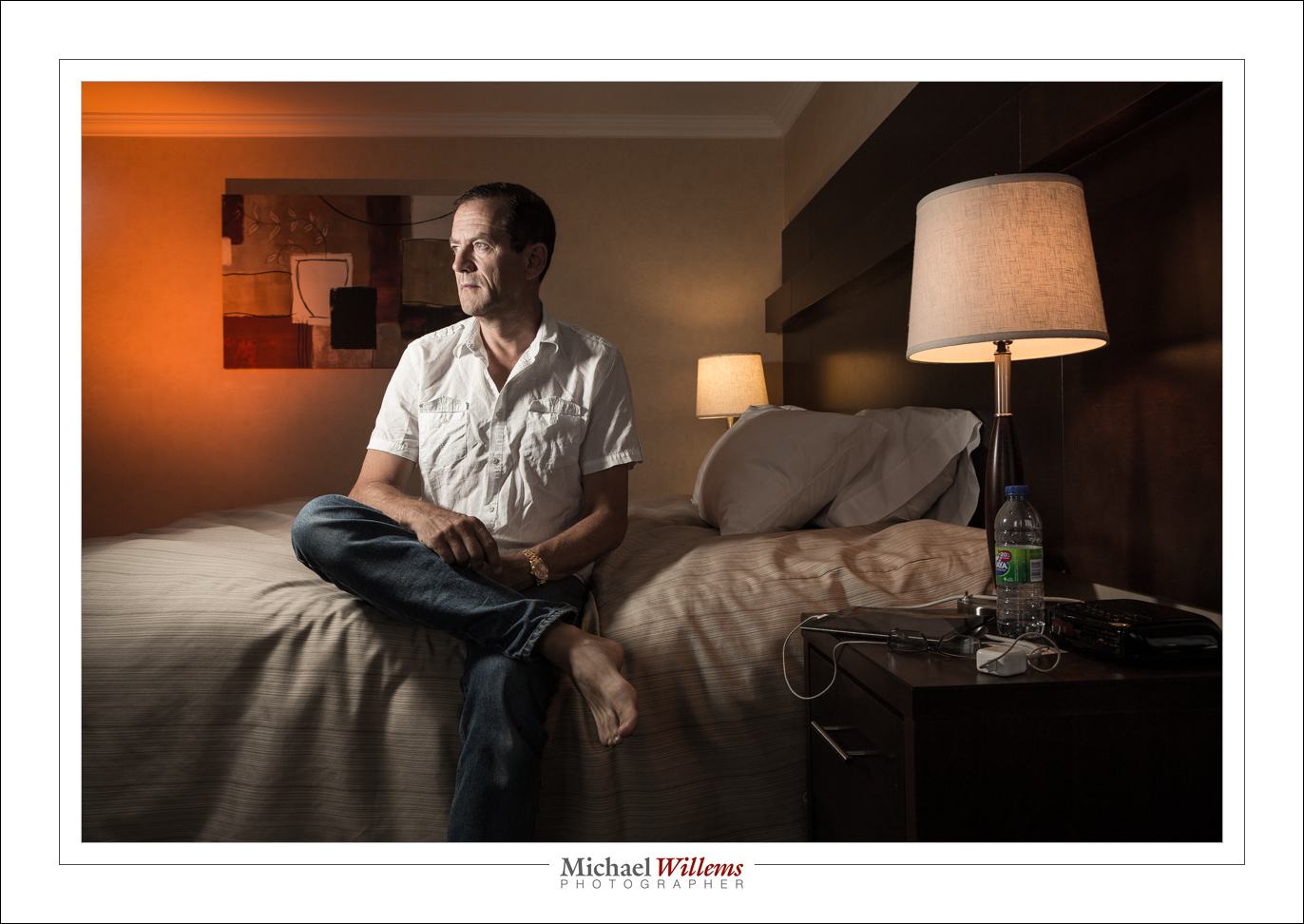
I did this in my suite in the Timmins Day’s Inn. I was alone and I used:

  • Camera perched on an upturned Ottoman
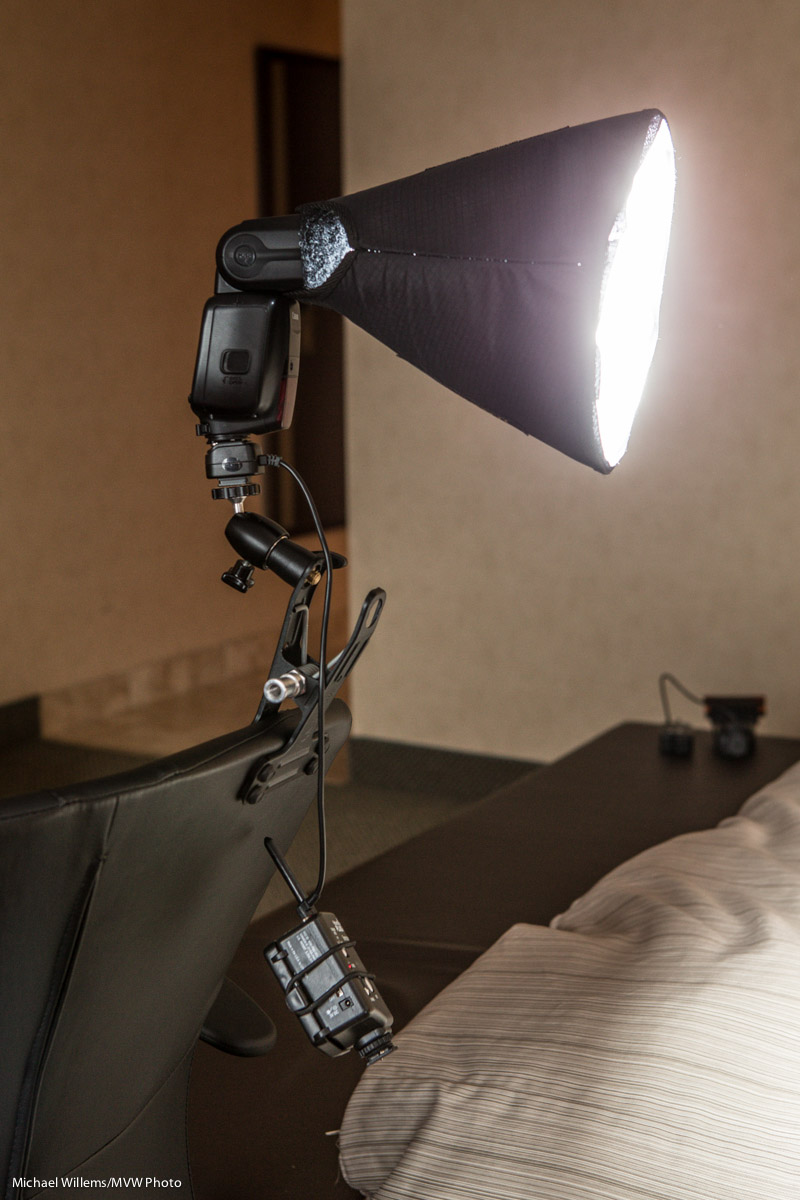
  • Main light is a 580EX flash with a Honlphoto Traveller 8 softbox, clamped to a desk chair.
  • Additional flash is a 430EX speedlight with a Honlphoto Rust coloured gel, for some nice warm light.
  • Camera at 100 ISO, f/5.6, 1/60th second.
  • Flashes fired with Pocketwizards.

Camera prefocused and using its self timer. This took me only a couple of attempts to get right.

The main light: a flash connected with a Flashzebra cable and mounted with a ball head onto a clamp, clamped to a chair. Note the second flash sitting in the background.
And no, the name “selfie” doesn’t do it justice, does it?
 

Mind to sensor

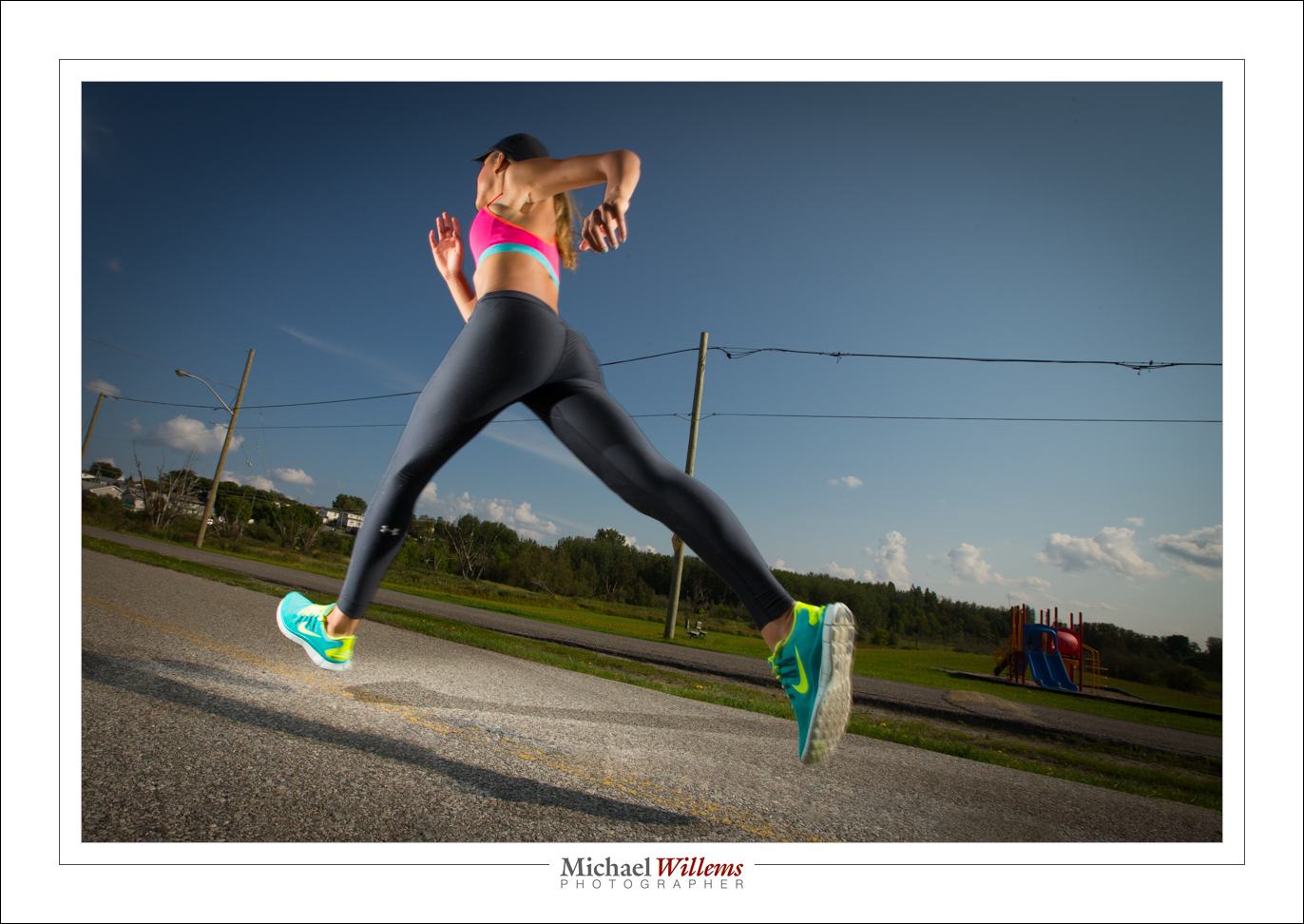
So the day yesterday in Timmins I had the following shot firmly in mind:

But that was mind only. I needed a setting – friends and students Aurele and Lisa came up with the perfect location for what I had in mind, and Savannah, the model, had a jogging outfit, and is a runner. Serendipity!

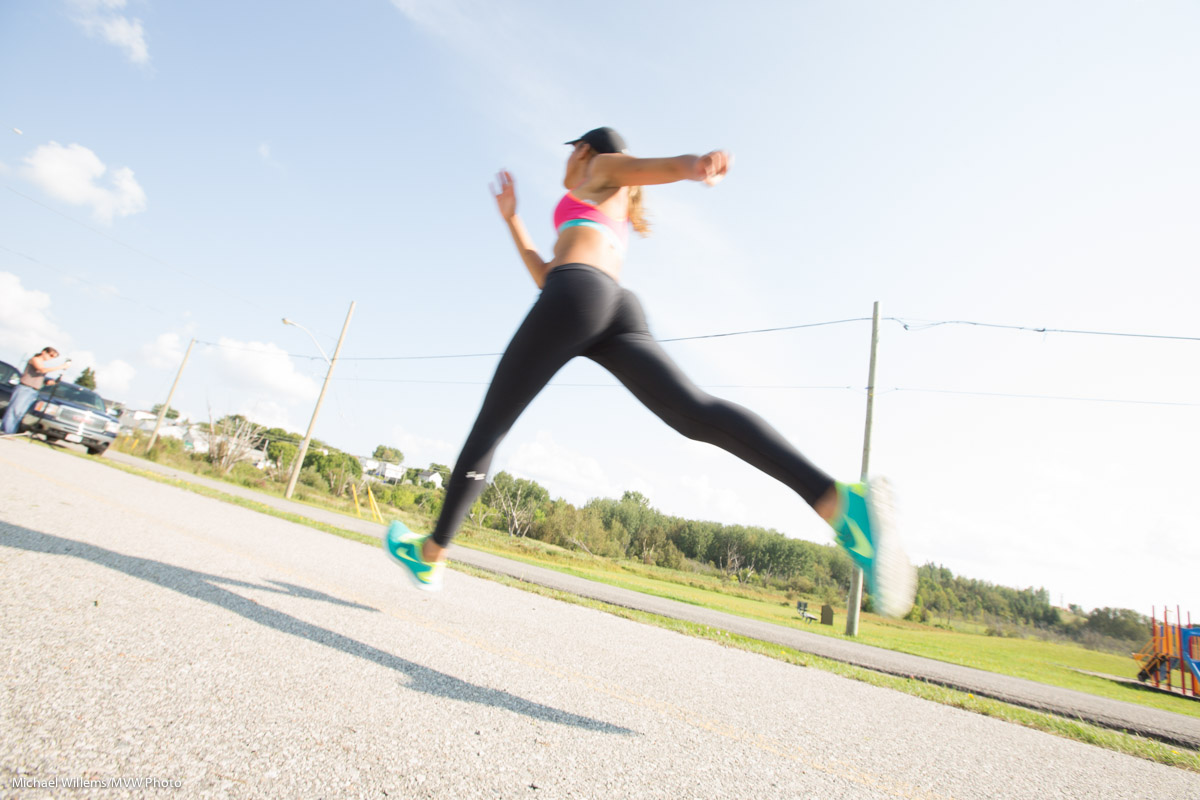
So now the shot. If I were to get low to the ground, use my widest lens, and use available light, I would get this (this was my composition test shot):

So then I go to work.

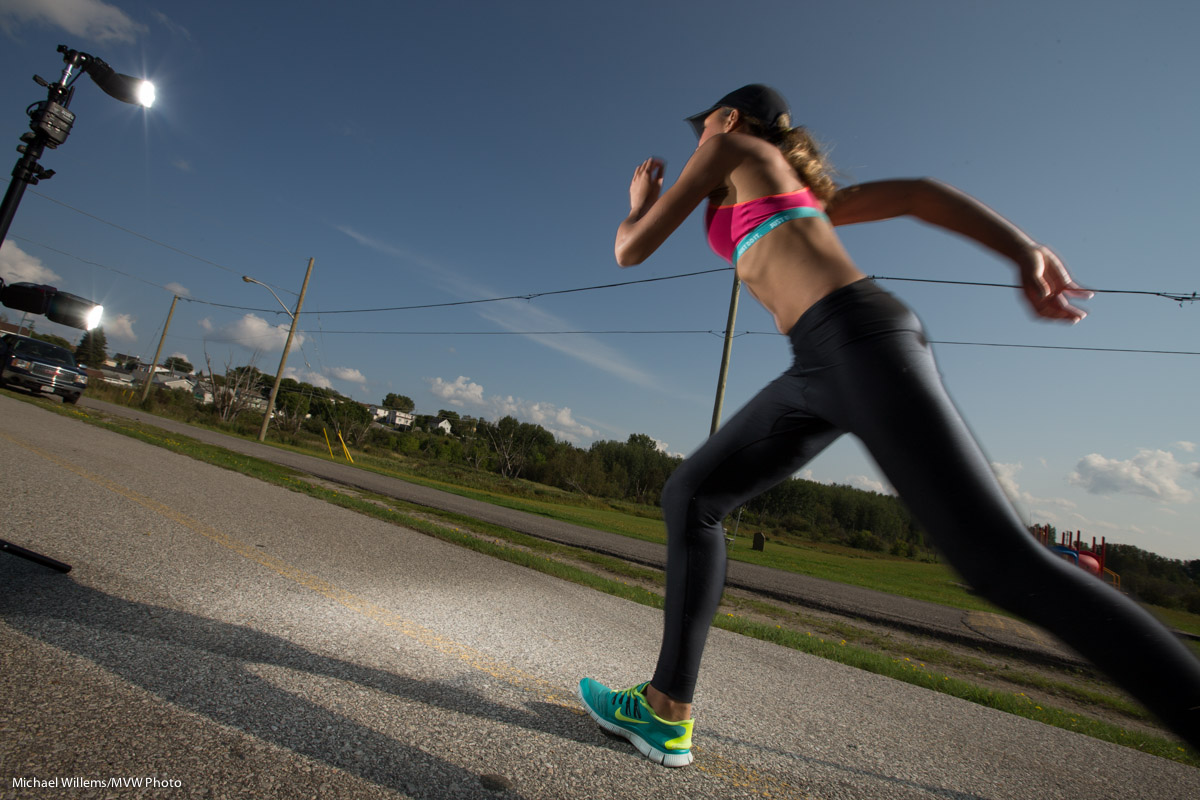
To get the saturated look I like, I want to darken the background, ambient, light by two stops. I start at the usual sunny day settings of 1/250th sec at 100 ISO. That gives me f/11. So that makes me use two speedlights direct on front of the model and one behind; all set to half power. One light gives me f/8, so two lights around f/11. See the two flashes on the left:

One on a light stand, one attached lower to the same light stand with a clamp. Used at half power, while I perhaps would have preferred quarter power (they are Nikon flashes, so will overheat) – but half power is better than full power.

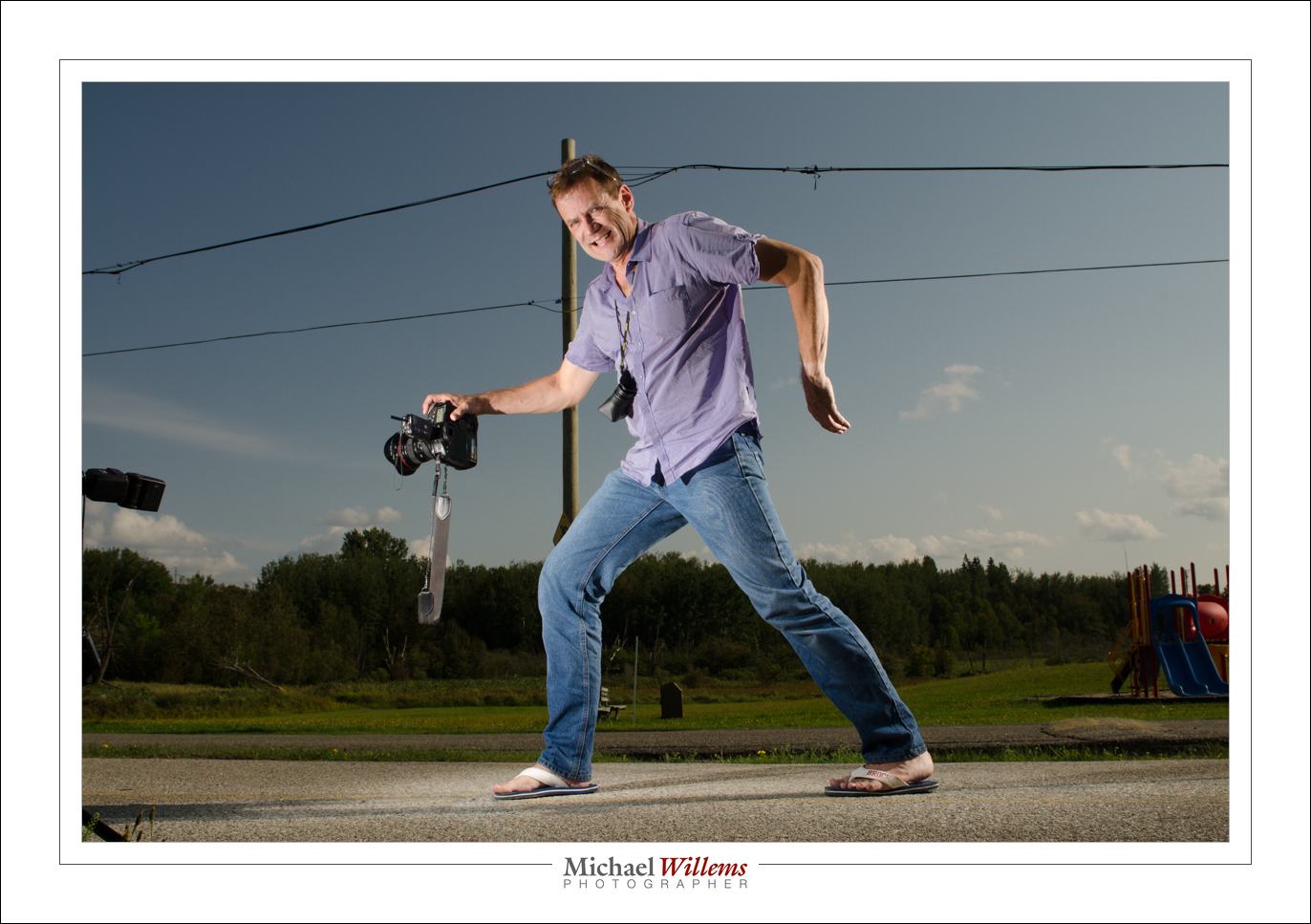
Now, walking like an Egyptian, I explain the idea to my students:

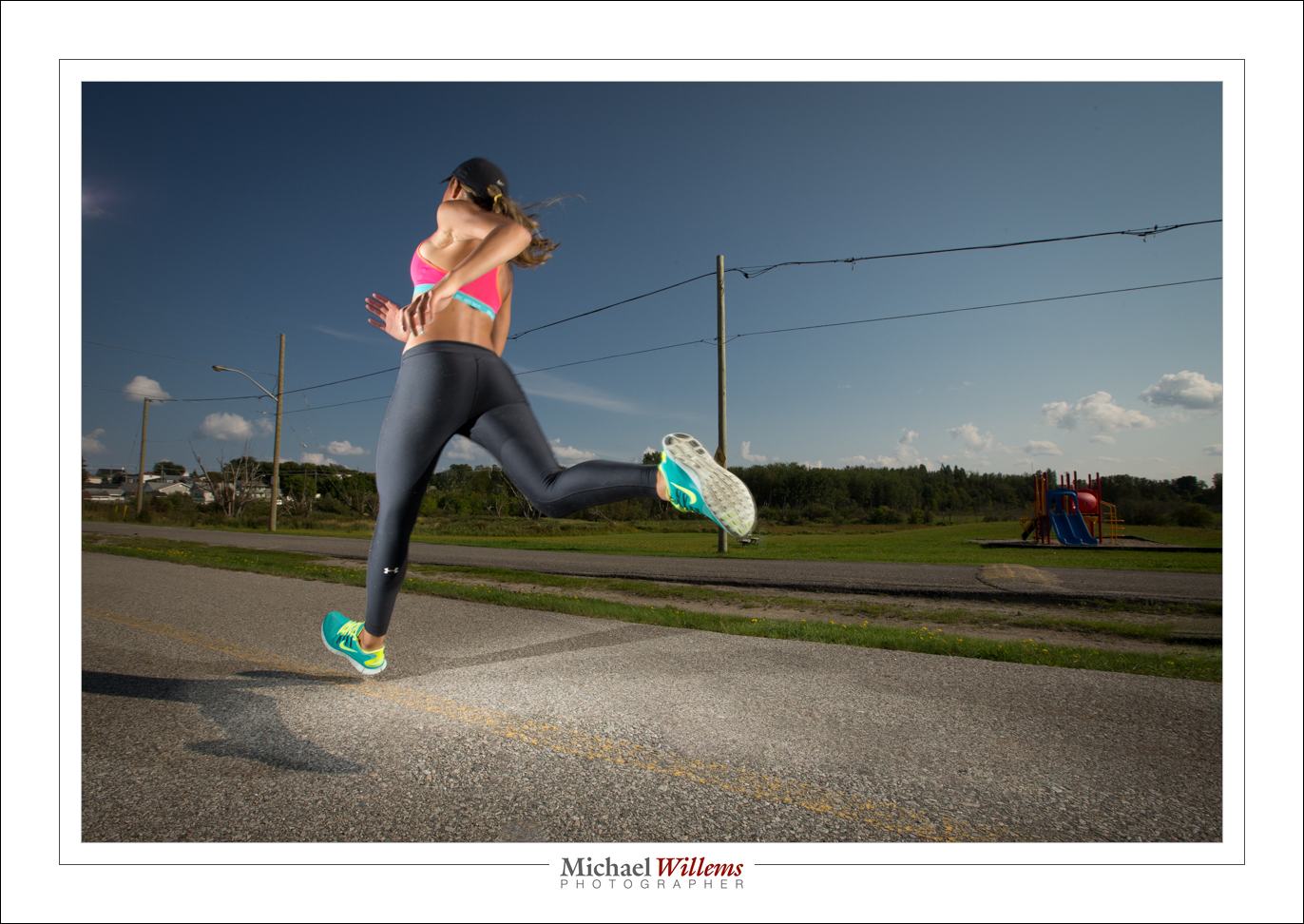
And there we have it – now all I needed to do is agree on the spot; prefocus (so there’s no delays); and shoot. That took a few attempts, but not many: out of seven tries, two were perfect. Here’s the second of those:

Post work consisted merely of removing a few unwanted shadows and background objects, and I had the exact shot I had in mind. And my students did too, and they learned the process, and they fully got it. It’s nice when it all comes together.


Pullback

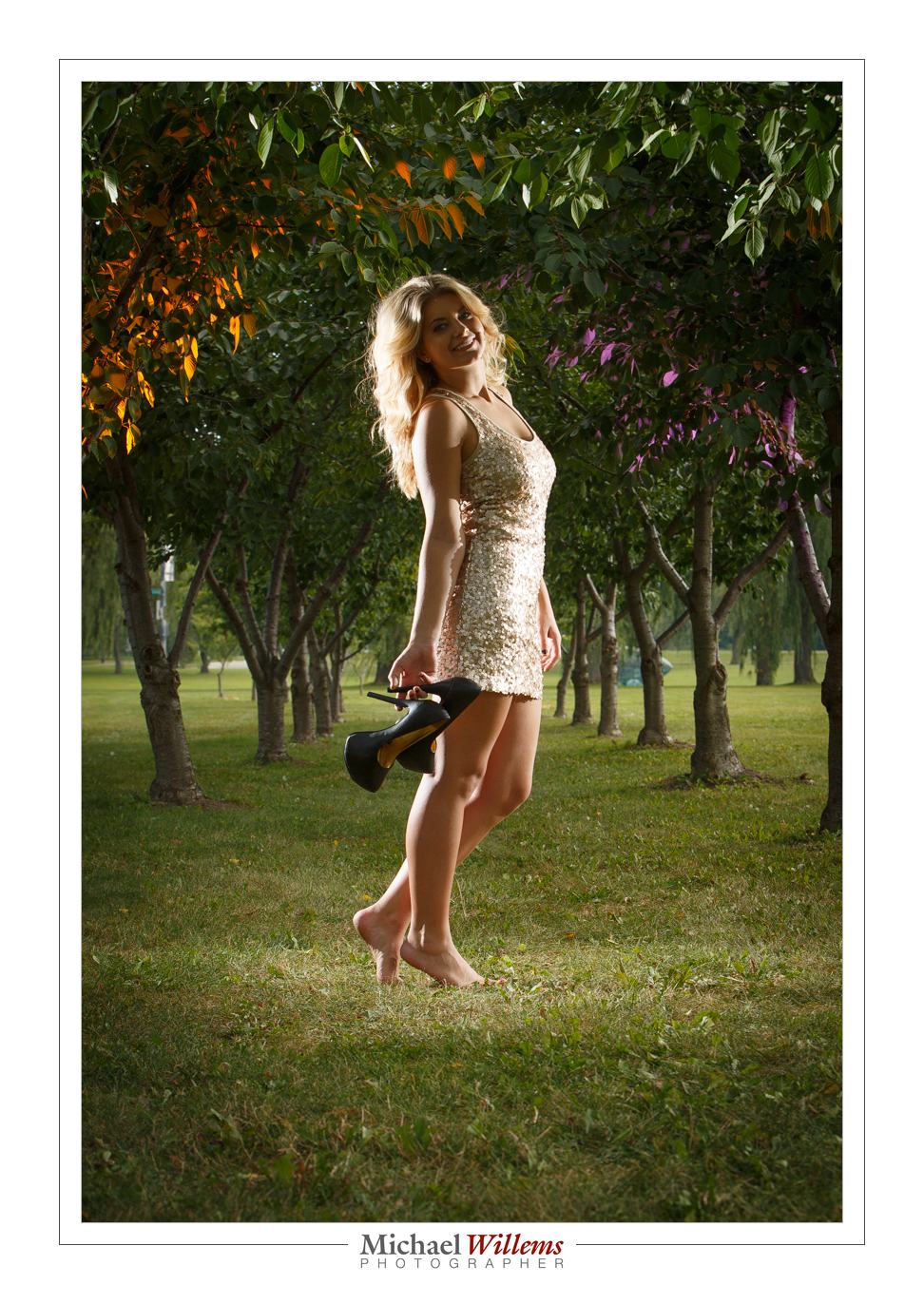
I have advised you here again and again to do a pullback shot every time you shoot. Like for yesterday’s picture:

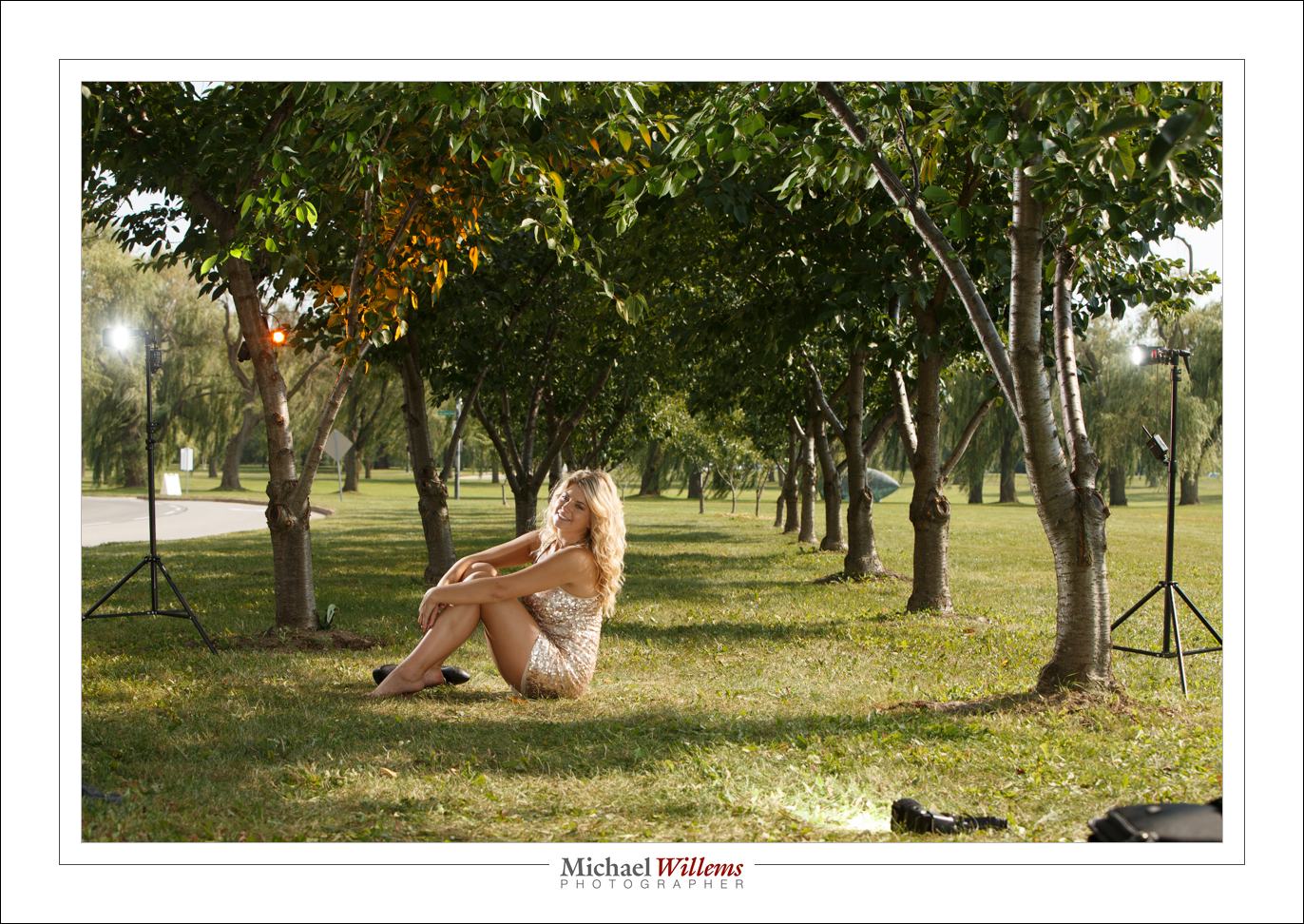
Here’s how I set it up:

As follows:

  1. One flash direct, on a light stand camera left, just behind model aiming at her.
  2. One flash direct, on a light stand camera right, just behind model aiming at her.
  3. One flash direct by my legs, on the ground, aiming at model
  4. One flash in tree left, clamped, with Egg Yolk Yellow Honl Photo gel
  5. One flash in tree right, clamped, with purple Honl Photo gel

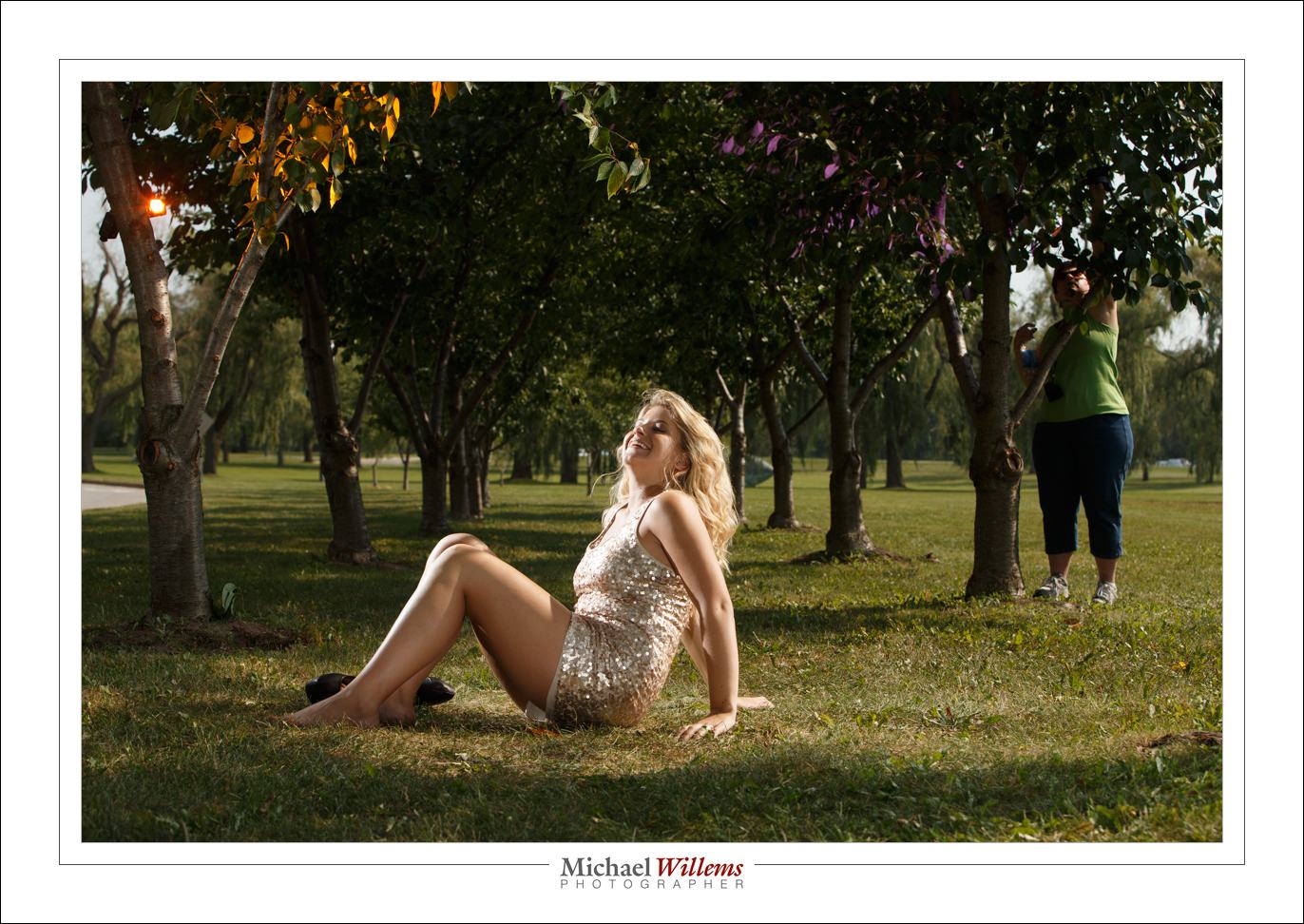
Yes, that purple flash is there – here’s Lori fixing it:

The point is that I would have forgotten the setup quickly if I had not had this pullback shot. With five speedlights, forgetting what was where is easy!


Light

My ex colleague Rob Corrado and I were talking yesterday, and we concluded that light is the distinguishing factor between pros and “Uncle Fred” (UF). And that is surely true: UF does not understand light.

But you do!

And it starts with taking away light. My tip for today: start with nothing. Then add light where you want it (ambient, or flash). As in the student picture from yesterday.

More later.

Hippie Chick and Death Star

From today’s NSI course:

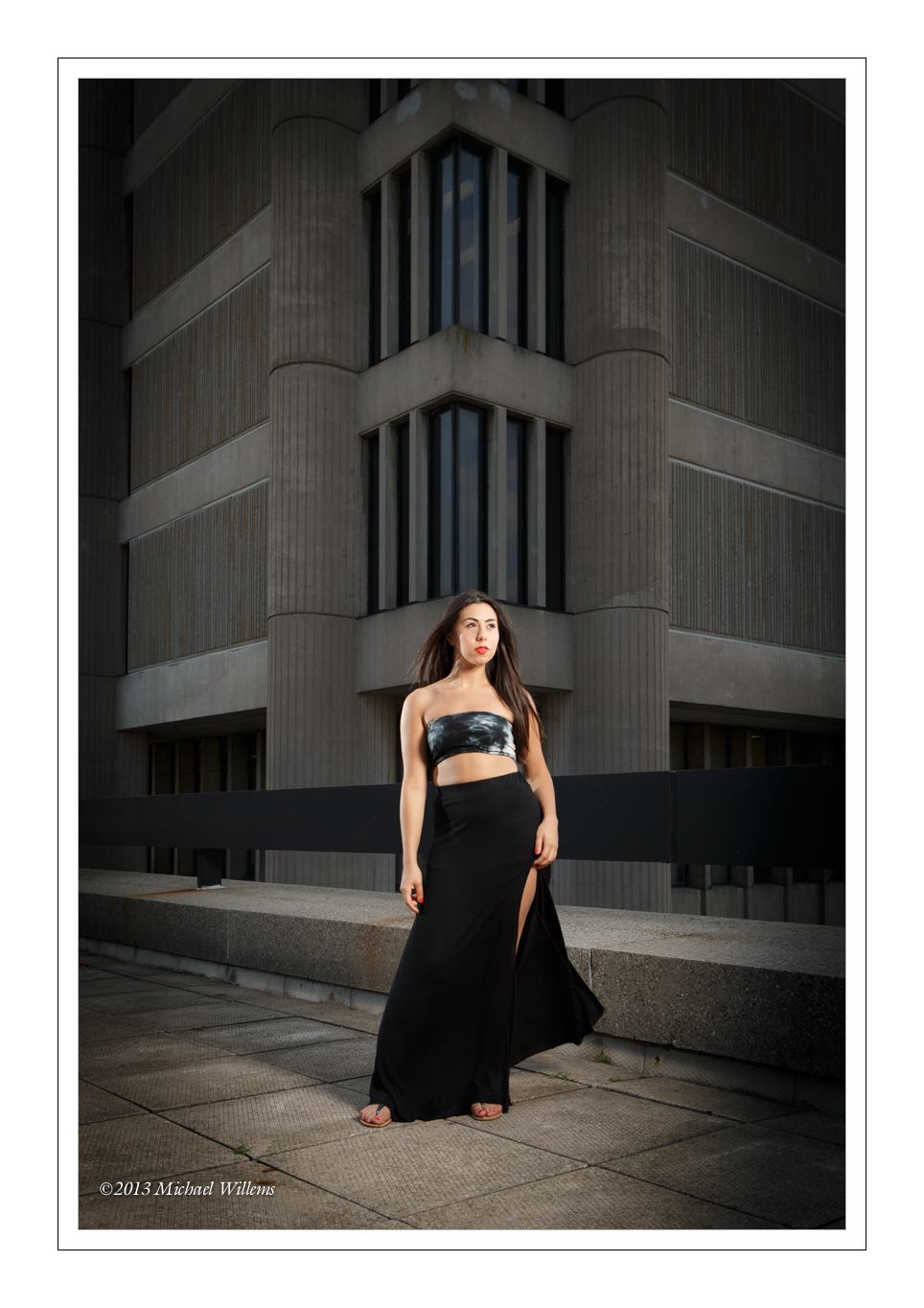
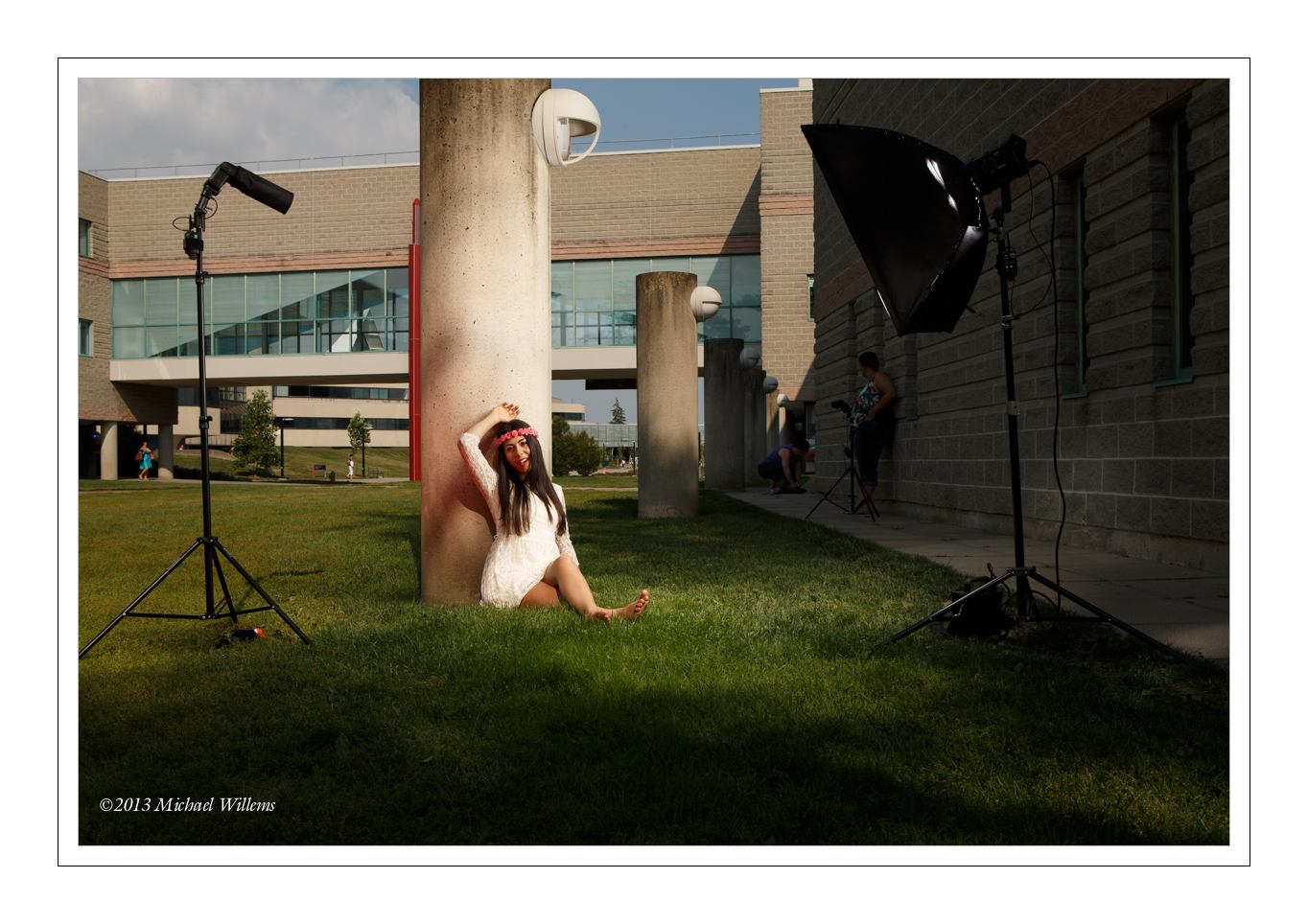
The pretty woman in front of the dystopian death star. The background underexposed by two stops, as usual.

This was done with a softbox on our right, and two more speedlights, on on the right and one on the left.

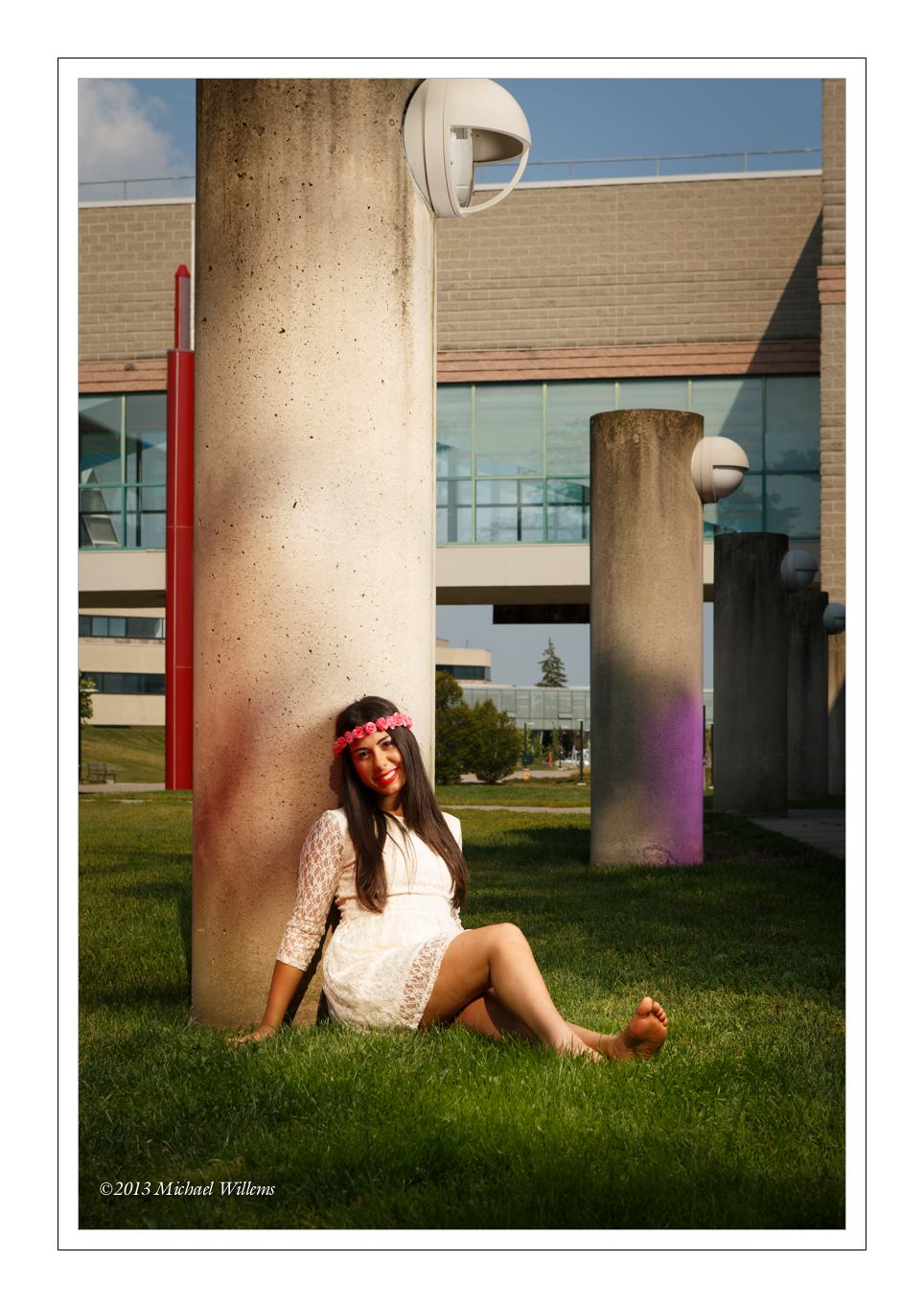
This was shot in a similar way:

The secret: underexpose the background by about two stops. 1/250th sec at 100 ISO at f/10; and then set the lights to give you those values.


Test Shot

I spent yesterday shooting portraits. And here is my test shot:

Why “a test shot”?

For outdoor portraits, I set up a single softbox. I check my ambient light and underexpose that slightly: I start with 100 ISO, 1/250th second, then see what aperture that needs. Then I set my flash to the desired brightness to give me that aperture.

But then I do one single test shot – that is all I need. I check:

  1. Is the background dark enough? (*)
  2. Is the foreground bright enough? (*)
  3. Do I see a catch light?
  4. Are glasses free of reflections?
  5. Are the shadows in the right places?

(*) I judge this by means of using a Hood Loupe, and/or using the histogram, and the “blinkies”. Not just visual inspection of the rear LCD in bright sunlight!

Of course here since I am holding the camera and a pocketwizard, my expression and the composition are not quite right, but that is not the point. The light is right.

And provided I do the setup right, one test shot is all I need.

Come to NSI to learn more – Sunday-Thursday next week!


Light it up.

A reminder:

Bright pixels are sharp pixels.

But they are also pixels without a lot of detail. And where do we not want such detail? Skin, and other surfaces where detail means bad things like pores and wrinkles.

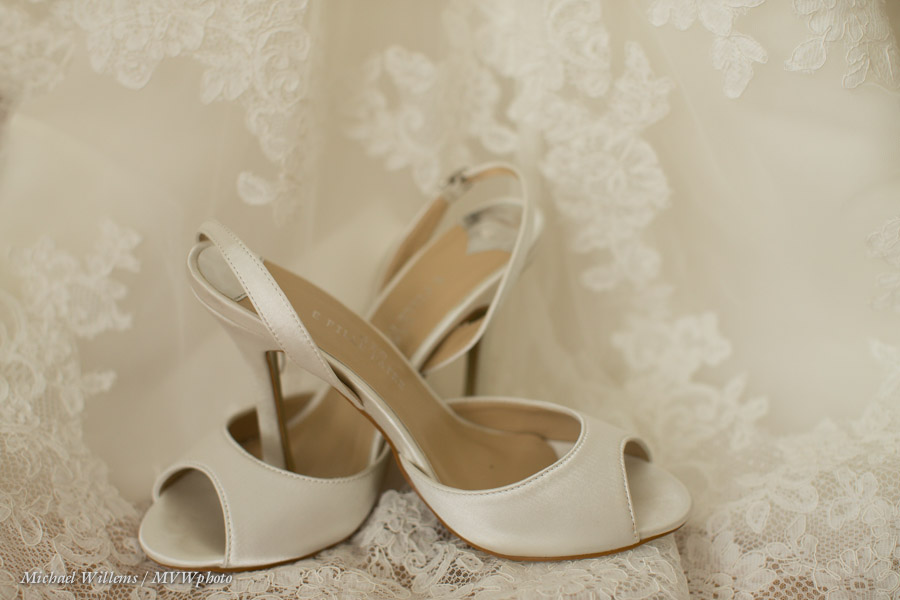
Arguably, also here:

And now we will add an extra couple of stops. All detail will now go to the top of the image in terms of RGB colours. That means that if in the previous picture the darker detail takes half the colour space, say, then here it takes one eighth. Less distraction from the shoes, which are the subject.

The second picture is also better because it is more true to life: it was bright, But my reflective light meter gets that wrong, of course: it does not know I am shooting a white dress. So I need to help it along.

Summarizing:

I expose highly and brightly:

  1. When the subject is bright.
  2. When I want the subject sharp and crisp.
  3. When I need to reduce detail, as in bad skin, say.


In pictures like this I am looking for just a little bit of “the blinkies”, and a histogram to the right. Done!


Photon Epiphany

It is an epiphany for a photographer when he or she starts noticing the light. And in particular:

Primary questions:

  • What is the light? One source or multiple sources?
  • Which direction or directions is the light coming from?

Secondary questions:

  • What colour or colours?
  • How hard or soft?

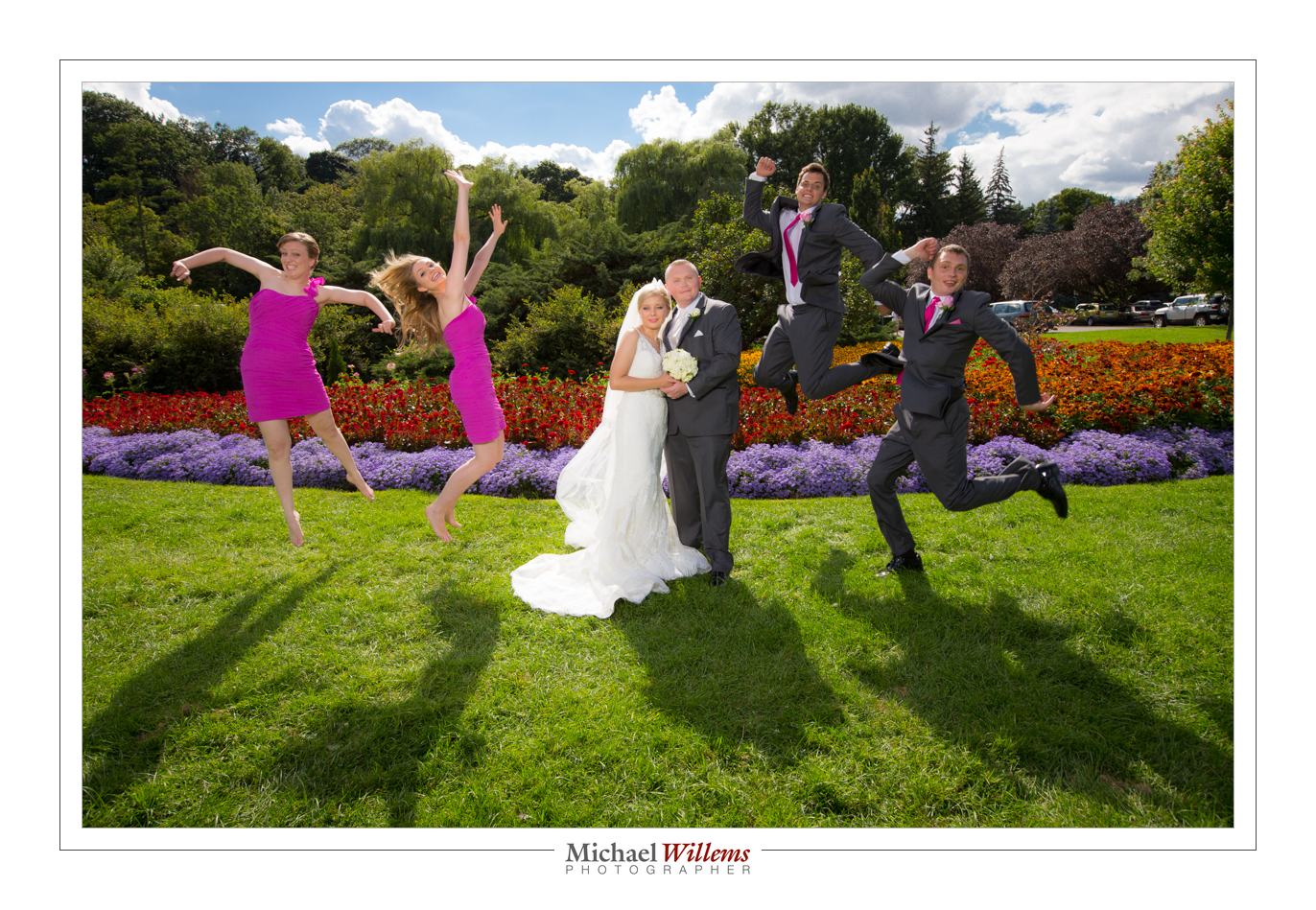
Look at this picture of Saturday’s wedding:

I did the following:

Look for the flowers. Decide to aim the subjects away from the sun; for three reasons:

  1. You get a nice hair light.
  2. They do not squint.
  3. You get great shadows in front of the subjects!

Of course the subjects would now be dark, what with the sun behind them. So I would need a heck of a large reflector – or, as was the case here, a strobe with an umbrella, fired with a pocketwizard. I only had one strobe available (don’t ask: shortage of pocketwizard-strobe cables), but one strobe was enough.

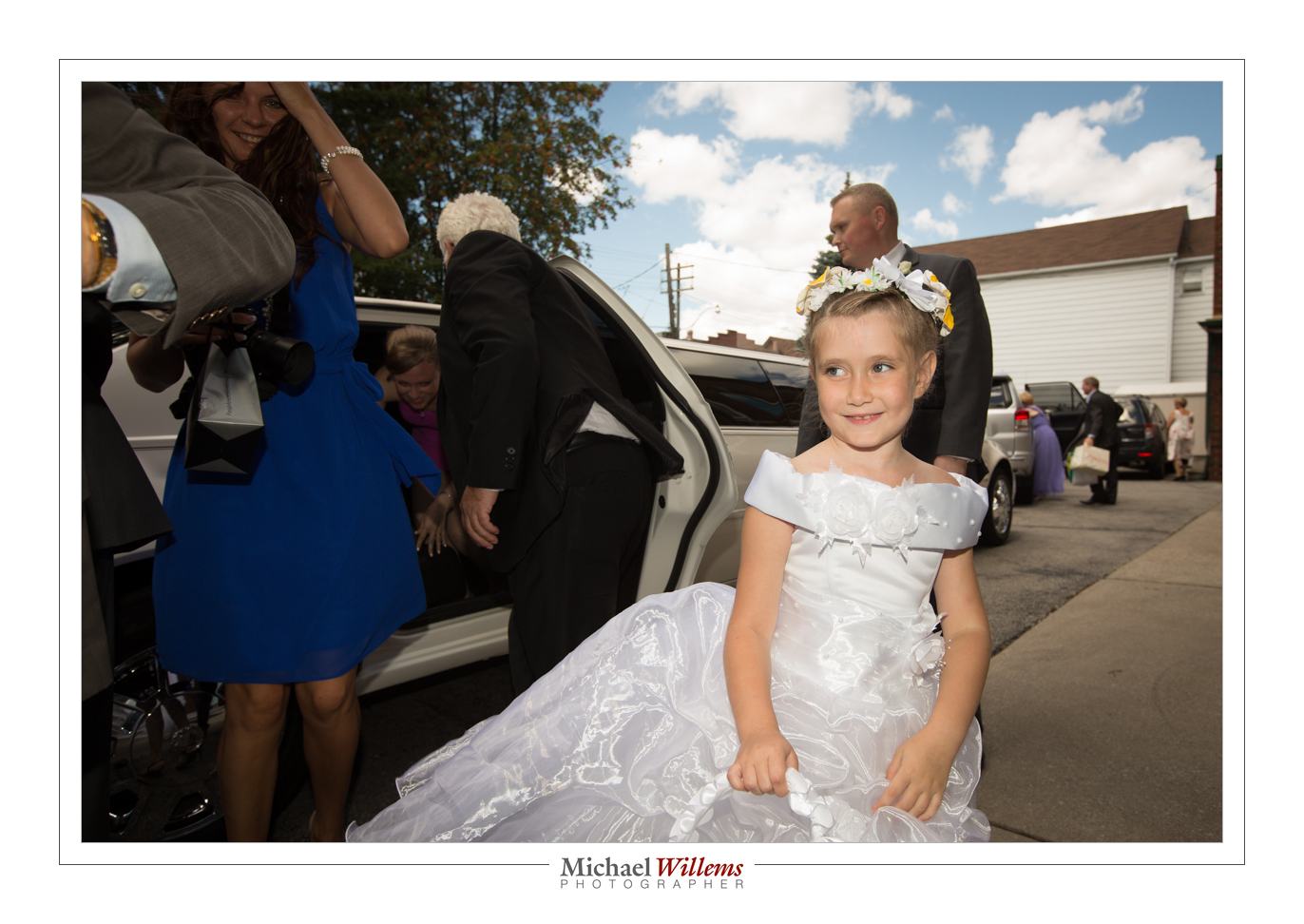
Light is fun, as yesterday’s photo of the little girl also shows, right? My tip today: Always, always try to see where the light is.


Outside Fill Flash

Look at me, yesterday, taking a picture of the flower-girl at Halyna and Vitali’s wedding in Toronto:

You see that in spite of it being bright daylight (1pm on a sunny summer day), I have my flash aimed at the girl. And you see I am getting down to child level. And here is that picture, taken the very same second:

The look is defined by me:

  • Underexposing the picture a little; the ambient part, that is, to bring out the colour in the sky. Look at the pavement to see how much darker I made my ambient (about two stops).
  • Using a wide angle lens (16-35 on a full frame camera).
  • Getting down to the ground.
  • Using the rule of thirds.

Flash outdoors, then. But because I used the flash to enable me to darken the ambient by a couple of stops, it is more than fill flash.

Indoors, on the other hand, I used no flash yesterday, not at all, in the house or church. Unlike me, but the results were good:

Instead, I used a higher ISO and a prime lens, almost wide open (like at f/2 – f/2.8). It’s all what’s needed: no dogma!


Silence In The Studio!

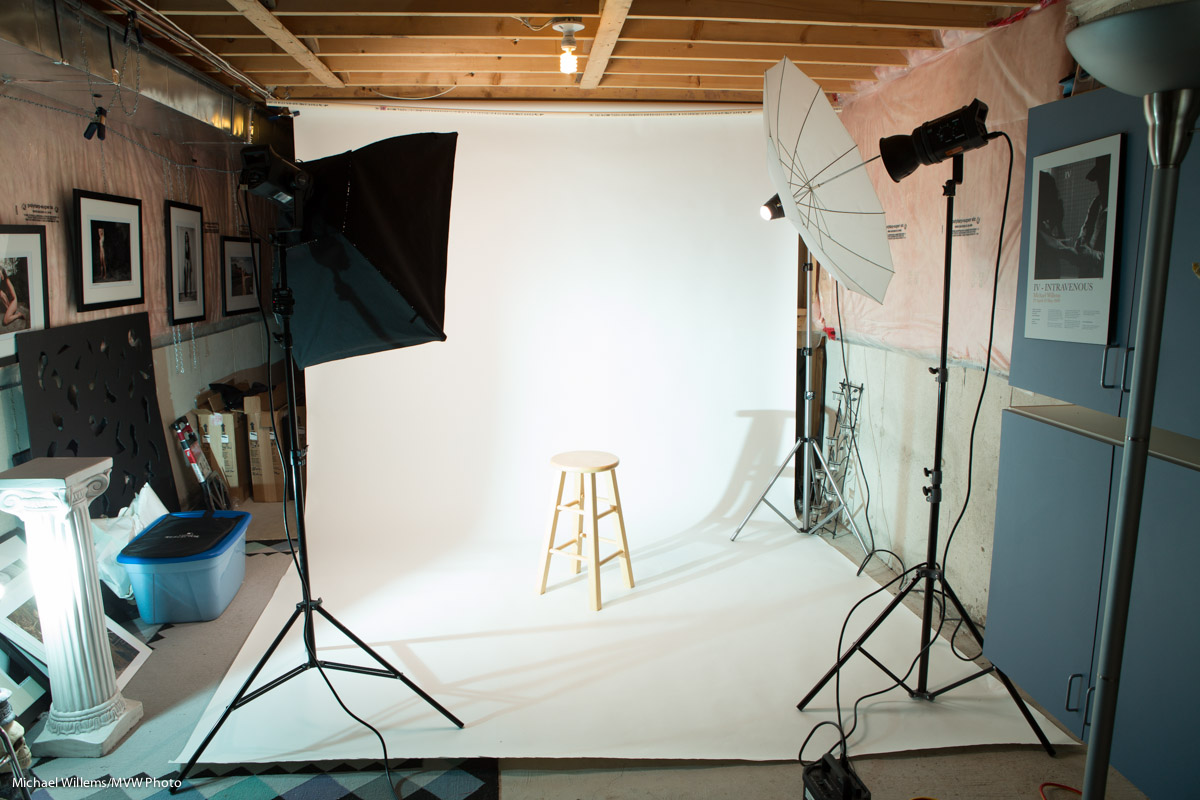
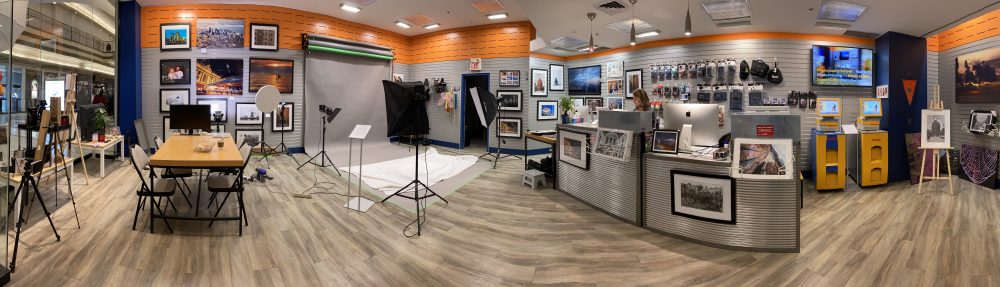
And here is my own studio:

That consists of:

  1. A backdrop stand with a white paper roll (other colours also).
  2. A main light with a softbox (on a light stand).
  3. A fill light with an umbrella (on a light stand).
  4. A hair light with a snoot (on a light stand).
  5. A background light with a grid and yellow gel (in this case, a speedlight on a clamp).

Other necessities include:

  1. Pocketwizards to fire the first flash and the speedlight (the rest can use the built-in “cell”).
  2. A stool.
  3. Music (so not “silence in the studio”!).
  4. Lots of props.
  5. Lots of extras lights and modifiers.

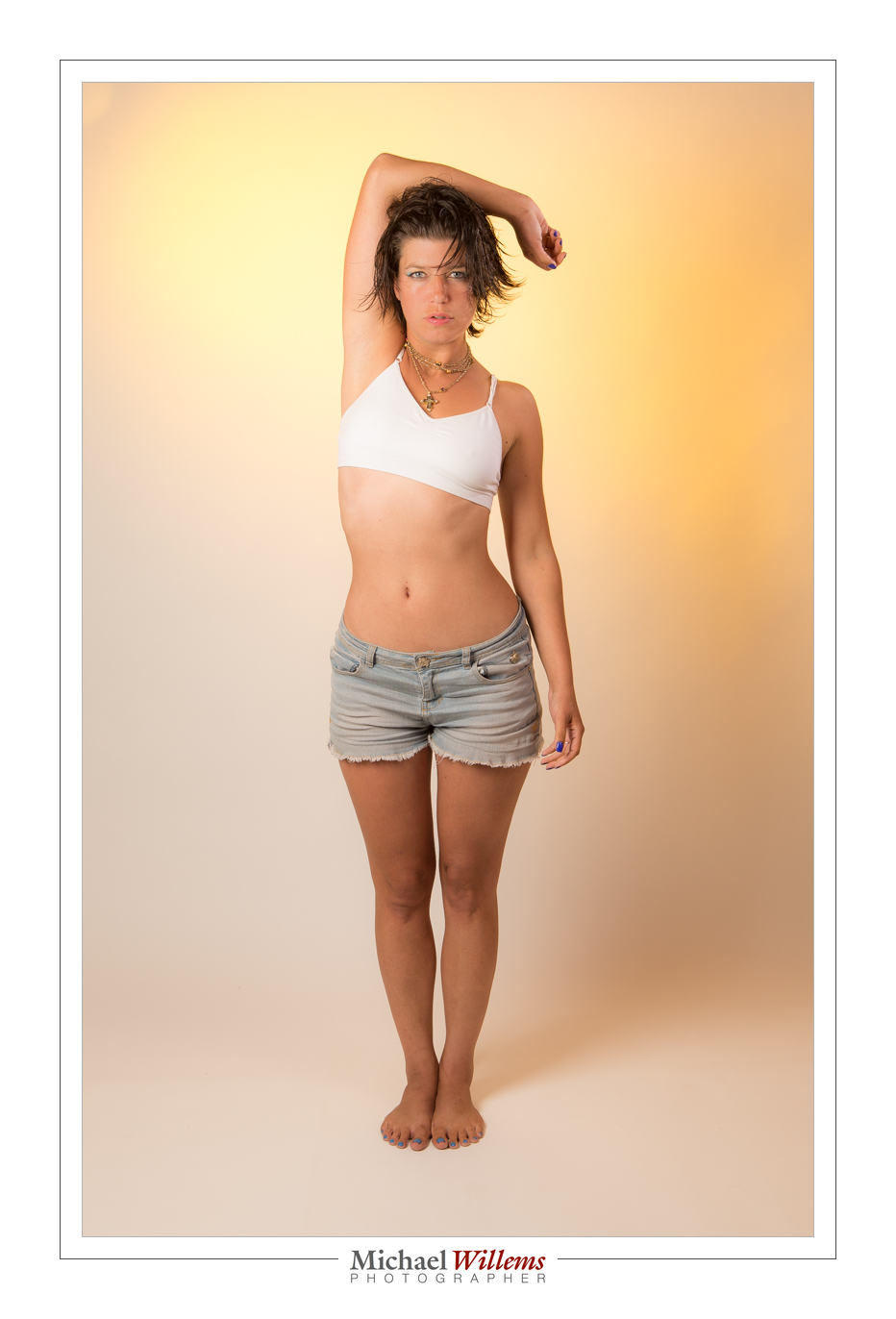
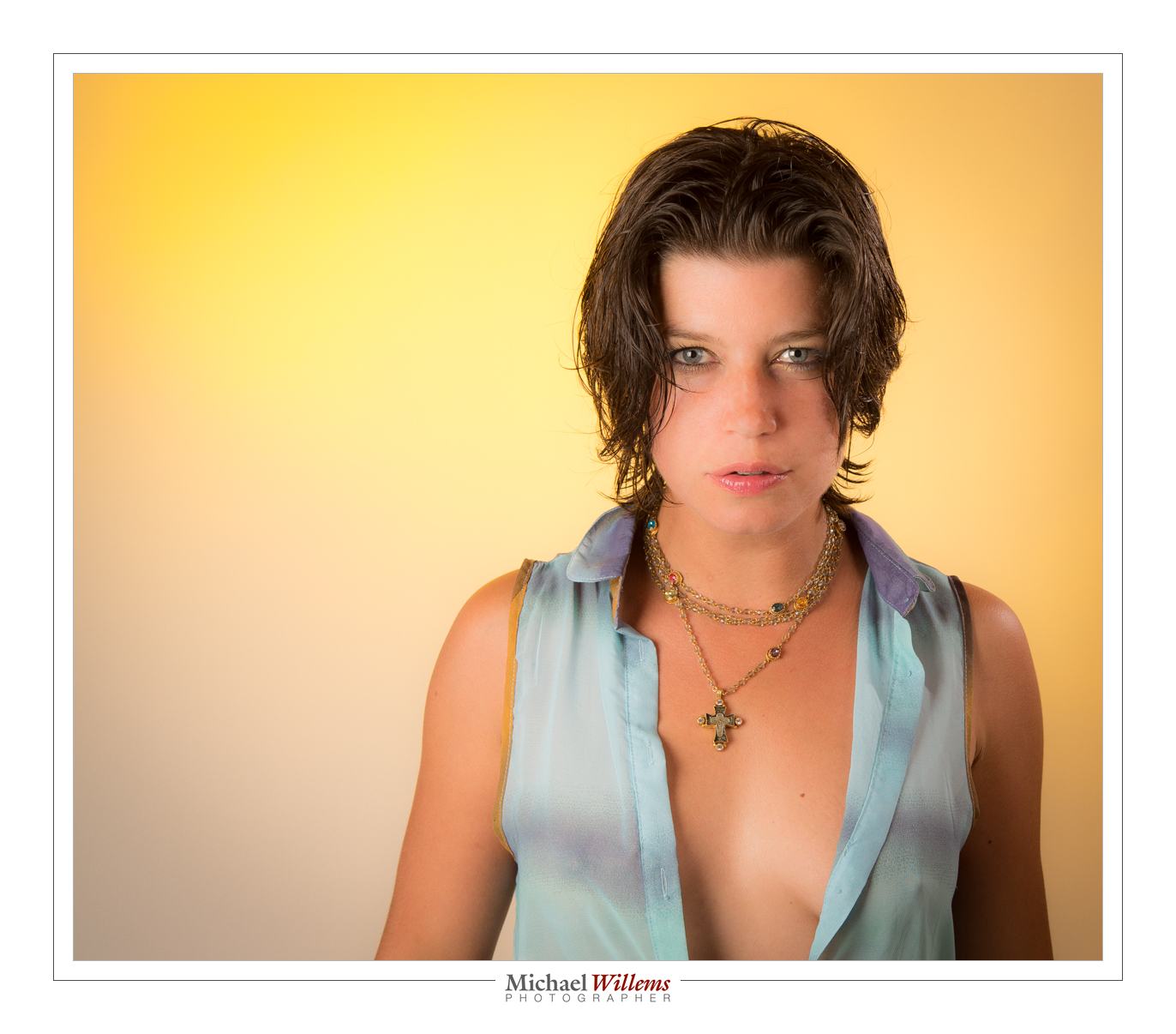
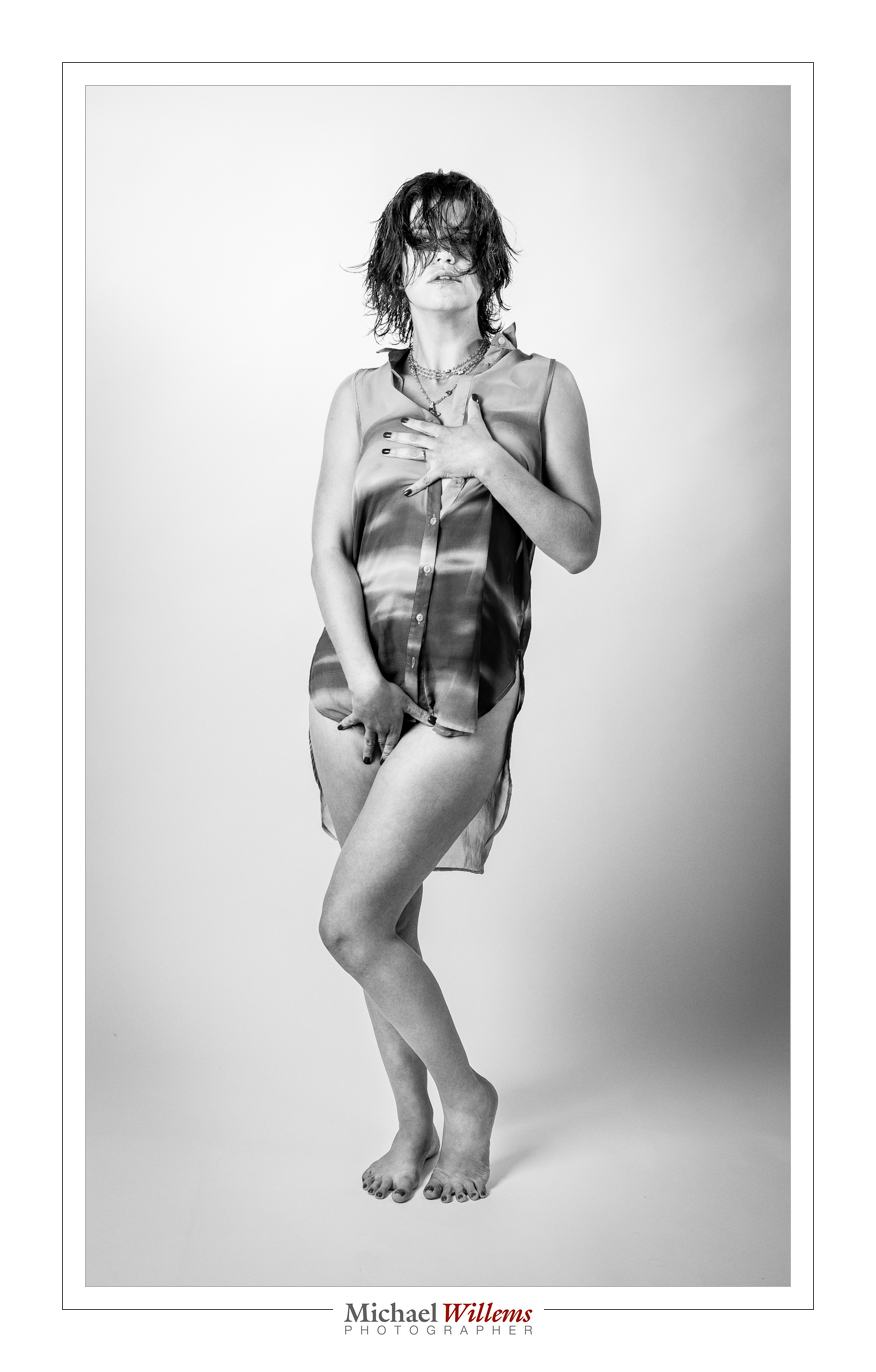
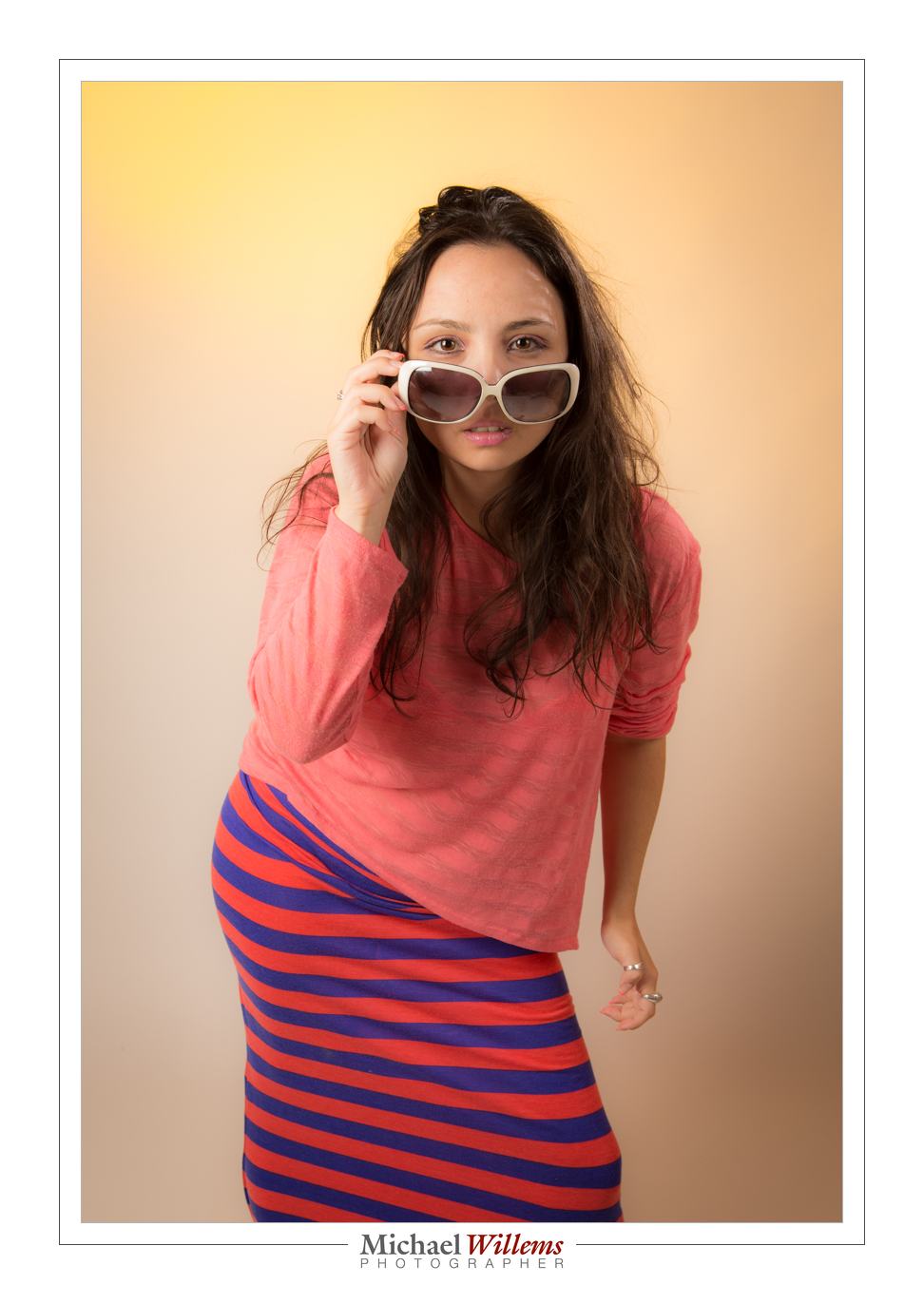
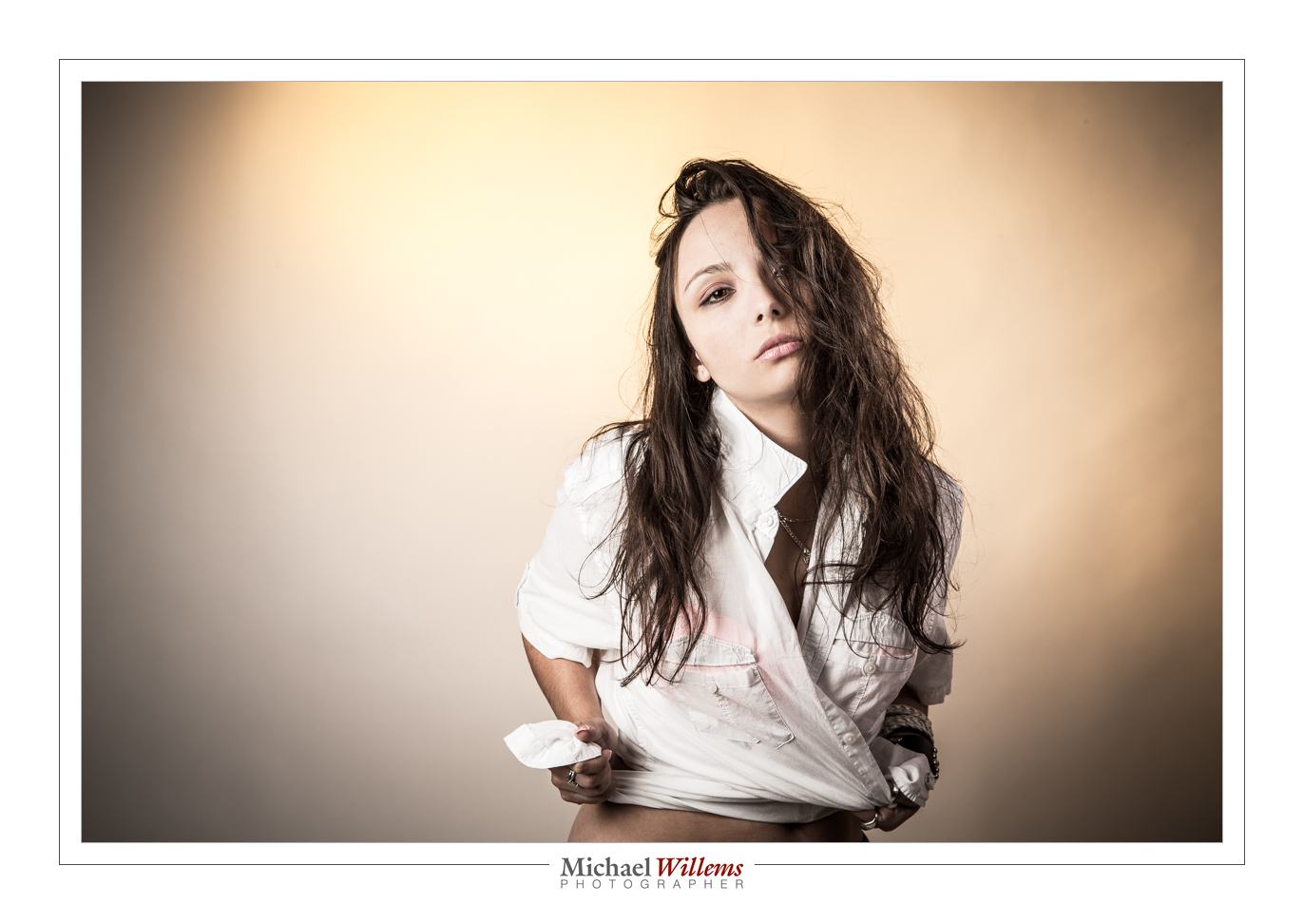
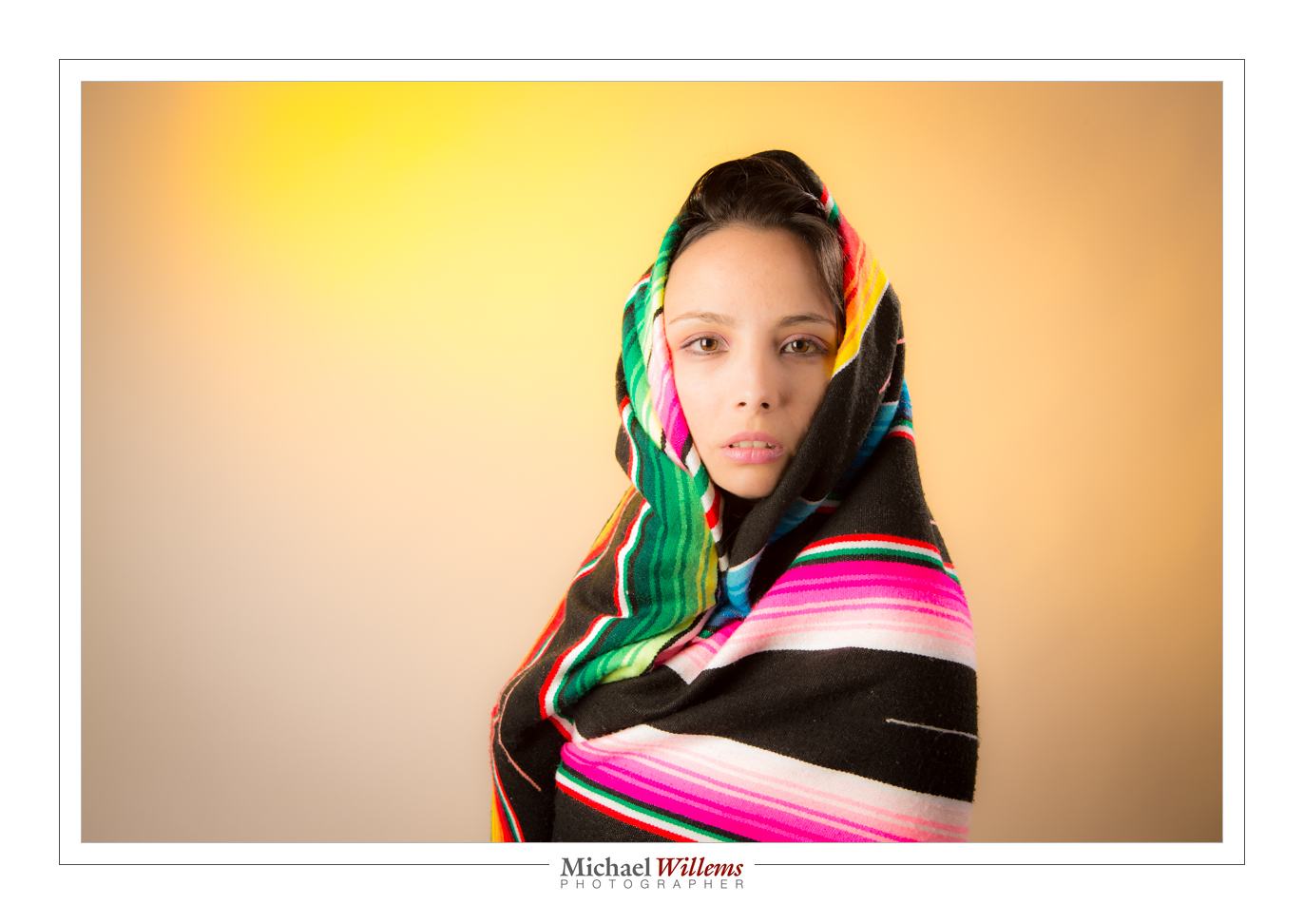
I used three strobes and one speedlight in the shoot a couple of days ago. That setup pictured above gave me shots like these:

Where it is easy to enhance the saturation of yellow (and to go horizontal if you wish):

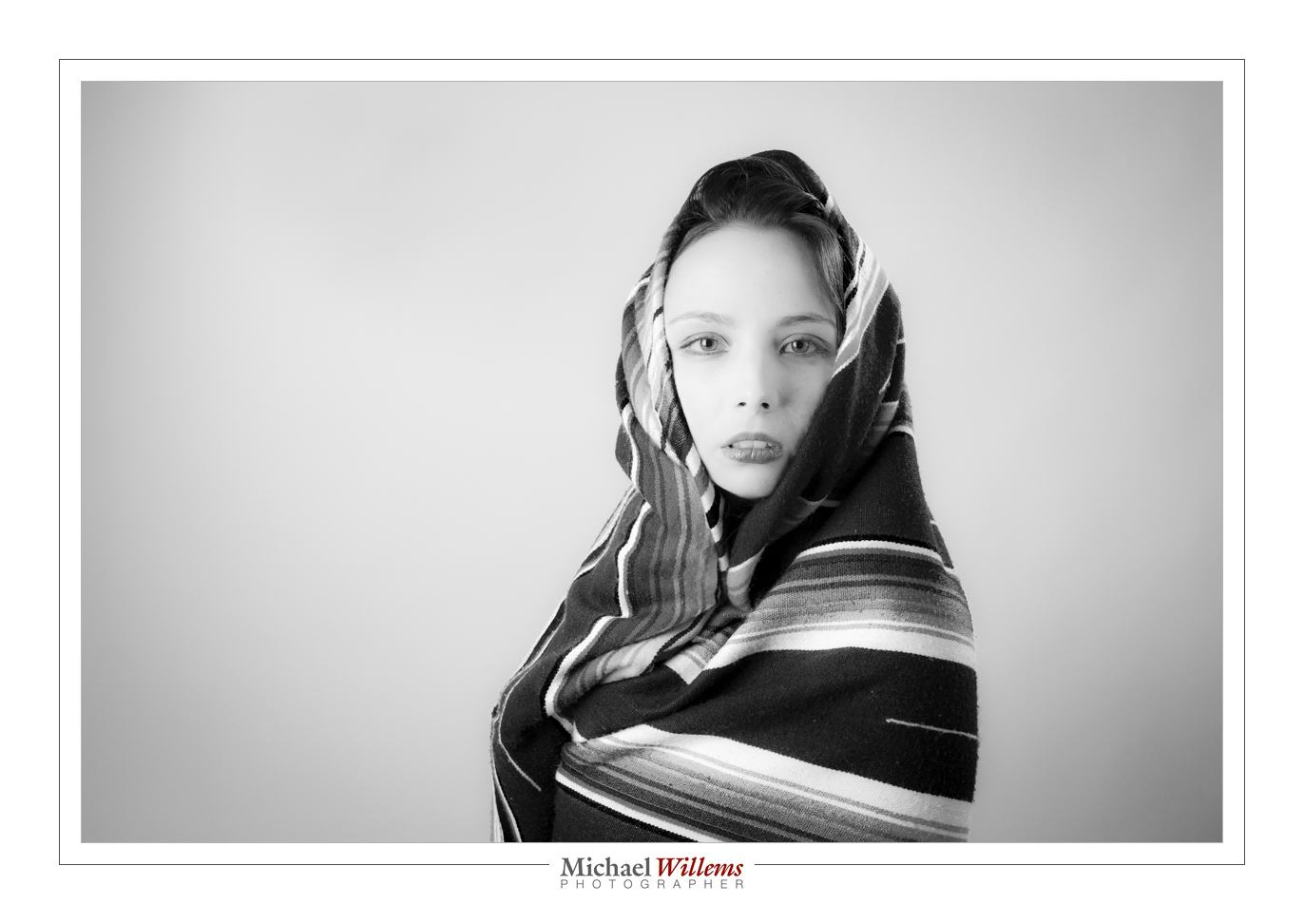
Or indeed to go back to black (and white), where it’s all about the shadows:

You can use the colours you shot:

Or you can go “desaturated”:

This shot, at first, seems to shout for colour:

But the same shot in B/W gives you new possibilities – e.g. to darken the lips a little and make the face stand out extra pale and beautiful:

What I like about studio shooting is that exposure is always perfect, provided you meter or guess it right in the first shot, and further, that you have control over everything. And that means you can now concentrate on expressions and ideas, not just on aperture and shutter settings.

PS: those of you who are in LinkedIn and do not yet have a headshot: contact me and have me make one. To be taken seriously, you need a headshot, and I mean need. No blanks, and no snapshots – those are two deadly sins.

___

I recommend you learn studio-style shooting and those of you who come spend the days with me at Niagara School of Imaging will learn all this, as will those who come to me for private or planned training (as in, Sheridan College Oakville starting in September).