From last week’s lifestyle/Tiki Bar shoot:
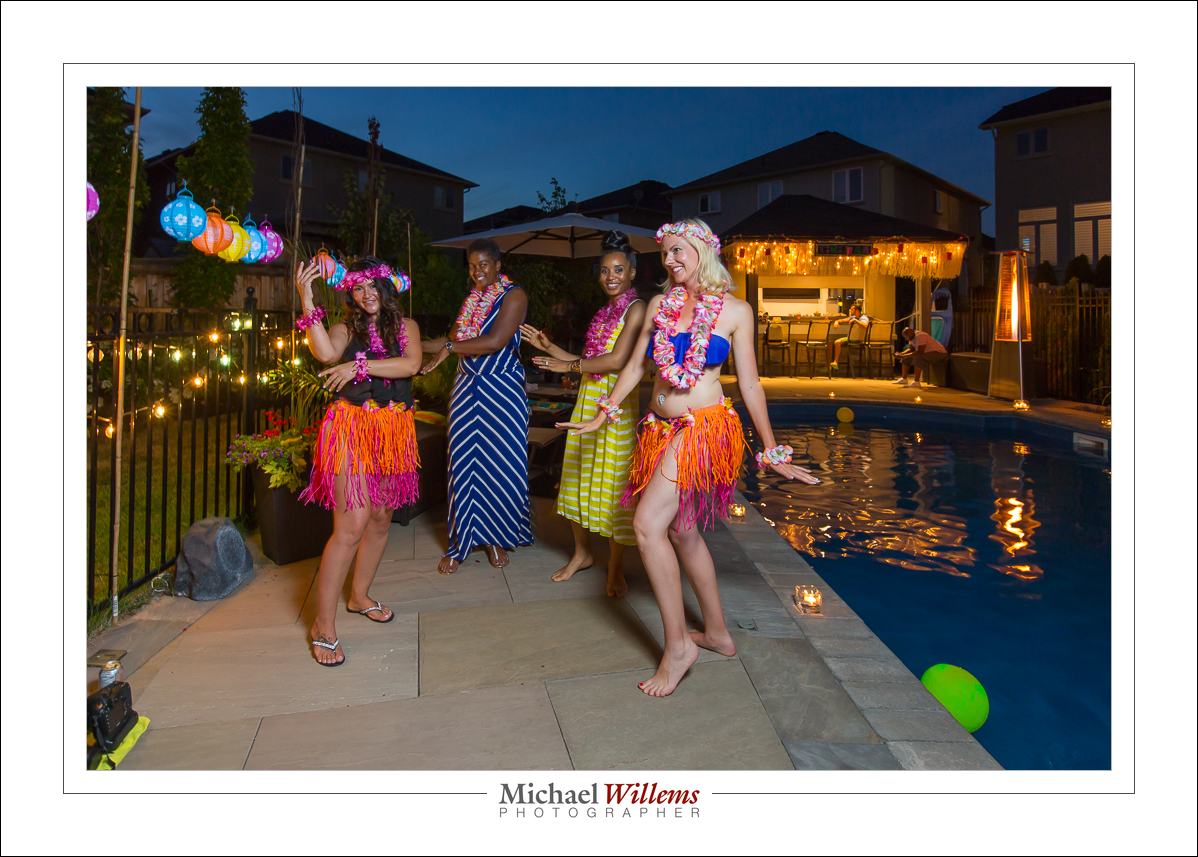
I did everything in the shoot with one off-camera flash in an umbrella. That was it!
And Friday, the big move.
From last week’s lifestyle/Tiki Bar shoot:
I did everything in the shoot with one off-camera flash in an umbrella. That was it!
And Friday, the big move.
A lifestyle shoot like the one the other day involves many aspects of photography. Firstly, the images need to be good technically. But they also need to tell stories, and more particularly: they need to force the viewer to complete the story in his or her mind.
Here, I used side lighting to add interest:
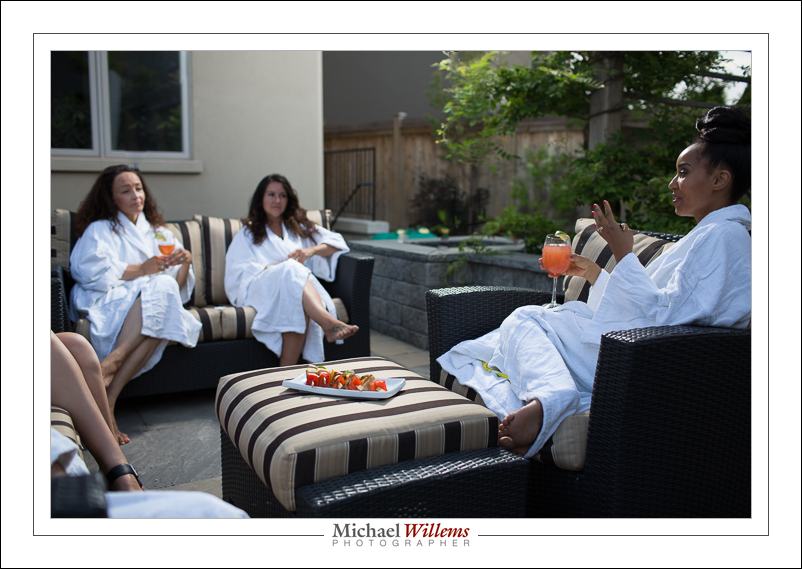
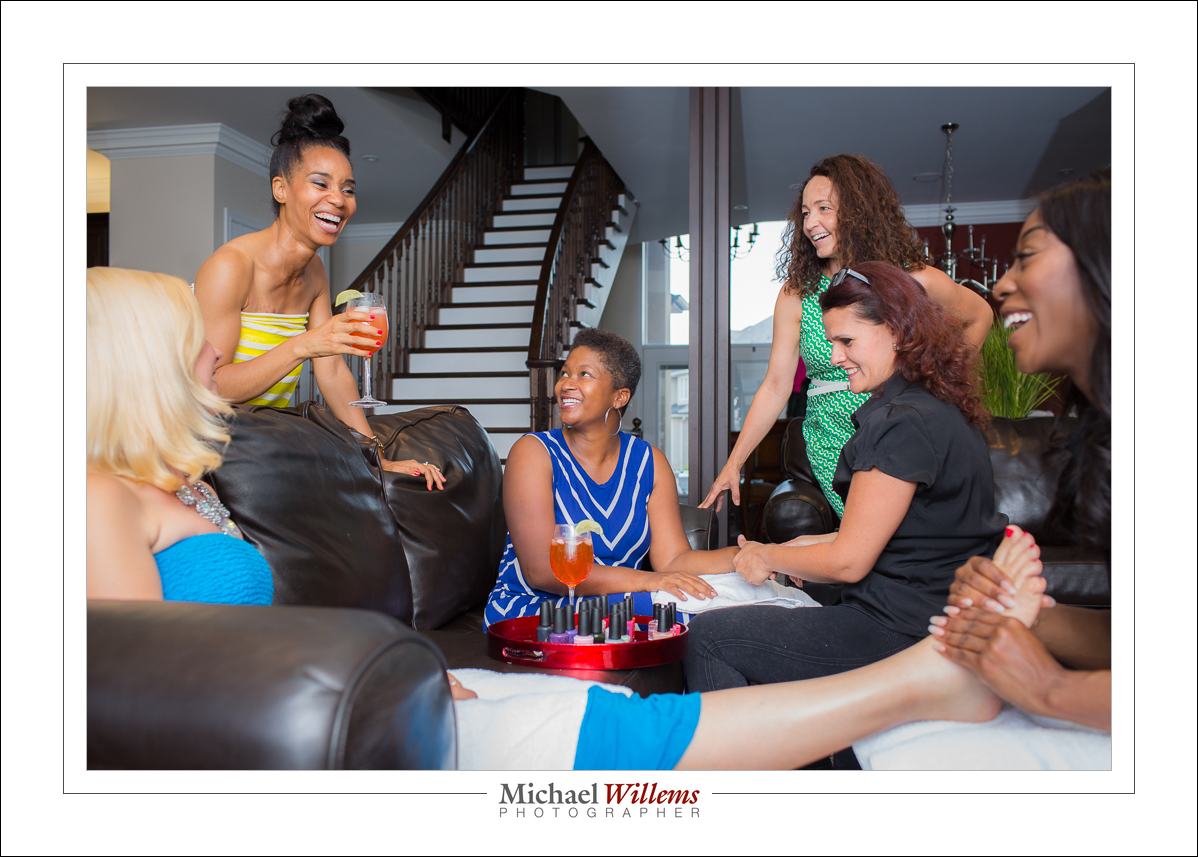
And this is a typical storytelling image:
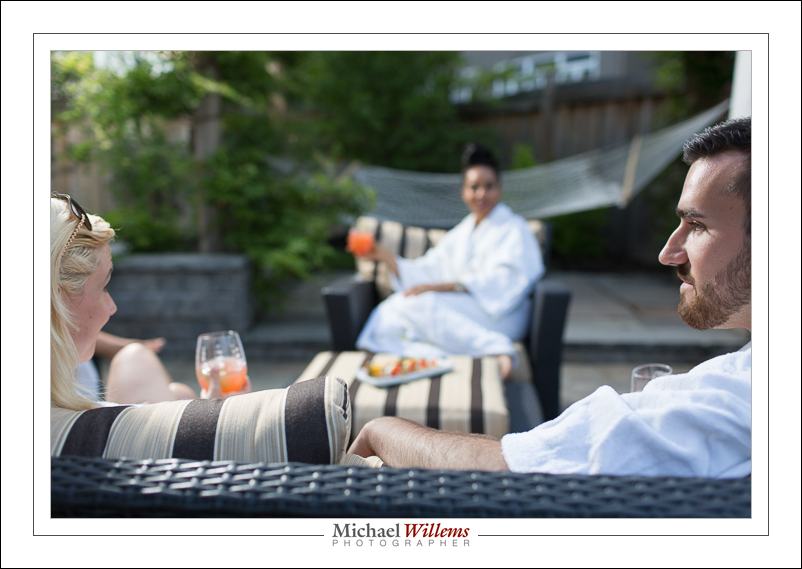
If you analyze carefully where your eyes go, you will see it is to the man’s face, then to the woman he is talking to, and you then realize they are all smiling; then you take in the rest of the detail, including the drinks.
Drinks are the focus here:
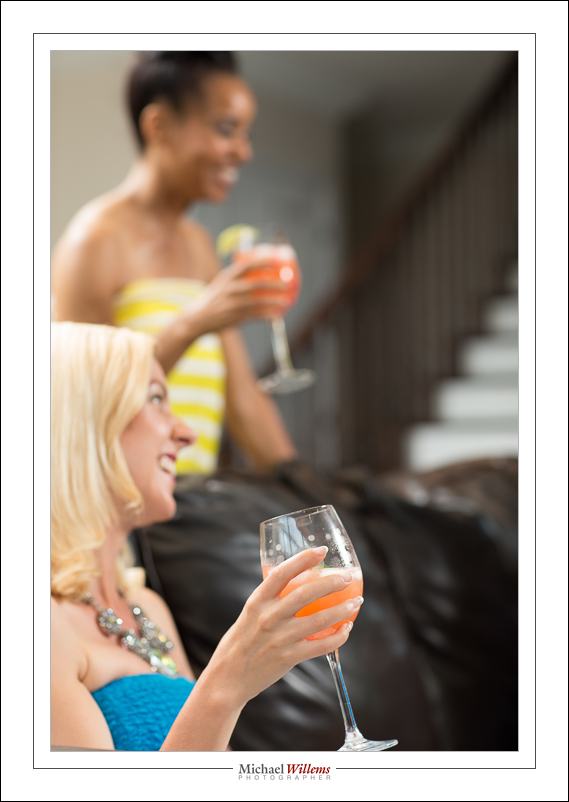
But again, the story is about the relationship between the people and whoever they are looking at. The models, who included professional actors, were excellent.
So yesterday was a lifestyle shoot. That means…
Happy:
Colourful:
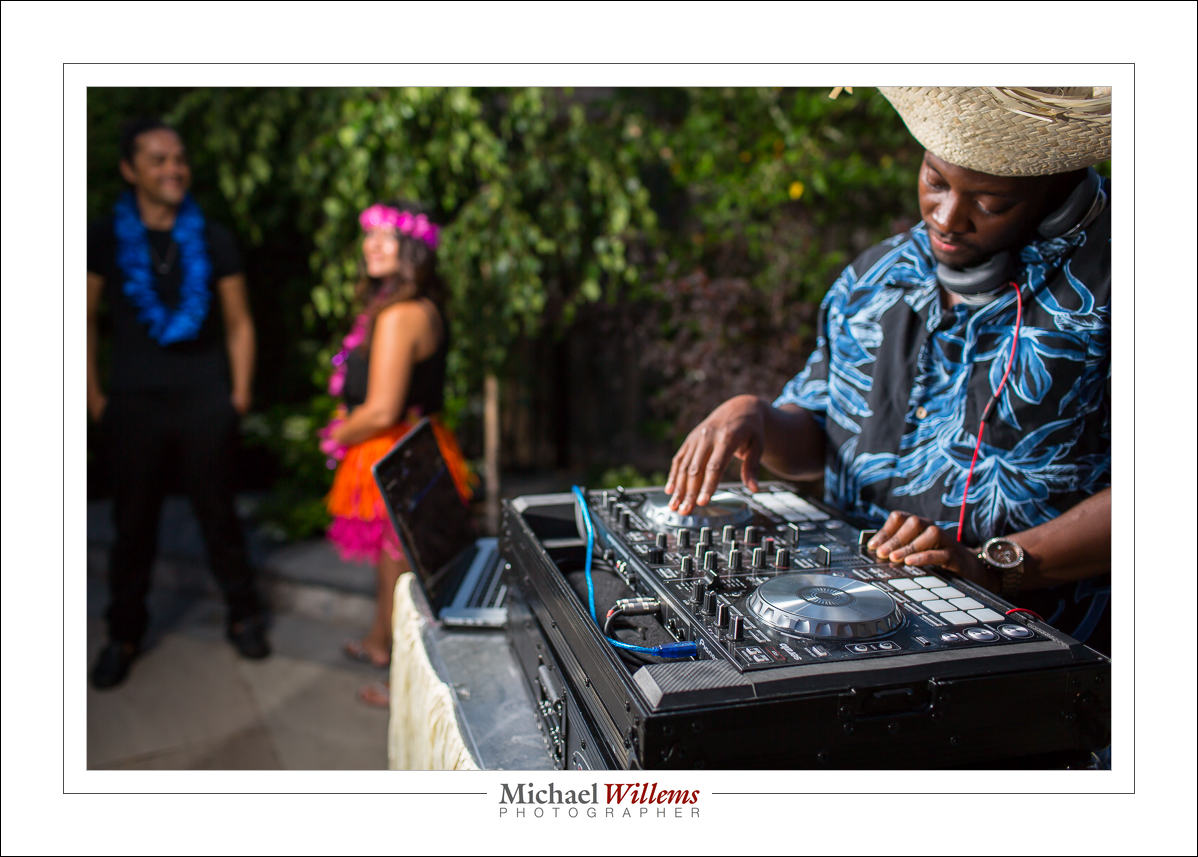
Musical:

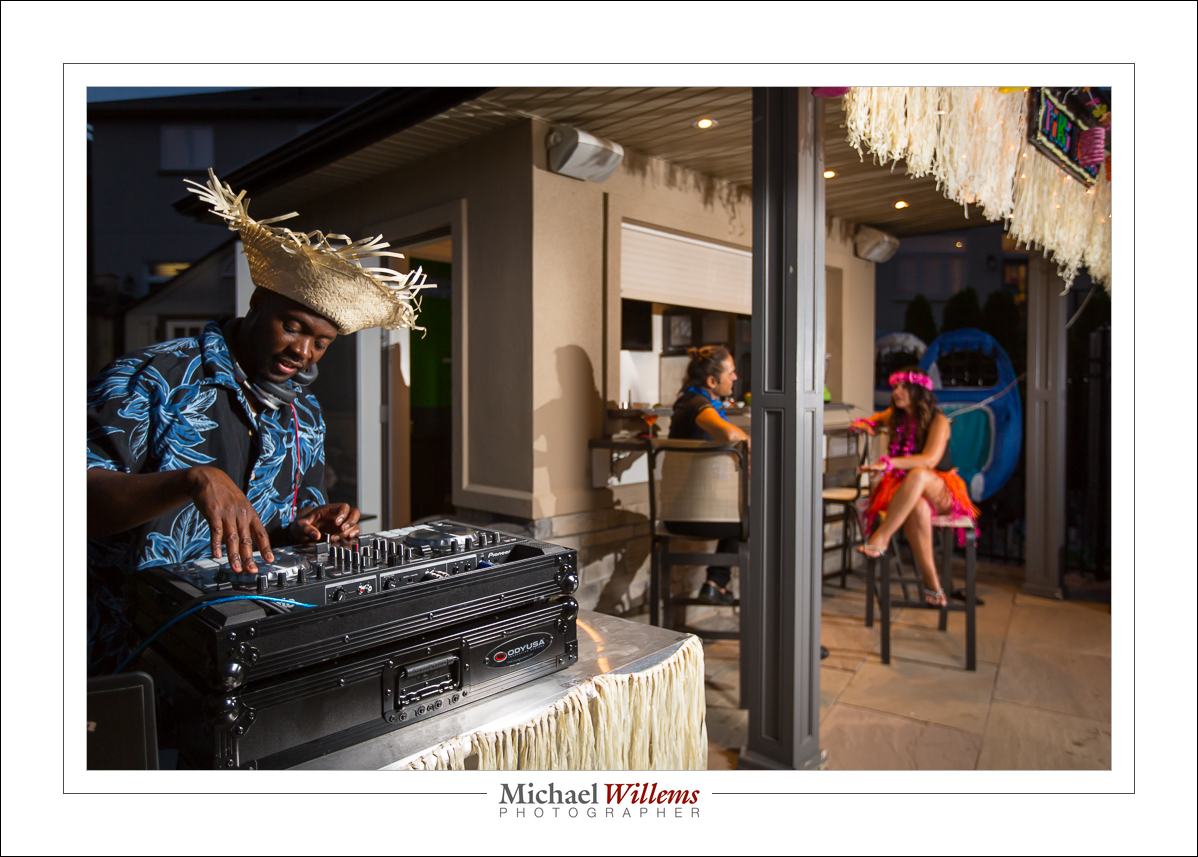
…Hawaii-themed:
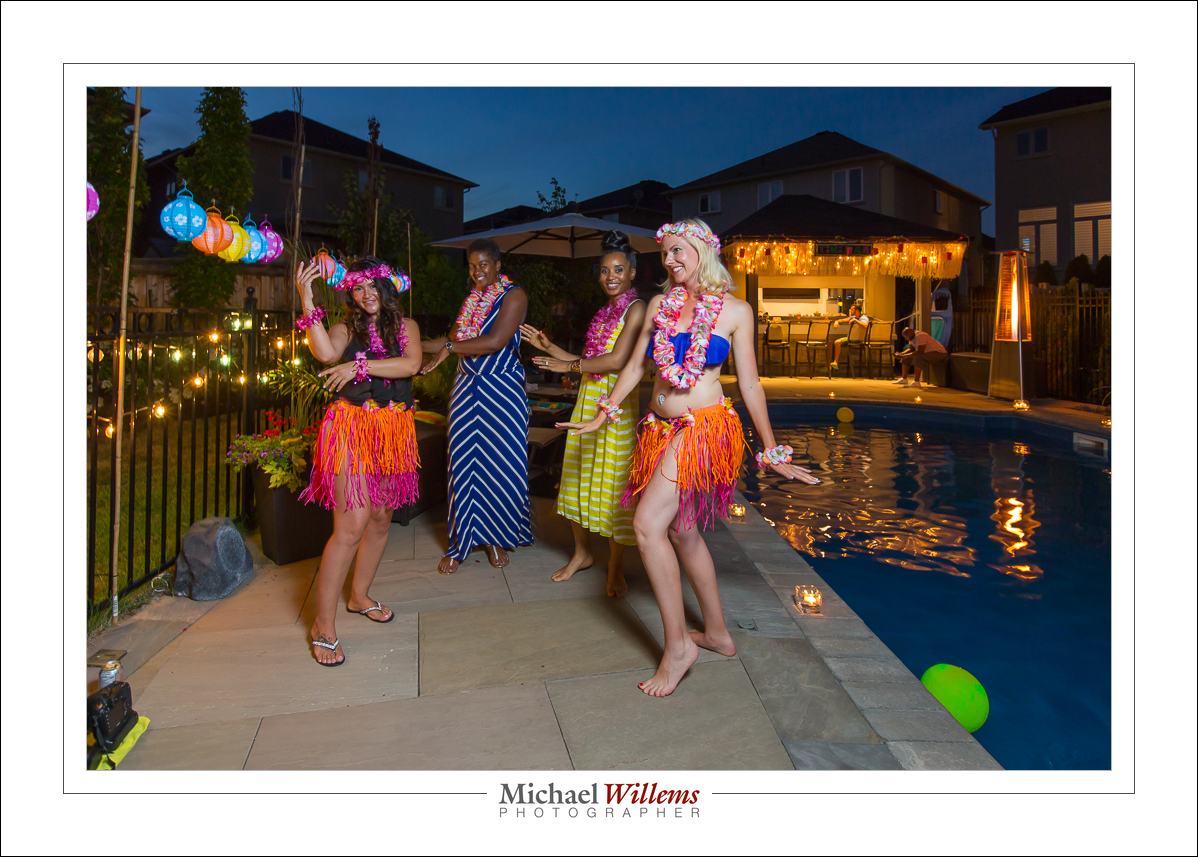
It also needs careful lighting: yesterday for me was about composition and light. Two speedlights, one in an umbrella, that’s all I used. Everything in manual; flashes operated by pocketwizards. And careful balancing of foreground and background light. And saturated colours as a result.
A shoot like that also needs design, storyboarding, props, models, and timing. Everything is designed. And a photographer who knows what is required. I can shoot in any style required, and for this style, colour is the big requirement: colour and happiness and interaction, communication, “party”. It’s great when everything comes together, and yesterday’s shoot, for a mobile spa, was one of those.
Feelings. Mood. That’s what we are all about, and that’s what series of photographs can also be all about. Like these, from a theme shoot on Saturday: can you tell what mood they portray?
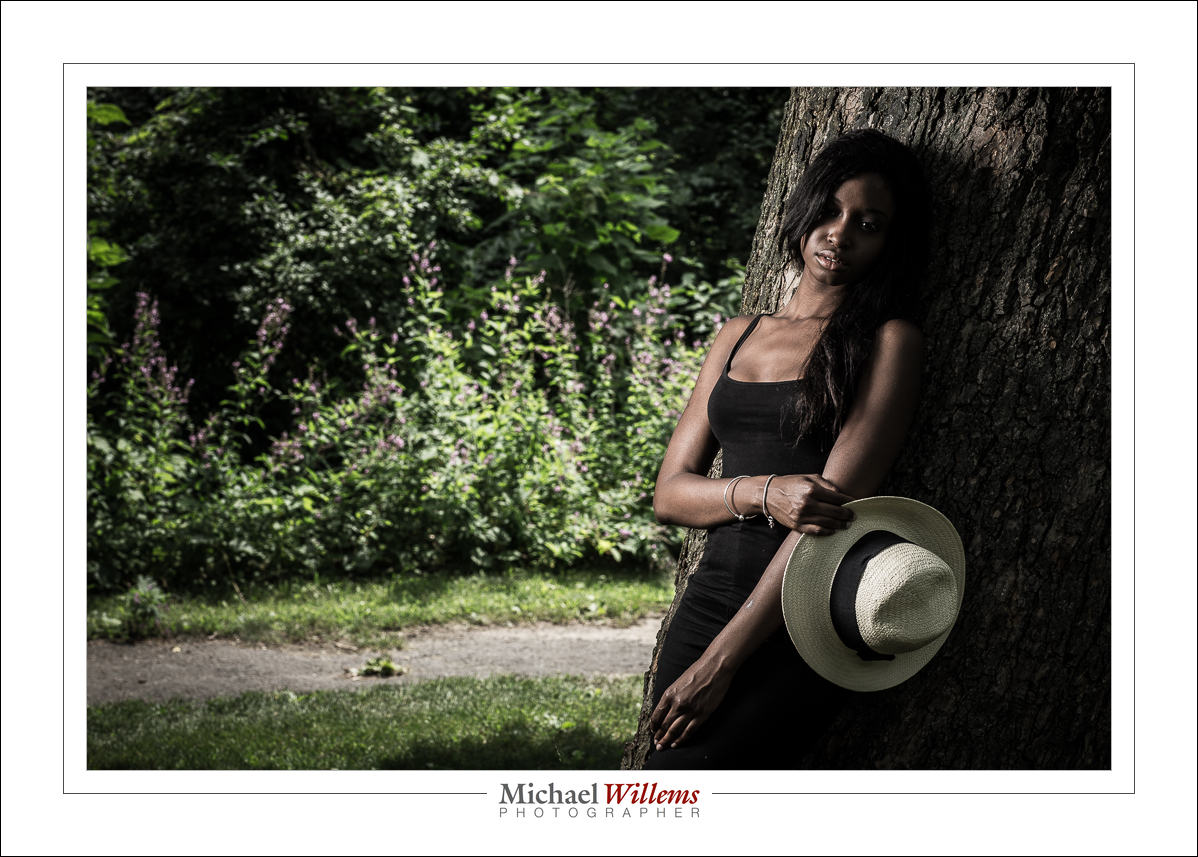
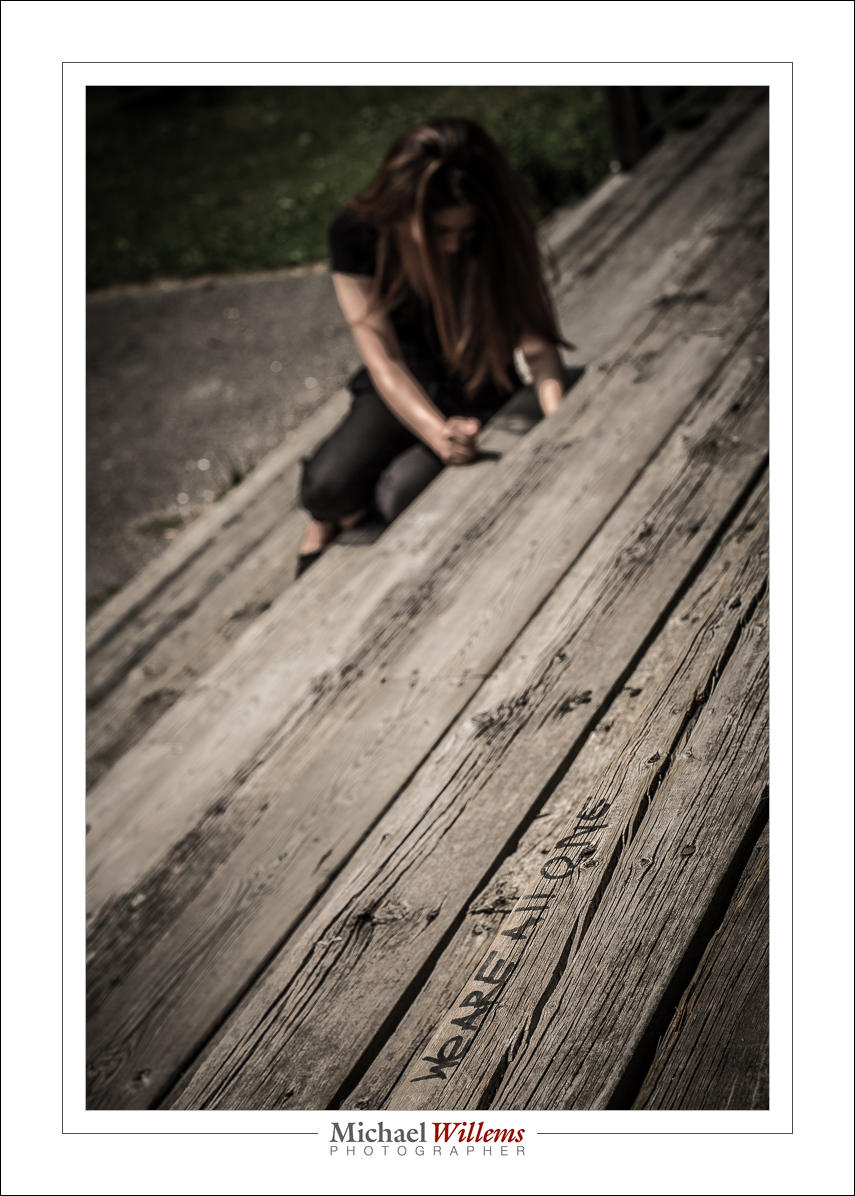
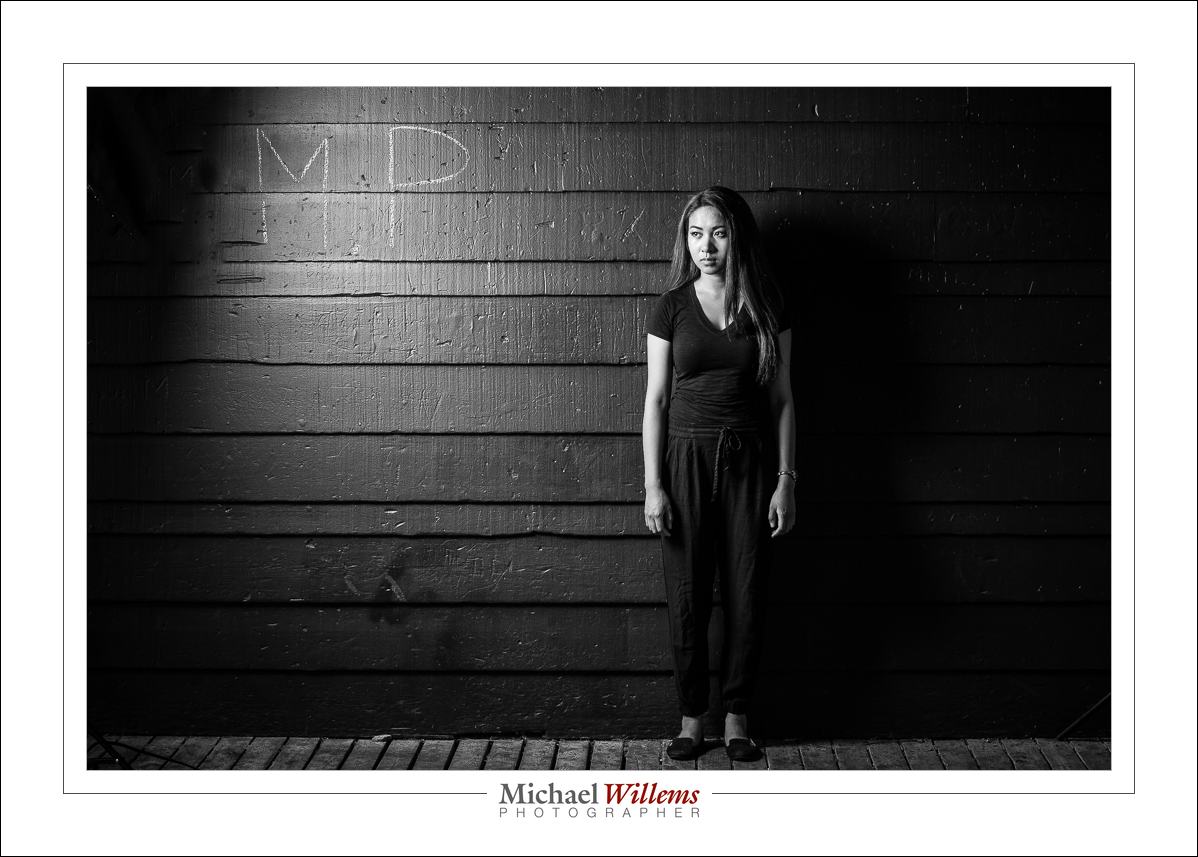
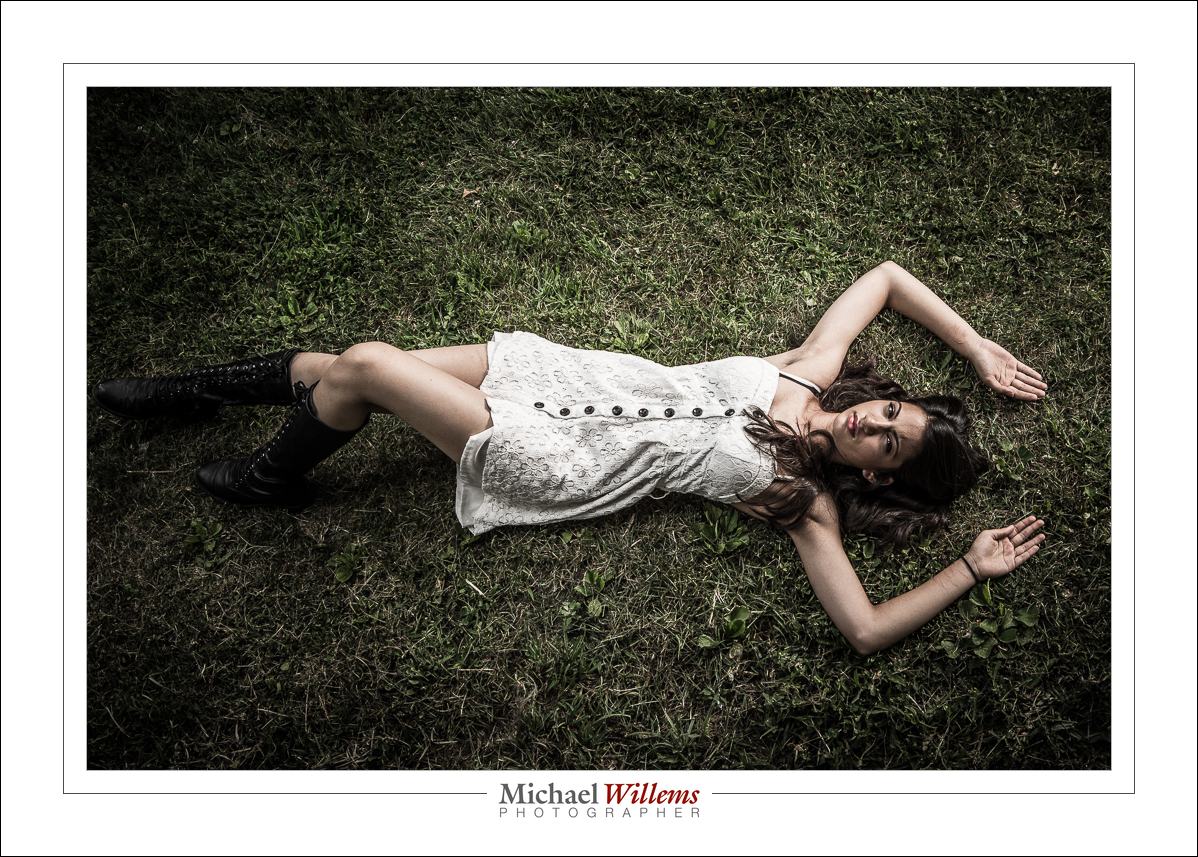
That’s right: Sadness. Depression. Desperation. Suicide.
And the trick is to portray that without totally spelling it out. You do that by such things as:
And that’s when you can show moodiness.
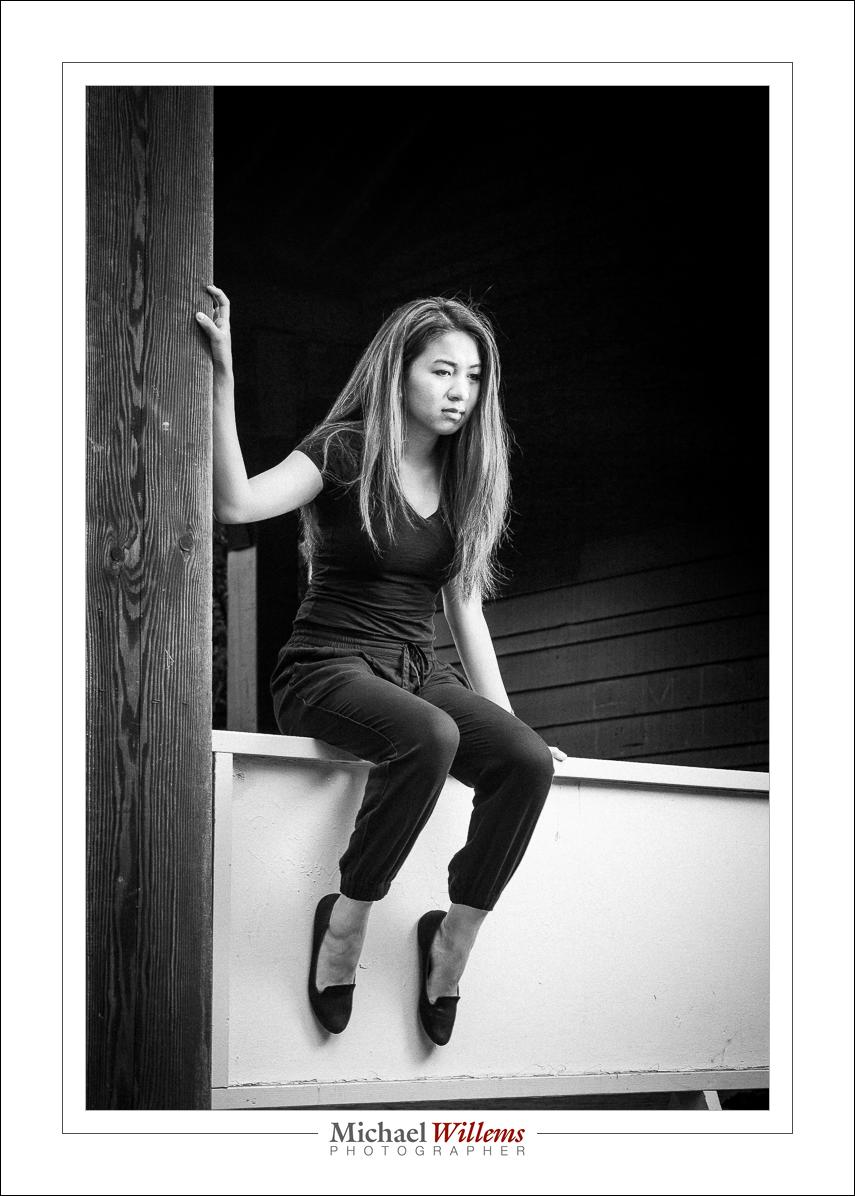
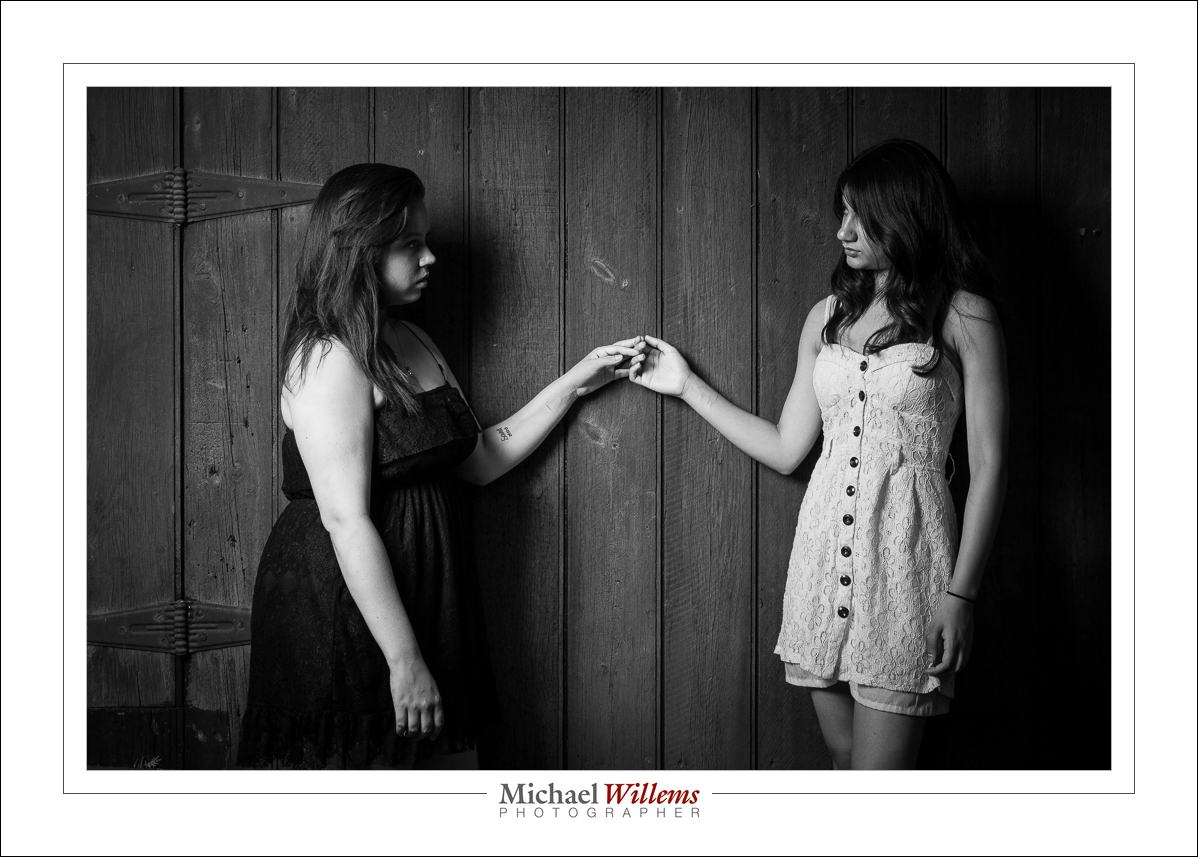
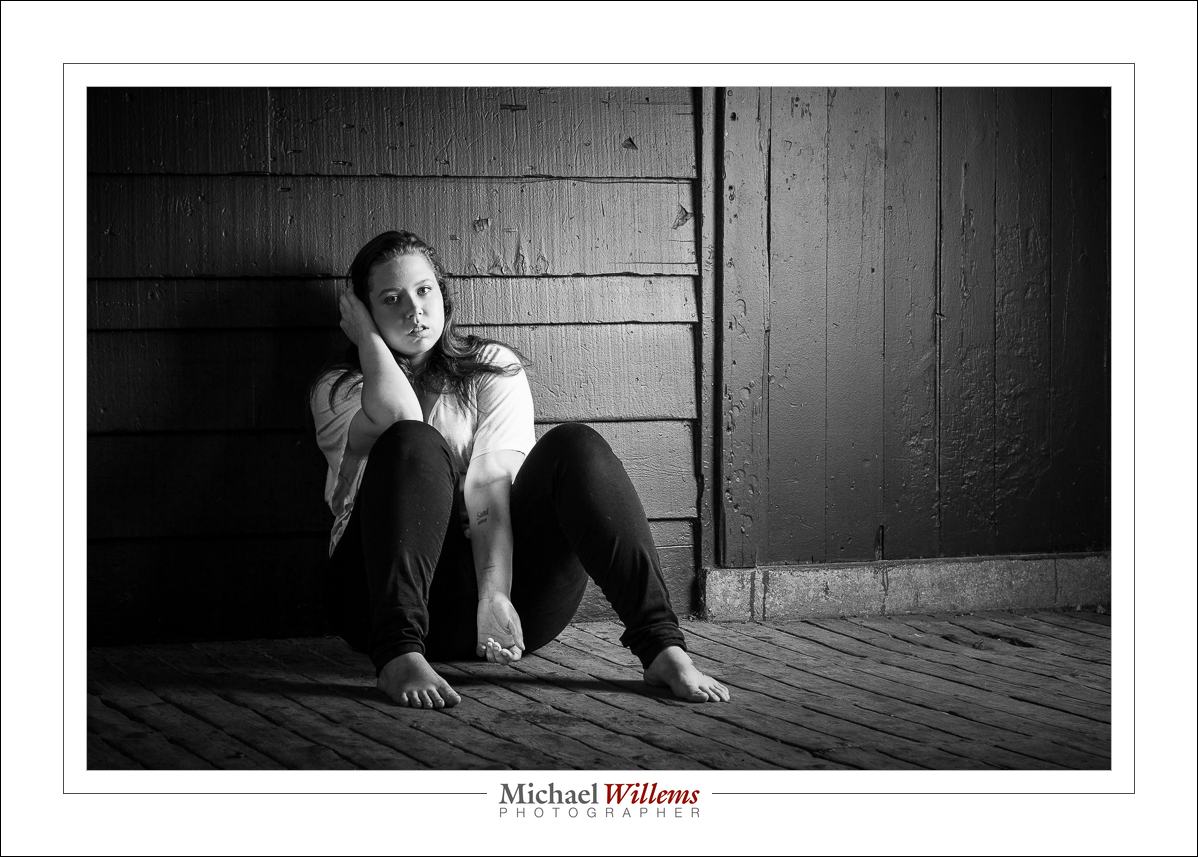
The above (best seen at full size) were taken during a charity shoot Saturday. A shoot for a mental health charity that concerns itself with depression, suicide, addiction. Hence the long faces on the part of the models, who all volunteered their time, as did the hair stylist and make-up artist.
This came up in class tonight, so, a repeat:
Okay, here’s a simple trick shot for you.
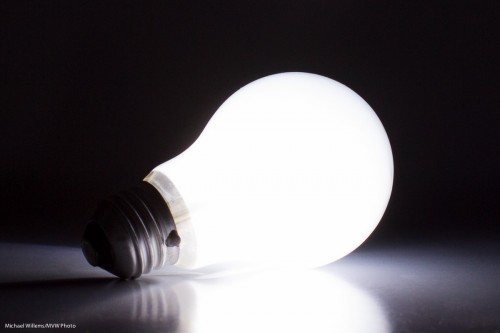
How did I get the bulb to light up without it being connected?
Simple. Like this:
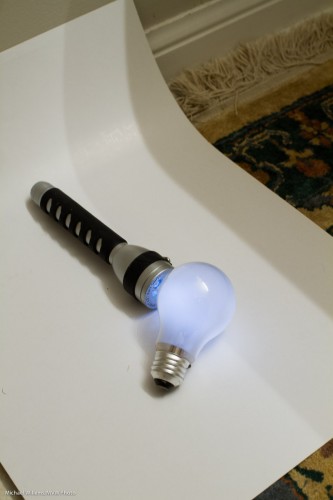
I used an LED flashlight behind the (frosted) bulb. That makes it look like the bulb itself is lit. 6 second exposure, 200 ISO, f/5.6.
Sometimes “simple” is all it takes.
This tree, from yesterday’s walk with students:

I made that by zooming my 16-35 lens while shooting at about 1/15 second. That gives you either something that is still recognizable as a tree, or something that is less so:
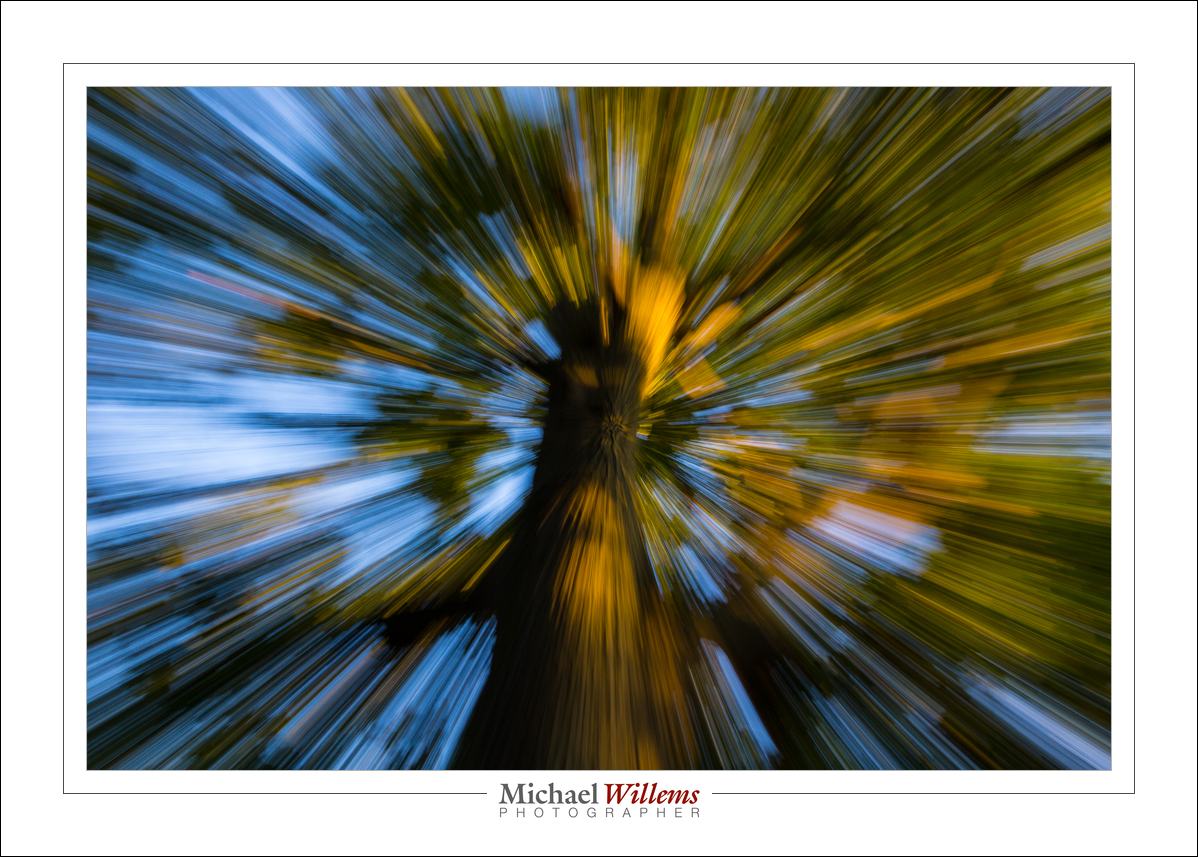
Which one is better? They are both good. The first one says something about the tree, I feel. The second one is more about the line, motion, shapness.
And the point? The point is that you can do with your photography what you want, from literalism t abstract art. And that there are many tricks. And that you should use those tricks!
Here’s a typical outside flash shot. (Taken by the über-talented photographer Lisa Mininni while I was teaching her flash tricks yesterday):
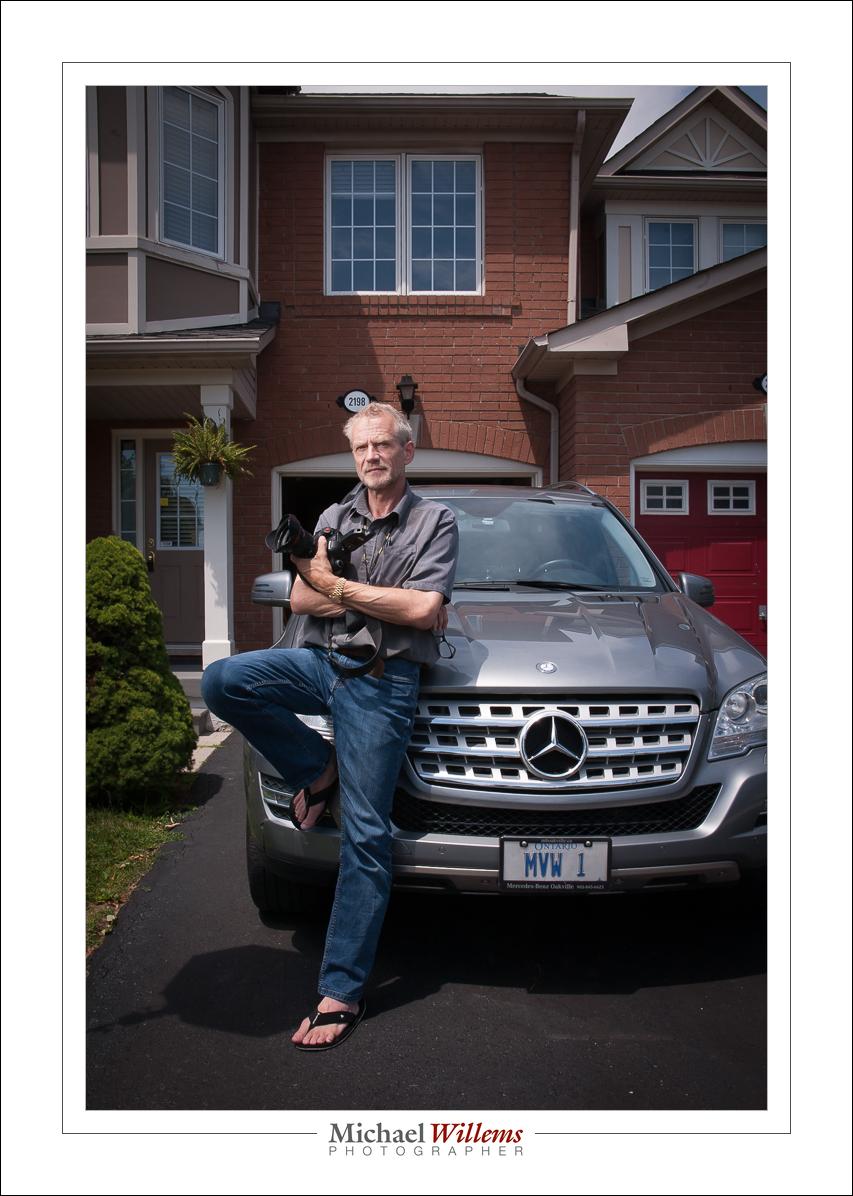
What did we do to make this?
[A] Take the shot:
This was a flash shot, of course. So outside in bright sunlight the settings are very, very simple.
[B] Finish the shot:
That finishing (not “editing”!) is just as important as taking the photo, and it consists of:
Those steps are pretty much standard, and a typical picture takes me less than 30 seconds to finish.
[C] Options
I could of course add another flash, for the background. Set that to quarter power.

OK. How was this shot lit, then? Here’s how:
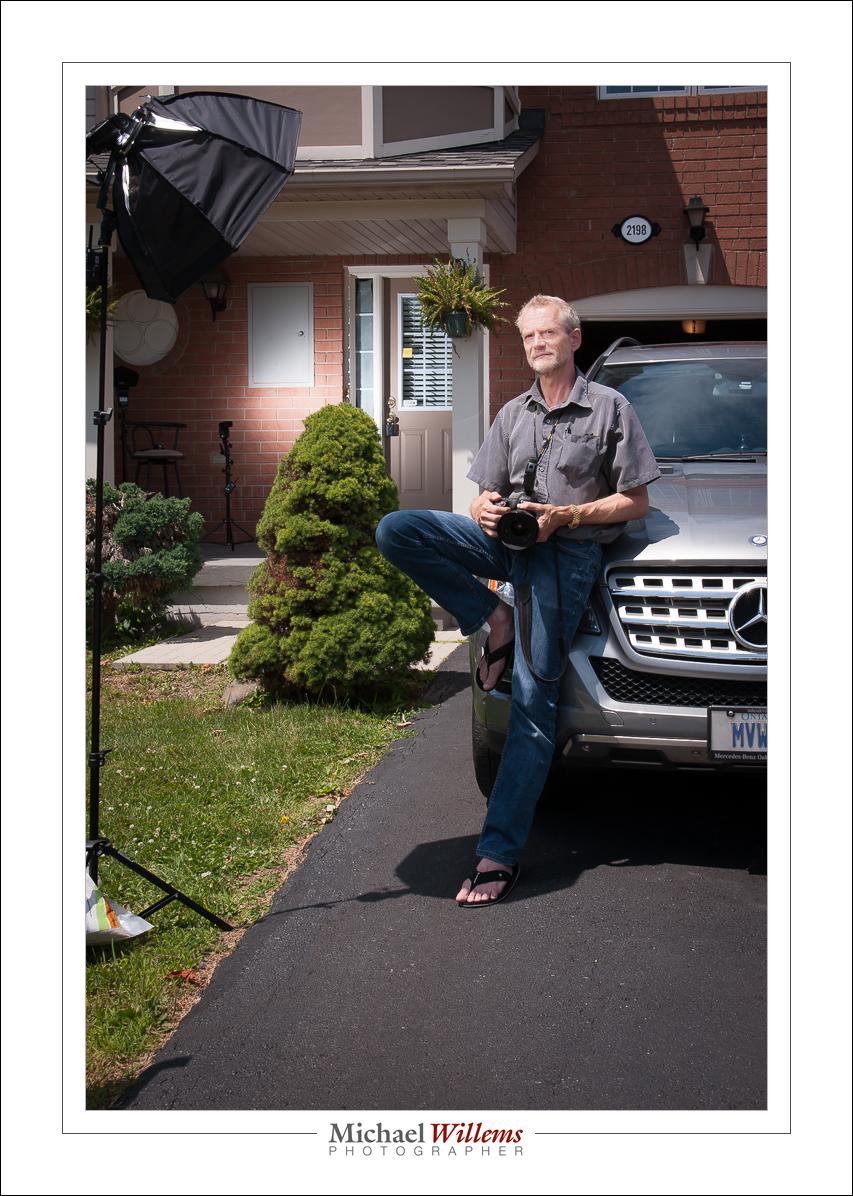
That’s right—always make a pullback shot, where you can see the lighting setup. You’ll forget. I used a third pocketwizard connected to the second flash via a second hotshoe cable.
Is this rocket science? No. But it is fun and it does open up untold creative possibilities.
___
Come to me for a private lesson and I will teach you how to do this, how to use modifiers, how to balance light sources, how to use gels, and much, much more,. You don’t need much, other than an SLR, a flash, and knowledge of the basics (“what is aperture and shutter speed and how do they work”)—but I can even teach you those if you like. See http://learning.photography or give me a call on +1 416-875-8770 and never look back. I can teach you remotely, too, using Google hangouts, too, even if you are in, say, Australia.
When shooting an event, always tell a story. People do not want to just see random images; since Gilgamesh and Homer, people like to hear stories.
In practical terms, for you as a photographer that means:
Let’s look at some examples from the event I co-shot Saturday night. So these are not the event pictures (those feature people); these are the “B-roll shots” that act as glue to keep the people shots together.
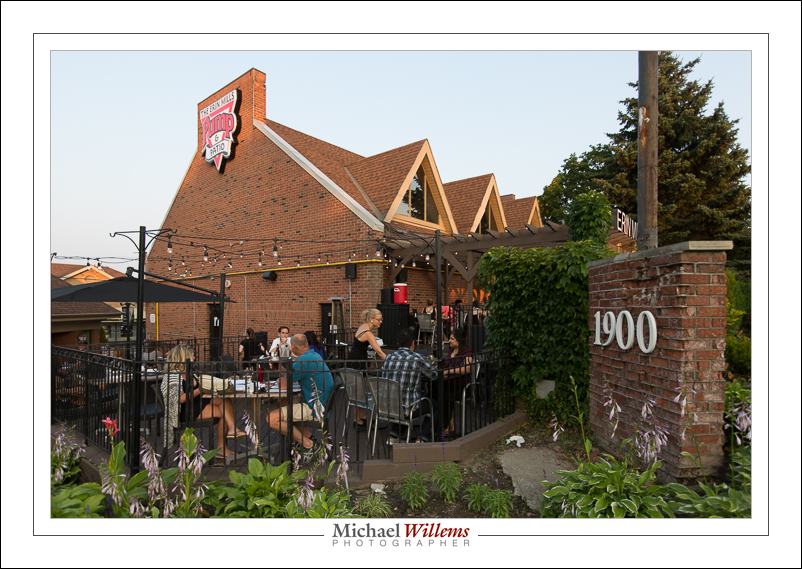
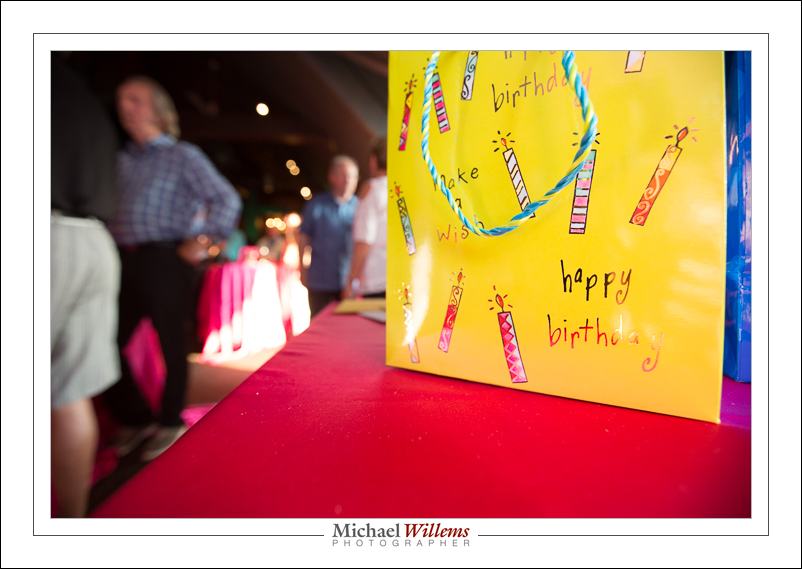
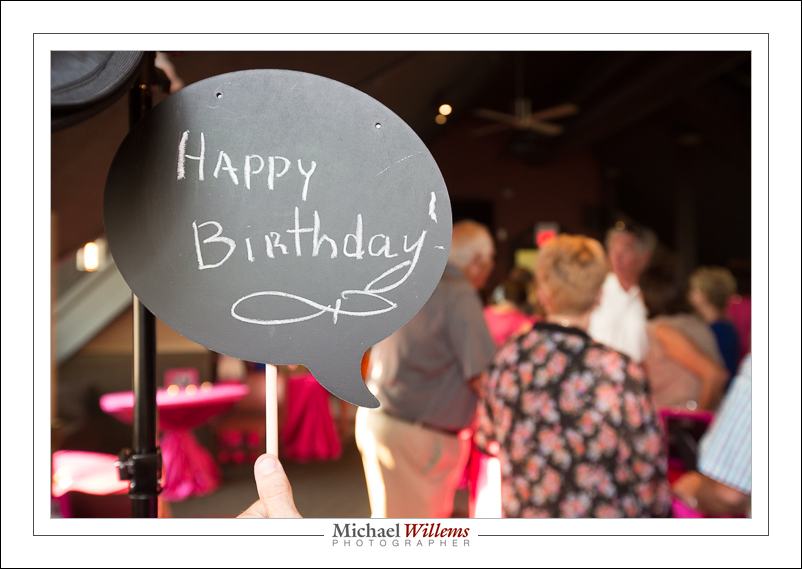
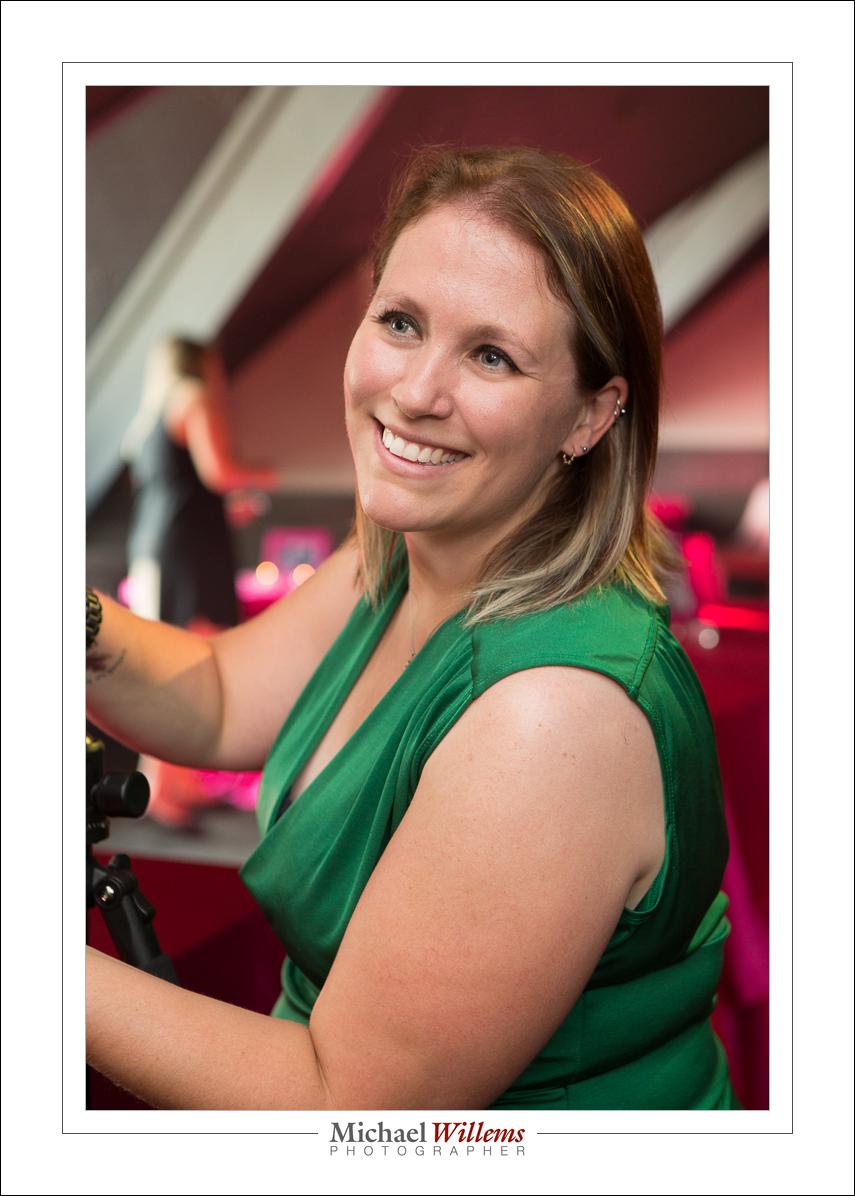
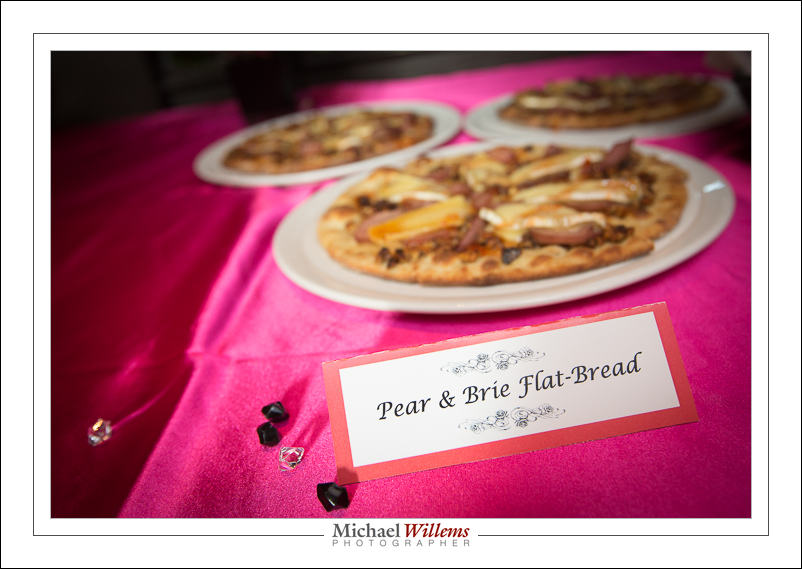
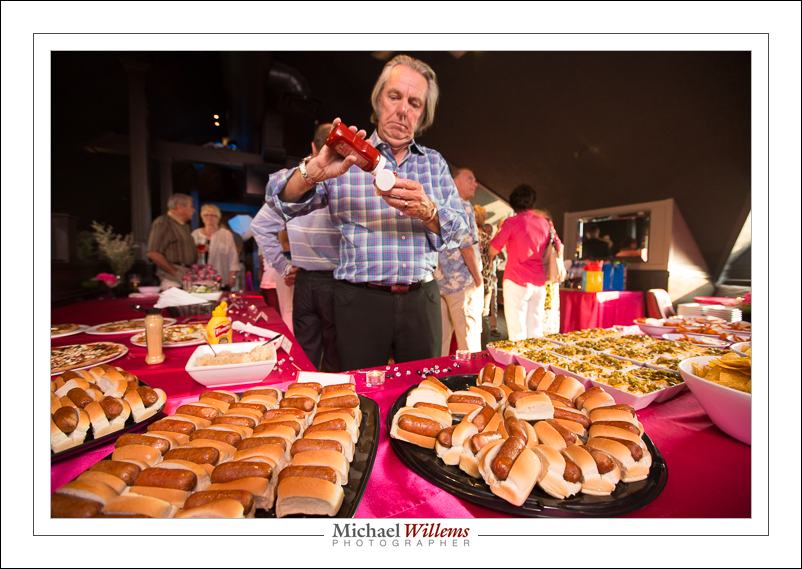
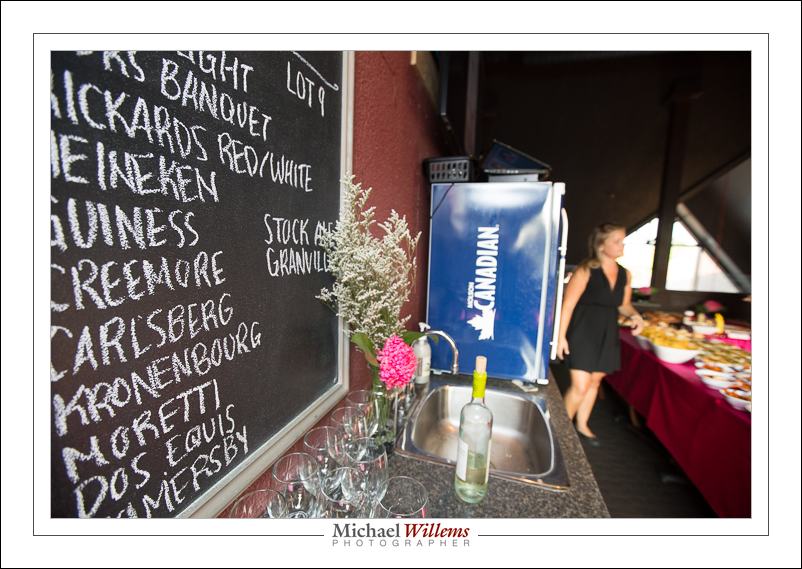
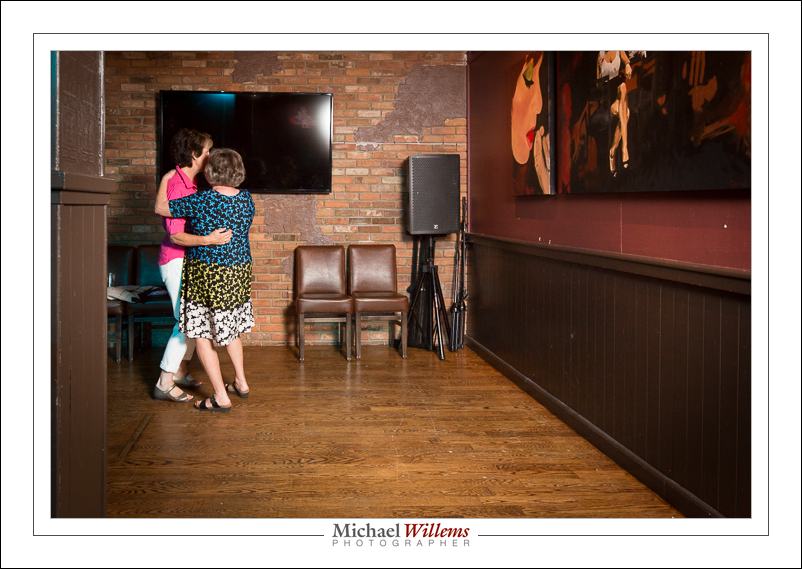
These are examples of the kind of shots that make random people pictures into a story your friends or customers want to see. It’s easy, it’s fun.
(All images except the first one: camera on manual; flash on TTL; flash bounced behind me at a dark ceiling, so 1600 ISO was needed to get enough bounce.)
You can improvise in so many ways.
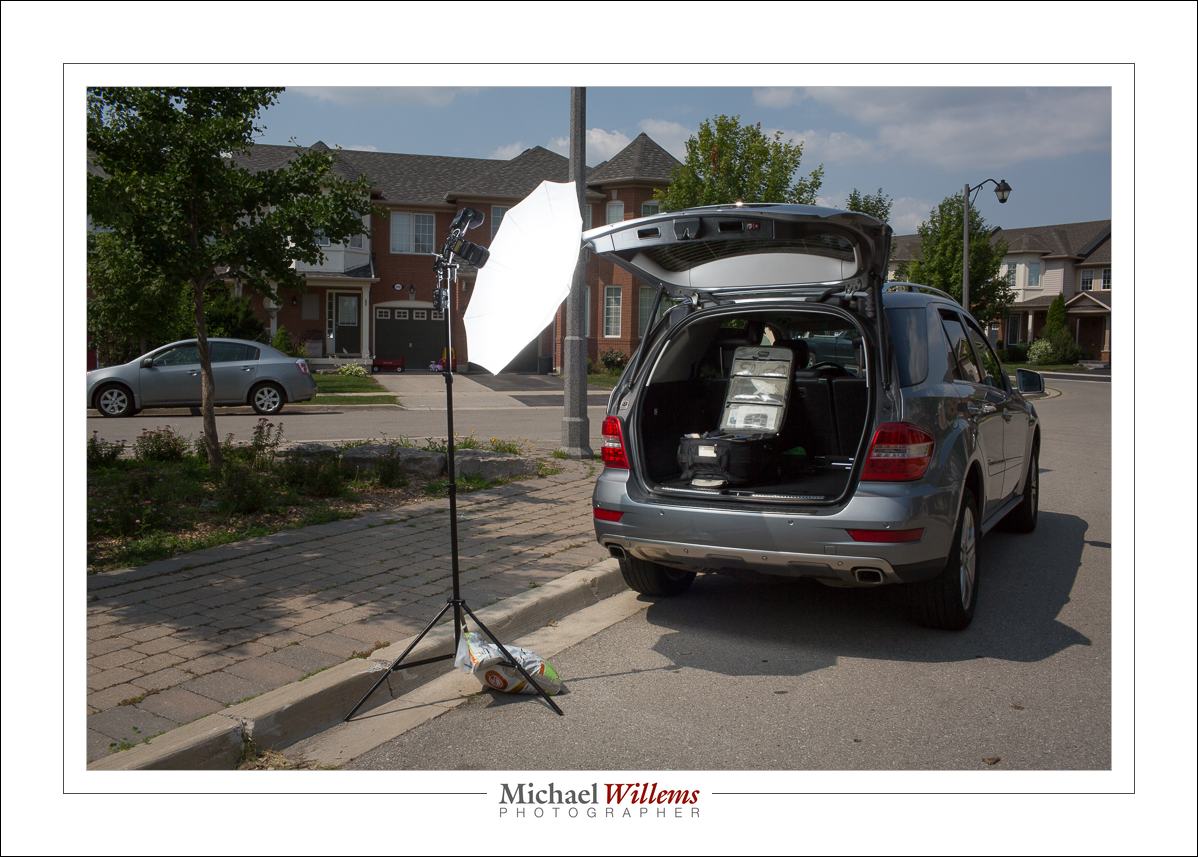
Take this image:

Just now. It’s 30C (86F). And sunny. So I need a flash, otherwise that sky would not look blue; it would look white instead. because exposing highly enough to see the inside of the car would make the sky way too bright.
Instead, I expose for the sky (the usual outdoors flash recipe: 1/200s, 100 ISO, then f/4–f/22, start at f/8). Then I add flash. Three flashes in one umbrella, fired by one Pocketwizard:
Without flash, that would look like this:
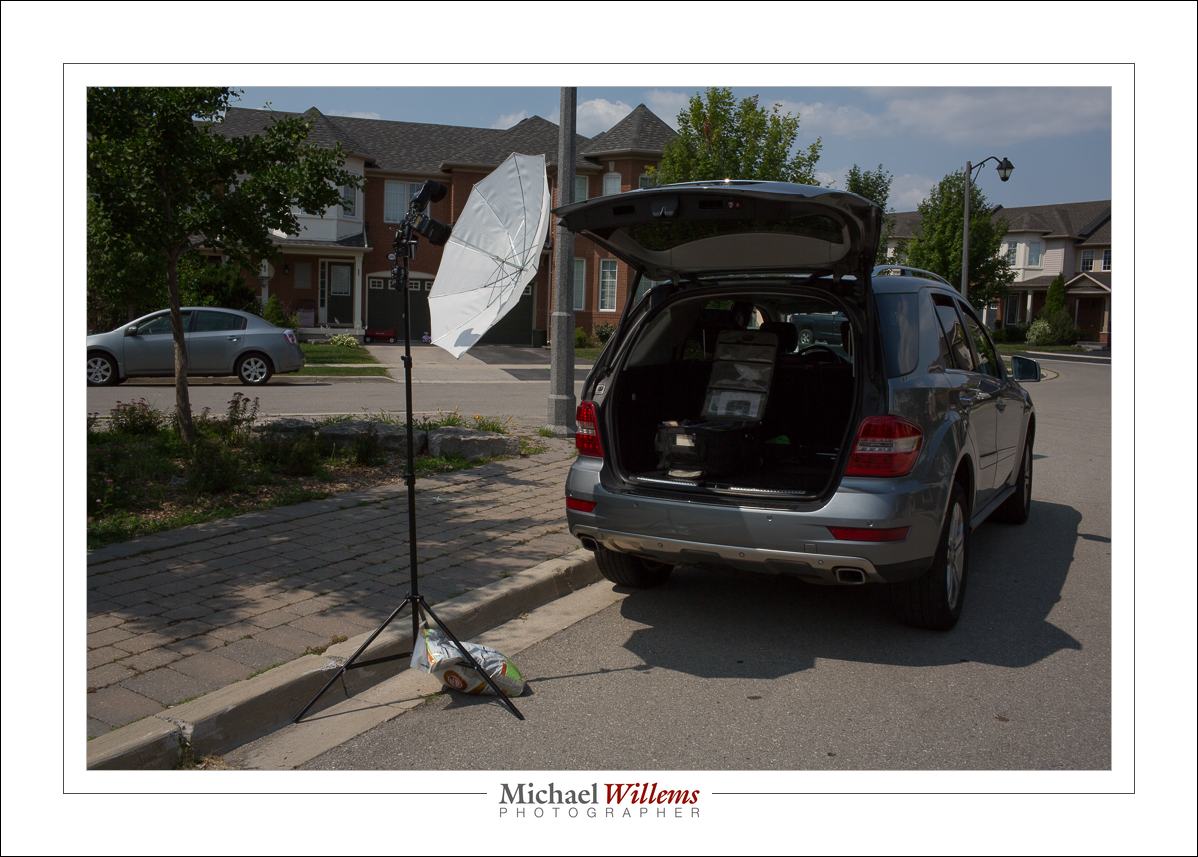
A portrait would be nice, with this light. 100 ISO, 1/200 sec, f/16.
Anyway, I said “improvise”. How so?
The sandbag, that’s how so. That umbrella would be all over the place, breaking my equipment on its way down. You need a sandbag to stabilize it and to hold it down.
And what I often use, when I don’t happen to have a sandbag available, is a 15kg bag of kitty litter. Which is what I am using here, if you look carefully. That light stand isn’t going anywhere!
___
Come meet me tomorrow at CJ’s Café in Bronte, Oakville, for the official opening of my month long exhibit of wall art. And perhaps buy a piece: tomorrow only, I have lots of extra works (over 150), at once-only prices.
Tell me you are coming: https://www.facebook.com/events/1449929615312360/
I am a big proponent of wall art, as you probably know by now You should have walls full of it: your own, and other people’s. A great way to express your personality, and if it’s someone else’s, an investment too.
I can help with “your own”: that’s what the courses are about (see yesterday’s post and see the a la carte courses, or take an evening course at Sheridan College in Oakville, where I teach “Photography, Basic Digital” and as of September, also “Photography, Intermediate Digital”, as a faculty member of the faculty of continuing and professional studies), and that’s what my seven(!) e-books are about (see http://learning.photography). Once you can do it yourself, you can fill your wall with your best work.
But I can also help with the “someone else’s”. As you know, I am currently exhibiting some of my work at CJ’s in Bronte, Oakville, Ontario: see the event page here.
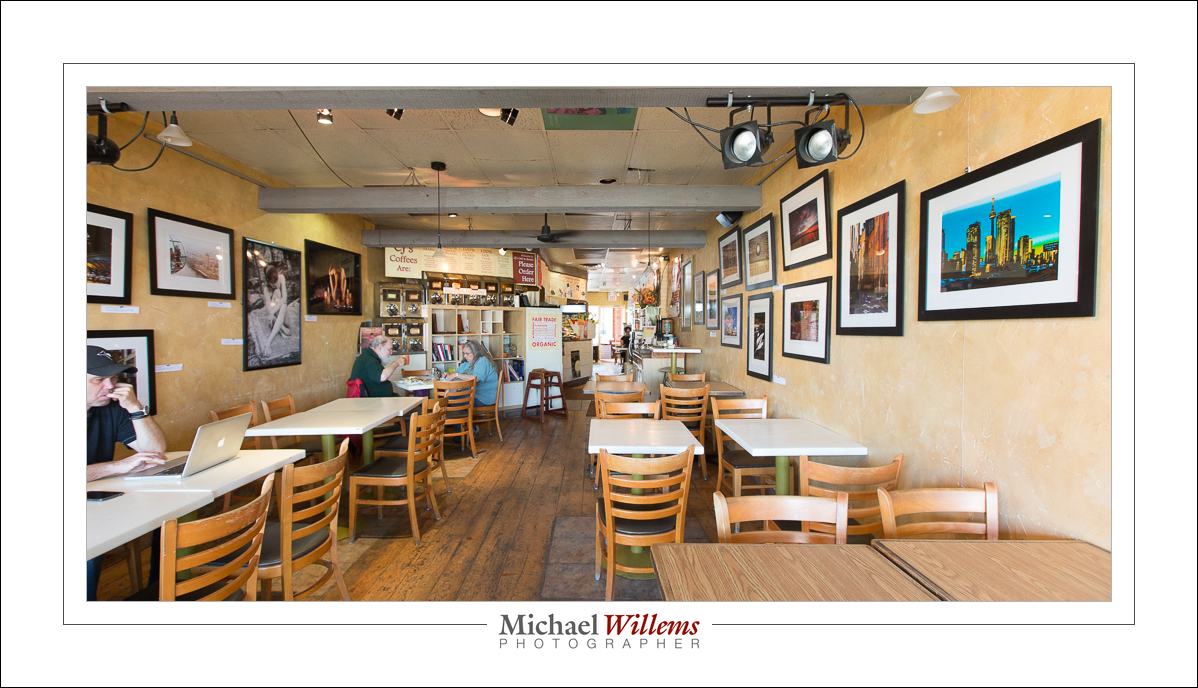
The official opening is this Sunday, 12 July, at from 2–4pm. And great news: on that day only, if you are considering buying any of my limited edition photographs, then:
So… perhaps this will be the start of your wall art collection. Come join me for a coffee Sunday, 2pm. See you there? And by all means bring a camera; practice some of your photography.