Always look on the bright side

When lighting skin, there’s one rule I go by: I light it brightly.

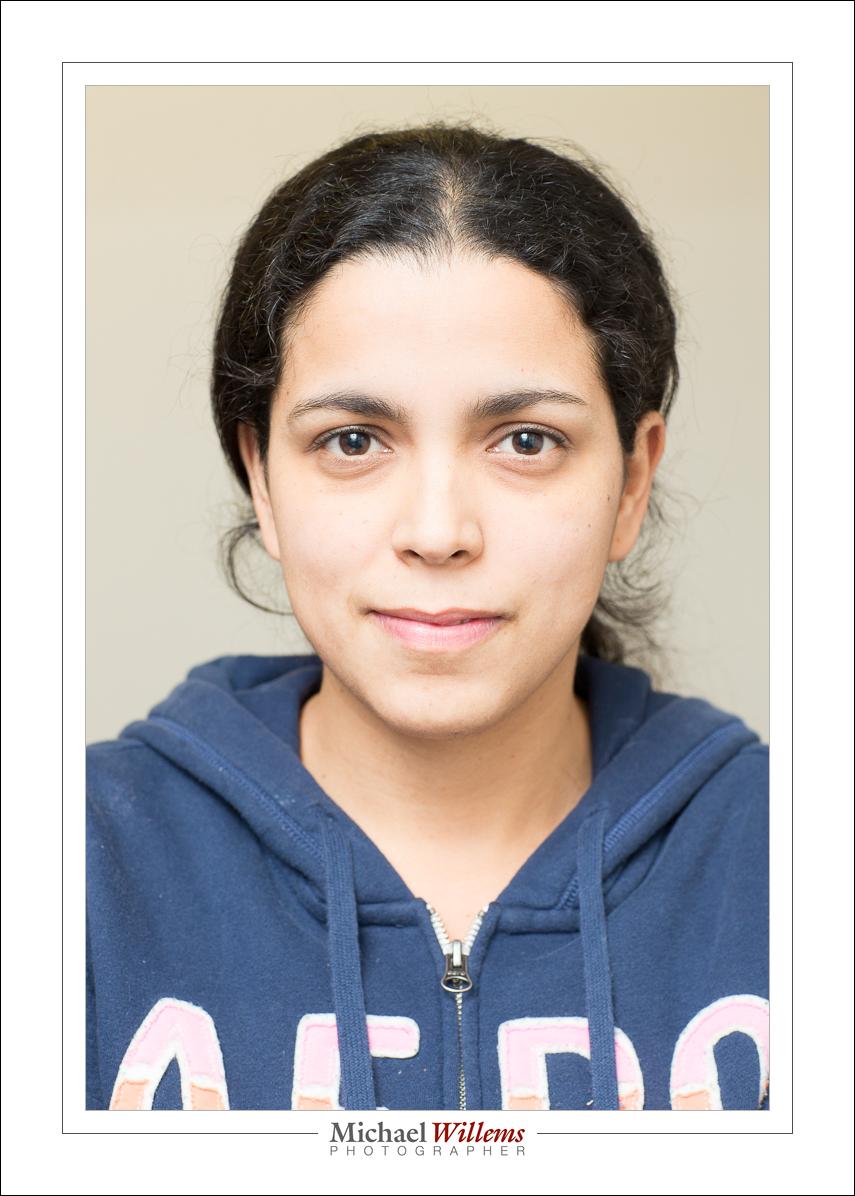
This student on my college course looks great and pretty:

But look what happens when I light her up 1.66 extra stops:

Her skin looks even better.

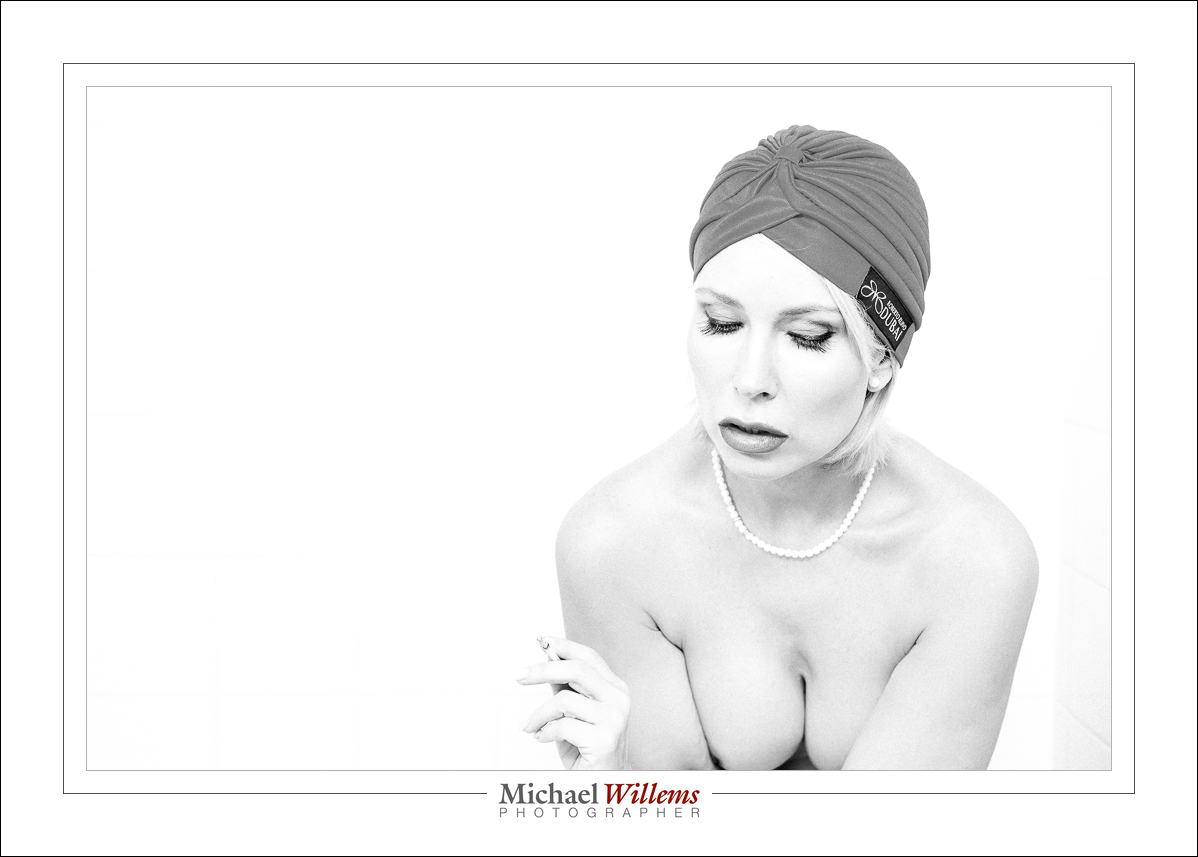
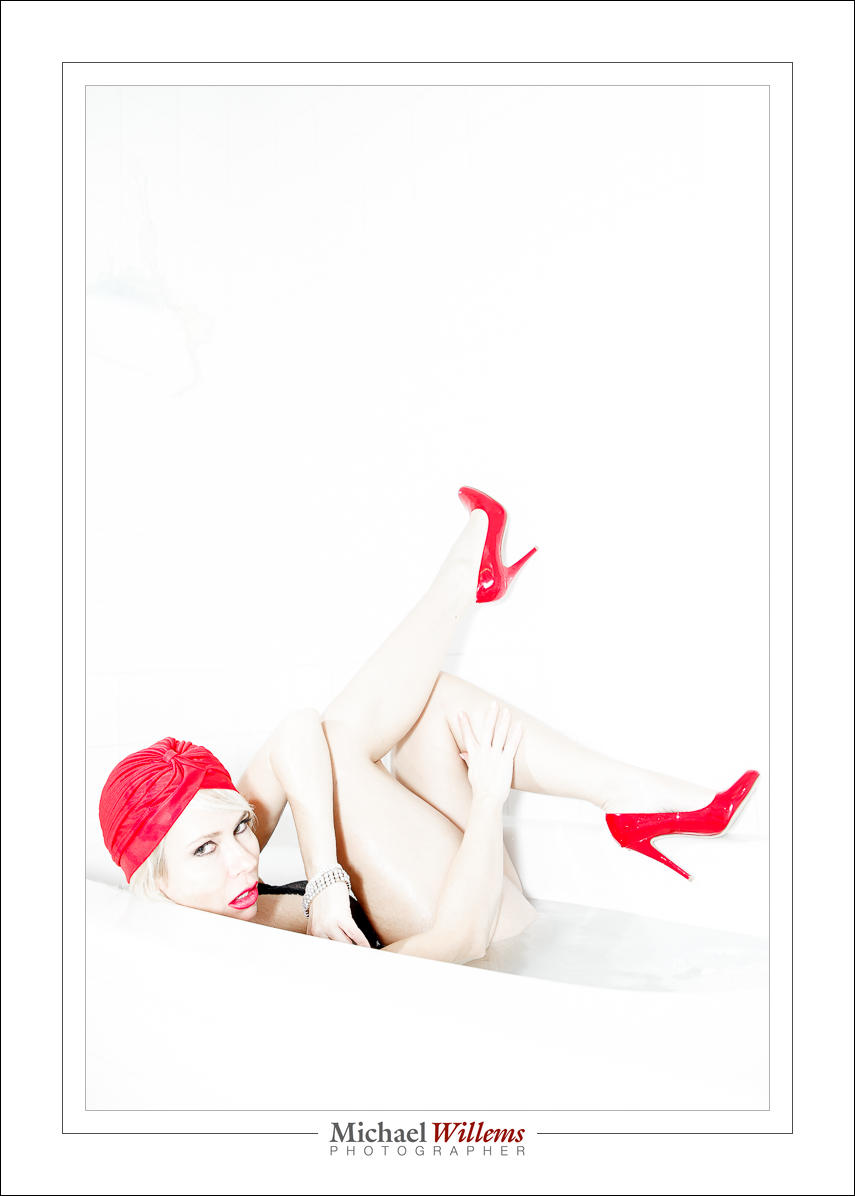
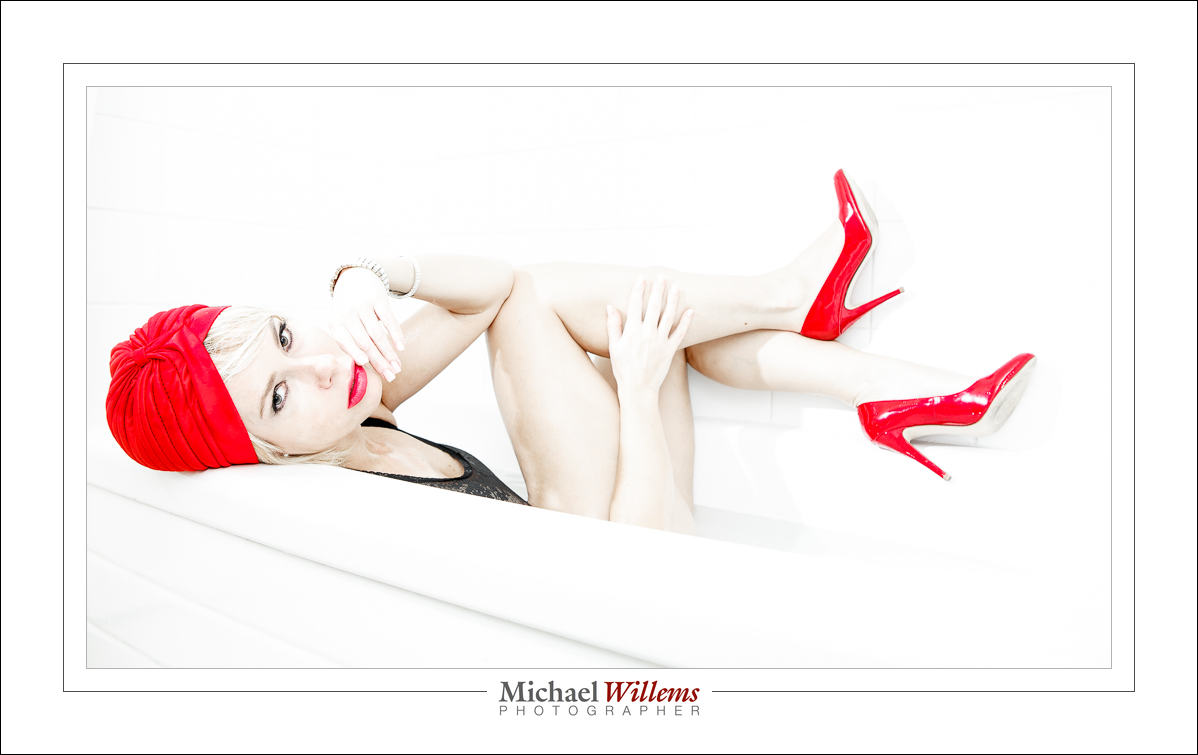
So when I use flash, I expose 1-2 stops over normal, by using flash exposure compensation when using TTL flash, or by increasing flash power, or by simply exposing more when using available light. You will see a lot of high-key images in my work:

Those are from a shoot I did today. One on camera flash, manual, 1/4 power, camera on 400 ISO, 1/125 sec, f/5. And one flash on my left, set at 1/32 power, aimed direct at the subject through a 1/4″ Honl photo grid.

Can you seen the effect of the individual flashes, and of exposing so brightly?


Less is more.

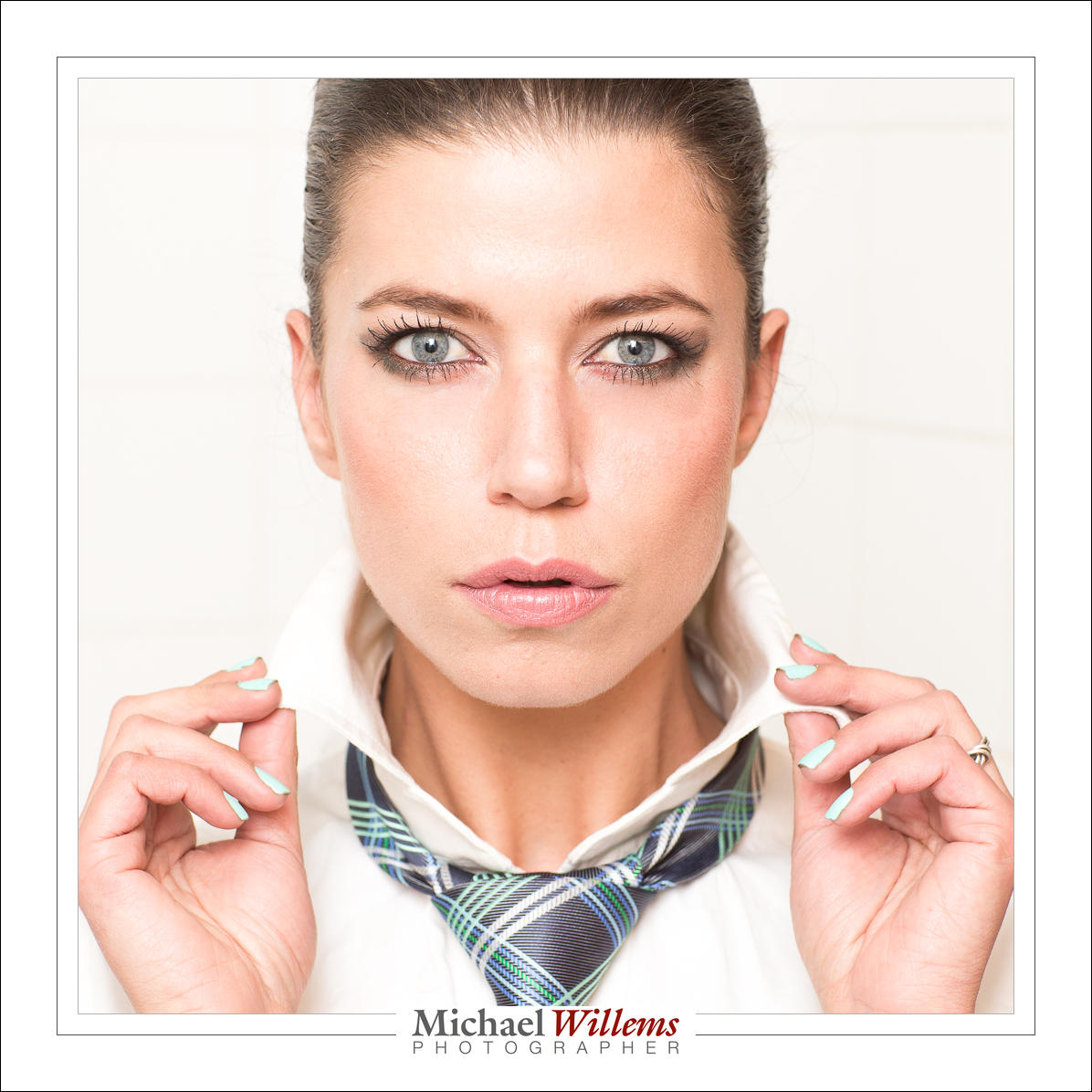
Sometimes, simple is all you need. Like in this headshot:

This shot is simple in many ways:

  • Shot with simple camera settings: f/5.6, 1/125 sec, 400 ISO.
  • I am using just one flash on camera, aimed 45 degrees up, behind me. The catch lights are the circle that my flash throws onto the ceiling.
  • The flash is using TTL (automatic flash metering, in other words). Of course since this is a high key scene, I set flash compensation to +2 stops.
  • I am filling the frame. Yes, cutting off the head is allowed.
  • The pose is a simple one, as is the composition.
  • The location is a simple white bathroom: smaller is great since it allows great bounce without the high ISO values you would otherwise need.
  • The dress is a simple white shirt, against a simple white background.

All this “simple”, combined with the right model and a razor-sharp (obscenely sharp, some might say; look at full size) 85mm f/1.2 lens, makes for a good shot. No studio complexity needed in this case; no pocketwizards, no complicated anything. Simple does it; less is more.

So if anyone tells you “you cannot do this, you need more equipment”: it ain’t necessarily so!


Things you can’t do

There are many things that conventional wisdom says you cannot do. Like shoot at slow shutter speeds when people are moving.

But I say you can, and damn the rules.

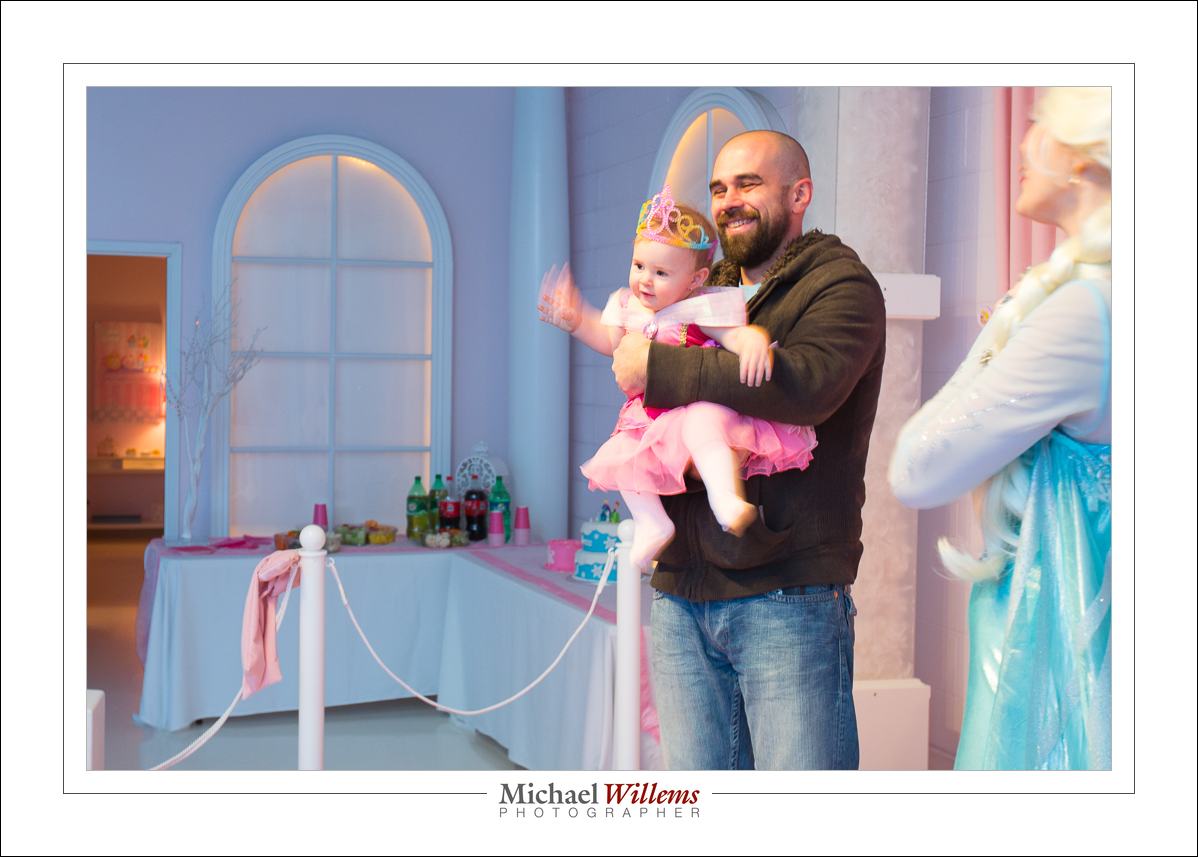
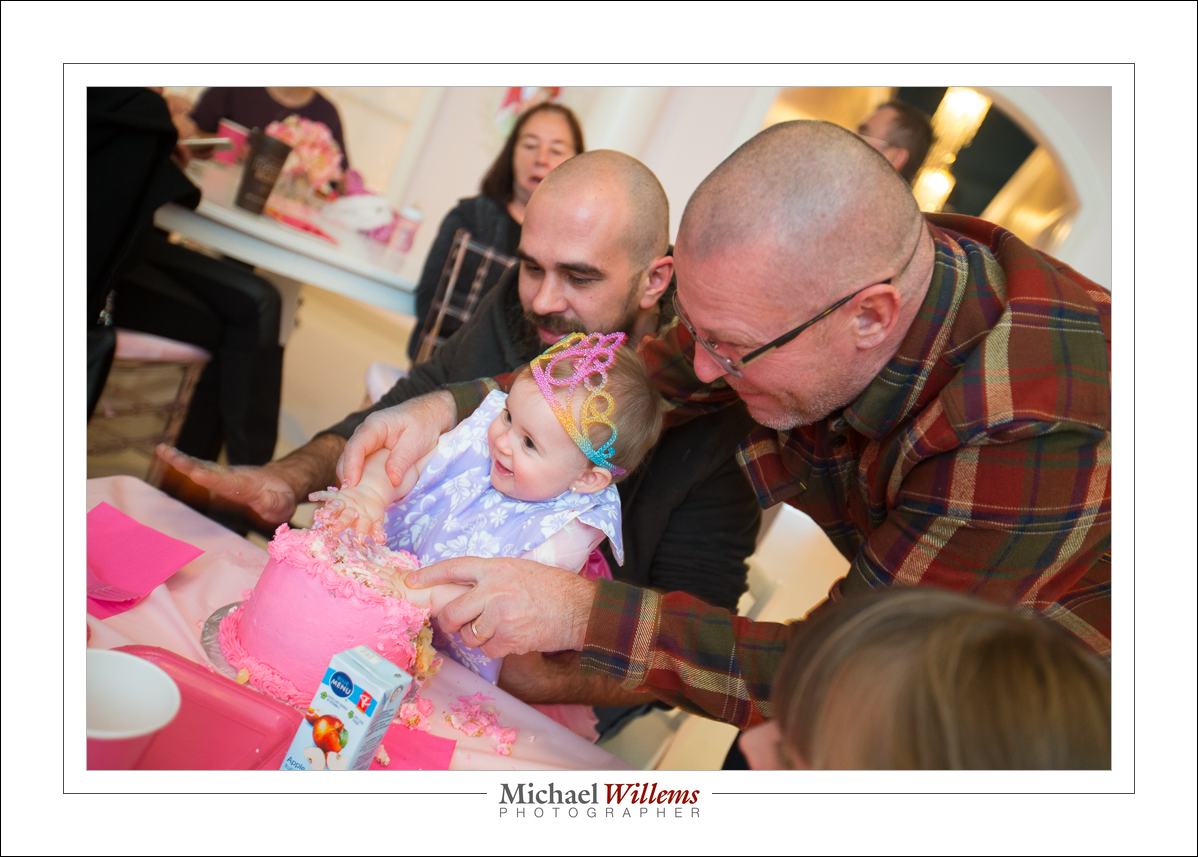
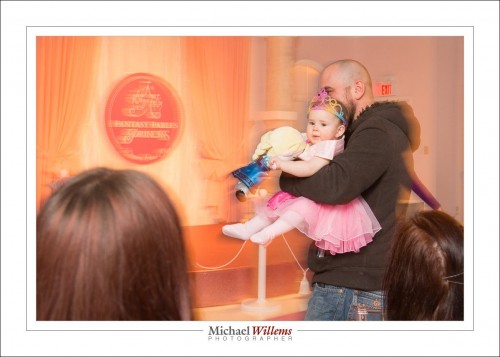
Like this, of baby Aubrey and her dad Dave at her 1st birthday party, which I photographed the other day:

(Shot at f/4, 800 ISO, 1/30 sec; focal length 35mm using the 16-35mm f/2.8 lens).

I used a flash, bounced as usual up, behind me. The challenge is white balance: I could have gelled my flash the same colour as the light, but that was difficult under the circumstances, so I ended up with blue and red light mixed. Not to worry, the compromise white balance, where I balanced mainly for the tungsten spotlight, since the baby is more important than the tables in the background, is just fine.

Back to the shutter speed. It was 1/30 second, and with the baby waving her hands and feet this of course causes unsharpness. In this case, the unsharpness is not a problem. It shows the fact that the baby is happily waving her arms and legs to show that she is delighted to be the centre of attention. Without that, the photo would have been boring. With it, it shows the joy of the occasion.

Success, even though you are not supposed to do this, 1/30 sec with rapid movement in the subject.

___

Want to learn Portrait Photography? Learn by buying the all-new Portrait Pro Collection, a set of three great e-books: “Mastering Your Camera”, “Pro Flash Manual”, and “Powerful Portrait Photography”, all together for just $44.95 instead of the regular $60. And you can now download a free sample chapter of  the Portrait Photography book by clicking here. Don’t delay—get these books now and be a Portrait Pro this coming holiday period.


Shoot

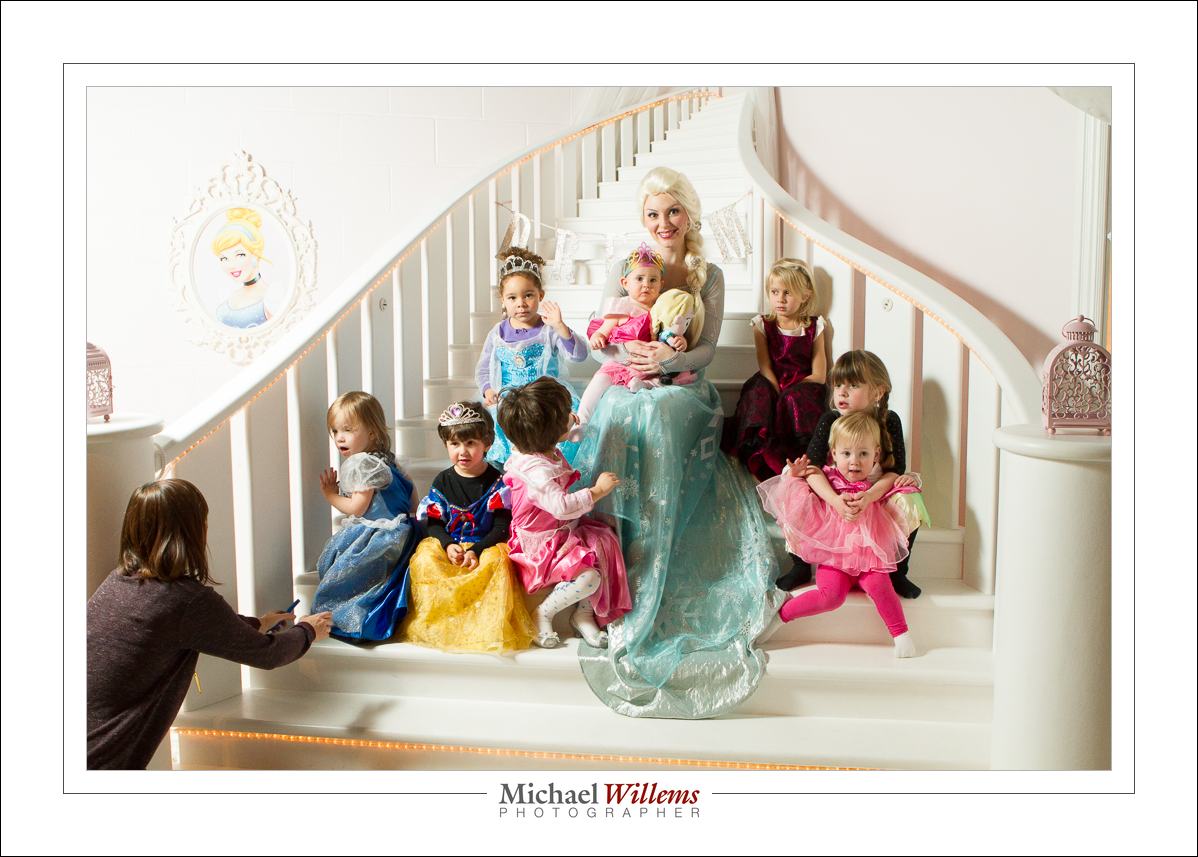
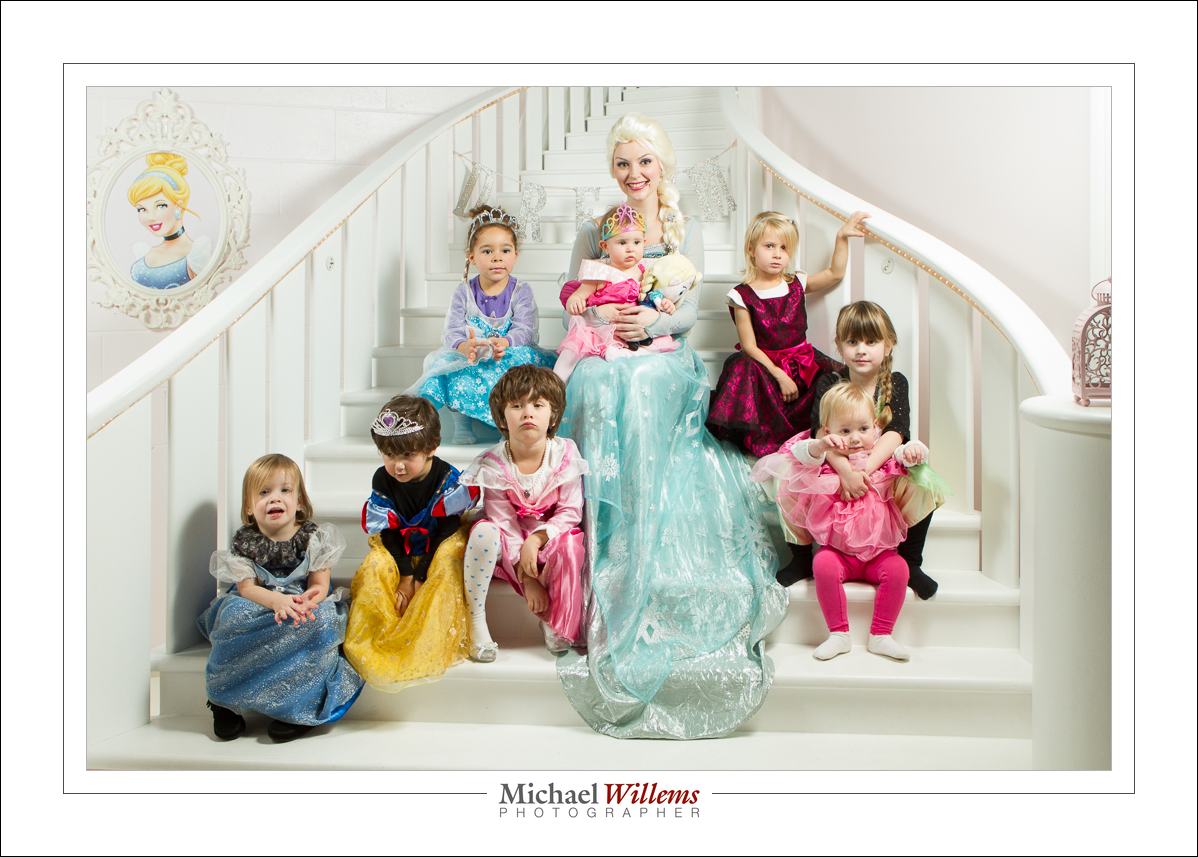
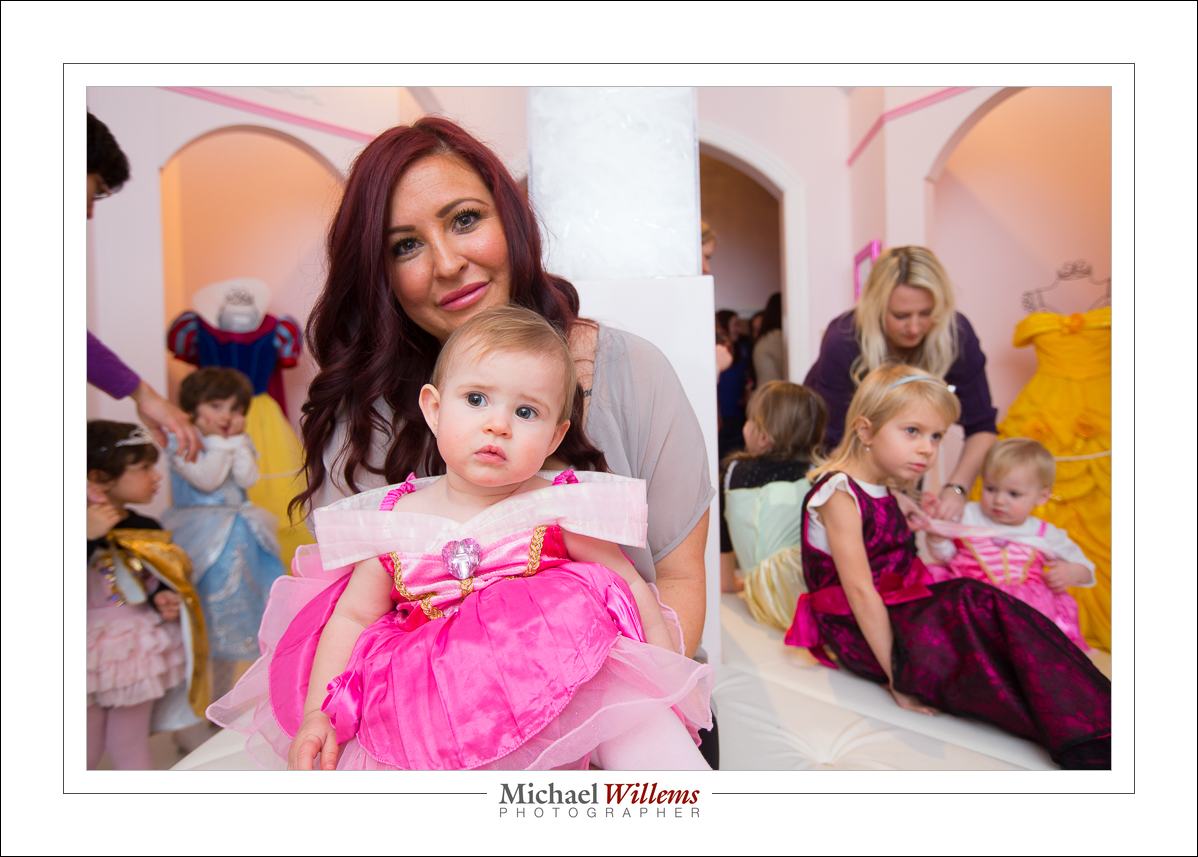
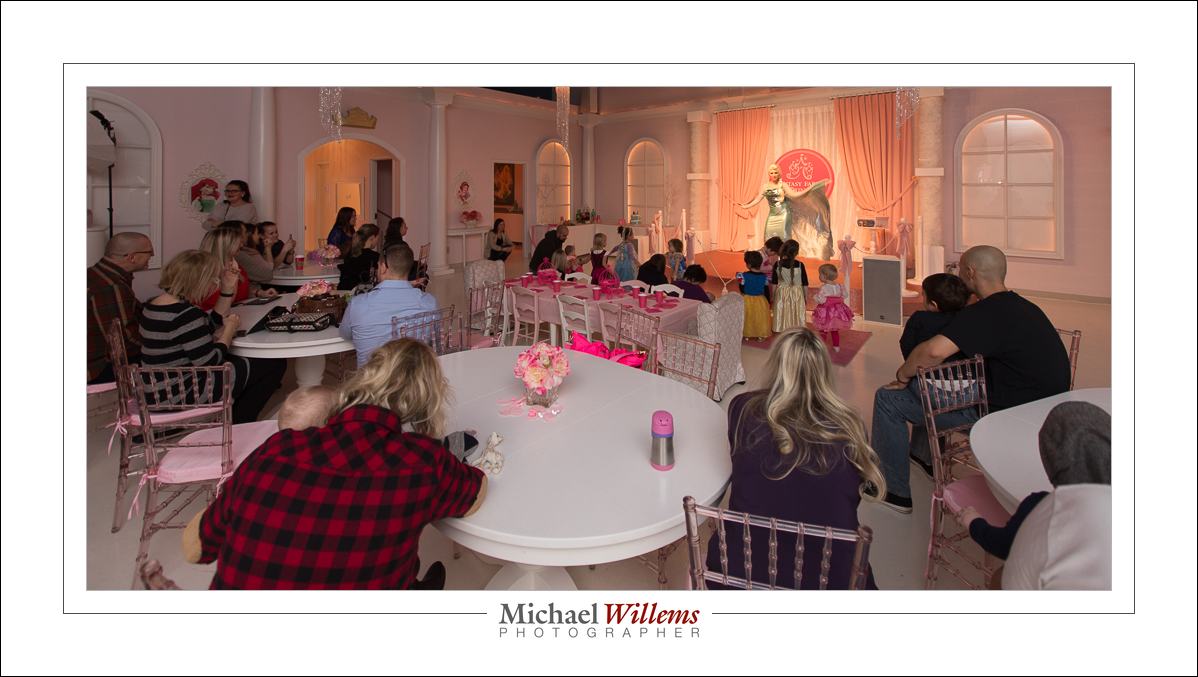
Last night I photographed a party. Let me take you through that: it is useful to see a real-life shoot as it unfolds.

This was a very quick, rushed shoot: hardly any time at all to set up.

I had two cameras:

  • 1Dx (full frame) with 16-35 lens;
  • 7D (crop camera)  with 24-70 lens.

That means effectively I had 16-35 and 35-105 mm available, i.e. 16-105 in one continuous range. So the lenses were taken care of.

Now the lights. Seeing the need for speed, I quickly set up two speedlights in umbrellas, fired by Pocketwizards. In this example only the one on the left fired:
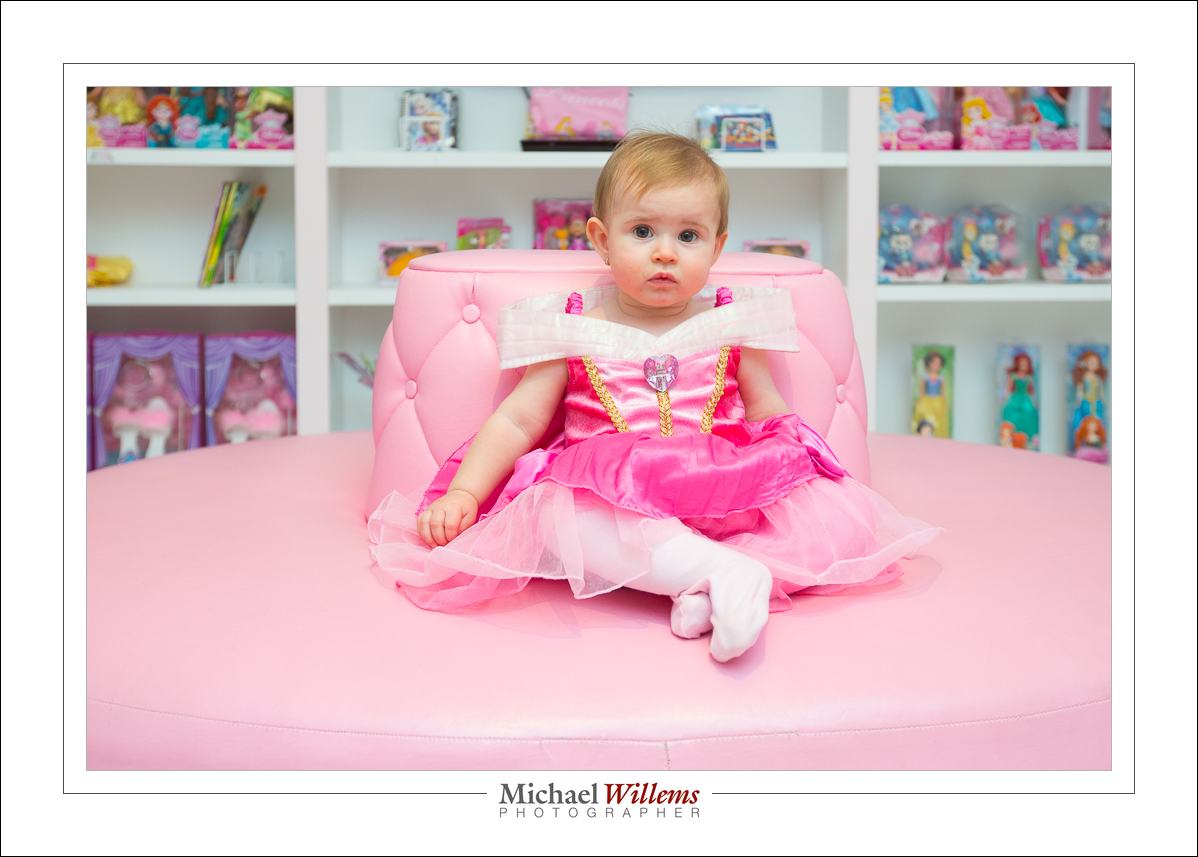
The final pics look like this:
That’s simple: One umbrella left, one umbrella right. We are looking for competent lighting here, not art. I did not use a meter; just set the lights to 1/4 power and adjusted ny camera settings (ISO, aperture) to that.

Note the mom in the first shot. My shoot was hindered big time by all the moms taking iPhone shots. A trend more than ever before.

Then the rest of the shoot: the 16-35 with one on camera flash bounced against what walls there were.
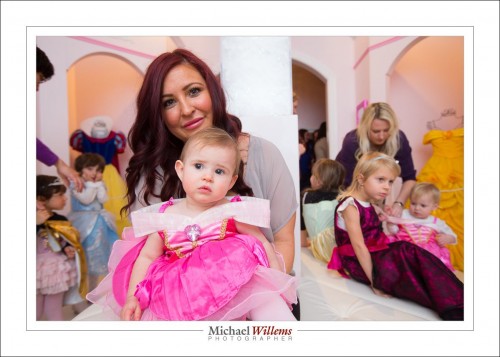
Easy in some rooms, harder in the ballroom since it had a high, black ceiling. So I started at 400-40-4 modified to 800-40-4: i.e. a camera setting of 800 ISO, 1/40 sec, f/4. That extra stop comes in handy when you are bouncing off high or dark ceilings. Like here, in the middle of the ballroom
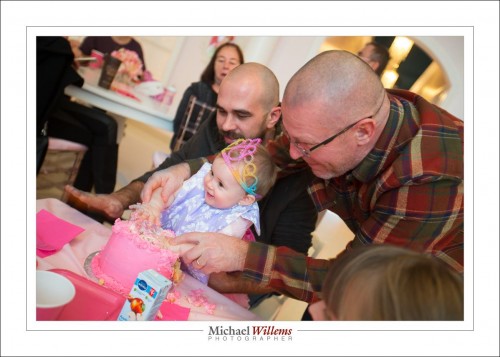
Sometimes, I switched to mood lighting: simply increase the shutter speed to darken the ambient light, and the aperture smaller (or lower flash compensation, when on TTL) if you also want less flash:
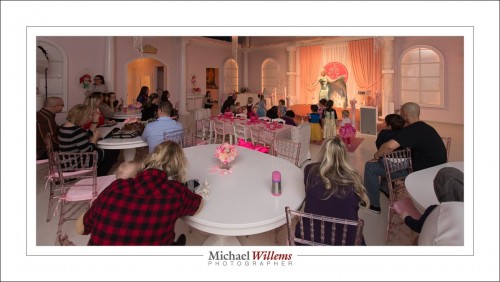
All in all, a competent shoot.
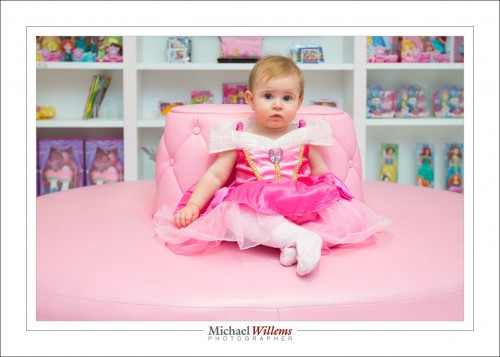
With some fun too: A panning shot., 1/30 sec and I follow:
The ghosting lends it an interesting effect; and the subject is sharp first because I am panning; second because she is lit mainly by my flash, which is 1/1000 second or faster.

I had just enough time to produce prints for the parents, on my little Selphy printer. All good.

And then quick post work an on to the next assignment!

___

Want Michael to shoot your family event? He’ll quote a competitive price and deliver quality work quickly. See www.tolivetolove.com for details.

 

Lighting schemes

A short note today. About portrait lighting.

There are many lighting schemes photographers know. One of them, as you know, is split lighting:

Split lighting means that you light exactly half the face.

Let me take away a misconception: It has nothing to do with where you shoot it from: this is short lighting; if I shot the subject from his other side, it would be broad lighting.

More on all the lighting schemes in my upcoming book “Powerful Portrait Photography”… stand by for an announcement!


Dragging the shutter

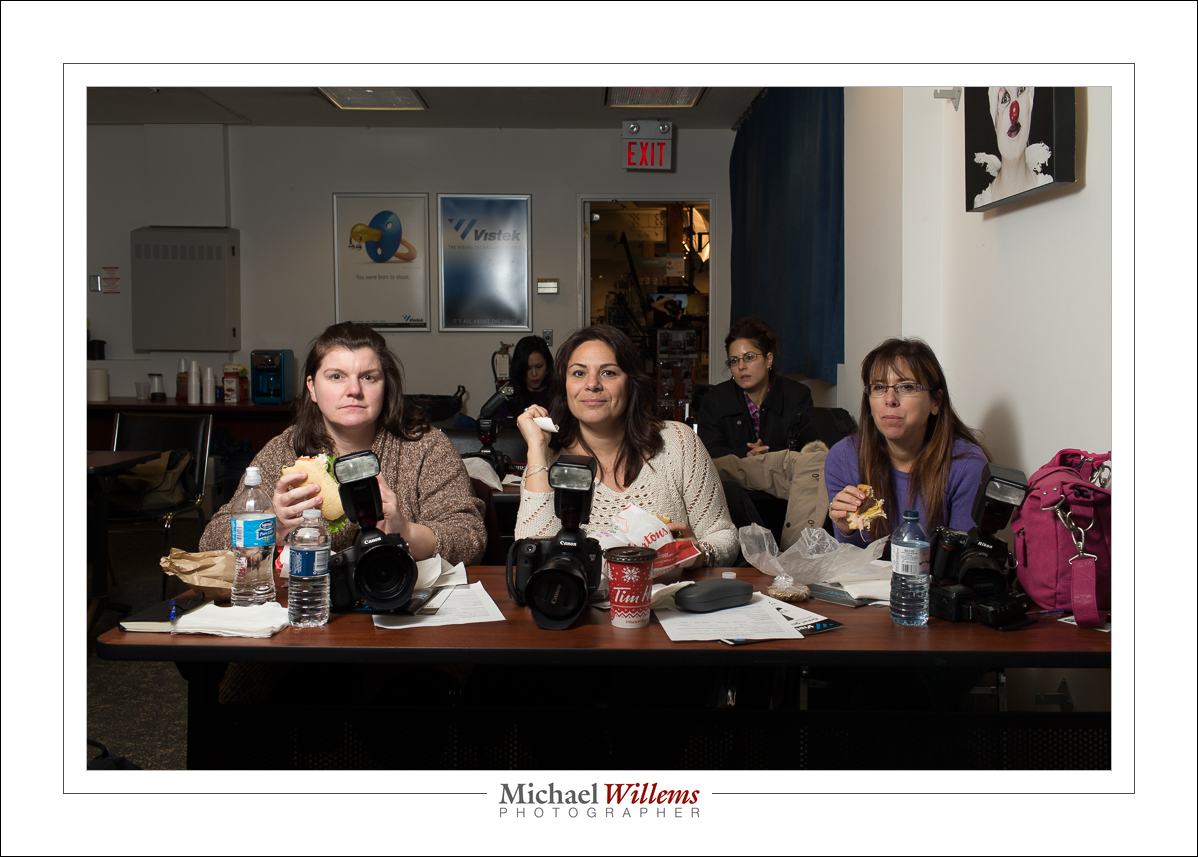
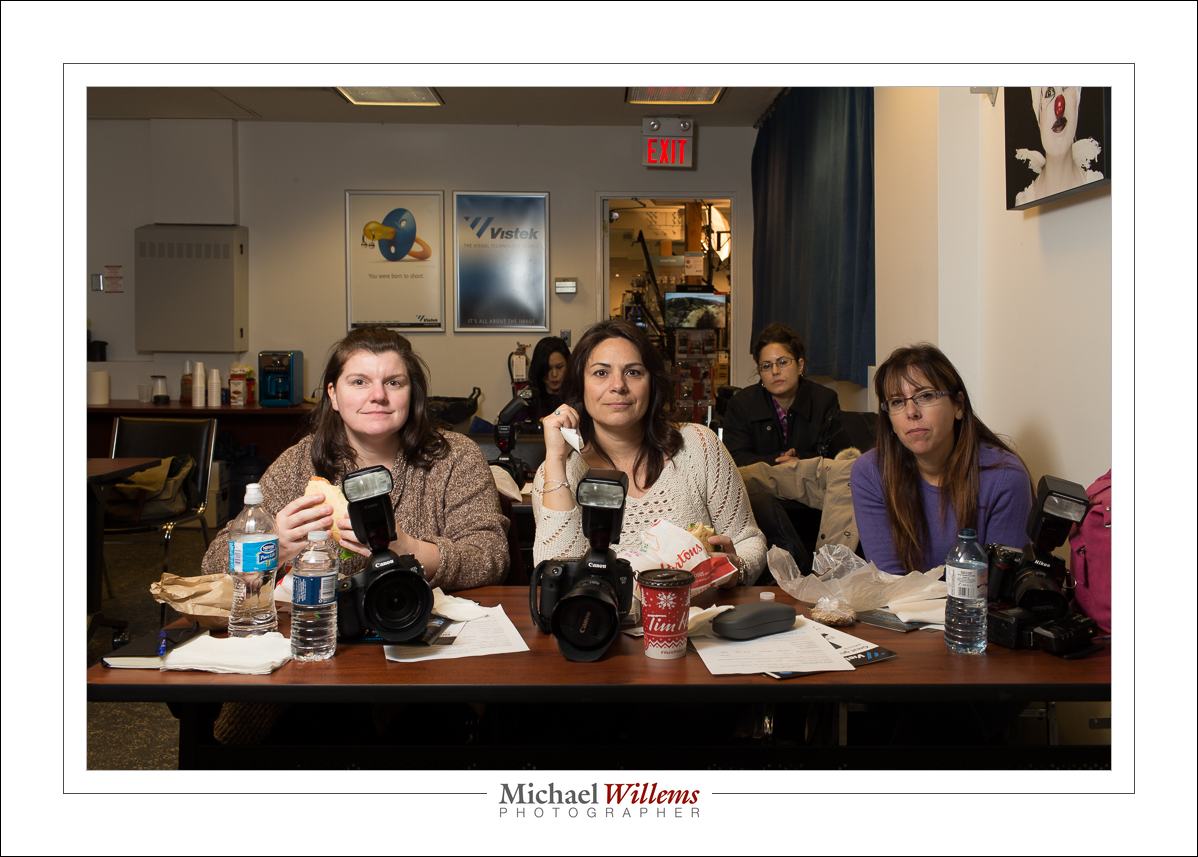
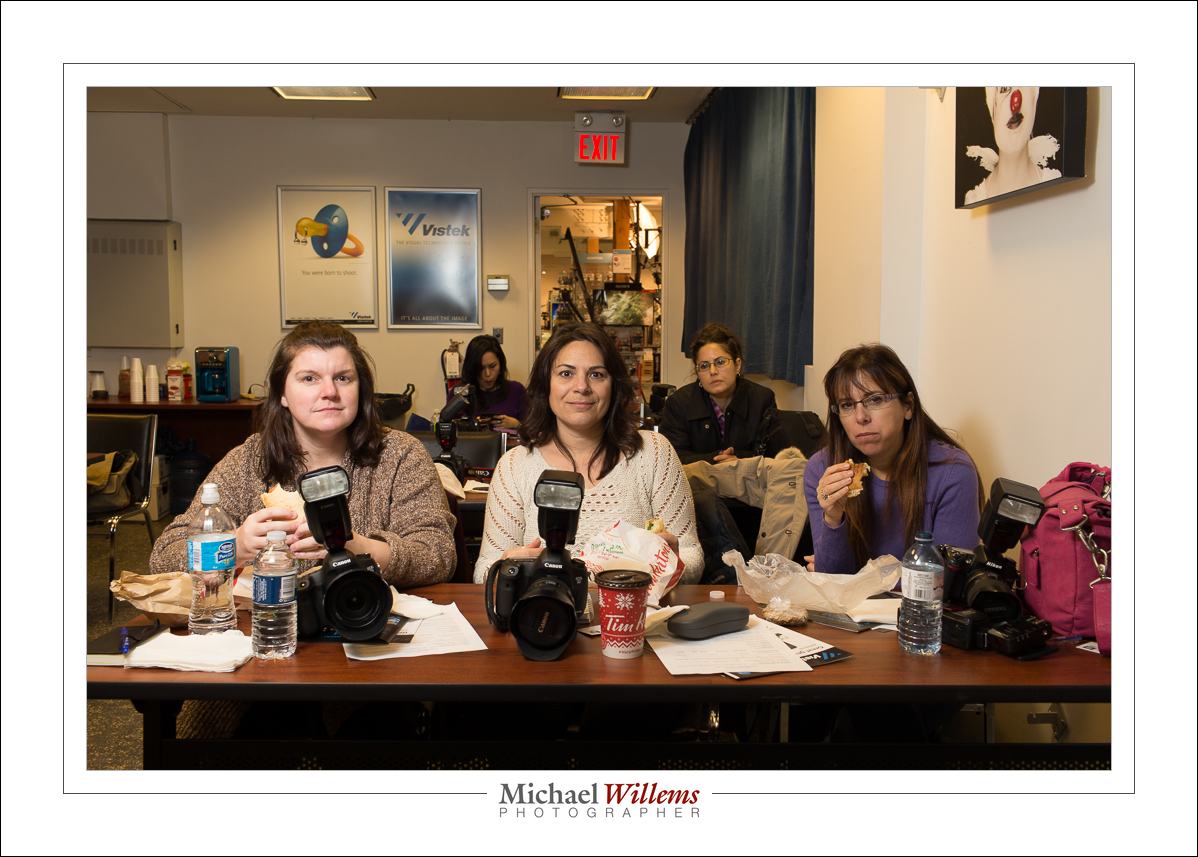
You have seen me talk about this many, many times. Flash pictures start with the background, And to get light into the background, often you will want to use slower shutter speeds. These affect ONLY the background, not the flash part of the photo. Look here; an example from the course I taught today at Vistek:

Like here. f/8, 200 ISO, 35mm prime lens, flash on manual on 1/4 power, fired through an umbrella. The only thing I will change is the shutter speed.

1/125 sec:

1/30 sec:

1/15 sec:

You see? The background gets brighter, the women in the front, who are lit primarily by the flash, do not change. Analyze that carefully.

  • The woman on the left: lit by flash, so does not change.
  • The store in the background: lit by ambient, so changes with every shutter speed change.

And that is how the cookie crumbles.

Why did I use manual flash power setting? Because it is consistent. The same for every shot. No variation. Once I have it right, it’s right for every shot.

___

See http://learning.photography/collections/books for my collection of e-books. These contain my collected knowledge, both of photography and of how to teach it. They are all 100-200 pages long and are simply PDFs, so you can put them on all your computers and tables and large-screen phones, for convenient reading and reference. Enjoy!

Only if necessary

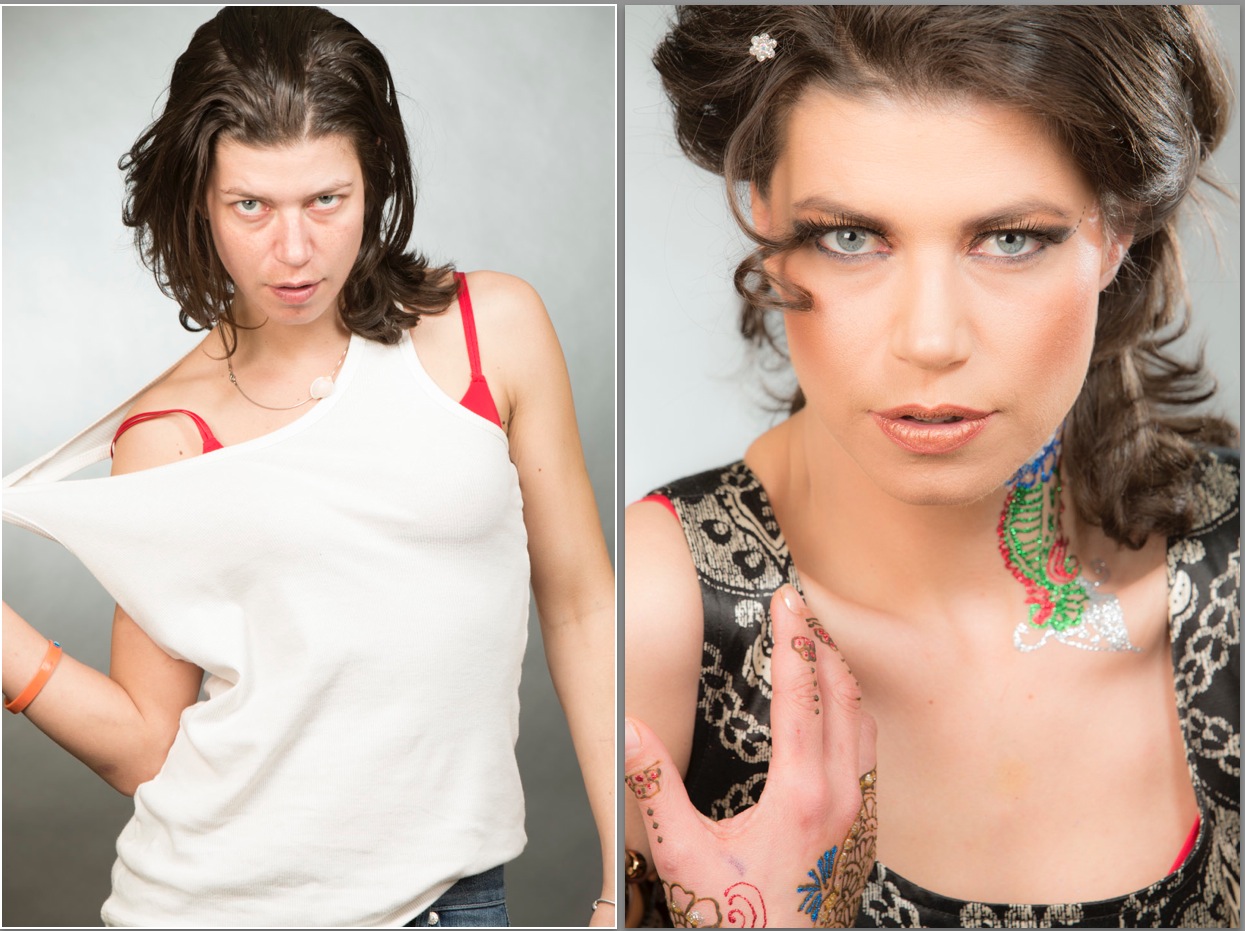
I generally recommend doing things only if they need to be done. And one of those things is a make-up artist (a “MUA”). You can be pretty sure that TV producers, for example, would not use make up artists if they were not necessary. But they are. Witness:

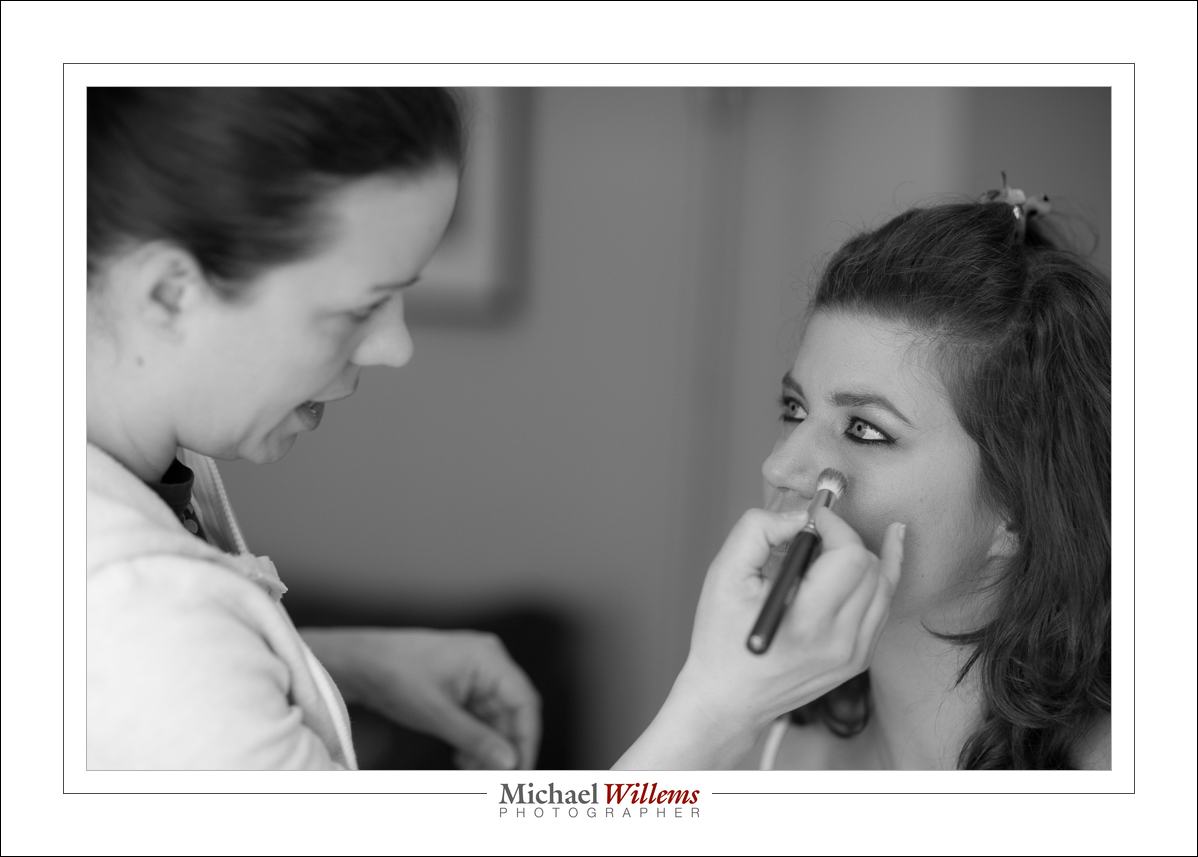
Make up artists do not just fix blemishes. They also shape the face so it is suitable for the shoot. Here’s MUA Melissa Telisman doing her thing:

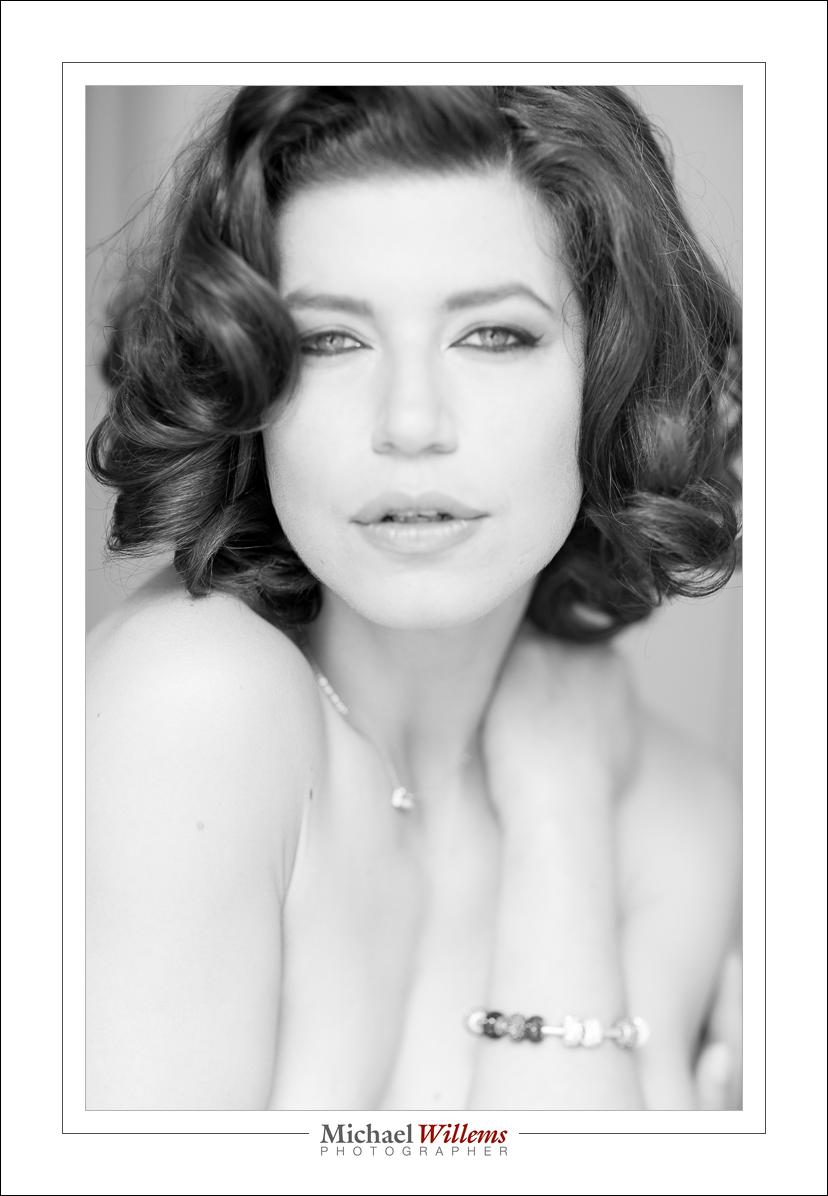
And here’s what that results in:

Glamour and perfection without “photoshopping”, which I am not a fan of. Vut make-up is not just for glamour; not at all. I recommend a MUA and a hair stylist for corporate shoots, too, especially—but not only—if women are involved. If TV shows do it, you can be sure it is necessary, and not a luxury.

Incidentally: do we need the entire person in every shot?

No.

Decidedly no. You get a much more intimate feeling when you do an extreme close-up (an ECU, in movie terms). Try it; experiment in your next shoot and do some shots like the one above. You’ll love them.


Fire!

I remember as a child I made drawings with red and yellow flames: red, surrounded by a yellow aura, and I was impressed by how much that looked like flames.

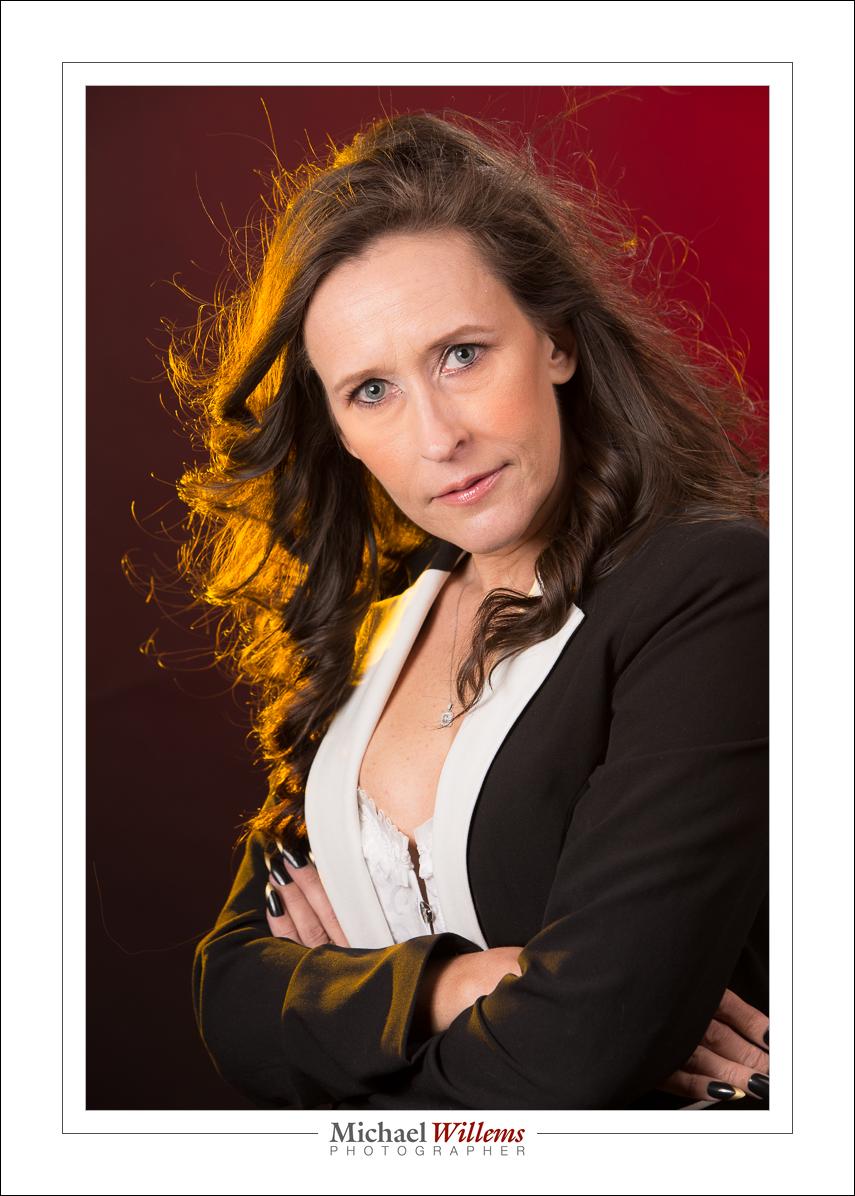
So tonight in the studio, remembering that, I decided to add yellow hair to a red background, like so:

…and I am happy to see that it works just as well as it did when I was a child.

A beauty dish lit the face; a softbox on the right provided a little fill; the background was lit with a speedlight with a red gel; and then the yellow was from a gridded speedlight with an egg yolk yellow gel. 100 ISO, 1/125 sec, f/8. I used Bowens studio strobes, and speedlights with Honl photo modifiers (gels, grids). I set off the lights with Pocketwizards (and the light cell, in the case of one of the studio flashes).

The moral of the story: you should play. Children know how to do that; adults forget. To get new ideas, to be creative, it is important that you play. Try new stuff. Try odd combinations of things. That helps you create: in big ways, but also in little ways like in today’s shoot.

Now, back to authoring my new e-book, “Powerful Portrait Photography”. ISBN 978-0-9918636-5-5. Almost done: watch this space and http://learning.photography.


Special: Learn Flash!

Learn flash—wherever you are in the world!

I now offer my three-hour flash course, “Mastering flash” ONLINE, one-on-one, using Google Hangouts. And for a limited period, this is only $249 instead of $299. So, before the December festive season, master flash now.

You need flash Indoors. Outdoors. On-camera or off-camera, like in an environmental portrait like this, which should take you under a minute to light:

Go to learning.photography/collections/training-300-advanced/products/flash and book right now. I promise, you will learn fl;ash, you need to learn flash, and you will be delighted you learned flash!


Today, a CEO/executive shoot

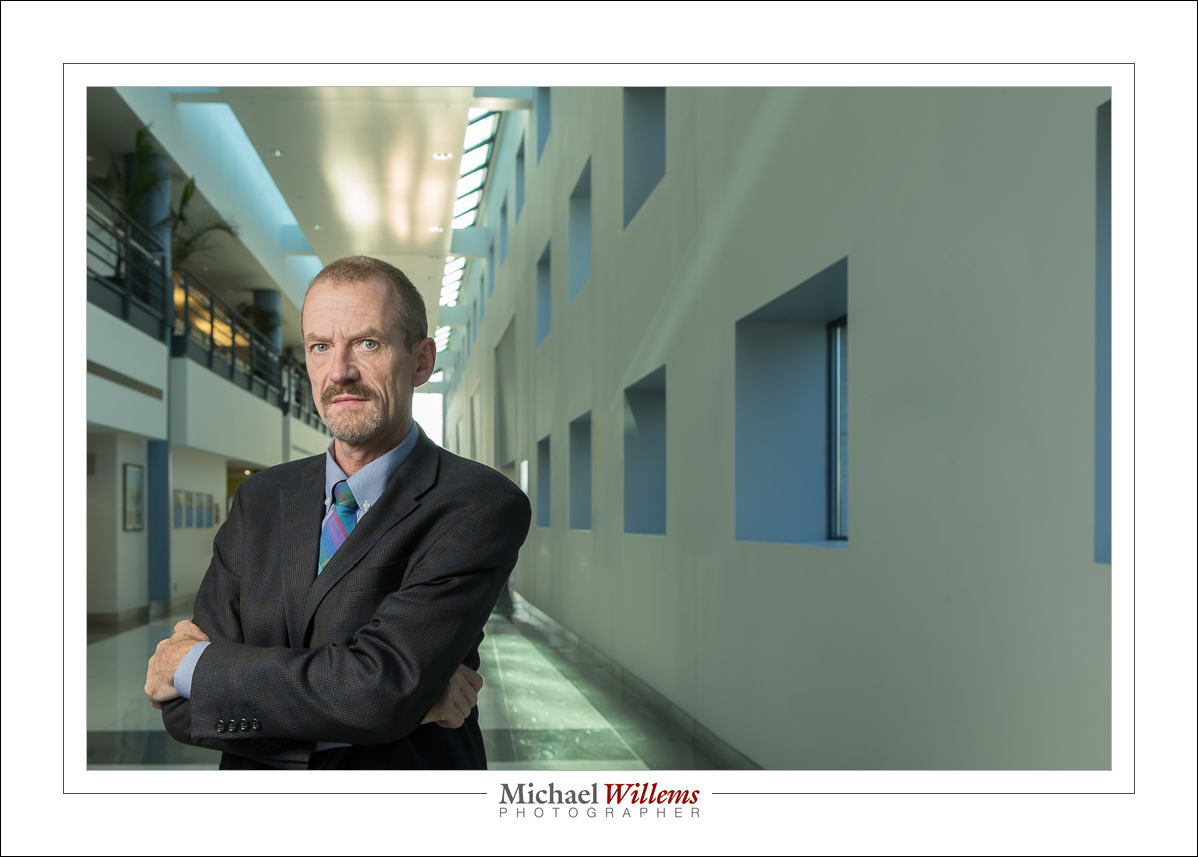
Today was one of those great days that everything comes together: a nice Annual Report shoot including a CEO portrait, two green screen executive portraits, and two environmental executive portraits; then some real estate on the way home.

I am standing in for the CEO here.

  • One flash off camera, shooting through an umbrella. On our left.
  • Converging lines converge on the subject from both left and right.
  • Shot at 1/125 sec, f/6.3, 800 ISO. This was the right combination of background and foreground.
  • Flash on manual.
  • Behind me: a very bright window: we positioned me so that that window was exactly covered.
  • The space on the right is for text: whenever you shoot for a magazine, ask whether there has to be empty space for text (and ask: horizontal or vertical?)

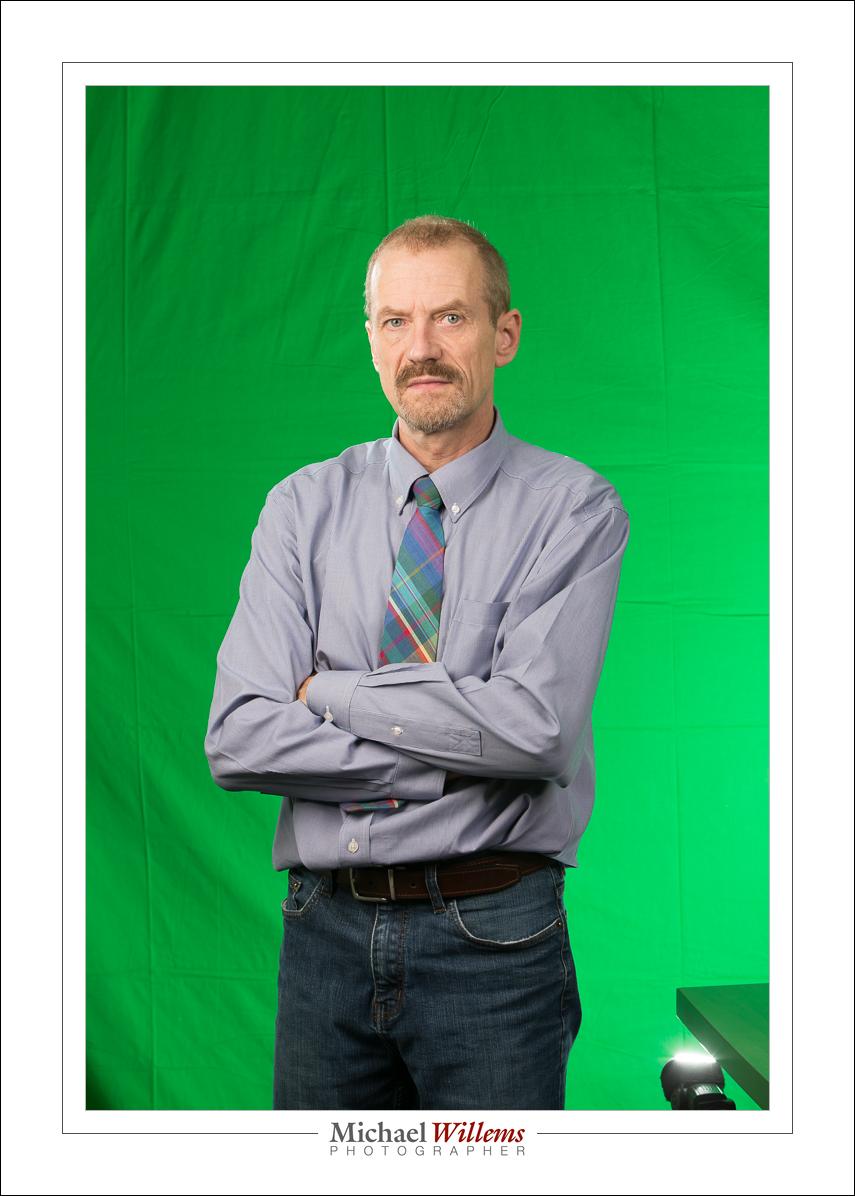
Then some green screen; Like this:

So that we can then make it like this (and mouse over the subject to see what I mean):

…and put the subject in front of the eiffel tower, or where ever we want.

For this we used five flashes: Two big studio strobes, and three speedlights (two for the green screen, one for the “shampooey goodness” hair light)

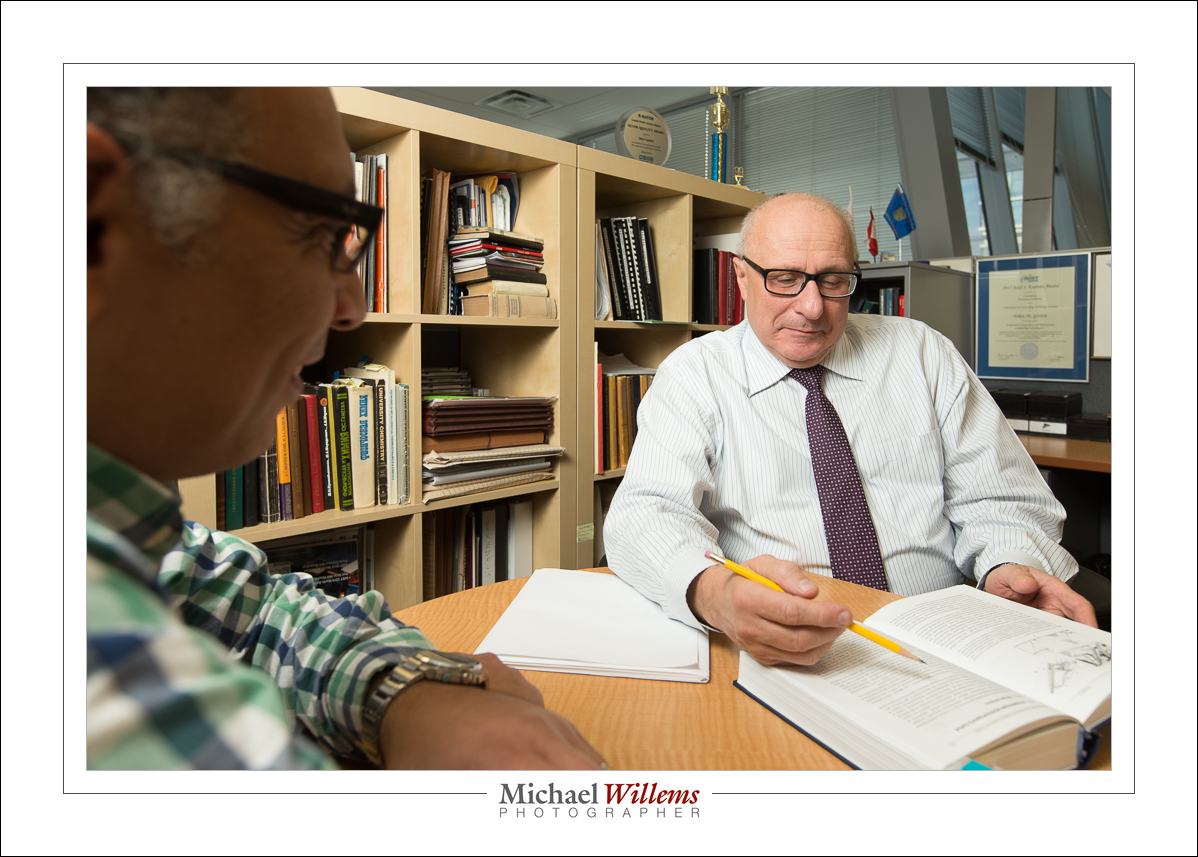
Finally, we did several more environmental portraits, in office spaces. For those, as for the CEO, we used just one off-camera flash shooting through an umbrella. Why not keep it simple, if you can?