Split

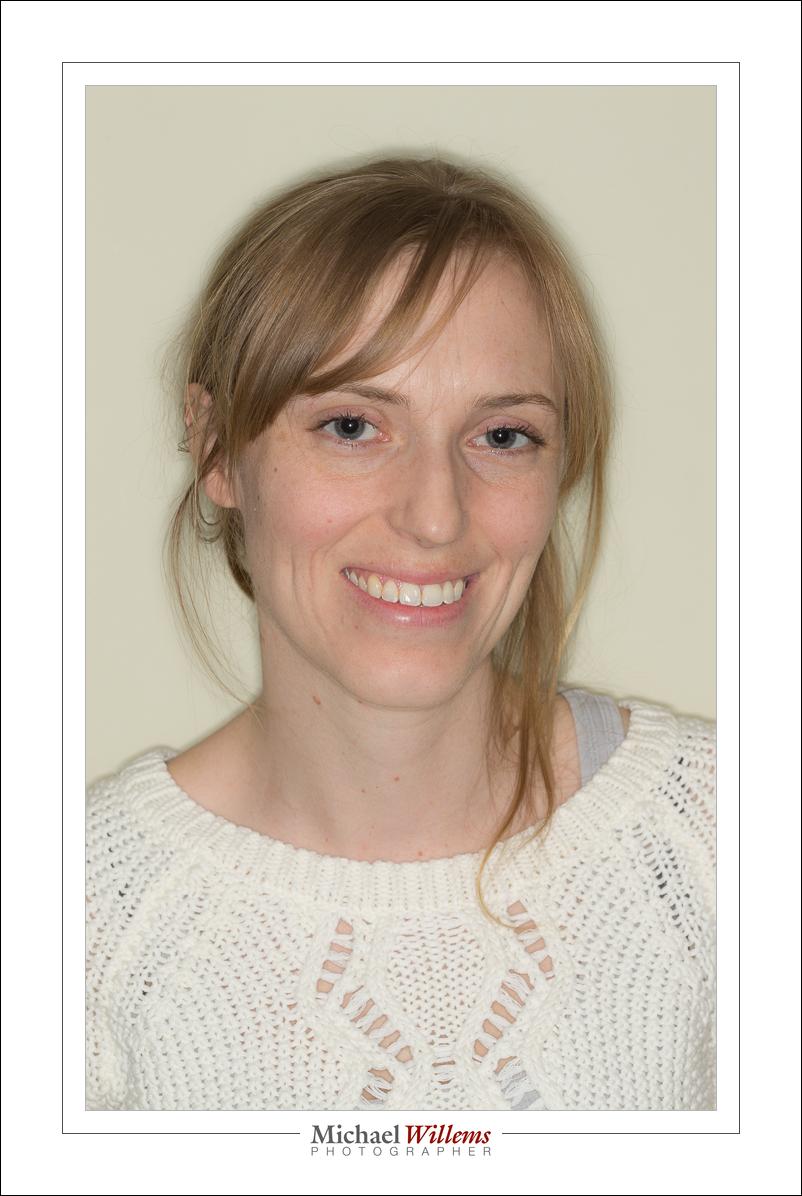
Today’s lesson is a simple “Split lighting” picture. This was one of my students in today’s Canon-sponsored class at Vistek Toronto. The danger of sitting in the front row is that you will be pictured:

Split lighting is a technique where exactly half a face is lit, and the other half is dark; the face is “split in two”, if you will.

I did this as follows:

  1. Camera on Manual
  2. Camera set to 100 ISO, 1/125 second, f/8.
  3. On–camera flash is a 600EX set as MASTER flash, and its actual flash function is OFF (i.e. it ONLY works as master flash, telling other flashes what to do).
  4. On our right, a 430EX flash set to TTL SLAVE mode. This flash needs a grid or snoot fitted in a small room; here, the room was large enough to do without (there were no close-by walls that the flash could light up).
  5. Flash Exposure Compensation set to -1.7 stops (on the camera)
  6. There is no 6: steps 1-5 were all.

Yes, this stuff is really quite simple once you know, and modern camera and flash equipment brings this in the reach of everyone. All you have to learn is some technique. And that is where I come in!

___

SPECIAL: For the next 7 days, until May 10, my readers get 15% off all orders on my new online store, http://learning.photography: use discount code speedlighter on checking out to claim your discount.

Quick Hi-Key Recipe, or “What’s The Secret?”

There are many “secrets” in photography. They’re not secret, really: they are the distilled knowledge. The simplified “start here” points.

So let me give you one now—one of many from the Flash course; this one, which by the way I am teaching on behalf of Canon Canada at Vistek in Toronto tomorrow, Saturday:

Quick High Key Portrait

  1. Get a camera with a flash mounted on the camera.
  2. Set the camera to M (manual), 800 ISO, 1/125th sec, f/5.6
  3. Ensure that the flash is set to TTL mode (Through-the-lens metering).
  4. Set Flash Compensation to +1.7 stops (“plus one and two thirds”). You can do this on the flash (or on the camera if you are using Canon. In Nikon, do it on the flash please, or you are limited to +1 stop).
  5. Point that flash upward 45 degrees, behind you.
  6. Find small room with white (or at least whiteish) ceiling/walls behind you.
  7. Dress the subject in light clothing.
  8. Put the subject in front of you, about 1-2 metres away. Focus on model. Fire.

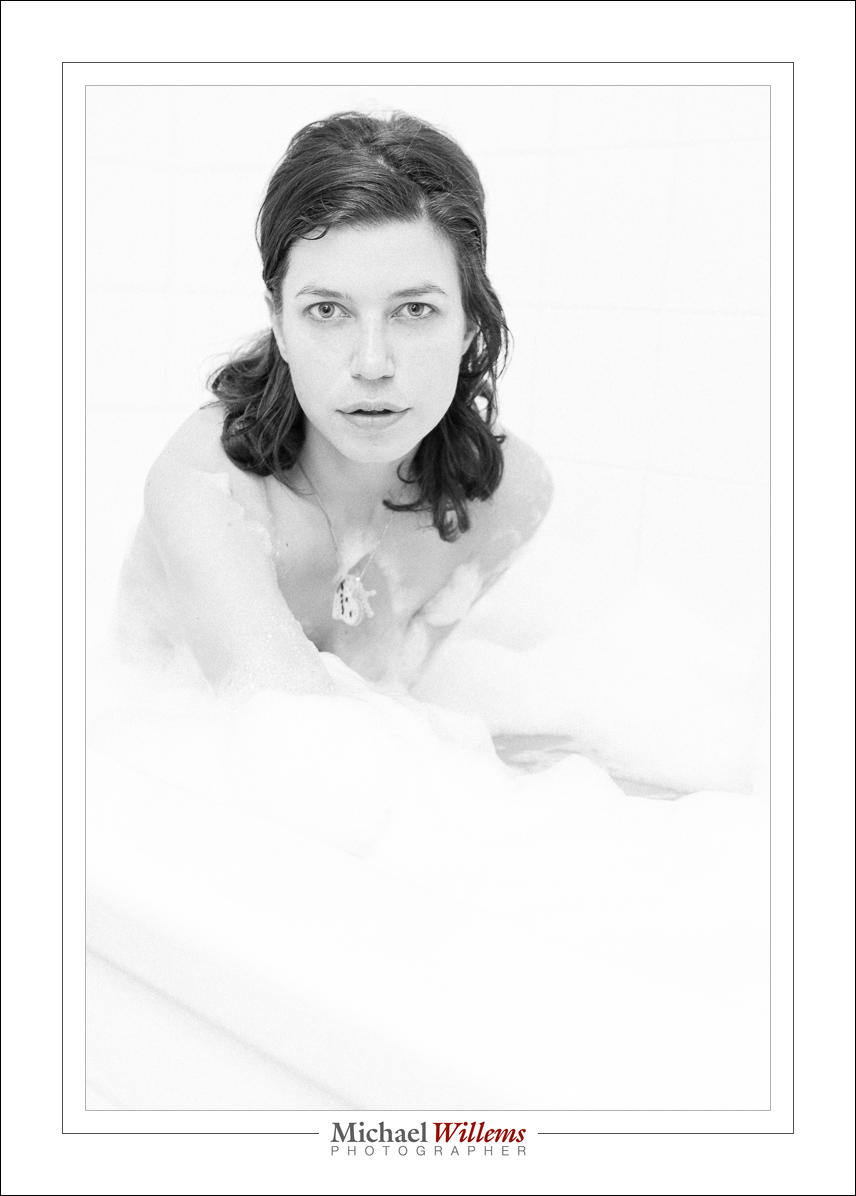
Now you will get this (I converted it to B/W and added some “film grain” for effect):

Not bad for a 30-second shot, no?

You should turn on your “blinkies”: you want the wall, but not the subject, to blink (to be overexposed, or close to it).

If the picture is too dark, increase flash compensation. If that makes no difference, then it is a lack of available power; in that case increase ISO, or decrease the “f-number” (or both).

And that’s all there is to it, really.


Amateur Aesthetic

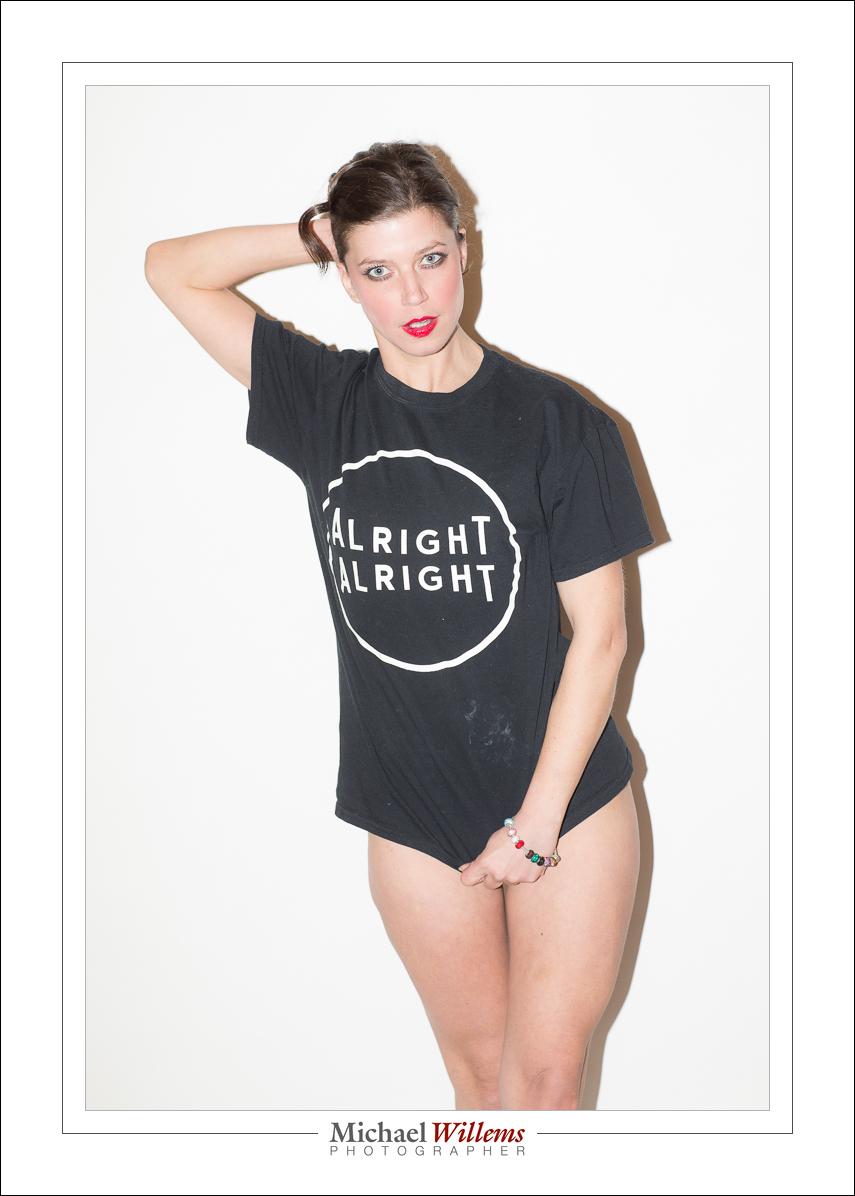
Today, another example of the “Amateur Aesthetic” or “Snapshot Aesthetic”made popular by such contemporary photographers as Terry Richardson, after Diane Arbus and Nan Goldin, two of my favourites.

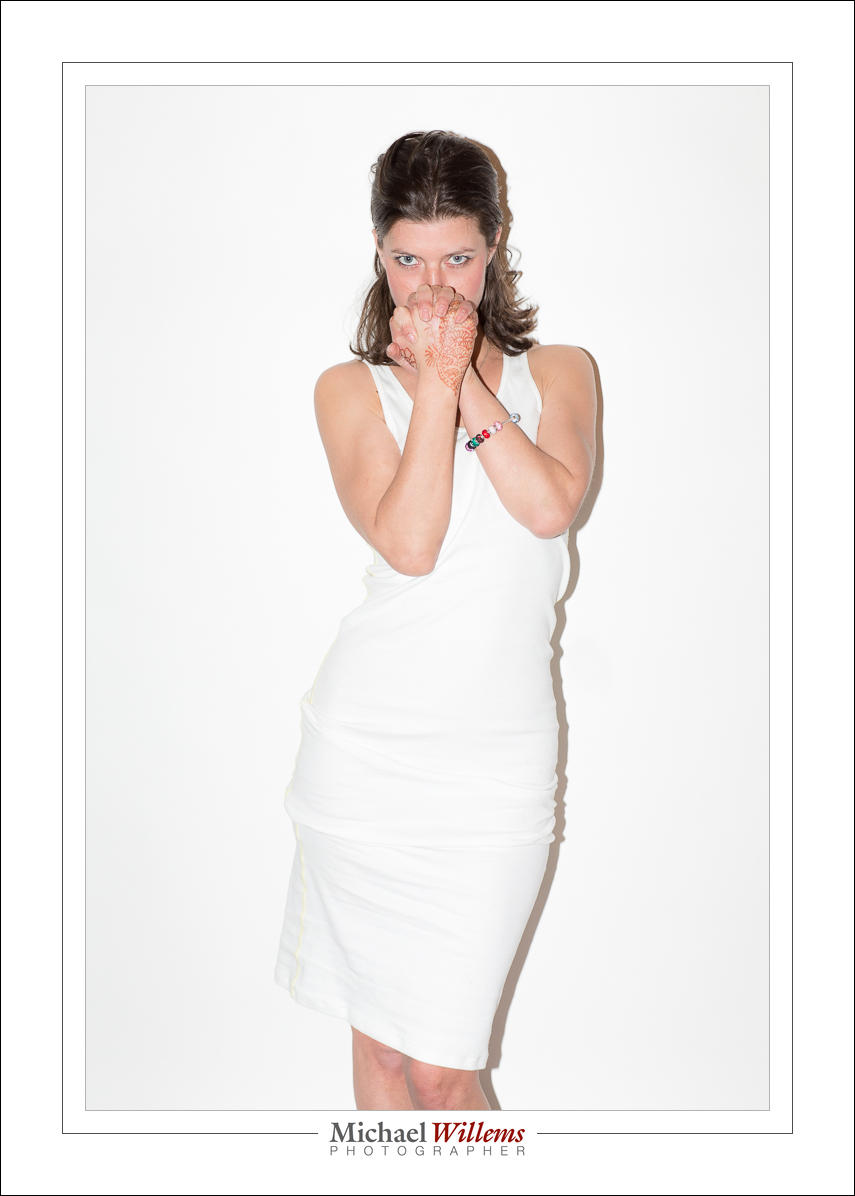
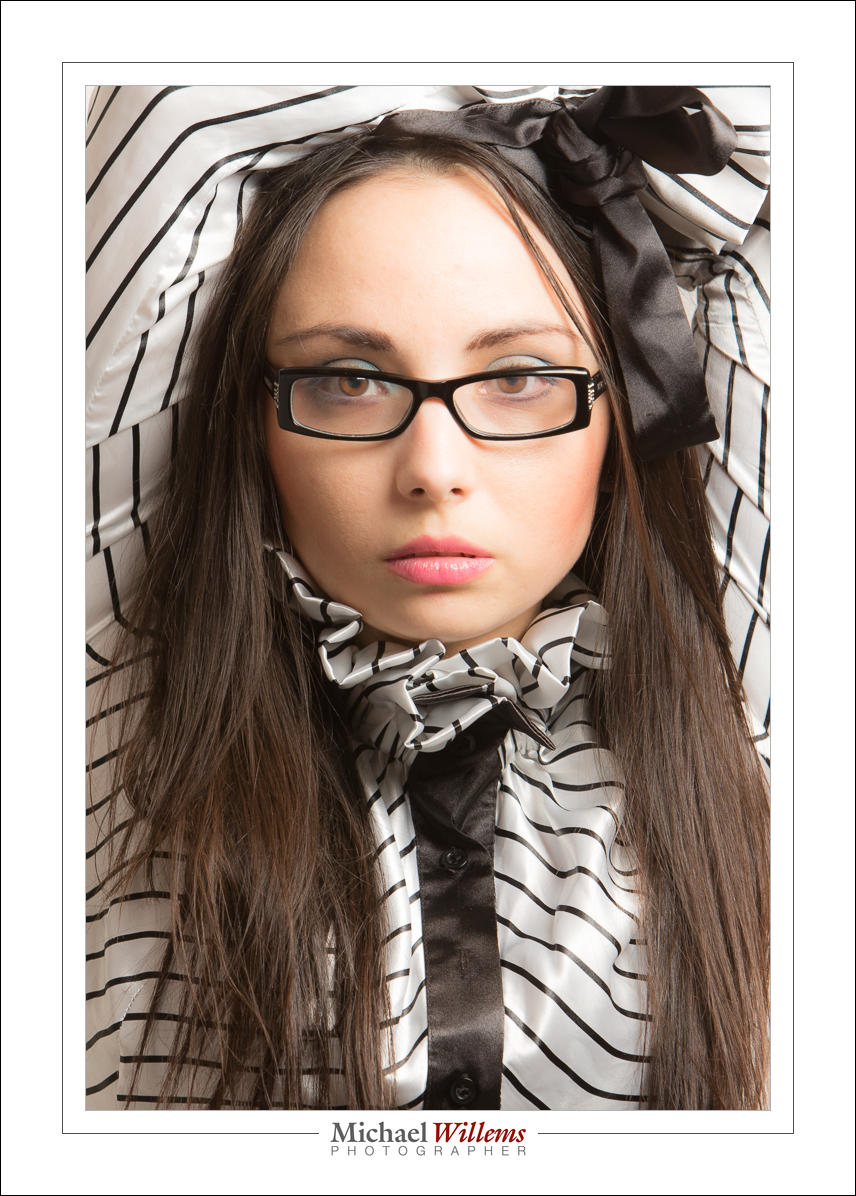
Here’s mine, a high-key model shot:

We call it amateur, or snapshot, because you use a flash straight on, and aim at the subject, and have the subject stand in front of a white backdrop, camera aware. Like Uncle Fred does. This gives you the drop shadow. It also, however, gives you very flattening light, and models like this: it hides any facial features. Overexposing a little, or rather, exposing brightly, makes it even better in that regard.

Unlike your Uncle Fred, my models and I think carefully about composition, light, and expression and pose. The direct flash means you need to aim the subject’s face down a little, else light comes “from below”, which is never flattering.

So nothing is left to accident, in spite of the amateur look.

For this shot, I used 1/160th sec, 400 ISO, f/5.6 and an on-camera 600EX flash. The flash compensation, like in the examples of a few days ago, was set to +2 stops, and I used TTL flash metering for flexibility.

Your assignment for today: shoot a portrait like this. I am about to teach a TTL flash course, and my student will do this as well. In addition to “proper” flash, you need to know techniques like this as just another tool in your toolbox.


This Report Contains No Flash Photography

Mass hysteria: we see it in humans all the time. Don’t use your cell phone in a gas station (total number of fires or explosions worldwide as a result of cell phones: zero). Don’t use your blackberry in a hospital (a 100 mW blackberry is supposedly a danger, while the doctor’s own blackberry, or the security guard’s 5,000 mW walkie-talkie, apparently represent no danger). Our local hospital has a No WiFi rule—and yet there is a WiFi network all over the hospital, named “staff only”.One presumes staff WiFi is kinder, gentler, somehow. Do not vaccinate (danger of vaccination: negligible. Danger of the diseases prevented by vaccination: immense). And so on. Superstitions are dumb, and I mean that: dumb because they knowingly do not look at evidence, just at emotional “I read it on the Internet” inputs.

One particularly insidious one is the uniquely British “This Report Contains Flash Photography” warning, with an exclamation mark, no less:
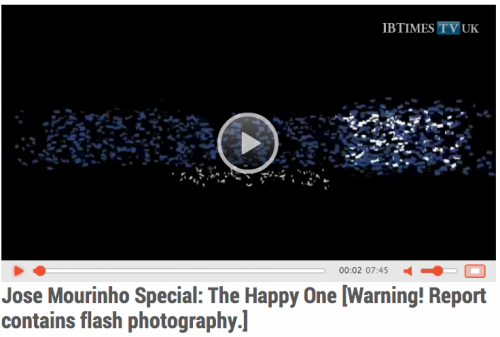
Every news item in the UK that has a photographer flashing is preceded by this warning. Even news web sites carry it. Newsreaders say it.  Enough to make you really, really fear flash photography. And as you may have guessed, The Speedlighter cannot let that go unchallenged. It is insidious because it leads to a general fear of flash.

The British justification is that there are some epileptics sensitive to flashes. Which is true, and we should not trivialize the seriousness of epilepsy. I would not: I myself have a brain that is very sensitive to light flashes at certain frequency, and EEGs have shown me to be very close to this type of photosensitive epilepsy: my brain displays distinct epileptiform EEG patterns. I remember the EEG: a weird experience, to have my brain affect the frequency of the flashes I was seeing. Brrr… Br-r-r-r-r-r… Brrrr… B-r-r-r-r-r-r… the flashes went.

However, (a) there are very, very few people with actual photosensitive epilepsy (a few thousand in the UK, The Guardian estimates; it is unlikely that out of those, more than a few are watching any particular broadcast), and (b) they are sensitive to repeated, regular flashes, say at 15-25 Hz, not to individual and irregular flashes from cameras.

The reason this warning is nevertheless carried is, apparently, a regulatory one. Safety above everything, and the law is the law.
And the problem with that is that if we put safety above everything, we do not have a workable society. Of course, in practice clearly we do not do this: we make reasonable accommodations. Else, cars would have to move at 5 km/h with a red flag preceding them. And with two drivers at all times, preferably. We would, of course, not fly airplanes at all; nor would we ride horses. All nuts and nut products would need to be permanently banned, as would alcohol and tobacco—and fat. We would force-vaccinate all kids. All movies that contain any adult situations, nudity, political statements, religious discussion should be banned for fear they may offend.

As you see from these hyperbolic hypotheticals, saying “safety above everything” is unworkable, and we do not do it. We just pretend to, because it is comfortable for simple minds to hear that our governments are removing all risks.

When deciding whether a warning is useful, you look at other places, Do other countries mandate this warning? Not to my knowledge; and yet, there are no hordes of Americans, Germans, Canadians, and so on all dropping like flies from flashes in news reports. So we can safely say: yes, this is another case of mass hysteria. If you are asked not to flash because someone objects, fine. If you yourself have light-sensitive epilepsy, then ask for no flashing. Other than that:
___

Have you seen my new Video With Your DSLR course on the schedule? Check out www.cameratraining.ca‘s schedule page.
 

Terry

If you read this blog, you know I am all about proper lighting. And proper lighting is about off-camera flash technique, modifiers, and so on.

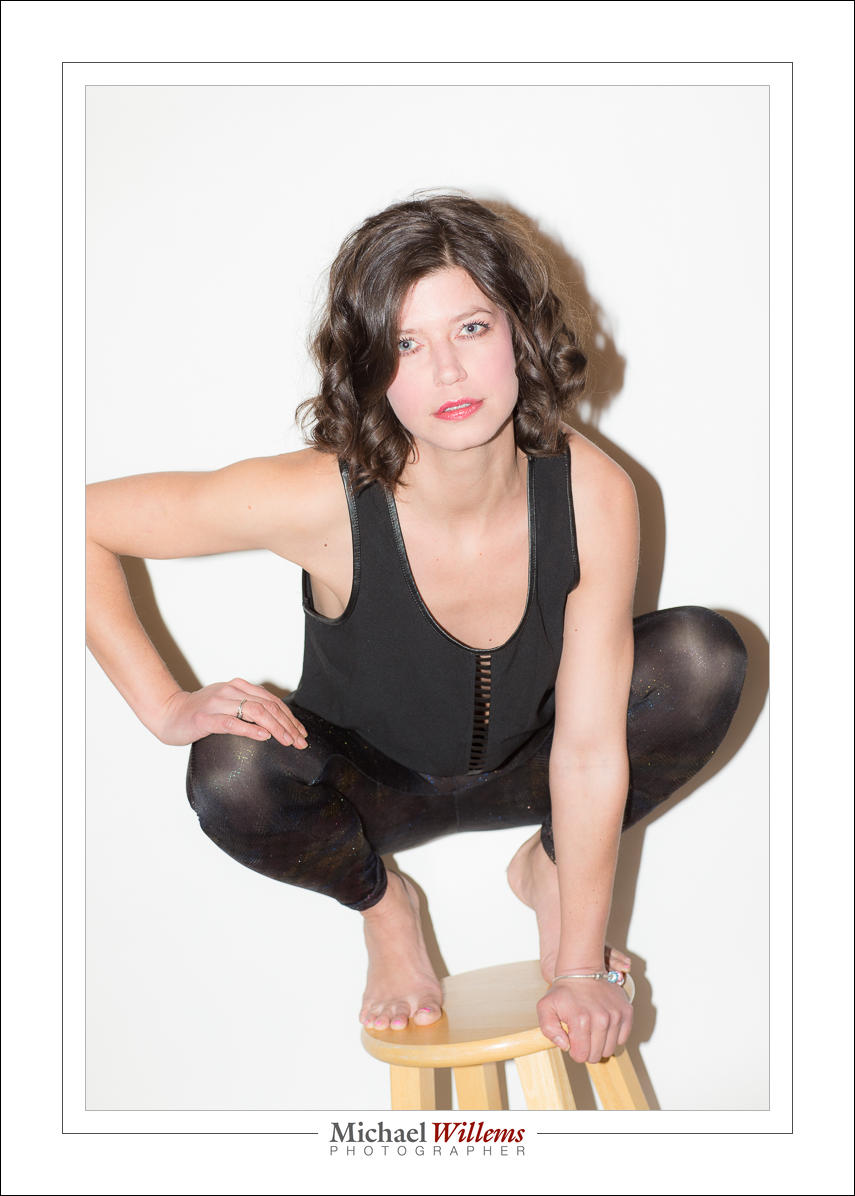
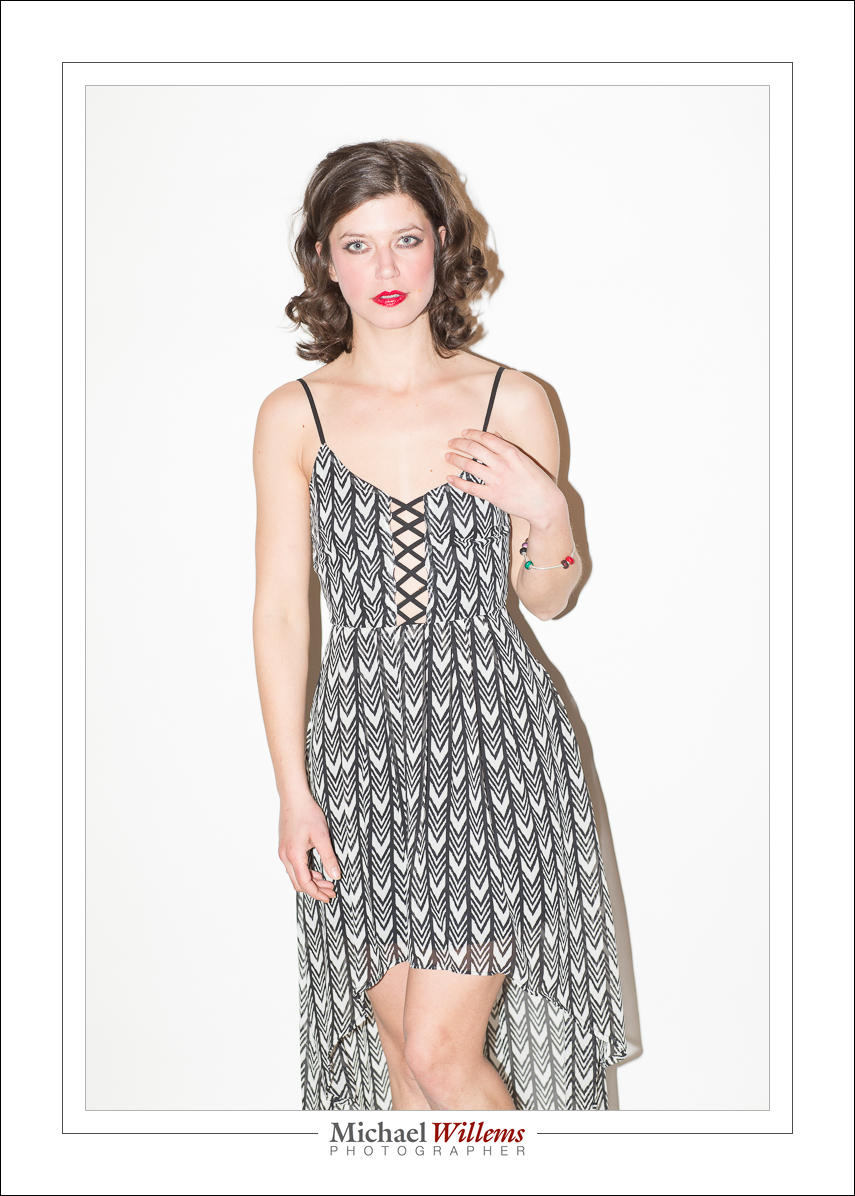
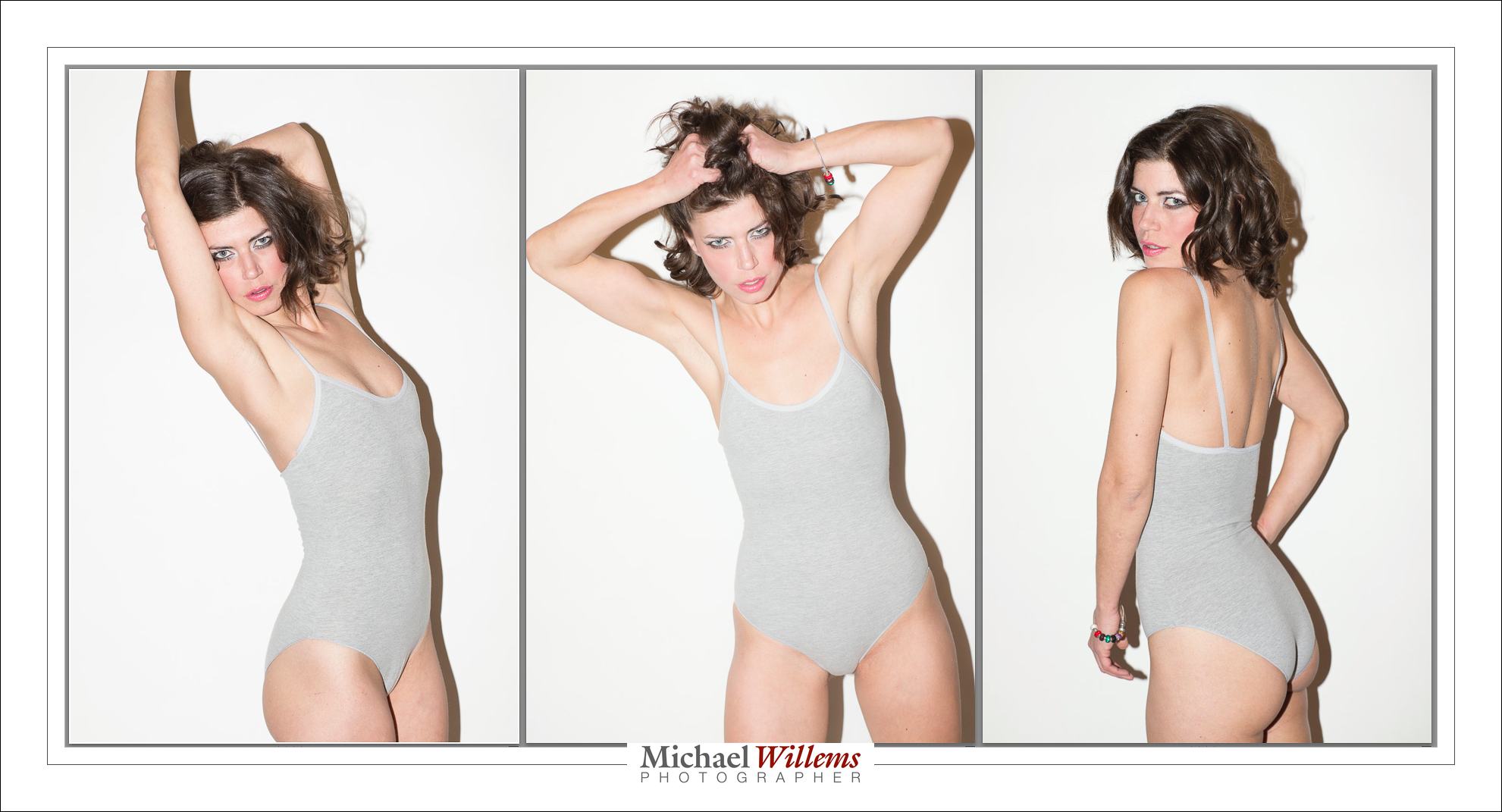
But it is also about making exceptions. One of those is what I like to call the “Terry Richardson look”. Look him up: he is one of the world’s most highly paid photographers and his typical work consists of putting famous people (think Barack Obama, Miley Cyrus, and every other celebrity) against a white wall and shooting with a direct, on-camera flash.

Normally, this is a recipe for disastrous snapshots. But he somehow carries it off, and we call it the “punk/amateur aesthetic”. And so I like to think I can carry it off too. Have a look at some shots from yesterday:

So why do these work, against all better judgment?

Because they have a recognizable look. And because they are what I would call urban cool. And they provide wonderful, even, beauty lighting that compliments skin and fills in any facial features (think wrinkles). And because lighting skin brightly is very complimentary. This Terry Richardson technique can take ten years off someone’s age.

The images above were made in the studio with a simple on-camera flash aimed straight into the subject’s face. I used TTL flash and (this is crucial) I set flash exposure compensation (FEC) to +2 stops. 400 ISO, f/5.6, 1/125th second.  You need a powerful flash (I used a 600 EX): the pop-up flash will not do.

But the above is all you need. And—here’s the kicker—because of this simple, all-filling light, no post work needed to be done on these images.

A few more examples:

Triptychs work well, too:

So this technique may look like a snapshot technique, but it is in fact well thought out and executed. Of course I would not recommend doing this in all your pictures, if only because twenty years from now, this will look dated. But for sure, Mr Richardson is on to something here. And I am happy to have this available as one of my techniques.

___

Note: if you want to also see the nudes from this session, head on over to mvwphoto.tumblr.com


Ring Flash!

If, like me, you do not like Terry Richardson’s hard flash shadows (Google it…), then you prefer softer shadows. And so, traditionally, do most fashion photographers.

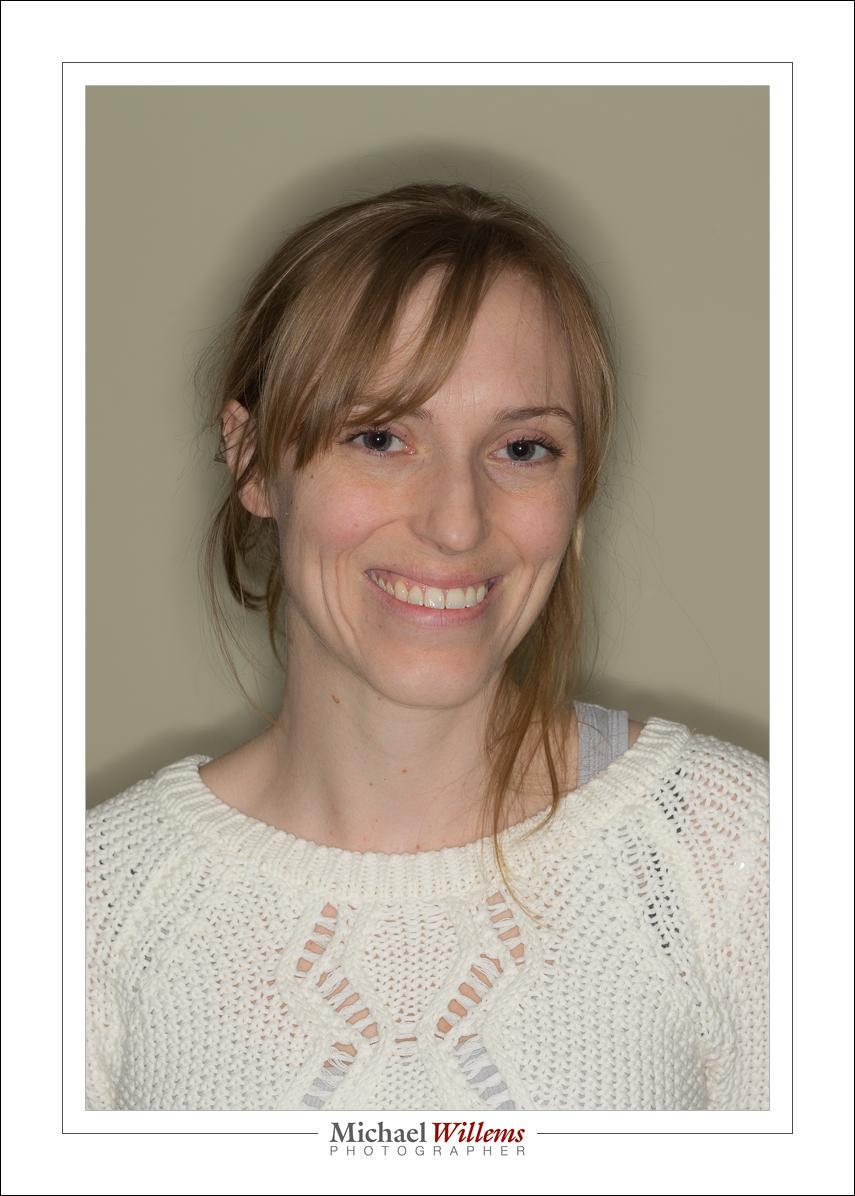
And they often use a ring flash for that. A flash that forms a ring around your lens. Because it is the only flash that can work great when fired straight on to the subject, as in this image of one of today’s Advanced Flash students:

Wow. Direct, unmodified flash ON camera is acceptable?

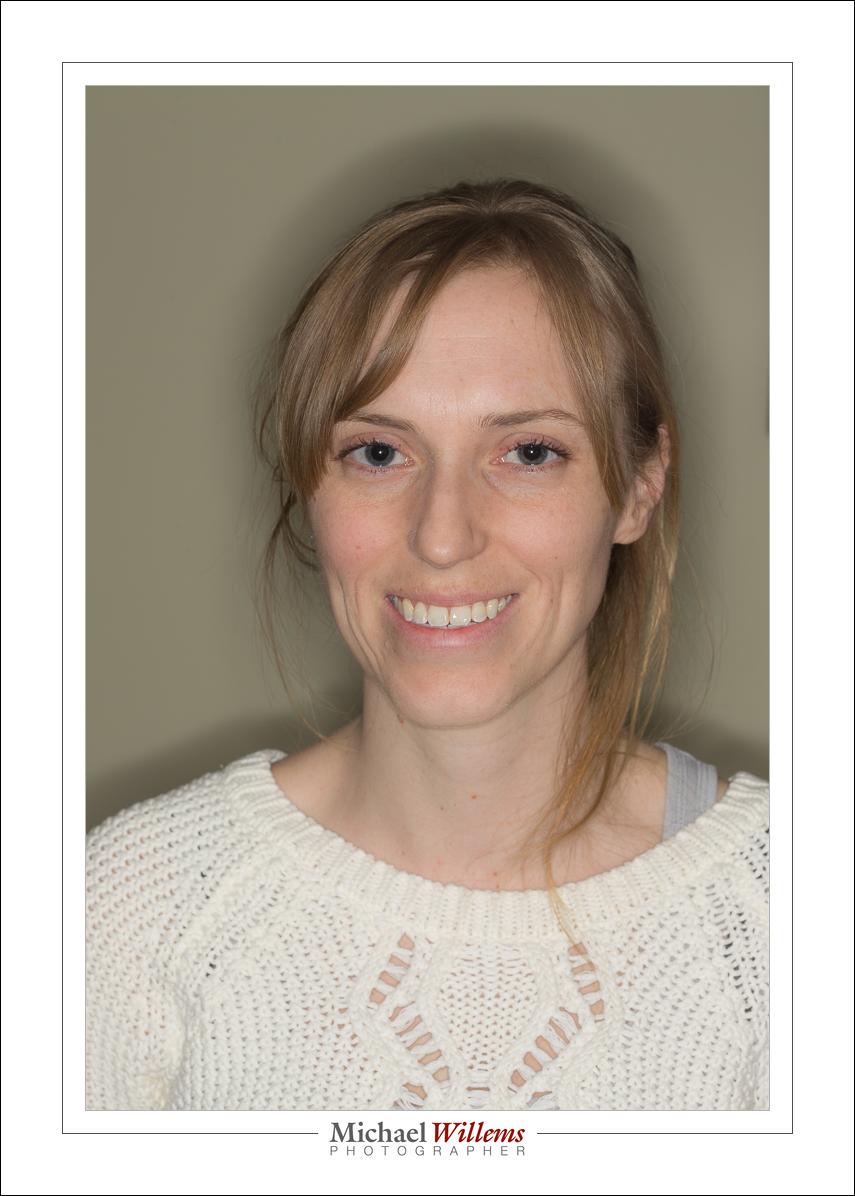
It is when you use a ring flash. And the ring flash achieves that by being a circle of flash around the front of your entire lens. So there’s not so much “no shadow” as much as “shadow everywhere”. Look at the typical “halo” shadow:

See that halo? Since the model is bigger than the camera, the shadow lines move outward. If we move the model farther from the wall, it gets even larger:

And if we move the model closer to the wall, it gets smaller, and more difficult to notice:

Also, of course, the wall is brighter (she is closer to it, i.e. it is closer to her: the Inverse Square Law doesn’t get much of a chance).

You can get donut-shaped highlights if you are close to the model. I like these. If you don’t like them, move outward a little.

So do I like ring flashes? Yup. For fashion, and for some macro work. Love them:  a great addition to the serious photographer’s kit bag.

But—one note of caution: you will get red-eye. In the images above, each eye was red, and I had to use Lightroom’s Red-eye correction feature. Which is very able and simple, so it’s no big deal. Unless you forget!


White Balance Tip

Why, I was asked yesterday, do I need to set my white balance to “Flash” when shooting studio-type pictures like the one of friend Liz below? Isn’t “Auto” enough?

Well, in a sense Auto is OK, since you can always correct later—assuming you are shooting in RAW format. (If shooting JPG, you must set the white balance accurately when shooting). But while you can shoot with the wrong balance, why not get it right? Your previews will look great, and there’s less work later.

So why is Auto wrong in this case?

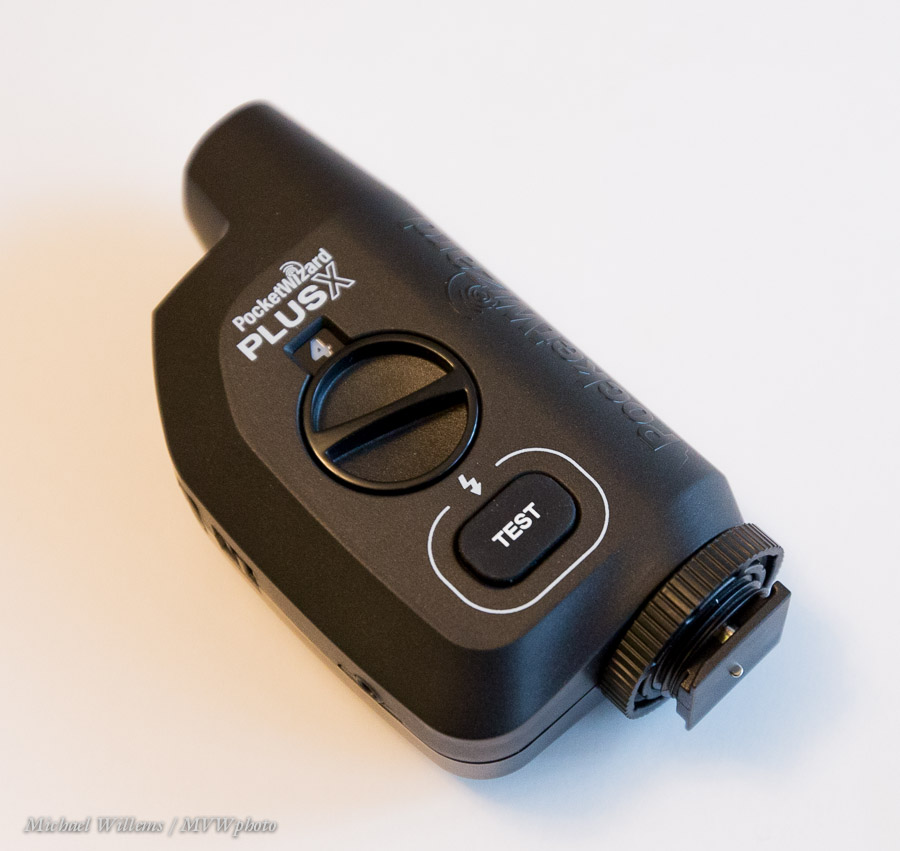
The key phrase is “studio type” shooting. That is distinguished from speedlight shooting in one major way: namely, that you connect to the flash via either a cable or a radio trigger such as a Pocketwizard.

And that means the camera does not actually know you are using flash! So it does not set its white balance to Flash for you. And Auto is wrong, because you cannot measure flash white balance automatically. Why not? Because that measuring is done before the picture is taken, and before the picture is taken there is no flash! So the camera will base its white balance on the lightbulbs in the studio rather than on the flashes. And that’s wrong.

So now you know yet another little thing about flash!

ADMIN NOTES:

If you are in the Oakville, Ontario area: I have one spot open for Sunday’s Advanced Flash workshop. be quick and be part of this!

Also, of course, there’s the e-books: go check out what people are saying. The books and courses work very well together.

And finally, I have that 50mm f/1.2 lens for sale. Check that out too: and remember, $125 off for readers of this blog.


Pocketwizard question

A student who took my five-day Flash course at the Niagara School of Imaging (held annually at Brock University), asks:

I still struggle with PocketWizards a little. I have the TT1 and TT5 for Nikon. This was different from the ones you used at Brock. I am not sure what is the best option and how I could add a speed light from a different make, e.g. Panasonic.

That is a good question.

So first, what is a Pocketwizard? A radio slave, i.e. an electronic “wireless cable” between your camera and your flash. One on the camera to send, and one on each flash to receive.

And just like with real cables, there are two types:

  1. “Intelligent” Pocketwizards (or cables) that “talk TTL”, i.e. that know the camera’s and the flashes’ commands. They use all of the flash contacts (like 5 of them), and they are camera specific. They provide access to all functions, especially automatic (“TTL”, Through-the-lens) metering.
  2. “Dumb” Pocketwizards (or cables) that just tell the flash “fire now”. As picured above, these provide no automatic metering; they do not know any of the camera’s or flashes’ special functions, and they are not camera specific. Can you see, there’s just one contact (plus one on the side)?

But the second type does not do any automatic metering? Why use those, then? Surely that is a drawback?

I’ll tell you why I use those. First, they use AA batteries, and a lot of the “intelligent” Pocketwizards have special little batteries. Me no like. Second, simple is good: less can go wrong. Plus, TTL is proprietary, so Pocketwizard and other vendors have to reverse-engineer the protocols, which could be difficult. Third, they are cheaper. Fourth: Pocketwizard has not yet lent me some to test, and I will not ever recommend what I have not personally tested.

And fifth, and not in that order of importance: with “dumb” Pocketwizards I can use any old flash I like, regardless of its brand. Yes, I need to set the power level on the flashes by hand, but hey, who cares. In studio-type shooting that is no big deal.

So if you want the type that is not camera specific, i,e, that allows you to use Nikon flashes with a Canon camera, say, then use the second, simple type.

Does that help?

___

Read on for course details: new courses have been announced and are running soon.

Friday the 13th.

..is not a bad day so far. I am shooting an event tonight; first, some more writing (the Travel Photography book: I am making good progress and I trust I will have it finished before Xmas), and some admin.

A quick note, today, about TTL flash. You can of course set up a studio setup with manual flash, and when you have time, you do that. But when you do not have time, use TTL for off camera flash. Remember:

  • Use flash exposure compensation when needed (when the camera decides to over- or under-expose the shot).
  • Avoid reflections.
  • Meter off something mid grey.
  • Disable your on camera flash (so that it sends commands, nothing more).
  • If you have two flashes, set them to “A” and “B”.

Now set ratios between groups (Canon) or adjust groups to taste one by one, by stops (Nikon).

I had two flashes here: main flash A on the left; hairlight B on the right.

A:B = 1:1 (Canon) or A and B both set to 0 FEC (Nikon):

A:B 8:1 (Canon) or B -3 stops FEC (Nikon)

A:B 1:8, or A -3 stops FEC (Nikon):

Although the way of setting them differs a little (ratios vs per-group adjustments), the end result is the same. And the benefit of using TTL for this is that it is very fast. TTL with some knowledge and some adjustments when needed, and Bob’s your uncle. Try it, if you have several flashes.