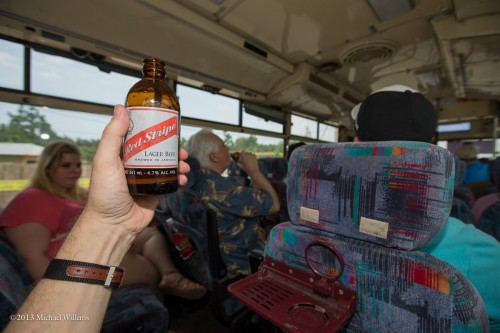
Light.

A phosphorescent dinoflagellate, you say?

Yes. A kind of microorganism that glows in the dark.  And it lives in salt water, but especially in Jamaica’s Luminous Lagoon. And it glows when agitated – like when there’s swimmers:
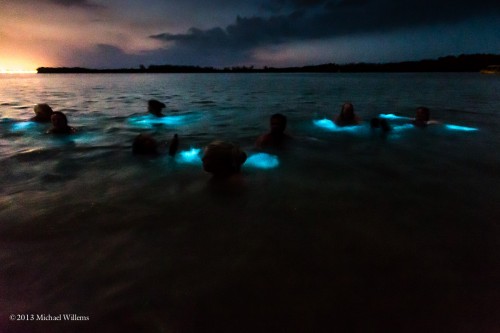
I was the only person to get any pictures. Why? Because it was dark. Very dark. Very, very dark.

So I had to shoot like this:

  • 16,000 ISO (!)
  • f/2.8 – f/4
  • 1/2 second shutter time, on a boat.
  • Manual focus – guessed because it was too dark to see even to focus manually.

Even then, I had to push the shot a little in post.

Longer shutter speeds and a tripod, you say? Not on a moving boat!

I could not see my focus scale, so I could not even look at the lens and manually set the sharpest point to, say, 3m. It was all guesswork – and guess what, it worked. Good gear (f/2.8, 16,000 ISO, yes, sixteen thousand) helped me a lot.
 

Note To Self

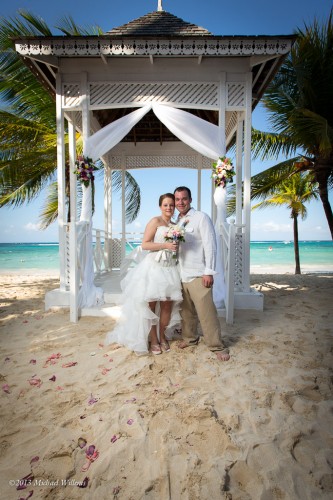
I am in Jamaica shooting a wedding. When traveling, you may want to bring some of the things that in packing last Sunday at 3AM, I did not remember to pack – and usually do:

  • Bring a power bar. Hotels never have even remotely enough  power outlets.
  • Bring clear lens filters, just in case.
  • Bring enough memory cards.
  • The worst, for me:  Bring a mouse with the computer if you want to edit. Pads are useless for accurate editing.

I did remember some things of course, so I was able to get a lot of good shots.

The things I remembered include:

  • Bring enough batteries! Change them all the time.
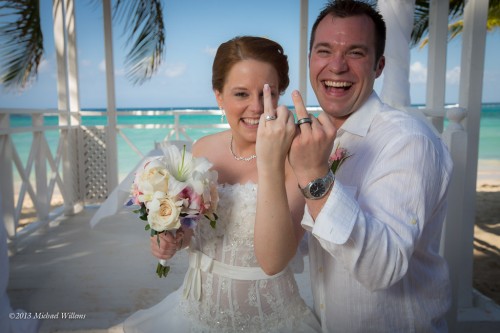
  • Bring an umbrella. Without the umbrella and Pocketwizards and flash cables and enough flashes I could not have done the shots I did, like the one above.
  • Bring a laptop and Lightroom.
  • Bring a spare disk – backup, backup, backup!
  • Bring two cameras and 16-35, 24-70, 70-200 and 50mm prime lenses.
  • Bring microfiber cloths and a small brush to clean cameras at beach.
  • Bring medication for tummy upsets – have not needed this but always carry!

If I had had more powerful lights, I could have made more dramatic images – but the images I made were just what I had in mind…!

Now  bath, then off to breakfast, then the pool or the Caribbean sea: decisions, decisions!


Tomorrow the wedding.

Now, early bed. Tomorrow, a wedding shoot.

The challenge tomorrow will be: dark shade and direct sunlight in all shots. Together. Meaning I will need flash. Meaning I will use flash. And no light stands: it will be way too windy at the beach for that.

This is the kind of thing photographers do – I watched a wedding in the same venue today at the same time, so I know what the light will be. Yes, wedding photography takes effort, and rather a lot of it.


Zoom zoom zoom!

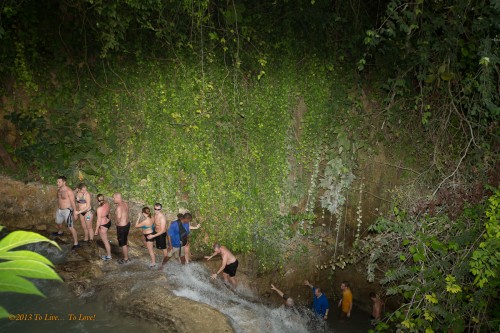
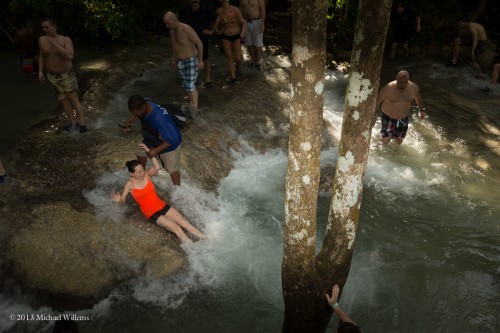
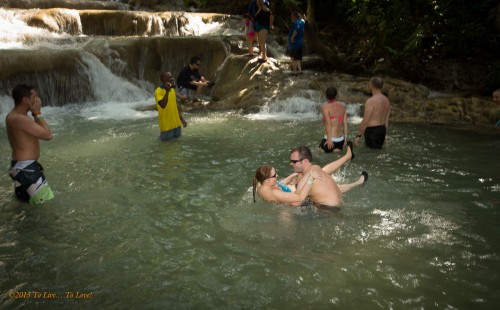
The documenting of Kristen and Dan’s wedding continues, and so, of course, does the photography. Today at Dunn’s falls:

So, how did I light that?

With an on camera flash aimed straight ahead – yes, you can do that outside, when the flash is being mixed with ambient light. On-camera, straight-ahead flash. Which is often a sin, but not here.

But it was flash with a special setting: I zoomed in the flash to the “135mm zoom” setting, while shooting 35mm wide angle (yes, your flash has a zoom setting). That had two effects:

  1. The light is concentrated “flashlight style”, i.e. it is centered, leading to this great vignetting.
  2. The light is more concentrated, and that is what I needed to beat the f/11 at 200 ISO.

Another couple of examples:

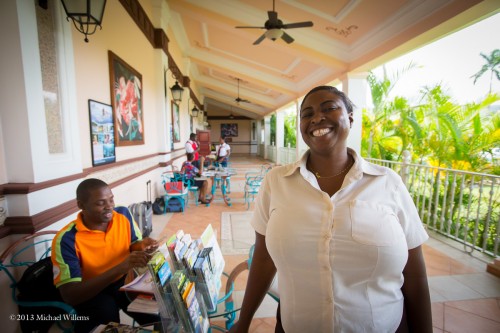
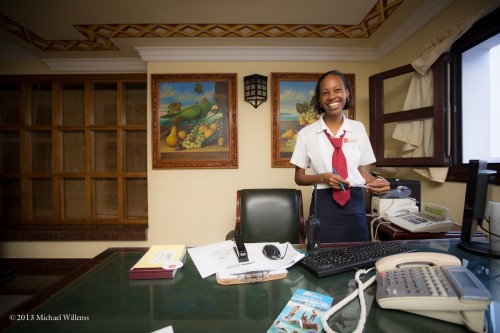
Jamaica is wonderful, and the people are wonderful.

Ya man!


Yah man!

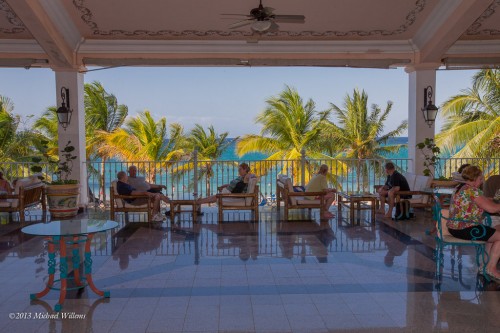
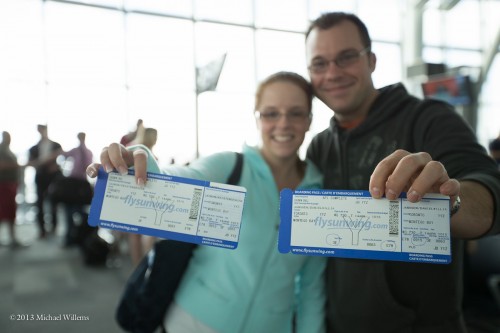
I am in Jamaica, to shoot Kristen and Dan’s destination wedding.

This week will be intense, and fun. Lesson one: bring, among others, a wide angle lens. Wide angles are easy (great DOF, slow shutter possible) and offer dramatic perspectives.

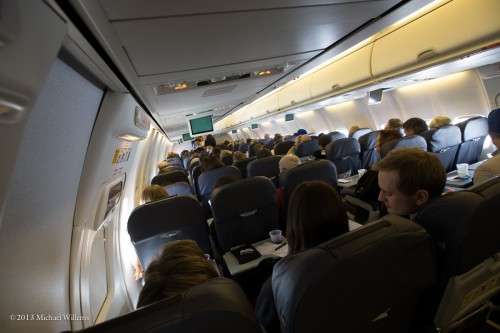
Lesson two: shoot a story. I have shot the happy couple since Pearson airport, and will continue until they land again at Pearson. Stories are much more gripping than random shots.

Jamaica is wonderful and the people are amazing. The Riu resort is good. My only drawback so far is that I had to pay $400 extra to get a room with Internet, and slow Internet at that, and handicapped (only port 80 browser. No email, etc, so I have to work around that). More costs extra. There goes my profit for the shoot.

But look for lots of travel and wedding shots. Until then: cheers!

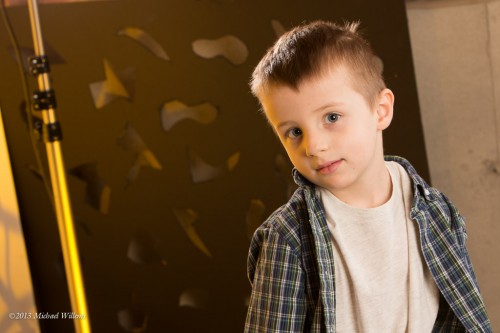
Kids

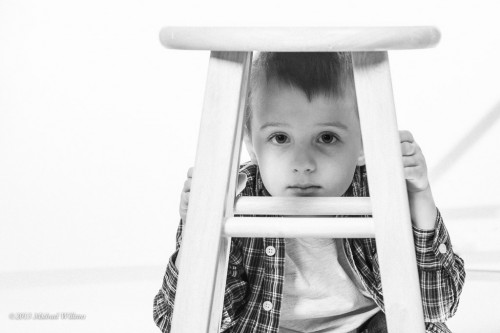
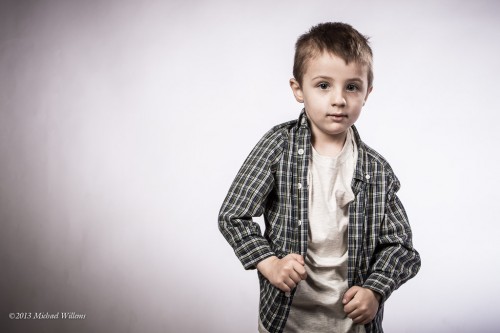
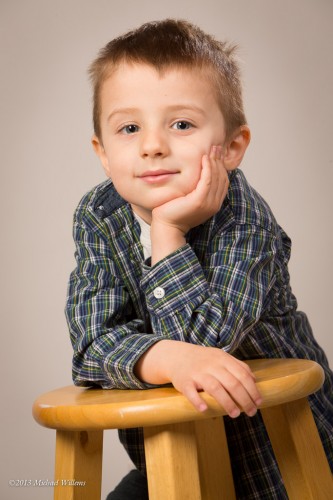
When shooting kids, it is important to shoot a lot of different ways, to see what will work. Take a lot, and see what works, then refine that. Best to use simple studio lighting. I try to engage the child in the shoot, allowing him, for instance, to choose some of the gel colours.

Here’s a few from that portrait shoot this morning:

Kids move, so a nice prop (like a stool, in the example above) is good.

Do not be afraid to get close and fill the frame!

Try desat or otherwise changed colours in a few images.

And try different positions.

Simple backgrounds are good, because the emphasis should be on the child. But I sometimes just change my position to get a difefrent background, like the grungy one here:

Bribery helps, too!

If you do not have a studio setup, use a prime (fixed) 50mm lens and larger aperture and 1600 ISO indoors in reflected light. Either way, you will end uyp with good images. Do it – your child is young only once. And do also consider going to a pro – if you come to me, I will teach you some useful photography skills while we shoot!


Tonight, a moment ago.

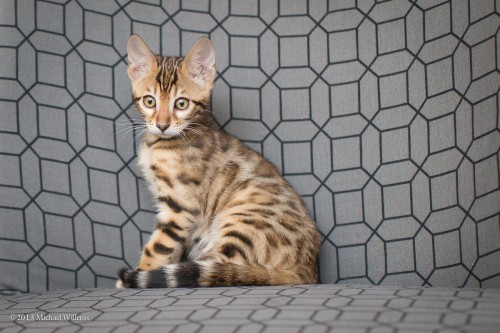
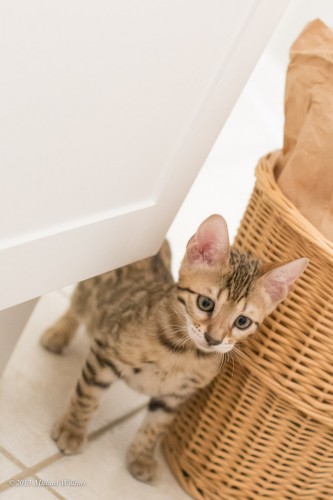
Snaps of the evening… my Bengals.

Mau:

And Shiva:

Meaning, grab your camera, and go shoot the things that are important to you! Because you will shoot things that are important to you. And also because you will practice shooting in low light. And you will practice getting composition right. And expressions. But mainly because you will shoot things that are important to you.


Ten Tips for Comp Cards

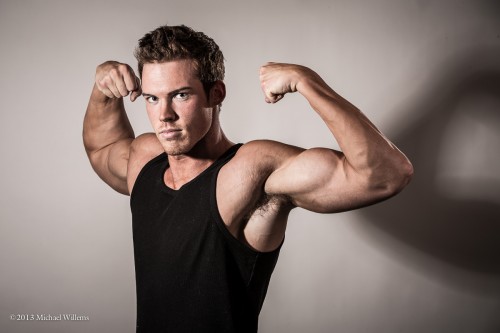
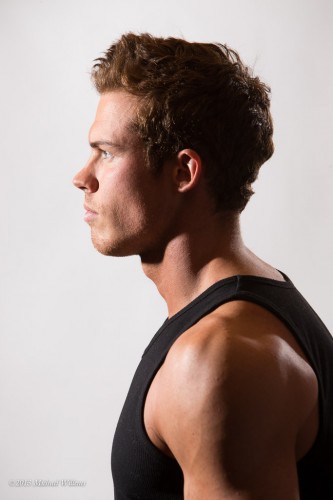
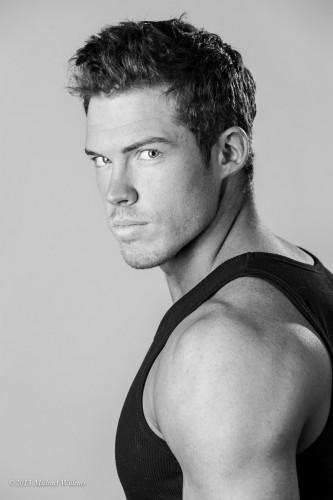
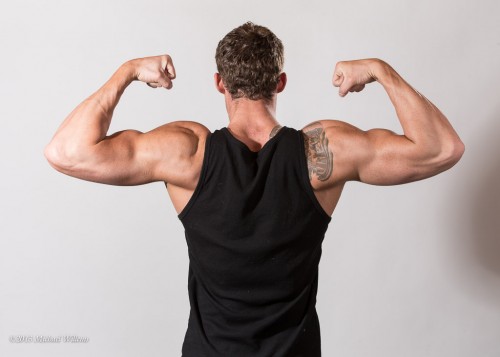
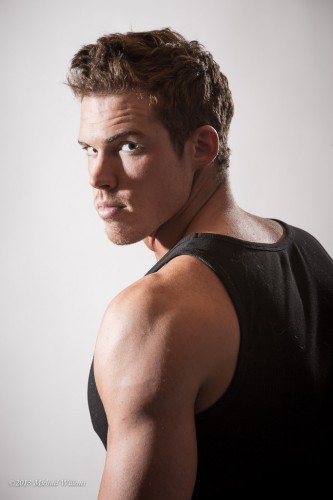
I shot a male model yesterday for his comp card (the hand-out that a model uses to get considered by, and used by, agencies and clients).

The key to a shoot like that is to do it well. It is usually a studio-only shoot that includes attention to make-up and hair, and involves various looks all designed to give a great overview of the person.

And here’s Ten Tips for Comp Cards:

  1. Include various looks – but mainly simple processing.
  2. Include a standard headshot.
  3. Include a three-quarter profile.
  4. Include a full profile.
  5. Include various outfits.
  6. Smiles as well as non-smiles.
  7. Simple lighting, as well as edgy lighting.
  8. Accentuate strong points.
  9. B/W as well as colour.
  10. Finish the images properly (the ones shown here are essentially unfinished).

A few more examples:

Fun to shoot, and essential to do well. Nothing kills a modeling career quicker than snapshots on the comp card, and nothing helps more than a great comp card, since it is the first point of contact.

(Yes, I shoot males too, and yes, I can shoot yours, if you like: contact me to learn more.).

Now preparing for my Jamaica destination wedding this coming week…

Be in control of your light

Look at the picture of Sam here, shot last night with the Nikon D4, using a single flash aimed straight at him:

Not bad. Yes, as you all know, direct unmodified flash can work fine – if the flash is not where your camera is.

And the background is nice! But that is a mere accident: the flash is lighting up the white backdrop, too.

But what if we did not want this effect for the background? Say we want it to be back, or to be lit differently, or to have colour?

Well then is paramount to keep the face flash off the wall. And we do this by fitting a grid to the flash:

The grid restricts the area lit by the flash – basically it just lights a circle straight ahead. So now we get this:

So now we have a dark wall. That does not of course mean we need to keep it dark, but now where and how we light is is under our control. We could do these shots:

If we had not used a grid to keep the initial background dark, we could not have coloured it.

The D4 with the Nikon 24-70 performed very well, by the way!


Brampton – come and learn!

There are currently some people signed up for the Sheridan College “Basic Digital Photography” course starting 22 April in the Brampton Campus of Sheridan College. But there is a lot of space.

And.. I am teaching it, so it will NOT be “basic”! 12 weeks of Monday nights, three hours a night, and I teach – and it is my own course. Truly amazing value. Come sign up, or tell your friends to.. it’ll be fun!

Students may register in person, by mail or online via the Sheridan home page www.sheridancollege.ca….click on Continuing Education, Browse by Area of Interest (a page of boxes), click on course link for e-store information. The e-store displays the course name, course code, course description, semester offerings, cost and number of seats available…if the student chooses to register online, they would then proceed to the shopping cart and pay by VISA or Mastercard.

Come join me for an amazing experience!