Macro/Product Tip

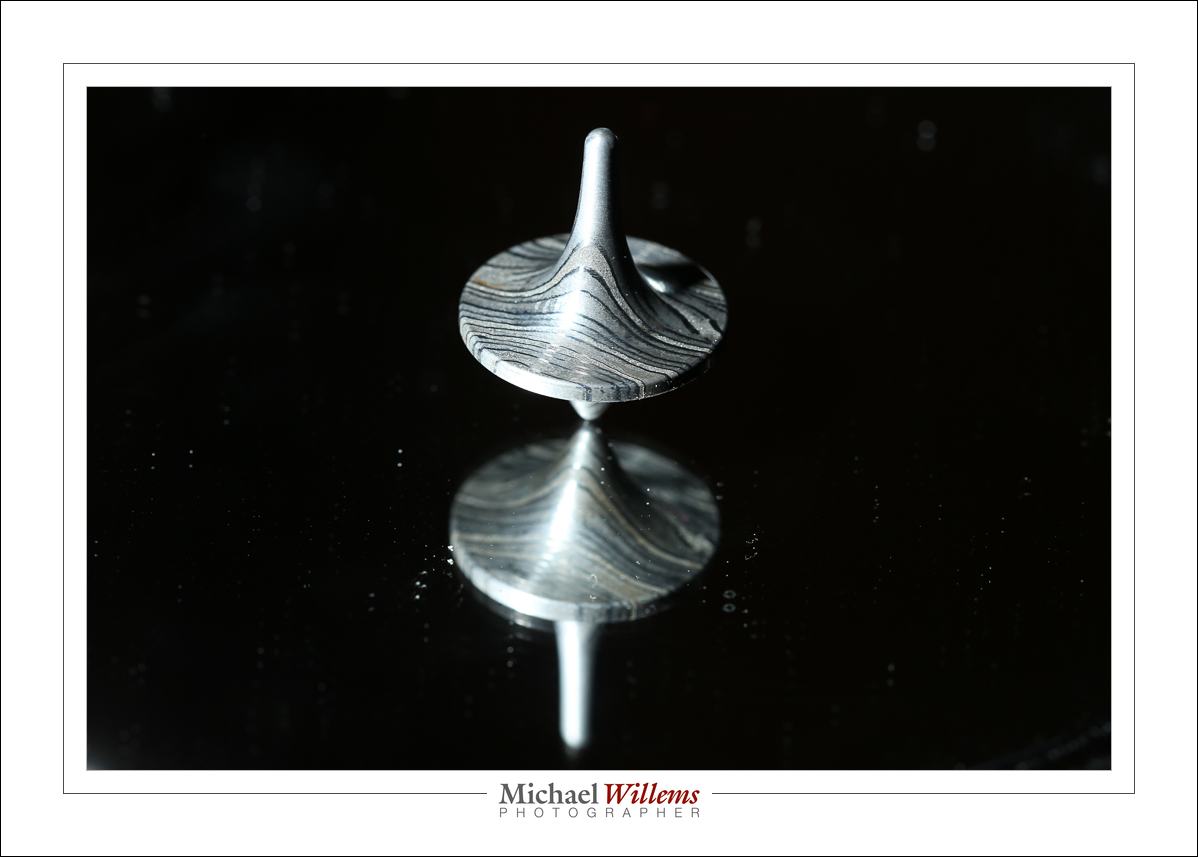
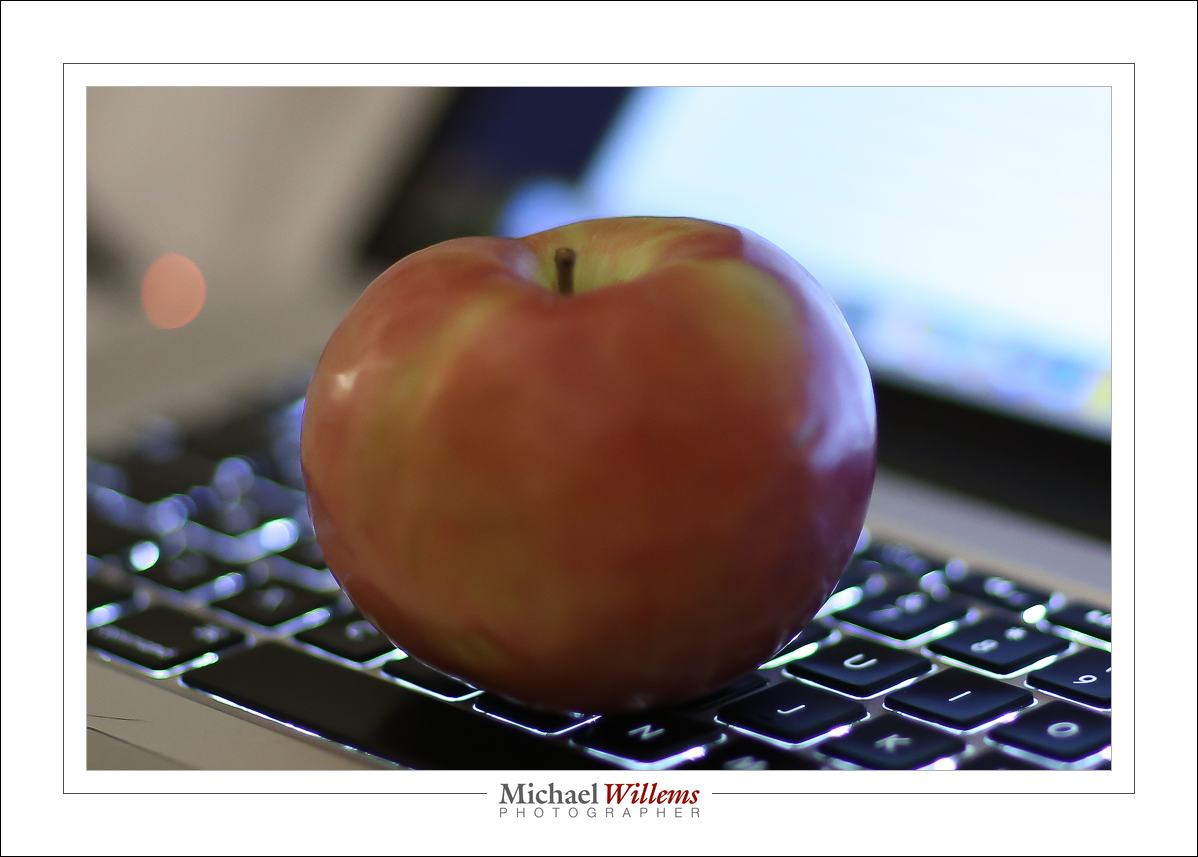
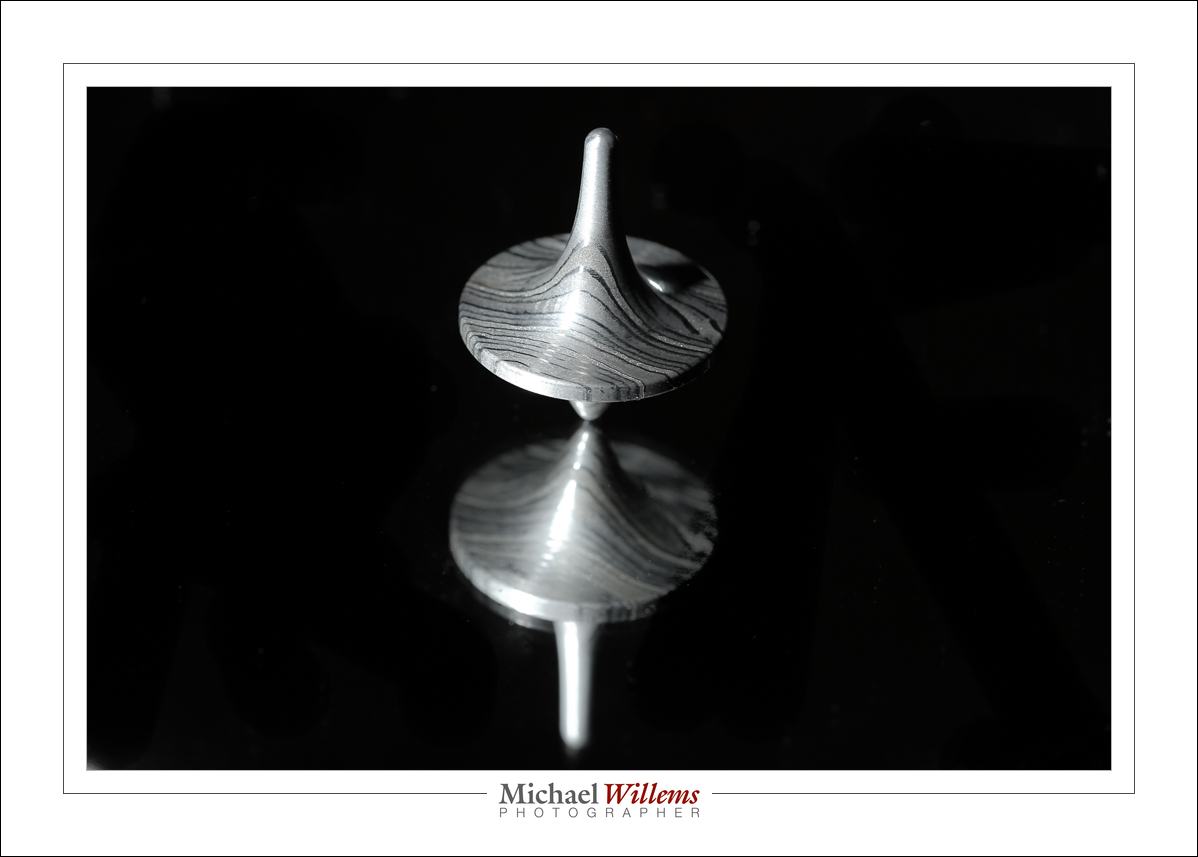
When you shoot product, like this, there is something to watch for.

20161206-mw5d1984-1024-2

The original is not quite so clean. Especially when using a flash, macro photos always show dust. Look at the original (click to see large):

20161206-mw5d1984-1024

All that dust has to be removed. A clean product photo never starts out as a clean photo.

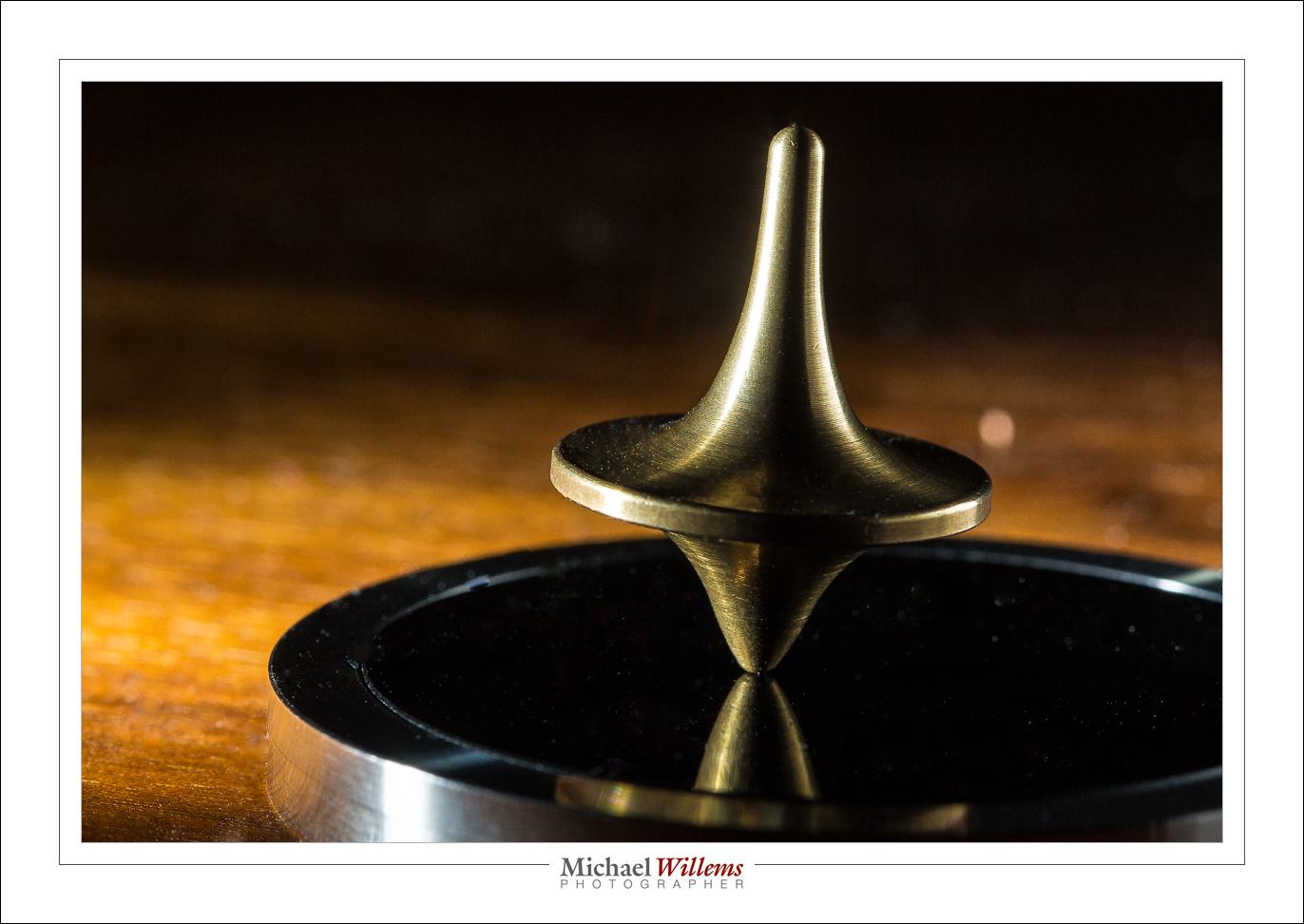
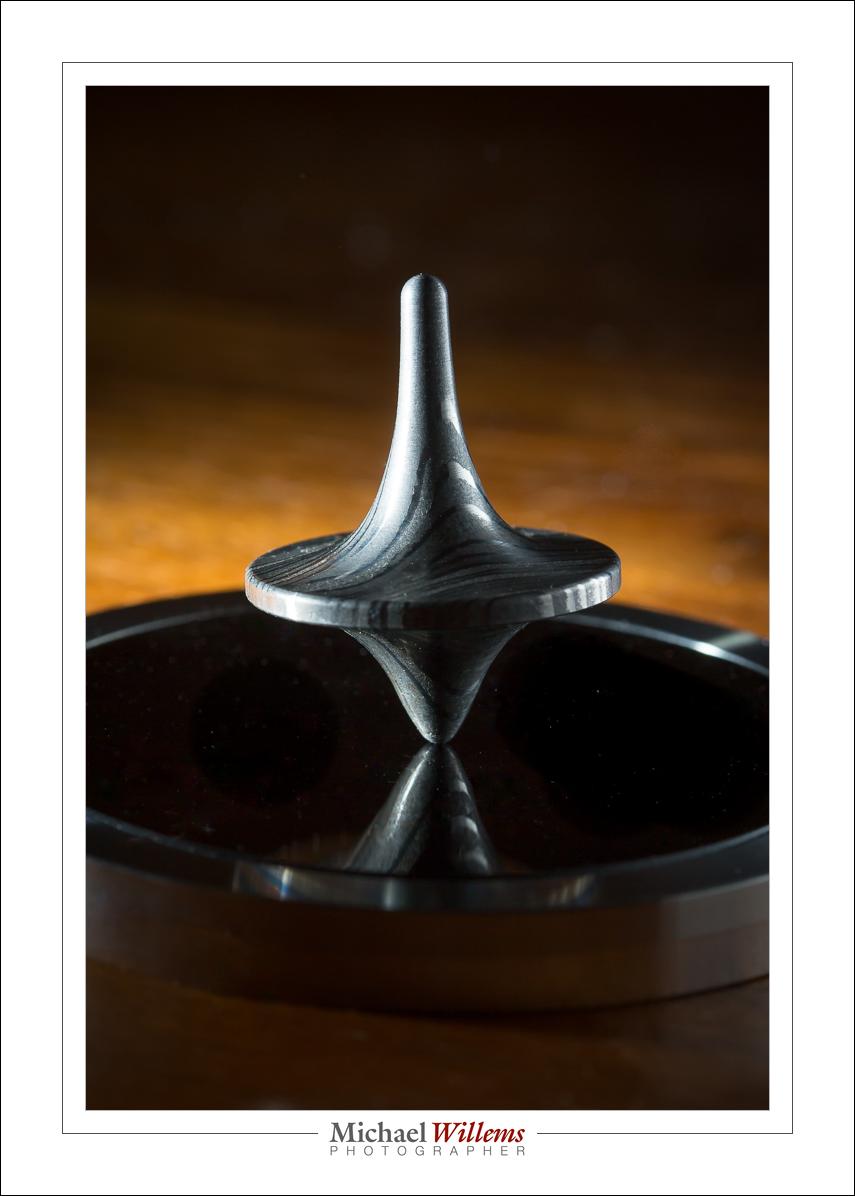
Here’s a few more shots:

20161206-mw5d2133-1200

20161206-mw5d2115-1024

The thing to note is that those are not clean yet—yet they have each already had the benefit of half an hour of removing little dust spots.  If you ever shoot product, budget that time!

___

And you can do it: product photography is one of the many things I can teach you: see http://learning.photography for an overview.


Black Friday Continues Through the Weekend!

This weekend everything in the store is 30% off. No minimum purchases or limits – 30% off across the board.

The e-book bundles are great value at these prices. Download some full chapter previews here:

Use discount code ‘BlackFridayWeekend’ at checkout for anything on http://learning.photography. Prices shown on the site are before applying the discount code! But hurry, these prices are valid this weekend only.

What’s in a name?

What IS in a name? Rather a lot, as it happens.

Take the company formerly known as Artisan State. They do great albums and other print-related items. I cannot recommend them highly enough.

Except, that is, for their current name. It is now “Zno“, which every world citizen except an American pronounces as the monosyllabic Russian-sounding “zno”, Vaguely sounding like “snow”.

But the company thinks it should be pronounced as “Zeeno”. Because while the entire world calls the letter Z “zed”, since it is derived from the Greek zeta, Americans, and only Americans, call it “zee”.

And so, apparently, should we.

Except some of us—meaning me—feel rather strongly about language, and while I’ll gladly let Americans pronounce Z as “zee”, or “zoo”, or “za”, or “zeeblebrox”, or anything else they like, I just cannot get myself to do it. Z is zed, not zee.

But of course there is a bigger thing behind this. Namely American exceptionalism and ignorance of the world, and even, if you like, cultural imperialism. Much as I love my American friends, I think they should perhaps educate themselves just a little bit, and realise that the entire world is not America. And something as crucially important as a brand name… why on earth would you choose something that either puzzles or antagonizes the rest of the world? Unless, of course, you only want to sell in America.

So we have problems. Until I live in the USA, I do not want to start pronouncing Z as “zee”, even by stealth, and I do not want to buy from a company that is at the very least either ignorant or culturally insensitive at its senior levels. When I have pointed this out to the company’s support email, all I got was a “we think of it differently”, or some such non sequitur.

So just like I would find it difficult to respect a president who is a racist and a mysogenist (and I am not pointing at Mr Trump here: I suspect he is a lot more intelligent than we think), I also find it difficult to buy from a company that is either ignorant or is trying to push American culture down my throat.

So yes, there is a lot in a name. A name is culture and language, and people care about culture and language.

Am I making a big deal of this? Nah. No big deal. I can buy albums, even good albums, elsewhere. I can recommend other print companies to my students. No skin off my nose.

But I do wonder why a company chooses not to care about antagonizing a great proportion of their market. Are they ignorant, or do they want to push American culture down the world’s throat? I’d say both are equally likely.

 

Available light

Yes, available light rocks! Beautiful, colourful, soft, and so on. But when a photographer says “I am an available light photographer” or “I am a natural light photographer”, that usually means “I don’t know flash”.

Because it is often in the mixing of available light and flash light that things get interesting. Certainly in daylight.

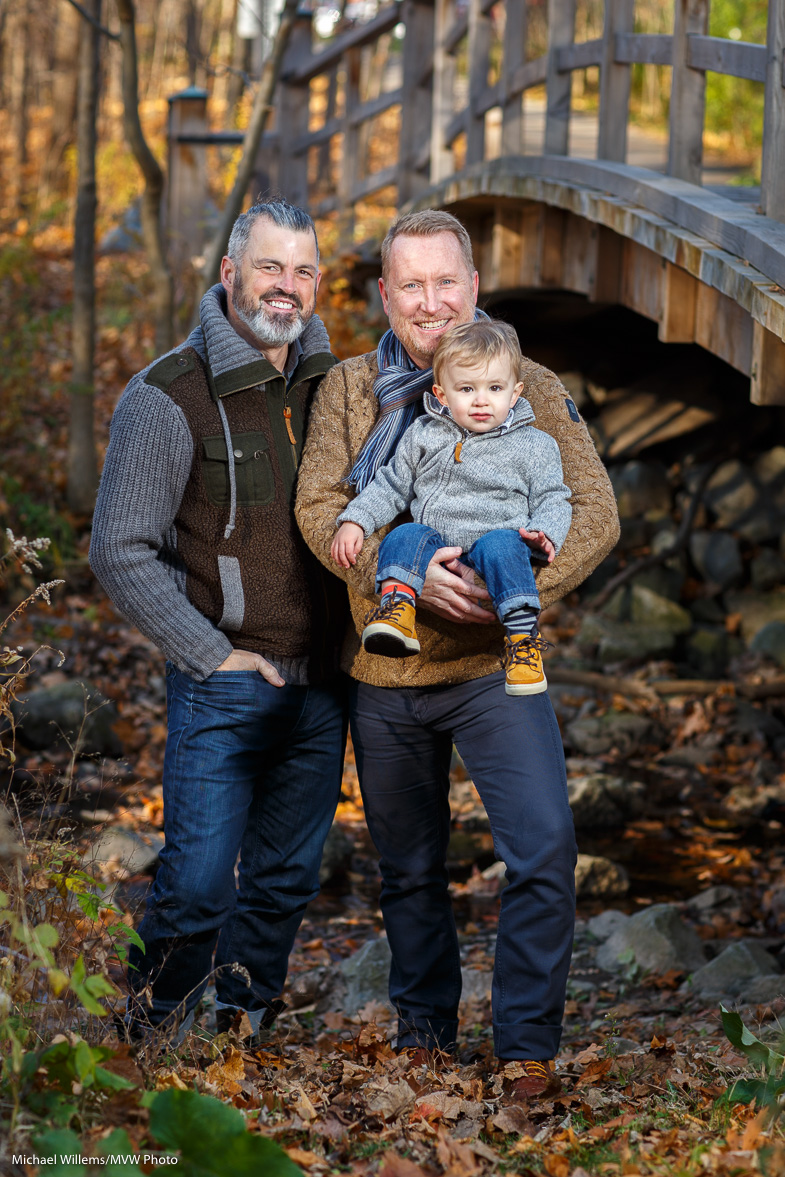
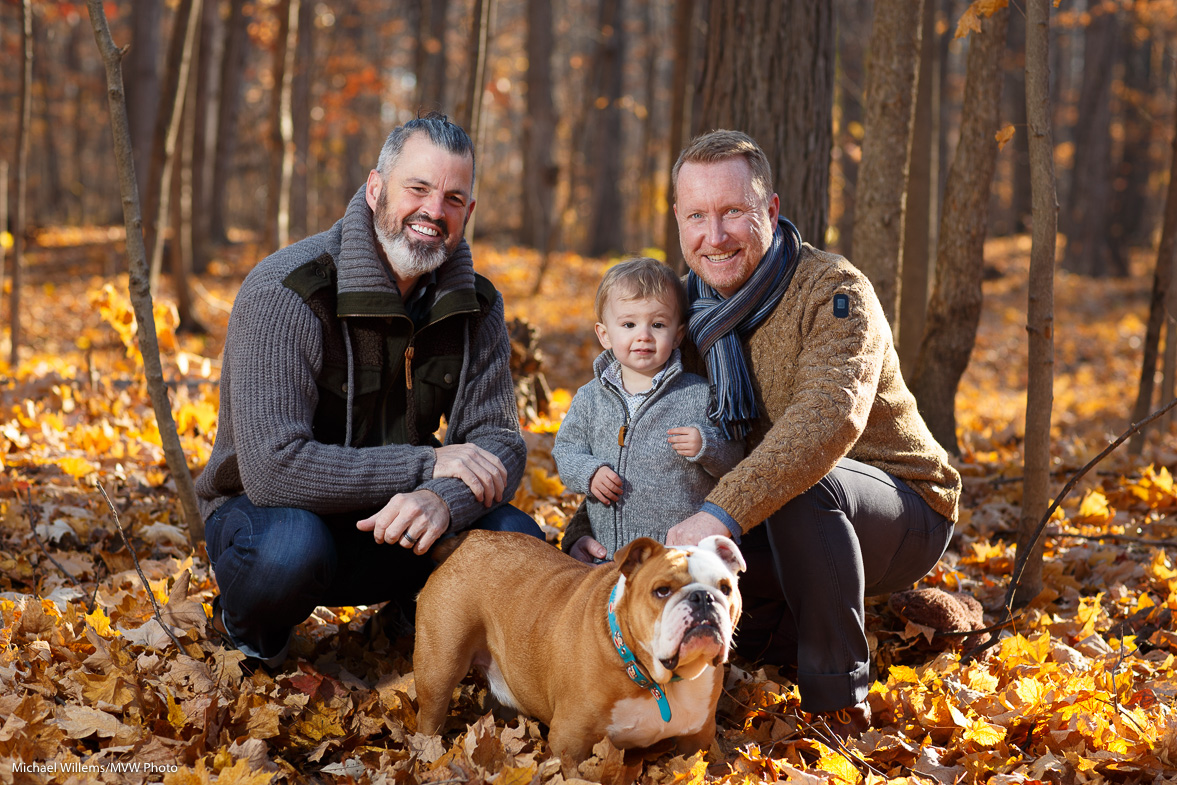
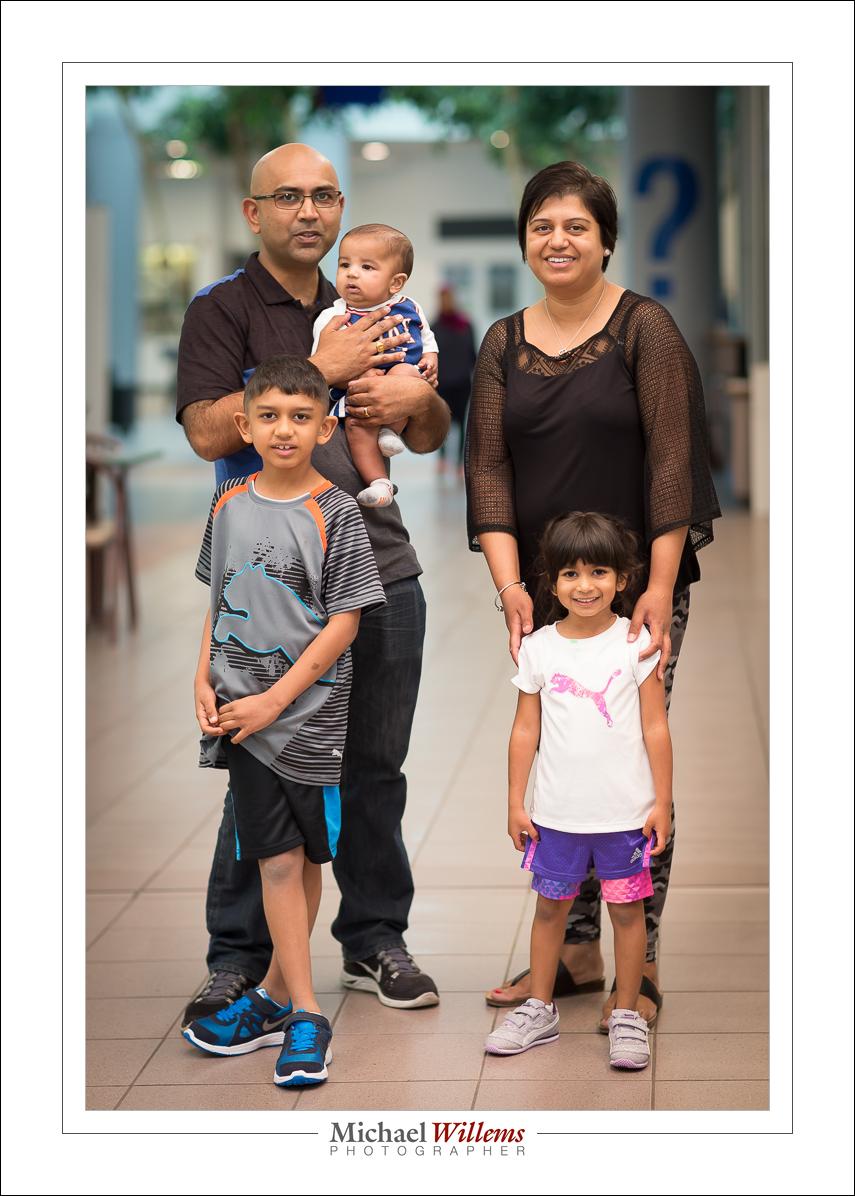
Also–hiring a pro pays. Yes, you can get it done cheaper by Uncle Fred, but would you get pictures like these, from yesterday’s family shoot? (Hint: “no”.) A few hundred dollars and you have memories for life:

20161113-1dx_1945

20161113-1dx_1853

20161113-1dx_1819

20161113-1dx_1891

20161113-1dx_1935

If you can see these pictures, there’s plenty of available light. But had I not had my assistant hold the flash off the side near the subjects, they would have been silhouettes! Or I could have exposed for the subjects – in that case, a very bright, blown out background–with very little colour.

So you hire a pro for this. Right equipment (that super sharp lens); Right technique:

You have heard this from me before:

  1. Use the magic outdoors formula, and only vary f-number.
  2. Use long(-ish) lens (85mm prime in this case).
  3. Subjects away from the sun: means no squinting and the sun becomes hair-light.
  4. Fill with flash, off to the side for modelling.avoiding “flat” look.
  5. Flash fired in this case with radio triggers (Pocketwizards), and on manual, 1/8 power, with Honlphoto 12″ softbox (click on the small ad on the right to order, and use code word “willems” to get an additional 10% off).

BUT THERE IS MORE. If I print, I ensure that the print is perfect. Permanent photo paper. Pigment printing (not dye, which can fade). If a face is too pale, I selectively increase colour saturation in the face. And so on. That takes time, and it is exactly what Walmart et al do not do.

All this is what I teach in my live or online workshops: contact me to learn more, or see http://learning.photography .

And take some fall pictures, or have me do it!


Alexa

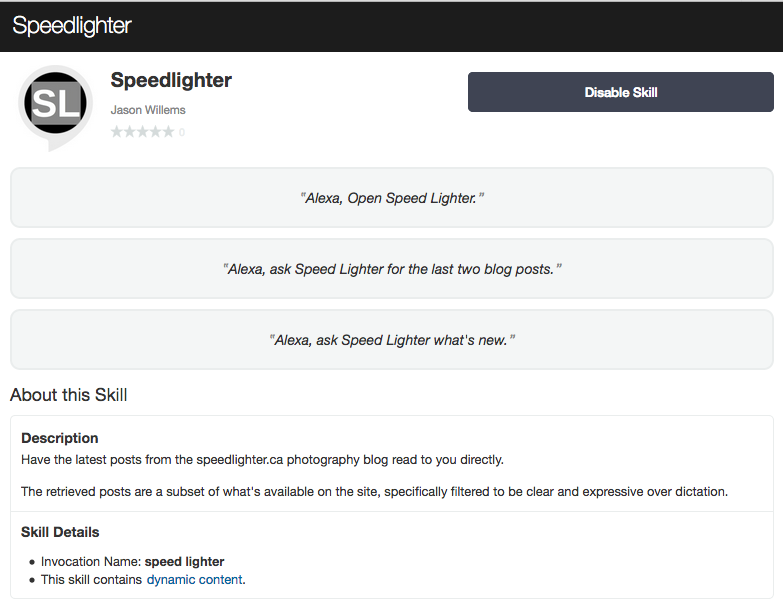
To readers in the United States, Speedlighter.ca is now available on the Amazon Echo. You can find it in the skills section of Alexa, listed as “Speedlighter”:

screen-shot-2016-11-13-at-12-33-16-am

You can use it, for instance, with commands like the following “Alexa, ask Speedlighter for the latest post”, and have the most recent blog post read to you. Not every post on the blog lends itself well to dictation (some depend heavily on images, like Picture of the Day, or some exposure lessons), so blog posts in the “Audible” category will be read. 

New features will continue to be added, and it will be available in the UK soon as well. To readers outside of the US, as Amazon releases the Echo in more countries, this will become available in them. 

Have fun, and let me know how it works for you!

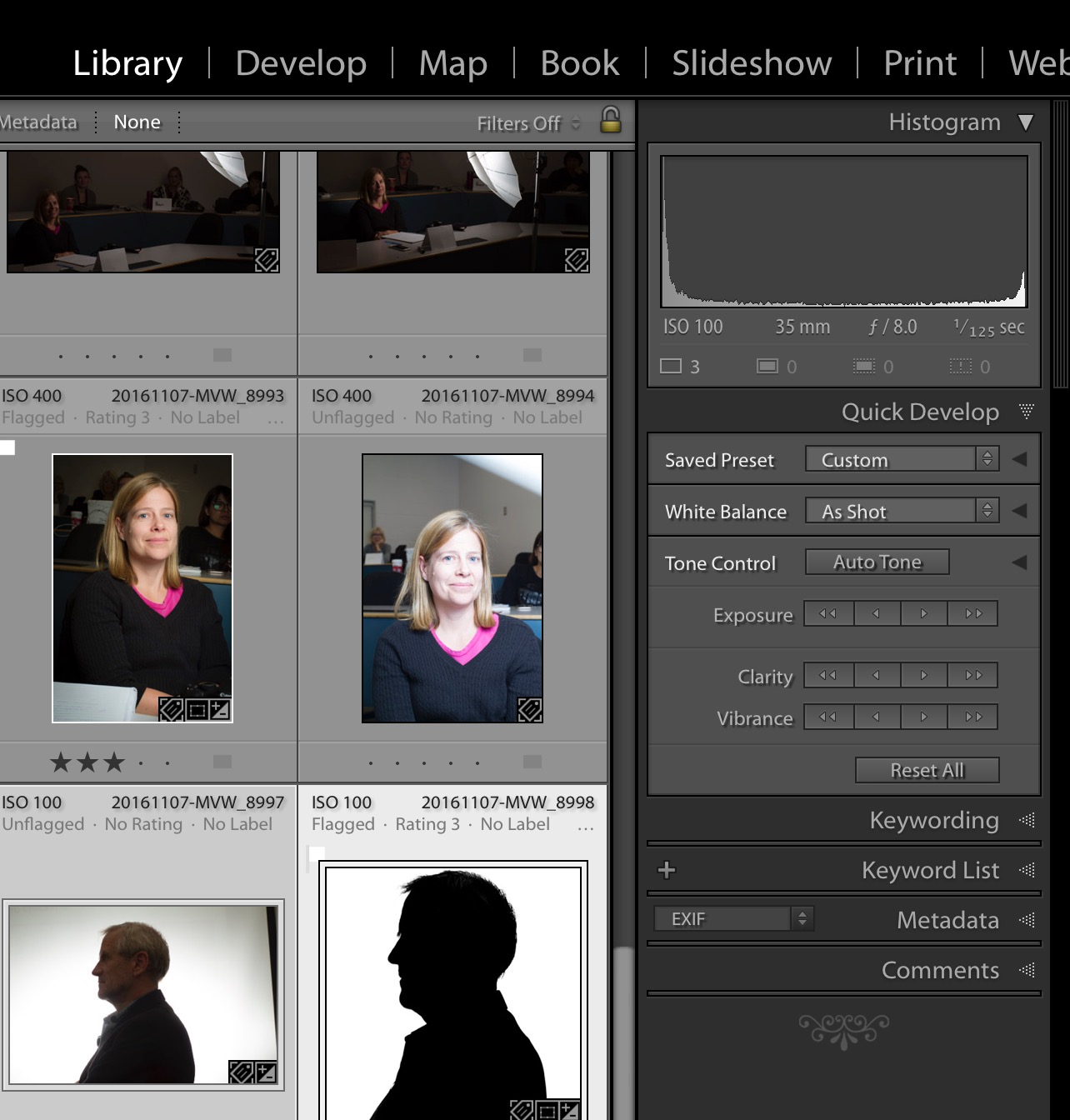
“I want to adjust a bunch of pictures by increasing their ISO by a stop”. Is that something you often want to do?

In that case, you have probably run into a problem. Yes, you can adjust one, then mark the rest in the DEVELOP module’s negative strip and SYNC them:

screen-shot-2016-11-08-at-20-21-49

Ah. But now they are all set to exactly +1 stop – not “whatever they were plus 1 stop”. And that, depending on how you got here, could be a problem. If you have previously adjusted some individually, you will lose those individual tweaks.

The solution?

Do it in the LIBRARY module. Mark them all and in “Tone Control”, adjust the exposure (or clarity, or vibrance) to the relative amount you would like to add. It will be added to the prior value, instead of replacing it.

screen-shot-2016-11-08-at-20-21-27


That’s it. Just one of those little nice-to-knows!


Tomorrow…

Tomorrow, Sunday: a long hands-on Flash workshop

The last two sold out, and people drive in from as far away as Peterborough for these.  So good news: still a few spaces open for this one. Think about it: you’d find this VERY useful. Hands on, so you do your own pictures, build the sets, connect the Pocketwizards, etc – and it’s a LONG one.

Facebook Messenger

Today, a blog post that is only sideways about photography. It’s about more.

Facebook is where social media happens. There is no alternative: all our friends and relatives are on Facebook. It’s where the world communicates. Great stuff. Ping: Oh there’s Facebook!

Lately, FB has been trying to also take over the messaging world. First by creating their messenger app. Then by making its use (rather than doing it in the Facebook app) compulsory if you are using the FB app on a mobile device. Now, even when using a browser on a mobile device. They really want you to do all your messaging using their app.

But I do not want to roll over. No FB Messenger for me.

First, out of principle. I don’t like to be told what apps I must use. And I think social media and communication should be separate items. Facebook can cancel my account at any time without any reason or recourse. That should not then also kill my ability to communicate!

“But everyone can cancel your account”, people say. Not so. My willems.ca account is safe unless the willems.ca admin kills it. But since that is me, I am not afraid. Also, only FB can cancel your ability to communicate if you post something they don’t like on social media, or of someone makes something up about you (that happens, trust me).

“But all business is done on FB”, they say. Yes, that part is true, But to my mind, that is a good reason not to give FB more power, rather than the opposite.

Then, there’s also the practical side.

  • Another app means more memory, more processor cycles, more updates, and yet another UI to use.
  • More pings. When something pings or rings it could be one more thing…
  • It means even more things to check. Messages used to arrive via email. If someone said “I sent you that address last week”, you would check email.  Now, you check email, and you check SMS (phone text), and you check Facebook messages, and you check Facebook proper, and you check Skype, and you check Telegram, and you check Apple iMessage, and you check whatever other messaging methods you use – at least a few more for most of us. So this has made our lives much more complicated. Why add all these levels of complexity when it would be better, obviously, to have fewer rather than more?


It’s a free world: if you use and like Facebook Messenger, good for you. Enjoy. But it’s not for me. Please continue to use email as the main mechanism to contact me. Thanks!


The pendulum swings.

You know how in life the pendulum swings back and forth? Thesis leads to antithesis, resulting in eventual synthesis, and so on?

Well, right now Apple is swinging backward.

20161027-mw5d1508-1024

Let’s do a thought experiment. Imagine you wanted a tech company to fail. A recipe for failure for a company like Apple would have components like:

  • Let’s kill professional/prosumer apps like Aperture, Final Cut Pro, and so on.
  • Let’s kill the only web design app that’s any good: iWeb.
  • Ignore the iMac; make everything iOS. Pretend you can have one platform everywhere (my Apple TV auto-installs apps I buy on my iPhone, for instance).
  • Make the User Interface so complicated that people like me have to Google simple actions like “how do I watch Apple special events on my Apple TV”.
  • Make WatchOS 3 “the best running experience”. Fine, but I am not a runner.
  • Hang everything on Siri, which probably works fine – as long as your accent is average. If you’re me, it sucks.
  • Make it unreliable. Both my Apple TVs, Gen 3 and Gen 4, crash when I watch the Apple Special Event. The Gen 3 crashes after ten seconds; the Gen 4 after half an hour.
  • Let’s lag behind. We now get Touch ID, meaning using your fingerprint to unlock the Macbook Pro. Cool new feature! Only, um, I had this in 1999 on my IBM Thinkpad. That’s 17 years ago.
  • And worst of all: let’s remove connectors. I use power, USB, HDMI, connect displays… When teaching, for example, I always connect a laser pointer, my iPhone, and a VGA display. I need more USB ports, not fewer! But no: let’s kill all those connectors so that I have to carry a plethora of dongles.
  • Oh and the SD card, let’s kill the SD card slot!

But there’s no way Apple would do those things, right? Right?

Except they did.

Innovation is not removing useful ports and forcing people to buy dongles. I noticed that in today’s Apple Special Event, the audience looked subdued, bored and un-impressed. Oh wait. Someone smiled – after 35 minutes, finally.

Mr Cook is no Steve Jobs, unfortunately.


EDIT: added next day:

I see that they have also removed the best feature of the Apple laptops: the MagSafe power connector. That magnetic connector, that lets go when you trip over the cable (instead of dragging the computer to the floor), has saved my laptop probably a dozen times. Without it, my computers will not last more than six months. Remove MagSafe? Now I know Apple has lost it.


Lens Choices Are Simple?

“What lens should I buy?” is the most common question I hear from students. And no wonder: lenses cost a lot of money and there’s more than one to choose from. That said, surely choosing a lens for your camera cannot be that difficult? I mean, it’s not as though there’s a lot of them to choose from, is it?

canon-lenses

Oh.

OK then, so there’s a lot. But still.

Here, then, are my Top Ten Timeless Tips about lenses:

  1. The lens is more important than the camera. I would much rather shoot with a Digital Rebel and my current lenses than with a Canon 1Dx Mk2 with kit lenses like a consumer “standard zoom” 17-55 f:3.5–5.6 EF-S/DX lens.
  2. You get what you pay for. Good “glass” makes better photos, and good “glass” costs money. But unlike a camera, a lens is an investment that keeps both its value and its functionality for at least several decades.
  3. There’s no “one lens does everything for everyone” lens. The more things a lens does, the worse its performance on each of the things it does. An SUV does a lot of things, but it’s not the best at any of the things it does. So as much as you would like there to be one lens that does it all, that lens will be a compromise lens. You may be better getting a couple of specialized lenses,
  4. Lower minimum “f-numbers” are good: you can shoot in the dark and you can get those blurry backgrounds you love. The number mentioned on the lens is the minimum for that lens, and lower is better. So a lens that says “1:2.8” can go as low as f/2.8, whereas a lens that says “1:3.5–5.6” can go as low as 3.5 when zoomed out, and can go as low as 5.6 when zoomed in.
  5. They do different things: Wide angle gives you “3-D” and easy-to-use; telephoto gives you “compressed perspective” and blurry backgrounds.
  6. They have different benefits: Zoom (adjustable)  lenses are convenient; prime (fixed) lenses offer low “f-numbers”, consistency, and quality. The “consistency” advantage is often overlooked.
  7. Zoom lenses are best “in the middle”, not at the extreme wide or telephoto focal lengths. So a 16-35mm lens will not be at its very best at 16 or at 35mm.
  8. Zoom lenses are best “in the middle”, not at the extreme wide or narrow aperture. So an f/2.8–f/22 lens will not be at its very best at f/2.8 or at f/22.
  9. Use the right lens: For portraits. use longer lenses. Unless they are environmental portraits (where the person is small in the picture); then, you can use wide lenses.
  10. Third party lenses: By all means consider 3rd party lenses (such as Sigma). Their warranties are great and they can be very much cheaper. Try them on, hold and feel them: if you like them, go for it.

20160605-1dx_8481-1024

Full frame camera; 85mm f/1.2 lens at f/2.0—isn’t that nice, blurring out the noisy background? This way you can shoot nice family portraits anywhere, just about.

I love my 85mm prime lens for fashion or half-body portraits. On a crop camera, you might like to use a 50mm prime lens to get pretty much the same effect.

20161004-mw5d0996-1200

Full frame camera; 85mm f/1.2 lens set to f/8.0.

Let’s finish this note with an overview of my seven lenses. These are the typical photojournalist lenses, a list designed to meet pretty much any need quickly and efficiently:

Prime (fixed) lenses: for consistency, quality, and sometimes for special purposes such as macro/close up, here’s my favourite fixed lenses:

  • Canon 35mm f/1.4
  • Canon 85mm f/1.2
  • Canon 100m f/2.8 Macro
  • Canon 45mm f/2.8 Tilt-Shift

Zoom lenses: for convenience, these cover the gamut from very wide to kinda long:

  • Canon 16-35mm f/2.8
  • Canon 24-70 f/2.8
  • Canon 70-200 f/2.8 IS

Misc: this allows the 200mm lens to become a 400mm lens (at f/5.6), without the cost.

  • YongNuo 2x teleconverter

And those seven lenses allow me to cover what I need to shoot, whatever it may be.

Now it is time to get some sleep: tomorrow, I lead a Match.com workshop in Toronto.