Colour

Sunday, I spent the afternoon walking through Oakville with ten students for a Creative Urban Photography walk.

A few pictures here. I thought I would concentrate on colour. And even on a very cold fall afternoon, there is colour.

Like contrasting colour, in this case red and green:
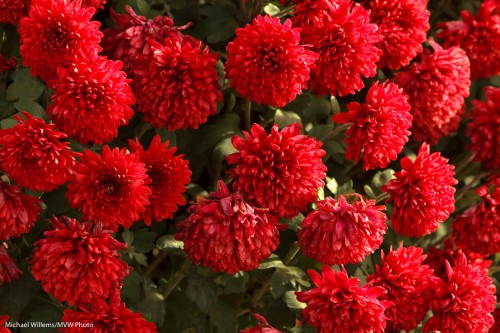
Red-Green

Or harmonious pastel colour:
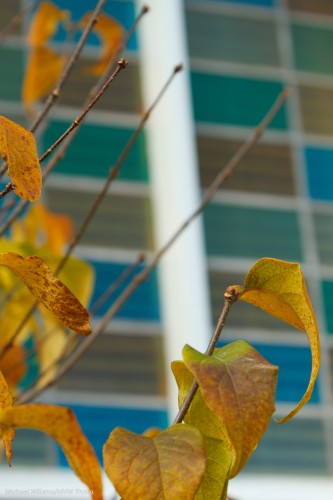
Colours

Colours

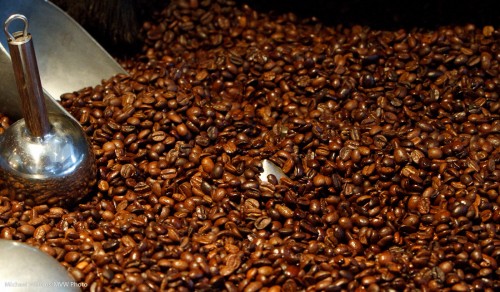
Or subtle single colour:

Coffee Beans

Coffee Beans

Or simple single colours:
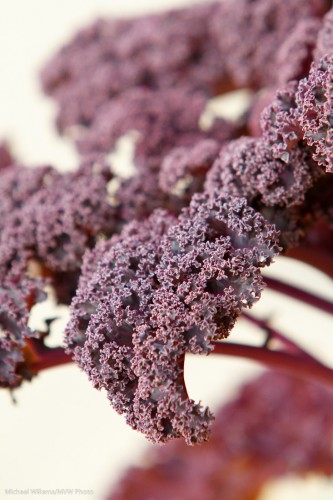
Plant

Plant

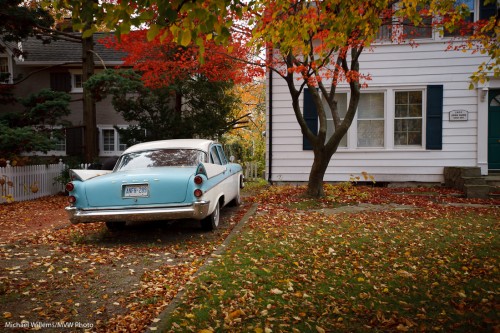
Or beautiful fall colours:

Fall colours

Fall colours

Or colour warmed up by a gel on the flash:
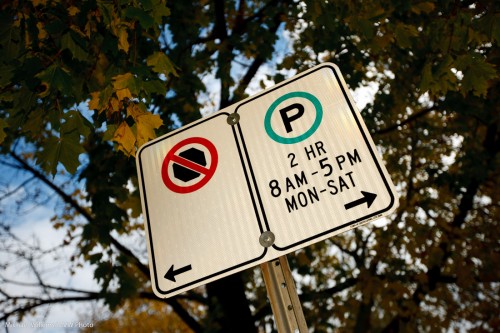
Sign

Sign

So if a cold afternoon can show colours like this, so can anything else. As long as you spot the colours.

Your assignment, therefore, if you wish: Spend an afternoon shooting in the environment of your choice, looking only for colours.

And remember to:

  1. Set the correct white balance
  2. Expose well (do not overexpose; use your histogram or a Hoodman Hood Loupe)

Enjoy your outing!
Framed

One more composition post, this morning.

When you shoot an image, you need to think about what the subject is, and how to draw attention to it.

There are several ways to do it.

  • Blur the background.
  • Use converging lines.
  • Make the subject big.
  • Use colour.
  • Use negative space
  • And as I have pointed out before, one other way to draw attention to a subject is to frame it.

Trees are a favourite way to achieve this kind of framing:

Framed

Framed

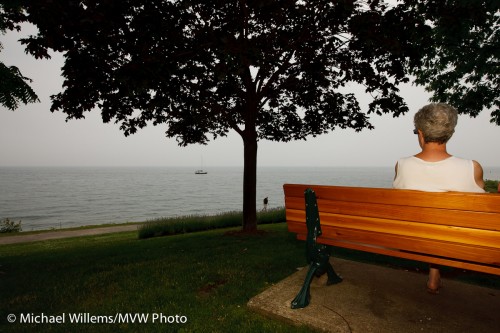
And sometimes more dramatically:

Bench framed

Bench framed

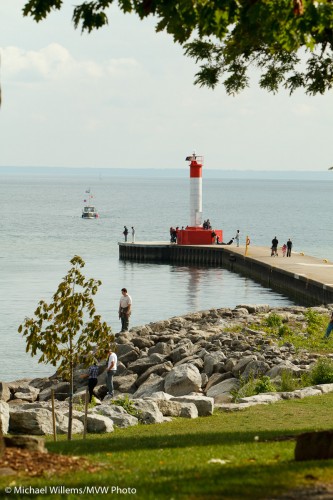
And we do this again and again:

Oakville and lake

Oakville and lake

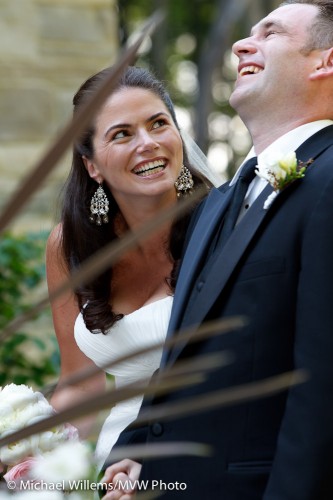
And sometimes in less usual ways. Look, for example, at the plant, framing the bride here:

Bride, framed by plant

Bride, framed by plant

Try this yourselves: frame your next few pictures.

Dutch Angle

A play on words. “Dutch Angle” is a Hollywood term used to describe cinematic angles used by the likes of Leni Riefenstahl in 1930s Germany.

(How would Hollywood know the difference between “Deutsch” and “Dutch”? Just think of the Pennsylvania Dutch, who were Germans too.)

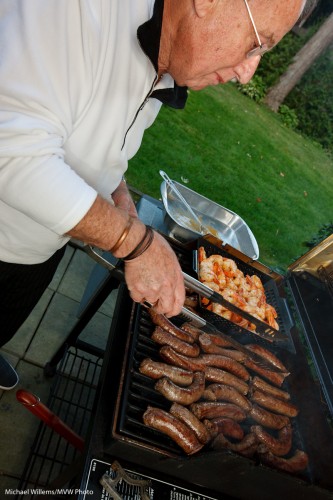
Anyway, back to angles. I have mentioned them before. Uncle Fred only uses angles in his photos when he accidentally fails to straighten the horizon.

So when do I use angles?

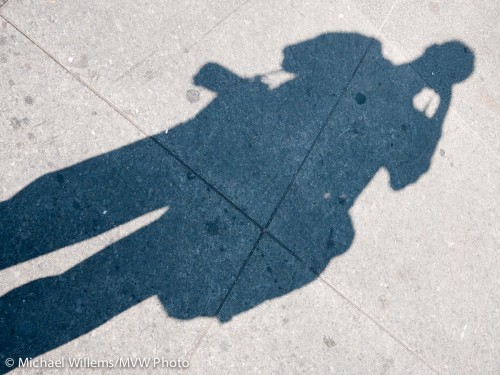
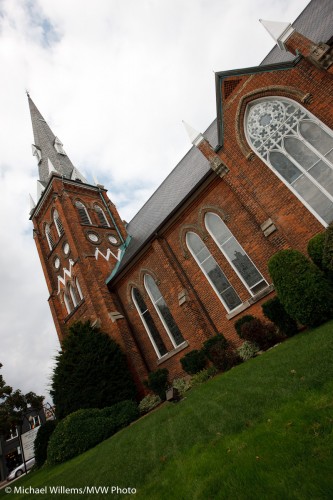
Here are  few examples.

Boerenworst Barbecue

Boerenworst Barbecue

Photographer's Shadow

Photographer's Shadow

Knox Church, Oakville

Knox Church, Oakville

I use angles for the following reasons:

  • When I have to, to fit it in. This is more common than you might think. Never hesitate: turn to a crazy angle if you want to get more in.
  • When I am using a wide angle lens, almost inevitably.
  • For artistic reasons, e.g. to get the Rule of Thirds.
  • When I want to straighten one particular picture element.
  • When I want to add a sense of energy to an image.

So there are many valid reasons. Look at your photo album: how many images are turned? If it is not a significant proportion, I suggest you may want to do more.

Negative Space

Sometimes you draw attention to your subject not by making it big (which is often a great solution), but by making it small, and surrounding it by “essentially nothing”.

By what we call “negative space”.

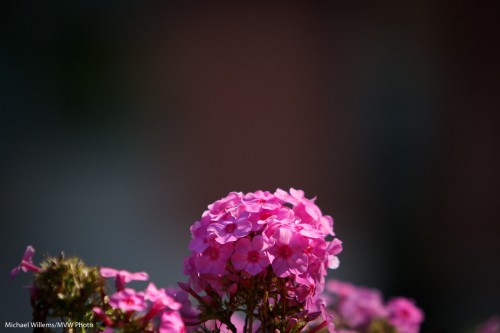
Flower and negative space

Flower and negative space

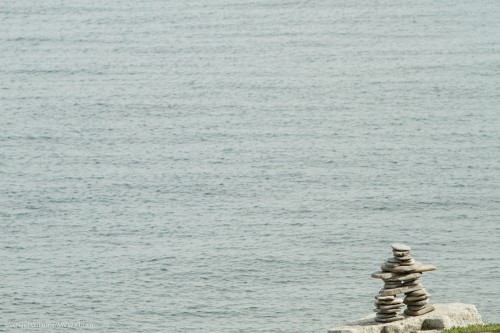
The negative space does not have to be empty – it can have patterns, or as in this example, waves:

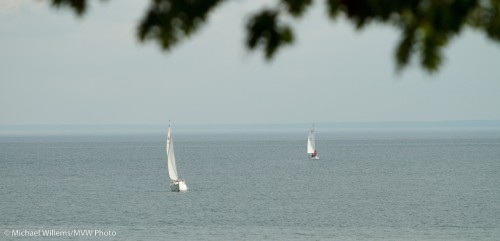
Lake Ontario, Oakville

Lake Ontario, Oakville

The point it, it is devoid of information. And that forces attention to your subject.

It also puts your subject into a large space, emphasizing its place in this big world.

And finally, this technique is a good way to simplify. Always important on making your images better.

Try it today!

Repeat picture

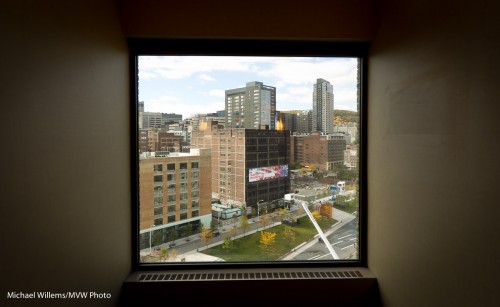
A repeat from a previous post – not the same post but I shot the same picture of the Quartier Des Spectacles again in the Montreal Hyatt Regency hotel the other day:

Montreal-Framed

Montreal-Framed

The framing did it for me, and the shadows.

We talk about framing as a useful device to draw attention to our subject. We frame pictures with whatever we can frame them with. Walls. Branches of a tree. Or a window frame, like in this picture.

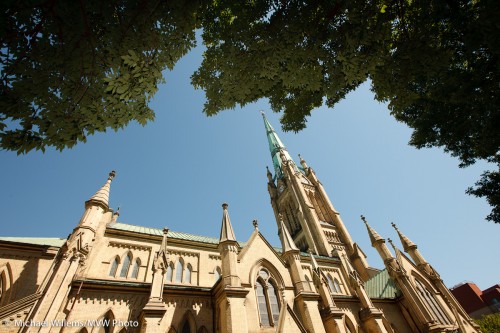
Or indeed by branches:

St James Cathedral

St James Cathedral, Toronto

Can you see how I used a very wide angle lens, and I used my flash to light up the tree? I am known as the speedlighter for a reason!

Signs of the times

Today, another tip for urban photography.

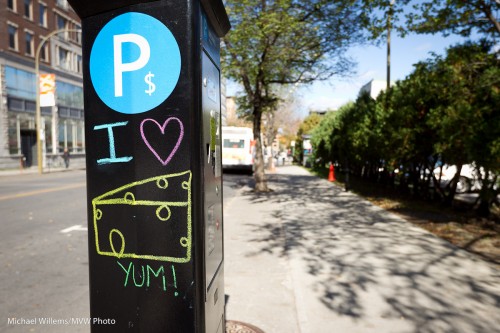
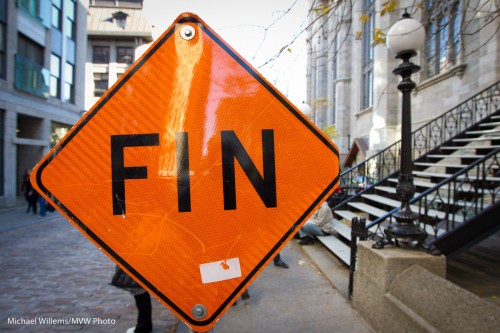
Shoot signs. Anything that has writing on it. Because it can provide context. It can tell stories. It can provide interest. It can provide amusing juxtapositions.

Two snaps from a short walk through Montréal a couple of days ago:

ilovecheese

ilovecheese

fin

Fin

Don’t you love how that last one helps end the story, as the last one in a series?

KISS

As in, “Keep It Simple, Stupid!”

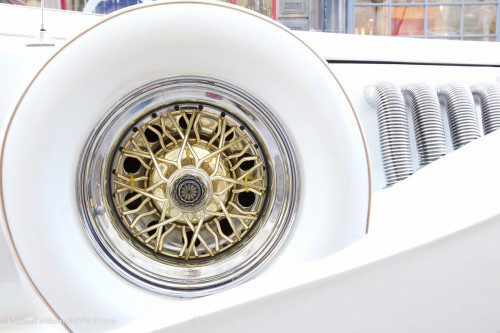
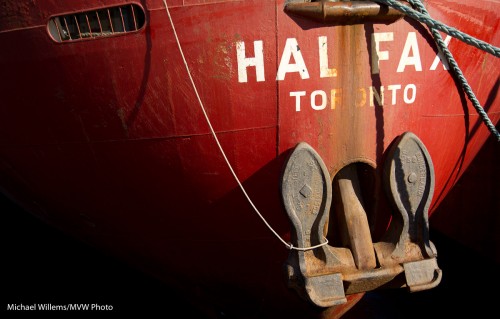
One of the most important things about an image is to keep it simple. Simple means “everything in a photo is meant to be in it, or it’s not there”.

You can do this while shooting or afterward, by cropping.

A few shots from Montréal, yesterday:

Wheel

Wheel

Ship, Montreal

Ship, Montreal

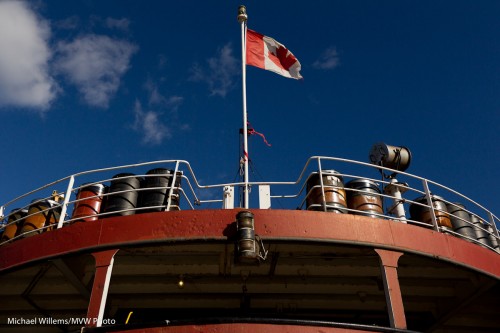
And one more:

Ship, Montreal

Ship, Montreal

What do you think? Simple good?

Wide and close

You have heard me say it before: go wide, get close, open up.

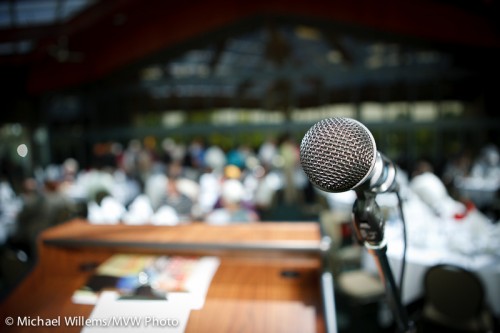
24mm f/2.8:

Microphone

Microphone

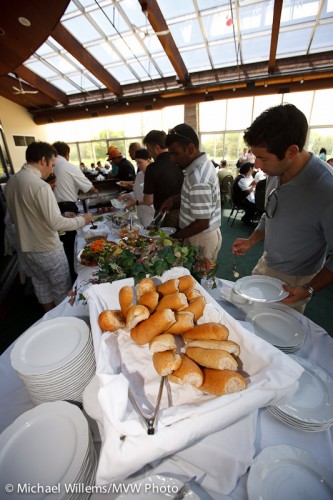
16mm (on a full frame camera, meaning 10mm for most SLRs):

Buffet

Buffet

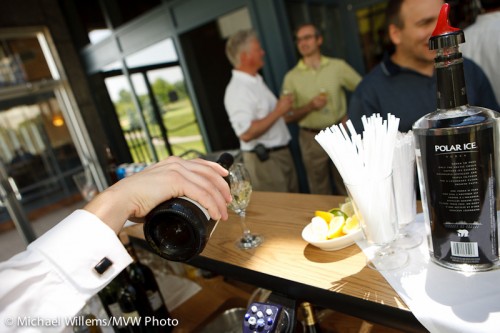
24mm:

Bartender

Bartender

None of these pictures are to be seen by them selves: they support the story. And they do it by showing detail and by maing the viewwer think.

So: Wide angle, Lens open to maximum aperture. Get close.

Guess what.

Two techniques today that I have pointed out before, and I will do it again until everyone uses them regularly.

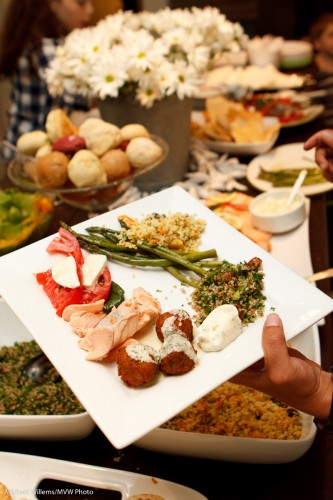
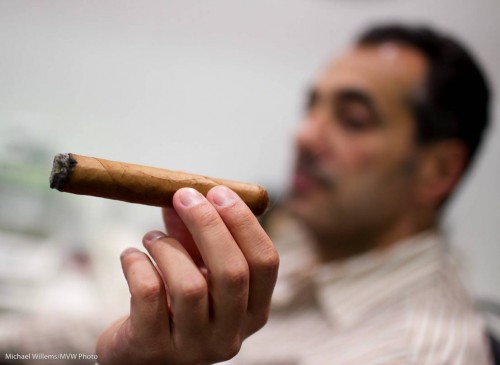
  1. Close-Far
  2. Selective focus with supporting background elements

Like here:

Food, and food

Food, and food

And here:

Cigar and person

Cigar and person

These pictures:

  • Make the foreground subject really stand out
  • Achieve perspective (close-far: get close to your close object!) and
  • Provide environment, or context, where theuser has to put two and two together to create the story. The eye goes to close object – background – back to close object.

One more example – then go out and shoot some!

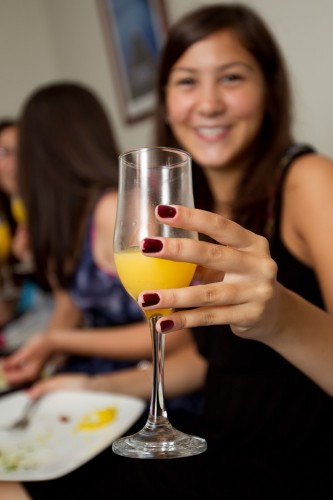
Cheers (Teen with orange juice)

Cheers (Teen with orange juice)

Instuctions, should you need them:

  1. Wide lens, often the wider the better
  2. Get close!
  3. Focus on the close object.
  4. Use the largest aperture (smallest “f-number”).

Have fun!

Portrait lenses

“What do you use for a portrait lens”, is a common question.

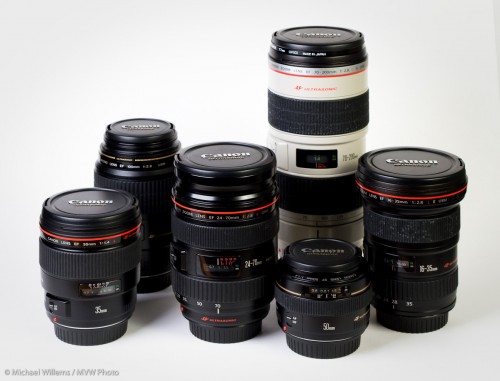
Michael's lenses

Michael's lenses

OK. So my favourites include:

  • 50mm f/1.4 for half-body shots (1Ds) and headshots (1D). Especially for avaialable open light portraits.
  • 70-200 f/2.8 for flattering headshots, in big studios.  A favourite… man, that lens is sharp.
  • 24-70 f/2.8 for fashion, etc: great for generic portrait shots.
  • 100 f/2.8 Macro for headshots: did you know, macro lenses are also great portraits lenses?
  • 16-35 f/2.8 for party shots. Wide allows me to inlcude dramatic views of room, food, etc.
  • 35mm f/1.4 for “dark party” shots, and environmental portraits.

Huh? All your lenses, Michael?

Yes. And I hope that helps show that there is not one answer to this question.

The “50-100mm” standard answer is an oversimplification. There is not “one portrait”, and nor is there “one portrait lens”.