The times they are a-changing.

Evan Spiegel, the CEO of Snapchat, said the other day that “photos used to be about preserving memories, but now they are about communicating”.

And while I am not sure I agree with that entirely, he is right that things are changing. The trends are clear:

  • Everyone has a cellphone camera.
  • These are getting better. While they will never equal a DSLR, they are good enough for sharing on the web.
  • And that is what happens: iPhones and instant sharing apps have changed the way photos are seen.

That means a few things. First, it does mean that at least initially, photos are about the “now” rather than about the past. Utilitarian photos. You send your spouse a photo of the three types of olive oil on the supermarket shelf so she can tell you which one.

It also means the quality goes down. It’s not about technical perfection if you are just asking a question, making a point, or choosing olive oil. It’s not art, it’s just talking.

And yet. People do still appreciate beautiful photos. And after the talking and “living in the now” is over, you remember the past. It’s not an “either/or”; it’s an “and-and”.

Not art, but a driveway crack

Take me. I make iPhone pictures all day. They are utilitarian, for the moment, communicating. Like the one above, to show a crack in my driveway asphalt caused by leaking car fluids. But I also do this:
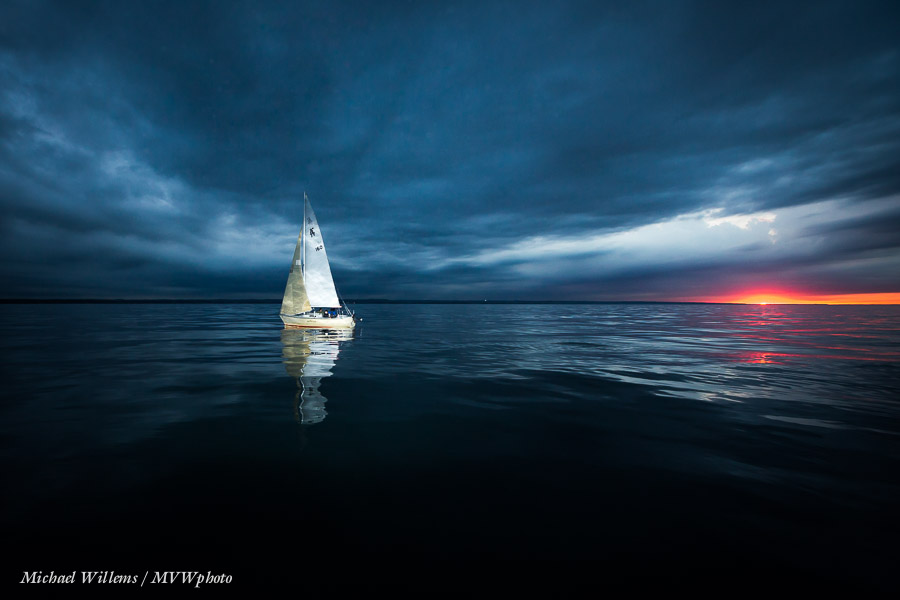
(16-35mm f/2,8 lens, at 16mm). So the need for a good camera still exists. You need a “real” camera when you:

  • Need a blurry background.
  • Need a wide angle lens.
  • Need a telephoto lens.
  • Need quality prints.
  • Need large prints.
  • Want to shoot in the dark.
  • Need to capture motion.
  • Need repeated (“continuous drive”) photos.
  • Want to use flash (whether “creative” or “technical”).

…and so on. The list is long: many reasons to own not just a cell phone, but a quality DSLR as well.

Photography is changing, but it is a good thing, in this case. Nothing is being taken away; we are adding. Snapshots for the “now”, using your cell phone, and reserving memories with the DSLR. A win for everyone concerned.

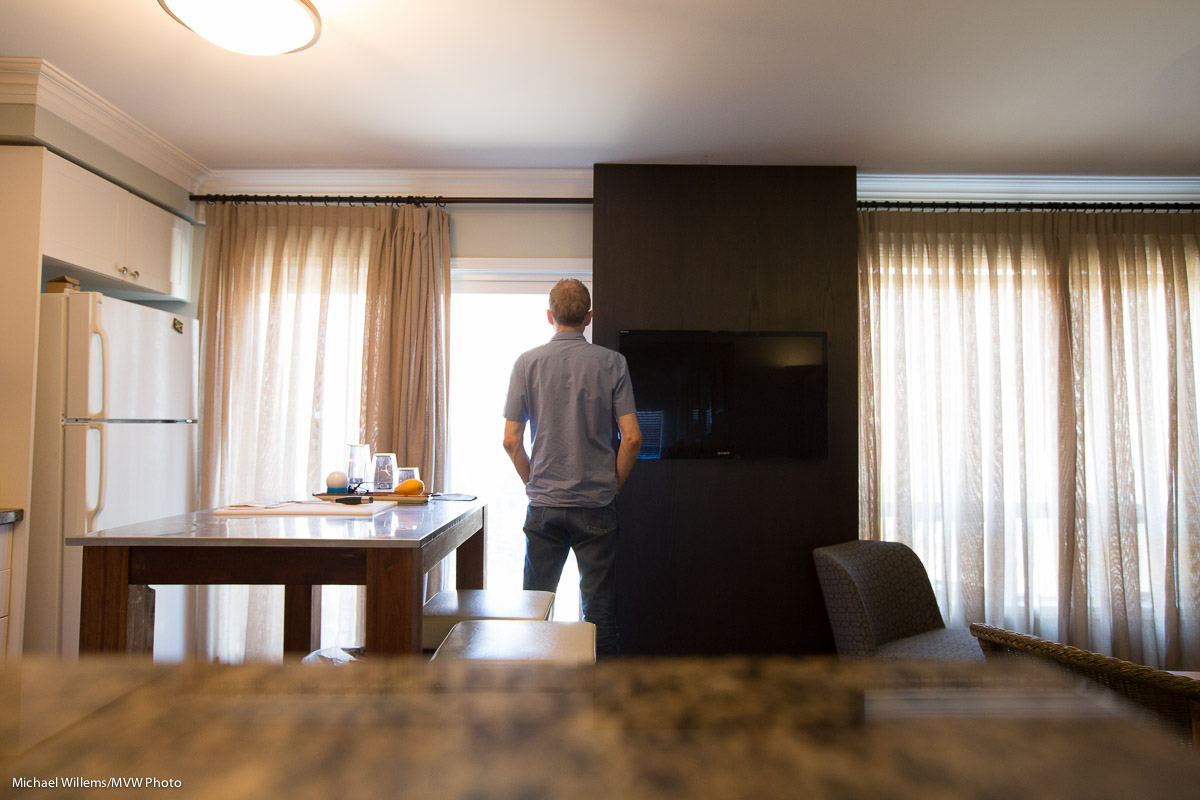
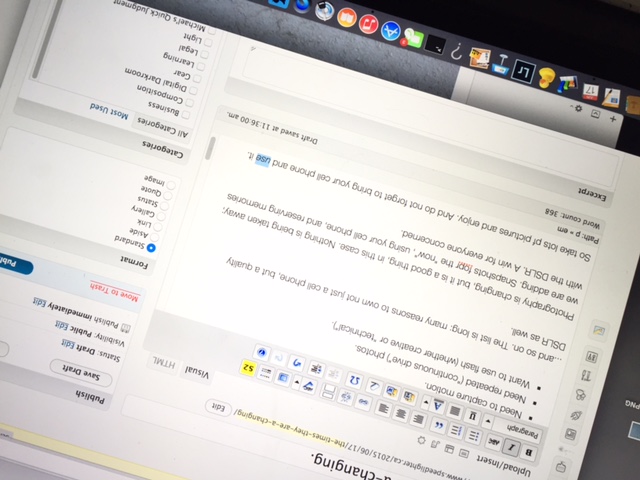
So take lots pf pictures and enjoy. And do not forget to bring your cell phone and use it. Here, let me start. What I am looking at (or would be if I turned upside down):
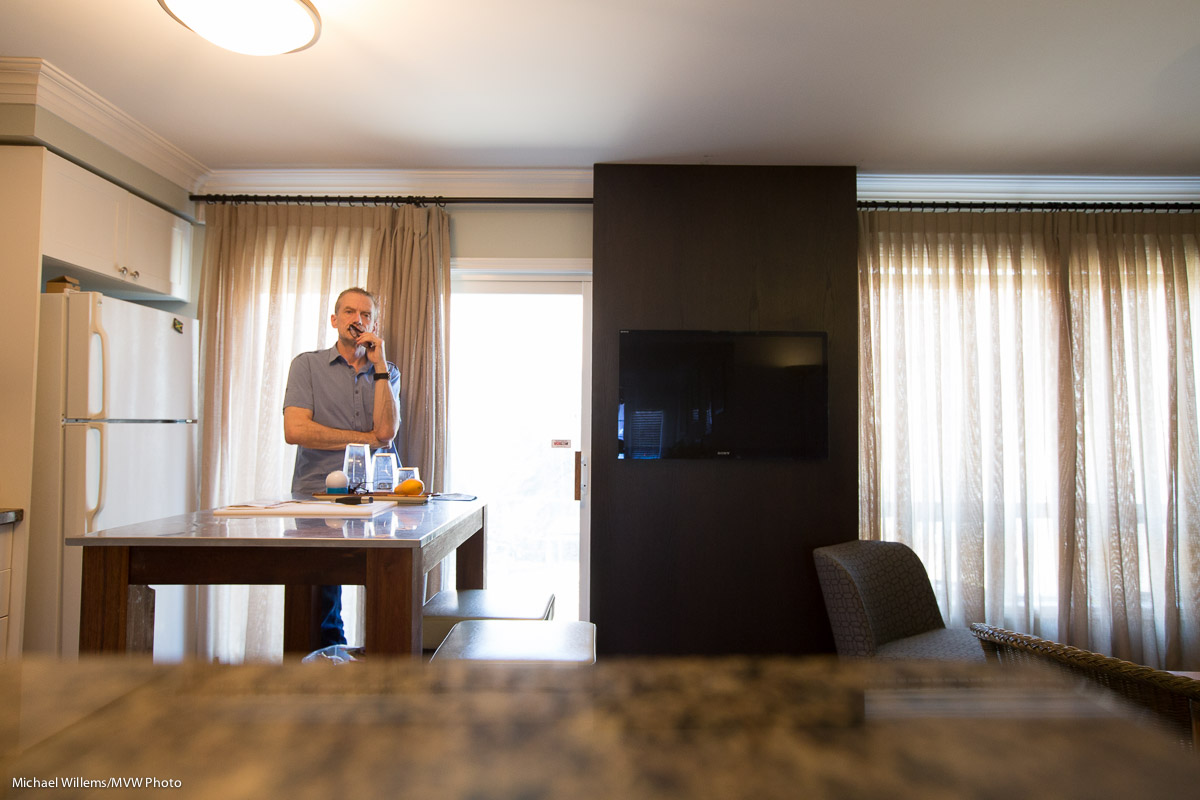
..and what I see next to me (Awww…):

Quick and easy. Snap, upload.

But remember, the same basic rules apply in both cases, so learn composition, learn how to change the photo’s exposure on the iPhone, learn the effect of distance, and so on.

(Quick test question: what change did I need to make before the final ‘click’ to the exposure of the above photo: up or down, and why?)
 

Another Lightroom tip…

In the Develop module, Lightroom has “Lens Correction”.

Its auto functions work very well. Usually setting profile on (tick) and auto to on (tick) is all I need to remove distortion.

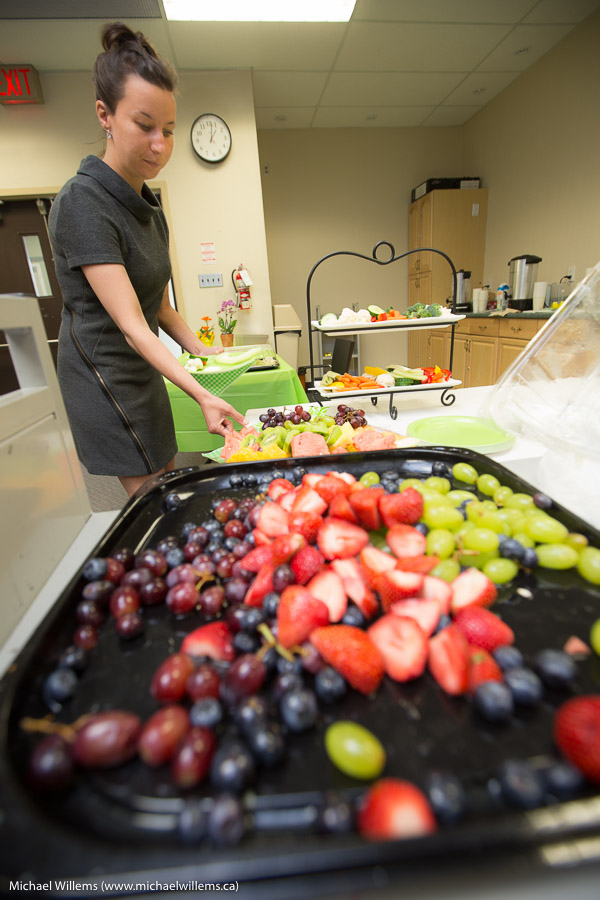
But it can do more. Look at this picture:

You know about not putting a person near the edges, and especially in the corners. Right?  Well, sometimes you have no choice, like in the picture above. 16mm lens, and no way to avoid person in corner.

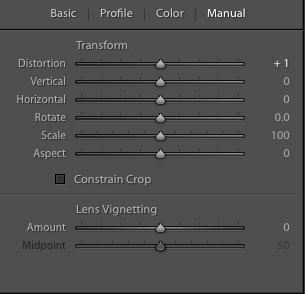
But now I go to Lens Corrections, the MANUAL tab:

..and I drag down “Distortion” until the clock becomes a circle, and the face looks normal.

Not bad, eh!


View

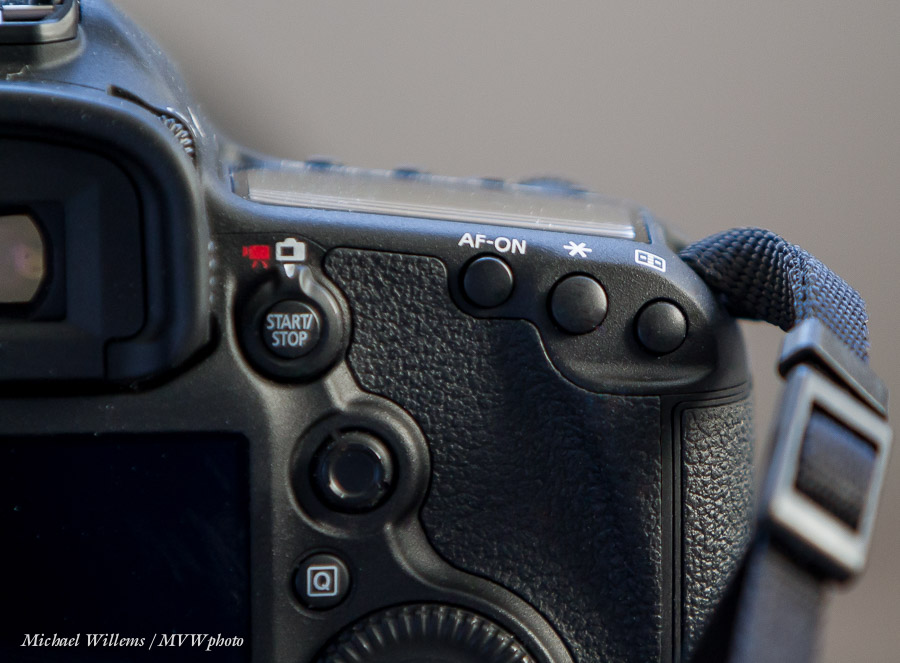
Why do we use an oldfashioned viewfinder instead of the screen on the back of the DSLR camera?

As you see, pros almost always use this viewfinder instead of the happy, large, bright, colourful screen on the back. Why?

We almost always use the viewfinder (when shooting stills, anyway) for various reasons. Some obvious, some a little less so.

The first few might not apply to everyone: they can be a matter of taste.

  • The viewfinder shows us the scene before the picture, while the screen in a sense shows us the scene after the picture.
  • The viewfinder, through its diopter adjustment,the tiny little wheel or slider right by where your eye goes,  can be set to your eyesight. That way, no need for glasses, as long as your eyes fall within a certain diopter range (-1 to +3, perhaps).

The rest are simple truths that it would be hard to argue with:

  • The screen sucks power out of the battery.
  • The screen is very difficult to see in daylight.
  • Wedging the camera close to your face (and yes, you need to touch it; that is why it has that cute little rubber bumper) makes it much more steady and stable than holding it in the air.
  • Focusing when using the screen cannot use the focus sensors, so must be deduced from the screen—which is a lot slower.

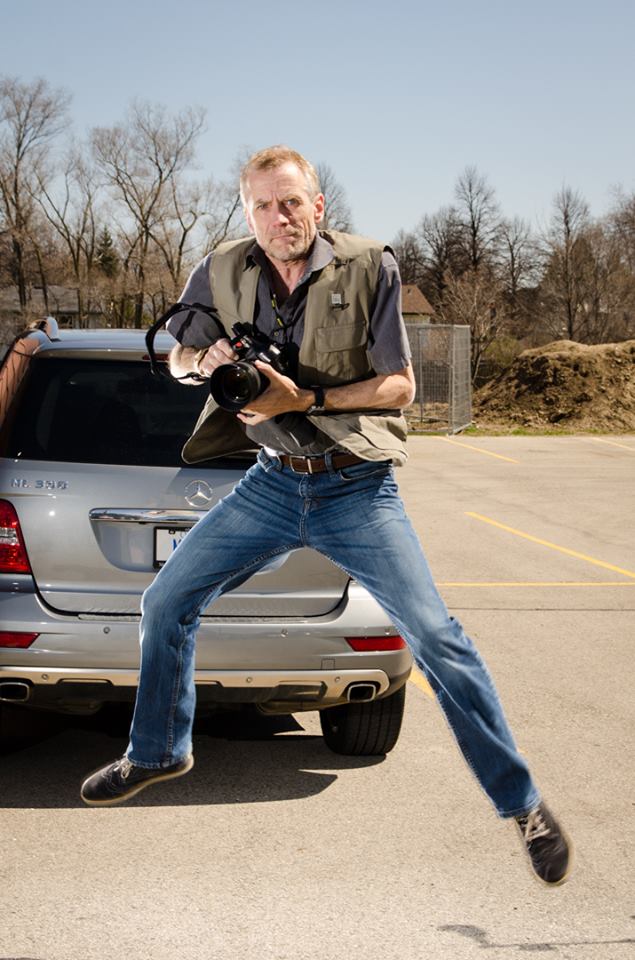
And there is one more reason,  but it is only important for men. When using the viewfinder you look like a pro!

🙂


Plus ça change…

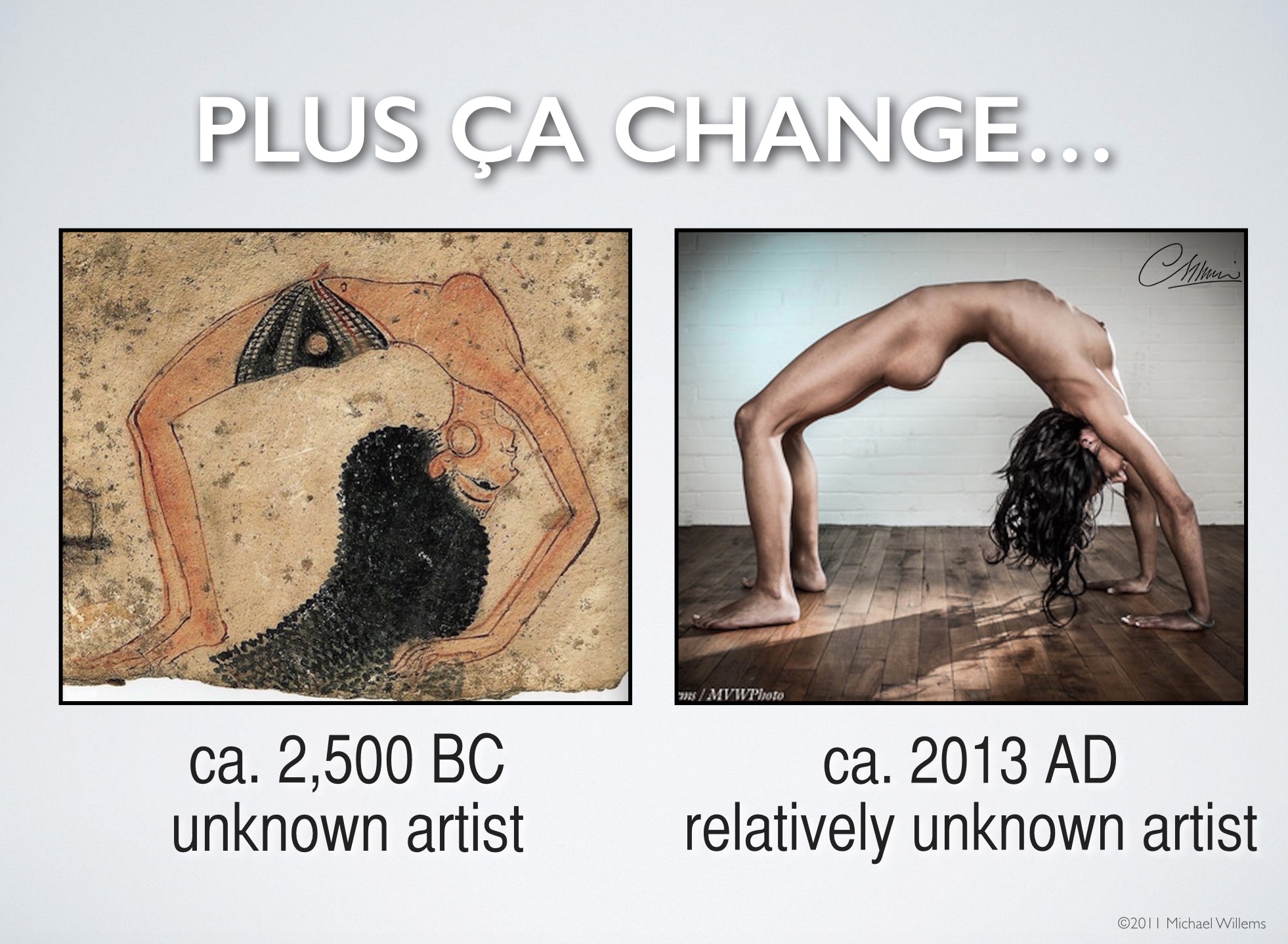
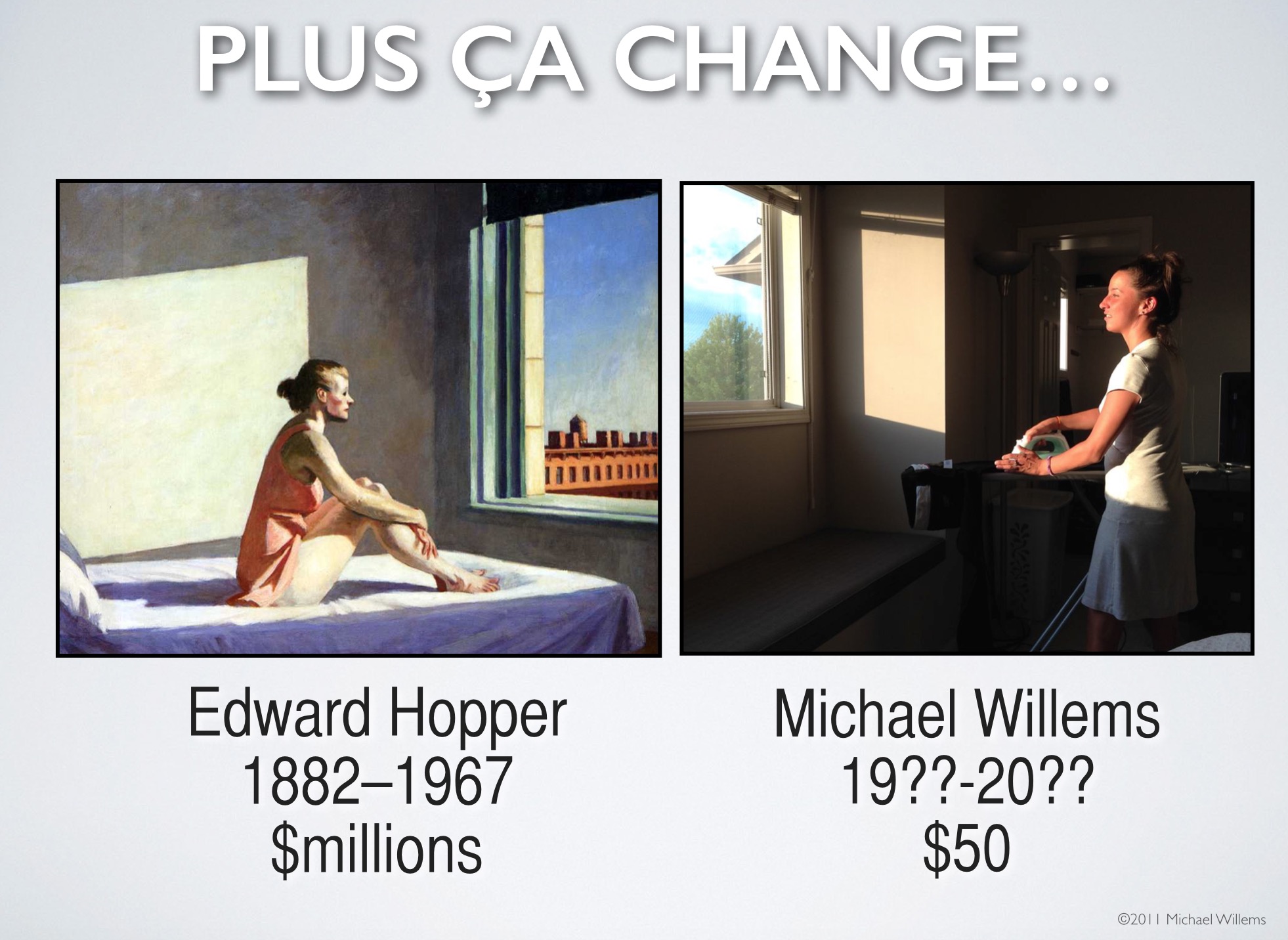
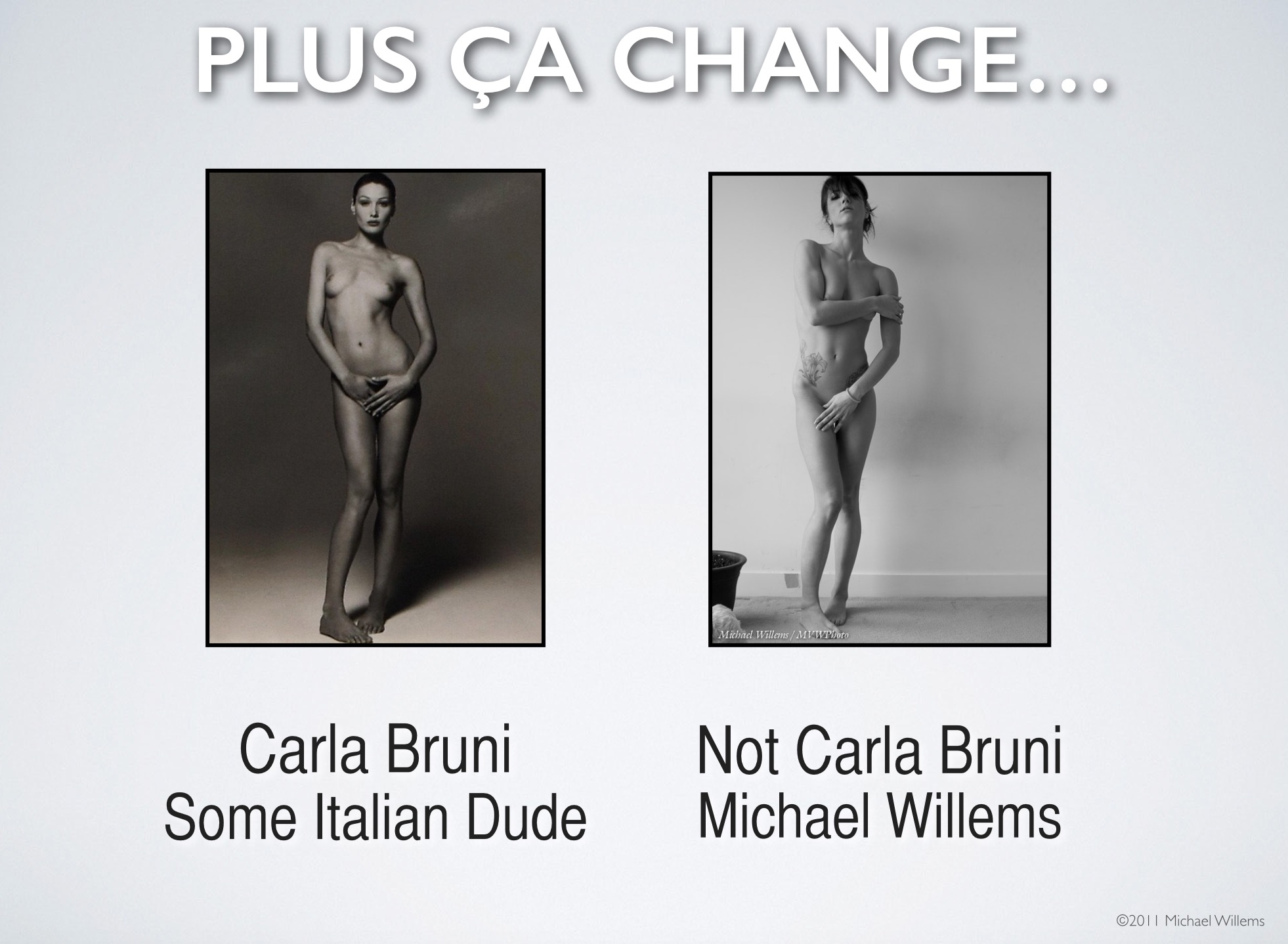
The more things change, the more they remain the same. In many ways, this applies to art, and I will give you a few examples here of mine on the right, and earlier art on the left.

We start in the renaissance:

Before you say it: “Some Italian Dude” was of course Leonardo da Vinci. Joke. But can you see the similarities?

Now let’s jump back another 4,000 years and we see this… and I swear I did not see the image on the left until after I had taken the one on the right.

Forward, now, to one of my favourite portrait painters: from the late 19th century, here’s John Singer Sargent’s “Madame X” and my friend. Again, the similarity, to me anyway, is striking:

And now to another one of my favourite artists, Edward Hopper. And mine. Somehow this too feels very much the same:

Finally, a comparison between Conte’s Carla Bruni and my model. The way she holds her body, shoulders, legs, feet: sooo similar. And no, he is not just “some Italian dude”: that too is a joke. Just before any literal thinker takes offense. Joke, everyone!

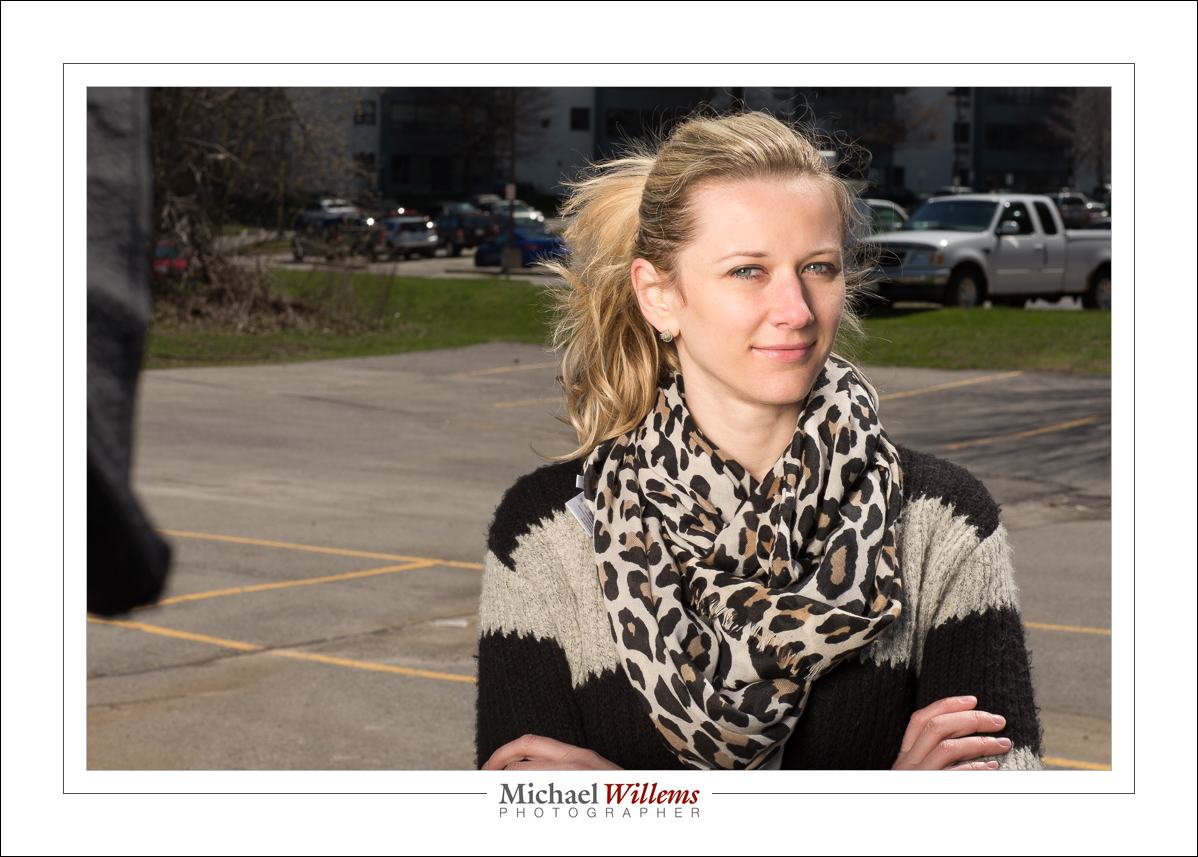
What is not a joke is that once again, several works feel or look similar, and not because of copying: my model had never heard of Carla Bruni. But in spite of this, she assumes the same body stance:

Art feels the same to people across the continents and across the centuries, even millennia. And that is amazing: truly a way of communicating.


Flash Method

Today’s excellent training in London, Ontario, reminds me of a few things.

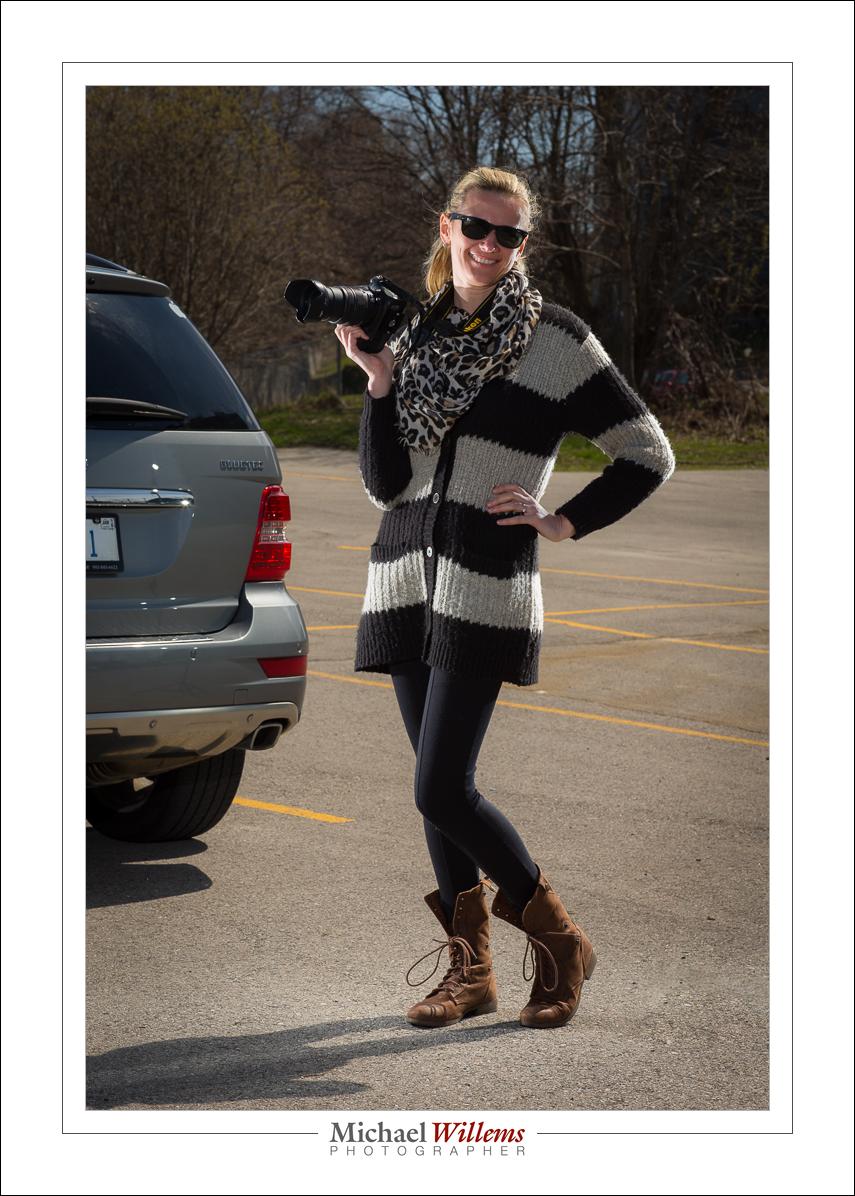
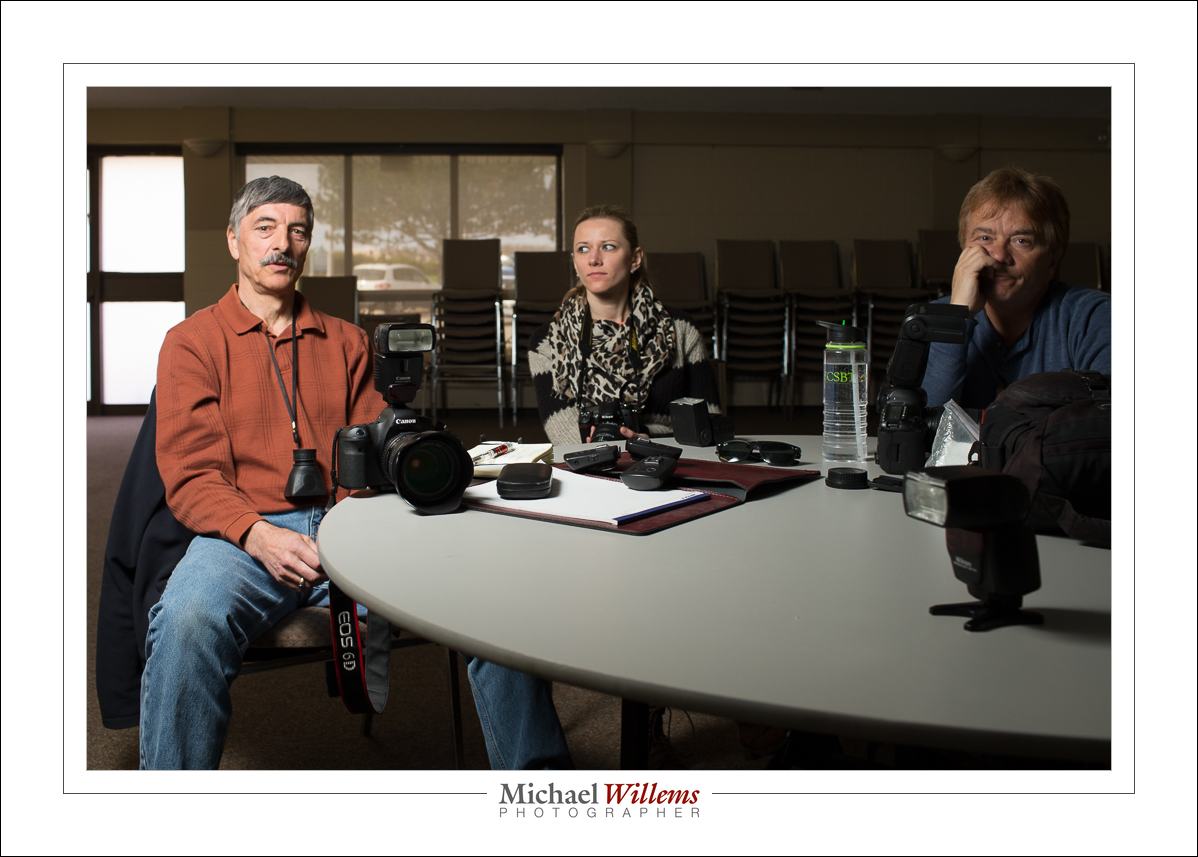
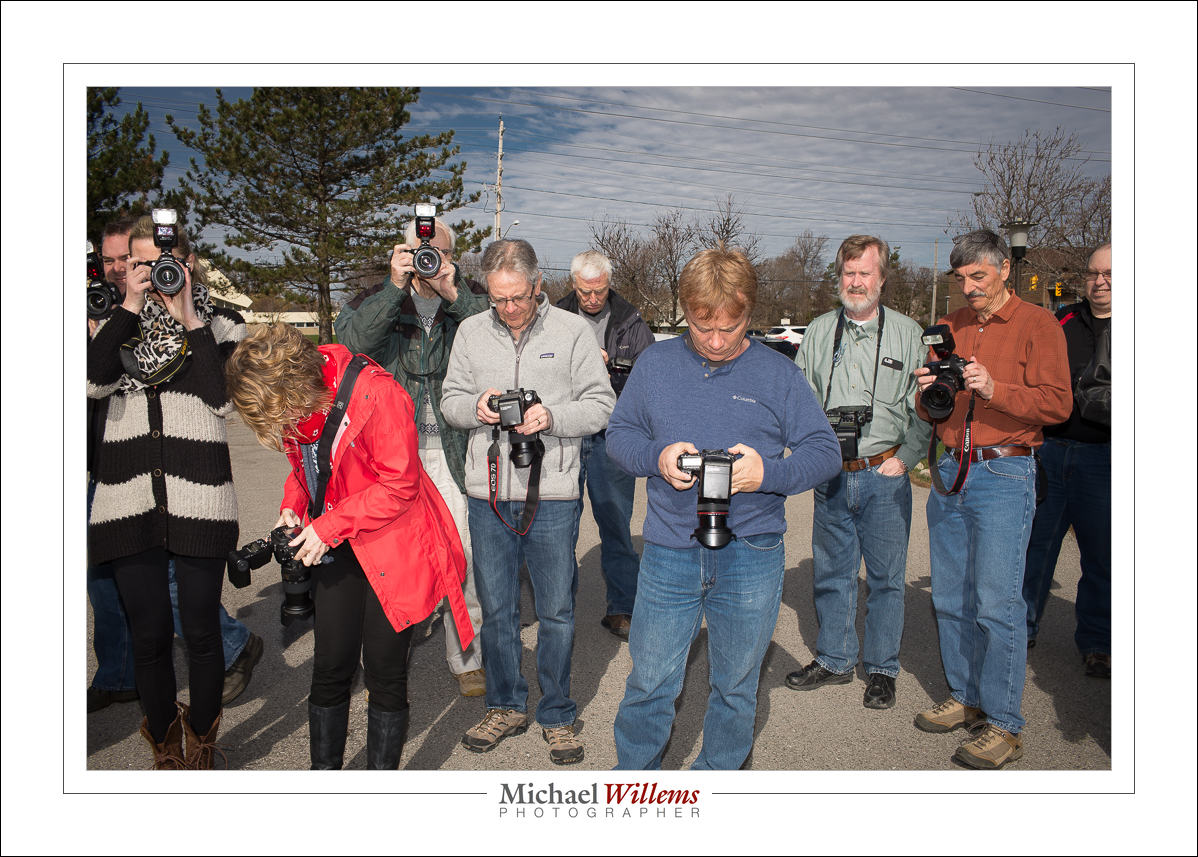
First, a photo or two from the day:

As a result of today’s training, a few simple reminders come to mind:

ONE: Make sure your auto ISO is OFF at all times

TWO: Make sure your lens is set to autofocus

THREE: Make sure that the lens is securely screwed in and locked.

FOUR: Make sure you have enough power for the shot, given your aperture and ISO, For an inside flash photo where you are bouncing, this can be problematic. So you can set your camera to 400-40-4 (400 ISO, 1/40 sec, f/4) , but before you take the photo, you should:

  1. Set your flash to M (manual).
  2. Set its power to full (100%, or 1/1).
  3. Take the photo.
  4. If you now see a clearly overexposed flash portion of your photo, good, carry on: go back to TTL flash and take your picture. If, however, you do NOT see clear overexposure, then either increase your ISO or decrease your f-number, and repeat.

If you follow those four simple steps, your photos will be better, more successful.

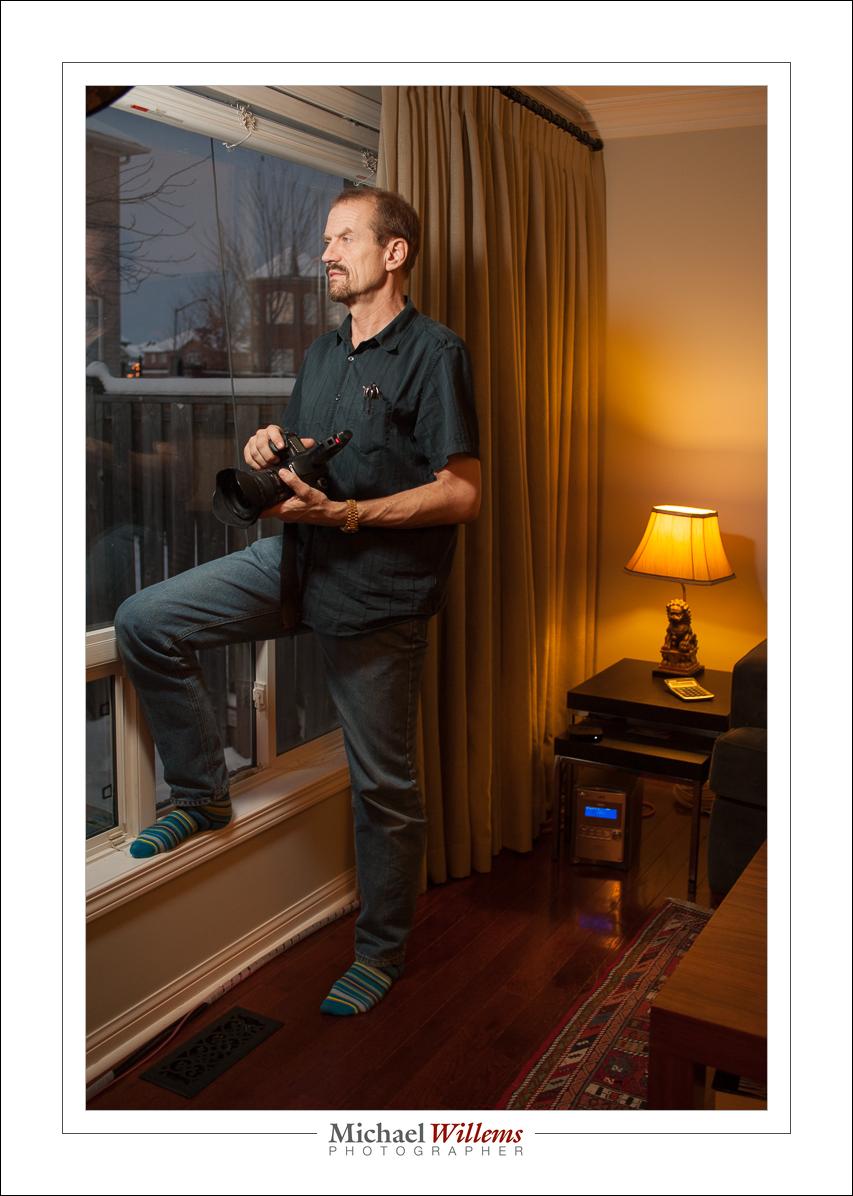
And I leave you with “me”, today, by a kind student:

(Want a course like this? Contact me any time,. These courses are enormous fun, both the theory courses and the practical follow-up we did today).

A useless^G^G^G^Gful trick

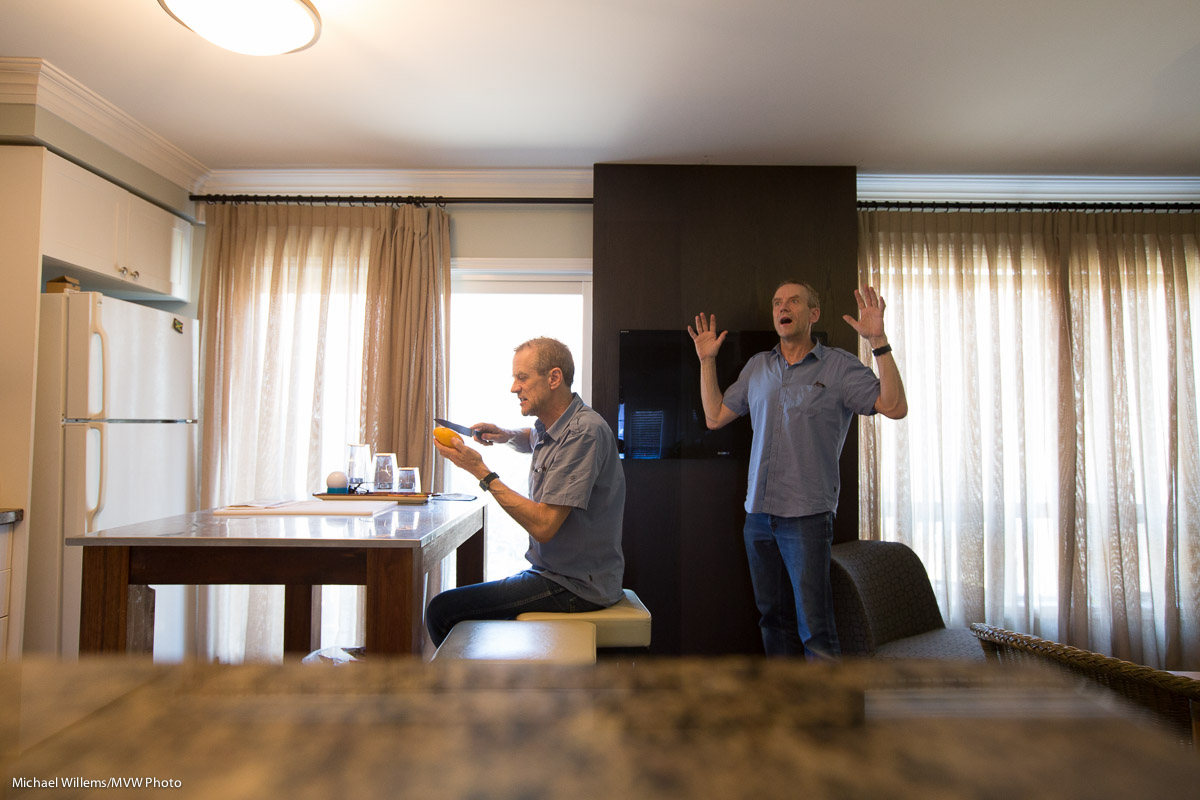
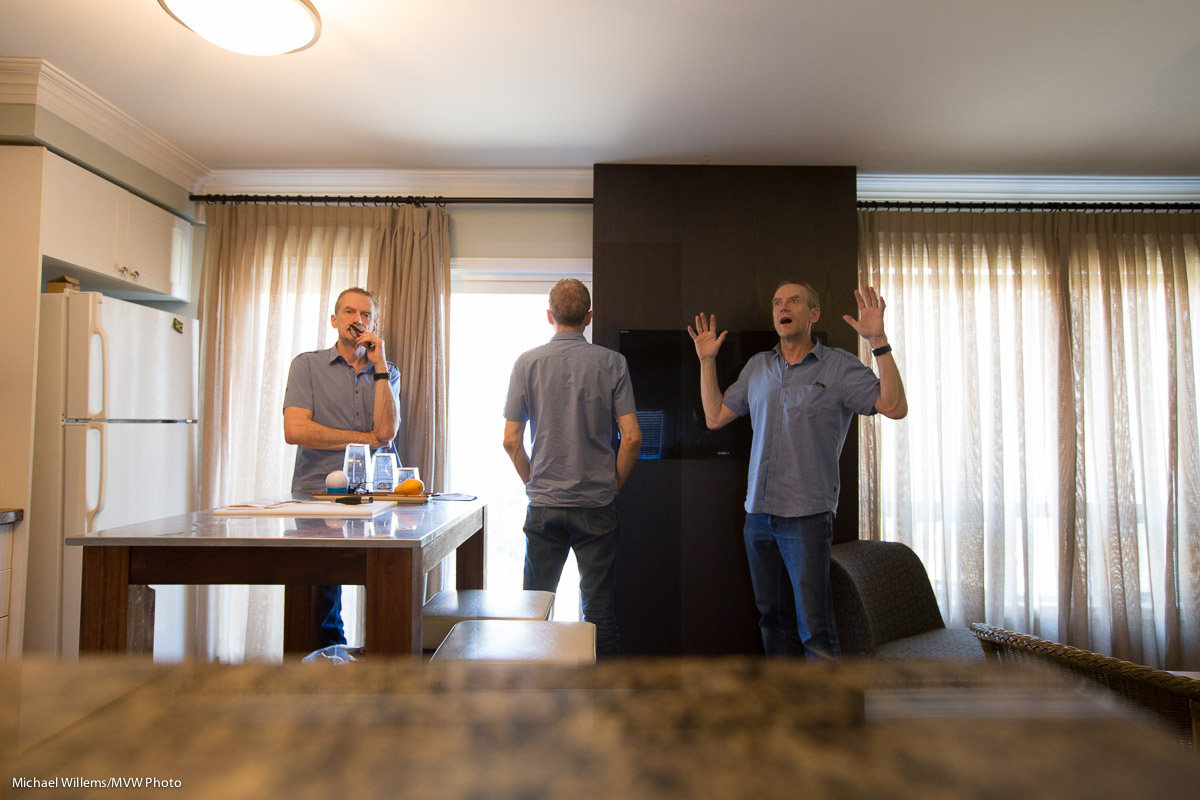
So I can take pictures like this, one by one:

…and on on. Using a tripod, so the only thing that varies is me (I used a self timer).

And then I can use Photoshop or the GIMP (the latter is a free equivalent) to do things like this very easily:

Or even this:

OK.. so a cool trick. You do this with layers and masks. Hellishly complicated user interface, but once you know the silly UI, the process itself is very simple. It’s the only thing I have the GIMP for.

So. Why would I think this is useful, other than for fun?

I don’t. But you can also use it the other way. Instead of replacing the wall by me, replace me by the wall. And now you can perhaps see a benefit looming.

No? Think on. You are at the Eiffel Tower. Or the Grand Canyon lookout point. Or whatever tourist attraction you can think of. What do you see? Tourists. Right. It attracts them: that’s why it is a tourist attraction.

But not in the same spot all the time. So all you need to do is the same I did here: take a bunch of pictures. Say 10-20 of them. So that you have each spot of attraction at least once without a covering tourist. Then you put them into layers—one each—in PS. And then you manually remove tourists. Or if you have the extended or Cloud version, you go one further: you use function File > Scripts > Statistics.   Choose “median” and select the photos. Now you end up automatically with an Eiffel tower without tourists, a Grand Canyone without other onlookers, and so on.

Cool? Yes, that warrants four backspaces and a “–ful”, in my opinion. And those of you as experienced as I am in IT (I am avoiding saying “as old as”) know that ^G (Control-G) is a backspace.

So there.


On Facebook, a photographer just asked:

I have a decade old DSLR (Nikon D200) that I have been wanting to upgrade for ages. My heart is set on a D700. I also would like to invest in a Tamron 24-70 and 105mm macro. I feel like the body is holding me back (it’s horrible in low light and noisy over ISO 200), but everyone always says to invest in better lenses then upgrade the body.

It’s true that everyone (including me) says “buy lenses rather than bodies”. But don’t listen to “everyone” without interpreting. Because every four years, bodies take over as the “must spend on” item.

Why? Sensors. That’s why. And that’s the only reason.

Sensors get better every year. In particular, the ability to work at higher ISO values, and the ability to take photos with less “noise”, i.e. with better quality, gets better. Sensors get better according to Moore’s Law. Exponentially. And since ISO is an exponential scale, that’s a good thing. With my last camera I could shoot with reasonable quality at 1600 ISO. Now, 10,800 ISO gives me the same quality.

Generally, better (faster, sharper) lenses are much more important than better cameras for your picture quality. But roughly every four years, sensors are so much better that this benefit outweighs the undoubted benefit of better lenses. So if you have a ten year old camera, replace it, take some pictures at 3200 ISO, and marvel. An order of magnitude better is something to write home about.

And then save the rest of your money for new lenses. Fast lenses: f/2.8 for zooms and f/1.4 for primes. And enjoy those.


News About Small Modifiers

If, like me, you like David Honl’s range of small flash modifiers, including the Traveller 8 softbox, gels, the speedsnoot, the grids, and many more, you will be happy to read the following: you can order directly from David Honl. Simply follow the link here (or click on the ad on the right, below), and order the special kits and modifiers.

Better still, if you are one of my students, you get 10% off. To hear the code that gets you this discount, just email or call, and ask me. To qualify, all you need is to have been one of my students. Enjoy!


400-40-4: When To Vary

Regular readers all know my “400-40-4” setting for inside flash. The “party setting”, as I also call it.

  • 400 ISO, 1/40 sec, f/4.
  • Flash bounced.
  • And white balance set to “Flash”.

Easy to remember; fits only one way. And it makes nice photos: well lit subject and warm background. Like this:

But remember that this is a starting point. And starting point implies that changes are necessary now and then. Or perhaps frequently.

So when do you need to change?

First and foremost, when you have insufficient flash power. When the ceiling is high, or the wall you are bouncing off is dark, or you need a very bright flash portion of your image with lots of flash compensation, or the room’s ambient light is very low, then you will will need to change the settings. In this case you can lower the f-number or, more usually, increase the ISO.  Set it to 800 or 1600 and try again. This is rather common.

TIP: One way to know quickly if this is the case in the room you are in: set your flash to manual mode, full power (1/1). If it is still too dark, you have insufficient power. Depending on how dark, select 800, 1600, or 3200 ISO, and try again. Once you have an overexposed picture you can go back to TTL mode.

Note that when you increase the ISO, the background gets brighter. If the reason for changing to a higher ISO was a dark room, this is fine. But otherwise, you may need to also select a faster shutter speed to fight this. Watch your ambient light meter: you are aiming for roughly –2 stops. If, say, you go from 400 to 1600 ISO, you need to change the shutter to 1/160 second to keep ambient exposure the same.

You may also need to change aperture when you need more, or less, depth of field. In that case, set it as needed. You can then change ISO to counteract the exposure change you made: e.g. if you go to f/8 to get more depth of field, go to 1600 ISO to get the same ambient exposure.

So, summarising:

  • Start at 400-40-4. Be ready to go to 800-40-4 or 1600-40-4.
  • If the reason was “low ambient light in this room”, that is all you need to do.
  • But if the reason was “low flash light”, be ready to select a faster shutter speed to keep the background the same brightness.
  • If you vary the aperture, the same applies: you may need to vary the ISO to counteract the aperture change and keep exposure the same. ISO Affects

Is all this complicated? Not really. Just remember your exposure triangle, and be analytical (as in “WHY am I changing this variable or that variable”). And remember: practice, practice, practice.

___

Don’t forget to get the flash book from http://learning.photgraphy. And if you want real, in-person teaching, then a short private training session with me, in the same room or via Google Hangouts wherever you are in the world, is just what the doctor ordered. Contact me via email michael@mvwphoto.com or phone +1 416 875-8770 to hear more!


The Prime Requirement…

…of a photo is that it should be simple. That is:

Anything that is in the photo is in the photo because it needs to be in the photo; else, it should not be in the photo.

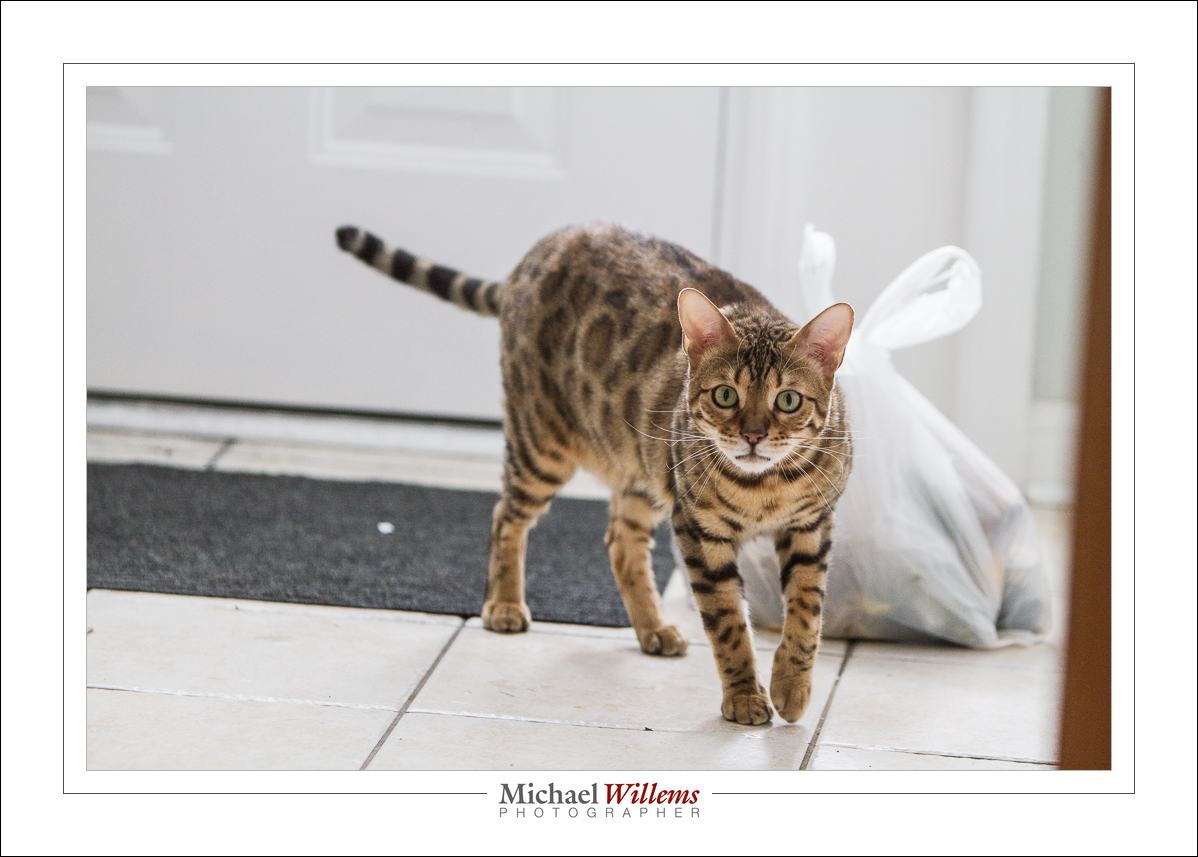
Take, for example, this shot of Shiva:

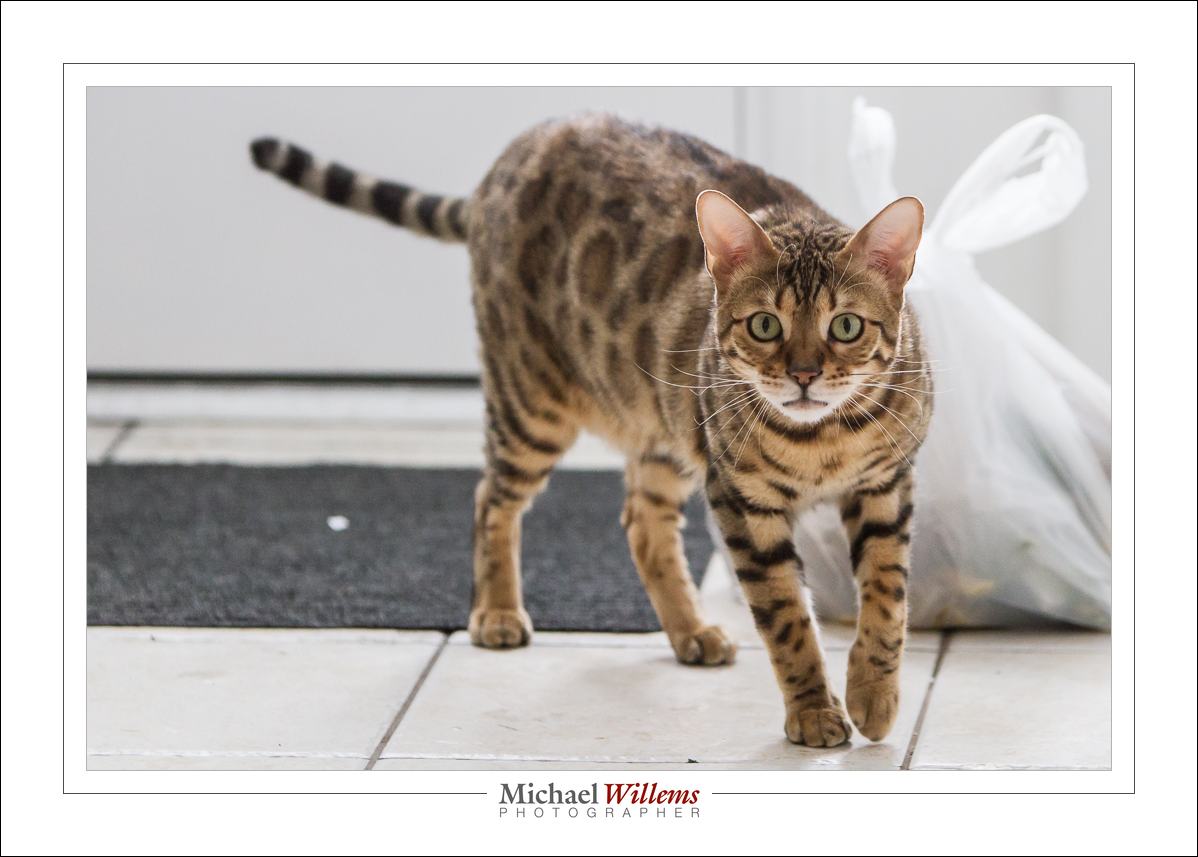
Mmm. It has potential, but it’s not straight, another big no-no, and it could be cropped tighter. That way, we get more emphasis on Shiva and we simplify: we lose the doorpost on the right, the door panel elements on the left, and various other “stuff that doesn’t belong”. And every non-needed element that you take out of a photo makes it better! So we get:

Much better. But the first thing my eye is drawn to is that white piece of paper on the mat. Can you see it? It is almost all that I see. So… healing brush, remove! The same for the black piece of dirt in the foreground.

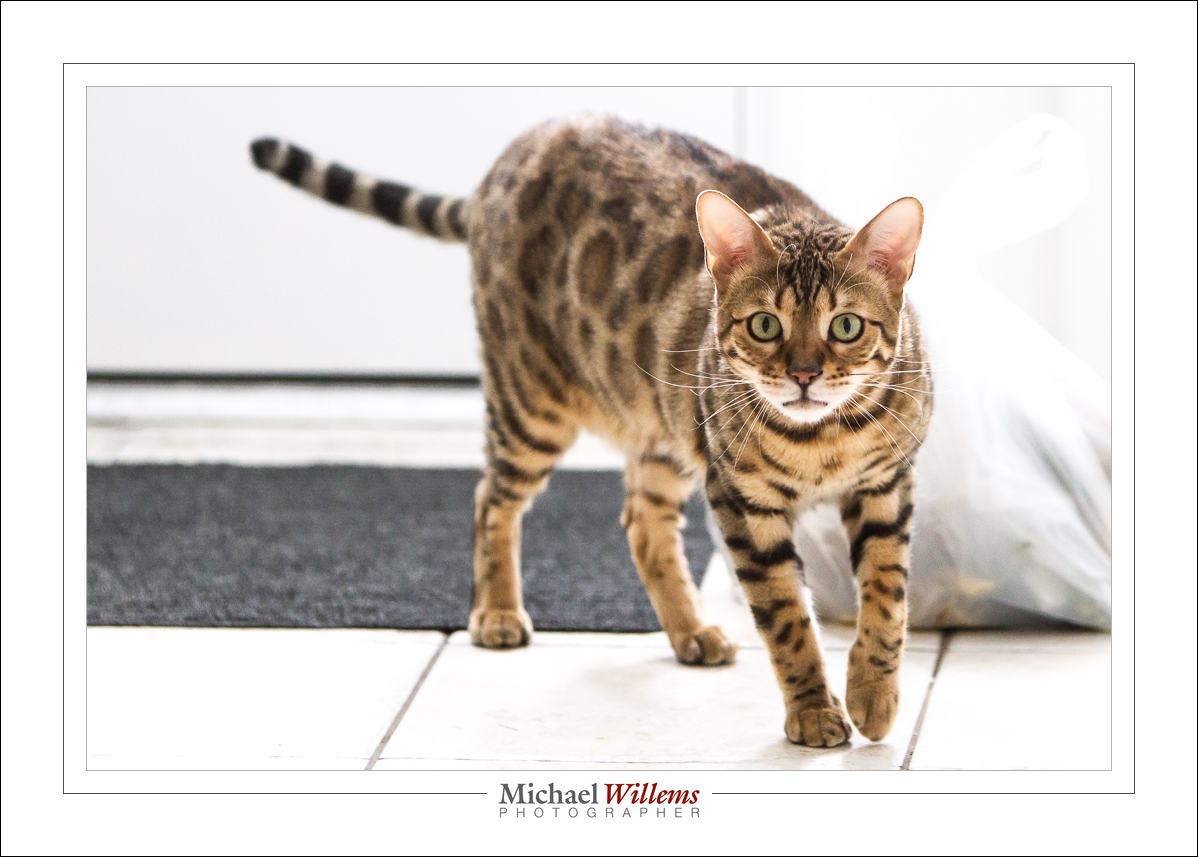
Then, it’s a little dark, so let’s brighten it. That has the additional effect of removing much of the garbage bag.

And now we have the final shot:

When you compare that to the original first shot you see that simple changes made this image a gazillion times better. And that is the official term for it.

Cropping is a major element of my changes here, and cropping/rotating is, as far as I am concerned, allowed.

___

Learn all this and more in my e-book collection. In six e-books, you learn pretty much everything I know. See http://learning.photography for more information, tips and tricks. See you there!