Autumn tip

A quick tip for those of you who, like me, are in the part of the world where autumn is coming.

If you want beautiful fall colours, you need to keep two things in mind:

  1. Brightness. Expose properly, and when vegetation is concerned that means expose less than your meter wants. Foliage is dark and you need to tell your camera that. So use exposure compensation as needed – minus 1 stop is not uncommon.
  2. Colour. Be sure to set your camera to the correct white balance. This usually means “daylight” or “cloudy”: the default “auto” (AWB) setting may get rid of the beautiful radiant colours.

And the colours are starting. Here, a couple of shots I shot while on my way to Drumbo this past weekend, to shoot the Drumbo Country Fair. Those colours are on their way:
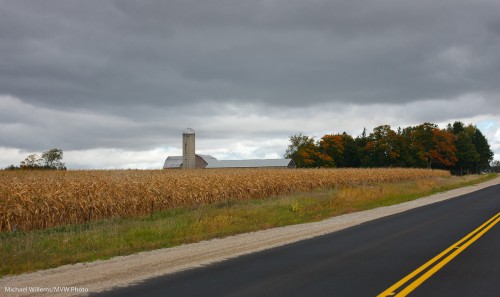
Fall is coming: Drumbo, Ontario, Sep 2010

Fall is coming: Drumbo, Ontario, Sep 2010

Of course I could not possibly have been shooting this handheld while driving: that would not be allowed in Ontario. Right?
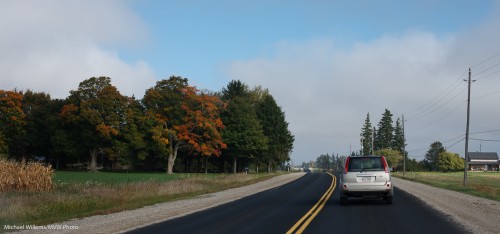
Fall is coming: Drumbo, Ontario, Sep 2010

Fall is coming: Drumbo, Ontario, Sep 2010

And here’s a snap from what I was shooting:
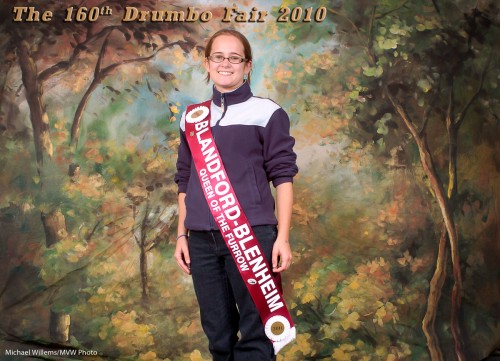
Drumbo, Queen of the Furrow

Drumbo, Queen of the Furrow

One more tip: for best fall colours, either shoot late in the day (the “golden hour”), or early in the morning (if you can get up, early morning light is just as beautiful, plus there is little wind). And know where the sun is!
ISO rule of thumb

I am often asked about ISO. So here is a “rule of thumb” post on that subject.

Michael’s standard starting points:

  • Outdoors: 200 ISO
  • Indoors (even when using flash): 400 ISO
  • “Difficult Light” (eg museums, dark halls): 800 ISO

Michael’s exceptions:

  • Using a tripod: 100 ISO (as long as nothing moves)
  • Hockey, etc: 1600 ISO

In each case, go lower if you can, and go as high as you need to, when you need to.

Colour combinations

There are some colour combinations I always look for. If you see those, think “could there be a shot here?”

They include Red vs. Green, a combination that contrasts on the colour wheel:

Red and Green

Red and Green

But also:

  • Yellow vs. Blue, ditto, another contrasting combination.
  • And the following harmonious combination we find a lot in nature: purple and green.
Green and purple

Green and purple

And this one, shot in yesterday’s “Creative Urban Photography” walk that I did with nine students in Oakville:

Harmonious Colours,photo by Michael Willems

Harmonious Colours

So any time you see any of those combinations, ask yourself “could there be a picture?”. And if you see lots of green, look for some red; if you see lots of blue, see if you cannot find some yellow to add to it.

Update: two more notes. First, remember to set your white balance properly (e.g. on a cloudy day, use “Cloudy”). Second, the upcoming autumn is a great time. Cloudy, overcast days provide wonderful saturated colours, and of course the leaves are turning. Get Out and Shoot!

Catchlights

Typically, a portrait needs to show catchlights in the eyes.

Those little sparkles of light. Like in this portrait of a recent client, Mo Vikrant, an amazing (and amazingly well educated) young financial advisor in Toronto:

Mo Vikrant, photo by Michael Willems

Mo Vikrant

Can you see how those dots of light add life, add sparkle, to this portrait?

Now, I am not as adamant as PPOC, the Professional Photographers of Canada, that every eye must have a catchlight (and only one), or it is a failed portrait. But I do think that typically, yes, they need to be there, and they need to be round.

So I used a speedlight shot through (not reflected off) a partially-unfurled umbrella for that portrait.I cold also have used the Honl Traveller 8 softbox – this too would have given me nice round catchlights.

Detail is important!

Learning light

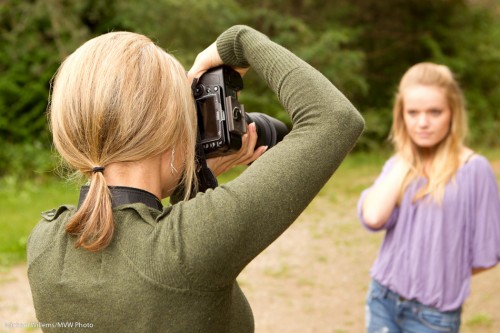
In an intensive half-day custom course, I taught my student Melony some glamour photography techniques a few days ago. From flash techniques to colour to modifiers to using a light meter to posing.

She brought her daughter as her subject, and both did excellent work.

Student shooting model

Student shooting model

(By the way, did I ever tell you to make the viewer work in interpreting an image? Yes I did. And the blurred out daughter in the background is an excellent way to do that. Don’t tell the whole story, let the viewer figure it out.)

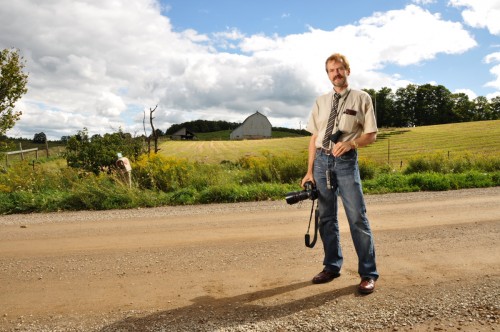
But anyway. Student Melony also kindly photographed me:

Michael Willems, by Melony McB.

Michael Willems, by Melony McB.

That is a great portrait.

And I can say that because it is the photographer who makes the portrait, in this case, more than the subject.

So how did we do this? Why does it work?

This works because:

    1. The light is good. First, Melony exposed the background properly (i.e. she did not overexpose it: exposing less is good, so that the subject, not the background, becomes the “bright pixels”). Willems’s Dictum: “Bright Pixels are Sharp Pixels”. Also known as “blurriness hides in the shadows”.
    2. Then, I am lit by the sun from the right (aided by a speedlight, but as the sun came out just at the right moment, this was no longer necessary). That gives us the nice shadow.
    3. But then, in a twist, and that twist is what does it, I am lit by a strobe with a softbox on the (camera) left – that gives the “ultra-realistic” look. Light from the back -and yet I am bright in the front.
    4. This image also show good use of appropriate props – I am holding the camera, which for a photographer is part of the story.

      Pocketwizards and a battery-powered Bowens light, as well as a speedlight, were used here.

      And kudos to those of you who spotted the other essentials, around my neck: a Hood Loupe by Hoodman, and a flash meter.

      Light makes a photo. Creative light makes it better. And it is simple. Once you know it.

      This is the sort of stuff I teach at my workshops, and Joseph Marranca and I are doing several more in October: check the schedule on www.cameratraining.ca !

      And yes, I wear a tie almost every day.

      Dark

      Always carry your camera, even at night.

      I just got back from teaching, after an executive portrait shoot this morning.

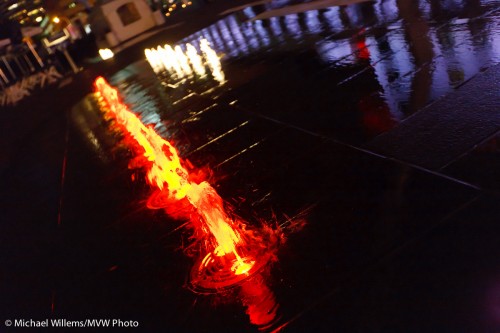
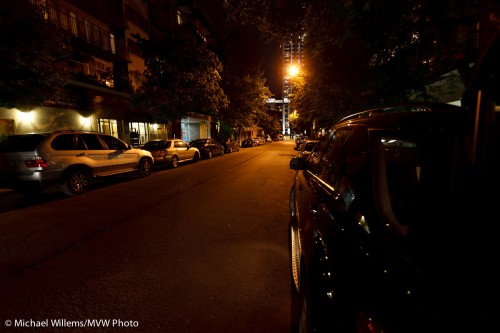
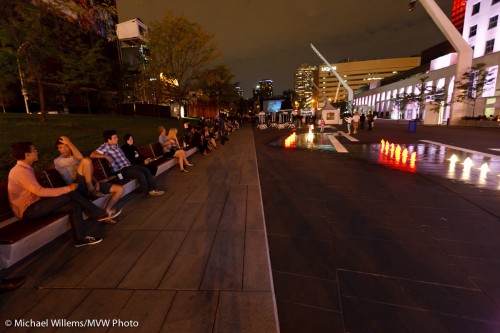
      But I want to talk not about light, but about lack of light. And how when it gets dark, you do not put away your camera. Like I carried mine, just the other night in Montreal:

      Montreal, night scene, handheld photo by Michael Willems

      Montreal, night scene, handheld (Aug 2010)

      Montreal, night scene, handheld photo by Michael Willems

      Montreal, Rue Hutchison, Aug 2010

      Montreal, "The Shining", handheld photo by Michael Willems

      Montreal, "The Shining", handheld

      All those were handheld shots.

      Tips for those:

      • Hold the camera steady!
      • Use a wide lens, since they are more forgiving of motiong
      • Make it a fast one the fastest you can get (I used a 16-35mm f/2.8 on a full-frame camera);
      • Use a high ISO if handheld (but low if using a tripod);
      • Expose down 1-2 stops (use manual, or use aperture mode and Exposure Compensation “minus”) ;
      • Shoot multiple times to make sure!

      If you do it that way, it is easy. And you will be happy with your images.

      Light

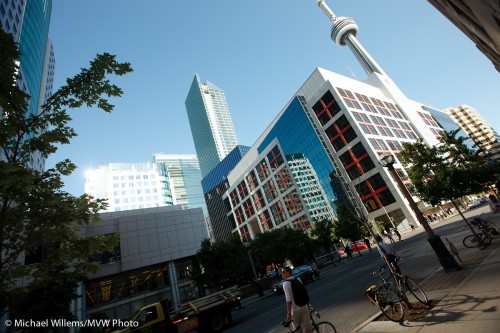
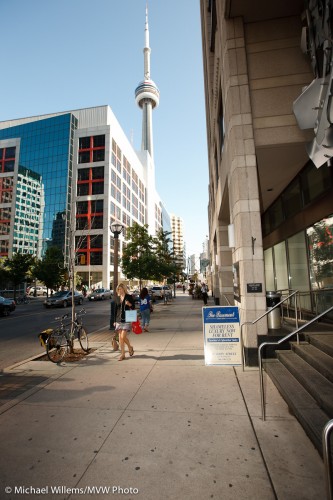
      I like the light in modern downtown areas of some cities – like Toronto.

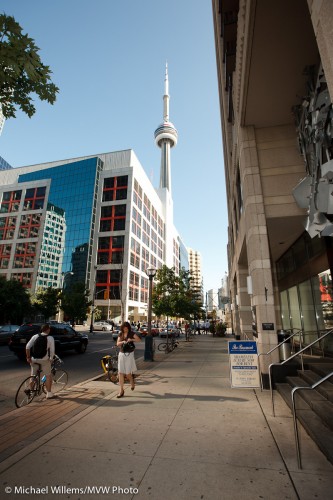
      Why? Because you get light like this, in a hot I took the other day during a Microsoft even shoot:

      Toronto Downtown Light, John Street, photo by Michael Willems

      Toronto Downtown Light, John Street, Aug 2010

      Look at the light illuminating the woman and the bike. Crazy. Unnatural – in a good way. Hyper-realistic light.

      The light in the very foreground, the first two metres of sidewalk, was due to my flash (the Speedlighter never travels without his speedlight!), but how about that side light? The picture looks like an HDR shot!

      Exactly like the runner in Mono I showed you not long ago. Light from two directions, a spotlight with shadows: spotlight, or a huge softbox, on the left while the sun is on the right. Impossible light, and that is why it appeals.

      No, very possible, and here’s why:

      Toronto Downtown Light, John Street, photo by Michael Willems

      Toronto Downtown Light: mirror action

      See that big mirror?

      Wonderful. Saved me the effort of using a huge softbox.

      Here’s another example:

      Toronto Downtown Light, John Street, photo by Michael Willems

      Toronto Downtown Light, John Street, August 2010

      The moral of this post: always look for light – train your eye to look for unusual light, and use it in your pictures.  I thought to get these shots it was worth foregoing my Starbucks visit (that’s what I was actually doing, during a break in the event shoot).

      Bad light

      Have you ever thought, or said, the following?

      Waah. It’s raining, I can’t take pictures.

      There’s no sun, I can’t take pictures.

      Don’t you believe it. A cloudy, rainy day is better than a sunny day in so many ways.

      • No harsh shadows to wrinkle clothes (or faces)
      • No squinting eyes
      • Saturated colour
      • No impossible contrast to handle
      • Those great raindrops

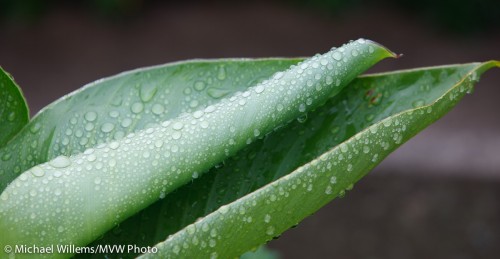
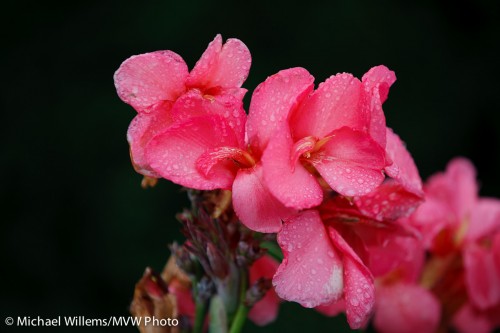
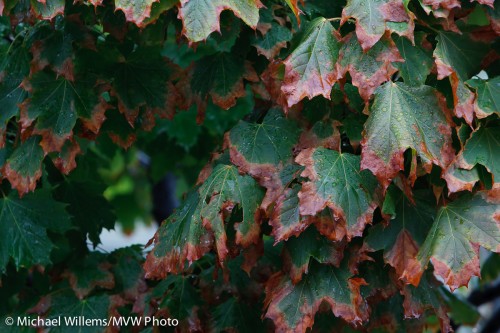
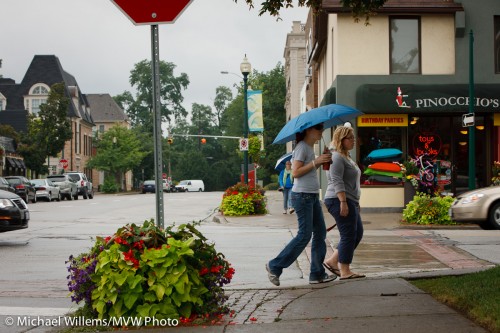
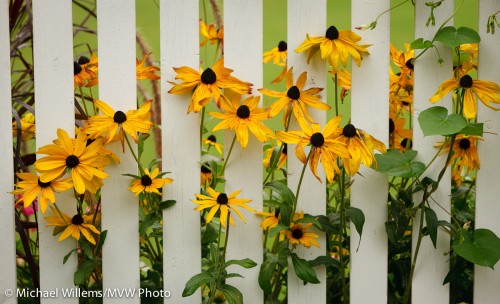
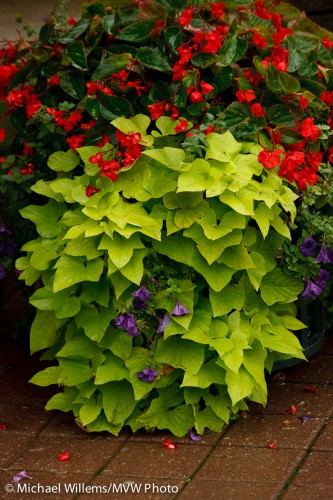
      The other day, I took a few snaps during the Henry’s Creative Urban Photography walkaround. Here’s a few of them: are those saturated colours not beautiful?

      Leaf in the rain, by Michael Willems

      Leaf in the rain

      Flower in the rain, by Michael Willems

      Flower in the rain

      Turning Leaves in the rain, by Michael Willems

      Turning Leaves in the rain

      Oakville in the rain, by Michael Willems

      Oakville in the rain

      Tired Flowers, by Michael Willems

      Tired Flowers

      Oakville plants in the rain, by Michael Willems

      Oakville plants in the rain

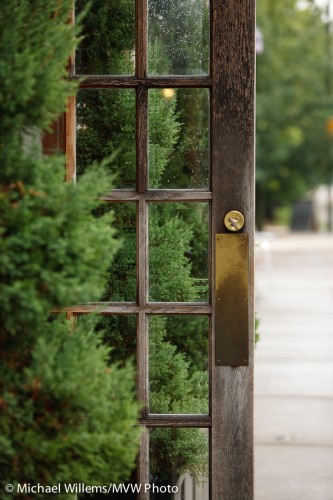
      Oakville door, by Michael Willems

      Oakville door

      A rainy, overcast, dreary day: provided you expose properly (remember exposure compensation. Hint: it’ll likely be “minus”), there’s really nothing quite like it.

      Colour has to be real

      Right?

      Um, no, of course not: colour is a tool for you to use in your artistic endeavors.

      And colour can be anything you like.

      A few nights ago, I though I would see how long it would take me to recreate a lighting setup that my friend Dave Honl (yes, he of the excellent Honl Photo modifiers) did recently. So I looked at his shot and put it together the same way he shot it, in exactly 20 minutes:

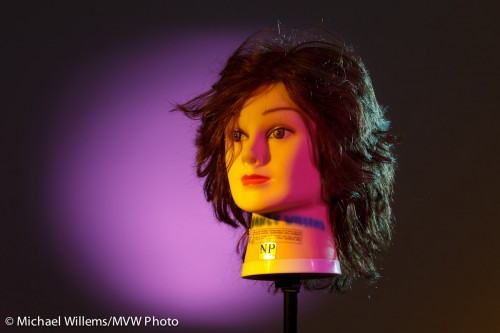
      Fun with gels, Photo Michael Willems

      Fun with gels

      That is including:

      • Setting up four light stands.
      • Connecting four flashes (3x 430EX, 1x 580EX) to Pocketwizards using Flashzebra cables.
      • Mounting these on the light stands using ball heads etc.
      • Equipping the key light with a 1/4″ grid and an Egg Yolk Yellow gel.
      • Equipping the fill light with a 1/4″ grid and a Follies Pink gel.
      • Equipping the hair light with a small snoot and a Steel Green gel.
      • Equipping the background light with a long snoot and a Rose Purple gel.
      • Setting the power levels correctly (by trial and error, combined with histogram: key light = 1/4 power, fill=1/8, hair=1/8, background=1/16).
      • Setting the camera up correctly (I used the 7D and set it to manual, 100ISO, 1/125th, f/6.3).

      Huh? Egg Yolk Yellow, a crazy bright colour, to light the face? Are we crazy?

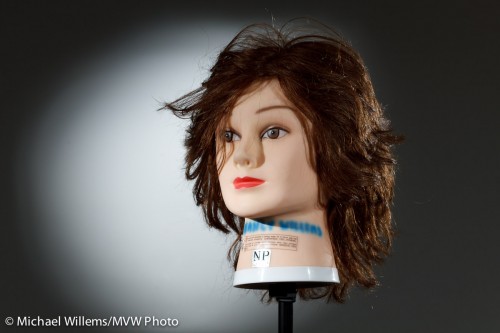
      No, just having fun. Yes, of course Dave could have made his shot using no colour. Here’s what the same shot looks like without the gels. (Of course I switched the camera to an aperture one stop tighter, namely f/9, to compensate for the extra light once I removed the gels):

      Grids and snoots, photo Michael Willems

      Grids and snoots

      Yeah, nice, and appropriate for a corporate head shot. But compared to the previous, it is kinda boring, no? So next time you shoot someone, unless they are a law firm executive, you might have fun and try some colour. You don’t need to go crazy and use four colours, but a splash here and there can really help your picture come alive.

      By the way, what was the colour of the backdrop?

      White.

      Remember the following equation:

      White – light = black

      Similarly, in practice, black + enough light = white.

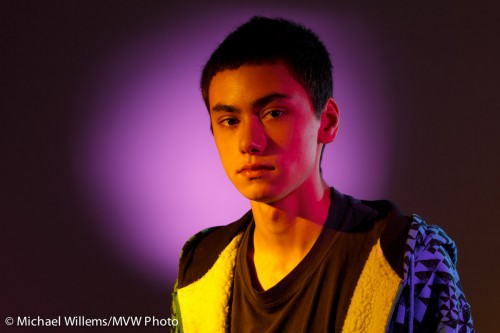
      And finally, a real person: my son Daniel (“sigh, not again, Dad”):

      Daniel, photo Michael Willems

      Daniel in colour

      But here’s the thing. After seeing it, he grinned and said “Rad.”. That‘s a first!